All I Want for Christmas Is to Stop Having Culture Shock

It has become unavoidably obvious that I am caught in the grip of some of the worst “rejection phase” culture shock I can remember. I was in denial about this up until this past Monday, but I can’t keep lying to myself about it. I was already upset that I didn’t get a “honeymoon” phase for Senegal, and I’ve spent almost every day since arriving here telling myself to stick it out because it will get better when… when I find an apartment, when my classes start, when the weather cools off, when I meet more people, when I finish this conference… it’s a never-ending goalpost-shift that I’m doing to myself. The wildest part about finally realizing that my anger, doubt, and frustration is “normal culture shock” is that it doesn’t make me feel any less angry, doubtful or frustrated… it just makes me feel very predictable and if anything even more angry, doubtful and frustrated that after 8+ years living abroad I’m still susceptible to this kind of extreme emotional wreckage.

What Is Culture Shock?

There’s a million articles about this, so I’m not going to go over every detail here. The most important things to know about culture shock are a) it’s not something you can just willpower yourself out of, and b) it follows a pattern within parameters. It’s a lot like grief or trauma response in this way. Most people know the “5 phases of grief”, but fewer know the phases of culture shock.

  1. honeymoon – “everything is awesome” or at least quaint, charming, or some other positive adjective
  2. rejection – “everything sucks”
  3. adjustment – “maybe I can make this work”
  4. adaptation – “I got this”
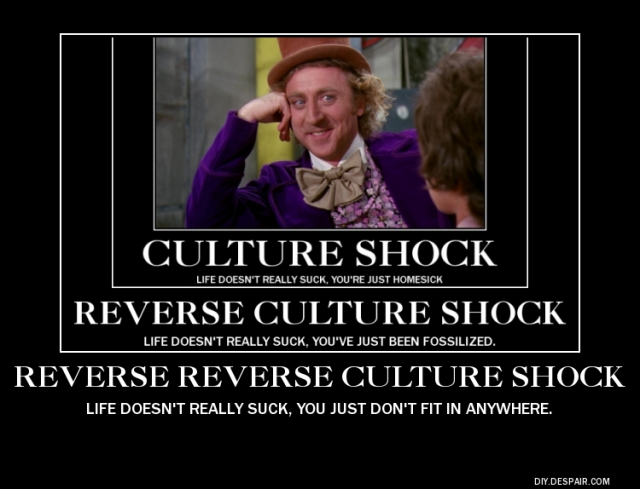
  5. reverse culture shock – “home doesn’t fit the same anymore”

These are often presented as a U-curve but in reality we know it as a rollercoaster that never ends, but just goes around and around and sometimes leaves you stuck hanging upside-down.

Much the same way that reaching the “acceptance” stage of grief doesn’t mean you magically stop feeling sad about the loss of your loved one, reaching “adaptation” doesn’t make you suddenly immune to culture shock.

A lot of the talk about culture shock is on a timeline of a year, roughly in quarters, and I think that’s because a year is a very standard time of living abroad for study or work. I’ve seen people on holiday pass through all four stages in a week, going from loving everything on Monday to nearly getting on a plane to fly home on Wednesday to navigating the public transit system and haggling with the street vendors by Saturday. Then there’s long term expats like myself who never really stop fluctuating through the effects of culture shock, but experience them in less extreme forms.

The brain goes through a bunch of changes when we leave our familiar surroundings. New neural connections are formed, chemicals and hormones are released in new and different ways and amounts. The honeymoon phase may just be extra dopamine and serotonin, and the rejection phase may be extra adrenaline and cortisol. It’s normal to seek the cause for any new emotion in our present environment. I learned about it while studying the trauma phenomenon of “emotional flashbacks” in which we experience an emotion as a result of past trauma but without the accompanying memory, we ascribe the cause of the emotion to the present, to whatever happened just before we started to feel it (the trigger).

When we are still new to a host culture, it’s easy to assign responsibility for any extra emotions (pleasant or un-) to the most obvious changes in our condition – the new culture. When we live in a foreign environment for years, we still experience the extra emotions, but tend to cast about for things within our lives like work or personal relationships which may have changed more recently. It’s classic the correlation/causation mix-up.

For a really long time now, whenever I have had brain changes resulting from culture shock, I didn’t think about them as being related to the specifics of Korean culture, but was able to see them as part of a broader pattern of the expat emotional roller coaster. I was having culture shock, but it wasn’t manifesting in the stereotypical ways. Now, I find myself suddenly having some very textbook-example culture shock symptoms, and I almost didn’t see it because I thought it was just for new travelers. Silly Rabbit, culture shock is for everyone.
Realizing I’m a Stereotype

At lunch the other day, my American colleagues patiently listened to me explain why I was having such a hard time here, and then while agreeing that my observations were valid, also pointed out that my emotional reaction could be culture shock. I gave it very little thought at the time, but it sat in my brain, and by the time I got home that afternoon (grumpy, exhausted, and questioning my life choices) I decided to do a little Googling. At first, I wasn’t finding any resonance. Yes, I missed my honeymoon phase because of housing and weather issues, and I had some complaints about things like chronic lateness and haggling for taxis, but I had plenty of examples of Senegalese culture that I appreciated. I love the food, I really enjoy driving along the corniche and watching the ocean, I like the way that everyone grows flowers to give color to the otherwise sand colored land. I was able to enjoy good nights out, and butterfly migrations, and students having fun. Surely I couldn’t be in this “hate everything” phase and still enjoy all that. Surely my litany of complaints were grounded in objective reality and not in an involuntary emotional response? Right?

Most people focus on the part of the “rejection” phase that centers around negative thoughts and feelings toward the host culture, but it’s not the only thing. There’s a whole pile of physical and mental health issues that come with this phase, especially if one is making the conscious effort to resist cultural judgement.
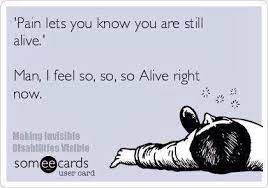
FATIGUE, ILLNESS, EATING/SLEEPING ISSUES – I wrote before about Bessel Vander Kolk’s seminal work The Body Keeps the Score. That book is about trauma manifesting in the body, but it carries the broader message that all kinds of unresolved stresses will come through as physical symptoms, especially in the form of chronic fatigue, chronic pain, eating/digestive issues & sleeping issues. Culture shock stress is no exception.

Am I extra tired because it’s hot AF, and because everything takes more time and energy to do, or because of culture shock? Am I feeling icky because of new local bacterial strains or because of culture shock? Am I not sleeping well because it’s a new apartment or is my insomnia acting up because of culture shock? Eating ice cream and bread for dinner is probably culture shock, but my recent bout of “I wanna die” fever/chills/aches/bed-to-bathroom/please-let-the-antibiotics-work-soon illness is probably the result of some local microbes my body has no immunity to.

MOOD SWINGS: ANGER, DEPRESSION & ANXIETY – Everything makes me grumpy, I have no resilience for minor obstacles. I hit fight, flight or freeze waaaay sooner than my own personal baseline. This results in some unhelpful reactions like loosing my temper at drivers who can’t use GPS or mentally checking out when I need to be focusing. Are my feelings of grumpiness proportional to the circumstances? Maybe sometimes? I mean, how many cockroaches do you have to squish before it makes you crazy? Is it reasonable to get angry when someone leaves your window cracked and the mosquitoes attack you in your sleep? What about when the neighbors kids get in a screaming match under your window for the 15th time this week, or they are redecorating next door and spend hours every day with hammers and drills? Am I grumpy all the time because of bugs and dirt and noise or because of culture shock?

I’m no stranger to anxiety either, but I was very interested to find that culture shock anxiety comes in new flavors like special concerns about water/food safety, a preoccupation with being scammed or robbed, and an obsession with cleanliness. I am not gonna lie, having to boil all my water even to brush my teeth means I spend more time thinking about it. I also sanitize my produce, which is not a thing I’ve done in other places (wash yes, but here we soak it in a mild bleach solution and rinse it with boiled water, it’s way more). I am also finding myself preoccupied with the bugs that I find crawling around. Intellectually, I know it’s just part of living in a climate like this. Even living in the US southern states you’ll be living with bugs, but I have noticed I think about it more here.

I’m starting to see that culture shock and emotional flashbacks have a lot in common. They are both strong emotional states which are frequently misattributed to coincident actions or environmental conditions. After I learned about the existence of emotional flashbacks, I had to start learning how to evaluate triggers. Sometimes, I’m triggered by things that are genuinely innocuous. In those cases, my emotional response is 100% not caused by the trigger. Other times, people do things that are objectively crappy and I have to sort out how much of my emotional response is flashback and how much is reasonable given the circumstances. I have to learn what a proportional emotional response feels like.

It’s reasonable to be upset and express disappointment when someone flakes on plans, but not reasonable to scream and cry for days about it. It’s reasonable to be frustrated that professional drivers can’t read maps, but not reasonable to yell at them about it. Why allow ourselves to be upset or angry at all if it causes so much trouble? Our anger protects us from abuse and harm. It’s reasonable to stop making plans with a person who never follows through, or to cut a person out of your life who won’t stop hurting you. It’s reasonable to leave a job that has a hostile work environment or move to a new city if the pollution is wrecking your health. Our proportional emotional responses serve to help us establish and maintain boundaries and ask for what we need in life to be comfortable and safe. The trick is identifying those when you’re in a state of emotional dysregulation.

SELF-DOUBT – This is the one that completely ate my brain when I found it. I was sitting around thinking things like “maybe I’ve made a terrible mistake”, “maybe I’m not strong enough to meet this challenge”, “maybe I’m a spoiled white-girl American after all”, “I don’t know if I can do this again, but I feel like a loser for not wanting to take advantage of this opportunity” and then I read this: Culture shack manifest as…
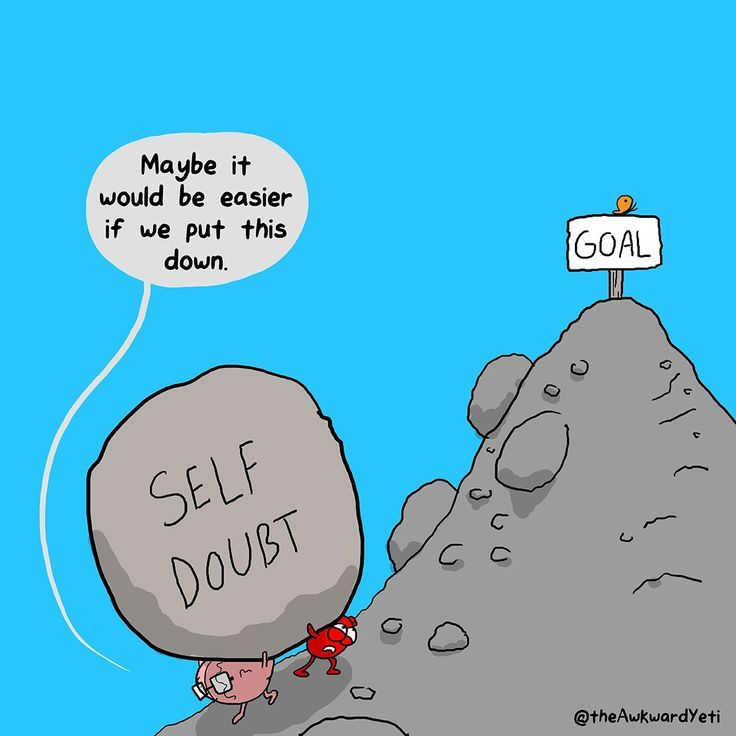
  • Questioning your decision to do this work
  • Feeling more shy or insecure than normal
  • Questioning long-held beliefs about religion, gender, morality, or other core convictions
  • Feeling like you’re an imposter
  • Questioning your ability to overcome adversity

Questioning My Decision to Do This Work

I already felt like the work I was doing in Korea was pretty darn meaningless, but the ability to travel the world on my holidays made up for a lot. During the pandemic when I was teaching required English classes online to students who were not interested in learning or using English and generally slept or played video games during the class, and I was totally unable to travel, the pointlessness of it all was eating away at me. When I was offered this Fellowship I thought, “well, no matter that Senegal will come with heat and dirt and bugs and other hardships, I will be doing something meaningful, and not in a “White Man’s Burden” way by imposing my own values, but by providing support to locals who are building meaningful educational programs themselves.” Reality has yet to measure up to this expectation.

The work I’m doing is if anything less meaningful. Meeting veterinary students one day a semester to promote the value of English education when no English education is available to them and no school resources or faculty members are allocated to help them is a waste of energy to promote a façade. Don’t get me wrong- I love meeting the students. I love watching them have fun in English and shake off some of the language anxiety, but I am frustrated by the total lack of ability to form rapport, or to provide growth opportunities. I feel like someone at State is going tot read this and ask me why I didn’t ask for more help from the school or the program, but the reality is, I’ve asked for help and been told “Inshallah, maybe next year” and due to the long list of culture shock symptoms listed above, I don’t have the energy or conviction to keep banging my head into that particular wall. And the idea that I, the foreign visitor, should be the one to spearhead the change or improvement or new program is exactly the kind of crap Kipling was advocating in his famously racist poem that I am working so hard to NEVER exemplify.

Feeling More Shy or Insecure Than Normal

I don’t know if I will ever actually be “shy”, but I have definitely had a lot of thoughts of insecurity – not only related to my ability to do the work or overcome the challenges, but in a social way. I have a lifetime of misreading social situations, and over the past many years I had come to a kind of peace with that where I became ok with people wandering off or didn’t listen because I just decided I would spend my energy on the people who wanted me around and showed it. I find that the people who stick around are a much more fulfilling category of relationship and I’m able to enjoy the more causal company of others with no expectations.

Now in Senegal, I’m suddenly I’m having the “are they secretly laughing at me when I’m not in the room” thoughts again. I feel like I’m imposing when I ask for help from the people whose job it is to help me. I feel like I’m incompetent in communicating when people say they can’t understand my French (it’s objectively accented but not unintelligible). I have to psych myself up to place delivery orders because I’ll have to talk on the phone. “I don’t know if I can do this” is starting to feel like a mantra, and it’s not a good one.

Questioning Long-Held Beliefs About Morality or Other Core Convictions

Questioning long held beliefs is a hobby of mine. I love reading/watching stuff that makes me think. I love the fact that living abroad makes me question myself. I love that teaching university students makes me constantly aware of changing values by generation. I have questioned my religion, gender, and sexuality to death, but I still managed to find a new morality / core identity issue to question here in Senegal: my privilege, my biases, my culturally baked-in racism, the morality of existing as a person whose privilege comes from the multi-generational exploitation of the country I’m in (one of the biggest slave ports was here in Dakar), and my responsibility within a problematic system.

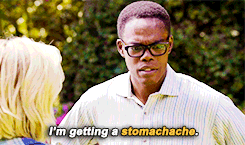
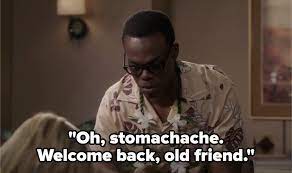
It started because things are hard and I complain, and I end up feeling very “spoiled white girl” complaining about difficult, expensive, or uncomfortable things, which then makes me feel guilty, which then makes me self referentially aware of my white guilt, and I get sucked into a moral rabbit hole that would give Chidi Anagonye a very upset tummy.
When I complained about stuff in Korea, it was cultural not economic. Things were not better or worse, they were just different. Here, my lowest acceptable standards for long-term quality of life are actually quite high relative to the local people’s lived experiences, and it’s not something they can afford to change. One could argue that it’s a class/economic issue separate from the question of race, but the reality is the reason most of Africa is in poverty is because of the exploitation of the slave trade and colonialism.

Even though I experienced poverty by American standards, I still grew up with relative wealth and privilege that came directly from the historical destruction of this culture and economy, and now I’m so spoiled by all that privilege that the way many of these people live seems substandard to the point of discomfort and even disgust to me. Do I have any right to complain? And yet I can’t make myself comfortable with the local quality of life just by acknowledging this disparity. I always say it’s not the Pain Olympics and we shouldn’t engage in comparative suffering, but I can’t help wonder if I’ve become the global version of the kid who is mad they only got the second newest iPhone for their birthday.

There’s pressure to conform to the white savior trope, too. I am pushing back against that, but I can feel it coming not only from the program and the Embassy, but also from the locals. I know my intentions are good in being here, but there’s a huge accountability gap between “not purposely making it worse” and “not actually making it worse”. I can’t say for sure that my presence here isn’t making things worse. The school ditched their local English teacher when they got a foreigner, and they don’t have any plans to hire real English faculty (I’m not working here as a full time teacher), so now the students have a “meet the native speaker” day instead of a real class with a Senegalese teacher. It was supposed to be “in addition to”, but this is what happens when people assume the white/American/native English speaker is automatically a superior resource. When I go to conferences and speak, I’m given preference simply because I’m perceived as a foreign expert, and I have to figure out how to balance my desire to further my own career with my responsibility not to take away time/attention/resources from locals.

Regardless of my intentions before arriving (when I didn’t yet understand the full reality we can argue I was not making a moral transgression) but now that I know do I have a moral obligation to take a different course of action? We hold people accountable for being a knowing and complicit part of a damaging system, so the question is: is this a damaging system (in the assumption that we as Americans occupy a position of needing to step in and help or manage programs in developing nations, and are we helping in the sense of following the locals’ lead or “helping” in the sense of telling them what to do?), and is staying and doing my best more or less morally responsible than leaving this “white man’s burden” parody of diplomatic relations?

I don’t expect an answer, it merely illustrates the point that my “questioning moral and core beliefs” switch has been fully engaged in this round of culture shock.

Feeling Like I’m an Imposter

A lot of “former gifted children” feel this. Being told for years that you’re smarter and more driven and more creative and generally better than your peers is not actually helpful, as it turns out. I managed to maintain the illusion until I got to grad school, where I was suddenly surrounded by all the other gifted kids, many of whom also had major economic advantages in terms of private studies, internships, and study abroad programs and were leaving me feeling like I didn’t belong at all. My polyglotism is a chronic source of the strange see-saw of confidence/imposter syndrome. Compared with the average American, even the average American with my equivalent education, I have awesome language skillz. I can get unlost in 7 languages. However, I can’t have a reasonable conversation in more than 2-3 and I can’t have an advanced topic discussion outside of English. Compared to most of the people I meet in academic or government programs, I’m a language idiot. Every one of the 6 Fulbrighters (22-24 year-olds) who I met at orientation is fluent in French and several are already passable in Wolof. They were selected for the program in part for this skillset, while fluency was barely a consideration for my position and I shouldn’t feel bad because I was selected for a highly competitive program based on a lifetime of education and experience, but I feel like I’m somehow less qualified to be here than the new college grads. Imposter!

I also feel that the expectation that I’ll be organizing projects, mentoring teachers, and presenting at conferences is in a big way setting me up for another round of “I don’t belong here”. That’s playing back into the insecurity, but insecurity and imposter syndrome are best pals. After all, if I’m not actually qualified to do this and people figure that out, they will dislike me, right? So far I’ve been able manage the projects I’ve been asked to take on (feeling like a faker the whole time); however, there’s no doubt that the imposter syndrome is stopping me from asking for more opportunities or creating more for myself, which contributes to the feeling that I’m not doing any meaningful work, which contributes to the self doubt of whether I should be here at all. It’s a vicious-tangled-circle-web culminating in…

Questioning My Ability to Overcome Adversity

Everything I complain about, all the feelings of doubt and inadequacy, all the physical discomfort, the obstacles to personal and career goals, and the ongoing struggle with depression and anxiety are ADVERSITY, so as soon as my ability to overcome adversity comes under fire, it makes all those other issues that much bigger and by definition insurmountable.

When we are young, we feel immortal and almost arrogantly confident. We don’t know enough to know that’s supposed to be impossible so we do it. As we age, we learn our limitations through painful consequences. Perhaps 25 years ago, my faith in my ability to overcome was based in youthful grit and stubbornness, but these days it comes from a place of experience. I have overcome adversity in the past, and any time I can compare my current adversity to a past adversity which has already been conquered, it’s easy to have faith that I’ll make it. The reverse side of the “past experiences” coin is that my anxiety is also based on experience: “this horrible thing that most people only imagine and isn’t actually very likely has already happened and is therefore 100% likely and reasonable to feel anxiety about”.

Of course, at some point everything we overcome has to be overcome for the first time. Artists don’t start by painting museum quality oils. Athletes don’t start by running a marathon. We start small and build up. It’s true that we get older, we become more risk averse, but I can continue to do things like “quit my job and go to a foreign country” because my experience tells me that is actually a low risk activity for me. Before coming here, I thought that my past experiences of living in China and Saudi and travelling around the Middle East and Southeast Asia would prepare me for the challenges I’d face in Senegal. Now I’m wondering if there are just some adversities I have Murtaugh Listed out of being able to handle

Psychological Side Effects

There’s one more factor about living in Africa that is unique to this continent: anti-malarials. The British relied on quinine, and while I love a good G&T, these days we have pills to fend off severe malarial infections. There are a lot of options on the market, but they all have pros and cons. Cost is a big factor for a lot of people. Daily vs weekly doses is another consideration. I’m not good at daily pills even short term, so weekly was a big appeal for me. Then there’s strain resistance. Malaria in some places has become resistant to the more commonly used drugs. That includes Senegal, for which Chloroquine is contra-indicated due to resistant strains of malaria that dominate here. That left me with Mefloquine which has a higher than desirable risk of psychological side effects, many of which are co-morbid with the psychological effects of culture shock, with the added bonus of vivid dreams, possible hallucinations, and seizures. Yay. Studies are fairly limited and there is no data which studies the effects of the medication in the subject’s home culture, so no way to know what amount of the distressing symptoms are a result of living in Africa as a foreigner or of the Mefloquine.

And I hate hate hate the idea that as women we are constantly judged as overemotional due to our hormones, but I did just turn 45 and some of this mood swing business could legitimately be a part of perimenopause. So we have at least 5 different factors in play: 1) pre-existing conditions, 2) environmental adversity, 3) culture shock, 4) medicine and 5) getting old. The chances of my mental/emotional state being only and entirely just ONE of these factors is 0, and 3 of them are directly related to living in Dakar.

Is It Real or Is It Culture Shock?

The time is coming where I have to start making decisions about my future. We’re already making plans for our mid-year conference, and before you know it, the 10 month Fellowship will be over. Whatever happens, I know that this is a life altering and immeasurably valuable and unique experience. I don’t regret the decision to come in any way. I just want my future self to be able to tell some “it was so awesome” stories about Senegal alongside my newfound stories of resilience and overcoming adversity. However, I’m having a really hard time making plans or looking forward to anything while I’m in this particular loop of the emotional rollercoaster. So please, Santa, all I want for Christmas is no more culture shock… or if that’s not possible, then I’ll take one in blue.


Je Suis Arrivé: Senegal First Impressions

I’ve been in Senegal for 2 weeks. I’m about to lay down some solid developing nation meets first world privilege complaining, but despite all that, I’m still glad I came here. It’s been a REALLY long time since I had to adjust to a new country to live in (vacation is not the same, because you get to stay in temporary housing and explore and have fun while knowing your safe and comfy bed is waiting for you at the end of the trip), and besides – no vacations during COVID! More than that, adjusting to Korea was very different than here, it was almost all culture and language barrier based because the standard quality of life in Korea is overall quite high. This reminds me more of learning to adjust to China or Saudi, the main 2 differences now are: I’m over 40 and I crave a basic level of creature comforts that younger me was more willing to do without in the name of sparkly new adventure – and this is objectively less developed than either of those places. It may in fact be the least developed part of the world I’ve traveled to, and that’s not an insult, it just means as a white American lady I didn’t have this perspective. It’s good for me, stretching me outside of my complacency and comfort zone (again), so I don’t regret it. I’m not mad about the conditions here, nor am I demanding unreasonable levels of comfort (clean, safe & accommodating my health). I just want to be honest about what I’m experiencing here, and how it makes me feel.

Getting There Is Half the Battle?

Arriving was not actually difficult. A long flight – 3 flights – but nothing a regular international traveler can’t handle. Flying in over the Sahara was fascinating. I could see the landscape change from endless sand to green farmland. There’s the jet lag package (fatigue, dehydration, swollen feet, etc), but I had a whole day in my hotel to rest before orientation. I had arranged an airport pickup with the hotel as well. So far, so good. The program is covering all those costs (assuming my expense report is accepted). The drive from the airport was looooooong, almost 2 hours. The main highways here are fairly well kept, but once you get off the main drag, the roads are not just dirt, but the dirt that remains after badly laid asphalt has cracked and eroded from flooding. There were potholes that could be kiddie pools on the road my hotel was on and I have to say it surprised me to see that this was the norm in the ritzy part of town, and made me wonder what the rest of the city looked like.

The hotel was nice, but I had forgotten to think about things like a mini fridge or a kettle, and there were no shops nearby anyway, just beachfront restaurants and an American imported goods store because I was staying in the fancy part of town near the Embassy. I thankfully have had experience with finding and using local delivery apps and quickly got my first meal delivered to my room (Dakar Food Delivery if anyone needs it). I was also a bit sticker shocked by the prices, but it seems only the expensive restaurants can afford to do delivery. A meal was costing me 10,000-13,000 CFA or 15-20$ USD. I know Americans think that’s a good deal for delivery food, but it’s wildly cognitively dissonant to be in a place that is so underdeveloped and also costs that much. Plus, I have a lingering “former poor” brain function that gets activated when I’m under stress so it feels insanely opulent to eat delivery food 2x a day for a week, which is basically what I did minus 2 lunches at the Embassy. For comparison, my Embassy cafeteria lunch was 4,000 CFA about 6$ US. I survived by reassuring myself that I was still well within the average daily food/transit allowance that is included in my budget, though I now better understand that a person eating at Western style restaurants and taking a taxi (buses are not recommended for expats for safety as well as comfort reasons) could actually use the full budget allotted to us. I expect when I’m comfortable enough to actually start taking taxis to explore other parts of the city, I’ll need that budget, too.

Post Arrival Orientation

We were hosted at the US Embassy for a 3 day orientation from Wednesday Oct 18-Friday 19. The orientation was a good way to introduce us to Senegalese culture because nothing started on time or went according to plan. (I said there would be complaining, but it’s not helpful to think of cultural differences like this as better or worse. I honestly think the number of cultures that place a high value on timetables and deadlines is much smaller than those that are more … flexible. It’s just frustrating to be raised in one style and have to live and work in the other). The policy on Embassy provided drivers changed but no one told our coordinator until the first morning, so while I could have easily walked the distance to the Embassy from my hotel, she had me ask the hotel to call a taxi and then also called the hotel herself to confirm. I have to say that while I found the whole process frustrating and confusing at the time, I do appreciate the lengths she went to that morning to make sure we were all safe and comfortable. It’s not her fault that my comfort level is directly linked to my ability to control my own environment (yay trauma responses!) so waiting around for ages and relying on other people to tell me what to do or how to do it or even do it for me is deeply anxiety inducing to me. I walked the remaining 2 days.

Getting into the Embassy is an ordeal if you don’t work there. One at a time, we handed over our passports in a little secure bank teller style window and got a visitor badge in return. Then again one at a time, we entered the security screening room where we handed over all electronics (including charging cables!) and for some reason also my nail clippers and umbrella. Even the TSA lets umbrellas through security. All our banned things were placed in a numbered box, we were given a token with the number on it and then a fairly standard x-ray for the bags and metal detector portal for us. Then we walked across a courtyard into another building where we again had to pass through a metal detector, have our bags visually examined and record the number from our token on a visitor log. We were also limited to only the front area (the American Center, the meeting room, and the restrooms) unless we had an escort, and our coordinator could only escort 4 people at a time, so had to get help when it was time to take us to the cafeteria. Somehow the free English language program that they run here is inside all this security, and local Senegalese people who want to participate have to go through an application process and pass through this kind of security every time they want to come to a class or event. It does make me kind of glad that it’s not my primary base of operations, though I am sure I’ll go back to do a guest lesson or something.

I enjoyed meeting everyone in the orientation. There were only 2 of us Fellows (we are the older, more experienced teachers… grizzled veterans of expat life) and 6 Fulbright English Teaching Assistants (ETAs) who are all adorable 22 year old Gifted Children™ that just graduated from their BAs and all speak fluent French. Only myself and 2 of the ETAs are stationed here in Dakar, the rest are scattered around St. Louis and Thies. There were also a metric ton of presenters, but since there was zero printed or electronic materials (beyond the schedule which as I mentioned was not followed), I don’t really know who all of them were and remember even less about the details of the programs they talked about. I’m trying to get it in written form, but it’s hard especially as our full time Regional English Language Officer (RELO) isn’t here yet and the deputy (our faithful coordinator) is trying to do all the work on her own.

People I remember well – the press officer and cultural officer were both fun to talk with mostly because they were also new to Senegal and more relatable to me in terms of common background and interests; the HR person who gave us our cultural lesson was awesome (Betty Hubbard, which sounds SO white, but she’s really an African woman with a lot of experience in the US and several African countries, and was delightful, I wish I had a good photo of her, but I only have what the embassy emailed me, which is mostly us). The guy who runs the largest English Club network made a good impression simply by virtue of his enthusiasm, but I was a bit sad that I probably won’t do much with their organization (although he has ‘threatened’ to invite me to come and give a guest lesson) since it is for k-12 ages and I’m going to be spending most of my time with the University. Other presenters were … not used to presenting. Several had classic “read the slides verbatim” or monotone voices. Almost all the Senegalese spoke so quietly that even at the other end of a small conference table, I struggled to hear them. It made me want to create a workshop just for them to be better presenters, an idea I may pitch to the Embassy later on.

Health & Safety

There was a security briefing, which we also got in the EPIK orientation in Korea, and those are almost always extreme, but here I’m not so sure. Things like ‘motorcycle thieves’ people who ride double on a motorcycle so the passenger can snatch bags off pedestrians and the driver speeds away are apparently very real here, such that even locals have warned me to wear my backpack on both arms or at very least, move it to the side away from the road. Don’t carry more than your money and empty shopping back into open air markets (regular brick and mortar shops are ok). Don’t walk after dark alone. Don’t hold your cell phone too loosely or someone might snatch it (motorcycle thief style). Don’t use ATMs on the street, only inside a guarded building. But also, say hello to everyone in your neighborhood, greetings and inquiring after wellbeing are crucial to being recognized by the people who might help you if you’re ever in trouble. People who keep to themselves are left that way.

There was also a health briefing from a nurse who instilled in us the very real fear of Senegalese water if nothing else. They also talked about soaking any fruits or veg you don’t peel in a diluted bleach solution and rinsing with bottled or boiled water. I’m actually not sure what her policy on dish washing is, but I’m using the tap so far, just make sure it’s all the way dry before I put food on it? I have already mentioned my extensive vaccination regimen and of course my weekly anti-malaria pills, so I was fairly well prepared. I figured out how to get smaller (1.5L) water bottles delivered to my hotel, but I’m still working on proper water delivery. I’m going through 2-3 liters of water a day here, so it’s thing. Maybe when I get my “real” housing I’ll be able to do a night boil for the next day’s water, but so far that’s been fairly impossible. The nurse also said that we would all definitely get diarrhea (yeah ok, gross, but this is a very real issue travelling to places with massively different bacteria). The ETAs kind of laughed it off until the older of us were like, no, she’s right, this isn’t a thing you avoid, it’s a thing you minimize and prepare for.

I hoped my globe trotting stomach was well equipped but I still had some antibiotics my pharmacist prescribed to me before I left the US for this exact reason. I have only had bad travelers diarrhea once in my adult life, and that was my first visit to Egypt when I got so sick I could not even keep down water. I remain hopeful that was a once in a lifetime event. My issues in Dakar were comparatively very mild. The first bout passed in a day, and I thought I was free and clear, but then it came back and lasted and lasted. Part of the problem was a lack of ability to eat gentle food. I tried to order things like a labneh (similar to yogurt) on pide (like a pizza dough but oblong) and plain rice or plain chicken, but it was difficult. I only got to go to a grocery store when I moved to a new “hotel” after my first week. Then I ate yogurt, bread, bananas, rice and oatmeal for 2 days before I gave up and went to the pharmacy for some Imodium.

Phone: Connection, Translation, Maps and More

I don’t know how I lived in China and Saudi without a smartphone. I know I did it, but for the life of me, I am baffled. I walked literally everywhere in China with my little pocket dictionary and took months to learn how to properly use the public transit system on my own. I used Wi-Fi on a tablet to pull up maps in Saudi, but mostly I only had a company driver to take me places. During my travels from 2015 on, it seems like having access to a local Sim card and internet was essential to getting around, navigating language barriers, public transit, shopping and everything else really. I like having data as soon as I land. I often get it in the airport or at a shop near my accommodation on the very first day. In this case I had deliberately not taken care of getting my own SIM card because it was on the schedule for the first day of orientation that we would do it as a group. I decided to go with the group because maybe they will be more help than I could have been on my own. No.

First we went to an Orange kiosk (Orange is a telecommunications company in this part of the world), which did not sell SIM cards (I feel like this could have been ascertained ahead of time). When we finally got to the store itself, they collected all our passports and had us wait. The store actually closed with us inside it, and finally they said that they had no SIM cards that day, and we should come back tomorrow. When we returned the following day, we had a better idea of what to expect, but we still got a bit of runaround, being told to go out to a different location to get the SIMs. I suspect they simply didn’t want to deal with a large group at the end of the day. Which, I sympathize with. I can think of several ways to have done this which would have made life easier for everyone including the shop employees, but it’s a learning experience. 

In addition to our fearless deputy RELO (a local who has worked at the Embassy for many many years), several of the French speaking ETAs got involved in trying to solve the issue, which also resulted in crossed wires. We went out, we came back, we waited. Finally they began to issue us SIM cards. They cost 500CFA (75cents US) and are connected to our passports, but that’s normal in most countries that aren’t America. It took a while to get everything sorted out, finding our numbers, loading the Orange app, etc. It was hot (no AC in the store) and stressful (language barrier and multiple mixed messages), but once I got back to my hotel and could examine the system on my own in cool air, it was easy enough. We also went back the kiosk from day 1 to learn how to add money to an Orange account. Phones are all pay as you go and there’s no way to add money online, so you have to physically take cash to an Orange kiosk. Fortunately they are everywhere. The minutes and data that came with my SIM expired after one week after which I found that the minimum purchase for a 30 day period was 2200CFA or about 3.30$. I chose a flex plan and started with 2 hours of talk time, 500 text messages, and 1.5G of data at that price point. I don’t know how much of that I’ll actually use in 30 days. Since I’m on Wi-Fi at the hotel and at school, and I only use the phone to talk to delivery drivers, I think it will last. All this could change if I go somewhere without decent Wi-Fi, but for now, it seems like the phone plans (unlike the housing and restaurants) are DEAD CHEAP, which is nice because it means more locals (students) are likely to have access.

Home Is Where You Hang Your Hat?

Housing has been a source of some great stress. I discovered as I was preparing to leave Korea that having safe stable comfortable home base is very critical to managing my anxiety levels and my willingness to do new adventurous things. My friends in the US did a magnificent job of making me feel safe stable and comfortable while I was in their home, but it’s their home. Here in Senegal, I knew that we would search for apartments after I arrived (frustrating but ok it’s probably better to see them in person), but I did not expect the reality. No amount of looking at apartments online could even slightly prepare a person for the reality. The day after our orientation finished (Saturday) my social sponsor (the only professor at my uni who speaks English and therefore got stuck with this job) picked me up to go house hunting. I had spoken with him at length in advance about the budget needs (monthly rent + finding a pre-furnished apartment) & my health requirements which include the need for air-conditioning & my inability to navigate stairs. He said he understood, but when the day came, it was obvious he did not.

Side note about stairs and health: a lot of people judge me because I’m overweight, they assume it’s laziness, and that if I’d just eat less and exercise more I’d be healthy! Nope. I’m a member of the invisible disability club “But You Don’t Look Sick”. Sometimes I am well enough to climb multiple flights of stairs, but not always. Heat makes it worse. If I’ve already walked a lot, it will be harder. It’s hot AF here and I walk everywhere. I’m going to be hoarding my spoons the whole time I’m here. (spoon theory) I don’t believe that people with chronic illness or disabilities should just NOT do things. We know what we need to accommodate ourselves. I can’t do as much. I need to rest more. I need AC for my health not just my comfort. And I need stairs to be a choice as often as possible.

The first apartment we stopped at was inside a restaurant. I mean, the entrance was at least. There were 2 ways to access it, but fundamentally the stairwell was inside a restaurant. Ok, hey, easy access to prepared food at least? However after we completed the first flight of stairs and began the second, I stopped and reminded my sponsor that I could not live in a place with that many stairs. I think he thought I was just being a lazy American when I told him about it in email, but thankfully(?) my edema was bad enough on that day that I could show him the physical effects. I hate that people have to see a health problem before they believe it’s real, but here we are.

The second place we went to was under construction and slightly underground. They told me things could be cleared away and cleaned up, but there was no AC, no kitchen, and very little in the way of natural light. Plus it was under some stairs and had a canted ceiling which gave the whole thing a Harry-Potter-at-the-Dursley’s feeling. In that case, not only would I have had to wait until it was finished and cleaned up, but I would have had to arrange to furnish it with literally every appliance and stick of furniture. I’m only here for 10 months! And even if I was up for all that, the place was tiny and dim, and I remembered how depressed I was in my shoebox in Gyeongju vs how much better I was with a more open space and a view. Another no.

The third place had a ground floor entrance, but only the living room was on the ground floor. The bedroom and kitchen were up a flight of stairs. Having to continuously explain your needs and not be listened to over and over is exhausting and demoralizing. They showed me another room in the same complex that was so tiny that the bed almost completely blocked the entrance to the kitchen. Like, you had to side scoot around the bed to get into the kitchen. Plus, no place to do any work besides the bed (again, a thing I knew from my first Gyeongju apartment during COVID was a recipe for depression). I began to suspect that they deliberately took me to some sketchy places so that the mediocre place they actually wanted me to live would seem great by comparison.

The 4th place we visited was actually a very nice building. Concierge at the front desk, and an elevator! The unit we viewed was only one floor up, but still, not having to do stairs with heavy groceries or on a bad day is always wonderful. The unit however, was unfurnished (though at least had AC installed already). I do have a budget that would allow for buying necessary furnishings, but it takes time and expense reports, and then what do I do with it when I leave? Despite all this, I almost went with this unit because it was the nicest by far. However, they demanded 4 months rent up front, and it became apparent that 3 of those months would never be returned. 1 was just an agency fee, and 2 were a security deposit that by all accounts would vanish and I would have no real recourse after leaving the country to get it back.

The 5th place, and the place they clearly want me to end up living, is the building I’m staying in now. It’s called a hotel, but is in reality a series of furnished apartments rented out by the day. My social sponsor has negotiated a monthly rate, but the apartment we viewed will not be ready until November 5 or 6, so I’m in a different room paying the day rate for 2 weeks, I guess. More expense reports.

This room is … unideal. It had a lot of flies when I moved in, but it seems since I killed them, no new ones have appeared. It only has AC in the bedroom, so I’m not inclined to use the other room. The TVs don’t work so I’m back to watching Netflix on my laptop. There was a washing machine which I was able to get the staff to help me use, and that was nice, being able to do laundry after a week of sweating. However, the shower was 80% broken, water came out of the seams around the shower head, and there was some kind of a leak around the toilet that made the floor always wet. I was not supposed to be in that room at all. I was supposed to go to a different room while we figured out the long term housing, but the person leaving that room hadn’t left by the time we arrived. Then I was supposed to be in this room for only one day, and I waited around the entire second day for someone to tell me where I was moving to, only to learn at the end of the day that I’d be there until Saturday (29th). Now I know I’m staying in this room until my monthly room is ready. I got the bathroom fixed at least.

I desperately want a room that I can know will be mine for at least a few months. I need to unpack, and settle .Twice now, I’ve woken up at 4am to discover the power in ONLY my room is out and had to get dressed enough (Alhamdulillah I still have my abaya, socially suitable to put over PJs in any country) to go the front desk to ask (in sleepy French) for the power to come back. By then, I’m too hot and agitated to go back to sleep well. The weekend brought the exciting discovery that somewhere above me someone is trying to run a nightclub from 1-5am with extreme bass. I mostly can’t hear it with my headphones in, but it was not conducive to good sleep. Aside from my comfort level, there’s finances to consider. My contract covers RENT, not hotels (it does cover hotels for a short while at the beginning, but at one point one of the people helping us look for apartments thought it would be reasonable to stay in a hotel for a whole month while we figured out housing!) And the even crazier part is that my “moving in” budget comes from the same pool of money for any projects I want to do that benefit my host country, so the longer they make me stay in hotels, the less money I have to spend on materials, supplies, or even micro-scholarships for them. I need to be in a monthly rent agreement place for so many reasons both personal and project based.

In a very recent development, a new option appears. One of the other ladies here on the Fulbright program had already done a homestay last spring, and her host mother turned out to be a realtor. In many countries, realtors help you find and rent apartments. I had that arrangement in Korea, too. The realtor my social sponsor arranged was the one who picked out all the sketchy apartments. Anyway, they got her in touch with me, so now I have a thread of hope that a better apartment may be forthcoming.

The School – Veterinarians

Ah, my “job”. I keep telling people this isn’t a job like other jobs. It’s a fellowship (yeah like Frodo!, no not really) and a project. My primary goal is the university I’m assigned to, but I’m also supposed to have side projects and other cultural whatsits to be involved in. I’ve already put out some good feelers for a side project which I’ll write more about if anything comes of it, and I’ve been invited to come and speak at some nebulous future date at at least 2 venues. Secondary projects abound, and I can take, leave or redefine them fairly easily. The challenge is my host university.

I was placed with the Ecole Inter-Etats des Sciences et Médecine Vétérinaires, and even if you don’t speak French, some of those words will be familiar science, medicine, veterinary… It is a veterinary school located inside the Cheik Anta Diop Univeristy here in Dakar. They aren’t into the humanities. They don’t have an existing English department, and for reasons I’m not clear on, they can’t just send their students over to the school of foreign languages next door to take some English, they are in fact trying to create their very own curriculum.

There is really only one guy who speaks English well enough to be comfortable talking to me, and he’s (self described) low on the totem pole, so doesn’t have a lot of the answers to my questions about the details of what they want and what resources they have for this. I finally got their curriculum proposal (in French, but Google Translate is better than nothing) which is only half written and clearly by people who have no clue how language acquisition works. I also had a brief meeting with the gentleman in charge of scheduling details, but can’t get any answers about things like instruction hours. I clearly don’t know how the semesters are structured here. It’s been explained that it’s not like a liberal arts style class where you go at the same time every week for 10-16 weeks (quarter vs semester), but that students rotate through very short and very intensive courses of study (2-3 weeks at a time?). I’m still trying to figure out if I need to design English classes on that time scale or if it’s even possible to have students regularly show up 2x a week. So far I’ve written a 4 page counter memo explaining the overambitious nature of their dream and the crushing weight of compromising with reality, but I don’t know who to give it to.

They also want clinic workshops which are much easier to create and run, but less effective for overall language acquisition. Since I have next to no data or guidance, and everyone who could speak to me about it is apparently out of town or busy for the next two weeks, I’ve decided to spend some time on YouTube and TikTok looking for videos by vets that are: a) educational, b) funny, c) both — in order to design some short one-shot workshops around those. However, since I can’t design anything until I have some idea of the students actual English level, implementing a widespread level assessment test is the first goal.

But that’s not all! They want the faculty, admin, and IT staff to have English lessons relevant to their needs! While I was cleaning 3 years of dust off the pre-COVID Fellow’s desk (now my desk) I found a schedule which had him doing 18 hours of classes a week! That is a high amount even if it’s your only job because on average, 2 hours outside of class for every hour in class is a good balance for adequate lesson prep and homework/assessment grading and feedback on a new course. Once you’ve done a course a time or two, you can drop that down to 1:1 because the lessons are basically made and you’ve developed some tricks to grading the assignments, but considering I’ll be designing the curriculum and either finding or creating all the materials, and I’m expected to have outside projects, that’s INSANE.

What Am I Doing Here?

So, here I am, wandering between my shabby hotel apartment and the local café, writing in my blog and diving down a veterinary rabbit hole on YouTube because I have no qwerty keyboard at my office and no access to the curriculum material or student information, and my social sponsor is out of town.

I wish I could tell you about the city, and the food, and culture, but honestly, I’ve been fairly mono-focused on my base level Maslow’s needs here, contending with vaguely poor health while having to negotiate in a foreign language daily for things like food, water, and shelter. I’ve talked before about culture shock, and the fact that even simple tasks take more energy in a foreign place/language. It’s no joke, and it hasn’t left me with much energy for adventure type exploring. I’ve walked around some. The sidewalks are used for parked cars leaving pedestrians to walk in traffic (yay). There are lots of vendors on the street that I look forward to investigating soon. I have downloaded the recommended ride share apps that should allow me to avoid haggling with taxi drivers, but I probably won’t do much “touristing” until December when the weather is less aggressive and I can be outside for more than an hour or two without getting dizzy.

Welcome to Senegal.

Alaina Goes to Ghana

My friend who is in pharmacy school had an amazing opportunity to go to Ghana this year with Global Brigades to help set up medical clinics and educate people about healthcare. She says she hates writing, but I’ve managed to convince her to let me compile and edit her Facebook posts into a story to share with you. It is written in her voice and only edited for grammar and clarity.


Day 1

I have arrived safely in Ghana. Our lodge was three hours from the nearest airport. The air was wet and slightly scented, like being in a sauna. On the long drive through the countryside, we got our first glimpses of Ghana, covered in green trees with deep red soil. We drove through countless small villages on the way. Every time we stopped at a traffic light, vibrant people would cluster around and try to sell us treats from the overflowing bowls balanced on their heads.

35427395_10155352333095824_7391464207599796224_oOur lodge is lovely and surprisingly ornate, compared to the small shelters nearby. We are sleeping in rooms of four with bunk beds and private bathrooms with showers. The rooms are air-conditioned and that is heavenly. There is a large common seating area with big windows where we meet to talk and eat the wonderful food they prepare for each meal. Most meals are served buffet style, with a chicken dish, a fish option in rich sauces, grilled veggies, salad, some sort of dessert or bread, and fresh juice made from ginger and pine that tastes like paradise. 

Day 2

This morning we enjoyed an English-style breakfast, with eggs, toast, baked beans, coffee and an Ovaltine-style malty chocolate drink. We spent the morning sorting and repackaging the medical supplies we brought. We counted out one month supplies of vitamins into zip-lock bags using plates and butter knives to hold and sort the pills as we worked. Directions for medications are marked with symbols instead of words: a circle for once daily and two circles for twice daily.

35629170_10155357661450824_4076825258496098304_o

We enjoyed a delicious lunch of chicken, fish, salad, and plantains and then headed to one of the villages. We wanted to get to know some of the people we would be seeing and invite them to join us at the clinic the next day.

The whole village was overrun by adorable animals, wandering in and out of the houses and sleeping in pots and on roofs. Baby goats, cats, and chickens stumbled between our legs. We set out in groups of six plus a translator to meet the members of the community.

Everyone was very welcoming. They have a tradition in Ghana of inviting you into their homes and offering you a seat, water, and food in ritual fashion before asking why you’ve come. We were able to ask lots of questions about their lives and culture, as well as their experiences with healthcare.

I brought a Polaroid camera and took pictures of everyone we visited. The children went crazy about it, running around and posing for us. One family played music for us on their radio and invited me to dance with them. I can’t stop smiling about how wonderful and kind everyone was. 

35490852_10155352402665824_5405476595559301120_o (1)We learned that many of them walk an hour in the hot sun everyday to farm. They can’t find buyers for their crops, so they have food but no money. That means they can eat, but can’t buy basic non-food necessities. The little kids asked us for toothbrushes by miming brushing their teeth with their fingers. I’m glad we brought lots of toothbrushes and supplies to share.

They all seemed happy to have us there and excited to visit the clinic the following day. It was hard not to give them everything I had. They were kind, beautiful, proud, and generous. I’m looking forward to spending more time with them.

35634011_10155352400430824_2850625135008808960_oAfter dinner, we attended a talk from their local doctor, Dr. Cornelius to hear more about the healthcare challenges he faces in the region and the tools they are using to treat people.

Day 3

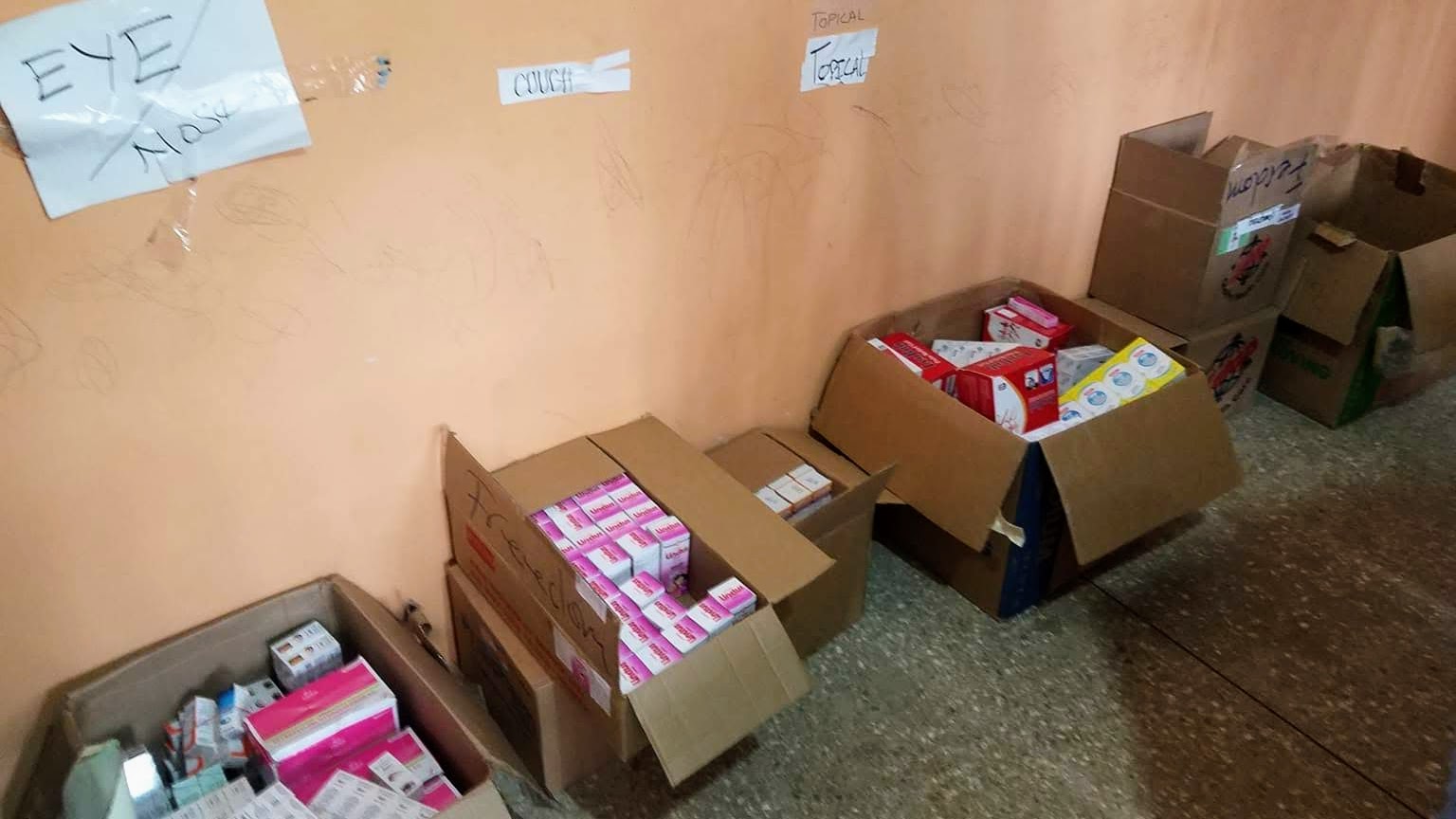
On Monday we set up our first clinic in their local hospital. It was a good building but had almost no medicine or supplies. There were only five hospital beds and otherwise it was mostly empty rooms. We set up a small pharmacy by laying out boxes of medicine on the floor.

35777187_10155357661315824_8270300656225484800_oThis particular village has easier access to medical care than most because it is so close to a facility with trained nurses. People in other villages in Ghana often have to travel on foot long distances to find a clinic with nurses and if they need any prescription medicine, they need to go farther still to reach a regional health center. This typically requires hiring a cab and taking a day off of work, which few of them can afford.

35629056_10155357662225824_2182456922446233600_o.jpgThey rely heavily on yearly medical brigades to bring medical supplies and care, however there have been several years where no aid arrived due to fear of the zika virus. I’m glad we’re here now.

The first village we went to is one that our program has visited before. It’s helpful to see that some of the positive changes brought in previous visits have stuck with them. During the first encounter with this village everyone was cooking inside, which was causing them to have respiratory disorders. We helped them create community outdoor cooking areas which they are still using.

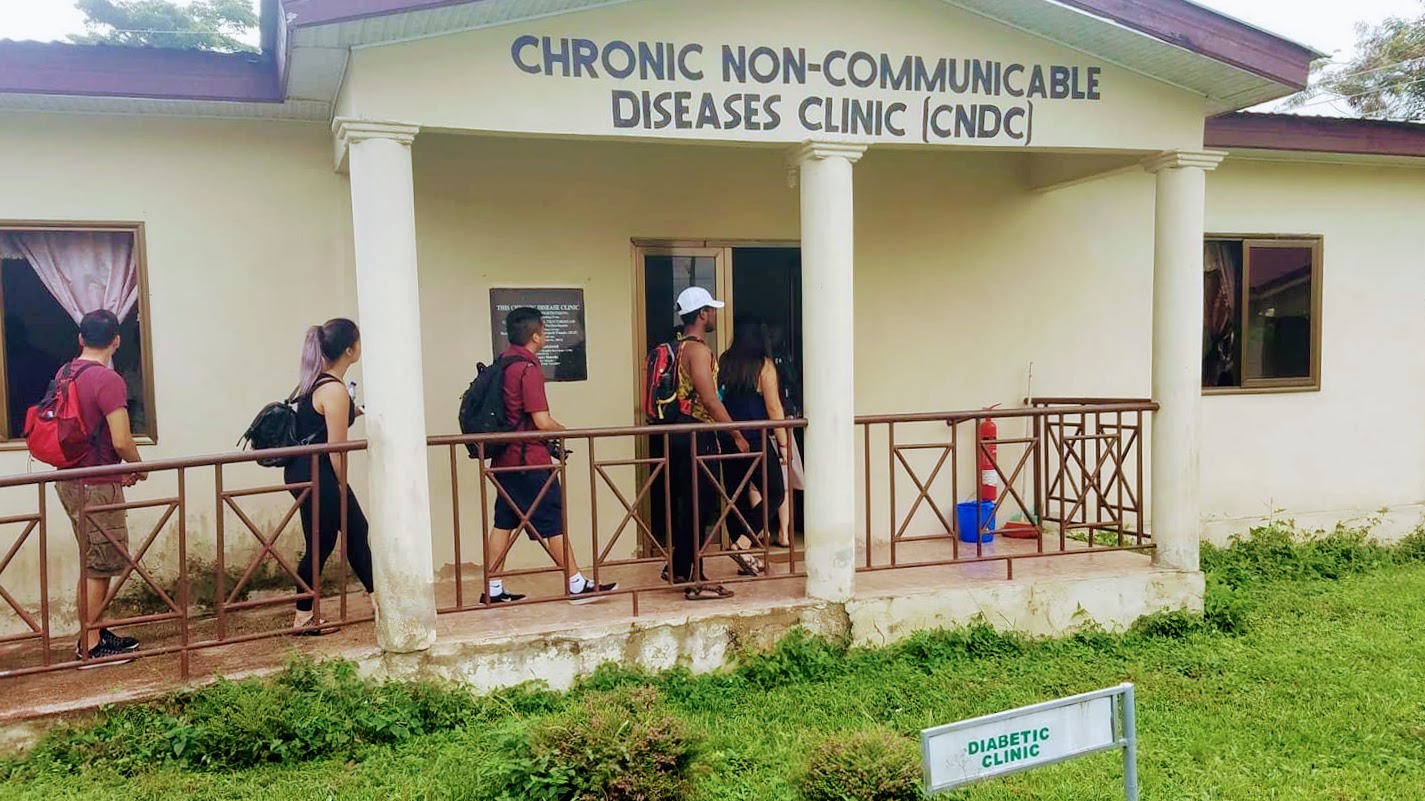
35955080_10155362817785824_8263619722927407104_o.jpgHypertension is still a huge problem and many people came to the clinic with systolic blood pressure far over 200. (Note: below 120 is healthy, above 140 is red alert) Global Brigades has helped many people in the village become enrolled in the national Ghanaian health insurance which makes visits and medicine mostly affordable.

It is difficult to convince people to come to the clinic for chronic care if they’re feeling well. We spent a long time trying to help people understand that high blood pressure can lead to stroke, which they’re familiar with and afraid of. Those who have gotten medication in the past have only taken them sporadically, so a lot of time went into education and motivational interviewing to help people engage in maintenance care and preventative care.

35802247_10155357662475824_3485987004385067008_o.jpgWe are working to help the villages develop systems for chronic disease management, such as having a monthly day where a doctor visits from the regional center to provide care for people with chronic conditions. If we can get funding toward it, this could become a celebratory day with a meal provided to encourage people to attend. Hopefully some of these changes will help people stay healthier.
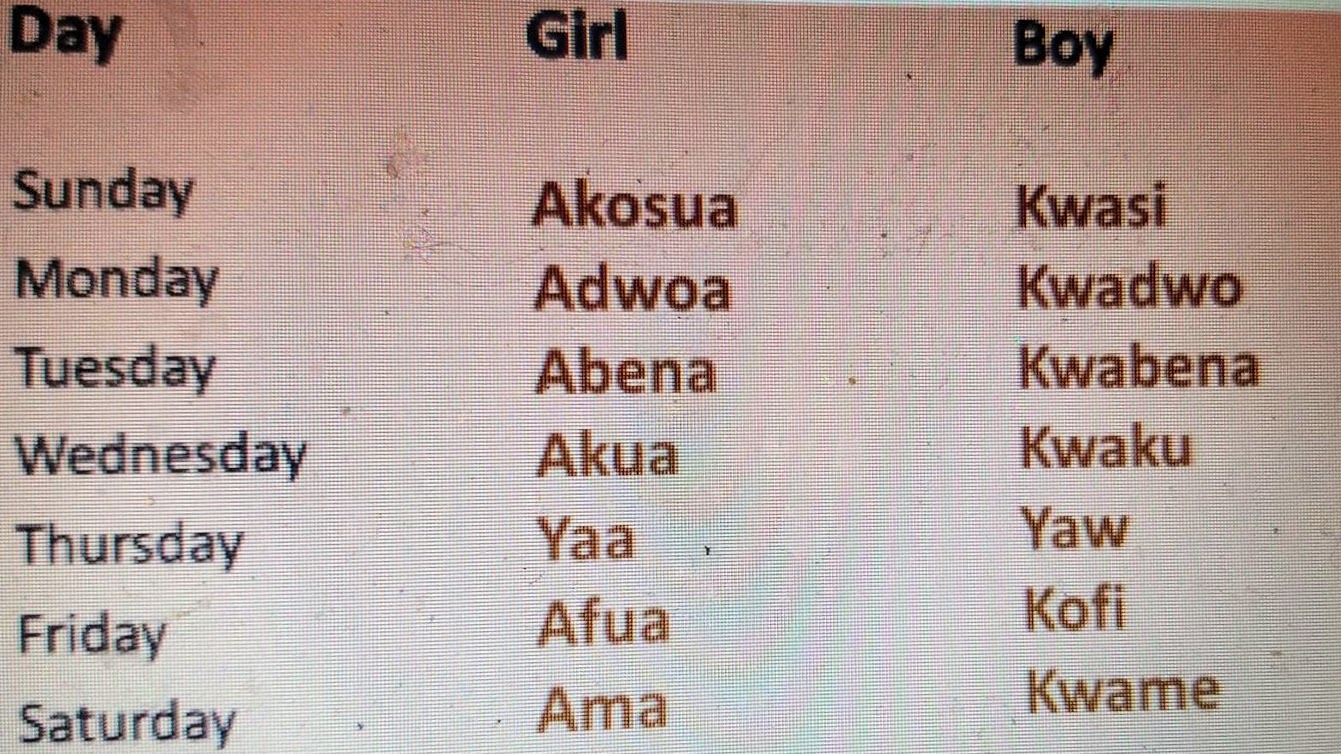
These clinics have been incredible to experience. I can’t get over how patient and grateful everyone has been. The villagers are usually lined up long before we arrive and some wait all day to be seen without complaint. When we spoke in their language or used our Ghanaian names the mothers would light up and smile proudly at us. In Ghana your name is based on the day of the week you were born. My name here is Afua, Friday born.

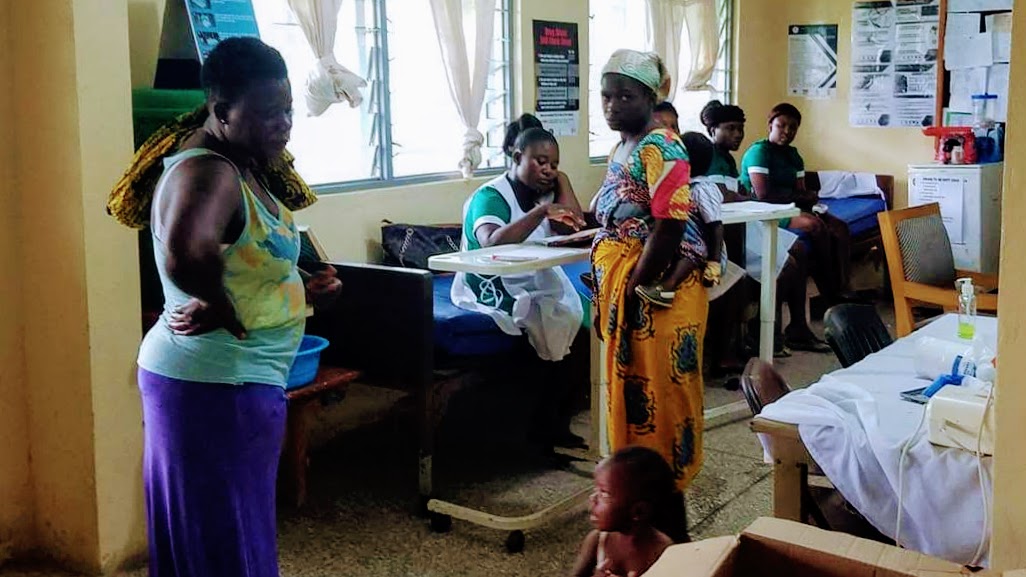
35894297_10155357685495824_8890960470295445504_o.jpgThe clinics are set up with a number of stations, starting with intake, triage, physician visits, optometrist visits, pharmacy, and counselling/education. We rotate between these different areas and home visits. My favorite station so far has been optometry. The doctor spent a long time teaching us about how to diagnose eye disorders and conduct exams. So many people came in with poor vision, sometimes unable to see the chart at all and restricted to finger counting at 3 meters or light only. It felt wonderful to give these people medicines and glasses and watch the change on their face as they were able to see clearly for the first time in their lives. It felt like we were peddling miracles.

35847113_10155357682330824_1518291520619282432_o.jpg

Day 5

My adventures were mildly paused when I became quite sick for a few days. It seems the food disagreed with me and after eating I had to collapse into bed with painful shivering and fever. Good news about being on a medical brigade is that you’re surrounded by doctors and medicine. After some rest, antibiotics, and restricting myself to just bread, hard boiled eggs, and rice, I’ve made it through and can go back to clinics at last. Looking forward to being back in action and grateful for the wonderful people who took care of me and luxuries I often take for granted like shelter and running water. I feel so lucky to live a life with so many gifts, when so many struggle.

Day 6

36063103_10155366573540824_2358097174769696768_o.jpgWe moved to another village called Otuam. Their health facility was much smaller and patients had to wait outside under tents to be seen. I worked with Dr. Cornelius, testing for malaria and checking blood sugar. In Ghana, Malaria is seen more as a nuisance than a life-threatening sickness. It’s similar to the way people in America relate to the flu. The flu occasionally kills people in the US, but most of us expect to get it at some point. Since we were already on malaria prophylaxis (vaccine), I followed their lead and have been mostly skipping insect repellent. Amazingly I haven’t gotten a single bite all week.

Working with the physicians was wonderful. I learned so much about how to diagnose the common diseases and developed a talent for getting blood from kids without making them cry. I was sad to see how many little ones had swollen bellies. I always associate it with undernourishment, but on our clinic intake form everyone indicated that they were able to eat.

Later in the day we went from home to home taking blood pressures and inviting people to the clinic if they needed additional care. Otuam was close to the sea and many of the houses were made out of palm fronds. There was a quality to the place that felt like Neverland, with forts hidden among the trees and laundry and nets hanging like pirate sails. Hungry cats watched as people cleaned fish and radios dangled from branches. The children were curious and wild as ever and I had fun playing and adventuring with them. It was an incredible day.

Day 7

We visited the large regional hospital that patients are referred to if they can’t be treated in the clinics. If they have Ghanaian health insurance many things are covered, but if they didn’t register or can’t afford it they have to pay cash for services. Registering can be challenging and is already closed for this year because the machine that prints cards is broken.

Getting to the hospital is difficult for people in the villages. Even those who can grow enough food to eat well still may not have any money to pay for a taxi. Those who can’t afford a cab may walk for days under hot sun.

36176328_10155366573850824_2128956022373482496_oThis hospital is rare and unique in Ghana. It has a special team to manage chronic conditions like diabetes and hypertension. We spent some time talking to their director and making plans to work together over the next year to bring their amazing work to more communities. We are also going to try to get them additional funding for important equipment they need, such as the ability to test HbA1c levels (a diabetes blood sugar test). We were able to tour the hospital and were overjoyed to find that, unlike the rural village clinics, they kept medical records and charts on their patients. I’m excited to see teams in Ghana working to initiate chronic condition management and hope other hospitals are inspired by their work.
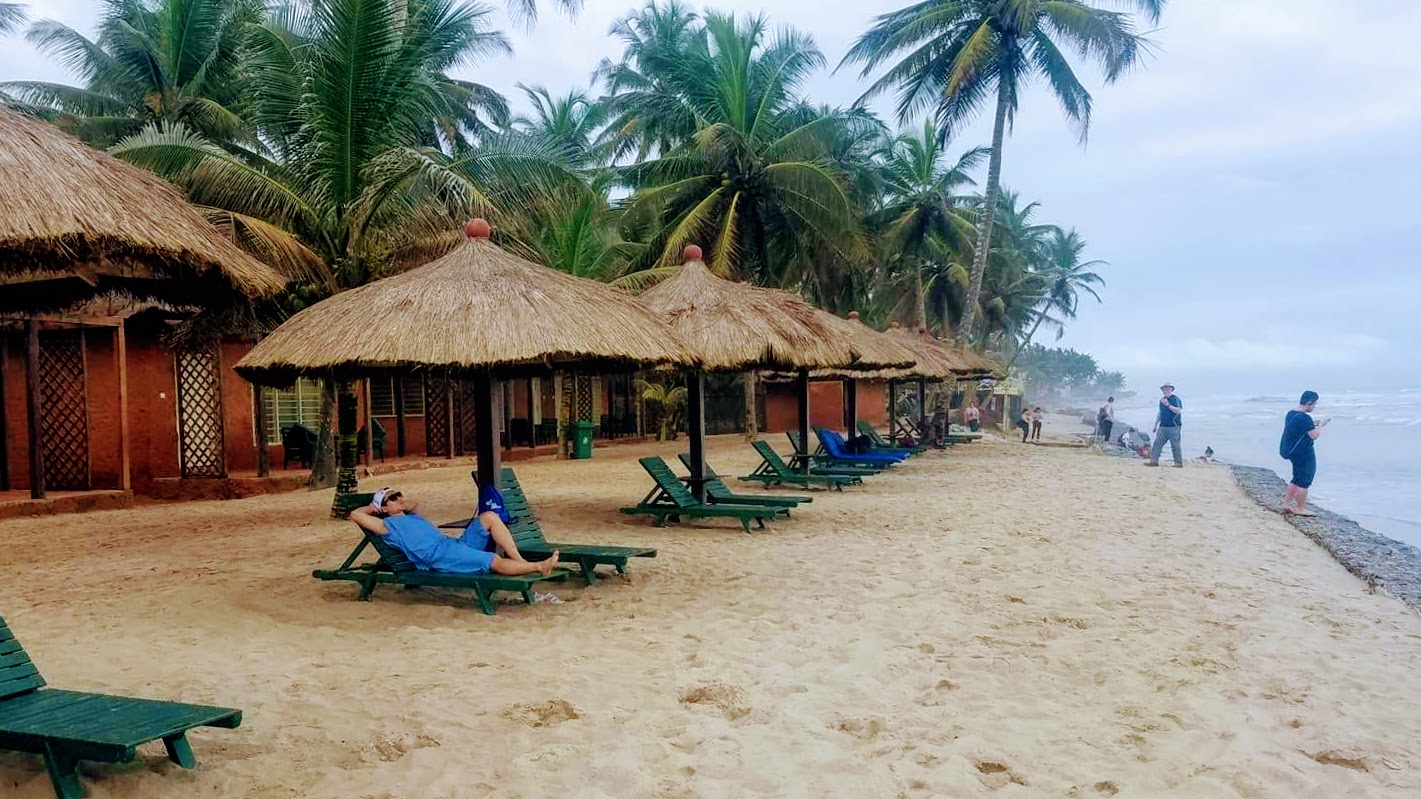
36063908_10155366573485824_3676942903927635968_o.jpgOn the way home from the hospital we took some time to relax at one of the local beaches. It was incredibly beautiful, but parts were covered in litter and we were told the water wasn’t clean enough to swim in. It was nice to listen to the sound of the waves and rest in a place with a cool breeze. Such a lovely day.

Reflections

The best part about Ghana has been the people. The adults are generous, wise, proud, beautiful, sad, and kind and the children are playful, curious, clever, and mischievous. Most people wear beautiful colors and there is a tailor in the community who makes custom clothing for everyone.

While we were setting up the clinic there were always little faces peering in the windows at us or running up when our bus arrived. They were eager to play and quick to ask for treats and supplies. One boy gave me big eyes and mimed brushing his teeth. This broke my heart and caused me to skip the normal process of giving adults all the supplies needed for their family at the end of the visit to sneak a toothbrush for this boy. It was a foolish choice. Soon they were swarmed around me begging for toothbrushes. I tried to stop handing them out and had a nurse translate that their mothers would be getting some for them, but they wouldn’t release their hold on the ones in my fingers. I eventually was able to give them to one of the mothers and escape.

I distracted them further by taking pictures of them using a Polaroid camera I brought. They went wild for the pictures, posing and dancing around. Eventually I decided I had used enough of the film and wanted to save some for the other communities. I started playing with them by showing them dance steps, like the Charleston and the salsa basic and spinning them around. They were thrilled and tried to show me their version of head, shoulders, knees, and toes as well as some local kicking games. We also taught each other different clapping games and high fives.

Whenever I had to go inside to help clean up they would follow and call for “sister Afua” after me. I got lots of hugs and happy bounces whenever I would emerge again. At one point we were finishing up at the clinic and it started pouring with rain. Everyone was huddled under the shelter but the kids were being adventurous and darting into the rain. It seemed refreshing after the hot day in the clinic so I followed and played in the rain with them, spinning around and dancing. It was wonderful and by the time I got to the bus my heart was so full it could have burst.

35889133_10155360507615824_1134829989959565312_o

A Dark Past

Our last full day in Ghana was a cultural day, where we visited a local market and enjoyed Ghanian music and dancing. We also visited Cape Coast Castle, a notorious stronghold of slavery and torture.

36347144_10155376294000824_7797909770412752896_nCape Coast Castle was a trade fortress that was converted for use to house and break the spirit of slaves before they were loaded onto boats. Our visit began wandering around the open air area and looking at the canons over the sea, then into a museum detailing the history of the castle and its role in the slave trade. When I was about halfway through the museum our guide collected us for a tour of the dungeons where the people who were to be slaves were imprisoned.

36393991_10155376293940824_8802817987510796288_n.jpgTo give us a glimpse of the fear they must have felt, he had us initially descend in complete darkness, only turning on lights once we had reached the stone wall on the other side of the male dungeon. He explained that this small underground space held up to a thousand men for months at a time. They were forced into complete darkness where they had to live in their own filth and excrement, packed against their brothers. The floor we were standing on was false, built on top of the human waste that had accumulated there.

36335527_10155376294175824_8162317408808206336_nTo add insult, directly above the slave dungeons where people endlessly suffered was a Christian church. Our guide described the thought process that many slaves went through when they decided to convert to Christianity. To a person experiencing such agony, it would seem like your God had abandoned you or was weak, yet those who followed the Christian faith were clean and happy, prospering above. It must have appeared to many that the Christan god was stronger or better to his worshippers.
The men in these dungeons would never come out the door the entered again. The governor didn’t want the people of the castle to see the slaves, so they were moved, shackled together and driven forth by other slaves, through an underground tunnel to be loaded onto the ships.

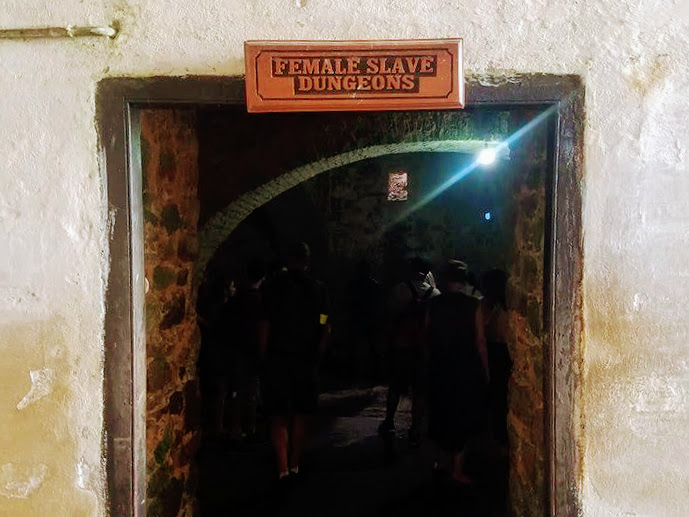
36306542_10155376294415824_4634339883559682048_n.jpgThe women’s cells were similar to the men’s, except that their door was regularly opened so they could be grabbed and raped at will. Sometimes they were bathed before this occurred, and other times drunk soldiers would not even afford them that decency. Women who resisted were beaten or put into a hotter cell where they were locked without food and water and often died if their spirits weren’t quickly broken. Our guide shut us into the boiling confinement cell for about 30 seconds, which was enough to have some of us panicking.

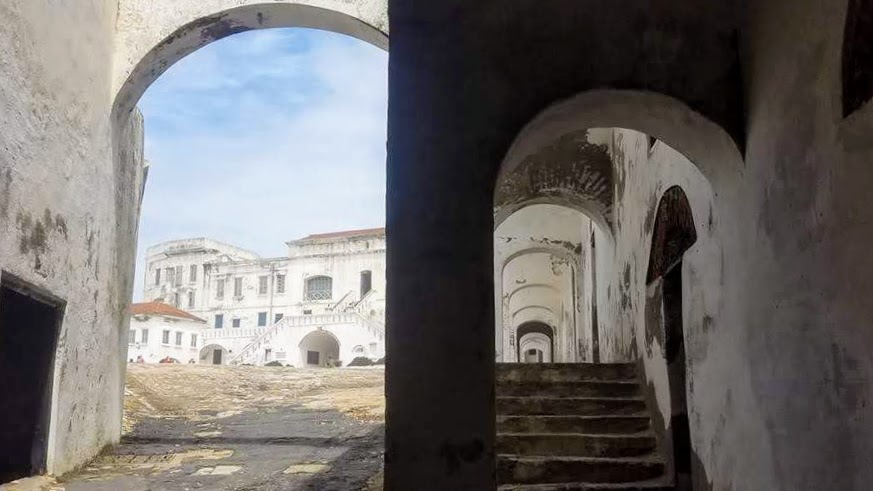
The last they saw of their country was the Door of No Return: a portal that brought them to the water where they were lowered and packed into the ships as cargo. By the time they emerged through that door, they had been in darkness for many months and thus were blinded by the bright sun, unable to fight. Those who did not die at sea lead painful backbreaking lives in slavery.

Immediately after walking back through the Door of No Return, our guide took us up to the airy hall where slave prices were negotiated and then up to the British governor’s chambers. The governor had a beautiful set of airy rooms with large windows that looked out on the picturesque coastline. The dichotomy was so startling I felt shaken and revolted.

36350563_10155376294695824_4792468016619061248_nWe were left with a plea to remember that slavery is not gone from this world. People are still taken against their will and forced into terrible suffering and servitude. He asked us to see, to take a stand, and to remember.

We have so much work to do, in our country alone, to ensure that people are able to lead fair and decent lives. The horror of the atrocities that we do to each other when we dehumanize our brothers and sisters is echoing around in my heart.

These terrible things happen when we group people together and see them as ‘other’. We do this sometimes because we want power or wealth, other times because we don’t understand them or are afraid of them. As we band together to stand against injustice, I urge you all to avoid the slippery road of dehumanizing those you stand against. Fight them with all of your fury, but don’t follow the dangerous path of talking the humanity away from anyone.

It is ideas that we fight, not people. Fight against the idea that anyone can be treated as less than human. Our trustest goal is to stop that idea from spreading, to take it out of the minds of people, and until that is accomplished to stop those people from acting on this deadly idea through any means necessary. Stand together against the heinous crimes happening in our country. Do not let this terrible sickness enter your minds and hearts. Keep fighting.

35883030_10155360504230824_5450899048695332864_o


You can donate to Global Brigades on their website. I don’t work for them or get any kind of kickbacks or sponsorship, I just like charity.