Although I only spent 5 weeks in the city of Tours, France, I feel like I managed to squeeze in quite a lot of sightseeing around my French classes and cheese eating. In an attempt to organize my adventures there, this is the 2nd of 4 posts about Tours and it features attractions which are close to the city center, such as museums, gardens and interesting tourist attractions.
Musée Compagnonnage (The Companion Museum)
This was the first museum I visited in Tours because it was right next to my tram stop. I don’t know what I expected from a place called the Companion Museum, but this was not it. The Companionship (Compagnonnage) were any and all artisans and craftsmen who made things with their hands and then passed the knowledge of their crafts through apprenticeships. As you may imagine, that’s most of professions. It’s something between a secret society and a very strong union. In fact, given the amount of masonic imagery, I’m surprised to find that the museum denies any connection beyond the coincidence of the compass and square.

According to their own legends, the Compagnonnage dates back to the construction of the temple in Jerusalem, known as the “Temple of Solomon”, in the 10th century BC. The colossal project, under the direction of the architect Hiram, would have been led by Soubise and Jacques. Different legends also make these last two monastic and chivalrous characters. Salomon, Father Soubise and Maître Jacques are the 3 legendary founders of the Compagnonnage. However, there’s no archaeological evidence of the Compagnonnage until the 13th century. Incidentally, the Free Masons are not found until the 18th century so if they are linked, the French did it first.
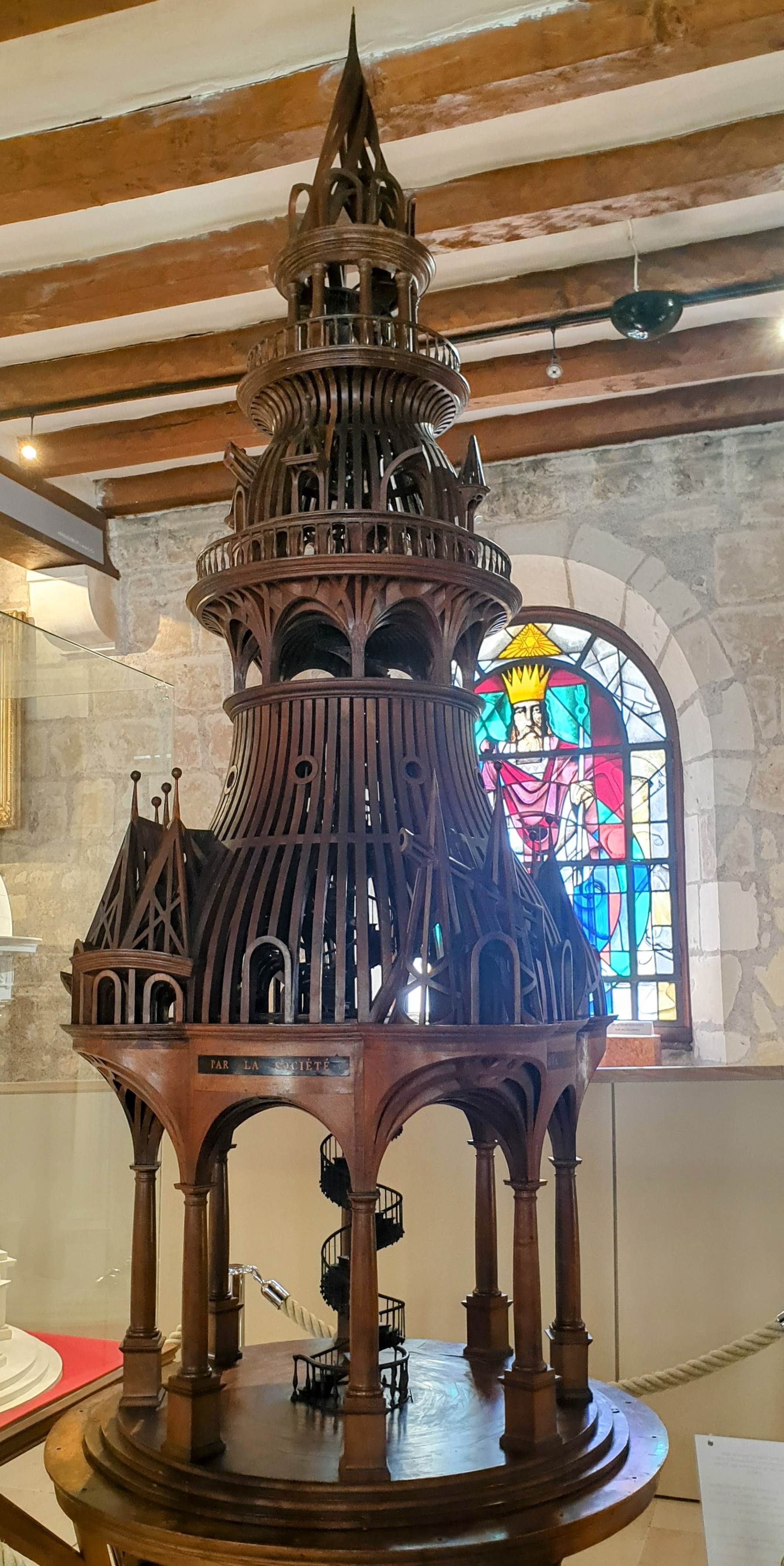
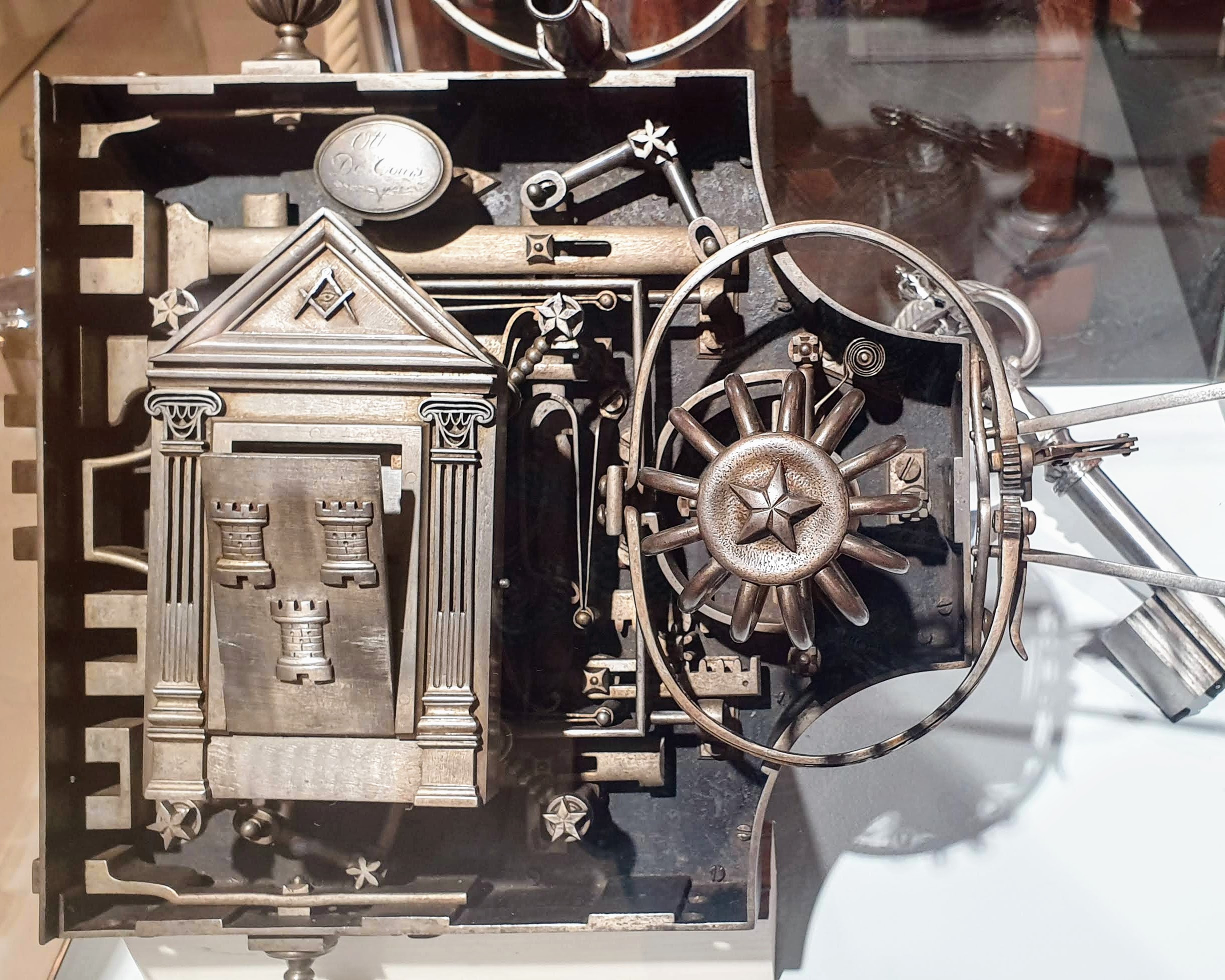
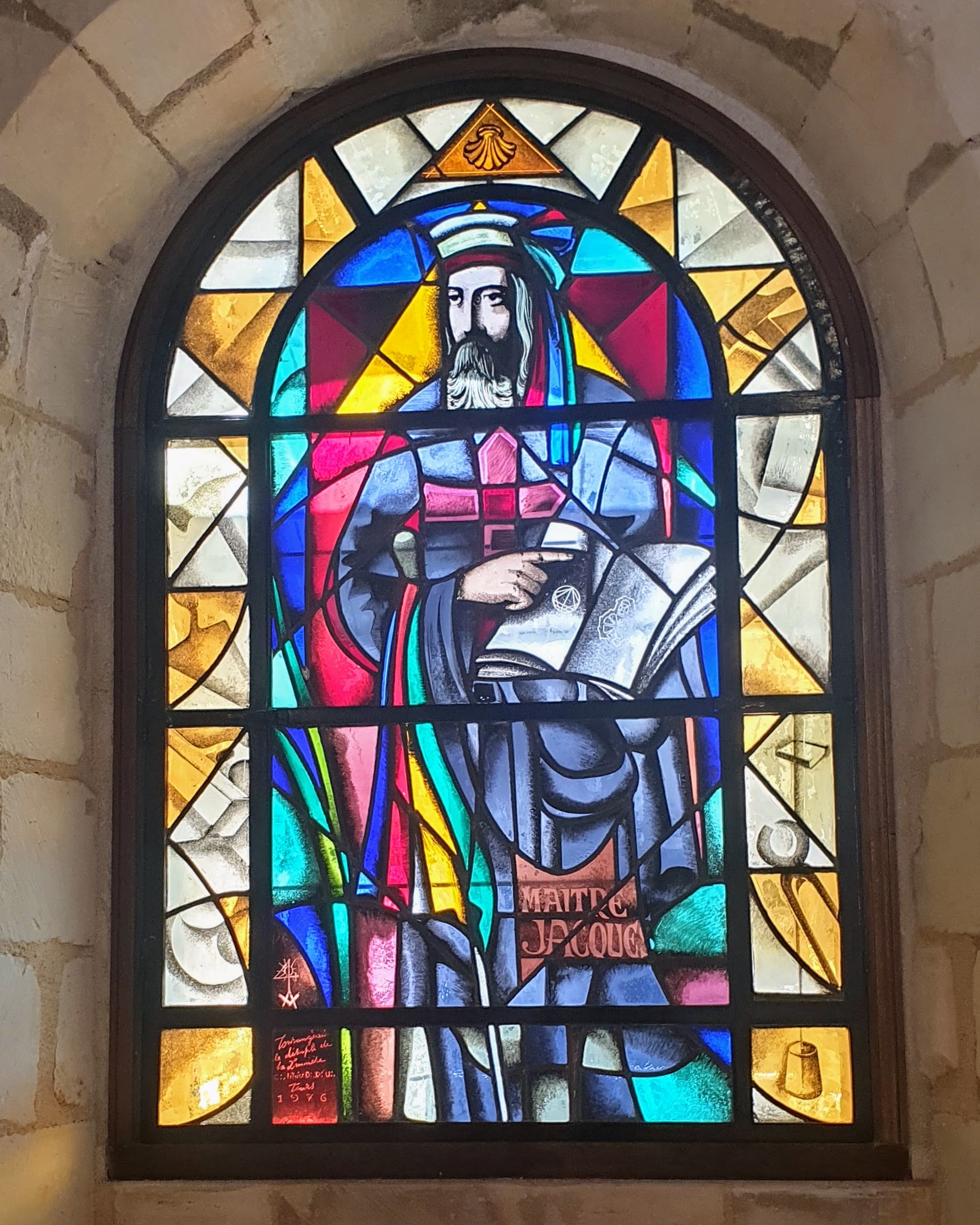
The Compagnonnage includes any industry in which people work with their hands directly to produce things. I was going to try to list them, but the museum website takes a whole page to do so. It’s… a lot. Excluded careers were things like merchants, academics, doctors, architects and engineers (presumably the later because they design things rather than build them. Carpenters and stonemasons, people who implemented architectural and engineering designs, were absolutely included in the Compagnonnage.)


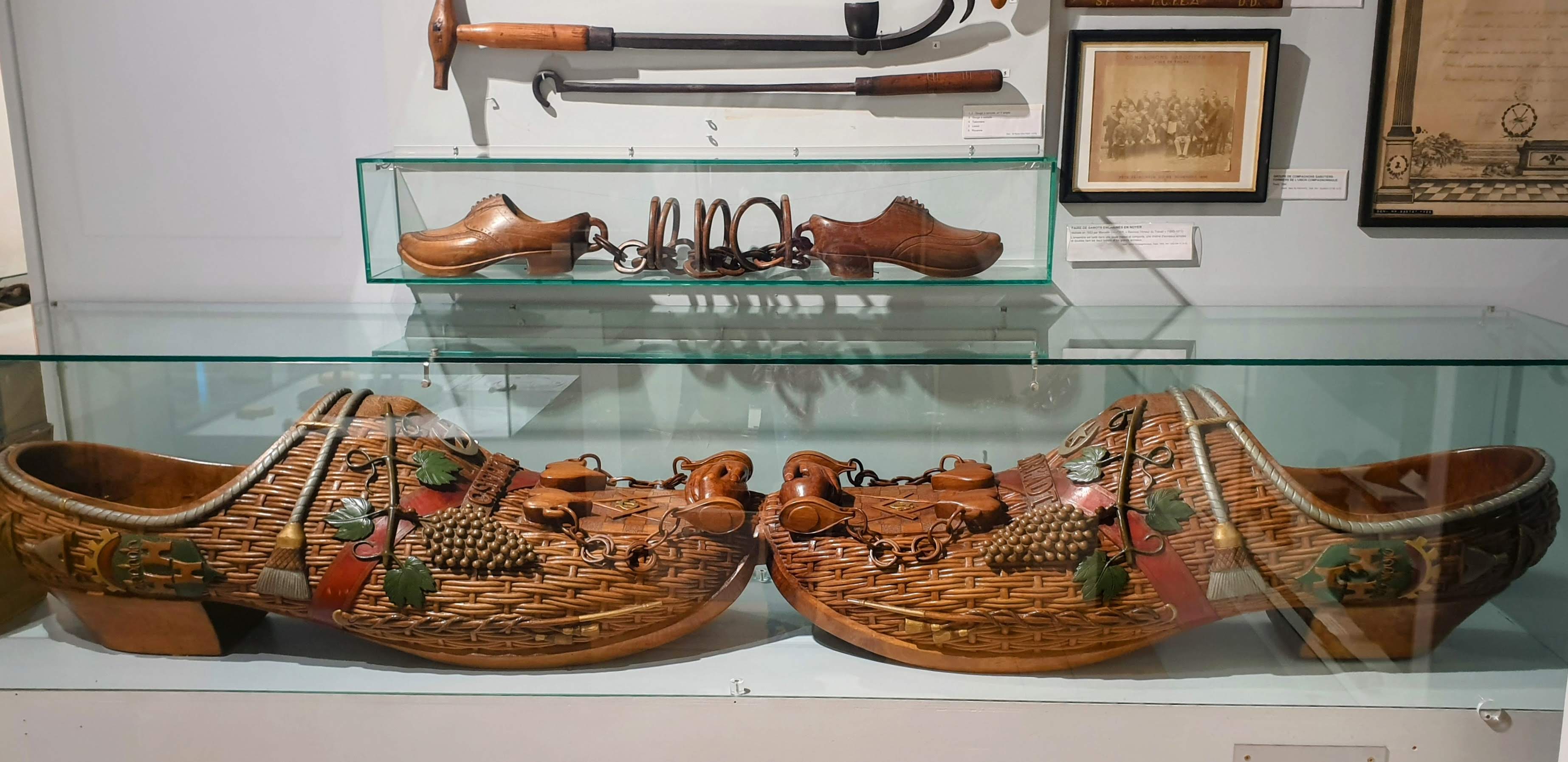
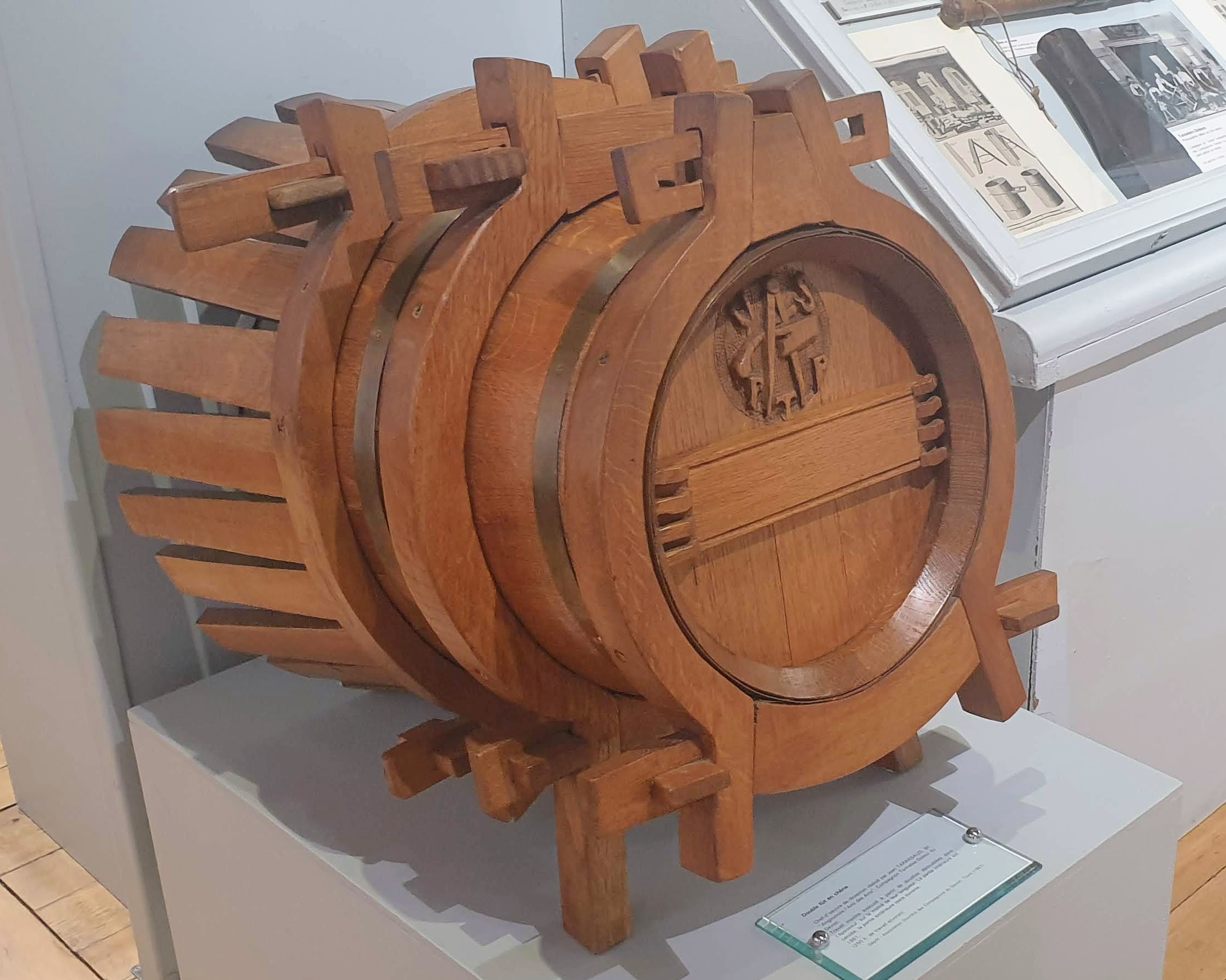

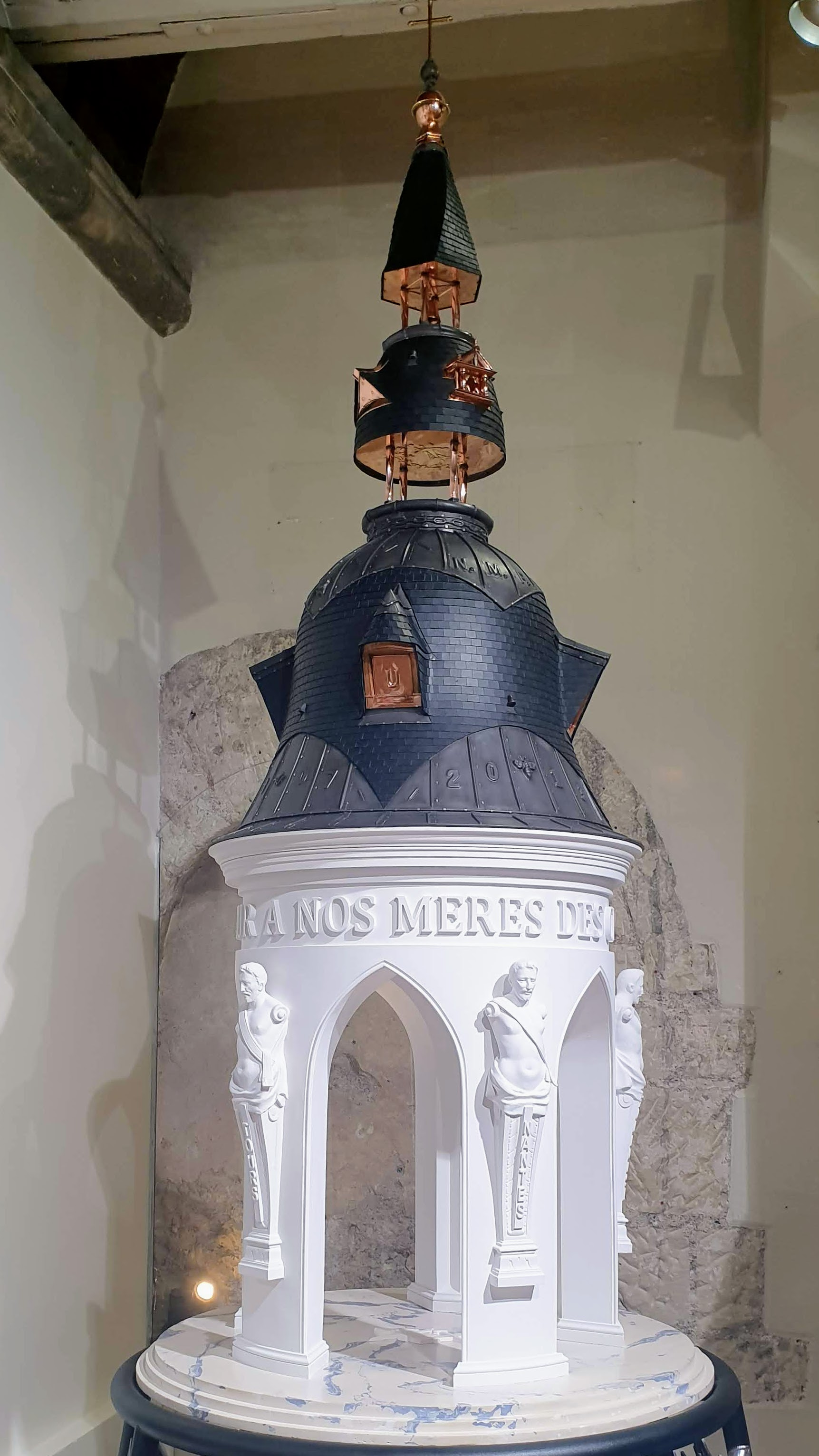
You can read more about the historical ups and downs on the museum website (thanks Google Chrome for auto-translate), but it went fairly strong until WW1 dealt it a near fatal blow. It didn’t really recover until after WW2, and it’s worth mentioning that although they claimed to welcome anyone wishing to improve in their profession, they didn’t agree to admit women until 2004(!) and didn’t actually accept one until 2006. Even though many of the trades historically included into the Compagnonnage were industries which had many women workers including sewing, weaving, laundry, and baking, it seems the society was about more than just teaching skills and protecting workers. Quelle surprise! (by the way, all of the art pieces below are sugar and pastry!)
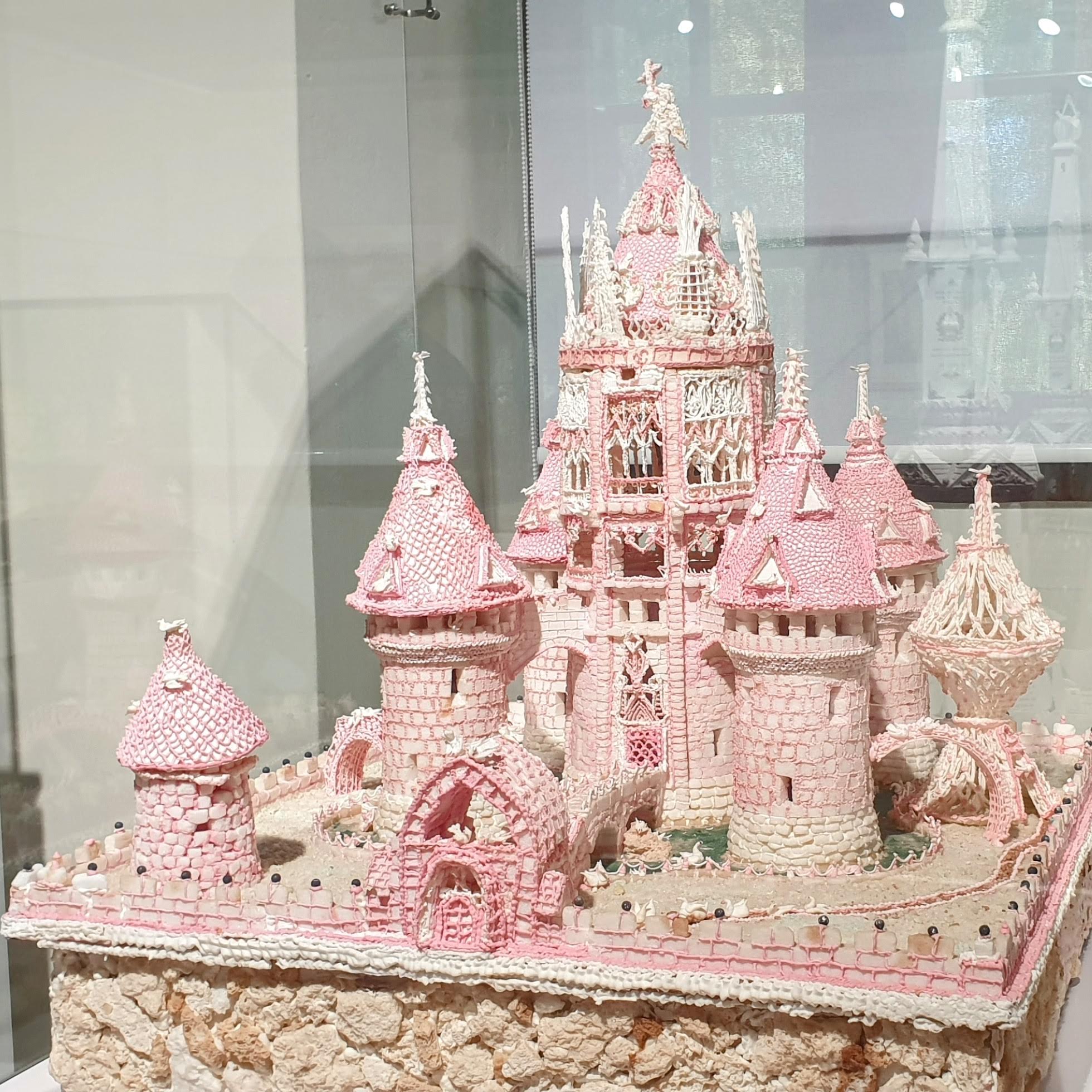


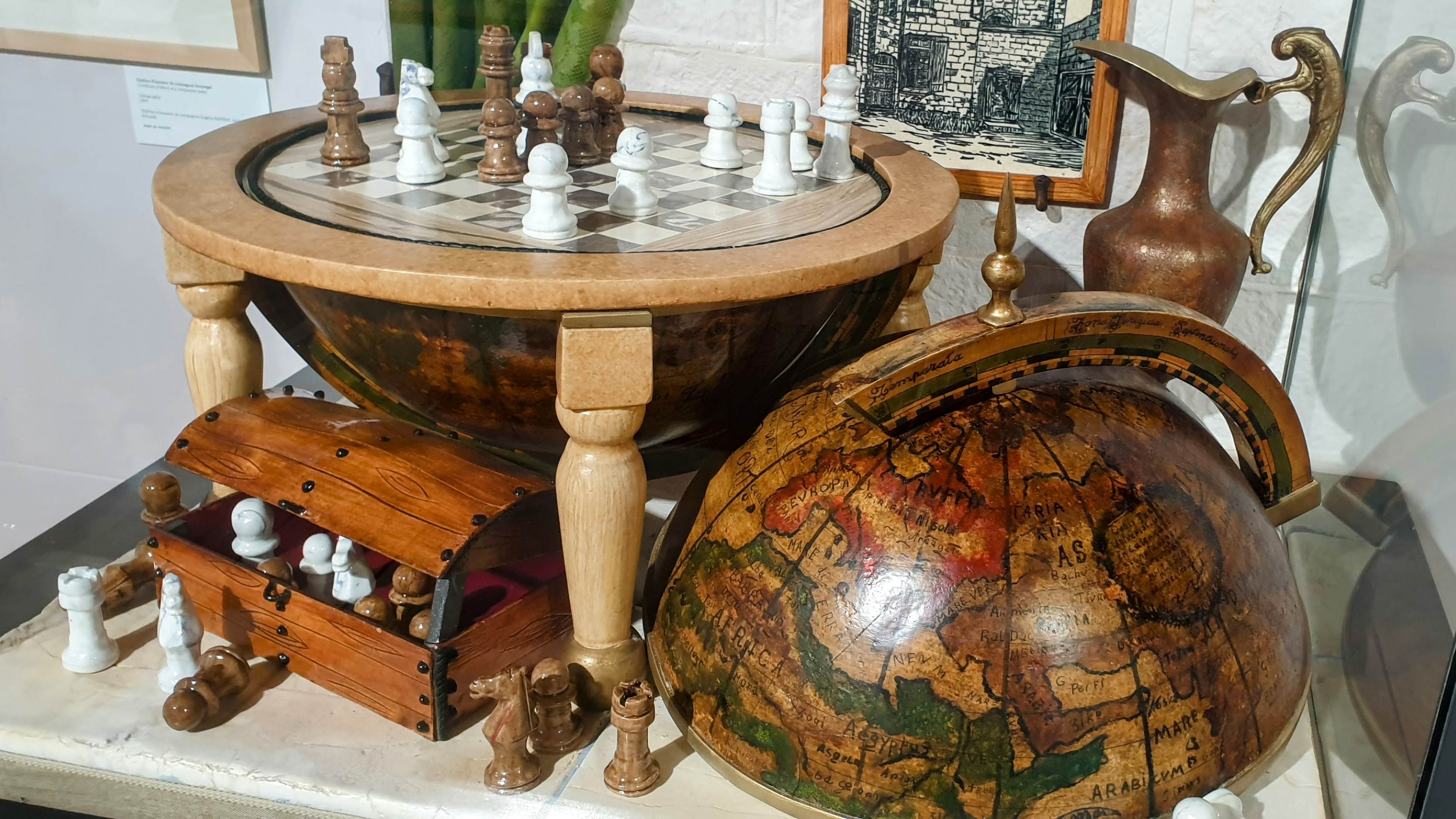
Despite the overwhelming presence of misogyny throughout the history of Western civilization, I still enjoyed seeing the craftworks and tools of the various trades included in the Compagnonnes. I also believe that the centuries-long tradition of protecting the rights and wages of these workers has likely influenced the French cultural value of workers’ rights and collective bargaining. Did you know that striking is protected under their constitution? That not only can they not lose their jobs for striking, their employers must continue to pay them during the strike? That’s a big accomplishment for the same culture that produced Versailles.
The Hôtel Goüin
This is what happens when you don’t plan in advance and just wing it. You get weird stuff. This hotel is on my walk from the tram stop to my school and I got curious about it, and noticed it’s opening hours were only on Wednesdays and Saturdays. I looked at it very very briefly online and saw that inside was an art gallery with rotating exhibitions. I thought, well I like art galleries, and it’s free, so why not?
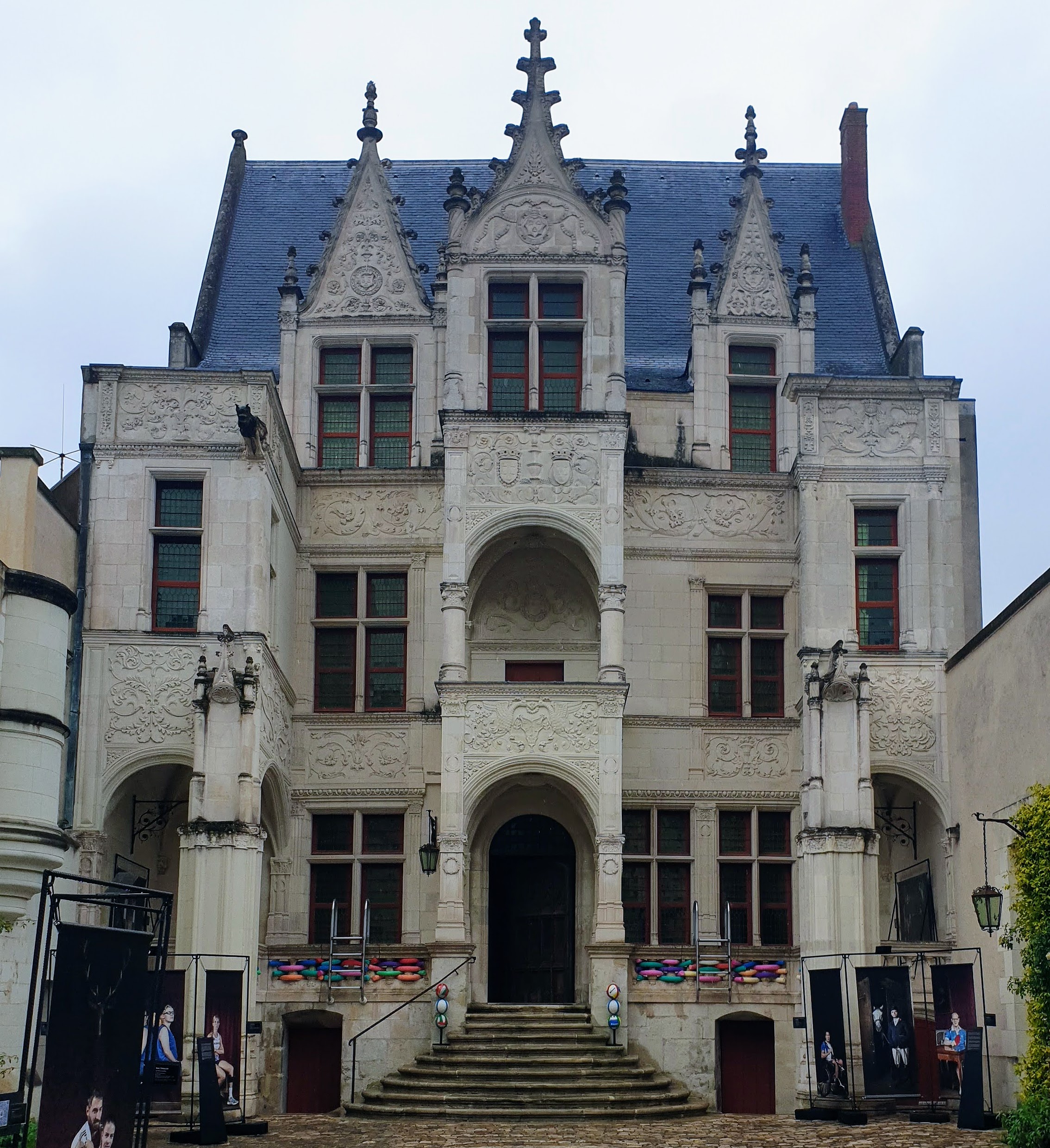
First, let me say, I do think it’s worth it to poke your nose into any free museum in your vicinity. Heck, even any museum under 10$ is likely to be worth a stop to me. I have gone into unexpected museums before, things I ran across that were adjacent to another stop on my journey, and it’s roulette. Also, since I had totally failed in the planning phase of my stay in Tours, I was eventually bound to suffer the slings of ‘wing it”, and only not mind too much because a) it’s 5 weeks, and b) my goal in Tours was not sightseeing – it was French Living.
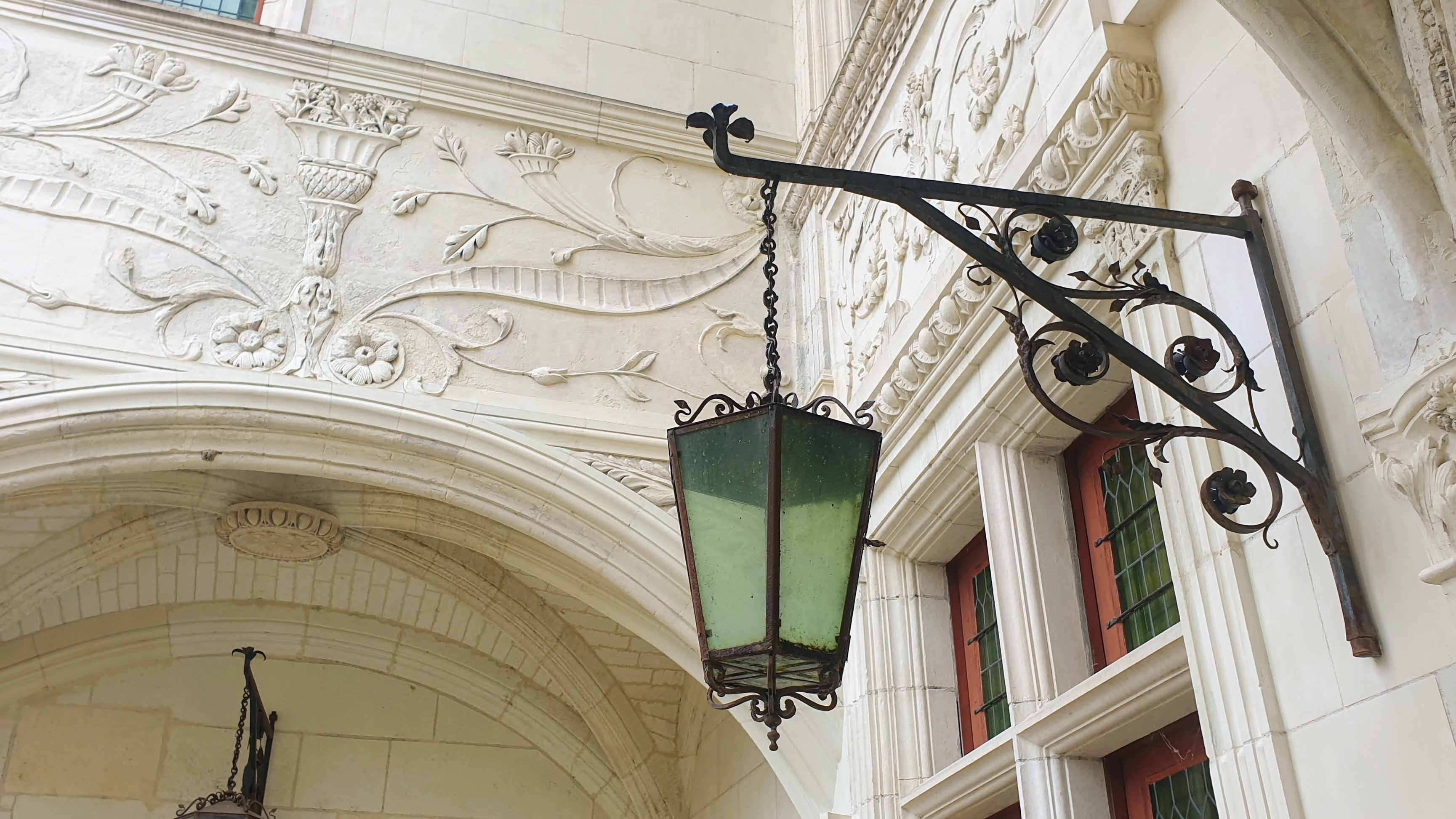
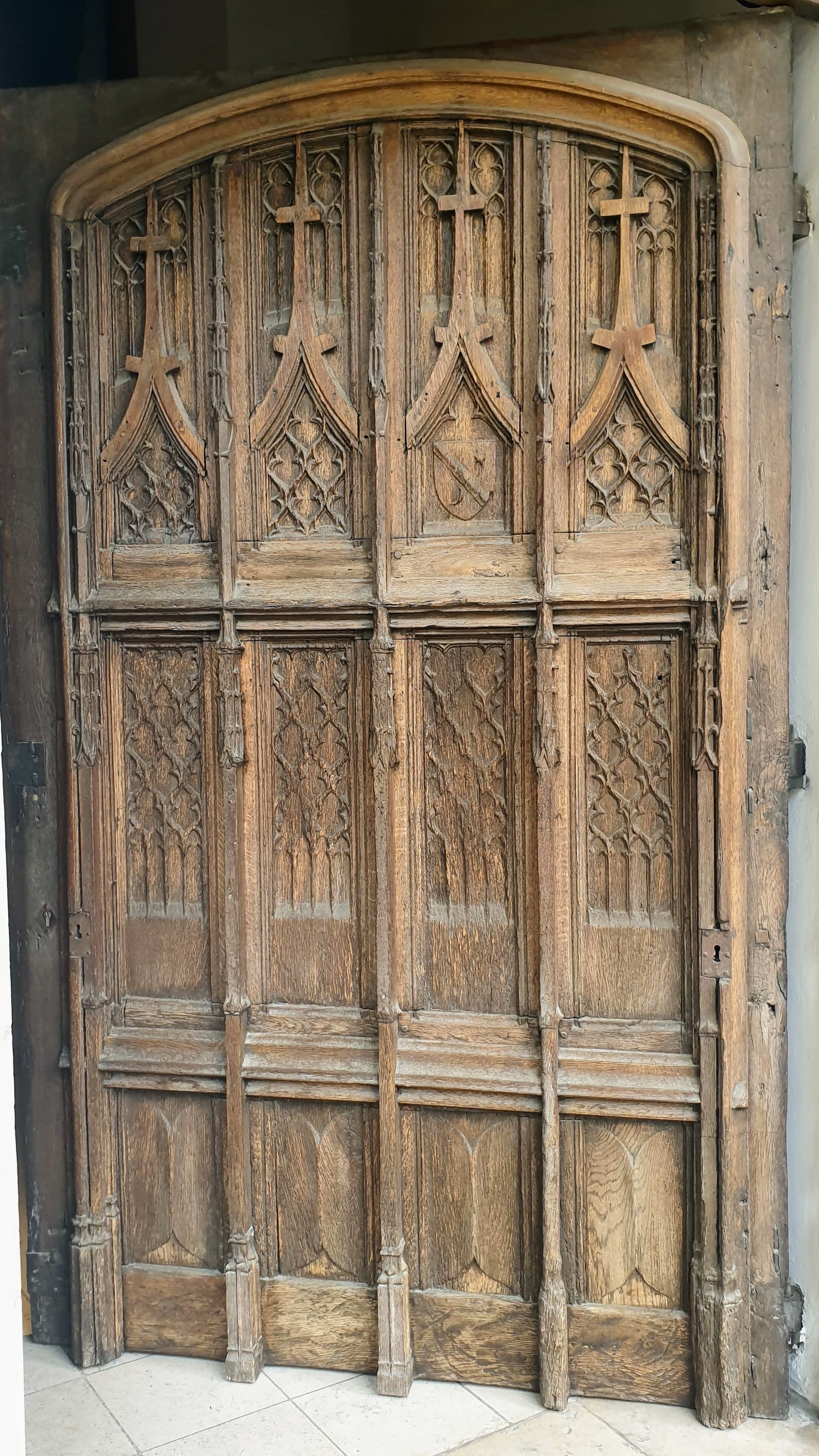
If you or someone you know is headed to Tours and you happen to be in Old Tours on a Wednesday or Saturday, sure, drop in. However, there’s no need to put it on your bucket list. This summer, the Olympics are being held in Paris, so all of France is in Olympic fever. The Hôtel Goüin being no exception, they decided to offer an exhibition on the Paralympics. In large part, the exhibition was mostly very beautiful and inspiring photographs of paralympic athletes, but the upstairs (no elevator, btw, way to accommodate the athletes being celebrated!) contained not only documentaries, but interactive displays where visitors could “try on” a disability and attempt a sport. … I don’t even know what to write about that, other than, yes, I’m sure that’s what they were for because a museum employee told me about it and smilingly encouraged me to try.
If you are not cringing with me, or are wondering why I am, please check out some videos on YouTube by following this link.
The Musée des Beaux Arts
The third and easily most impressive museum I visited was the Tours Museum of Fine Arts. You can go to France and not visit an art museum, but why would you? I spent about 2.5 hours inside the museum of fine arts. I only took photos of things that struck me in particular, but it was room after room of beautiful stuff. I love looking at oil paintings up close. There’s some things that no photograph can ever capture, the quality of light, the ability for a part of a painting to seem like it’s glowing, the way the brush strokes move the eye, the size (both the enormous paintings and the tiny details). Seriously, even gallery-pro photos rarely do them justice, but if you want to see the museum’s own photographic collection, click here.
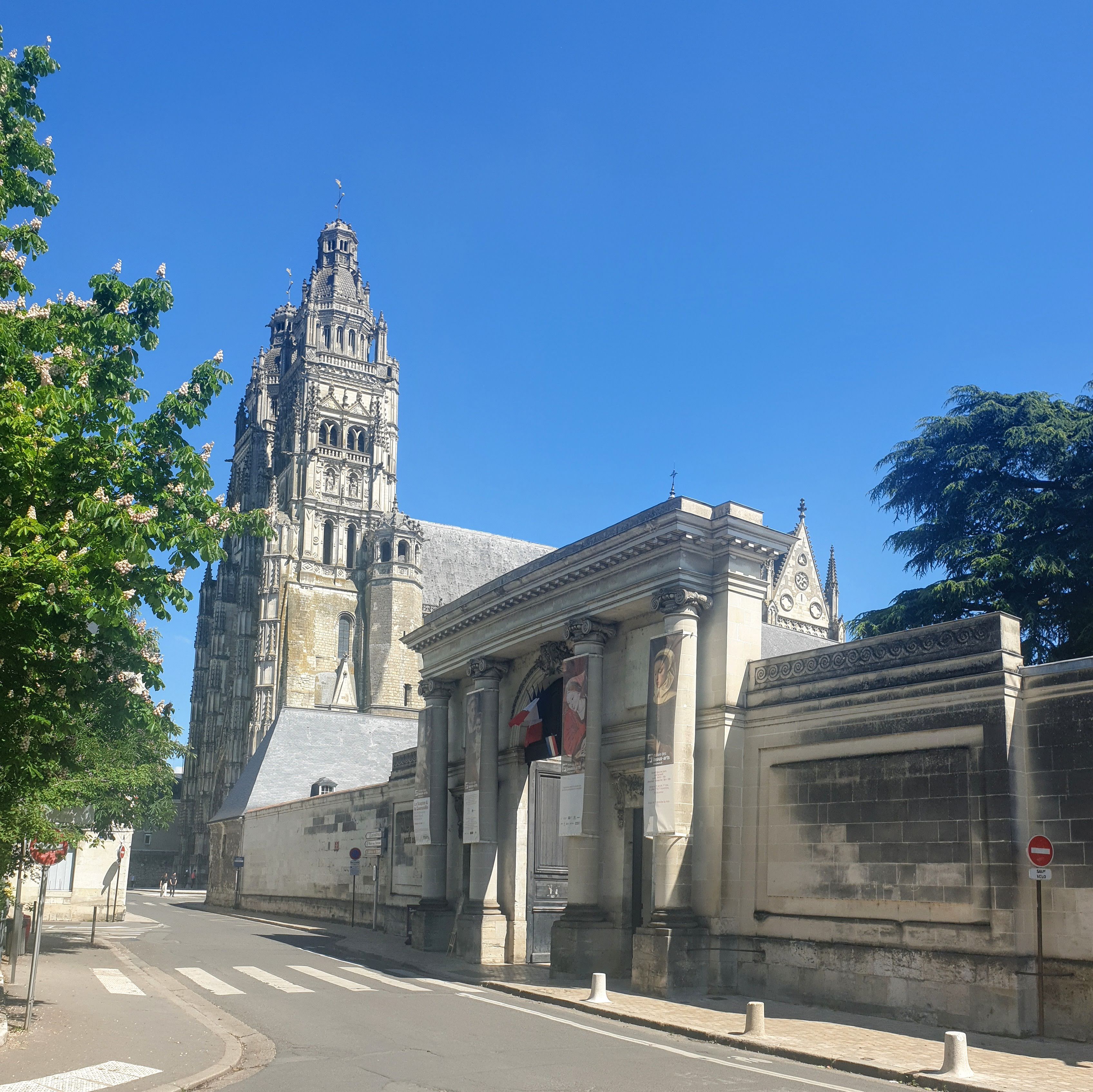
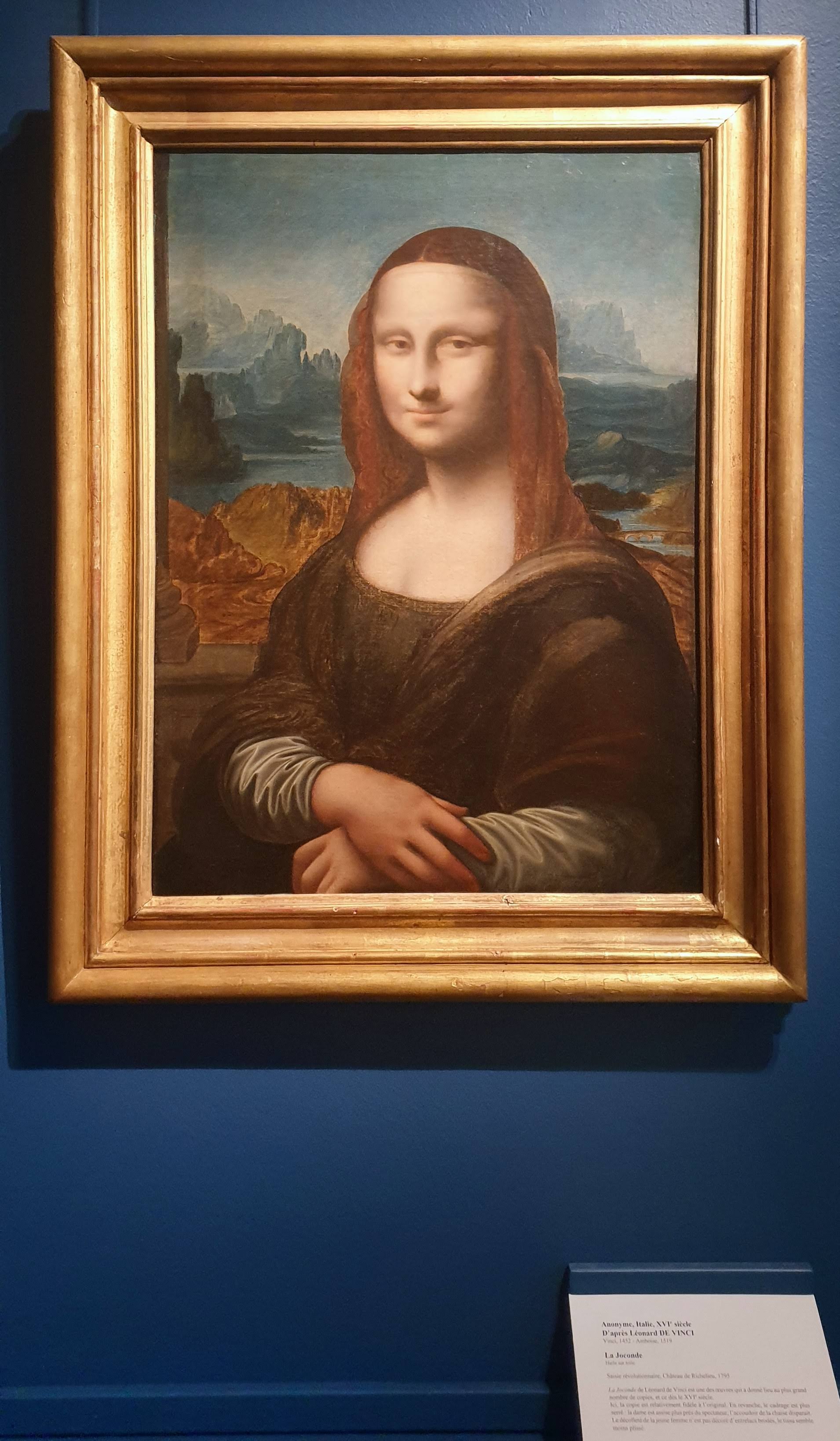
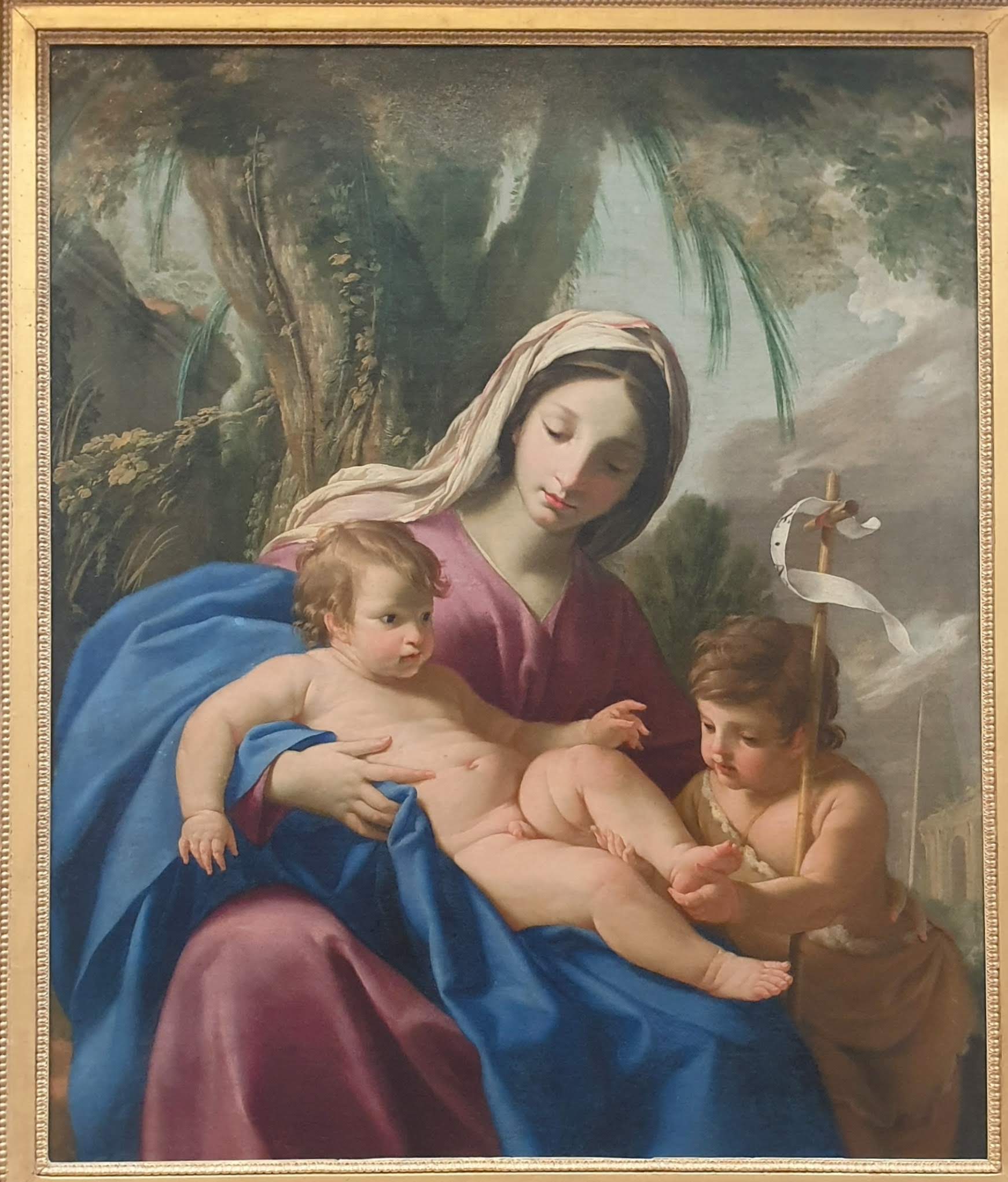
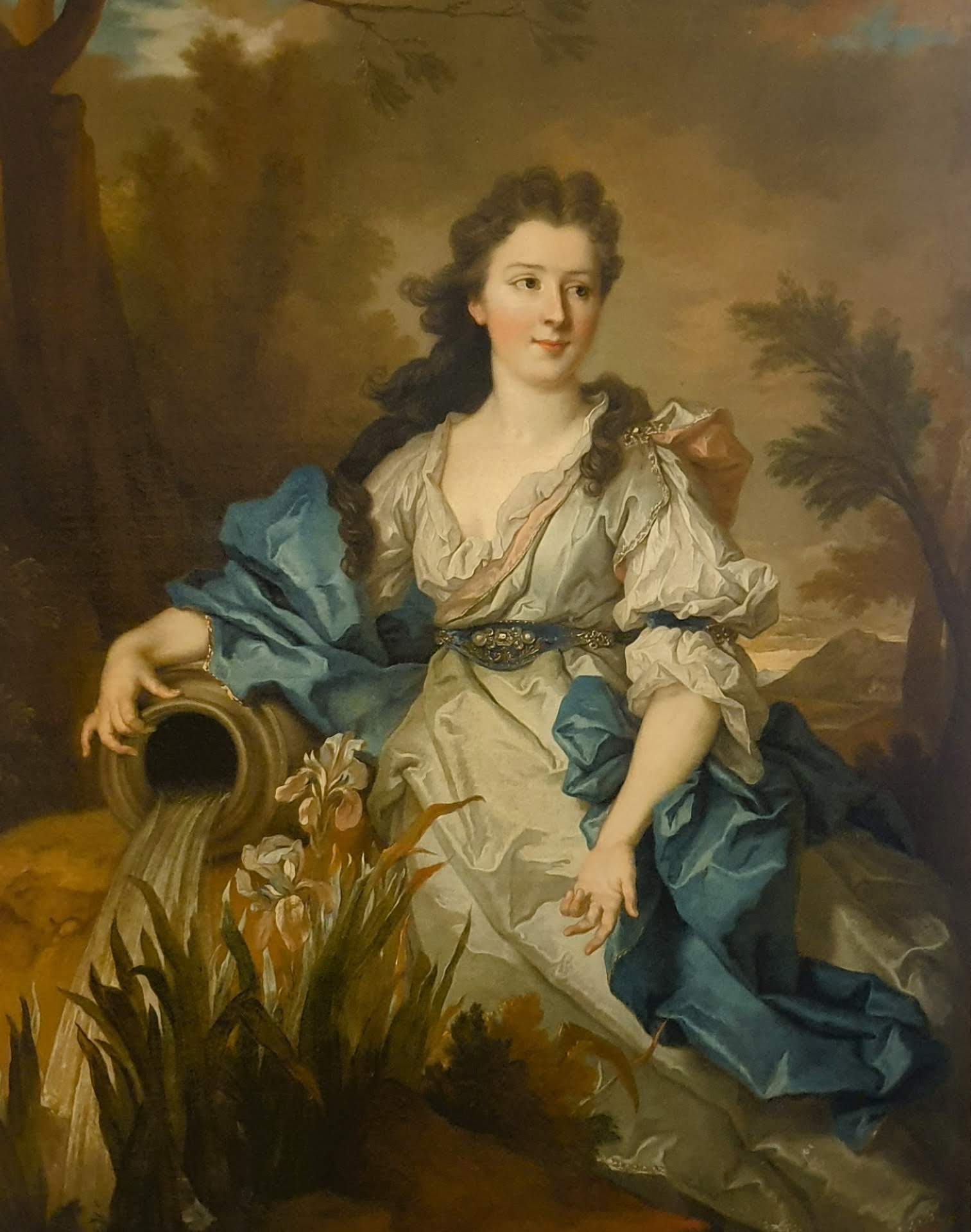
Nonetheless, I cannot paint a picture of a gallery with only words, so I hope you enjoy the pictures I took and that maybe it can inspire you to visit an art gallery in or near your own town. Galleries often have wide collections, and even trade around highly desirable artists so that everyone can get a chance. The Tours museum is not anything so grand as is found in Paris, Lyon, London, or New York, but it still had a Rubens, a Rodin, a Rembrandt, and a Monet alongside many lesser known but still very talented artists from the 14th to 21st centuries.
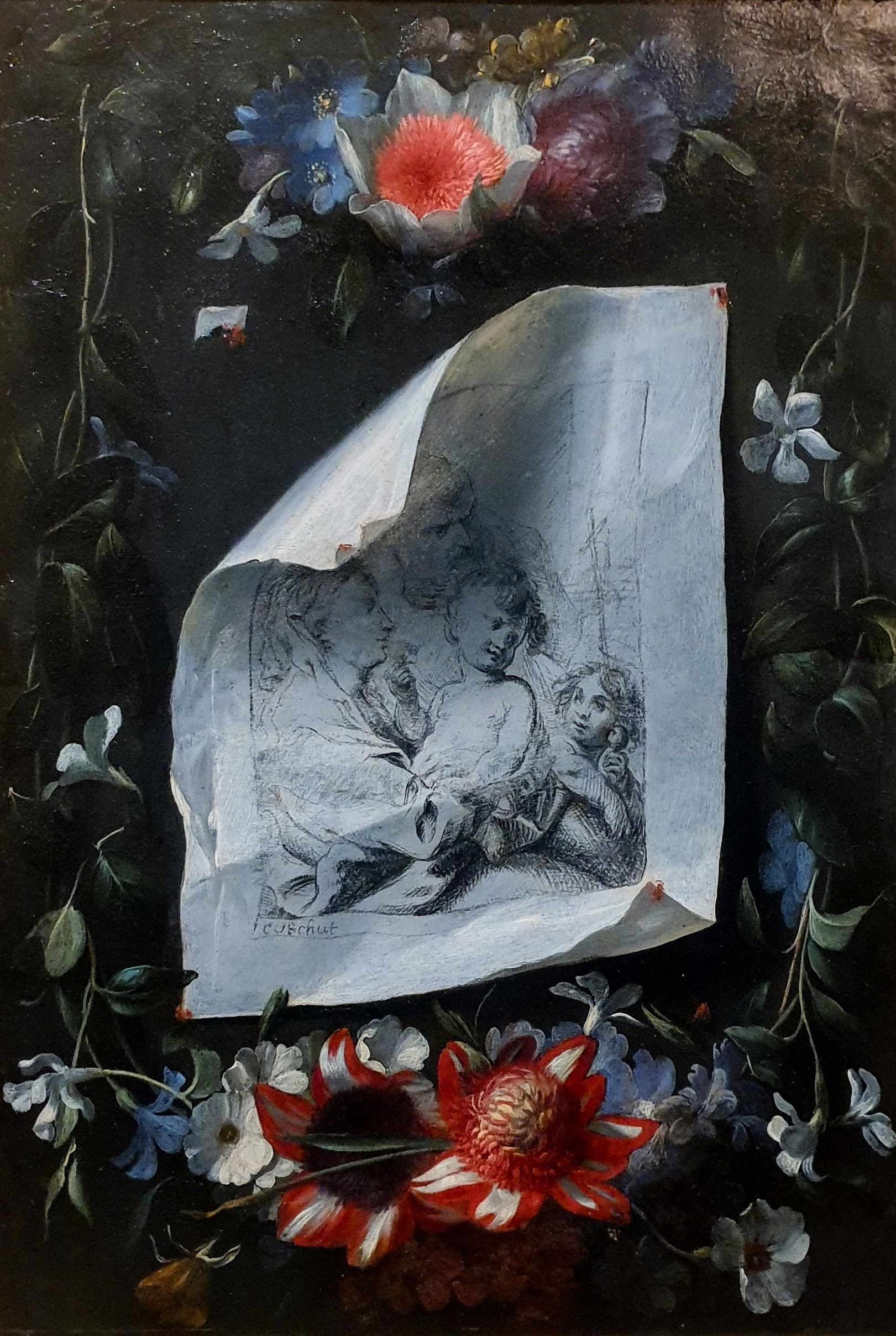

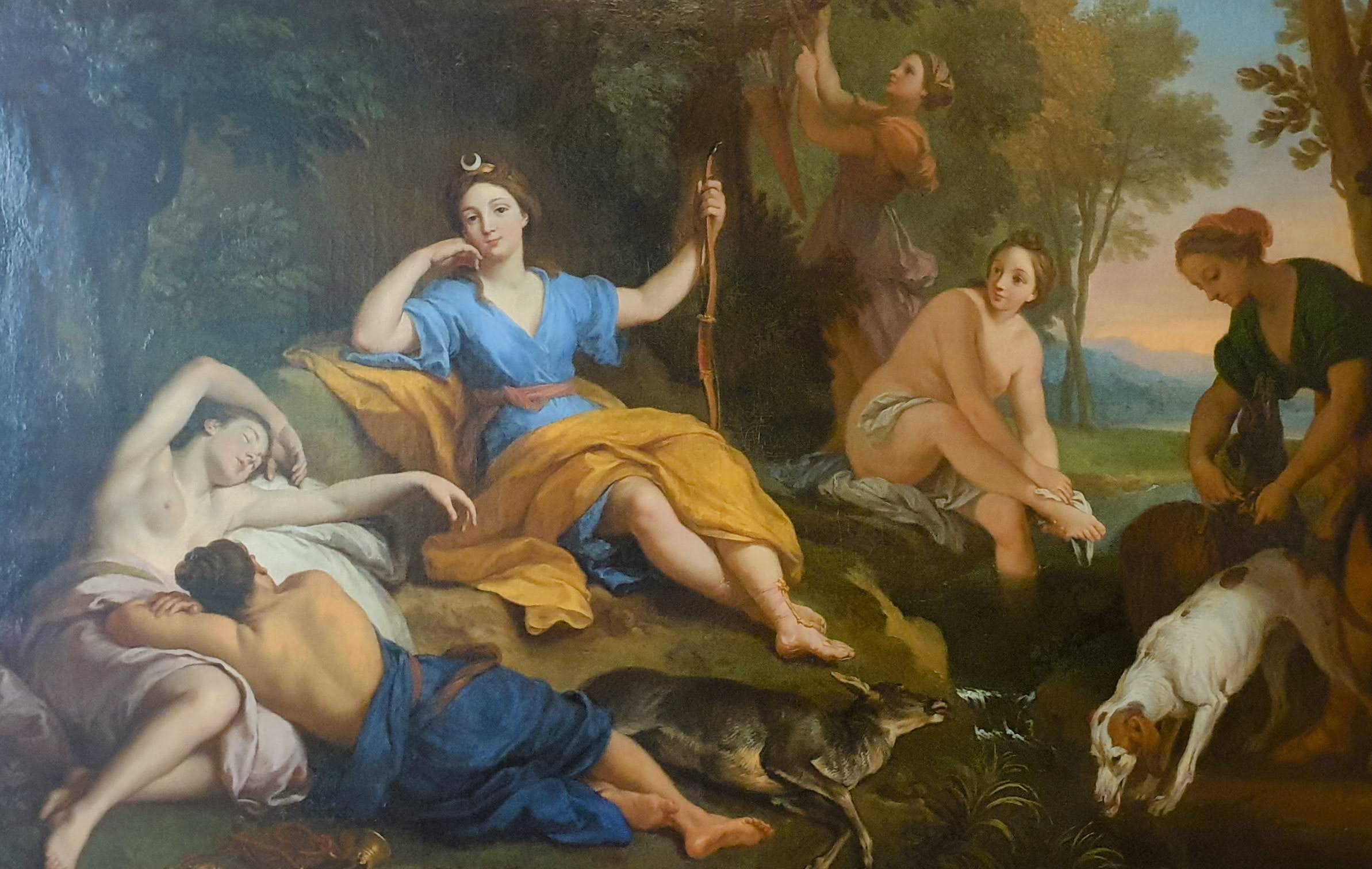
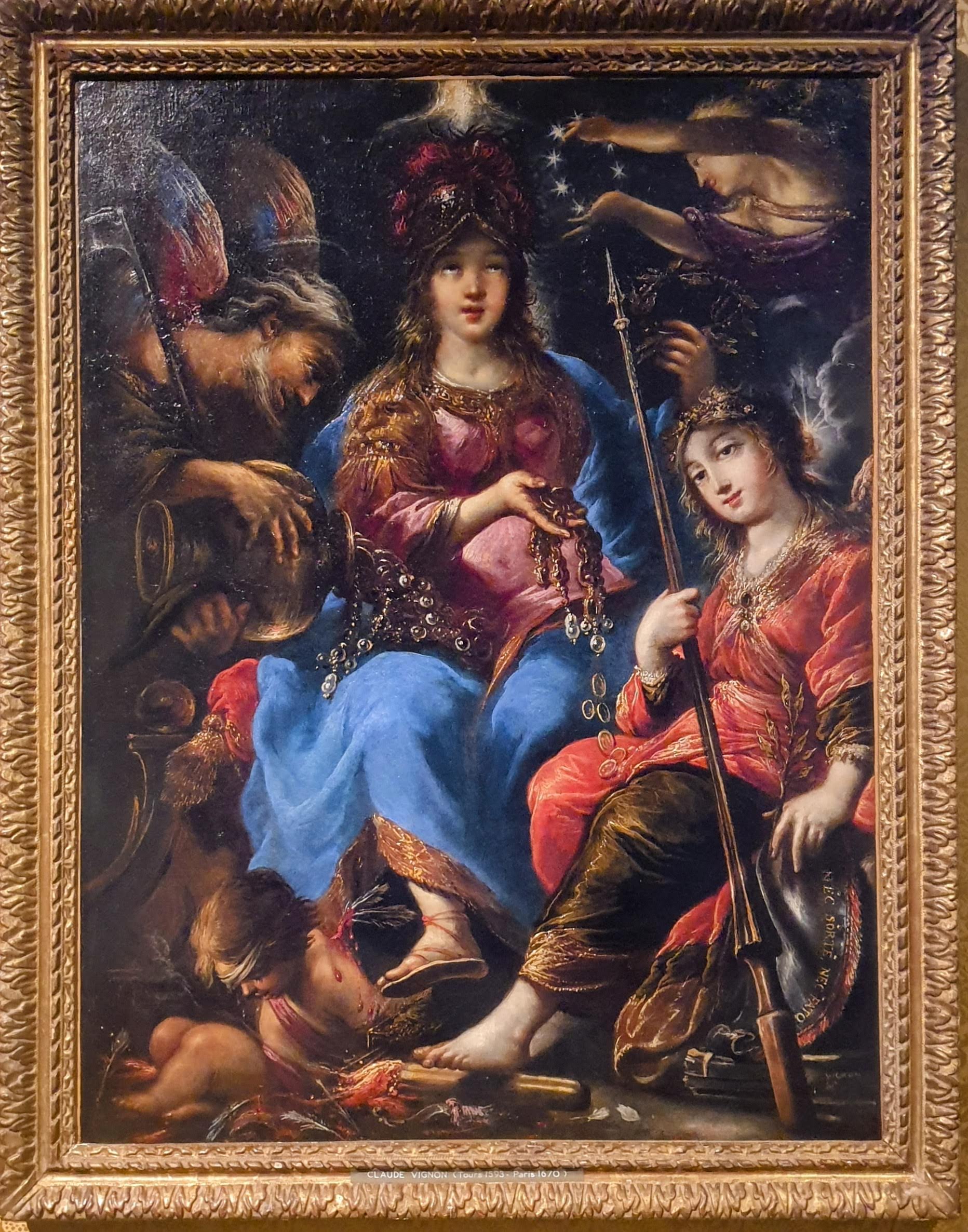

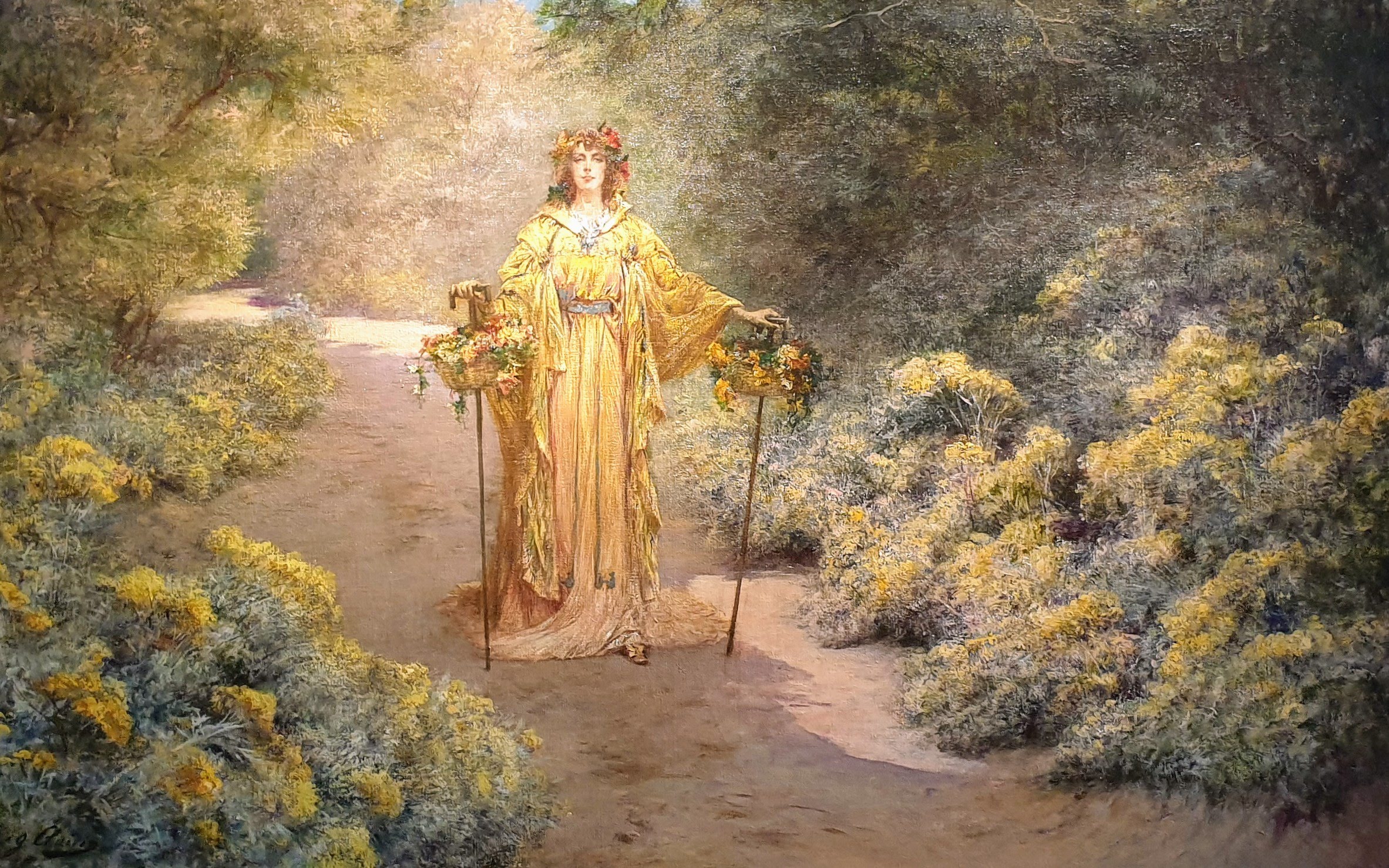
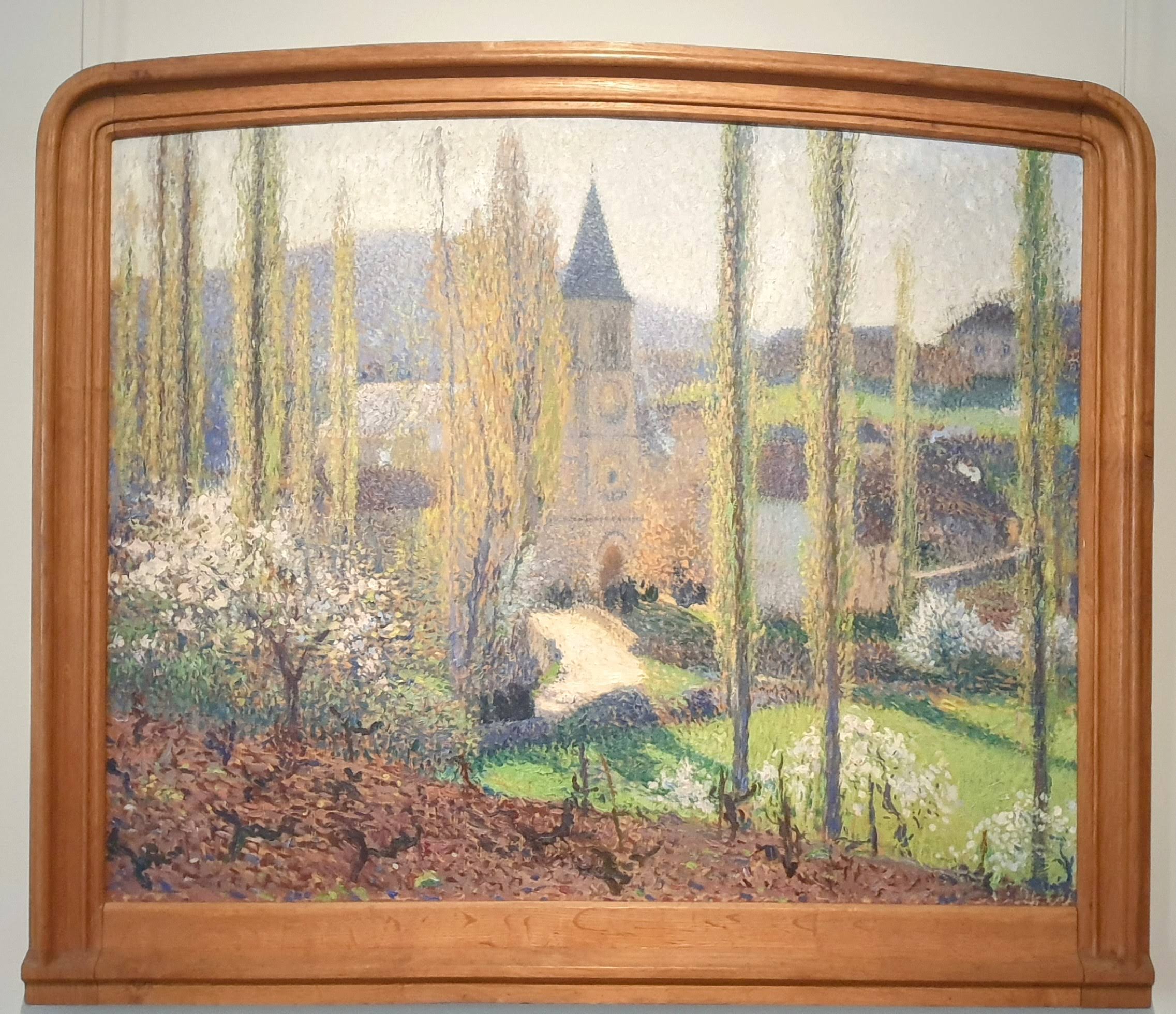
Garland of flowers and trompe l’oeil, Jan-Philips van THIELEN, mid 1600s
Anonymous copy of the Mona Lisa painted mid 1500s
Mary Magdalene, Matthieu FREDEAU 1642
The Virgin, the Child Jesus and Saint John the Baptist, Eustache LE SUEUR, early 1600s
Portrait of a woman in spring, Workshop of Nicolas de LARGILLIERRE, early 1700s
Diana and her companions resting after hunting, Louis of BOULOGNE 1707
Allegory of the Times, Wealth, Power and Love; Claude VIGNON, mid 1600s
Nude study, Léon BELLY, 1857
Sarah Bernhardt in her Belle-Ilea garden, Georges CLAIRIN, late 1800s
Leaving mass on Easter Day in Labastide-du-Vert, Henri MARTIN, 1915
I recently had to try and explain Queer Coding to some folks and I found myself returning to YouTube to shore up my own understanding and references. One of the videos I watched pointed out that a lot of artists who painted under the totalitarian glare of the capital “C” Church used secret signs in their paintings of religious icons, and imagery out of Greco-Roman mythology to be able to portray scenes of queer love, romance, and eroticism that they could otherwise have been turned over to the Inquisition for. It was a perspective that made looking at many of these paintings from the 14-17th centuries much more entertaining.

I had to put this painting on its own. This is “Panoramic view of Tours in 1787” by Pierre-Antoine Demachy. When I turned a corner and saw this view, I was absolutely stunned because that’s the bridge I ride the tram over every day too and from school and my apartment. It’s actually fairly easy to regognize the major landmarks like the Cathedral on the left, the large white buildings with black roofs along side the road which is the Rue National (those are still holding shops today), and the Tower of Charlemagne as the tallest structure on the right. The artist was able to make the buildings in the distance look larger than they really are, and there are too many trees and new buildings for me to exactly replicate this view with my camera, but I gave it a go.

The lower floor of the museum is where the rotating and seasonal exhibits live. When I visited, it was an exhibit about the history of women called “THE SCEPTER & THE DISTAFF. BEING A WOMAN BETWEEN THE MIDDLE AGES AND THE RENAISSANCE“. Although it did have some generalizations, it mainly focused on France and it’s neighboring European countries and offered examples of illuminated manuscripts and artistic renditions of women as visual aids to the historical records. Anyone who has studied the history of women in the West will be well aware of the issues, but for those who are not, may I recommend the recent re-translation of Simone de Beauvoir’s eminent work, The Second Sex. If you’re on this website, I assume you like to read and so recommend the book, but there are plenty of YouTube videos reviewing and analyzing it. I don’t claim it’s the authoritative book of feminism (it’s got issues), but she does a very good job of assessing the historical condition of women in Western culture.
After I finished inside the museum, I headed outside to look for the pickup spot of the hippomobile. I didn’t make up that word. “Hippo” isn’t just a big African water mammal, it’s actually the ancient Greek word for “horse”. “Potamus” is Greek for “river”, which is how the hippopotamus got it’s name – river horse. Thus, the hippomobile is simply an ancient Greek way of saying horse-car, or horse drawn carriage. I don’t know why the one in Tours uses this name instead of the wildly more common French word “calèche“, but the first time I saw it on the website, I fell in love with the word and I refuse to relinquish it.
The internet further told me that I should catch this wonderful ride in front of “Fritz the Elephant” outside the Musée des Beaux Arts. When I arrived at the museum, a sign outside advertised the ride as picking people up at Fritz the Elephant as well, yet by the time I finished my museum tour, I still had no idea where (or really what) Fritz the Elephant was.
The Story of Fritz the Elephant
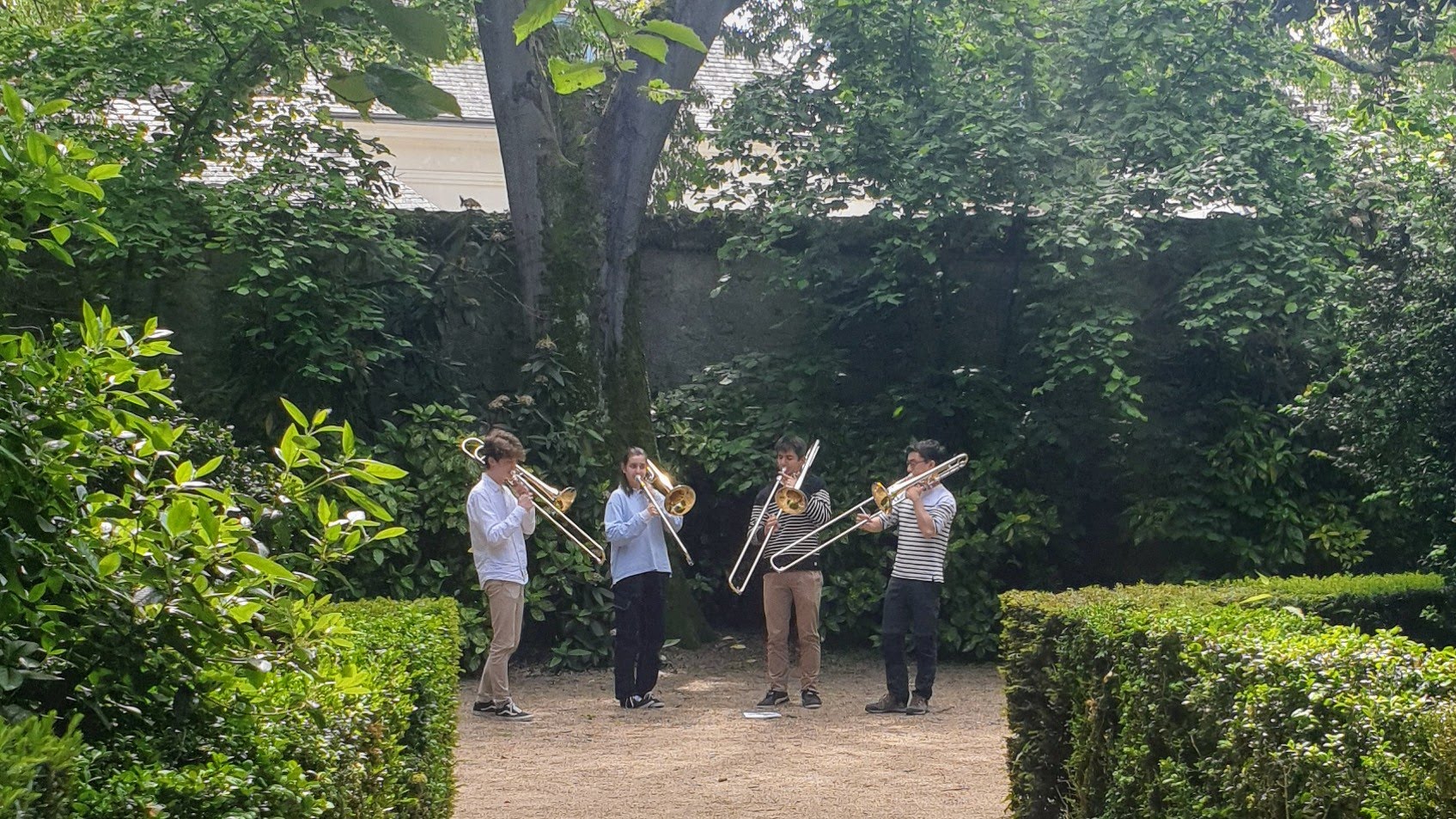
In my mind, Fritz would be a statue, or maybe a mural, adjacent to and clearly visible from the museum. Upon exiting the museum, I took a quick walk around the gardens (lord do I love the way the French put gardens everywhere). I found a little food stall, and a playground, and a trombone quartet (very unexpected), but still no elephant. Finally, I went over to a building off to one side that looked like it had been (or might still be) a stable. Lo and behold, there was Fritz in all his taxidermized glory, sheltered from the elements by a roof and plexiglass.
TW animal cruelty: because western civilization didn’t figure out animals had feelings until really recently and this is a story out of history. But also, there’s a silver lining at the end? If you want to avoid it, skip to the Hippomobile section where the animals are treated with kindness and respect.
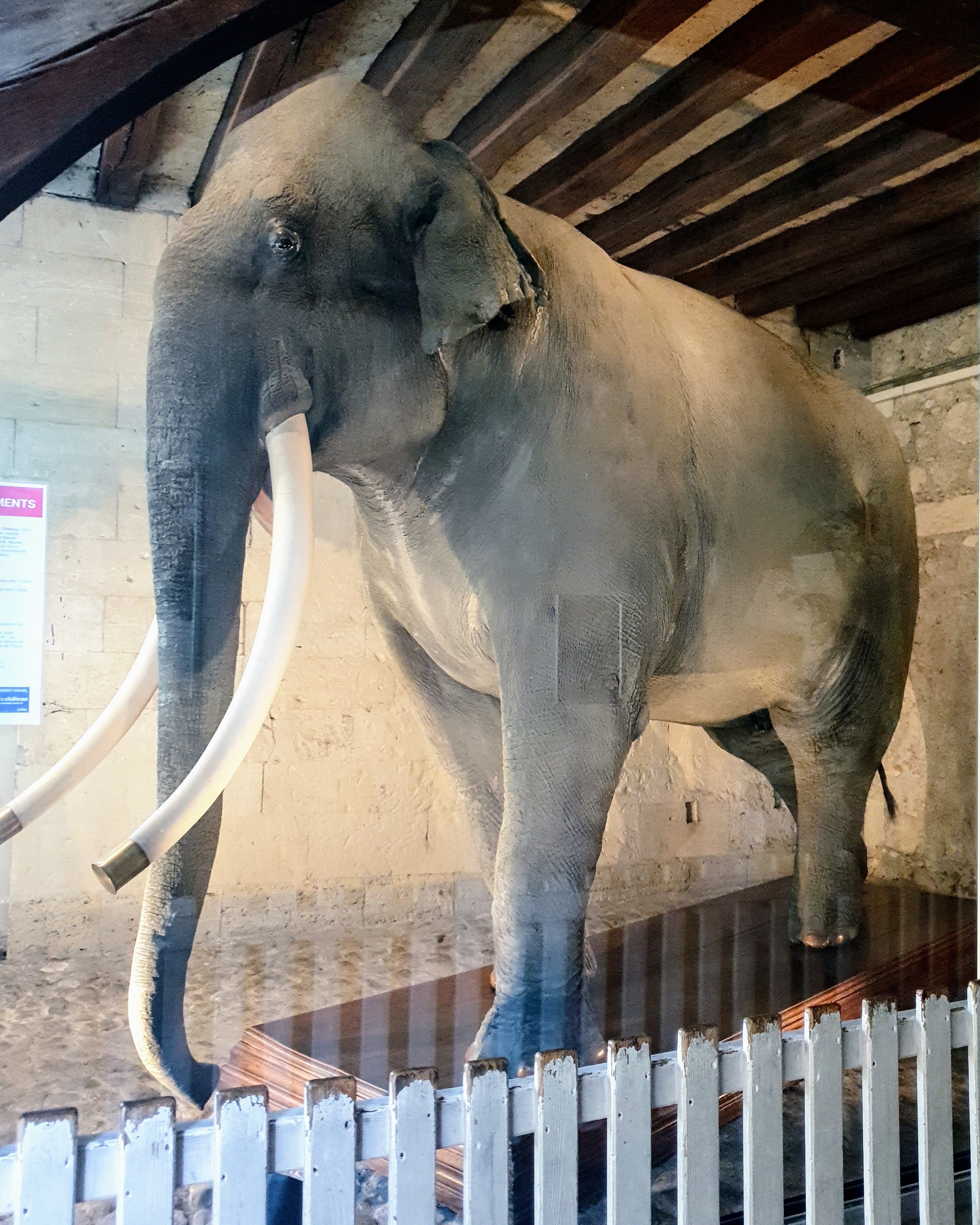
Around the turn of the 20th century, the Barnum and Baily’s Circus was at its height. You may have been exposed to a glorified version of this with a singing Hugh Jackman, but the real circuses relied heavily on exotic animal shows, and the treatment and training for those animals, including elephants, was cruel and violent. Fritz was in captivity for 35 years, which would have been most of his life considering Asian elephants only live into their late 40s. He was purchased by Barnum in Germany in 1873 and shipped by sea to the US. Sea voyages were especially hard on animals then, since they took a long time, had terrible conditions, and there was no medication available to help the animals with anxiety or seasickness. Many elephants died on such voyages, including several of Fritz’s companions.
In 1901, the B&B circus headed over to Europe for a continental tour. While in Bordeaux in May of 1902, Fritz began to show signs of agitation and aggression, and so was chained to two other elephants to keep him in check. When the circus reached Tours in June of the same year, the circus offered a parade through town as a way of attracting visitors to the shows. Though the parades were difficult, they were also often the only time the animals had any real freedom of movement.
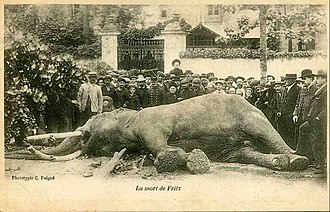
For reasons unknown to history, Fritz became enraged during this parade. 35 years of captivity and violent treatment cannot have been without consequences, and whatever the reason, Fritz freaked out and terrified all the local parade attendees. The handler was able to get Fritz under control and on the ground (laying down), but director on site still ordered the elephant put down. As horrible as that is, the method of execution was worse, and yet it’s inhumanity may have been the reason why Fritz became such an important historical symbol. The method used was strangulation with chains and rope. It took more than three hours for Fritz to pass.
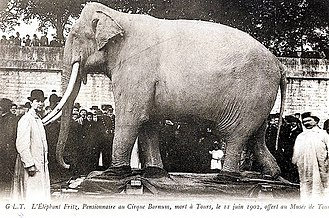
The remains of Fritz were sent off to a naturalist for preservation, and within 8 months the skeleton was installed at the natural history museum, and the taxidermized hide was placed in the former stables at the Musée des Beaux Arts. The press latched on to the story, framing Fritz as a gentle giant and a victim. Wild speculation abounded as to the cause of his rage. Some posited it must have been a lit cigarette burning him, but there is no evidence to support this claim. Regardless, Fritz became a beloved mascot of the city of Tours, and the tragic incident became a pivotal talking point for a growing movement acknowledging animal suffering and animal rights.
As of my visit, more than 100 French cities ban the use of wild animals in circus shows, and the French government at the federal level has decided to completely ban all use of wild animals in travelling circuses by 2028. If that sounds like a small and late change, you aren’t wrong, but France isn’t behind the times. Most developed (rich) nations are still in the process of passing similar laws, often in patchwork and piecemeal ways, and of course developing nations are struggling enough with human rights, that it is difficult to get them onboard with eliminating animal exploitation which can mean the difference between feeding their own children or not.
I have talked about ethical animal tourism before and how important it is to patronize businesses that prioritize animal welfare because that needs to be seen as a viable economic model in order for more people to follow suit. 122 years have passed since Fritz was strangled to death on the streets of Tours for simply being a wild animal, and that seems like a long time, but we were still going to circuses with mistreated elephants when I was a kid. As short a time ago as 2008 I watched a tiger jump through a ring of fire in China (I didn’t know that would happen when I sat down for the show). Kids on the streets in Africa and SE Asia use baby monkeys they took from the mothers in order to lure tourists into taking and paying for cute selfies. There are still plentiful places that offer swims with captive dolphins or rides on captive elephants as tourist attractions. We love looking at and interacting with animals, but all too often that love is toxic.
Horse-drawn carriages are another great example. I’ve been to developing countries where the horses are near starved, dehydrated, and forced to work without a break in the scorching sun. I recall at one point in Egypt seeing a sign near an area with shade and water troughs that an animal welfare organization had fought to have installed for the horses which carried tourists around the ruins. It’s hard to convince a person who lives in a state of desperate poverty that they need to prioritize an animal when their own children may not have enough. A shorter work-day means less money, and is a big barrier to enforcing any kind of animal rights. Thus it’s up to tourists who take the rides to express a firm requirement that the animals be treated well. Stop paying for rides with badly treated animals and the drivers will change.
Please check your sources. Look for the zoos that have habitats of comfort and preservation (lots of zoos these days are changing their habitats to protect and serve the animals, and they rely more on rescuing animals that wouldn’t have survived in the wild or breeding programs rather than capturing healthy wild animals). Look for animal interactions that protect the animal ambassadors. They exist. Animals that for one reason or another don’t mind interacting with humans on their own terms can be great species ambassadors and inspire humans to better protect the environment, but we have to respect their boundaries and needs. Even the pet cafes can have better treatment of their animals, such as creating spaces where the animals can retreat when they want to, and having highly trained staff around to make sure the animals are safe and comfortable at all times, even if that means disappointing a customer.
We may be past the era of such tragedies as happened to Fritz, but we still have a long way to go to restore the balance between our love for interacting with animals and our ability to respect them.
The Hippomobile
Thankfully, in France, the labor rights are strong, even for horses, and these chevaux have restricted work hours, mandated breaks, days off for extreme weather, and nice digs.
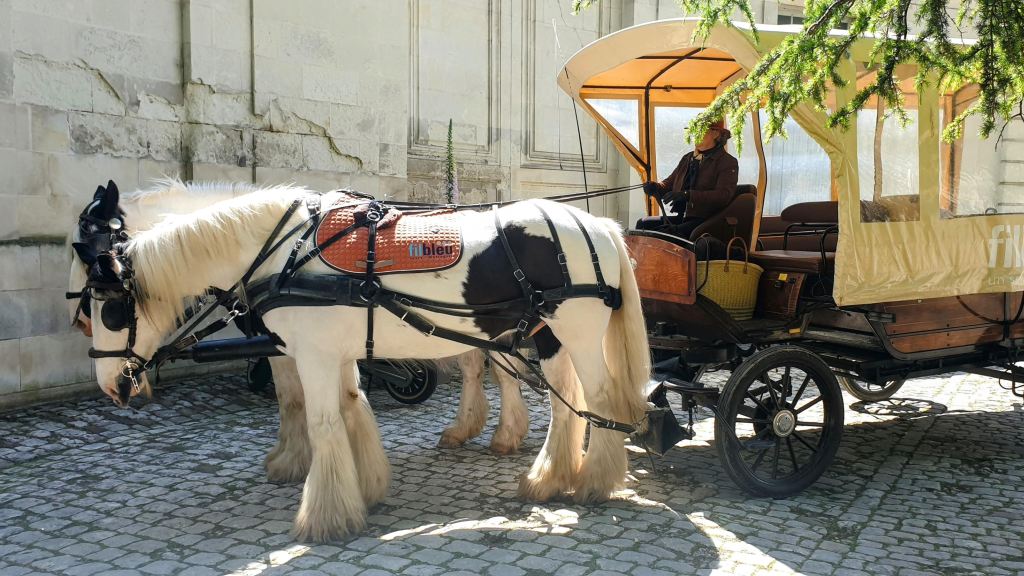
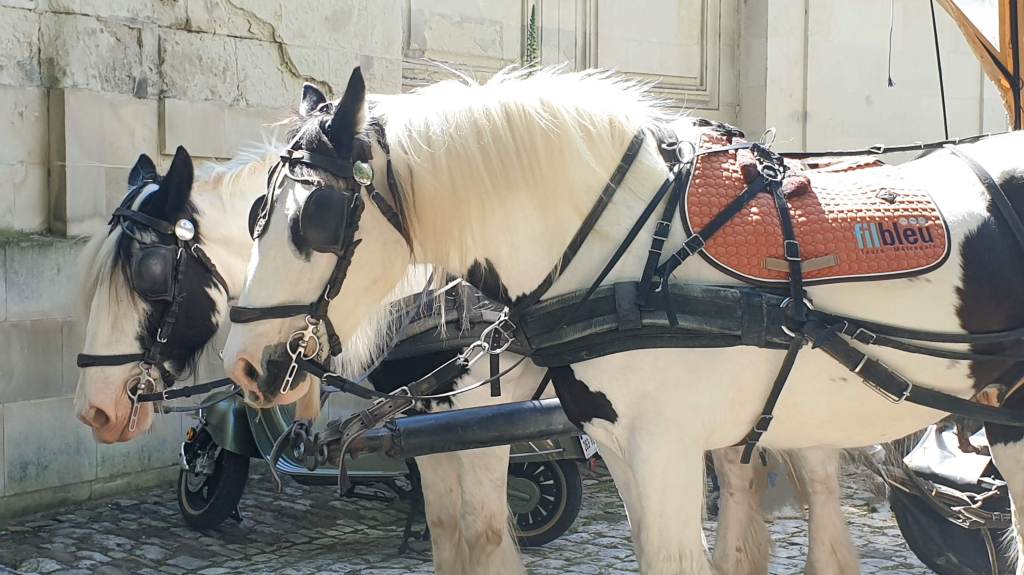
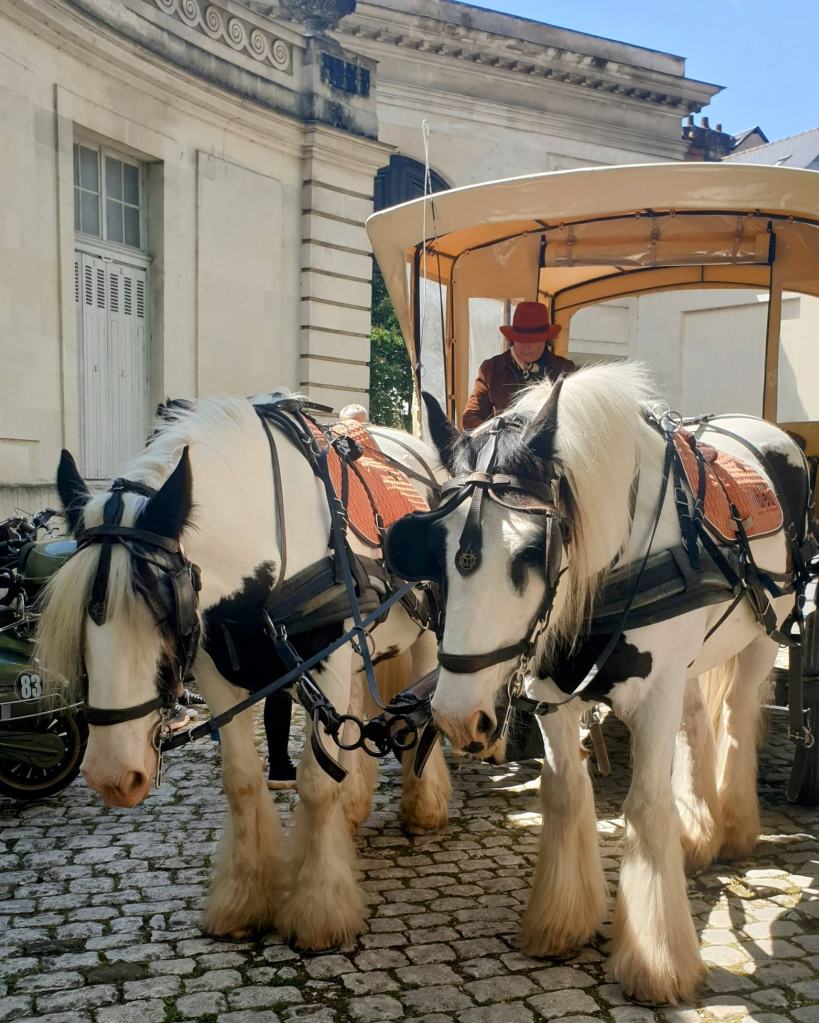
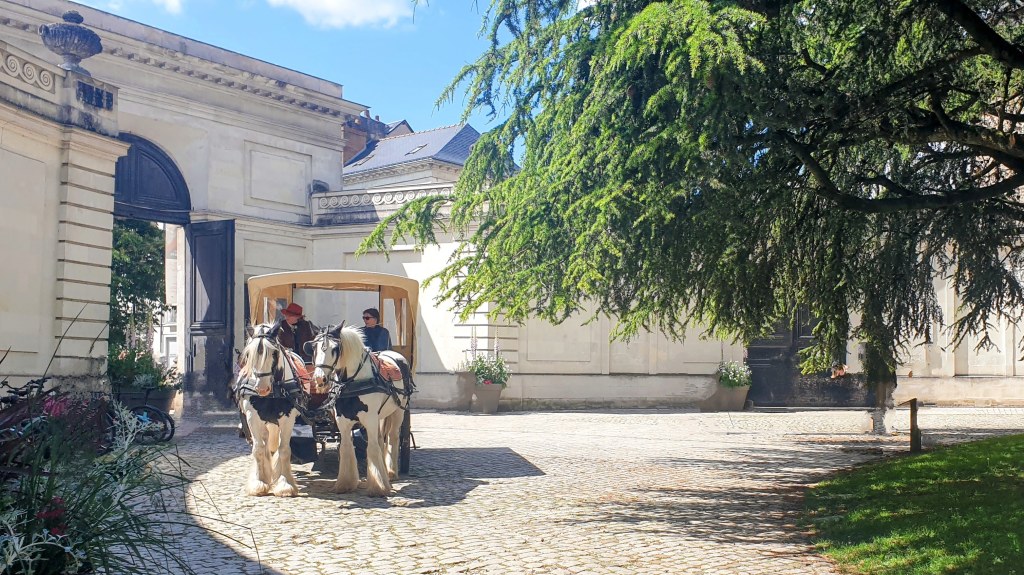
“Our equine friends are given a day off every Monday. The horses that draw carriages in the morning are replaced by another set in the afternoon. The animals take breaks in the shade of the magnificent cedar tree outside the Museum of Fine Arts. The carriage driver decides which route to take depending on the time of day, weather conditions and/or the horses’ energy levels. When the weather is unfavorable to horses, the timetable may be modified or suspended.” — quote from the Filbleu website regarding this service
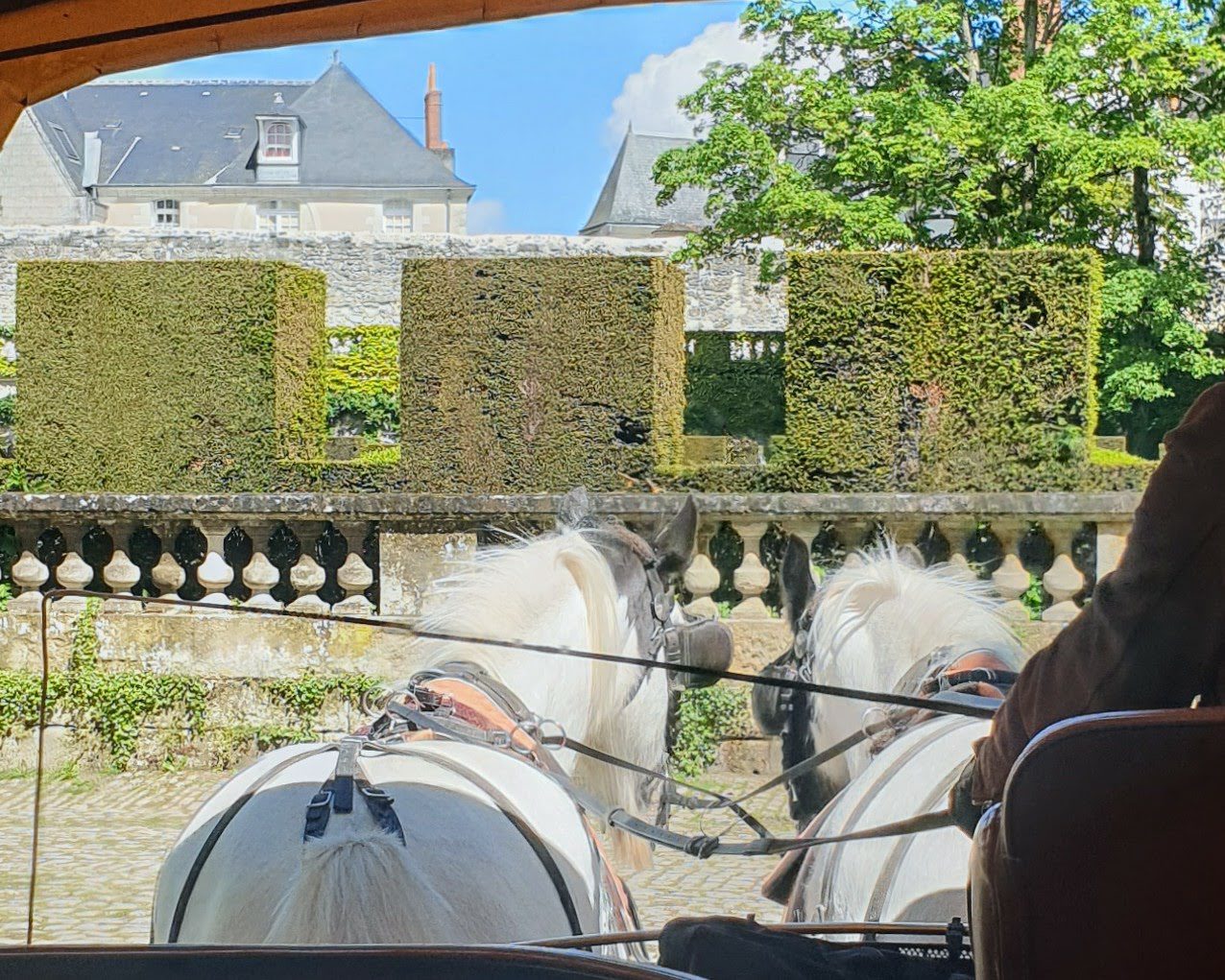
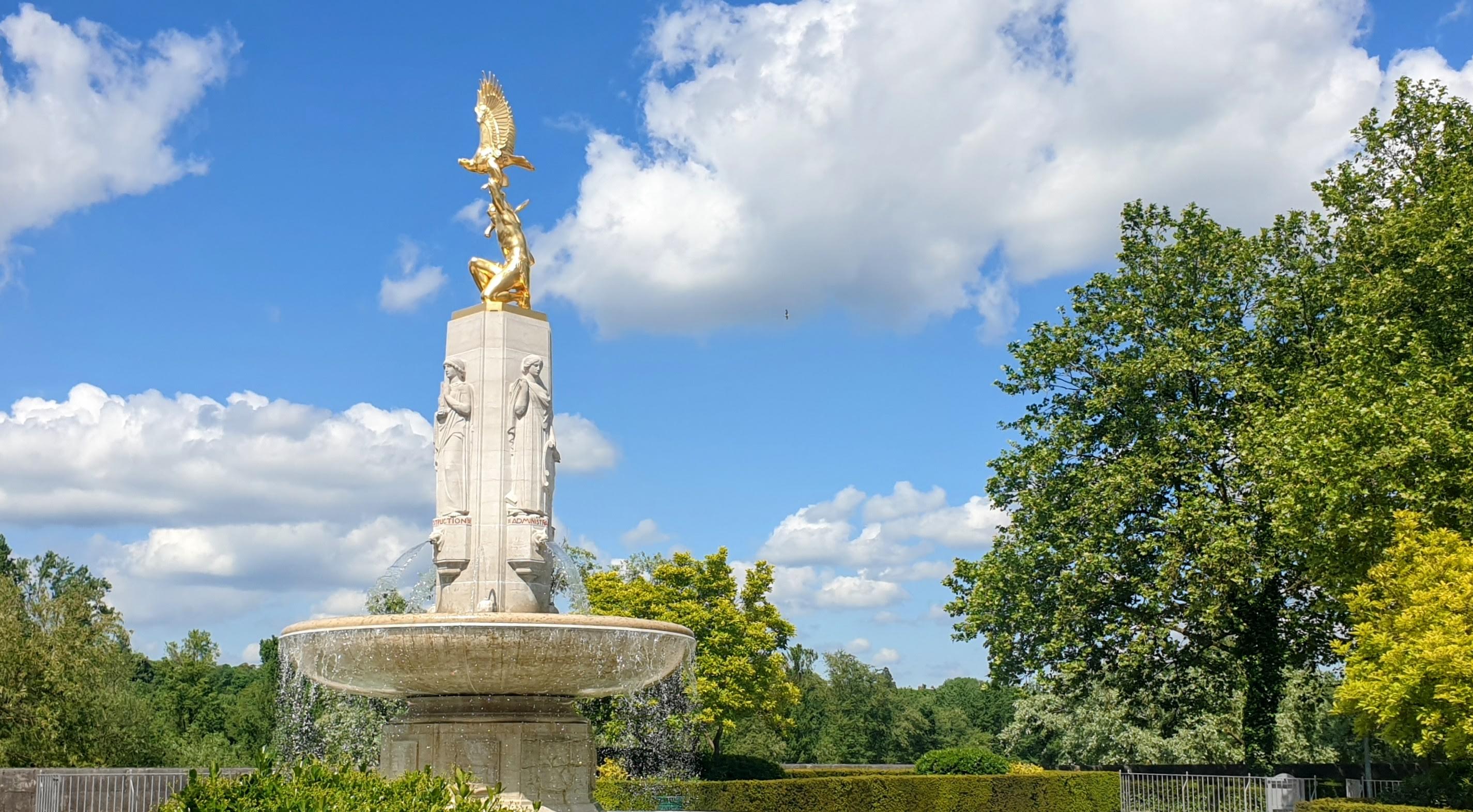
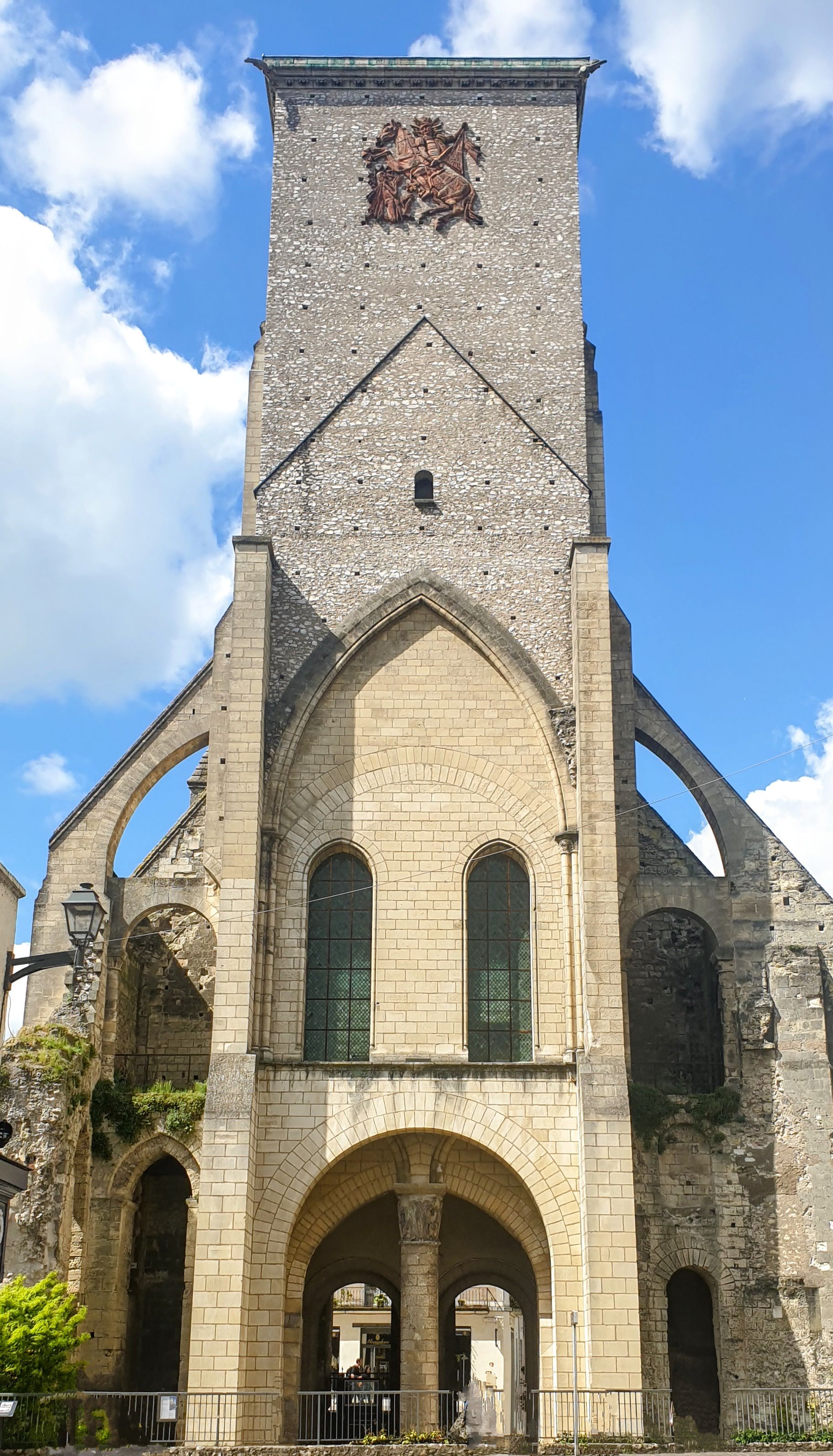
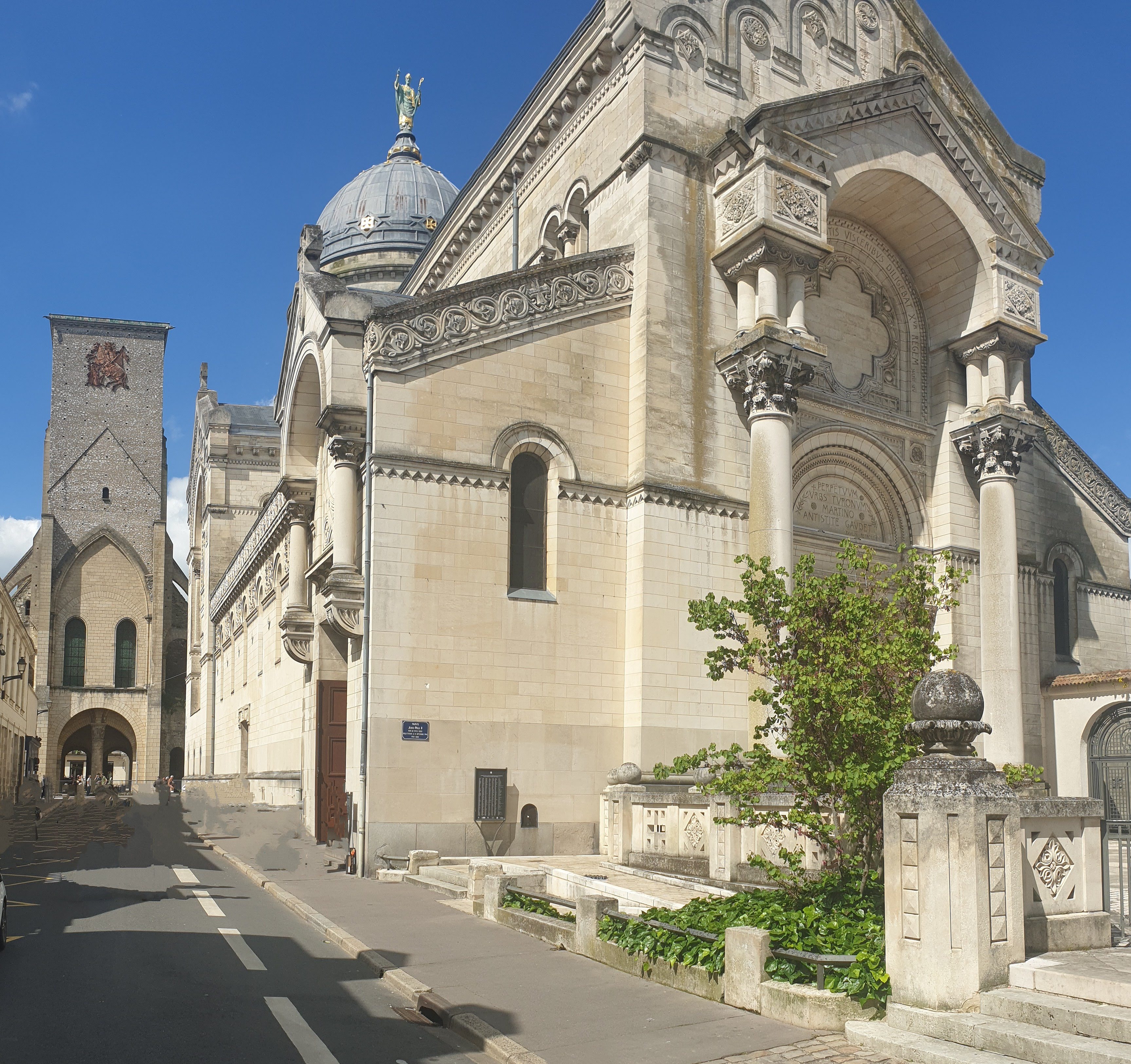
I joined the first afternoon tour (3:30pm) and although I was a bit disappointed that the weather plastic remained down (it had rained heavily a few days before), I was seated right at the back and could look out the open rear for clear views. I didn’t see a lot of new things because by this time, I’d lived in Tours for over 3 weeks and had done a lot of exploring on my own. However, Old Tours is endlessly charming and the weather that day was simply stunning, so for the price of transit ticket, I happily enjoyed the clip clop of horses hooves while I admired the scenery.
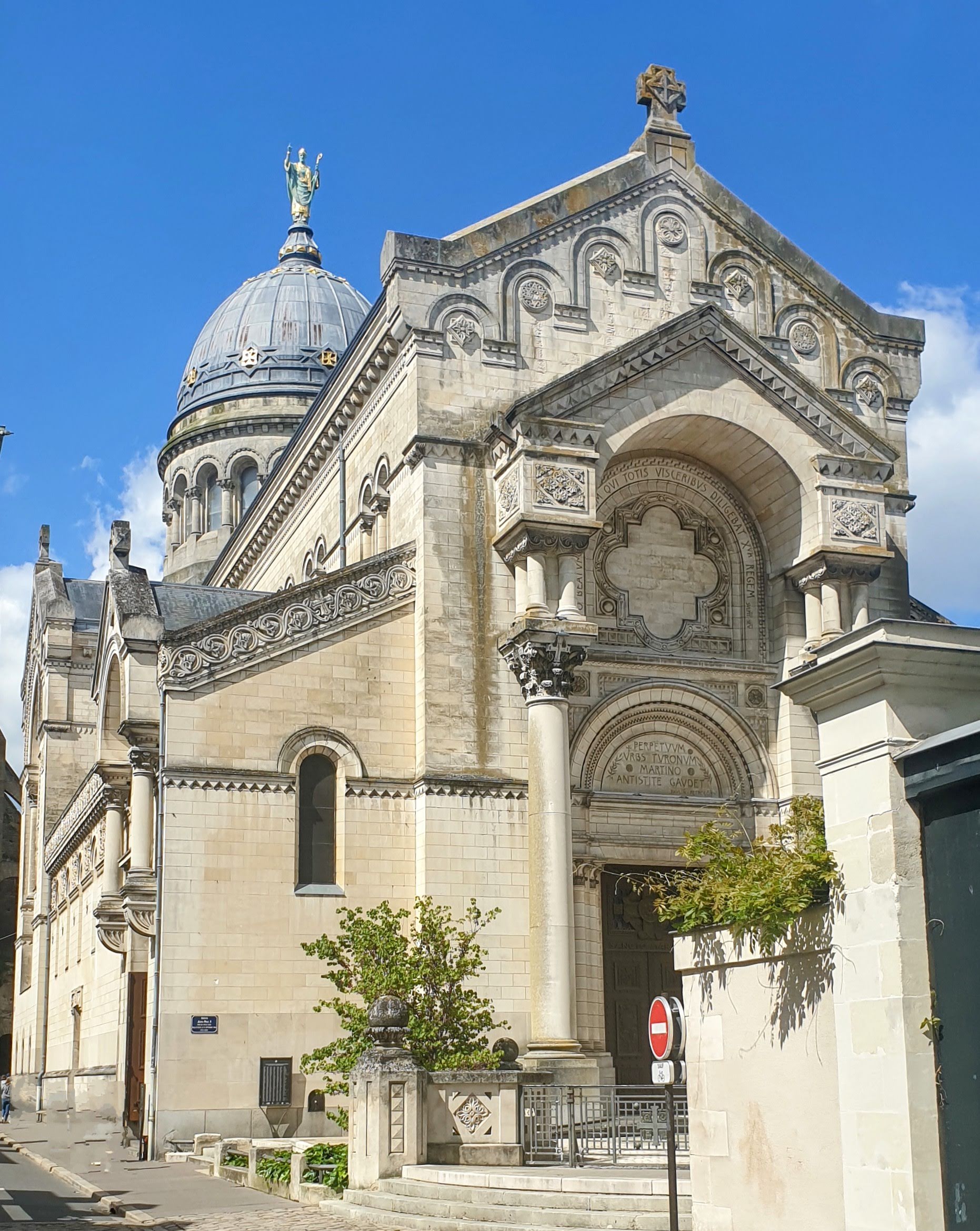
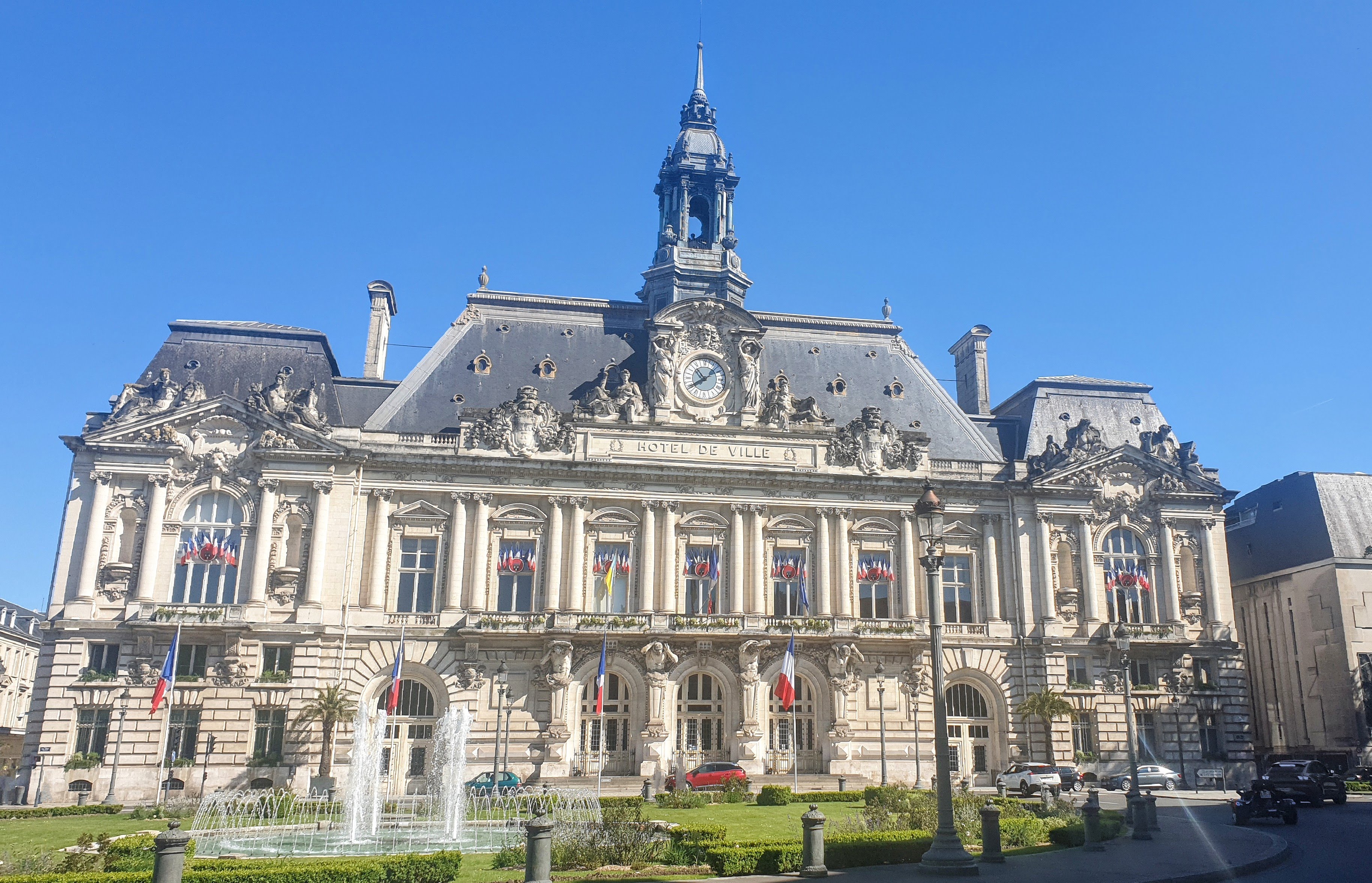

The Cathedral of Saint-Gatien
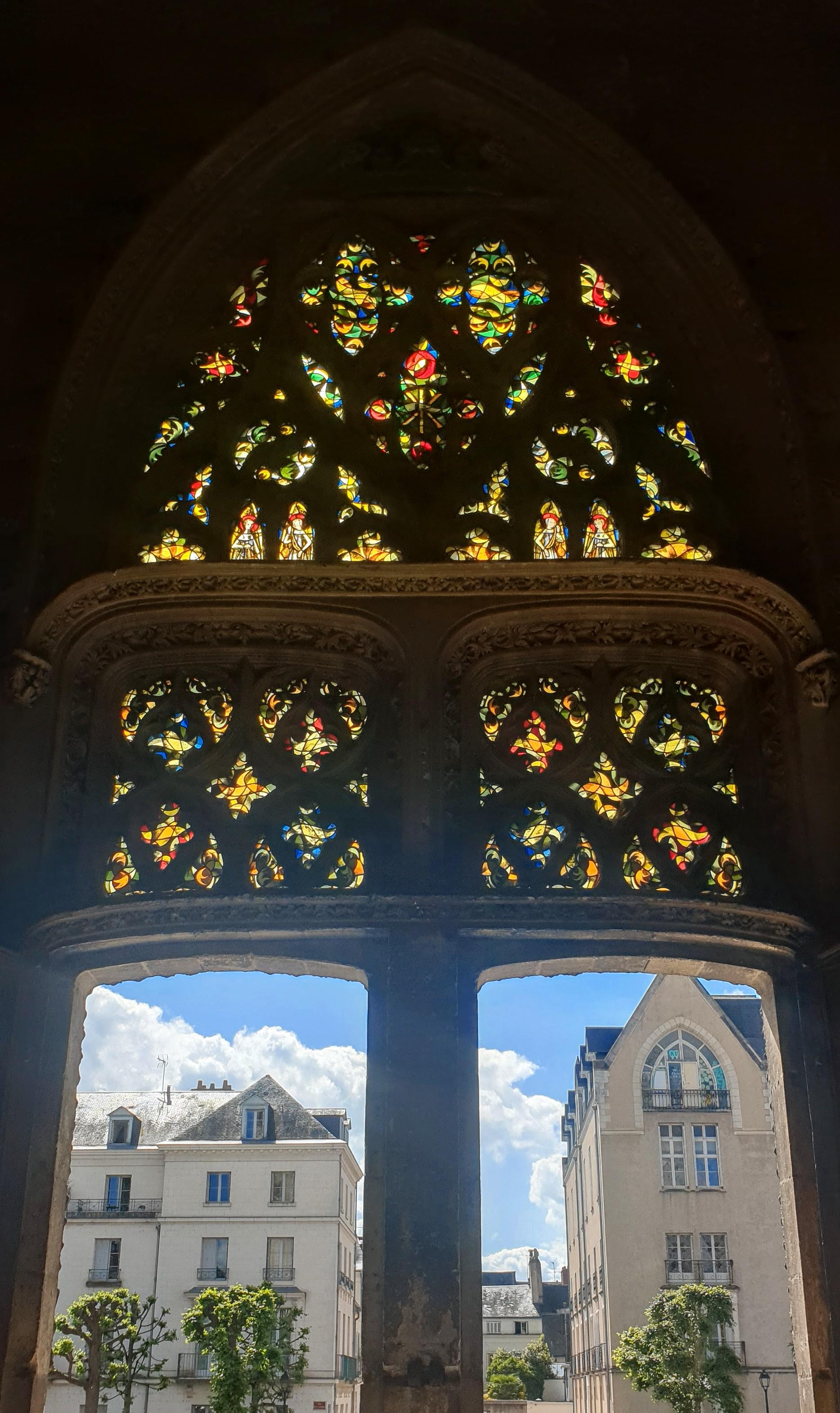
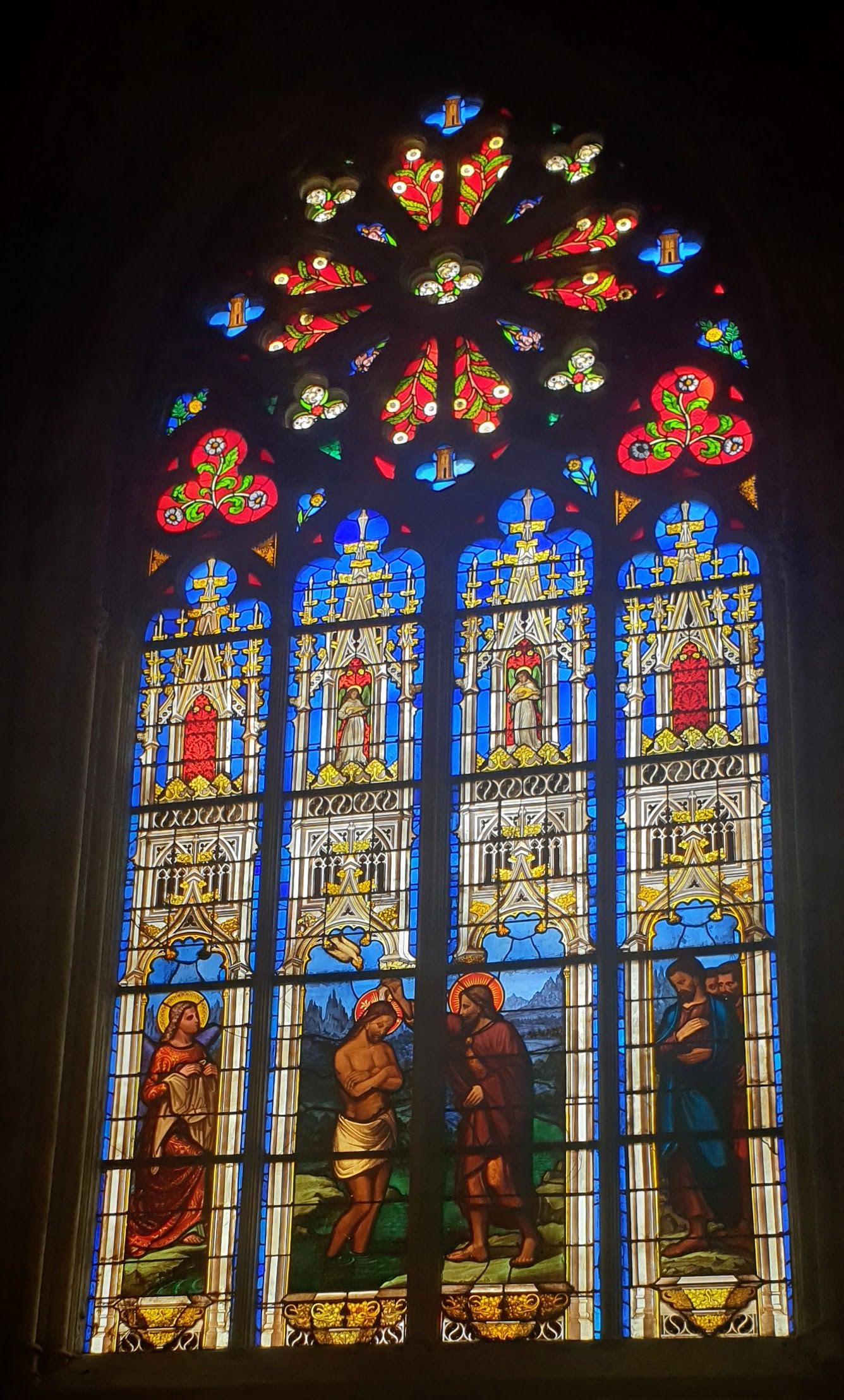
This stunning cathedral is right next door to the museum and makes an easy side trip. I may have a love affair with gothic architecture and stained glass. I can’t seem to stop going into cathedrals which are all generally of a similar blueprint, and staring in wonder at the scale and scope of human achievement in terms of really big, really complex, and emotionally moving buildings. I took far too many photos of the different types of stained glass, but I admit that I’m more interested in the colors and shapes than I am in the catechism represented therein, so I can’t tell you what they are supposed to be depicting (though there were dozens of signs explaining each window inside the church).
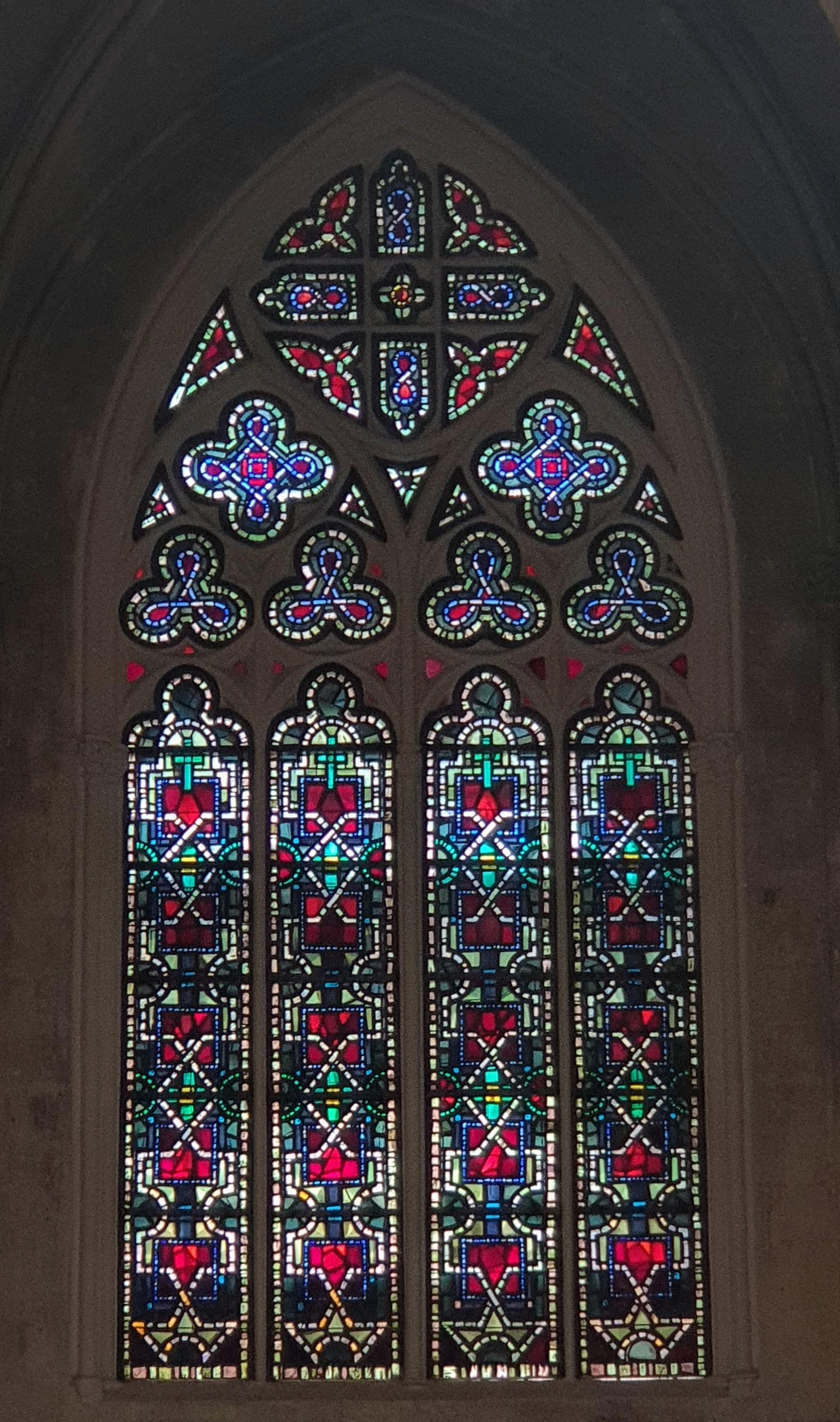
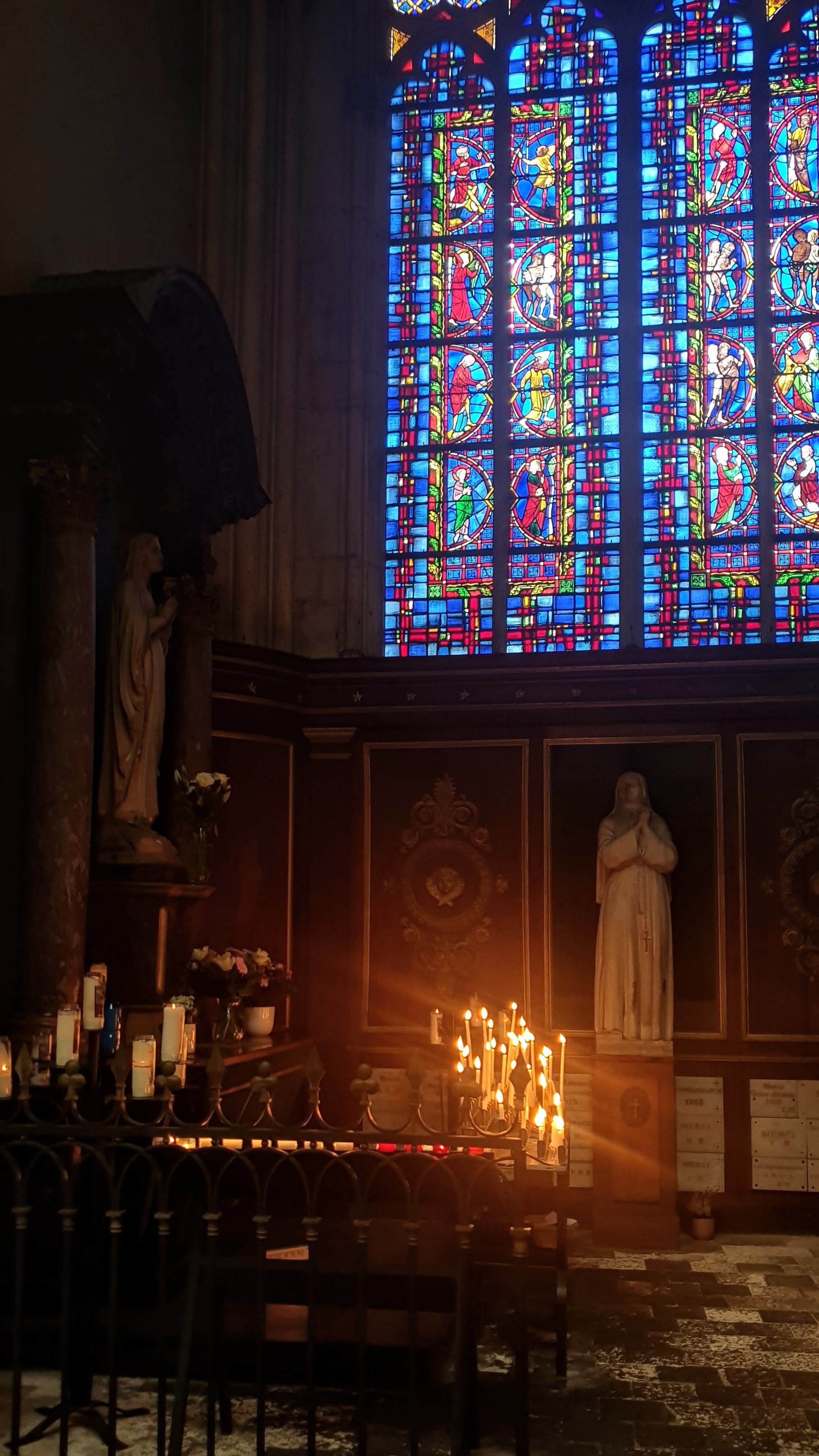
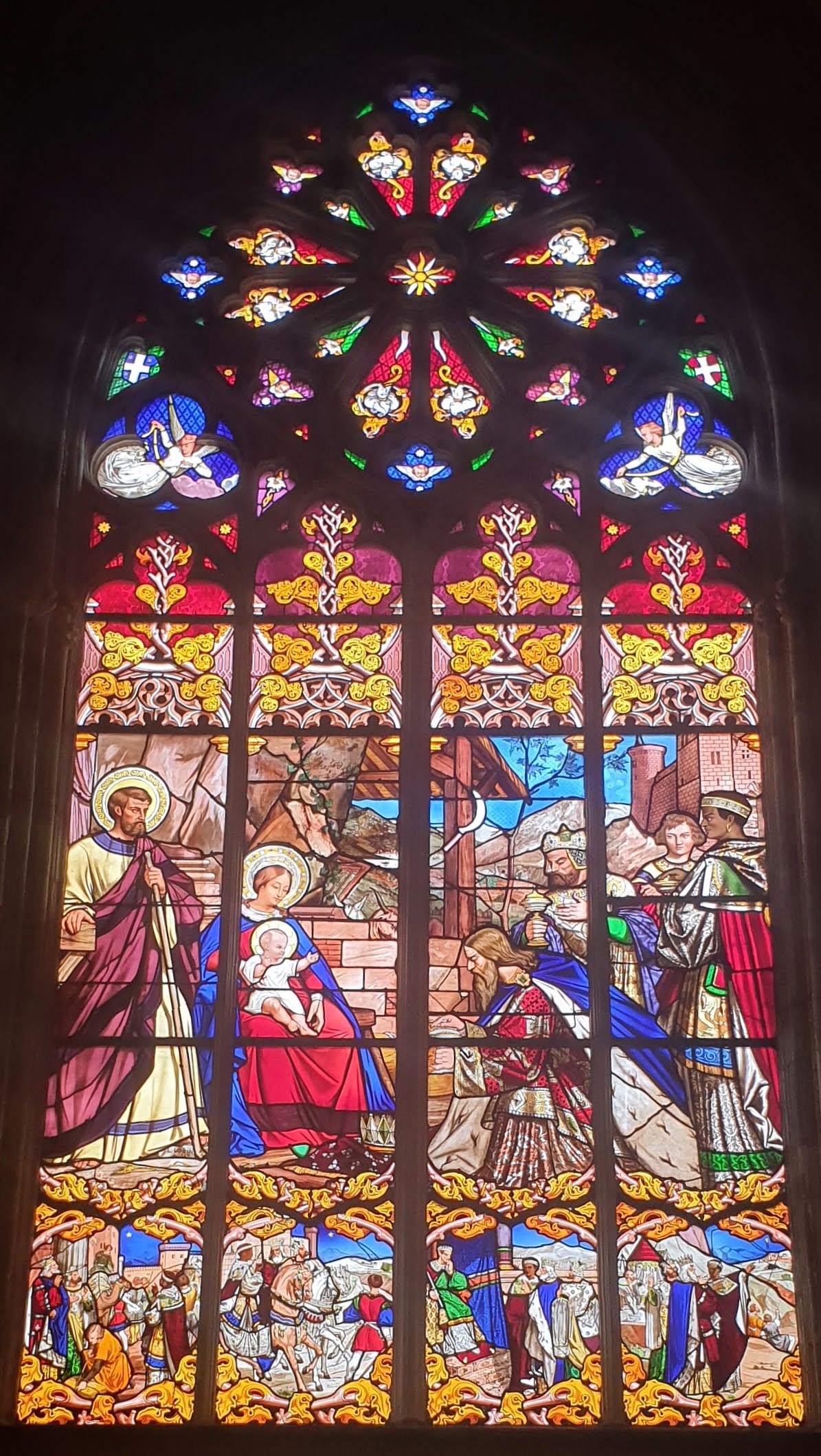
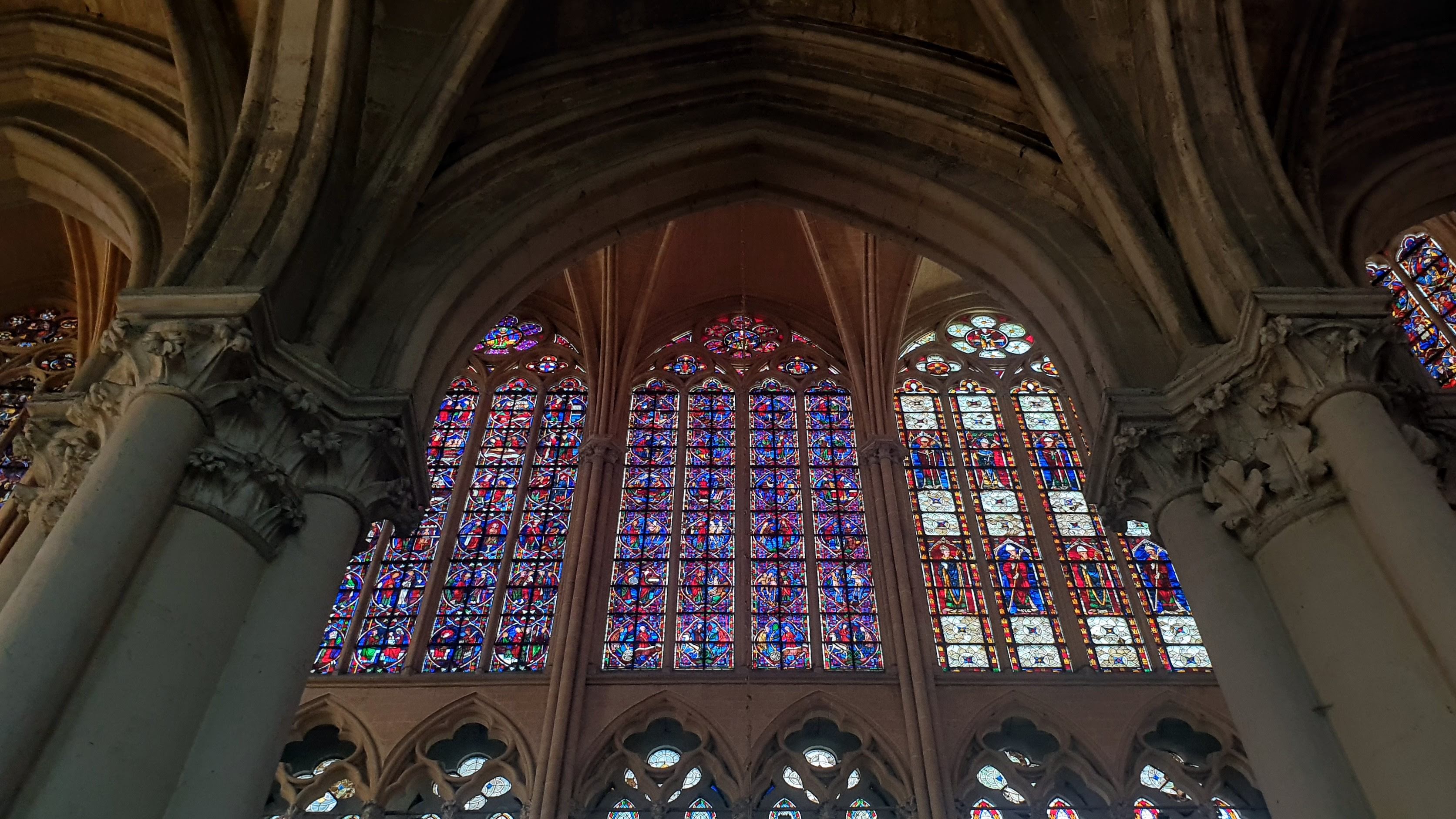
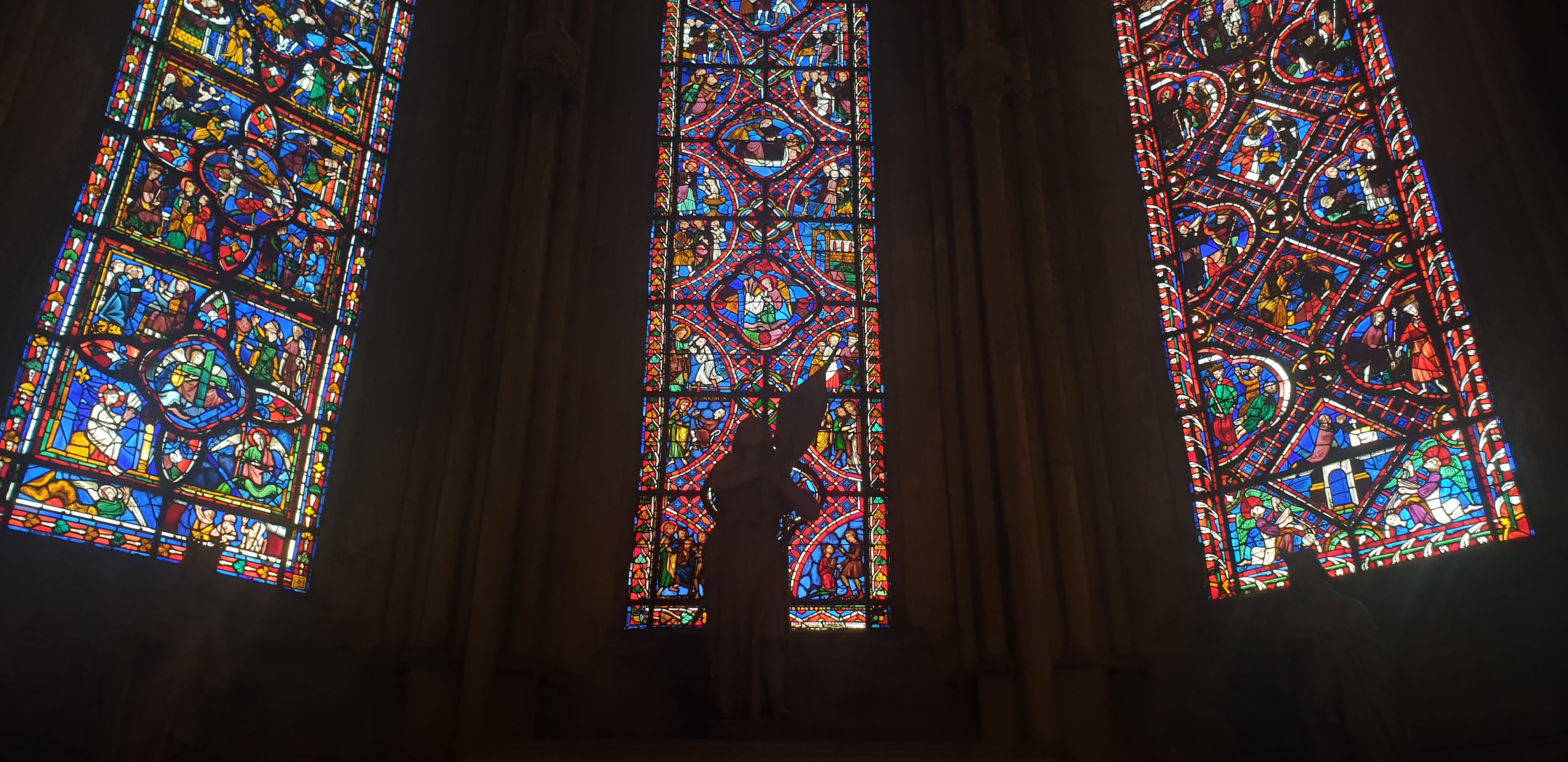

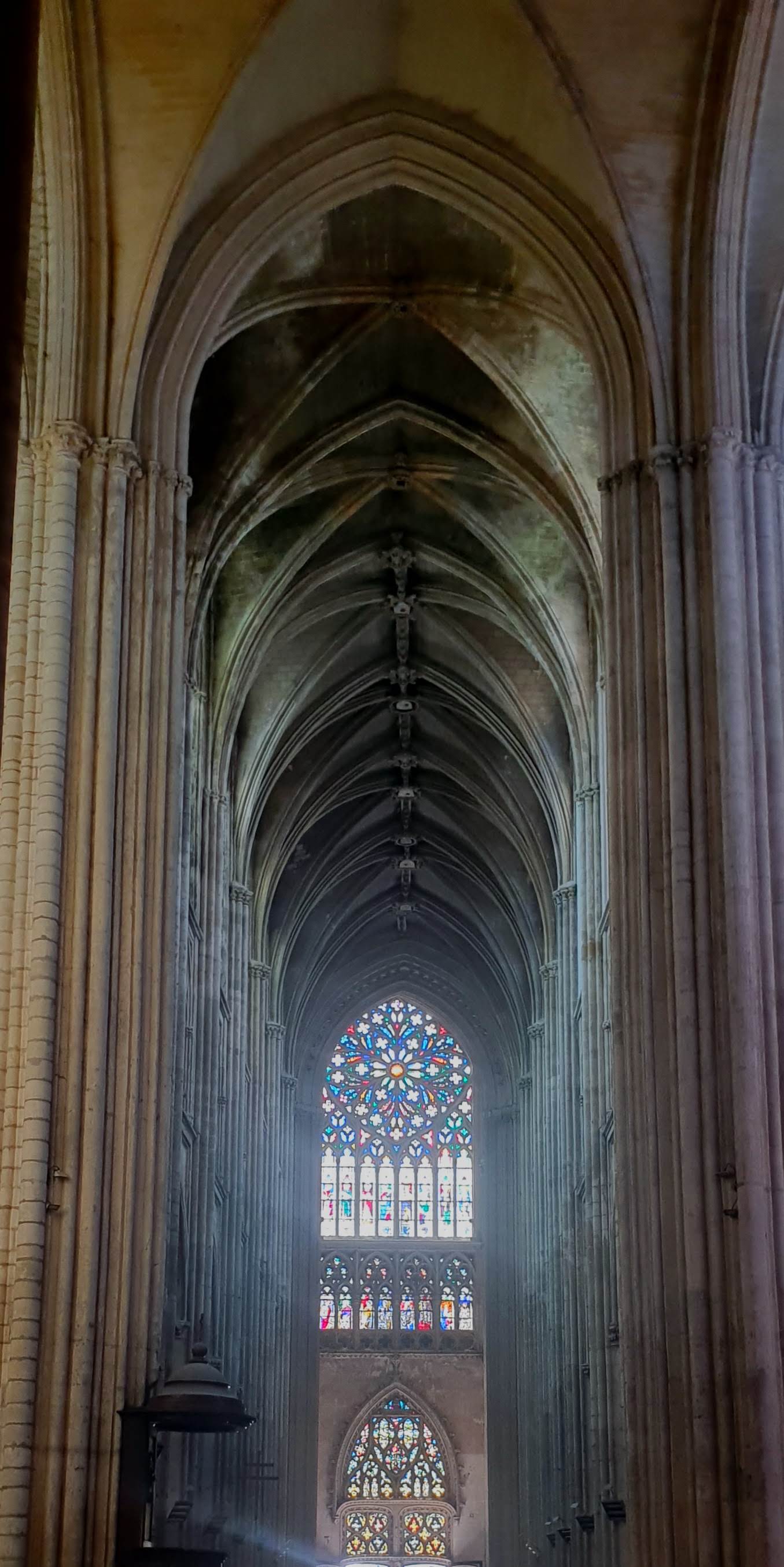
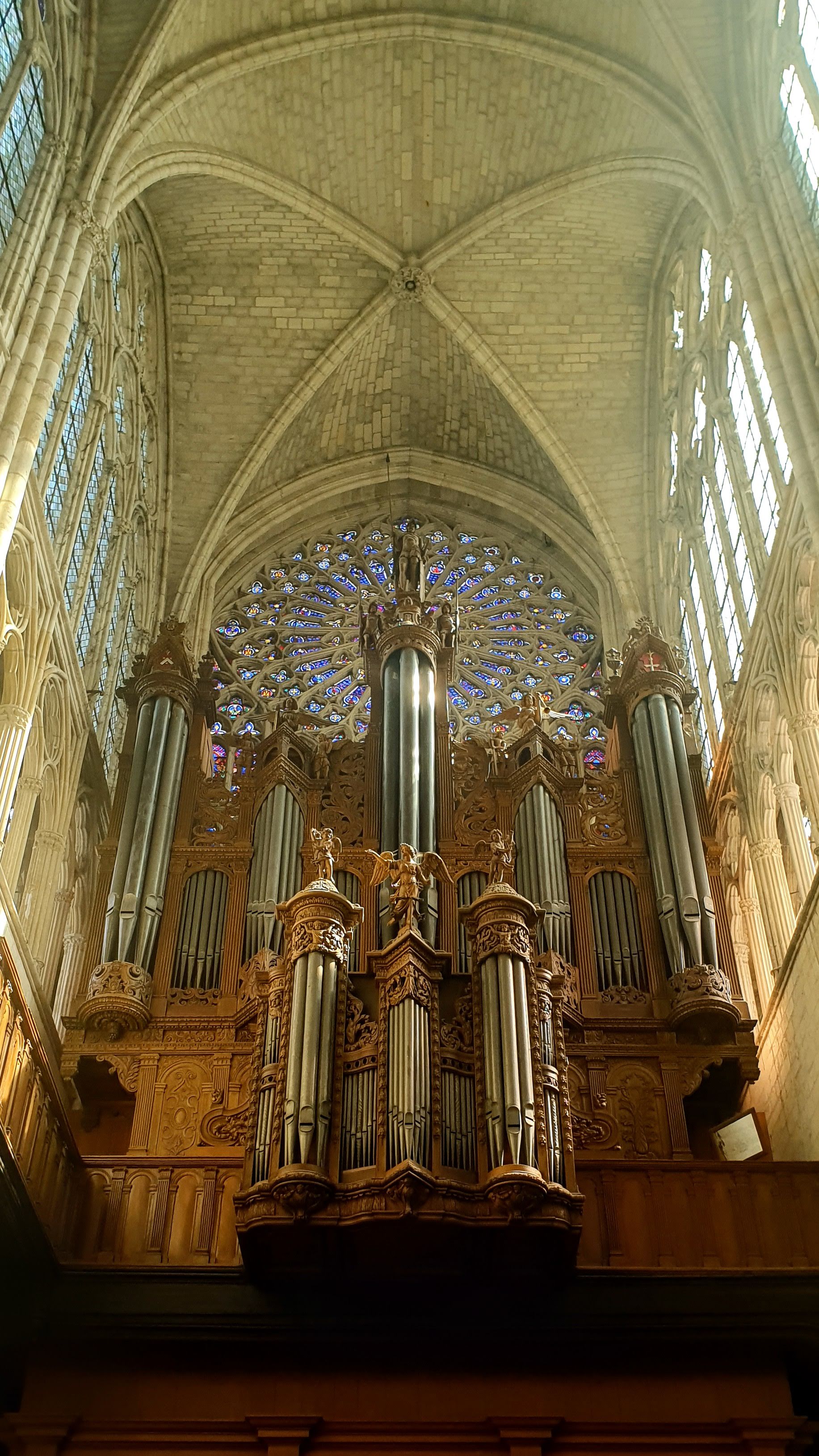
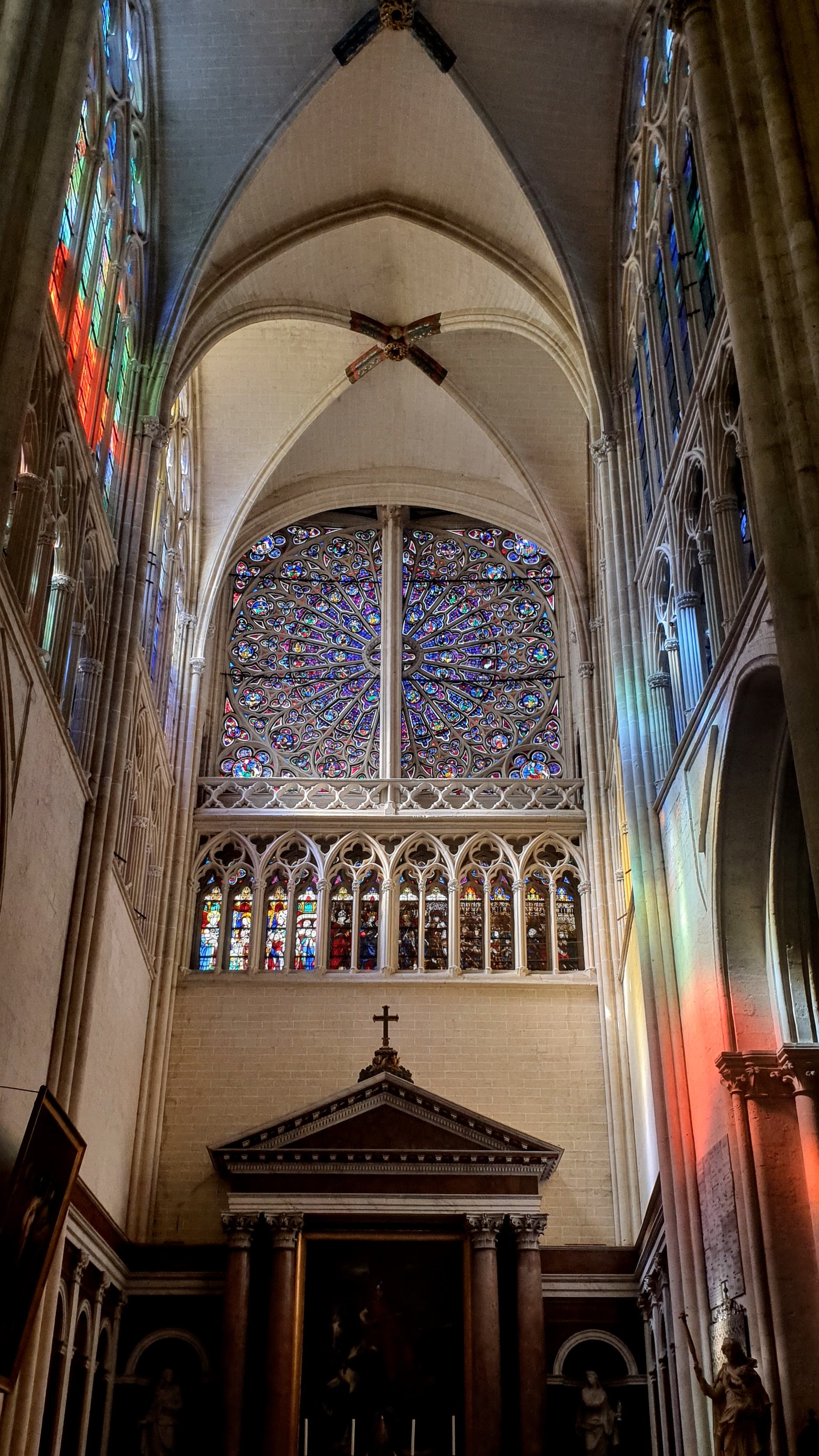
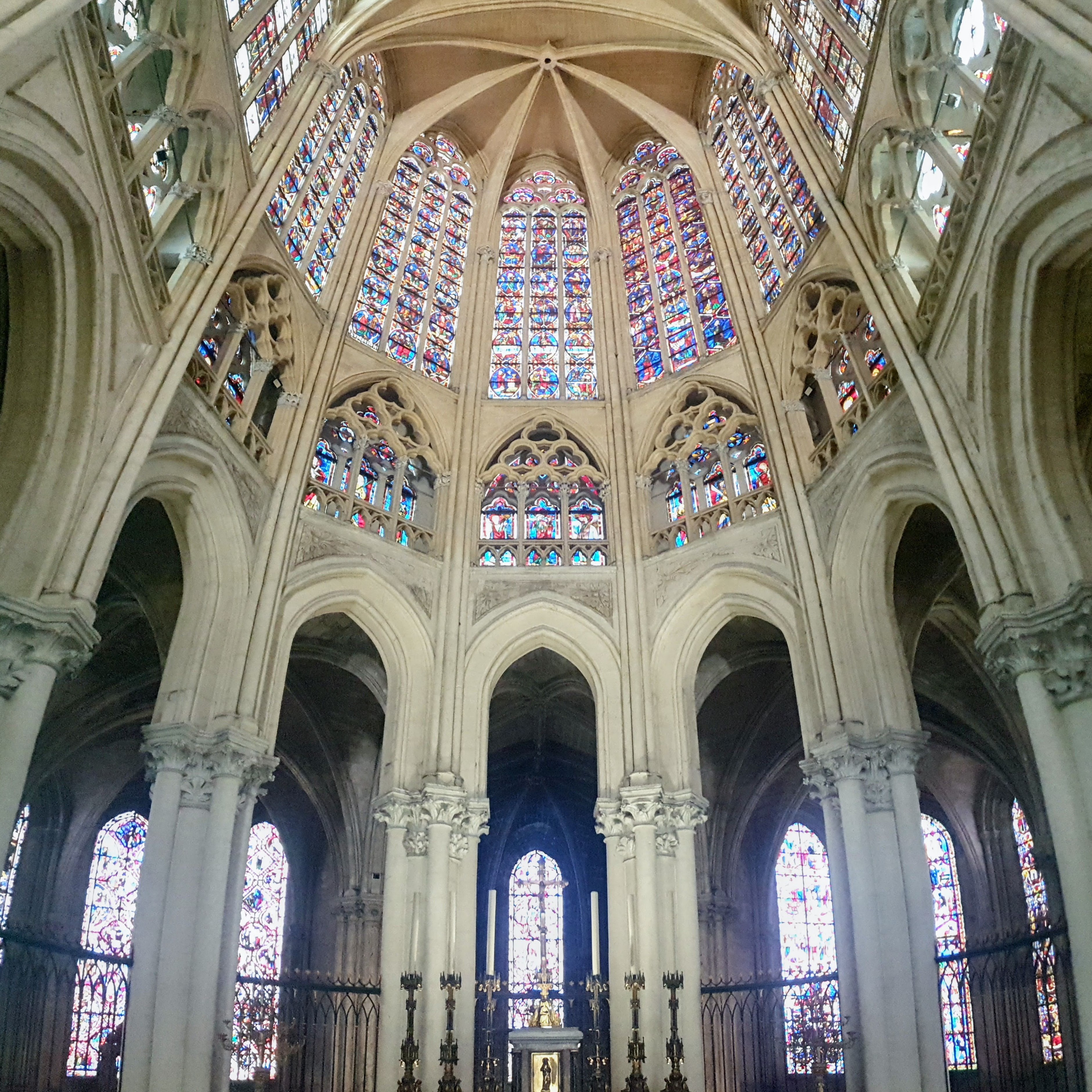
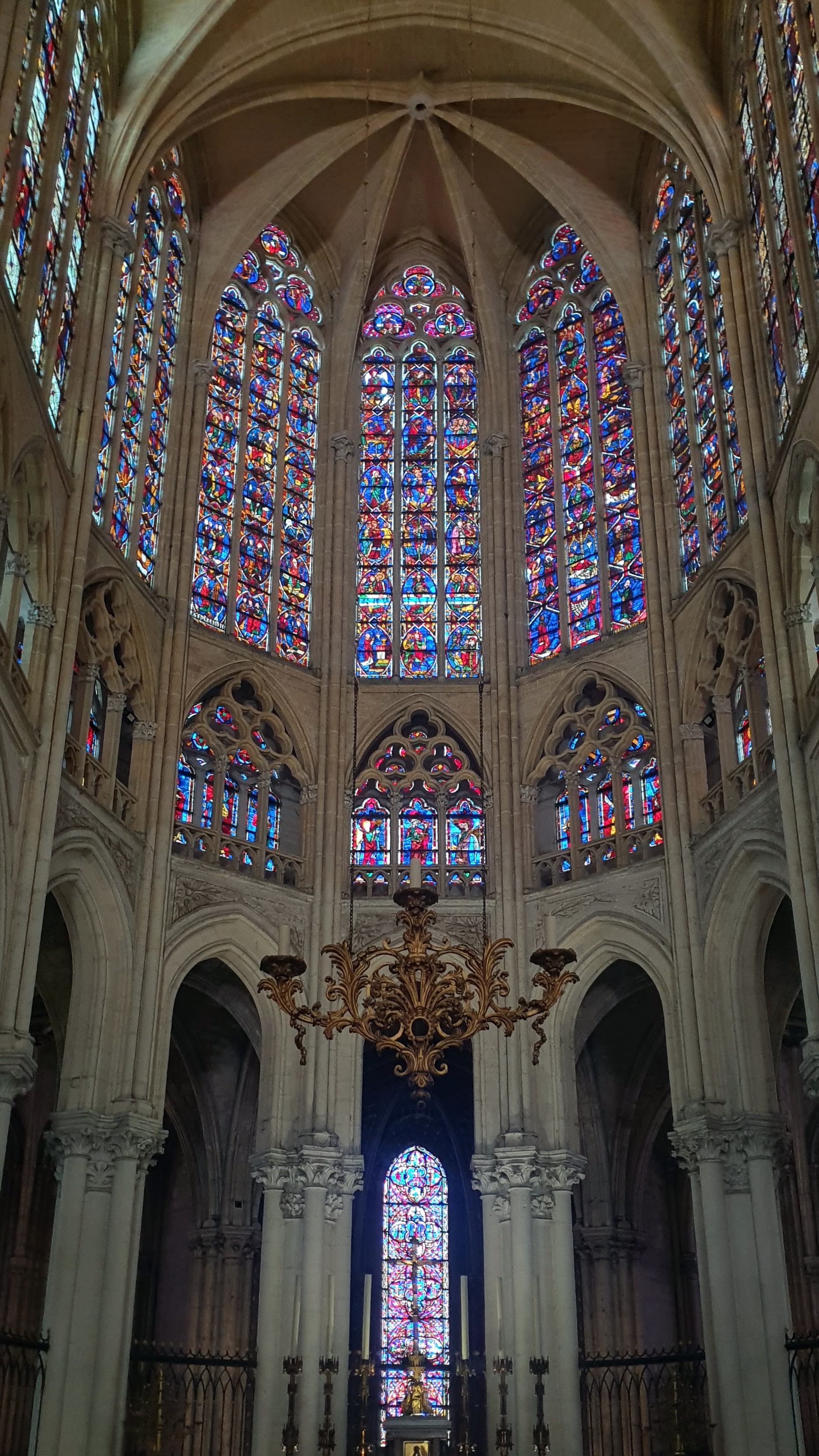
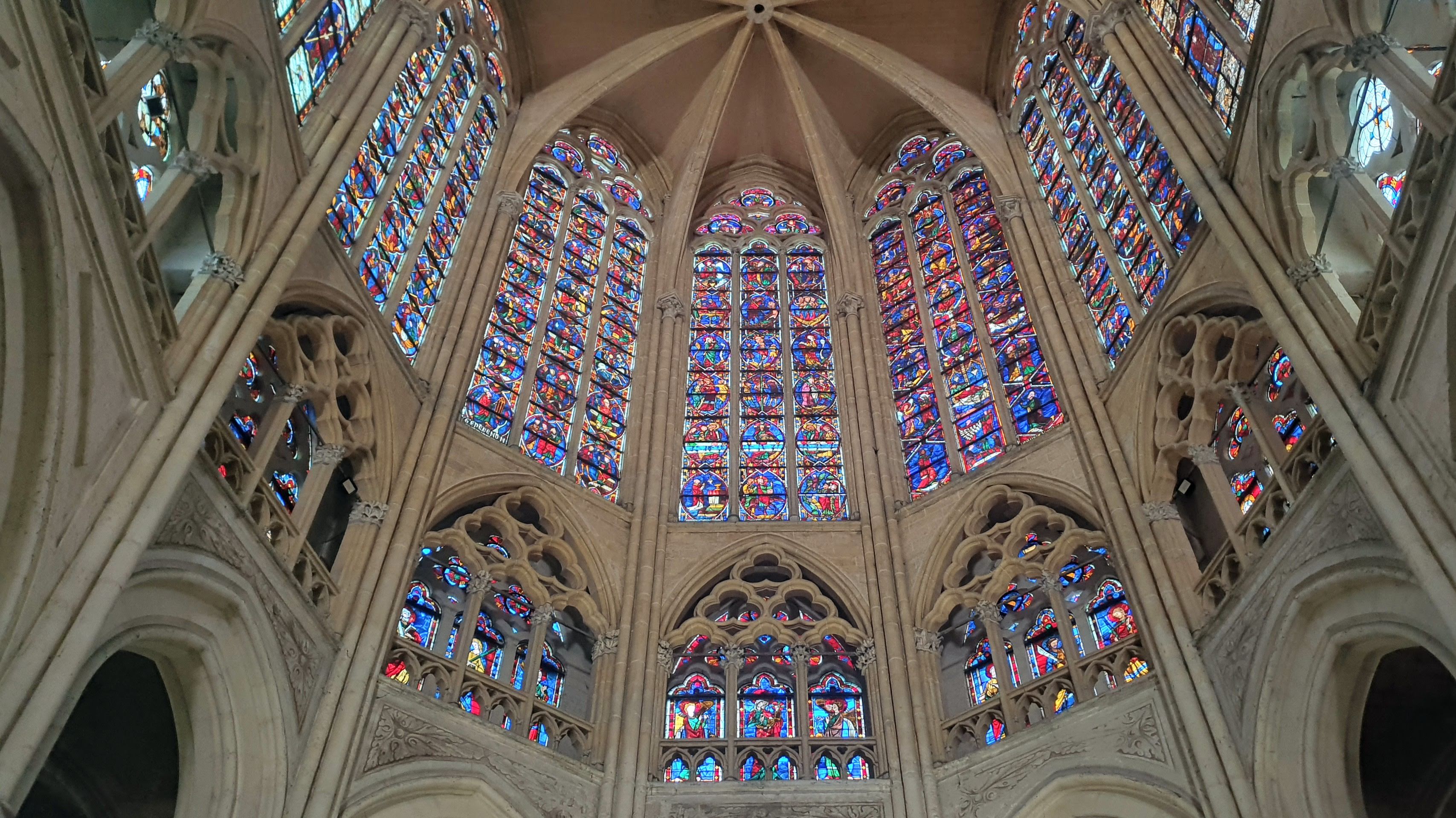
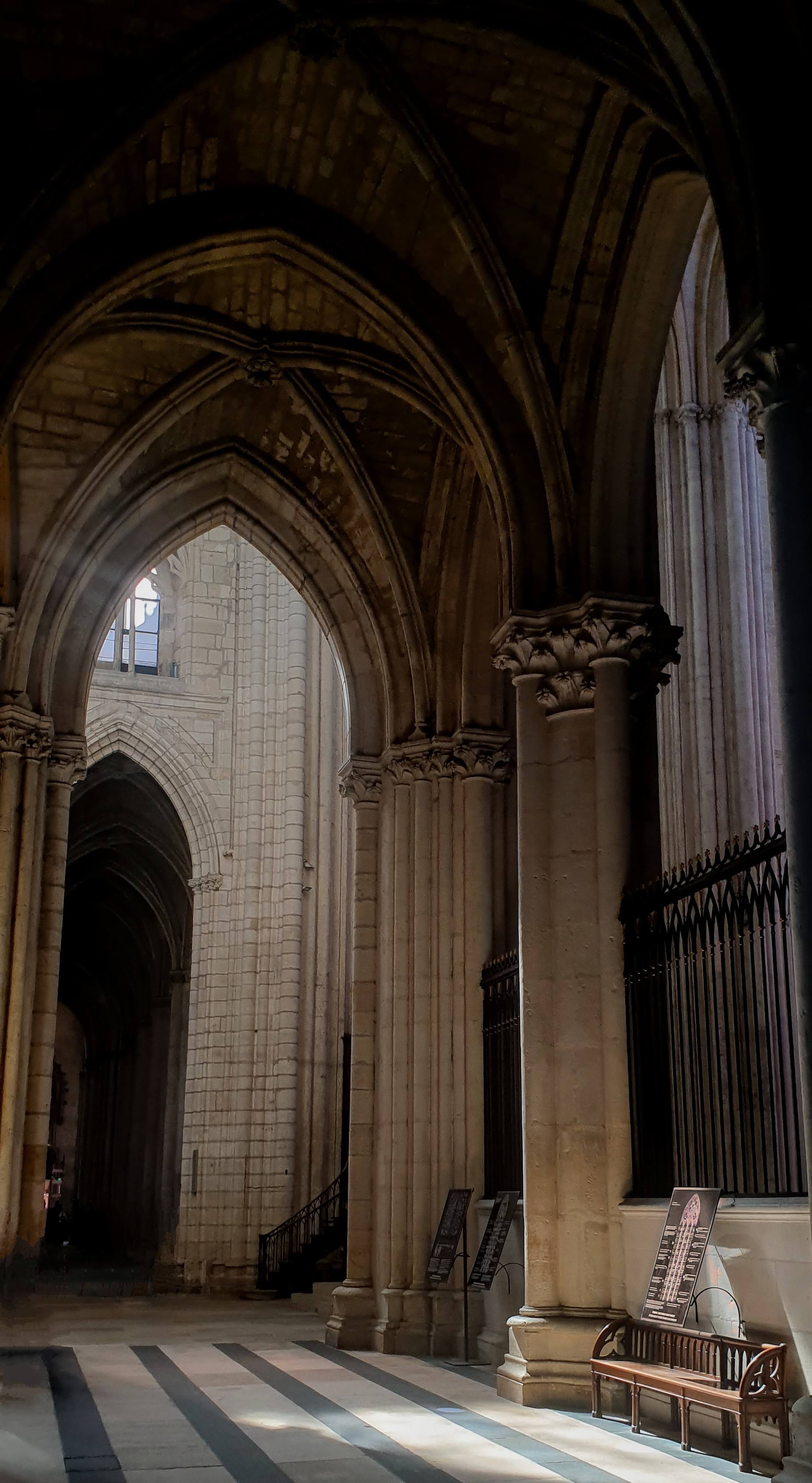
When I was in the Fine Arts Museum, I found a painting of the cathedral, and did my best to replicate the angle in modern photo form. It may be a silly American thing, but we simply aren’t used to buildings which have stood for centuries, and despite knowing how old the building is (800 years), seeing a 200+ year old painting of the cathedral made it’s age somehow more real.
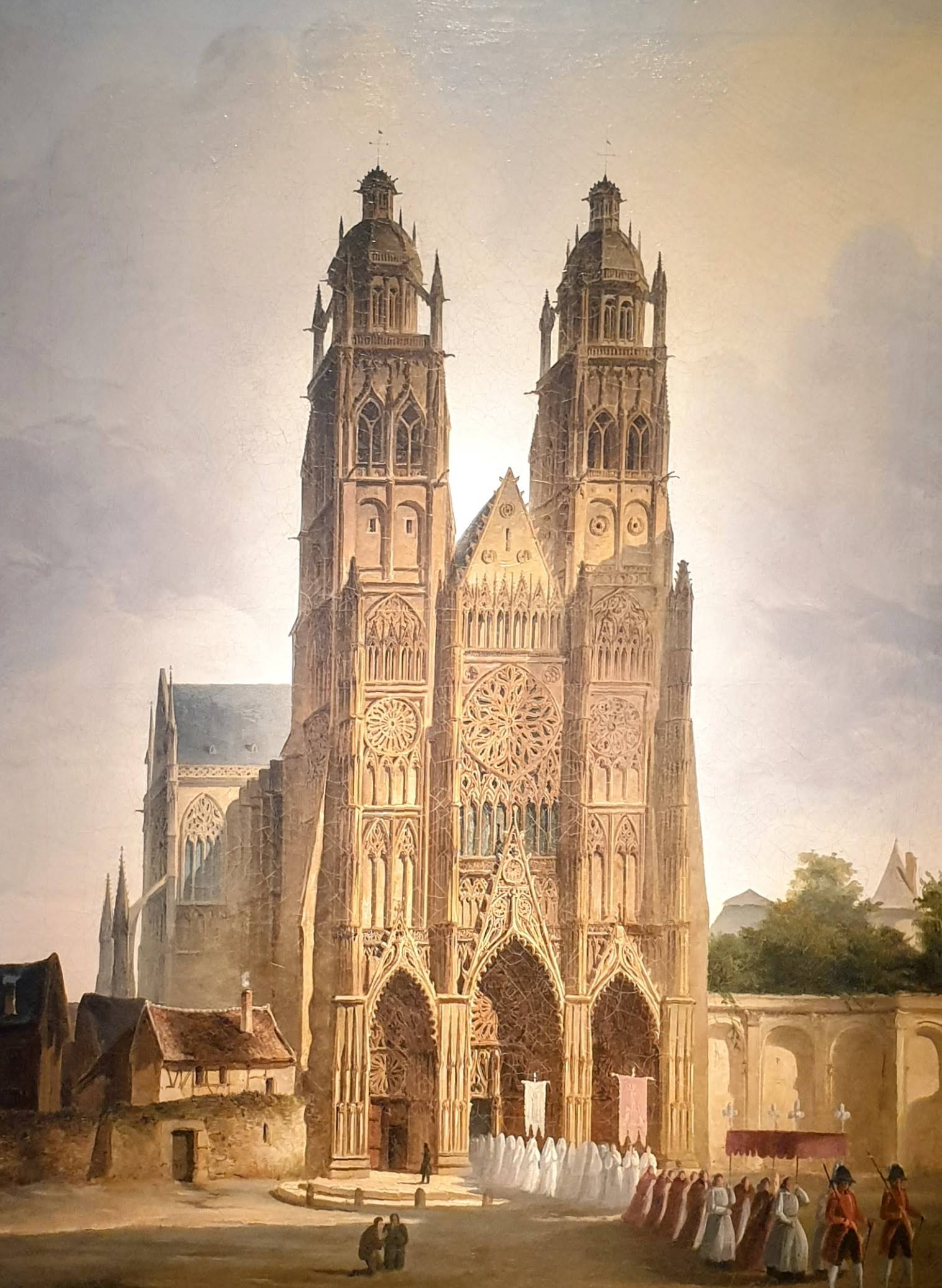
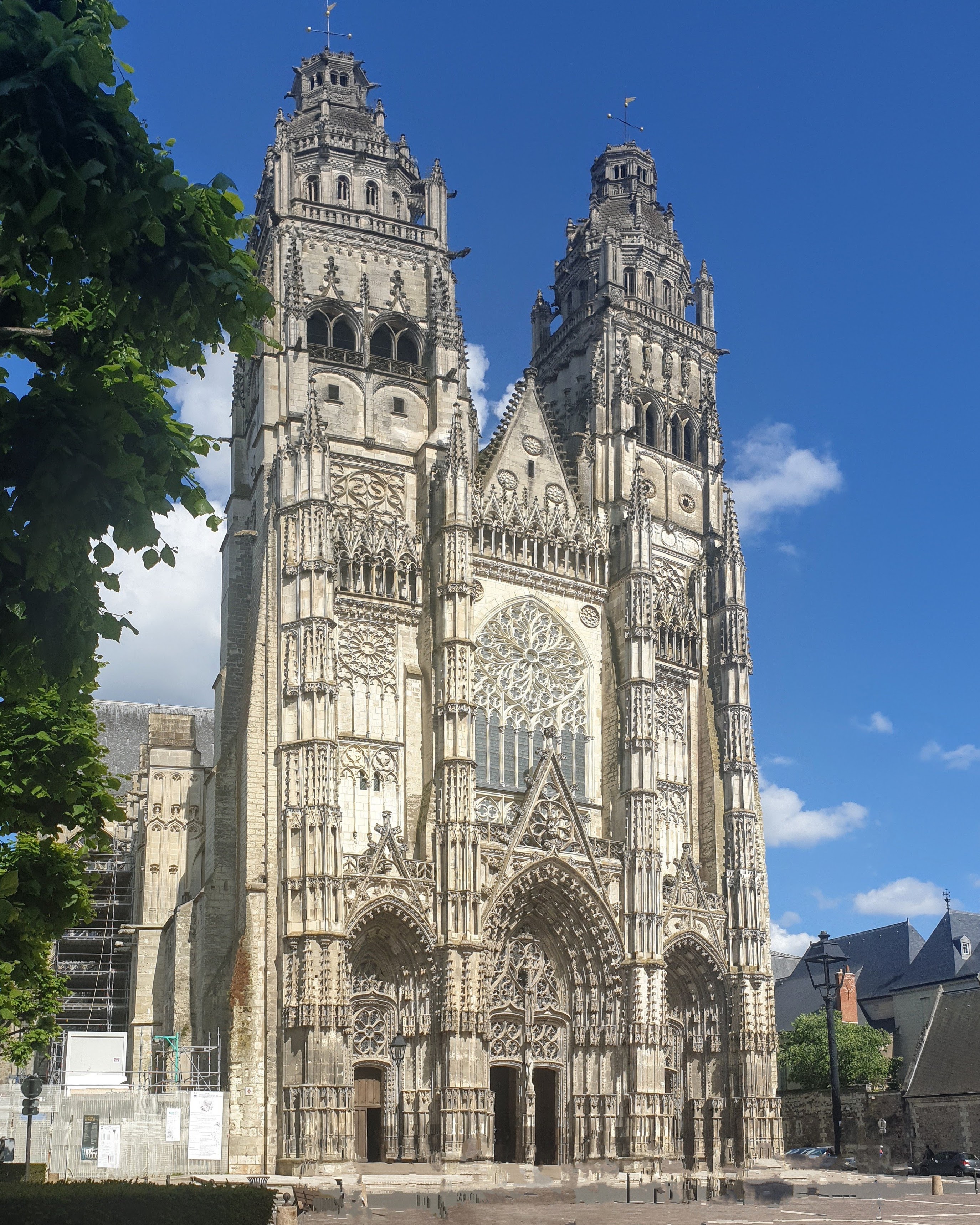
While I was in the church, the trombone quartet that I had found in the gardens outside the museum showed up to practice with the organist. I love listening to the giant pipe organs! It started out quiet enough so you could hear the trombones, then the organist pulled the stops out (that’s where that phrase comes from, right?) and wham!
The Botanical Gardens
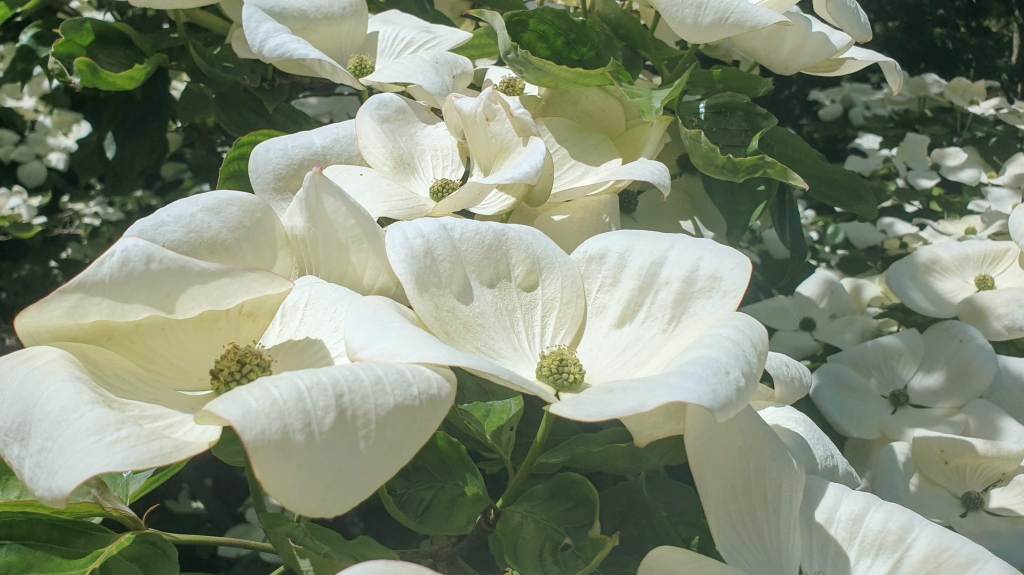
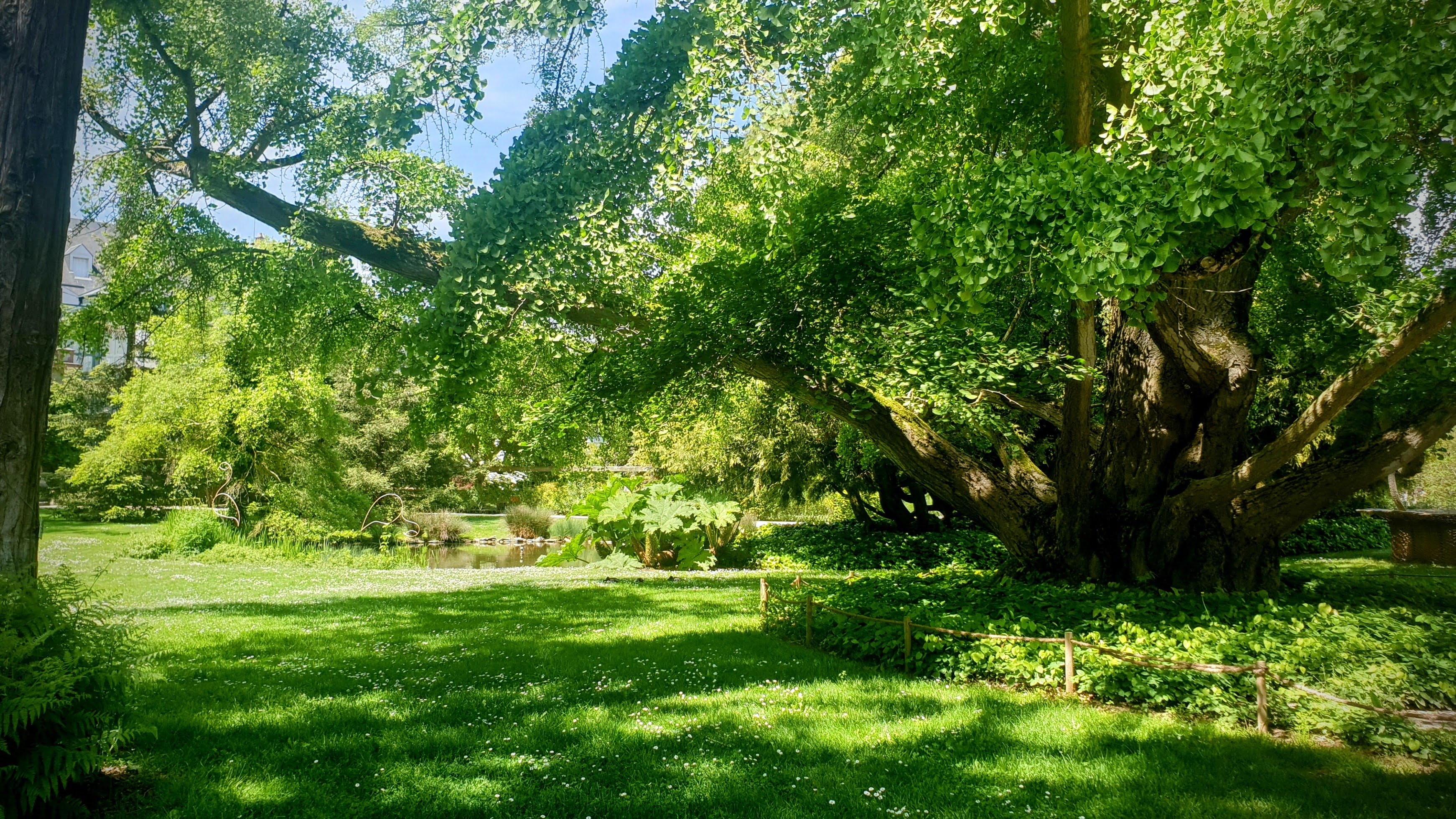
Another thing to love about France is the ubiquitous nature of nature. I mean the public gardens. Although what the French call a garden may be anything from a highly cultivated botanical display to an asthetically designed artistic movement, to a grassy place with a water feature, they are all clean, safe, and well maintained, and above all free to the public.
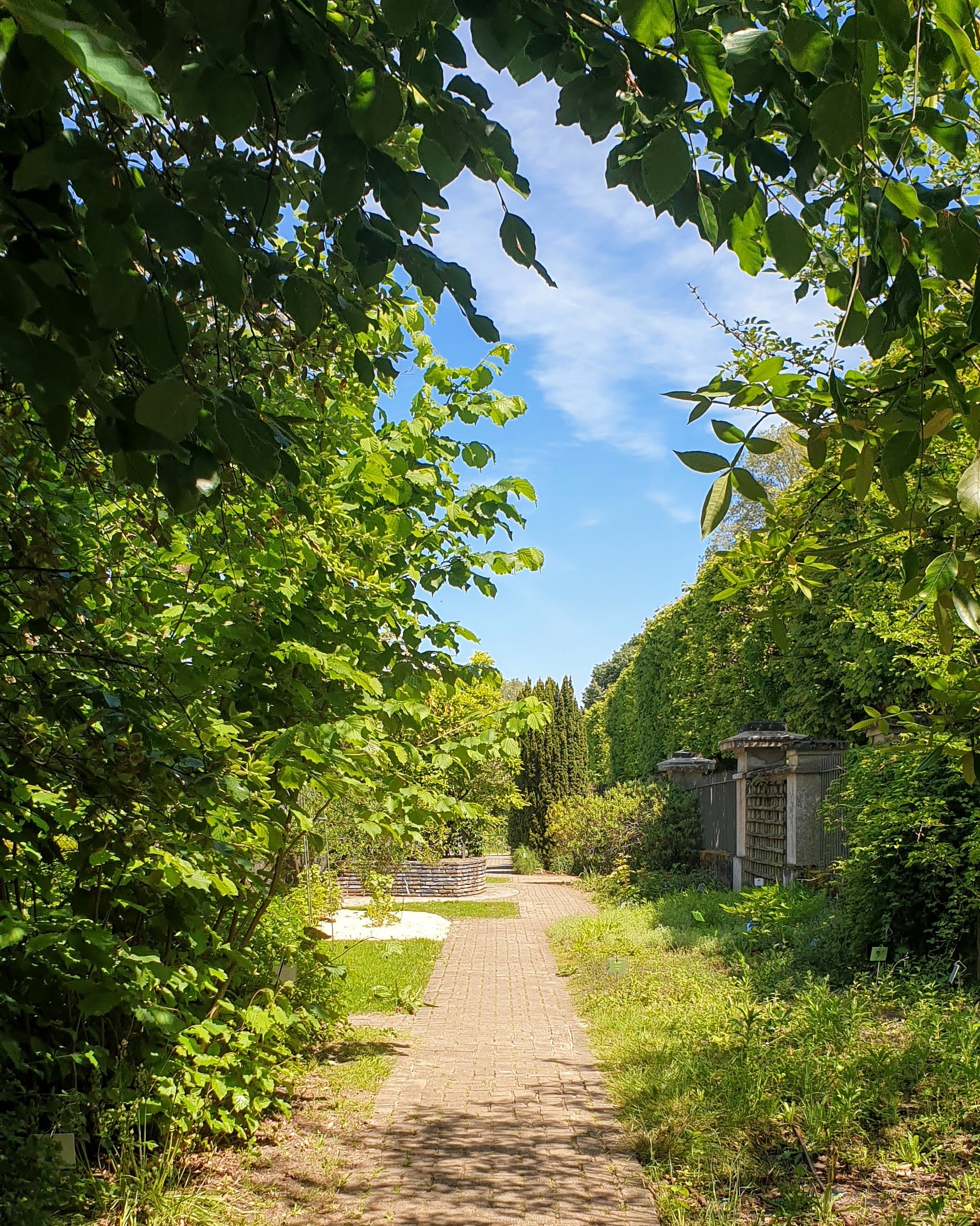
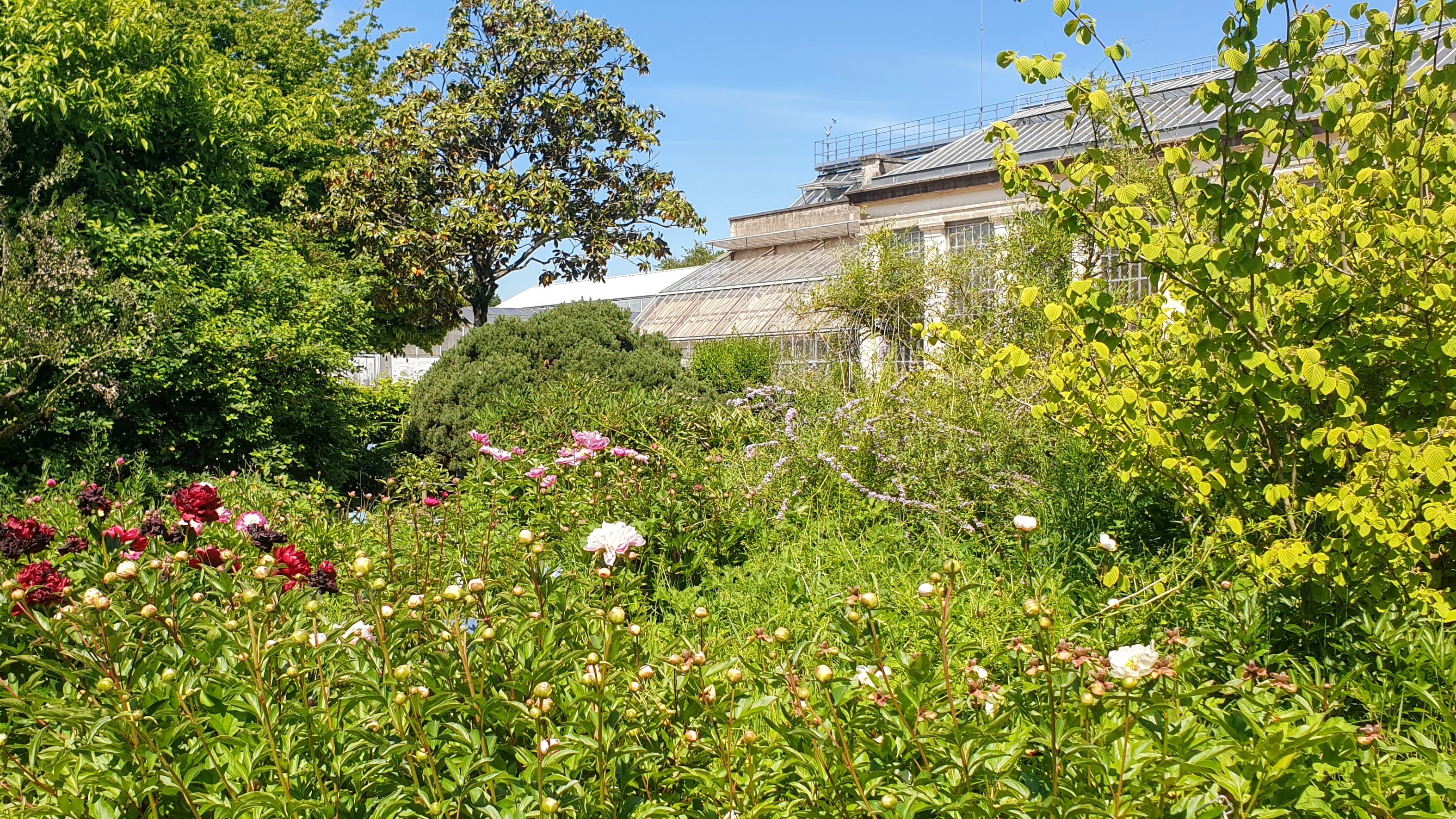
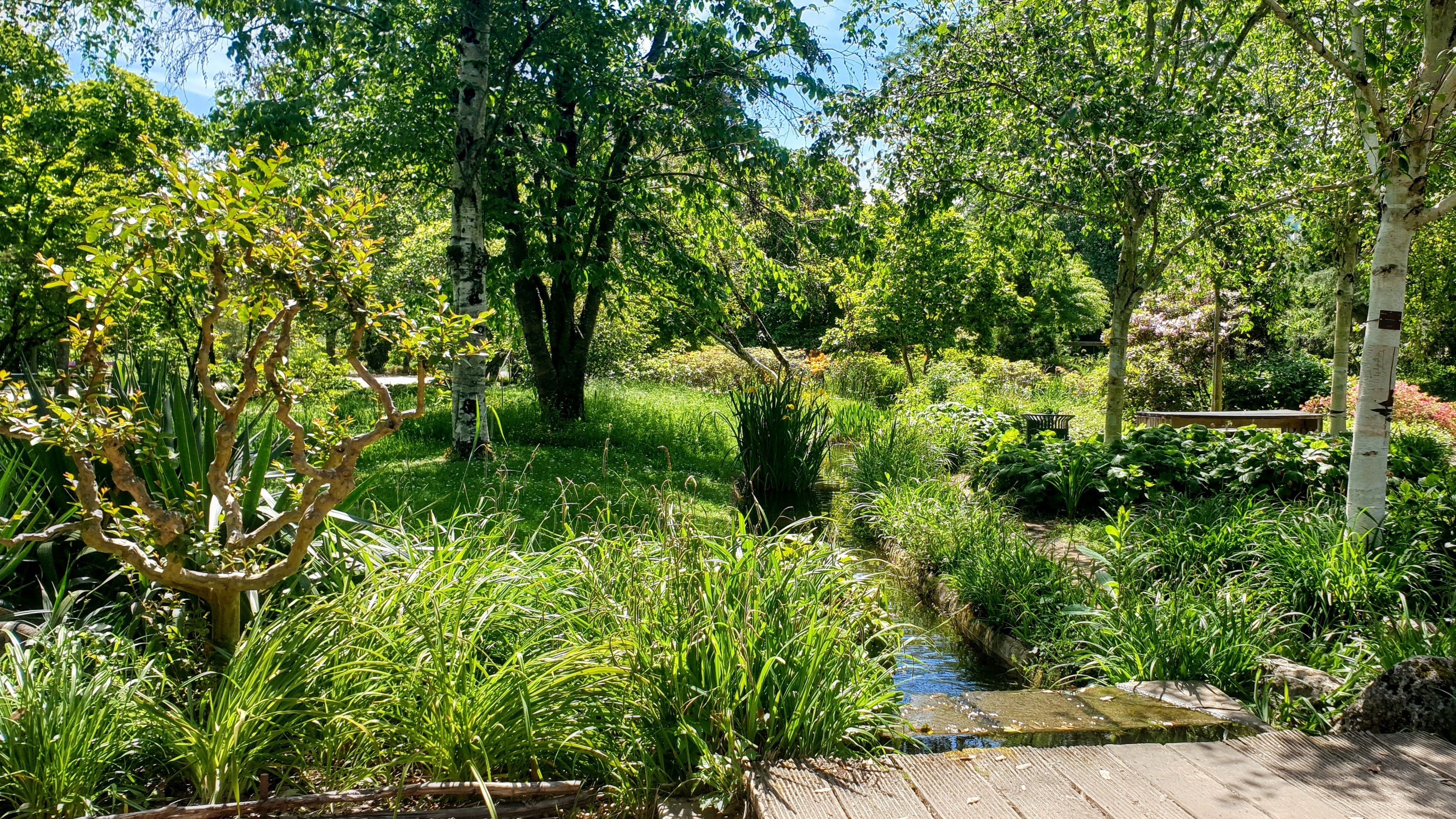
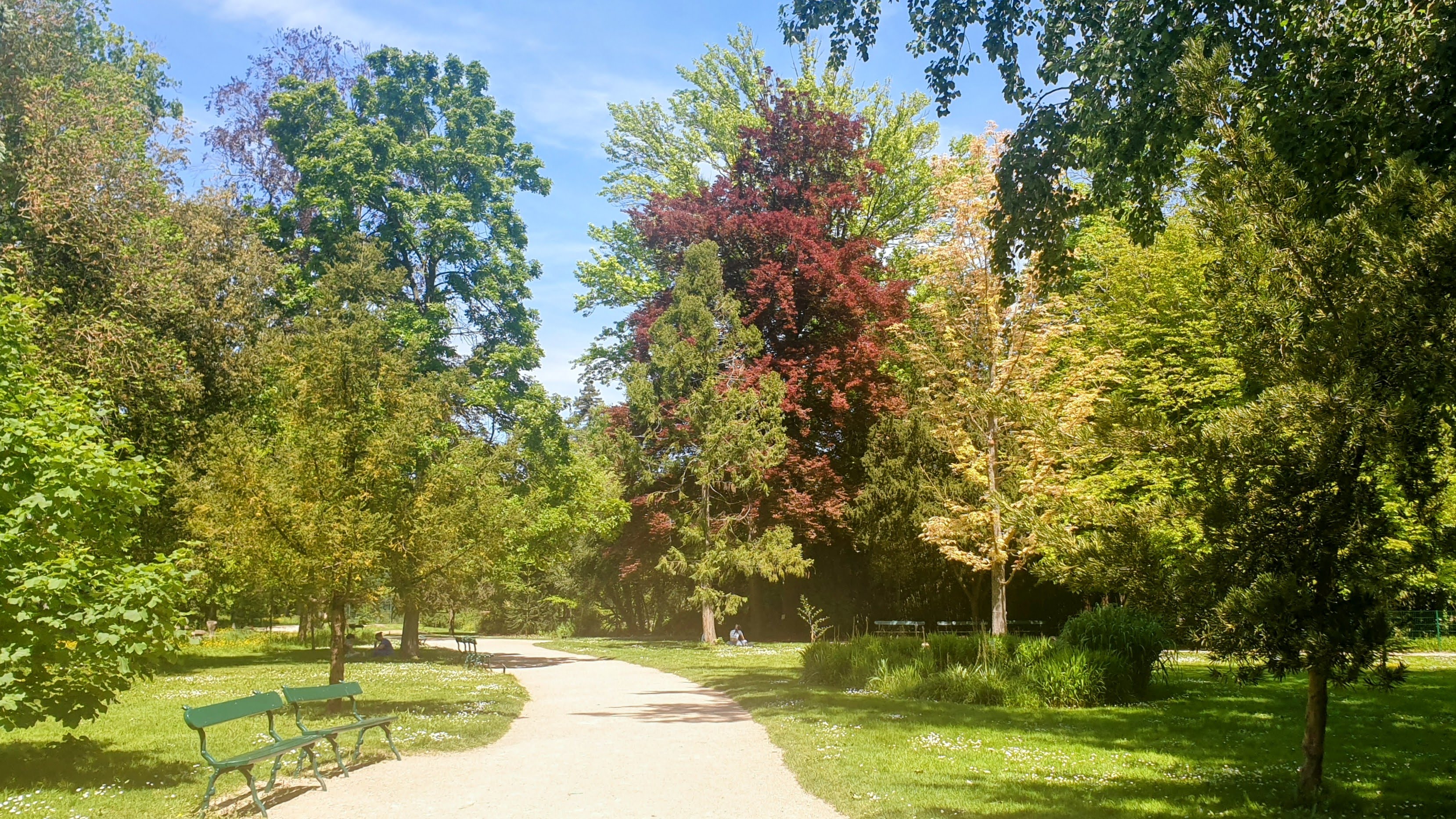
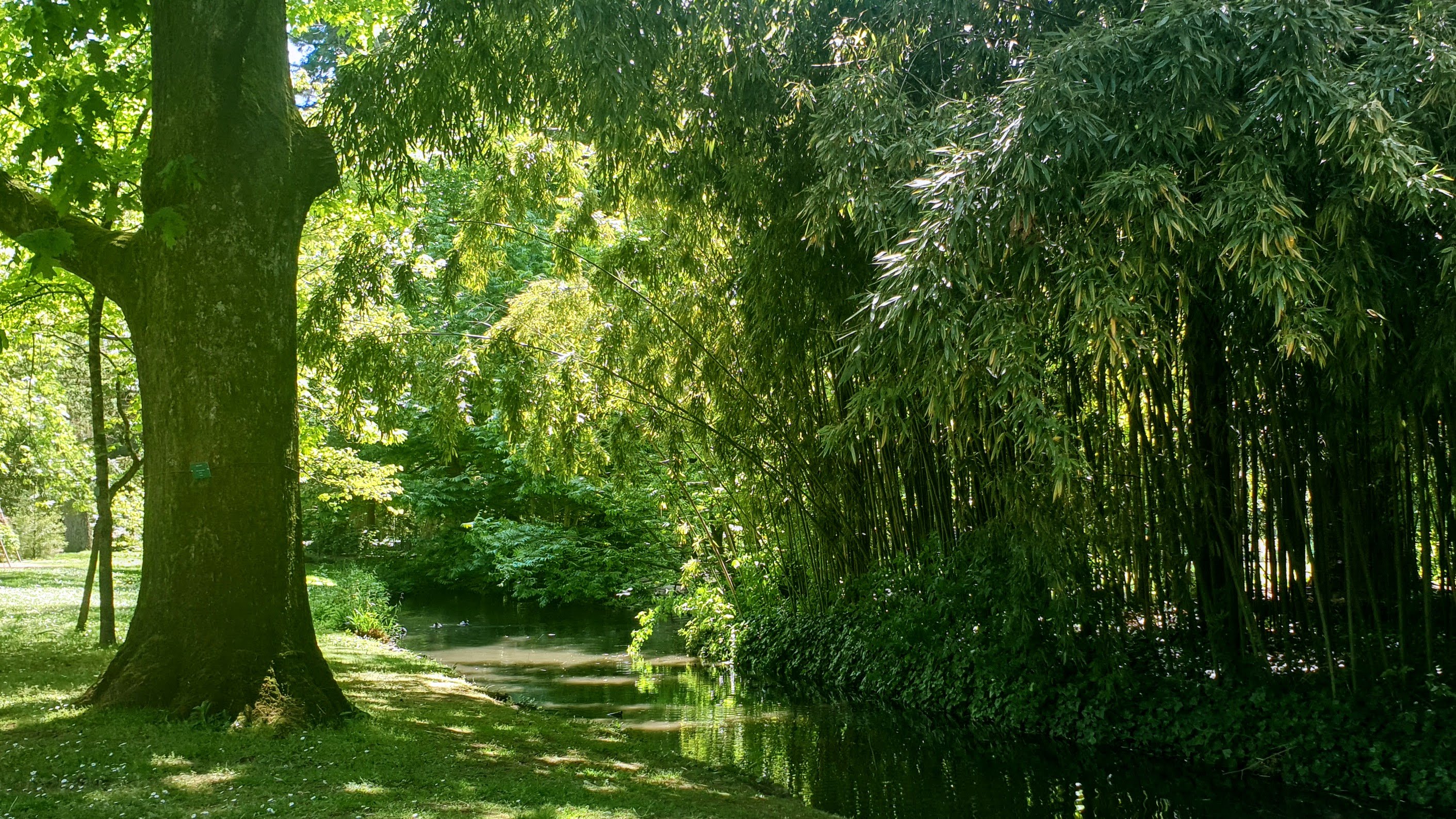
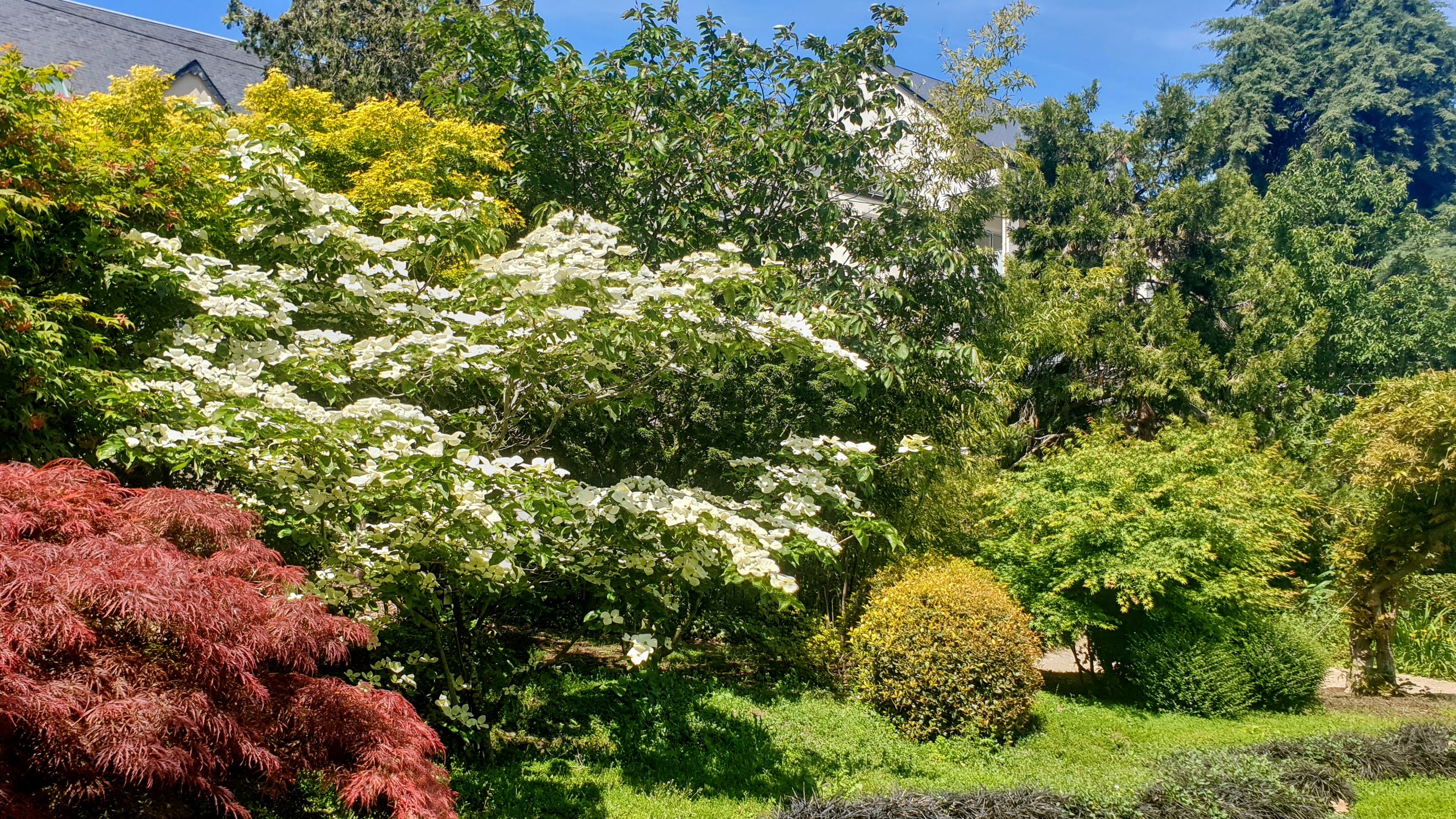
I wrote about my three gardens in Paris earlier this spring, so while experiencing the long weekend and excellent weather in Tours, I decided to pop in to the Botanical Gardens. I was not disappointed. The bus lets passengers off right at the main entrance to the gardens (although there are multiple entrances because it is such a huge area of land). I started by walking to my right into a maze of botanical specimens. The plants are arranged in pleasing beds and trellises and I suspect at least part of it is in bloom in every season except winter. There were three paths with three different points of view and experiences, and at the far end sat a grand glass greenhouse. Unfortunately, that was closed during my visit, but it was a fairly small part of the overall parc.
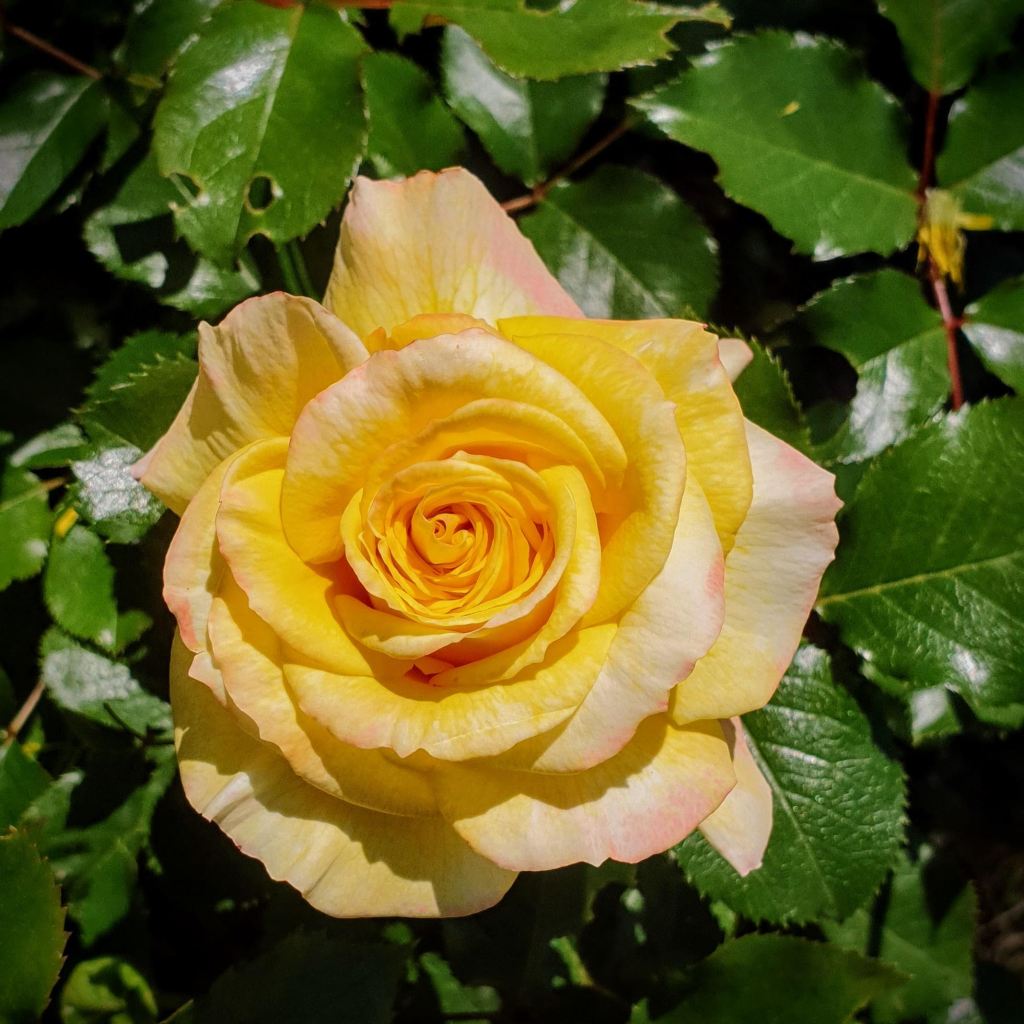
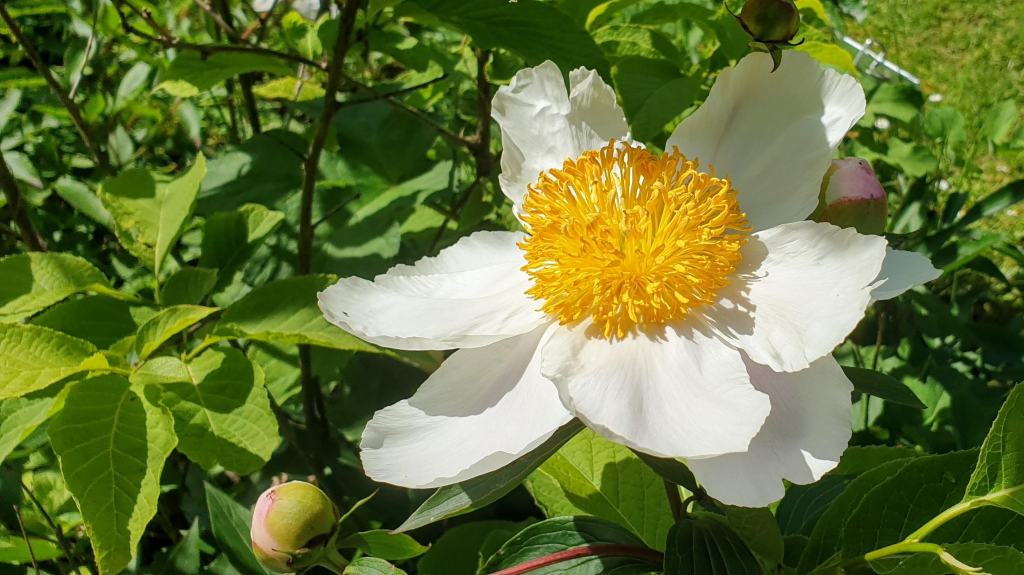
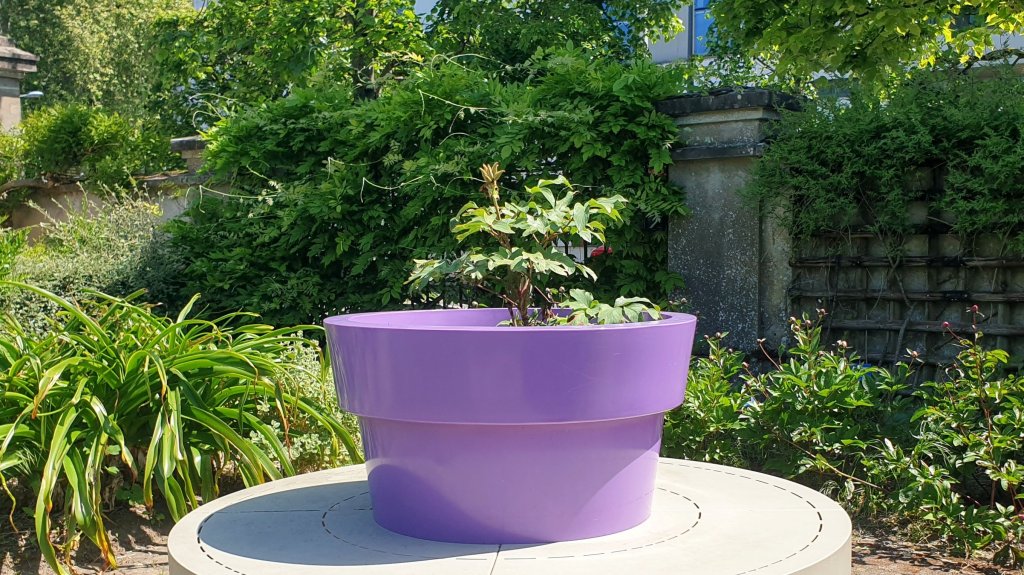
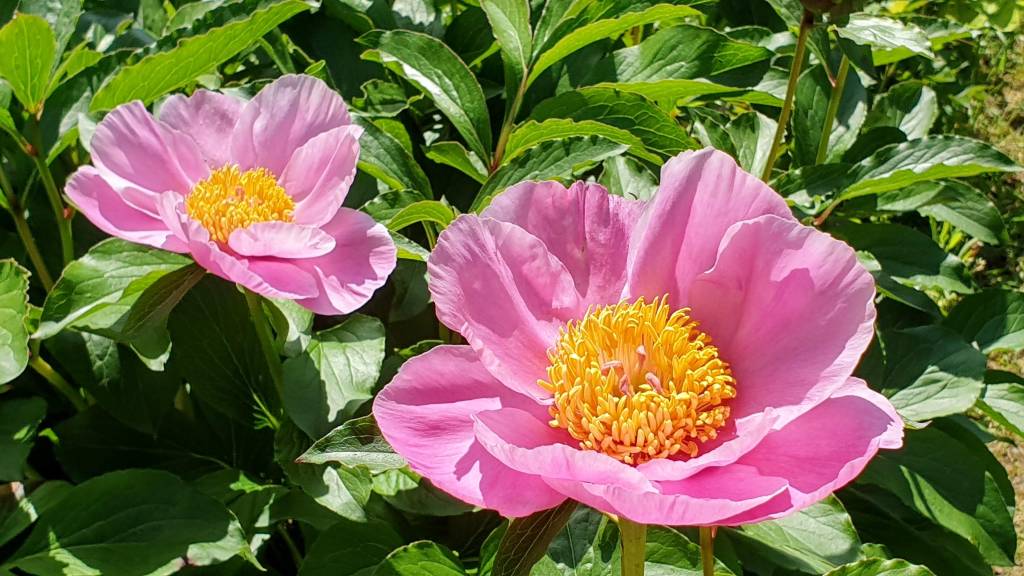
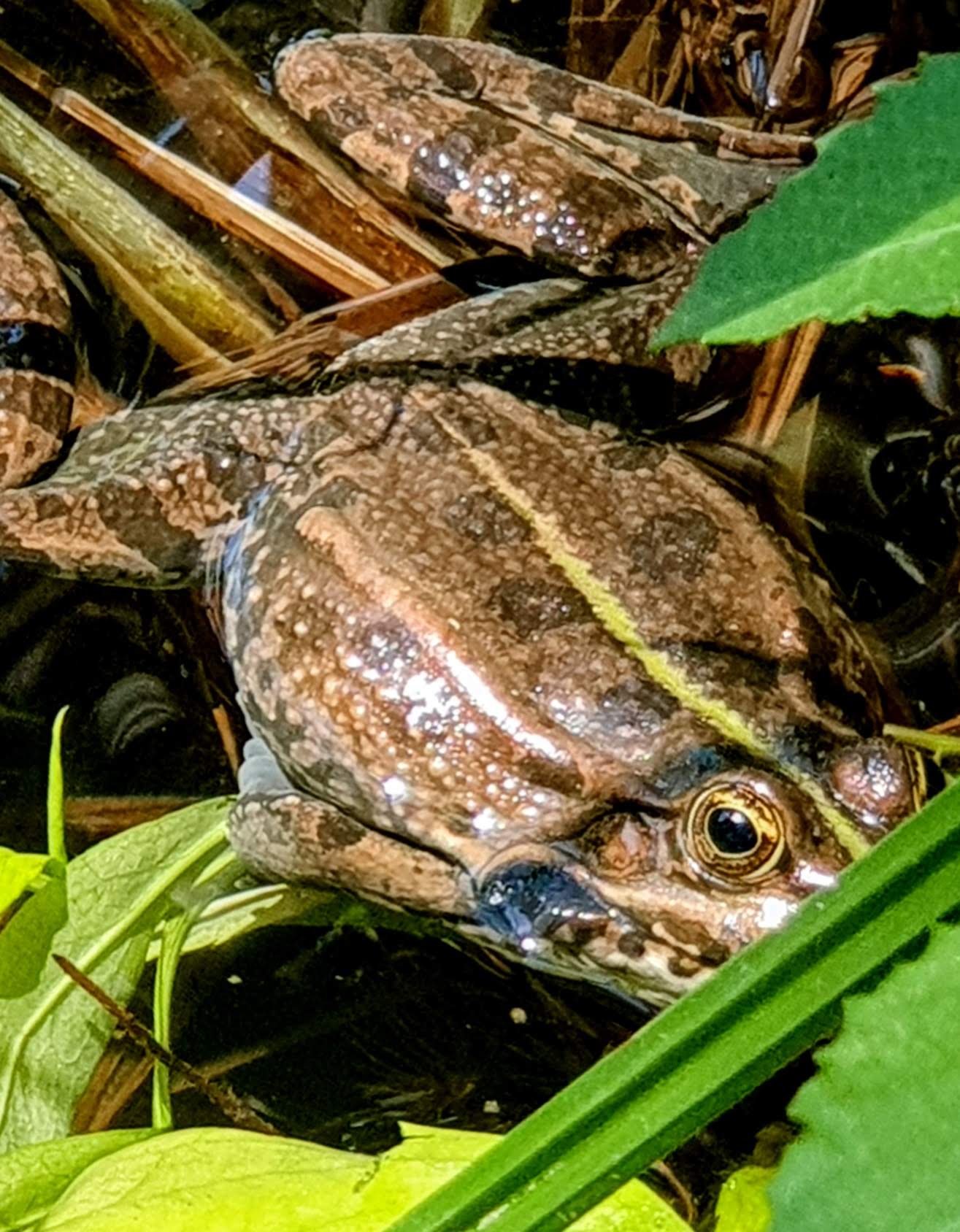
As I turned around and headed back towards my entry point along a different pathway, I was treated to entirely different scenery and the sounds of very vocal frogs. I managed to sneak up on one in the water feature and snap a photo before he plonked into the depths. I walked for a while simply admiring the plants and small streams, watching families and couples enjoying picnics in the grass, and then suddenly I came upon the menagerie. Here in the middle of this garden were a small number of animal habitats. I recall seeing the same thing in the Jardin des Plants in Paris and being generally surprised that any free-to-all style park could afford the staff and upkeep for that.
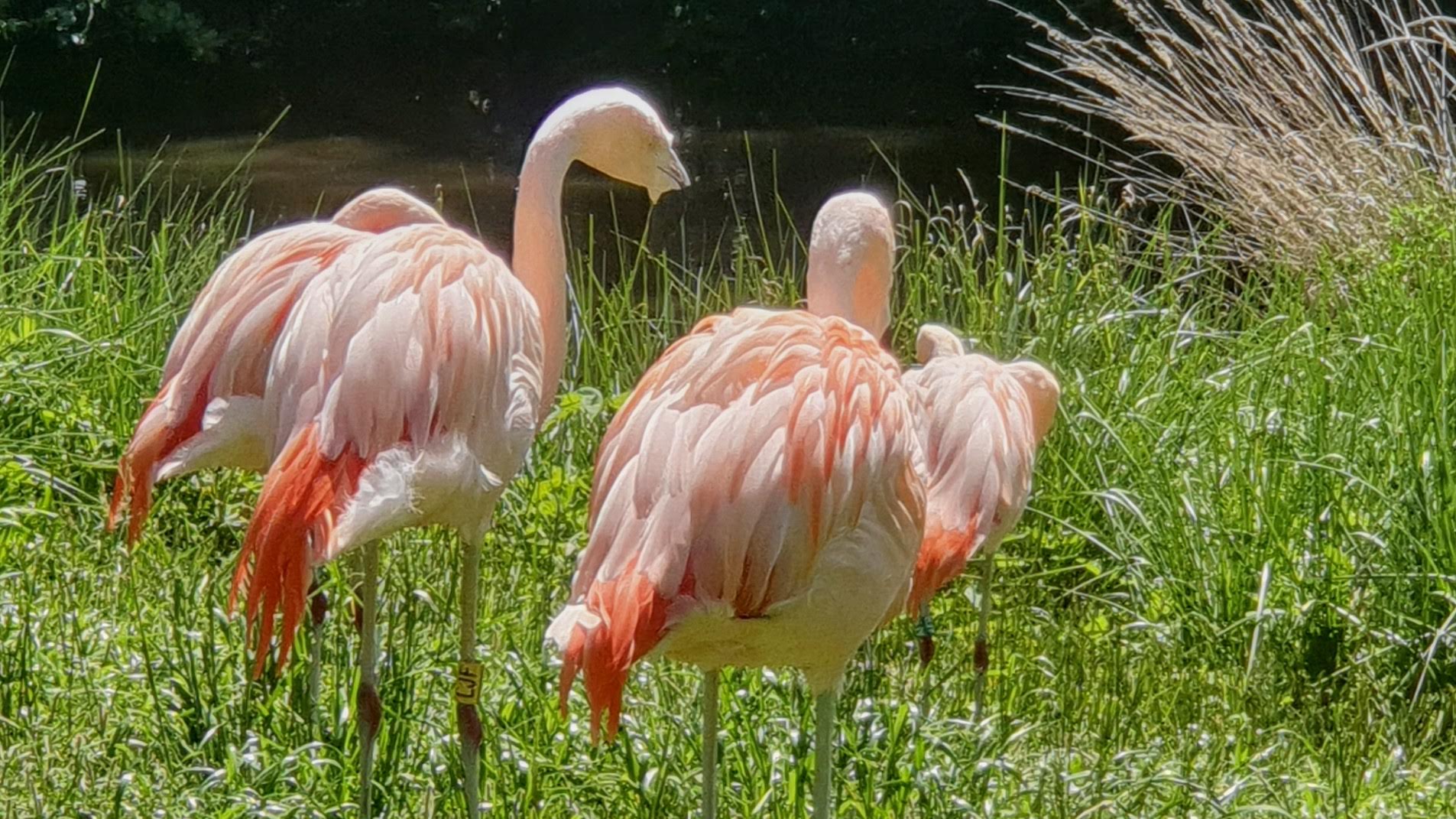
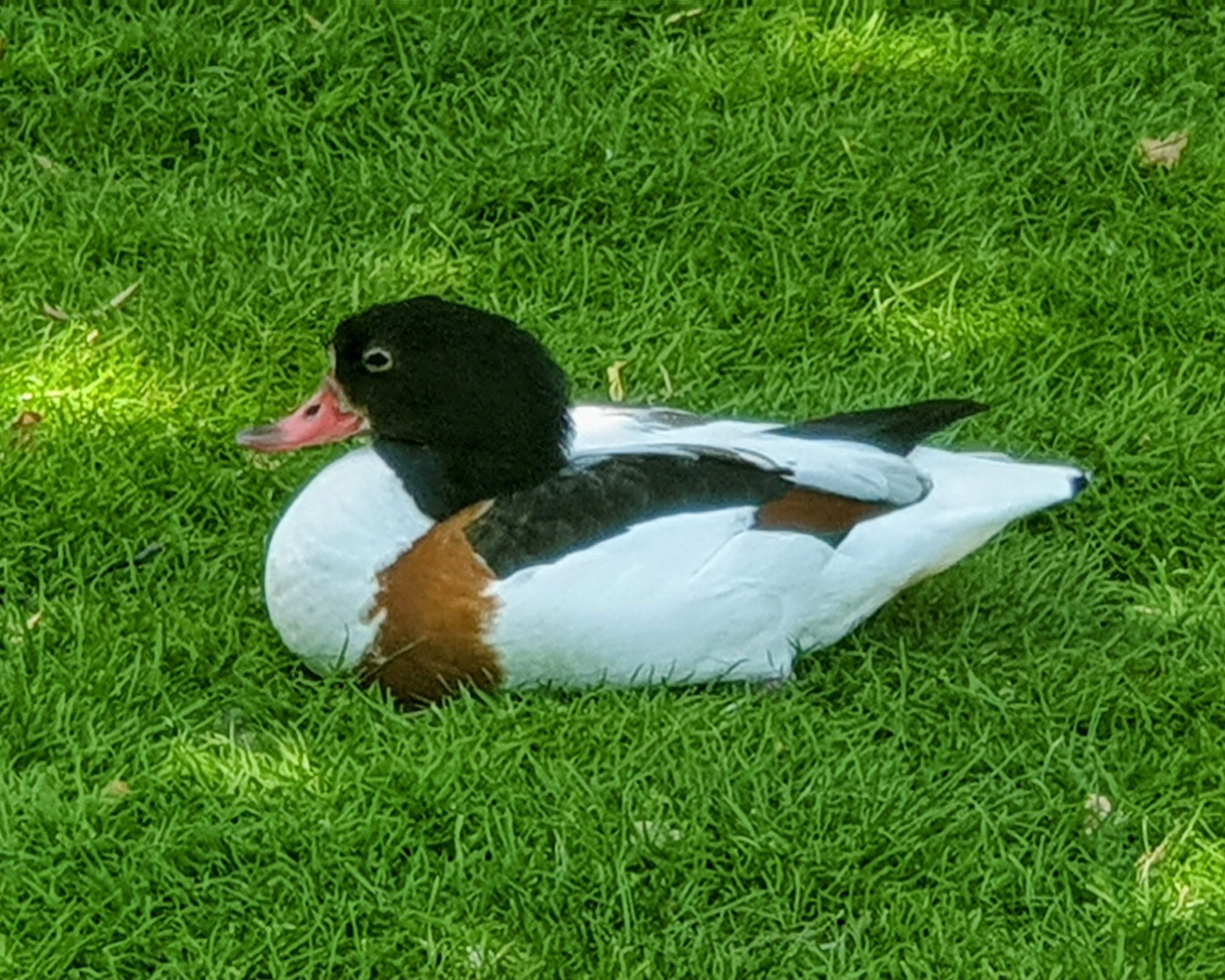
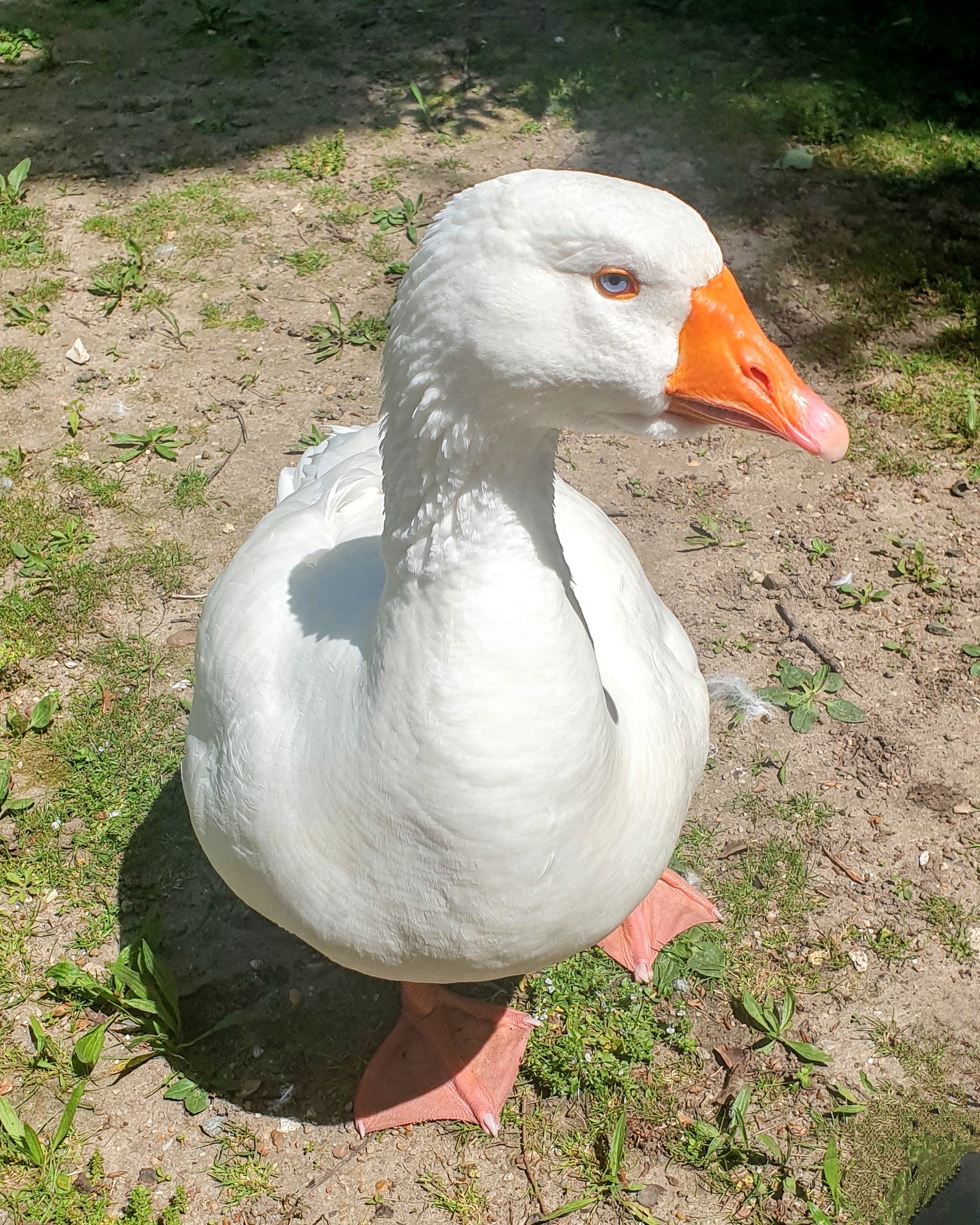
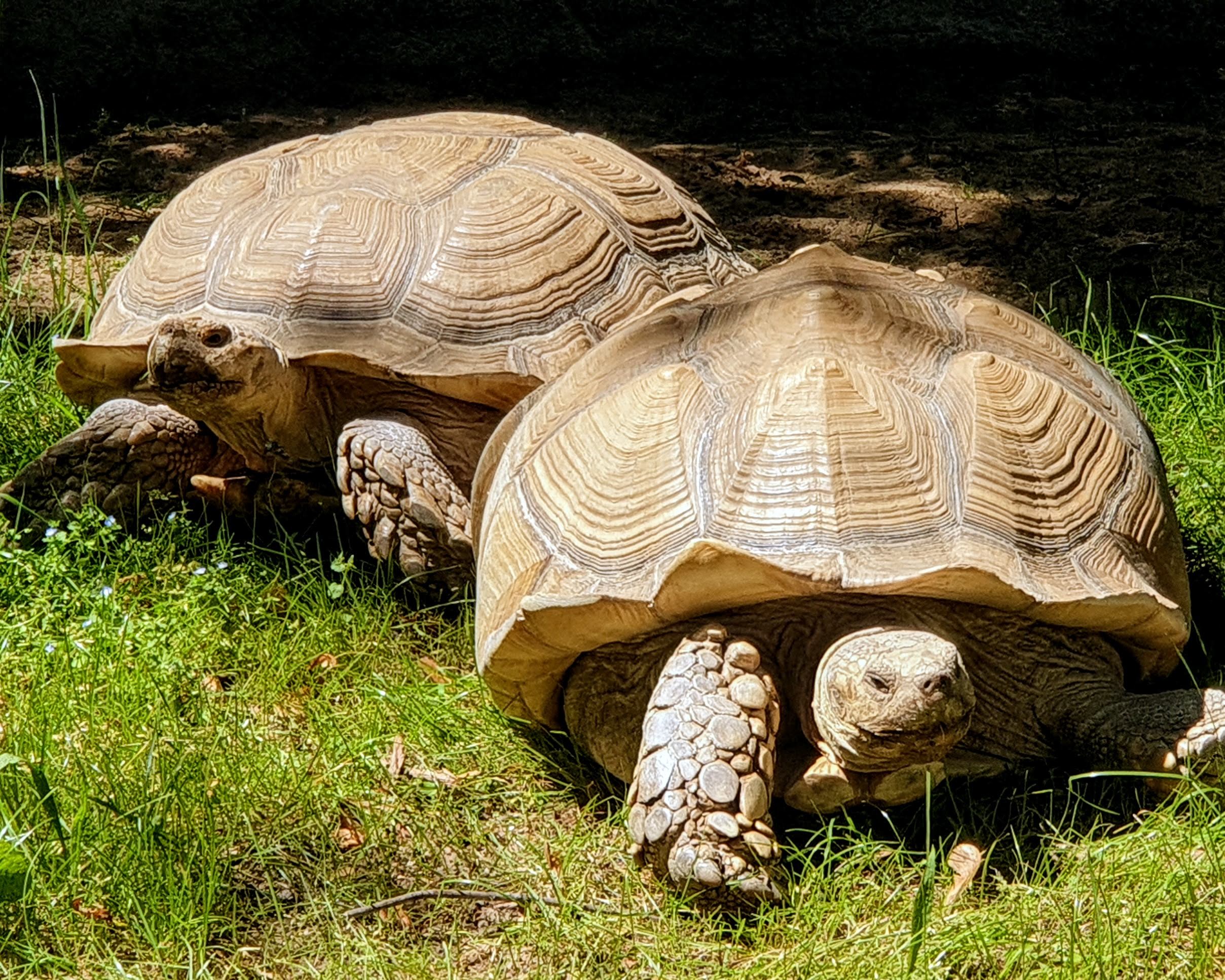

It is by no means a full zoo, but I feel like it added a layer of beauty but also entertainment and diversion (especially for children). There were some wallabies, peacocks, flamingos, turtles, tortoises, and a lot of farm type critters (chickens, geese, ducks goats, rabbits, and even a pig). Most of the animals were fenced away, but there was a mini-farm where people could go in and get a bit closer.
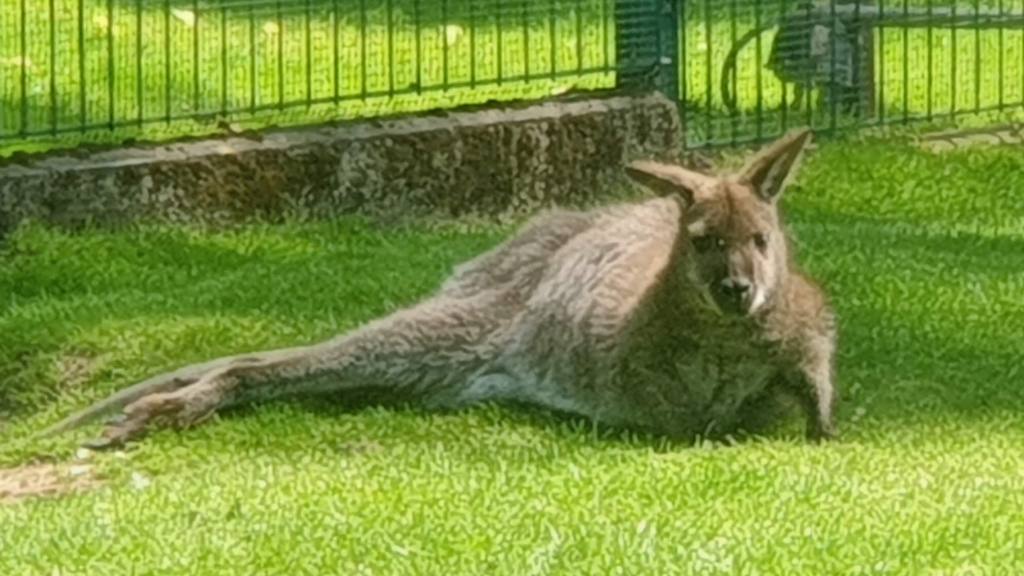
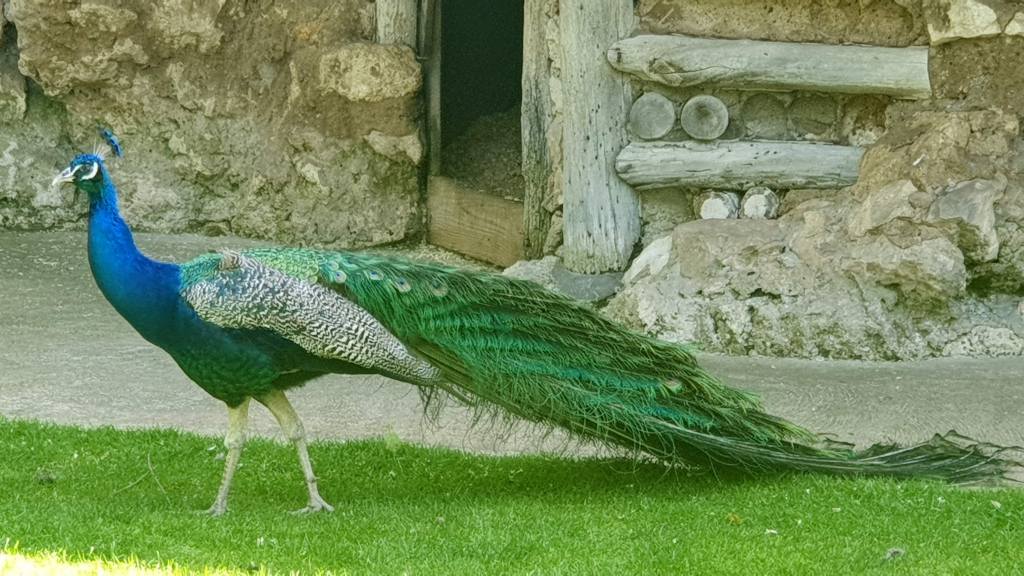

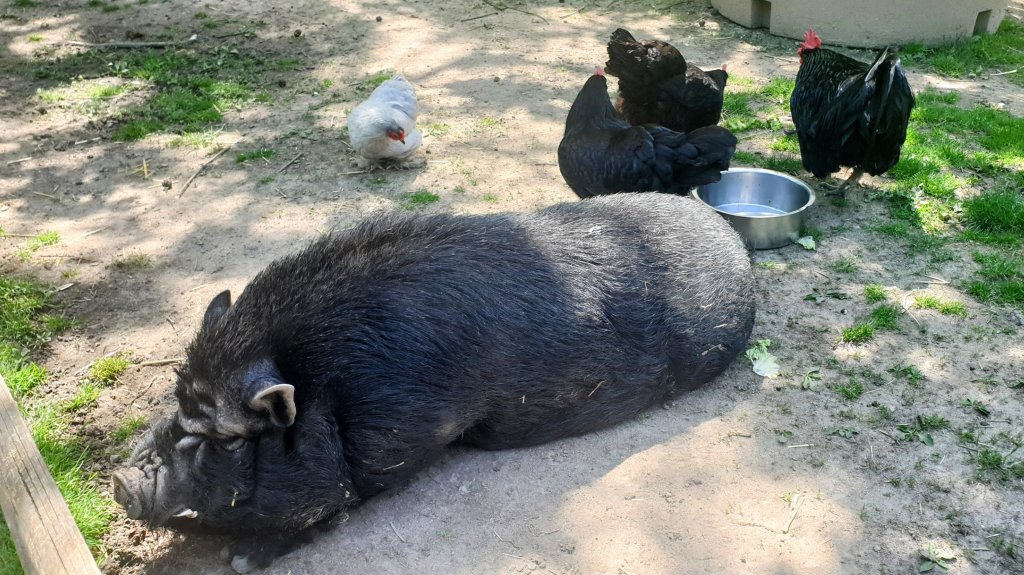
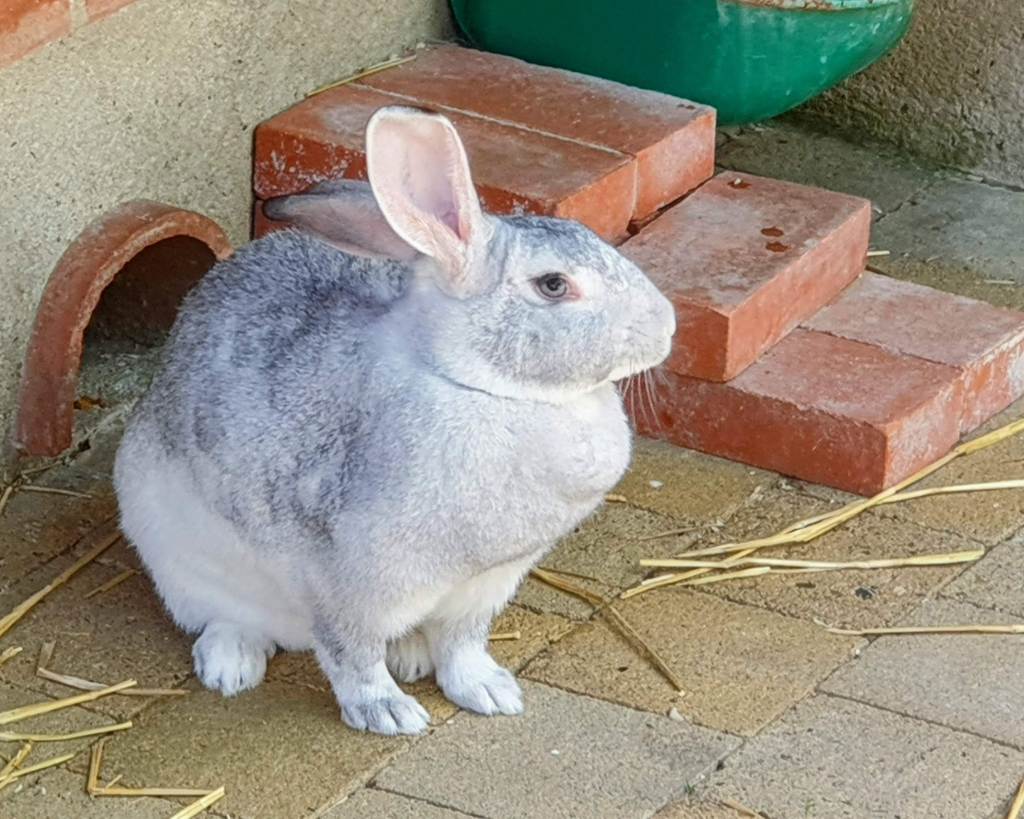
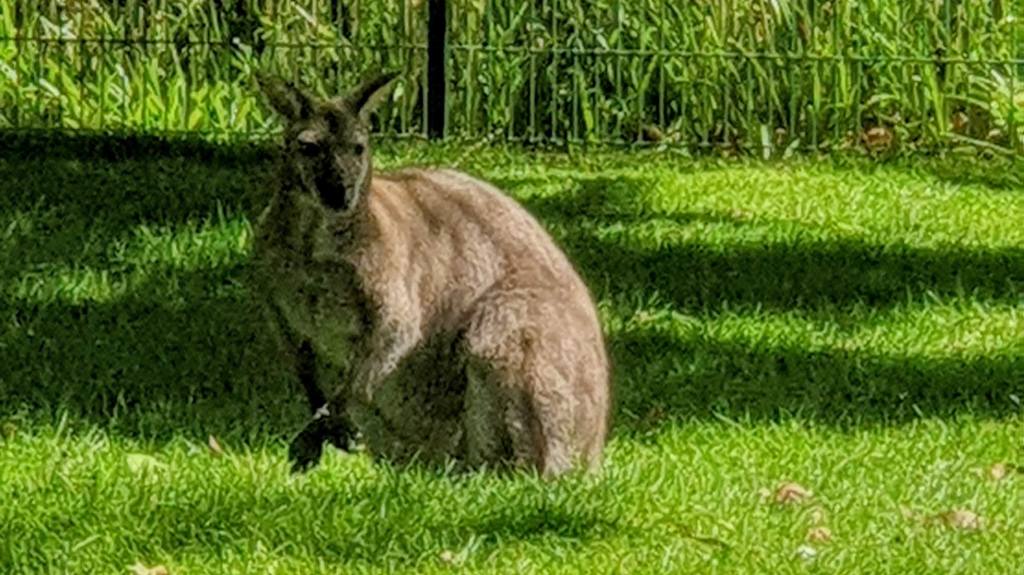
At the opposite end, there were two playgrounds with equipment for children to climb and play on, and still more beautiful lawns of grass for people to picnic and nap on underneath the enormous sprawling trees. I left the park feeling tranquil and refreshed with the satisfied feeling that my last weekend in Tours was extremely well-spent.










 Gallivantrix