My travel tastes tend to range from the classic bucket list items to the hipster “you went where?” items. On my first trip to Paris, I visited the major must-dos like the Eiffel Tower, Notre Dame Cathedral, the Arc de Triomphe, the Champs-Élysées, the Sacre-Coeur, and the Père Lachaise Cemetery. At that time my “off the beaten track” experience was going to see my friend perform Burlesque at La Féline Bar. Sadly, I never had the chance to write this trip as my life in 2015 became rather hectic shortly afterward. I did upload my photo albums, however, so you can still see those on the Facebook Page by following the links on each location above.

For my second trip to the city of lights, I made it to the Catecombs, a couple art museums, and a bike tour of the hot spots, which I’ll be writing about later. My more obscure find was a tiny museum of Fairground Arts, the Musée de Arts Forains. It’s actually not a public museum, but the private collection of Jean Paul Favand. It includes object d’art from fairgrounds around Europe in the 19th century. The museum has done extensive restoration on the artworks, and patrons are free to ride and play many of the “exhibits” on display. It was enchanting beyond all expectations and lasted just under 2 hours.
No Bag Storage? Starbucks!
Since the collection is private, the museum doesn’t keep regular opening hours, and tours are by appointment only. I was slightly desperate to go, but the only time a tour was available during my 6 days in Paris was the afternoon of my very last day, the day I was planning to catch a bus onward to Brussels. I had no choice but to choose that day, and move my bus to a later time. I’m so glad I did.
 I had to check out of my Airbnb by 10am, and my host did not offer any variety of luggage storage. Neither does the museum offer any sort of cloak room or bag-check room. I checked a few websites for storage options, but it turns out that there are only a few places around town where it’s even possible and they are mightily expensive. I was travelling light (backpack only, yes, that is my actual luggage for the whole 7 week trip), but it was still at least 10-12 kilos, which can become tiresome to carry for many hours.
My tour was at 2pm, and I didn’t want to walk around Paris with all my luggage, so I headed straight to Bercy where both the museum and the bus would be found. I zeroed in on Starbucks for a clean bathroom, an iced latte, and a place to sit while waiting. This long haul travel is giving me some new appreciation for the use of American stand-bys. I’ve become addicted to iced lattes in hot weather, and the French seem to think that ice in coffee is anethema. Even McDonald’s McCafe failed at providing iced coffee options, but Starbucks is the same world wide with a few exceptions for seasonal specials.

I love French coffee, and I could have sat at a cafe the whole time I was waiting. No one kicks you out of a restaurant in Paris. Oddly Starbucks was a cheaper option since a coffee here is a tiny shot of espresso for 2€ or maybe a small cafe creme for 3.5-4€. At Starbucks, I got a Venti iced latte for 4.65€. I don’t want to be the tourist who goes abroad and only visits American chain stores, but sometimes, especially on a long trip, it’s nice to have the choice. Free clean bathrooms, cheaper large (iced) coffee, air-con, and free wifi do make it an ideal place to kill time if you have to.
Getting There
The museum was easy to find, although it looked a little foreboding from the outside. The grounds are covered in fences and the buildings all have shuttered windows. The tour guides only speak French, but they were kind enough to make an English language pamphlet that contained the pertinent information about each area of the museum we would visit. I read through it while waiting for the group to assemble, hoping that it might help me follow along.
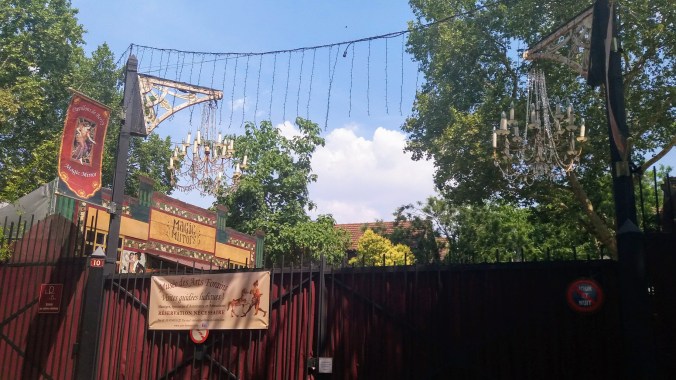
When we finally assembled and began the tour, my feelings were primarily childlike glee. My joy wasn’t the only childlike feeling I had. Standing in the courtyard listening to the guide talk in French I had a sudden flash of understanding of how every kid must feel when tour guides talk and there’s nothing to look at or do. I tried to listen, but he talked so fast I couldn’t catch much. Fortunately, as he pointed out to us, it’s really a visual tour. The courtyard was pretty and I enjoyed the gargoyles and decorations amid the trees and flowers, but I was impatient to get inside.

The Giant of Bercy
This is the story he was telling while we were standing outside. I found the English version later. According to legend, Kind Louis XIV came to Bercy to attend mass at a nearby cathedral. Of course, all of his subjects were expected to kneel before their king during his royal visit, but when the time came for this obeisance, one man remained standing. When the guard were sent to investigate, it turned out the man was kneeling after all, but he was a giant who loomed above the crowd even in genuflection. The giant was a vintner named Martin, who used this unique chance to meet the king to talk about the taxes on wine merchants in Paris.
Charmed by the giant and amused by his complaints, the capricious king decided to grant the Pavilions of Bercy a tax exemption. The 106 acre region became closed off behind walls and ware houses with railroad tracks leading to the Seine where wine shipments could be transferred by boat. The buildings that now house the Musée d’Arts Forains were at one point warehouses and market buildings.

It wasn’t all wholesale business, however, and Bercy was also known for it’s wine bars and guiguettes where patrons could sip by the glass or by the bottle in convivial company. Such an atmosphere prompted festivals, fireworks and other fun, giving Bercy it’s reputation as a joyful place.
The Venetian Rooms
As soon as we stepped inside I realized the photos I found online do not come close to representing the atmosphere of this place. Beautiful pieces of art displayed around a centerpiece of a merry go round from a classic Venetian style carnival. There was no roof, as a modern carousel might have, and most of the seats were elaborate gondolas and carriages with a few ornate animals with saddles. Our guide invited us to hop in for a ride and we whirled around to a recording of the original music.

After the ride, we stayed seated but turned to face a wall which was decorated as the Grand Canal. The lights dimmed and we were treated to a beautiful light show that had clearly been made just to fit the size and shape of the room. We went from outer space, to under water, to a cityscape, a gondola ride on the river, a ballroom and a theater as the lights and sounds created this beautiful illusion.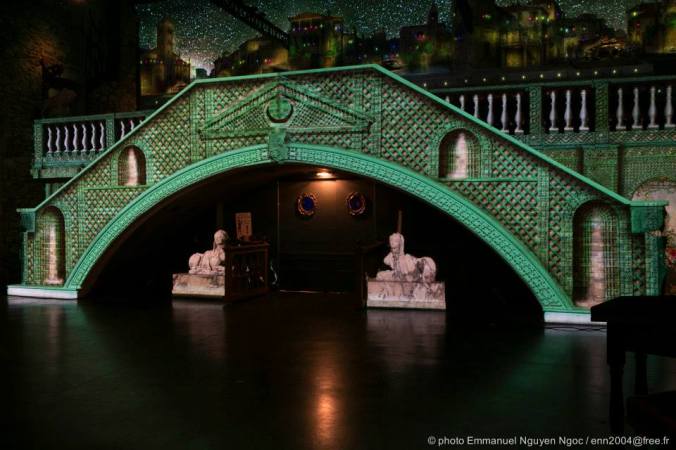
The adjacent room was an animatronic opera with singers mounted around the room on the walls just below the ceiling. The lights and speakers moved as different characters (including Columbine, Harlequin, and Cassanova) sang and the robots moved. It was like Disneyland’s tiki room or hall of presidents.
It was easy for me to wander away from the group or start behind as they moved on and get photos of the rooms with no people. Since I couldn’t really understand, I didn’t feel like I was missing out. Sadly, the rooms were so dark that most of my photos are only any good for jogging my memory of the experience.
The Carousel-Salon

In the 19th century, the Fairground was quite popular, and the Carousel-Salon was a style of fairground that included the pipe organ, the carousel, a ballroom for dancing, and of course, a bar.
Our guide cranked up the pipe organ, which was stunningly loud, and I took the time to get a closer look at some of the statues and carvings around the room. The detail of craftsmanship in these pieces was impressive. It was clear that the fair or carnival was much more than it is today. When I think of the clunky state-fairs of my childhood covered in bare bulb blinking lights and cheaply airbrushed panels on easily disassembled rides and booths, I can see how much we’ve lost in the last century of fairgrounds.

Once the pipe organ ended it’s song, we were invited to ride again. This time, a more familiar carousel with the faux tent roof and a few horses that trotted up and down as the ride goes around. My only complaint is the the tours allow more people than there are seats. The guide ran the ride twice but I didn’t get to ride a moving horse either time. Despite this small disappointment, I had tremendous fun riding the antique carousel inside a room filled with similarly antique carnival rides, games, and decorations.

We rode a pedal powered carousel as well. It was made up of a circle of large brass bicycles. This carousel was all about the thrill of speed. When the device was in use, warnings had to be issued that if a patron should lose their footing, they should not try to catch the pedals. Apparently the speed and force of the pedals resulted in more than one lost foot. The cycle carousel was capable of reaching 40mph (65kph) which in 1861 was dizzyingly fast! Once upon a time it also ran on electricity or steam, but the museum’s ride was purely pedal-powered. Don’t think that makes it less impressive. With every seat filled, the cycles seem more like a roller coaster ride than a carousel.

There were many other oddities, pieces from other rides, and classic fairground games to look at as well. German swing boats, card tables, shooting galleries, and exotic animals lined the walls around us. Electric lights and moving pictures will still a novelty often found only at such public shows. One of the most famous shooting games is the French Waiters. I’ve seen similar racing games in most modern carnivals and fairgrounds. Shooting at your target advances your waiter and the first one to the finish is the winner.


The Theater of Marvels.jpg)
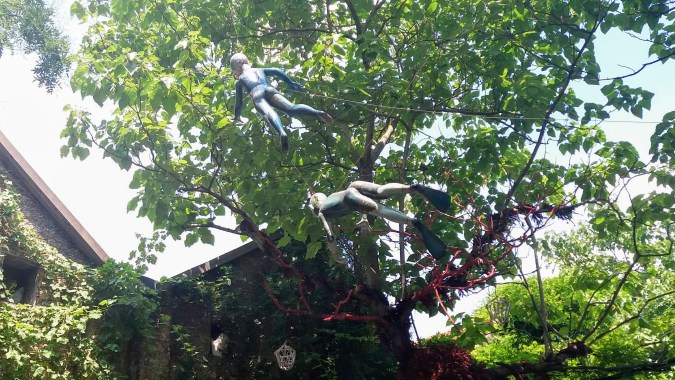
Next we entered a room full of oddities and treasures. It was Jean Favand’s own Cabinet of Curiosities including oddities such as a tree that could grow a leg and a dwarf in a boot. The center piece was made to look like the balloon of Baron Munchausen made by the collector himself. Esmerelda, the patroness of the funfair is depicted dancing. There was a huge papier-mâché elephant with a glamorously dressed rider, and Unicorn Cave is made from petrified wood, preserved plants, and mythical creatures.
.jpg)
.jpg)
Our guide showed us a game called Palio di Sienna that was played by spinning a top through arches to hit a bell,and we all got to participate in a racing game that seemed like a combination of skee-ball and the shooting racer. Instead of hitting a target, you roll a ball into numbered holes for points, and your racehorse advances a little or a lot depending on how many points you got. The group played four times and I sat only one. It was very popular!

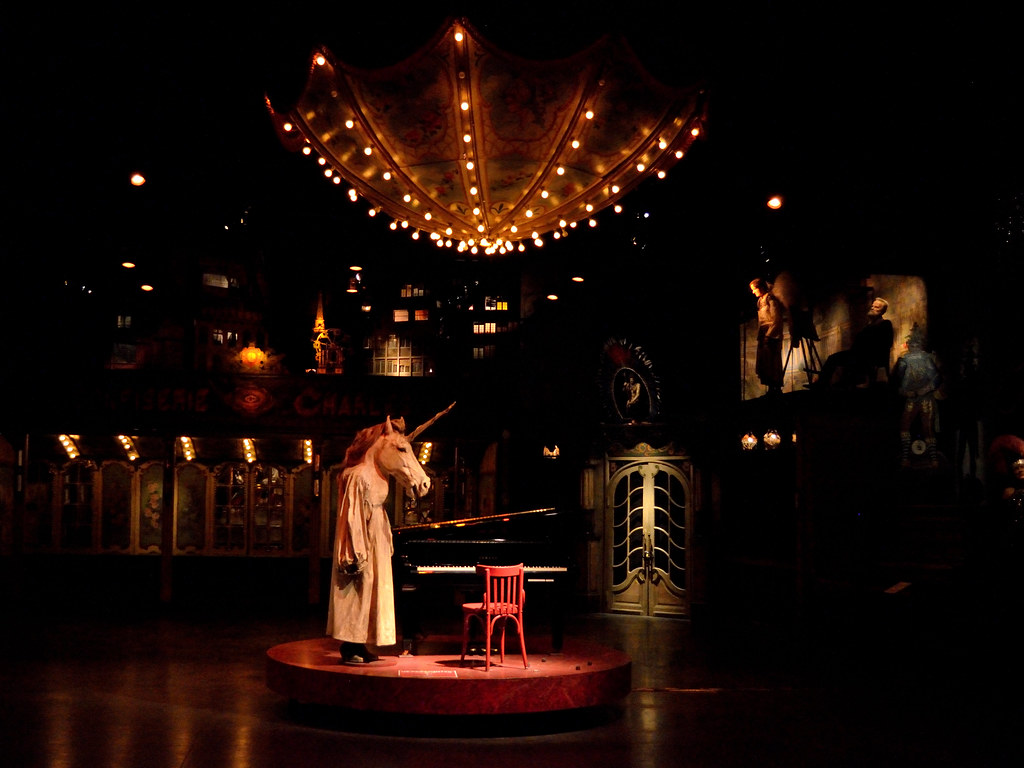
We ended the tour with a waltz in a music room. A self playing orchestra like the ones I would later see in Utrecht played a waltz comprised of 12 different musical instruments. Members of the tour group paired off and danced joyously around the dance floor while waxwork oddities looked on. Great historical figures like Victor Hugo and Thomas Edison stared down, dressed in disguise, and an unimaginably queer unicornitaur (like a minotaur, but the head of a unicorn?) stood by a grand piano ready to deliver a song that would never play.
The fall in Korea has been keeping me busy. I volunteered to teach a debate club this semester and I’ve been trying to get out to a few more local social groups, maybe join a book club or two. We’ve also had a lot of school holidays. Last year, the three main fall holidays came together for one glorious 10 day vacation, but this year they’re spread out across three weeks. Counter-intuitively, this has actually made more work for me, and given me less time at my desk to work on this blog. I would also like to shout out to the beautiful photogs who donate to Creative Commons because they saved my bacon from my tragically dark-derpy camera, and provided beautiful royalty free images for me to share. As always, thanks for reading, and I hope you enjoyed this hidden gem of Paris.
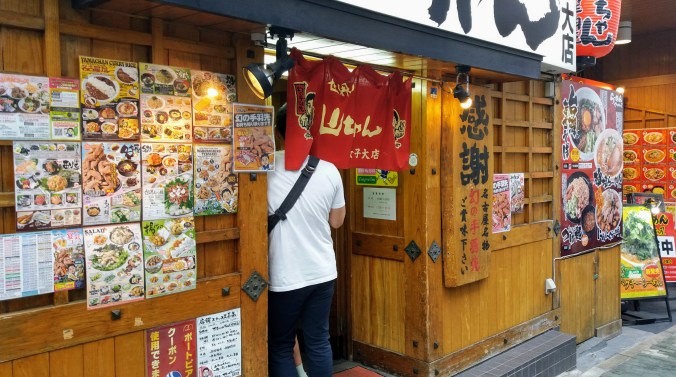 Our first famous food sight was Yamachan, a chicken joint that is usually so popular that wait times can be over an hour. Yamachan is famous for chicken wings. Initially, I was very skeptical since I get plenty of chicken in Korea, but when we arrived we were sufficiently early as to be able to get a table. We had to take the smoking section, but it was still clear air when we were seated.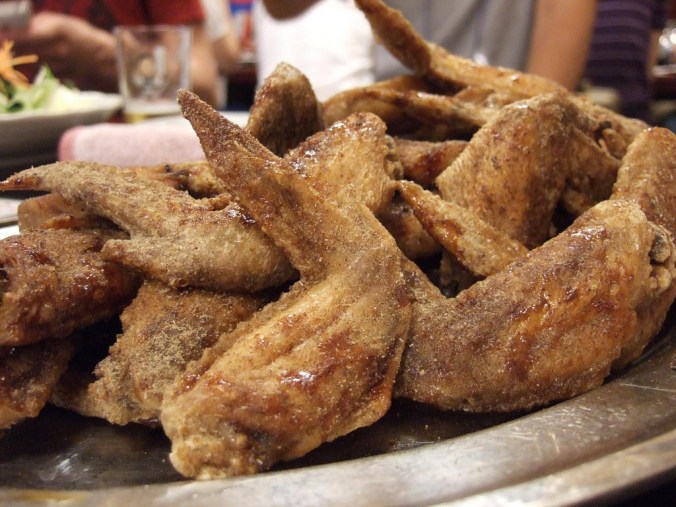
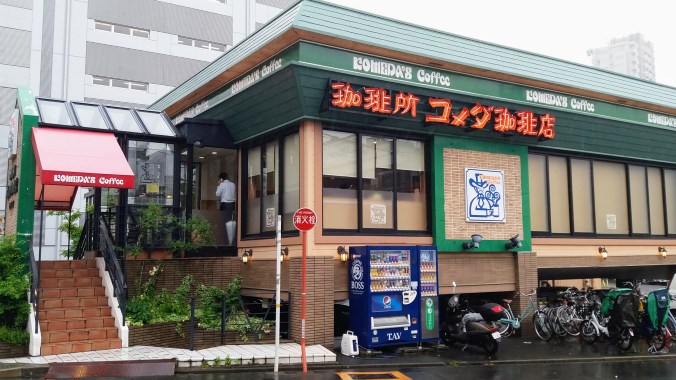 Amid the many things that I found to try while in Nagoya is the “morning service”. Many of the cafes around town have begun to offer a light breakfast (egg and toast or ogura toast) for free (“service” in Japanese) with any order of coffee. Sunday morning my friend and I headed over to Komeda Coffee. This cute little coffee shop is a chain restaurant famous for it’s special morning service of thick, fluffy, buttery toast and red bean paste, also known locally as “ogura toast”. While lots of places in east Asia love sweet red bean paste in pastry (I eat it in Korea all the time), Nagoya got famous for ogura toast by adding… wait for it… margarine! The sweet thick red bean spread with creamy salty margarine creates a unique Nagoya flavor that should definitely be on your “to eat” list. Plus, their coffee is pretty good.


 Even in normal restaurants, eel is one of the more expensive dishes. I tend to avoid buying it here in Korea because it’s often not prepared well. Nonetheless, it is one of my all time favorite Japanese foods. The “plain” hitsumabushi still had plenty of flavor. Of course the smokey, fishy unique flavor of the eel itself, but also a lighter version of the sauce it’s cooked with, as well as the vinegar in the rice. It had so much of what I look for in a good meal, I instantly knew the price was well worth it.
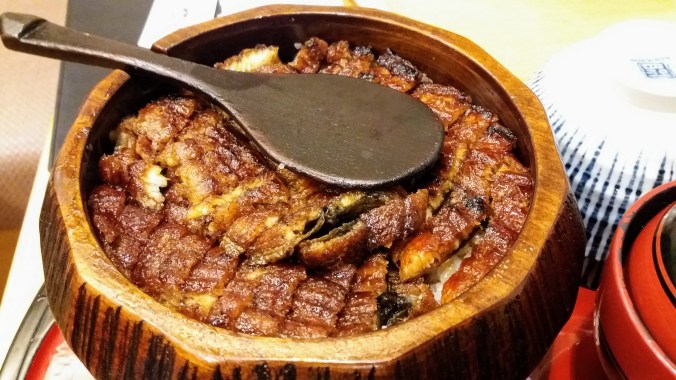 The second ¼ of the dish is meant to be served with the dry fixings provided in the little side box. In our case, we were given small slices of spring onions, thinly shredded nori (seaweed), and what very well may have been fresh wasabi. Most wasabi in the world is fake, sadly, it’s just green horseradish. Now, I love horseradish too, so that doesn’t usually bother me. I’ve learned a little about fresh wasabi from watching cooking shows and documentaries, but I’ve never had any. When I looked at this wasabi, I noticed the texture was very different from what I’m used to. Instead of a smooth paste, it had little shredded bits of plant matter.
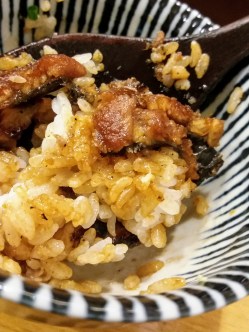 Round 3 we were instructed to replicate round 2 and then add broth. I don’t really know how to describe the flavor of the broth. It was also a little smoky, a little umami. I suspected there were some dried shitake involved in the flavor as well as some konbu dashi. It was nice, but for my taste it didn’t really add to the flavors the way that the spices alone had. Additionally, it drastically changed the texture of the dish, turning crispy eel and rice into a wetter soup. It was still delicious, and I’m glad that I was able to try all the different styles of eating hitsumabushi, but I was grateful for that final ¼ serving where we were instructed to return to whichever of the first three we had liked best and do it again!


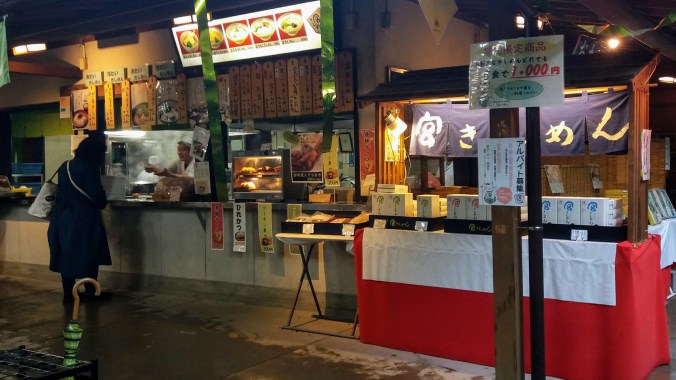


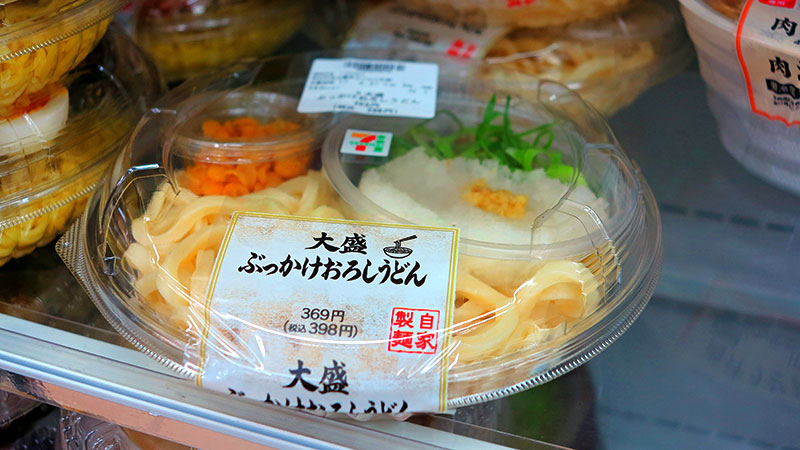


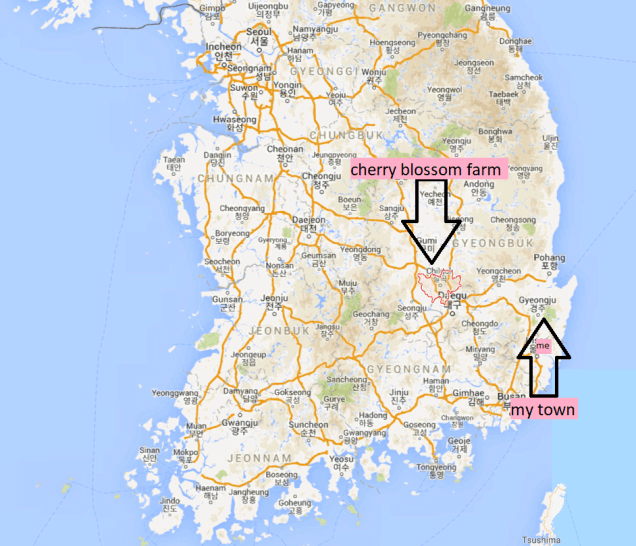
 The last two years of living in Korea has been cherry blossom heaven. I had amazing experiences at the nation’s biggest cherry blossom festival in Jinhae both years (
 Starbucks Cherry Blossom Frappuccino: This one is available in several countries. It’s a seasonal milkshake style beverage. I like that it wasn’t too sweet. I don’t feel like it tastes especially floral, but it’s pink and festive and fun, so why not?
 Cherry Blossom Soda: GS25 is a major convenience store brand here in Korea and they also have their own line of drinks and snacks. In the spring, they offer a couple of cans decked out in cherry blossom art. The pink can is a bright pink bubbly soda pop that wins hands down for the most floral flavor. It reminded me of drinking sweetened rose or orange blossom drinks in the middle east. I don’t know if it’s made from real cherry blossoms or if they use a more common flower to get the flavor, but it’s legit. My only complaint was that it was so insanely sweet I had to dilute it. I wanted to mix it with gin, but I haven’t found a local supply since moving here. I tried it with water, but that didn’t work well. Finally, I mixed it with milk, Italian soda style, and that was delicious.
 Cherry Blossom Grape Juice: The green can was actually my favorite drink of the season. Instead of a soda, it’s green grape juice with the same intensely floral flavor as the soda. It doesn’t have the crazy pink dye, or the bubbles. It’s a bit less sweet, and it has some tasty fruit jelly bits in the bottom. It was still strong, but I diluted it with just water and it was perfect. I’m thinking of buying a bunch to stash for the summer.


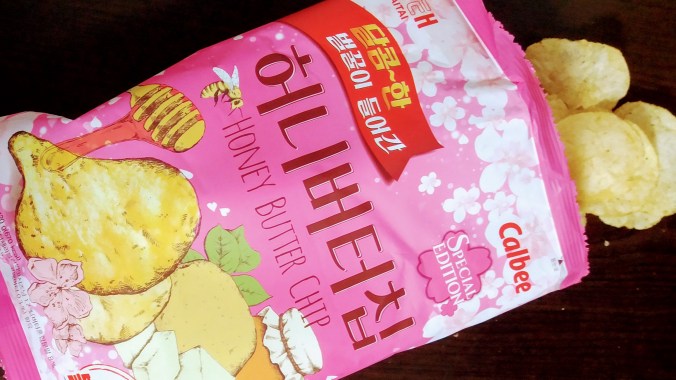
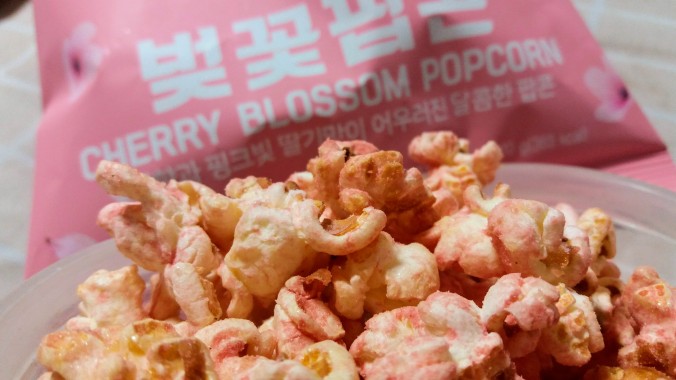 Cherry blossom popcorn: GS25 is a chain of local 24 hour convenience stores. The same brand that created my favorite floral soda and juice, as a matter of fact, and they didn’t stop at drinks. Amid the food offerings was a light pink bag of cherry blossom popcorn. This was my first find of the season this year and I wasn’t sure what to make of it. When I opened the bag, I was hit by a powerful and pleasant perfume making it clear that this was not merely pink popcorn, but genuinely floral. It was sweet and tart, with a base coat of kettle corn and a top note of something like Smarties. I didn’t realize at the time, but I suspect it was made with actual cherry blossoms. More later.




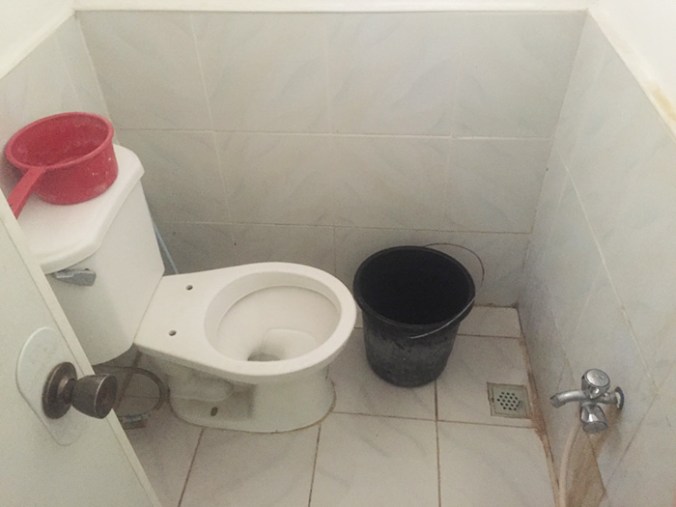
 There were no food delivery options nor any restaurants in walking distance and although it was my plan to rent a motor bike (scooter) for the week, I was waiting until my travel companion arrived on a her flight 4 hours behind me so we could handle both rentals at once. However, my breakfast had been a long time ago, and I needed something to quiet the growling tummy. As we reviewed our options, she mentioned hesitantly that there was a small convenience store just down the street where I could get some ramen. Done! She said she’d show me where it was and I expected it to be hidden or at least farther, but when we got to the gate of the hotel drive, she pointed at a sign barely down the street, less than 2 minutes walk.
 As the sun set, the lizards came out, and when I went back to the room, I was greeted on the porch by a gecko. It was maybe 6 inches long, not huge, but so unexpected I let out a little yelp, and Becca sent someone to save me. I insisted they did not need to shoo the little lizard away with a broom, but Becca said sometimes they bite. She also pointed out the tiny 1-2 inch lizards elsewhere that were totally safe. I asked if the gecko was poisonous, but it’s not, and it wasn’t even slightly aggressive, but I still kept a distance from the others I saw so as not to add gecko bite to my list of minor travel injuries.


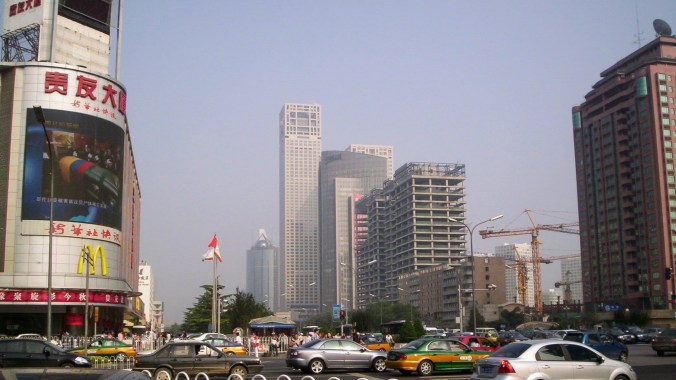


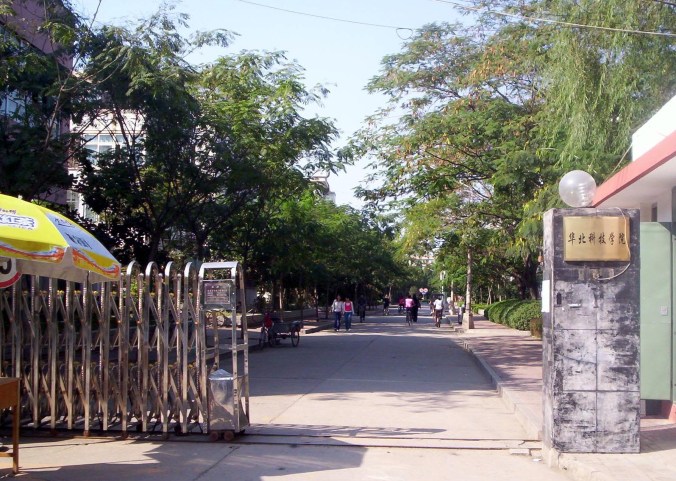
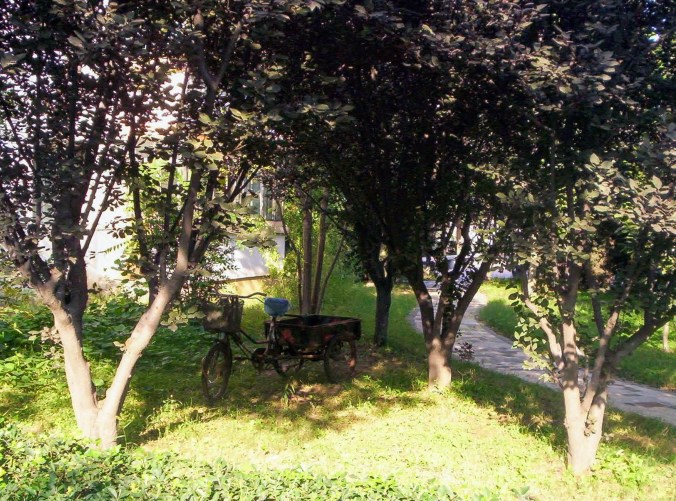
 And last but not least, the army kids. Some of you may be aware that military participation is mandatory in China. So all the freshmen, rather than starting their classes, are participating in military training, which seems to consist mostly of learning how to march in formation. They have been shouting outside the classrooms all week, and I often have to yell to be heard over them in class. I took some pictures of their drilling practices, and tonight I’m going to some kind of show which is being held in the football field (apparently that they’ve been preparing for, hence the yelling), that thing that looks like a bunch of colored squared on the north west corner of campus is actually a football field that they’ve covered with a plastic tarp and chairs. Ladies and Gentlemen, I give you, the People’s Army…


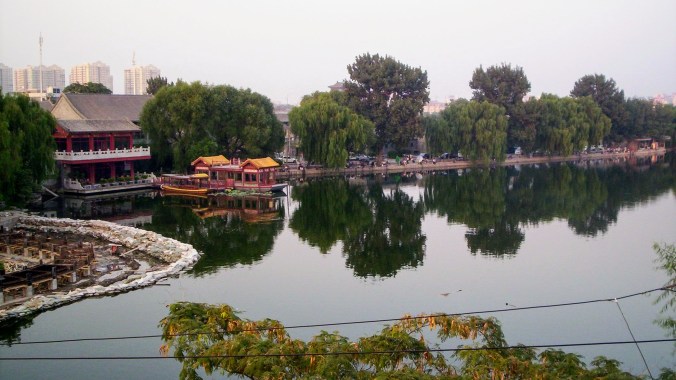



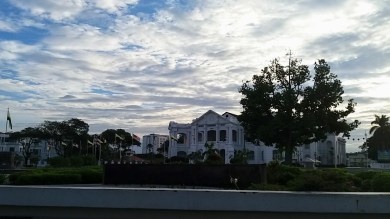 When I woke early that morning, I had only two main goals: to catch the morning train out of town and to track down the famous Ipoh “white coffee”. While chatting with the hostess the night before, she’d recommended a smaller coffee shop for me to try out instead of the main tourist one. She said that the Old Town white coffee shop had become too “Starbucks”, which as a Seattleite, I can totally relate to. (shout out to the
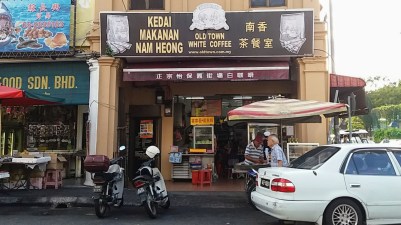 The town was very quiet early Sunday morning, so I enjoyed a leisurely stroll past some beautiful architecture and into the quaint “old town”. I had been advised to seek out a place called Nam Heong. When I found it, I discovered they sell the same brand of coffee as the high tourist cafe, which is simply called “Old Town White Coffee”. I have to infer that my hostess of the night before was referencing the atmosphere of the cafes rather than the coffee itself. Pictures I found online of the famous “Old Town White Coffee” restaurant show that it is a spacious and rather upscale looking place, geared toward the bougie and the Western tourist, while my experience in Nam Heong was a crowded hole in the wall filled with scurrying locals where I was the only white person. There probably is some difference in the drinks, since the brand itself was just the roasted beans, there’s almost certainly a difference in the price tag, and there’s a huge difference in local flavor. I don’t regret my choice for a minute.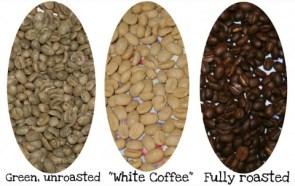


 (a side note on palm oil: don’t buy it. Seriously, I work pretty hard to be a responsible consumer. Palm oil is a product of major controversy right now because of the elephant exploitation in Thailand as well as the deforestation in Indonesia and Malaysia. It’s hard to exclude because it’s often improperly labeled, but please try to buy more sustainable and ethically sourced oils if you can. I was a little put out by eating it there, but in the end, my “locovore senses” took over and reminded me that if the Malaysians just grew enough palm oil for their own needs, then everything would be fine. It’s not an evil crop, but the high demand for it internationally has led farmers to damaging and unsustainable practices that harm the environment, and just so you don’t deride me for valuing orangutans over humans, the unsustainable farming practices are damaging the land and water those farmers and their families rely on, making the human future dim as well.
  My coffee and tart arrived promptly and were very inexpensive. The coffee was smooth and extra creamy (more than just because it was made with milk, I believe the palm oil roasting made the flavor smoother). While other coffee I’d had in Malaysia was aggressive in it’s “coffeeness”, slightly if pleasantly bitter, and coffee I’ve had in the US and Europe tends to have an acidic tang, the Ipoh white coffee was as smooth as coffee ice cream, but not quite as sweet. Also the tart was warm, flaky and not too sweet either. As a recovering HFCS addict, it can be challenging for me to find the balance of sweet that tingles my taste-buds without overloading my synapses, but I was left very satisfied by the experience at Nam Heong that morning. I shall think fondly of the coffee until one day I start my own tour company and make it a stop on the “Coffee of the World” tour package.
 As I got out of the taxi, I walked past a peacock that had either escaped, or was deliberately placed at the entrance for effect. The bird seemed unperturbed by the traffic. Even though I was a little early, the courtyard was packed full of tour groups and I had trouble pushing my way through to an info counter just to find out where to go. I stood in a long line as we all had our tickets scanned and everyone streamed into the Night Safari like the opening bell at Disney.
 I had missed the first fire show at the opening, but since it happened every hour until 9pm, I wasn’t too worried. I headed instead for the animal show at the advice of one of the zoo staff. This was just as well because the lines for the tram were insane. Being a lone traveler is sometimes advantageous, like when trying to find a seat in a crowded theater. I wedged myself in between two families in a fairly good spot and sat down to watch what I fervently hoped would not be an exploitative performing animal show. I was not disappointed. The “show” was largely animals being brought forward while the main announcer talked about the species being shown. There was humor and a few animal tricks, but these involved a large cat leaping, a raccoon going through a “garbage can”, and an otter doing some recycling (which may be one of the cutest things I’ve ever seen). The last one led into a great discussion of what happens when urbanization encroaches on
  animals habitat and on what we as humans can do to help better preserve the environment. I know some people might think it’s a little preachy, but I was personally gratified to see the zoo using it’s platform of animal entertainment to help educate visitors on conservation and preservation.
 ake in the fire show. Although the zoo website makes it seem as though this is some kind of traditional tribal fire dance, in reality it is a modern dance with a totally made up tribal sounding name. It was still fun and pretty, just not particularly traditional or historically accurate.



 Gallivantrix