So Long and Thanks for All the Thieboudienne

This is not a “fun” story of joyous tourism exploits and happy expat life. I had a lot of fun in Zanzibar, and I even had quite a few memorable good times in Senegal, even if most of them never made it into the blog. However, living and traveling in both places, I confronted some things that were hard to see, hear, think about, and know. I am personally both deeply pained and extremely grateful to have been smacked so far out of my comfort zone that it took me most of the year to process through denial, anger, sadness, and bargaining to reach a place of fragile acceptance. I travel to experience and learn, not just to have a good time. Though it is difficult, these aspects of a globetrotting life are just as treasured as my fun memories because they help me to understand the complex world we are all a part of in and to be a more compassionate human being to those around me.

The Stone Town Slave Museum 

Just as every historical tour in Europe has a section about WW2, every historical tour in Africa has a section about the slave trade. Zanzibar was the center of the East African slave trade, where slavers from the interior brought their captives by forced marches overland and a short boat trip to the slave market in Stone Town. The city where I live (Dakar, Senegal) has a similar historical site on Gorée Island, which is the center of the West African slave trade, and has a similar legacy of gathering slaves from the interior in one place to board on ships. Slaves went not only to the new world to work sugar, tobacco, and cotton plantations, but also to the Arabic world. These sites which commemorate the worst of humanity are not fun tourist attractions, but they are worth visiting because they instill a sense of reality that no amount of textbooks and documentary films can convey. You are standing where the people stood, both the boot and the neck. The blood is soaked into the earth and stones.

In the case of the Zanzibari slave trade, there existed a type of slavery before the growth of new world plantations exploded demand for free labor. Intertribal slavery between African (and indeed First Nations people in many parts of the world) was not uncommon, but it was a much smaller part of the economy. Prisoners of war were taken as slaves and although some were treated badly, some were integrated into the new tribe over a period of years. No version of slavery is “nice”, but I think it’s relevant to acknowledge how different slavery was in Africa before the foreigners got involved. Not only my guide, but a few other locals I spoke to there tried to excuse the West saying we wouldn’t have bought slaves if Africans weren’t selling them, and this is a level of internalized shame that I’m not ok with.

The increased demand for millions more slaves to serve in the Arabic peninsula and the new world colonies changed the entire dynamic of slavery and the economy of many places in Africa. The slaves that had previously been taken as prisoners of tribal skirmishes weren’t enough to meet the export demand and so a new industry emerged: to wage wars for the sole purpose of taking slaves. Government leaders also captured and sold their own people when they couldn’t get enough from “enemy” tribes. Slaves were forced on long marches with little to no food or water, and those who fell sick were left to die.

By contrast, the free people in Zanzibar prospered by collecting fees from the inland slavers as well as the foreign traders for every slave sold in their markets. When the West abolished slavery, the leaders in Zanzibar didn’t want to stop because it was too lucrative, even without the Euro-American market! The modern attitudes of hakuna matata and pole pole (no worries, and take it slow) on the island are likely a direct result of the fact that for centuries the islanders had to do very little work for the passive income of slave taxes to make them comfortable. Although they no longer sell anyone directly into slavery, the local governments in many places in Africa continue to exploit their own people in extreme ways in order to preserve the legacy of easy money their ancestors had in the slave trade days.

The slave museum in Stone Town tells not only of the horrors of slavery, but also of Livingstone’s mission of abolition. While some in the West may see Livingstone as an embodiment of the “white man’s burden”, many in Africa still praise his abolitionist efforts. Although it was the British government and navy that did most of the work of stamping out the slave trade, Livingstone’s published accounts of the atrocities of the slave trade in Africa helped spread discontent with the continuation of the practice. In American education, the end of slavery is often taught as something that just happened one day upon the signing of the Emancipation Declaration. Few white Americans know the history of the holiday Juneteenth (June 19th) celebrating the day the last group of confederate forces in Texas were finally uprooted, freeing the remaining slaves almost 2 1/2 years later. Even fewer know that the last slaves weren’t actually freed until 6 months after that with the 13th amendment. Almost no one I talk to knows that the 13th amendment didn’t end slavery for all – it’s still legal as a form of punishment for criminals in the United States.

The museum in Stone Town makes no bones about the lengthy process of eliminating slavery and the challenges newly freed slaves faced with no homes, no money, no family ties, and nowhere to go. Even after the Sultan finally caved to the pressure to stop the practice of selling slaves, he didn’t banish the owning of slaves for some time after. The women were the last to be freed because owners tried to claim them as wives rather than slaves, and the difference wasn’t easy to spot. Freed slaves were taken to “apprentice” at plantations where their lives were little different from they had been before; the only difference being their backbreaking labor was rewarded with meager wages and their food and housing came at a price. Freed children were sent to Christian missionary schools which molded them into “good” colonial citizens and converts. Slowly, the freed slaves were able to use their meager wages to move away from the plantations and missions, some to uncultivated land and others to the city for urban work. The legacy of the slave trade is long lasting for Africans everywhere, and museums like this help us understand not only our history, but our present — and hopefully help us to shape a better future.

The abolishment of slavery in the 19th century only made slavery illegal, yet it still continues to this day. Slavery exists in every country of the world and has dramatically increased in the 21st century. There are more slaves today than were seized during the entire African slave trade. While some countries have larger numbers than others, it is an issue that affects all of us.

Modern day slavery is defined as a relationship in which one person is controlled and exploited by another, usually by the use or threat of violence, for the purpose of profit, sex, servitude or the thrill of domination-deprived of free will, restricted in movement and paid nothing beyond subsistence. A slave may be kidnapped, captured, tricked or born into slavery.

Modern slavery is a hidden crime The International Labor Organization (ILO) estimates the illicit profits of forced labor to be $US150 billion a year. From the Thai fisherman trawling fishmeal, to the Congolese boy mining diamonds, from the Uzbeki child picking cotton, to the Indian girl stitching footballs, from the women who sew dresses, to the cocoa pod pickers, their forced labor is what we consume. Modern slavery is big business.

TYPES OF MODERN DAY SLAVERY

BONDED LABOUR
Workers who have received or are tricked into taking a loan and are unable to leave until their debt is repaid. Often times, children of bonded laborers must continue to work off the debts, leading to generations of enslaved families. It is the most common type of slavery today.

FORCED LABOUR
Any work or services which people are forced to do against their will under the threat of some form of punishment. Almost all slavery practices, including trafficking in people and bonded labor, contain some element of forced labor.

CHILD SLAVERY
Children who are used by others for profit. For example in forced marriage, prostitution pornography begging petty theft, drug tracing, labour, armed fighting or wives’ for soldiers. Usually, child slavery is accompanied with violence, abuse and threats.

EARLY AND FORCED MARRIAGE
Women and girls entering marriage without choice, forced to live a life of servitude often accompanied by physical violence and with no realistic choice of leaving the marriage.

DESCENT-BASED SLAVERY
The legal ownership of a person by another person or state, including the legal right to buy and sell them as any common object.

Products made by modern day slaves flow into the global supply chain and eventually into our homes leaving most of us unaware of our contribution in supporting it.

From the Slave Museum, Stone Town Zanzibar

A Talk With A Zanzibari Guide

My guide around Stone Town was a young man of mixed Arab and Swahili heritage (his mother is Arabic and his father Swahili) and I think had a unique perspective on Zanzibari culture as a result of living with one foot in two worlds while belonging to neither. When we reached the church at the slave museum, we sat down for a break from all the walking in 33C/UV11 weather and he opened up to me about his life. As with any personal account, I know that it’s his perspective and opinion, and not an objective truth, but I found it to be a fascinating conversation, and I’d like to share some of what he told me.

What he described to me was a life of codependency. I know Americans are extremely independent, and I’ve seen how extended family structures can bind young people in other countries often making them feel like they have no choice in what they study or who they marry. Yet what my guide explained to me of the family networks here, it is not only impossible to survive outside of one, the parents (especially fathers) can be very harsh, and abuse is normal. He shared his opinion that children need to have things explained to them because just hitting them makes them live in fear, so I hope that when he has his own children he will practice this. His parents are less bound by their own families. Both families disapproved of the mixed marriage, so they had to go it more independently. He feels very lucky to not be bound by the familial codependence he sees his peers trapped in.

Women have little freedom. He said most men have 2 wives (though they are allowed up to 4) because the first wife will be who his parents want him to marry, and the second will be who he wants to marry, which seems critically unfair to everyone involved. Women are encouraged to stay at home. Though young girls here are in school, many don’t pursue a degree after high school or have any desire to work outside the home. Parents pressure young women to prepare for marriage and think men will not want a woman who works (or possibly that a woman who earns her own money will put up with less BS from a husband?) My guide told me that many young women watch romantic dramas from around the world and get the impression that marriage will be a better life than getting a job, and are later very disappointed that it’s not true. My guide said hopes to find a wife who wants to work, not because they need more money, but because she wants something for herself.

Men are also trapped into a life decided by others. They must go into the career their fathers choose, marry the woman their parents select, and spend their salary to support their own parents, their wives’ parents, their wives, and their children, meaning a single salary supports up to 7 adults and possibly more than 7 children. Zanzibar is even more economically challenging because people from the mainland come over and do jobs for dirt cheap (140$ a month!). Mainlanders can send home 20$ and it goes a long way to support the family living there, while families that live in Zanzibar need 350$ or more a month just to scrape by. A gift of 100$ from a hardworking son may be seen as a trifle on the island but a fortune on the mainland.

Despite the fact that tourists are paying 100$/night for a hotel room, 100$+/ day on tours and god knows how much on food and trinkets, the average salary for the workers here is around 250-300$/month USD. Where is all this money going? The government takes big cuts in the form of double income taxes (Tanzania and Zanzibar each have taxes that islanders must pay while mainlanders only pay Tanzanian taxes), and licensing fees for anyone who wants to sell, make, display, tour, drive, etc. I saw an actual paddy wagon loaded up with unlicensed street vendors on their way to jail, and my guide said they’ll be right back on the street selling souvenirs as soon as they can. Once the government takes their cut, the owners take the rest, and the owners are mostly foreigners. Several guides throughout my stay told me with bitterness edging their voices about the new development on one of the small islands that was bought up by Indians. Locals never get enough money to invest in property or larger businesses which is a big part of what keeps them trapped in the codependent and often abusive family structures for survival their whole lives.

It reminded me also of a conversation I had with an aid worker who had recently returned from the Congo. The warlords there keep everyone in a state of fear and violence and poverty while reaping the rewards of the mining operations. The mining work gets priority even over subsistence farming, leaving the population without enough food to live on. Many African countries are rich in resources, minerals, fertile land, skilled labor, and yet so often it is mismanaged to benefit only a few while leaving the rest to struggle for less than scraps. There should be enough to go around; the scarcity is artificial. The greed is real.

Final Thoughts in Dakar

As I prepare this post, I am 4 days from leaving Senegal to return to the US. Although I would prefer to end my journey on a high note, I feel that would be disingenuous. Living, working, and traveling in sub-Saharan Africa has been one of the most challenging experience of my life so far, but as such, one that will have a large and lasting impact. In addition to the quality of life challenges, it has been an unending revelation of my own biases and privilege, which is a hard pill to swallow. My friends and family, in a well meaning attempt to offer comfort when I’m so obviously discomforted, have used phrases like “living nightmare” to describe the conditions here while saying they simply can’t imagine how anyone could live this way, and telling me how brave and resilient I am. But. These words are not comforting. I am a guest in a place that may be objectively lower on the international quality of life index (yes that’s a real thing), but millions of people still call it home.

People in Africa are struggling with the legacy of colonial war and exploitation that still colors the culture, language, economy, and even religion today. There is no doubt that centuries of foreign rule and resource theft has left deep wounds and little with which to heal them. However, the human spirit is indominable. The people born into this reality are aware of what they don’t have because one thing they do have is enough TV and internet to see the literal and metaphorical greener grass of the northern hemisphere. Yet, every day, they get up and live.

They collect water from a centralized source when the infrastructure fails. They wash clothes in buckets on the front stoop because washing machines are an expensive luxury. There are orphans begging in the streets who will become adults selling peanuts and candy on the roadside. Families struggle to pay high fees for substandard services offered by corrupt politicians and businesses resulting in unreliable electricity, water, and healthcare in even the most developed and cosmopolitan cities. Schools cram 100 students into a room with 20 desks where they learn without computers or enough books. The government of the most stable democracy in the region violates the human rights of its citizens when they complain too much.

But also. They cook delicious food which they share with friends and family when they celebrate holidays, marriages and births. They create music and art in any available space. They stay out late partying and take naps in the heat of the day. Christians and Muslims exchange gifts of food across faiths on their respective high holy days. People gather at public screenings to cheer wildly for their favorite football (soccer) teams and set up casual matches in any open lot or field. They love their children and help their neighbors. They march and protest for better conditions while carrying their national flags because they have national pride and believe their country is capable of more. They open salons on every street and work out in the evenings along the corniche because they take pride in their appearance and wellbeing. They splash in the ocean and laugh with the sheer joy of it. They bring color to the dry and dusty land with bright fabric prints and billowing swathes of bougainvillea that climb every wall and patio.

It is not a tribute to the bravery or resilience of visitors who temporarily partake in a life which so different from the one we were raised to. It is not a fairy tale of the “noble savage” that lets us imagine some kind of mythical innate goodness and moral superiority of the people who have less, and are making the best of it. It is not a whipping post for white guilt where we come to cry and wring our hands about the horrors of the past in order to feel better when we shop fair trade and have someone tell us how good we are for not being racists. It’s just people. The traumas of life affect everyone: individuals, societies, generations. I want to be able to acknowledge the past and honor the pain of another without turning it into inspiration porn or a hairshirt self-flagellation. What do you see when you look at someone who is living a life that you imagine would break you? What are you living with that might break someone else?

In Wolof, the greeting expression often translated as How are you? is “Nanga def?”, but it literally means Where are you?. In English, we have to answer that question with an adjective of value: fine, ok, great, not good, etc. In Wolof, you answer, “Mangi fi.” I am here. I am here.


Souvenir Means “Memory”

As an American/native English speaker, the word “souvenir” has always been associated in my mind with consumerism and with the temporary (and often disrespectful) tourist population. I spent part of my childhood living in Panama City, Florida, which was a huge tourist destination famous for it’s sparkling white sand beaches. Whenever my family would go out to enjoy the seaside, we were beset by sellers of overpriced fake key lime pie and tchotchkes made of seashells (which probably weren’t even from the local beaches). We joked about needing t-shirts that said “I’m not a tourist, I live here.”

I am never going to be the person who buys the shell encrusted picture frame or the novelty coffee mug, but I do like having unique keepsakes of my international homes as well as gifts to bring back for friends and family. For my friends, I’ve been gradually accumulating tidbits made from unique Senegalese materials and ingredients by small local businesses, but for myself I found an ethical, local, environmentally sound silversmithing class which seemed like a perfect way to combine a new experience with a physical representation of my tenure in Senegal.

The Existential Crisis Continues

Before I tell you about my cool souvenir experience, I need to talk some more about the (possibly culture shock induced) ongoing existential crisis that is living face to face with the legacy of the colonial and capitalist systems which benefit some at the expense of many. “Kaine, can you talk about Africa without going on about the ethics of it all? Can’t you just tell us the cool story?”, Nope. At least not yet. I don’t get a break from my brain feeding me moral quandaries, so neither do you. But the cool souvenir experience ties into the ethical discussion, and also I am trying my best to make it more “huh, I never looked at it that way” an less “moral philosophy lecture”, so hang with me.

The Global Supply Chain of Souvenirs

I noticed in Zanzibar that a lot of pan-African tourist goods on offer were not actually Tanzanian, being the same exact tropical island stuff I found in SE Asia complete with “Made in Thailand” tags. Even the more “Africa-centric” items like big 5 safari animal themed goods, and Maasai themed goods were not really helping the local economy since the raw materials and production were almost certainly outsourced, while most of the shops are owned by foreign investors. (the exception seemed to be hand painted artwork, which you can often see the artist create on the street)

It’s harder to tell how much of that is the same here in Senegal because Dakar is so much bigger than Stone Town, but it has been a challenge to find good souvenirs and gifts here that are genuinely unique and local. I’ve found that the majority of markets often only sell staples for living, and that many gift oriented markets offer imported items, while tourist oriented markets offer mass produced “pan-African” souvenirs which may or may not be made in China or by exploited workers in neighboring African countries. (the exception seems to be bespoke clothing and furniture, but these are way outside of my luggage size/budget limits).

Toubab Spaces

I only realized here in Senegal that the French word “souvenir” means memory in English, and I really love it because I am far more interested in a memory than a thing. My collection of physical souvenirs are all attached to stories of the experiences I was on when I got them. I’ve been trying to find memorable experiences in Senegal, to see, learn, touch, taste, listen and do things that help me to understand this place and people, but I have noticed that every time I find myself interested in or excited about a product, place, or event it’s probably actually owned by Toubab (the Wolof word for white people).

For example, I found an artisan chocolate shop which uses local fruits, grains, and spices, then I met the Belgian dude who is the half-owner. The woman who owns the other half is Belgian/Congolese, so at least there’s some Africa in there, but not Senegalese, and most Senegalese people couldn’t afford their chocolates anyway. The bar I go to is run by a French/Lebanese man who is super cool, and very dedicated to Dakar, but a foreigner nonetheless. My favorite restaurants are owned by foreigners (Italian, Mexican, Indian) and not just because I love those foods. I really like Senegalese food, but it’s challenging to eat at their restaurants for practical reasons like language barrier (they may not speak French), portion sizes (Senegalese meals are often cooked for groups to share) and “Senegal time” which means it could take 2 hours from the time you order to the time your food arrives.

It’s almost impossible for me to find products and activities that I want to enjoy which are owned and operated by Senegalese. I love to eat at the Senegalese faculty restaurant on campus because they are patient with my bad French, have single serving plates, and respect the fact that the faculty don’t have 2 hour lunches, but I don’t go there unless I’m already on campus. I suspect that Senegalese own and operate lots of small businesses, like all the corner stores, fruit stands, and small bakeries, as well as hardware stores, dry goods stores, and clothing shops, but with the exception of the occasional corner store run, I don’t shop at those places because I don’t need most of the things they sell other than food. My grocery delivery service specializes in selling from local producers, and it’s nice to be able to support local small businesses, but it’s not a souvenir in either the English or French sense of the word.

Cultural Exchange

When I was preparing to move here, my RELO told me there would be a lot of room for cultural exchange like dance lessons, or learning local music styles, local cooking classes, and so on. I was very excited. I don’t expect people to perform their culture for me, but I have become accustomed to being able to find at least a few people (or a government sponsored program) that want to show and tell, who are overjoyed to find a tourist that takes an interest. In New Zealand, I participated in a Maori tribal tour; in Spain I went on a cookie tour of nunneries; in Ireland I went to a trad music/storytelling night in a local performer’s home; Japanese ladies taught me their summer festival dance, Korean ladies taught me a tea ceremony, one of my Chinese friends taught me how to haggle at the market for the first time ever. In Zanzibar, I got to do a Swahili cooking class with a lovely Tanzanian entrepreneur and enjoyed a tour and history lesson from another local. These experiences are always my favorite parts of a trip, and they are usually not that hard to find.

Here in Dakar, I am better off watching YouTube tutorials if I want to learn how to make attaya or thieboudienne. People seem disappointed that I can’t speak Wolof, but I can’t find a class or really any help (one person sent me a pdf of common Wolof phrases, but no pronunciation guide, so again, better off with YouTube) I didn’t move here just to learn about it from my living room. I learned more Swahili in three weeks by chatting to locals than have learned Wolof in 9 months. I am making music, but it’s with other expats… they aren’t Americans at least, and not native English speakers either which makes it all the funnier that they love playing bluegrass covers of classic American rock songs (no, man, it’s “Tex-Arkana” not ‘Turkish-cana” Texas, not Turkey). I love it, it’s so fun and a wonderful way to feel like I’m part of a community, and although it is cultural exchange of a sort, it’s not with Senegalese, which remains a source of frustration 9/10ths of the way through this adventure.

Aid, Colonialism, or White Savior-ism?

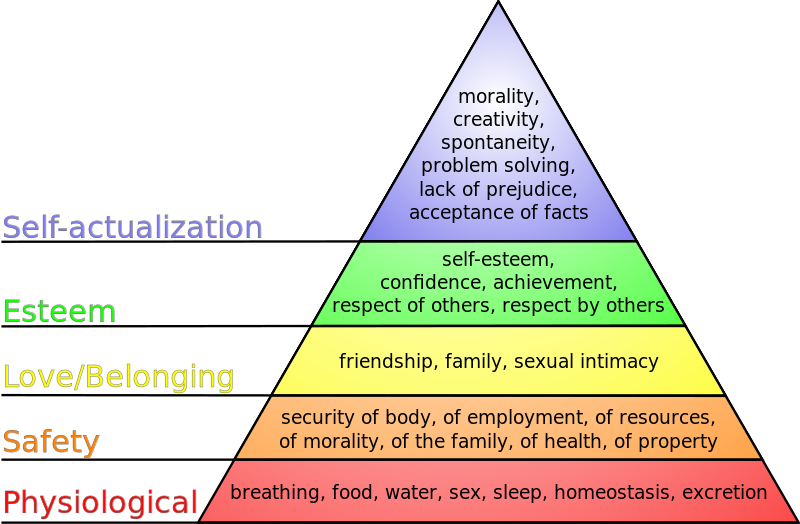
I have been struggling since my arrival with the role of foreign aid in Africa in general and the very difficult to navigate line between aid and neo-colonialism, or help and white-saviorism. I think that while there is no hard and fast rule, the general guidelines are not that different from Maslow’s hierarchy of needs. In my opinion so far, the closer to the bottom (survival) the need is, the fewer qualifiers we should put on giving it. If the man is currently starving, give him a fish. Once he’s well fed, teach him to fish, and so on. As helpers, our long term goal needs to be to help the group achieve self-sufficiency, but we may have to do some things for them on the way.

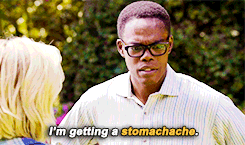
In addition, because those things cost money in our capitalist hellscape environment, that means we will have to publicize the helping to raise that money. I and every other English Language Fellow write little publicity blurbs every time we do something that improves the lives of locals so that Congress can see where the taxpayer’s money is going. However, we don’t call ourselves out by name, and we focus the story on the achievements of the locals. This is the needle we thread to help just the right amount while learning how to say, “no, we will not do that part for you” and also advertising for funding without exploiting anyone’s suffering for personal gain. Fun fact, Chidi Anagonye, the moral philosopher of The Good Place, was raised in Senegal. I feel like my ongoing moral tummyache honors the writers work.

Green and Pink: The Cool Story

The Pink House (Maison Rose) is run by an older French woman and funded mainly by a French charity organization, but it serves a very real need in the community for women escaping domestic violence and sexual exploitation. They have an embroidery workshop where local Senegalese women are employed at a fair wage to hand embroider designs for (mainly French) fashion houses which are committed to raising the quality of life for women in West Africa. It still sounds slightly like a sweatshop, but I am assured that the women are paid fairly, and that for many if not all of the women who work there, not just the money but also the work itself are a huge part of their recovery and financial independence as survivors.

The Green Wave Jewelry shop has only recently started, but their goal is to provide free 3-month training courses to women from Maison Rose, and to then employ them to make the silver jewelry and “sea plastic” home décor items that they sell. The shop is committed to using natural and recycled materials, so their silver is all recycled, the materials for the molds are washed up from the sea, and they even use ocean trash plastic in a beautiful way (sea plastic, lol). The project is designed to give the women a skill which they can not only parlay into a viable economic opportunity, but also something that can build their self-worth back up.

They told me that although things have been slow going, they are selling enough product to train and hire another round of women this fall, plus they hope to hire one of their trainees as the new workshop manager to run things when they are travelling around Senegal or back to the UK. Finally, the fact that foreign founders don’t put themselves front and center on their social media is a good sign that it’s more about the impact than the image. See, I told you the experience was connected to the ethics. Now, let’s make a cuttlefish ring!

Did You Say “Cuttlefish Ring”?

The silversmithing workshop takes place for 5 hours over two sessions (2.5 x 2), and you get to choose if you want to do the sand technique or something called the “cuttlefish” technique. I looked at examples from the Instagram, and decided the cuttlefish was more my style, but I also was deeply intrigued by why it was named that. I guessed (correctly) that the sand technique was casting in sand, which although I’ve never done personally, I see videos of people making jewelry that way on TikTok and Facebook all the time because the algorithm knows I love watching people craft things in condensed 1-2 minute chunks. I very purposely didn’t investigate this jewelry technique before going because I wanted to be surprised, so everything I’m sharing here, I learned at or after the workshop.

What is a cuttlefish? One of the first questions asked in the workshop was quite reasonable, since although most of us have likely seen these creatures in a nature documentary, we may not know them by name. They are similar to squid, but have a calcium carbonate “bone” (a cuttlebone) that helps them keep their shape and change their buoyancy. When they die, the hard internal structure is left behind and they wash up on shore by the dozens. Cuttlefish have natural predators, but humans enjoy them too for both their high quality ink (that squid ink pasta that looks so pretty in photos?) and for their meat, which is an excellent substitute for calamari. You may have even seen cuttlebone in a pet shop or a parakeet cage before since they are often placed in with the birds to supplement their calcium intake and give them something to gnaw on besides their owners fingers.

Why are we using it to cast metal? The cuttlebone technique may be one of the older metal casting styles around, coming originally from the Mediterranean and traveling upward into Europe. There are examples of belt buckles made in this way in Germany dating back some 1200 years or more, but some antiquarians think the technique could be as much as 5,000 years old.

It’s super easy to carve or press shapes into it, and it’s harder on one side than the other, so the “outside” stays in a solid shape, while the softer “inside” is carved out. But that’s not really it. The way that the layers of calcium carbonate – also called aragonite – form beautiful wave-like patterns in the finished product, not unlike tree-rings. No two are ever alike because it’s an organic process that preserves the life of an organism in precious metal. Neat! The cuttlebone that Green Wave uses is generally that which has washed up on the beaches of Senegal and other neighboring West African countries.

Workshop Session 1

For the casting technique, you need two smaller or one larger (or I guess if you want a Texas sized belt buckle, two larger) cuttlebones. Green Wave had cut ours in half before we arrived. We then learned about the hard and soft side, and how to sand the soft side flat until the two pieces could press together as tightly as possible. That was the basis for our mold. We all sifted through a bowl of rings, mostly made of brass or steel, in order to find the size and style we wanted to use. The model rings were plain and unadorned, just to get the general shape. They told us it’s better to choose a slightly smaller model (foreshadowing) since there will be a later step that files some silver out of the interior. I chose a square ring in a size that would fit well on my index and middle fingers.

With the rings chosen, we learned how to carefully but forcefully press the ring halfway into the newly flattened surface of one of our cuttlebone halves. This is harder than it should be, given how soft the material is. I accidentally broke part of my cuttlebone while pressing in, and thankfully it was a chunk off the larger half towards the top, and we were able to smooth out my initial impression with more sanding and move the placement further down. Unfortunately for me, the narrow end of the cuttlebone is harder and more dense, so instead of a smooth pressing, I had to take the ring out and remove the compressed aragonite dust with a paintbrush like an archaeologist.

Once I got the ring model halfway submerged, I added some ball bearings at two corners (to help align the two sides of the mold) and then gently placed the second half again and pressed some more until the two halves touched and the ring model was completely encased. The dust or powder left behind can also be used to polish jewelry, so doesn’t have to go to waste.

The next step was definitely the most interesting because we took our archeology paintbrushes and went back to the gentle and painstaking work of removing all the powdered remains from the mold. When I first removed my model, the indentation was smooth, and I still hadn’t really realized the link between the cuttlebone and the finished jewelry I’d seen in their shop. Then as I brushed away the compacted dust, the beautiful striations of the cuttlebone began to emerge like layers of sediment in rock. The tiny intricate lines were mesmerizing, and more beautiful than anything I could have thought to carve on my own. The tiny brush was uncovering a lifetime of growth a few grains of powder at a time.

Step 4 was to carve the funnel via which the molten silver would enter the mold. This part was actually the most nerve wracking because we had all spent a painstaking 90 minutes creating the ring mold, and a misstep in the funnel could wreck the whole design. However, our teachers were very patient and kind, encouraging us to take smaller cuts if we felt nervous, and never once made us feel rushed or stressed. The funnel was more technical than I expected since it not only needed to direct the silver into the mold without disrupting the natural cuttlebone pattern, it also had to work with gravity to force the silver all the way to the bottom, and with shape, since silver doesn’t like to flow at sharp angles.

The very last step was to create teeny tiny air vents that would lead from the bottom of the ring mold to the top, once again working with physics. The silver will flow, pushing the air down, meaning the channels have to start at the bottom, but air prefers to go up, so channels that run down or to the side may invite the heavier molten metal, leaving air bubbles in the ring. These final tiny tunnels are made by gently smoothing away a groove that aligns with the existing grooves of the cuttlebone pattern, then arcing it upward once it’s a few mm away from the ring impression. Then end result looks a little like a daddy longlegs spider got smooshed in your cuttlebone. After a final brushing to get any lingering loose powder out, we put our two halves together, assuring perfect alignment with the ball bearings, then taping them together tightly with masking tape.

The Molten Silver

It was a little disappointing to realize I would not be pouring the molten silver myself, but it’s probably for the best. Considering how long it takes to master the act of carefully pouring anything into a tiny space without spilling, the addition of molten to the equation means bulky gloves, long tongs, and heavy protective clothing, not to mention huge liability. Would I have liked to pour it myself? Yes, but I’m also happy knowing that one of the Senegalese trainees will be doing the pouring on my behalf. Also, since it takes a long time to heat the silver to 1000+ degrees Celsius, and then also cool off enough to go in the cooling bath, the employees do this part between the two workshop sessions. They were, however, kind enough to take some unique video and photos of my ring during the process.

I was surprised at how small the workspace actually is. The smelter which heats the silver is no bigger than a Keurig, then they have a small crockpot to keep the food grade acid that is used to cool and clean the silver, and a cake pan full of dirt that holds the mold in place and provides a safe splash zone. They make the pour look so easy, but I am assured it is something which requires a lot of practice not only not to make a molten silver mess, but to make sure no air bubbles mar the finished product.

When the mold comes apart, you can see the scorched cuttlebone and all the excess silver. The large chunk on top is the funnel and gets sawed off (though part of me could not help but think that it might be fun to deliberately make a funnel that could stay as a chunky decoration). The wispy lines are the air vents, which are so thin and delicate, they can be broken off by hand. By the time we all returned for our second and final workshop, the rings had been cooled & sawed, and were ready for the finishing touches.

Workshop Session 2

Disclaimer, I took far fewer photos in the second workshop because it was a lot more intensive and focused work. During the the first workshop I had a lot of breaks and down time where it was easy to grab my phone for some photos, but during the second, my hands were busy busy busy.

The very first thing I noticed was the insane amount of texture that my ring had captured from the cuttlebone. One of the reasons I chose a square ring was that I liked the side pattern more than the top/bottom pattern and I wanted to maximize the texture variety of the finished product.

Next, we learned the 4 stages of the jewelry finishing process: 1) brass brushing, 2) coarse filing, 3) fine filing, 4) polishing. The brass brushing is a way to remove any other bits that stuck to the ring during the molding process or acid bath. It’s the most aggressive scrub brush you could imagine, and it’s very important to keep the ring wet while brushing. It can be done on and off during both the filing stages, but has to be finished before the polishing. I thought my ring was fairly bright silver compared to the others in the pile, but a little brass brush scrub revealed even shinier metal.

The filing is both physically grueling and mentally satisfying. We start off working on the area where the funnel was cut off since it’s the largest. For people with round rings, this was a smaller area, and involved making the cut blend smoothly into the rest of the ring. For me and the other person with a square ring it meant filing one entire side completely smooth. I toyed with the idea of doing just the part that the funnel had attached to, but it didn’t look as good as the examples they showed us of the fully smoothed side. They showed us two methods for filing, one using a wooden brace attached to the table, and the other using your own foot (a more traditional method that probably works better if you have calluses).

Once we had the funnel edge smoothed, we then worked the interior. Again, at first, I thought I might like to leave some texture on the inside, but as I worked the sharp edges down, and slid the ring on to test size and comfort, I realized that the flatter interior was more comfortable. So, in addition to smoothing one whole exterior edge, I did the interior as well.

They had advised us to choose rings which were slightly small for the mold making process since filing would give it extra size, but mine was still a bit snug once the interior was smooth flat, so they offered to put it on the ring stretcher. This when the its-not-a-disaster-its-a-bonus-lesson accident happened. My ring cracked. I didn’t know silver could crack! I knew that things which were forged or joined with solder might crack due to flaws in the material or process where two different things connected, but I thought poured silver would be like poured concrete and just — be all one piece? But something to do with the physics of the liquid metal means that sometimes the spot at the funnel where the two sides of the pour meet can be a bit weak.

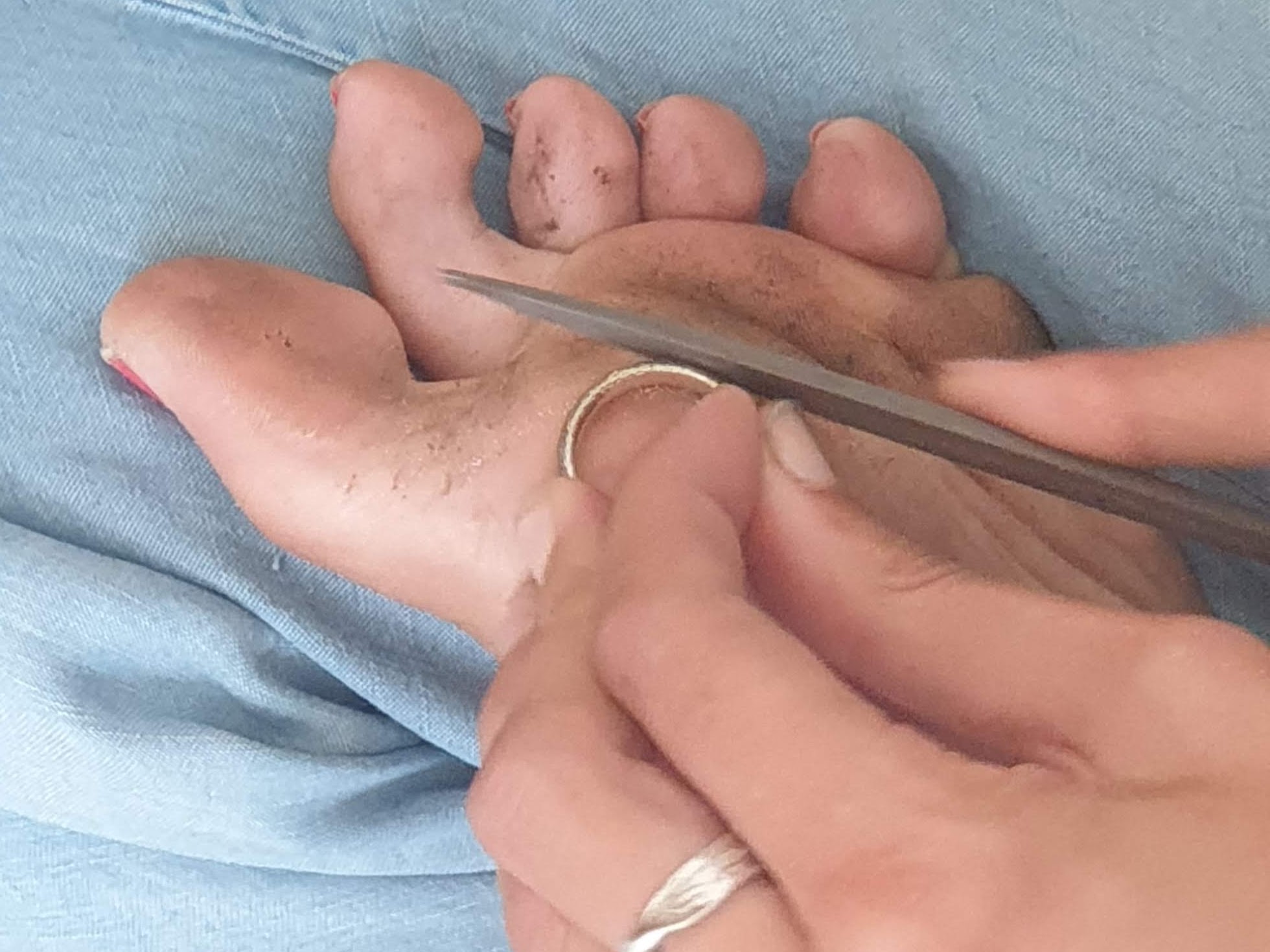
In the end, it’s best that the ring showed this flaw before I left the shop because they had all the tools on hand to fix it. I got to watch as she broke out two types of solder and a mini blow torch. I’ve seen and even used (a long time ago) solder for electronics, but no one cares if electronics are pretty, so I associate solder with lumpy grey metal. This silver solder is a copper silver alloy that matches the ring and even with a hairline crack, the heat causes the solder to sort of suck up into the flaw, like a straw, aka capillary action. So when the temperature gets into the goldilocks zone, you can see the lump almost vanish. A cooling acid bath and a little filing, and there’s no sign of the repair.

The fine filing is done with a series of smaller files to work on any tiny edges which might be left from the air vents or an inexact alignment of the two halves of cuttlebone. It’s almost entirely invisible unless you are looking with a zoom lens or magnifier, but taking the very tiny square or sharp edges and making them rounded and smooth has a big impact on the comfort while wearing and keeps the ring from snagging on skin or clothing.

Last but not least is a polishing process that engages 4-6 types of sandpaper at ever increasing fineness from 240 to 3000, ending with a silver polishing cloth. The end result is that your filed areas have a mirror shine, and your textured areas are free of poking-out bits.

I’m happy with my finished product as both a piece of jewelry and a memory. It’s a unique souvenir of my time in Dakar which encapsulates many aspects of my experiences here: the chronic quest for cultural exchange, the inescapability of toubab spaces, the long road to understanding my ethical role in aid-centered activities outside my own country, and my struggle to find meaningful projects. Plus, it’s pretty.

Manifestation Dakar

It’s no secret that my tenure in Senegal has been a challenge. I got back from Zanzibar at the end of February feeling like I might have a chance at emerging from the blackest depths of culture shock rejection into the somewhat calmer waters of acclimation. I found some new friends; I met some local teachers who wanted to involve me in their professional development activities; I enjoyed the spring weather; I was excited about finally having real classes at the vet school where I might see the same students on a regular basis and be able to develop rapport enough to learn about their lives, and I was really looking forward to the new project my RELO said she would help me start doing more teacher training at the Embassy. My new outlook was to be short lived, however, as just two weeks after returning to Dakar, the troubles started.

Some Context: 2000-2022

Senegal is considered to be West Africa’s Most Stable Democracy(TM), and has been enjoying the very relative peace and prosperity that comes with that honor for about 23 years give or take. The first “free and fair” election held in an independent Senegal was in the year 2000. Before that, elections were limited with by things like bans on any kind of opposition to the sitting president, limited voting rights, etc. Before that they were French occupied, so… Anyway, that first president freely and fairly elected from an opposition party, and peacefully transitioned into power held his office from 2000 to 2012, when the current president, Mackey Sall took over. Cue the drama.

Senegal has an electoral system in which if no candidate wins a clear majority, a second round of voting (a run-off) happens between the top two. Sall was #2 with 26.5% and the incumbent was #1 with 34.8%. Then Sall went around to all the other candidates who lost and said ‘hey, if you tell your supporters to vote for me, I’ll change the presidential term from 7 years to 5 years, and implement a 2 term limit’ (things a lot of people wanted). It worked, he won. Then he decided maybe his first term wasn’t the best time to change the term length, so he served 7 years and won the 2019 elections, in which his biggest opposition was barred from running over some legal trouble. Sall won that largely uncontested election with 58% of the vote.

In 2020 Sall suggested he might run for a third term after all, just six months after signing a law which abolished the post of Prime Minister of Senegal, (consolidating his power as president) and this made people understandably upset. Ousmane Sonko had already gained some popularity in the 2019 elections, and was making a lot of noise about the trend of power abuses going on. In 2021, Sonko was arrested for alleged rape, sparking the first wave of the current protest movement. Clashes broke out again in June 2022 after authorities invalidated the opposition party’s candidate list for the legislative elections, and that unrest also resulted in several deaths.

Spring 2023: The Trial & The Appeal

Fast forward to 2023, Sall was accused of defamation for talking about corrupt officials and brought to trial. The new charges were seen as an attempt to once again remove Sall’s biggest opposition from the race, and a third wave of protests erupted in mid-March (just two weeks after I got back to Dakar).

  • March 14: My teacher’s meeting was postponed from the 15th to the 22nd to make room for the protests. Email alerts started coming in from the Embassy describing the unrest and cautioning Americans to be extra careful.
  • March 15: The email alerts become more serious as the day wore on, warning of road closures, looting, and tear gas.
  • March 16: A “stay home” stern request from the Embassy was issued, and the University cancelled classes. Updates of the situation described burning tires, shop looting, police shooting tear gas, protestors setting up barricades, fires set on state owned buses, and shops burning. The trial was postponed two weeks because Sonko was injured while getting to court
  • March 17: Amnesty International published an article explaining the key issues and human rights violations
  • March 20-22: A teachers’ strike called for the release of the teachers who had been detained and arrested at the protests.

This experience was a little scary and disruptive. My classes were cancelled, the professional development events were put on hold, and I chose to skip out on social events because I didn’t know how bad it might be in some areas of town. The local pub owner (a long term expat) gave me a bit of a hard time about it, saying it was really blown out of proportion, but it was hard to get accurate news because journalists were being arrested. Eventually, my school and many others simply decided to start spring break early rather than deal with the uncertainty of safety, road closures, or online learning.

(Do not even get me started on the crazy privilege that is telework/tele-education in a country like Senegal with limited access to the internet and technology, rolling blackouts, service cuts, and overall poverty. People tell me they did it during COVID, but given how awful that was in Korea which has the wealth, technology and free public Wi-Fi all over the place, I do not imagine it was a success here.)

In the rescheduled trial, Sonko was found guilty of defamation, but his sentence was basically a slap on the wrist that would not prevent him from running in the upcoming elections, and things settled down for a couple weeks until the appeal trial started in mid-April, resulting in more protests and more cancelled classes.

Meanwhile, I was still trying my best to live a happier and more well adjusted life in Senegal, clinging to my post-Zanzibar mood renewal. I had a few classes that weren’t cancelled where I really enjoyed the students cheerful attitudes and learned a small but treasured amount about their own lives and cultures (not all my students are Senegalese). I went out for meals with friends and returned to the pub for trivia and karaoke. One especially memorable night when karaoke was suspended for Ramadan (out of respect for the neighbors) we gathered around the pub owner and a band mate with a couple of acoustic guitars and sang for hours. I struggled still with the school resources (not enough) and the overall quality of life in Dakar with it’s rolling blackouts, random water cuts, and rampant indoor insect population, but I was getting better at finding balance.

Ramadan ends in the holiday of Eid al-Fitr, called Korité in Senegal, which started on April 21st this year, and there was a 5 day celebration, so protests were less intense and people were in a better mood for a while, but it also meant that instead of my classes being cancelled for protests they were not scheduled because of the holiday. It went: protests, spring break, protests, Ramadan, protests, Eid — meaning that I only saw students a couple of times during the spring if at all. In some cases I went as much as 6 weeks between meeting with a group of students from one class to the next.

May 2023: the Next Trial

Sonko was next facing the trial for the rape allegations laid against him back in 2021. This is a touchy subject because it is important to believe women and hold sexual predators accountable, but also, it does look quite shady when there is a pattern of Sall’s political opponents being subjected to legal attacks that removed them from the elections. That trial date was set for the end of May. In the run-up, we saw smaller protests and demonstrations around the city. Classes were cancelled yet again as more and more students attended demonstrations on campus, attracting police responses in some cases.

What I now know is that Sonko was tried in absentia and although acquitted (found not guilty) of rape, he was found guilty of “corrupting the youth” and sentenced to 2 years in prison. I am not a lawyer, and even if I were, Senegalese law is different from the laws of my home country. However, there are some elements of the story that cast doubt on the legitimacy and legality of the proceedings.

In absentia assumes the defendant chose not to come, but Sonko has been prevented from leaving his home by government forces surrounding and blockading him in. These same forces are also keeping all visitors out and restricting his access to phone and internet connections, including his with his lawyer. Is right to council not a thing here? Is this not a textbook example of unlawful detention? Also, he was convicted of a charge that he wasn’t on trial for, which again, just seems like poor jurisprudence to me, but I’m not an expert. I look forward to a time when I can read a detailed explanation filtered through some legal experts to clarify it all.

At the time, however, I was oblivious to all of it, barely paying attention to the reason behind the clashes beyond “more election stuff”. Social events continued even when classes were cancelled. We had a really great turnout at the Embassy when we reopened the American Center to the public and had over 450 Senegalese in attendance. I thought it was all just small demonstrations localized to the campus and a couple neighborhoods. Even when my scheduled Embassy event for May 31st was moved online, I just thought it was an abundance of caution. I was so tuned out of the social climate that the day after this very controversial court ruling, I went out for my regular Thursday night on June 1st.

June 2023 : Dakar is Burning

The ride up from my apartment to the pub that evening was eerily devoid of traffic, and the usually bustling business strip where my pub lives was almost empty. It was deeply freaky and made me question my life choices. I had drinks with two New Yorkers and one Saudi diplomat (the only other customers in the place so we sat together). We noticed that social media was not loading, but chalked it up to spotty service. When it was time to go home, I realized there were zero cars on either ride share app, so I overpaid for a taxi home along more eerily empty roads.

Once home and on my Wi-Fi network, I got error messages from Facebook until I turned on my VPN. Further poking around showed me that not only Facebook and Messenger, but also Instagram, TikTok, Twitter and WhatsApp (the primary method of communication here) were not working from Senegalese IP addresses, but I had no way to know the details until the next day when I found confirmation that the government had initiated a social media blackout.

The next few days were intense. The streets were empty; the shops were closed; motorcycles were banned on the streets; the police, gendarmes and military were out in force. I saw videos of SWAT clad police holding children in front of them while they hurled rocks and tear gas canisters from behind their human shields. At least 16 people died, many due to the use of live ammunition by police and government forces against protestors who were armed with nothing more than rocks and boards. More than 500 people were arrested, many in arbitrary arrests which further violates human rights.

The internet blackouts went from social media to all mobile phone data access, meaning that once I set foot outside of my Wi-Fi range, I was cut off. Most Senegalese didn’t even have Wi-Fi access. Students were fleeing the burned and ravaged campus, trying desperately to get buses back to their family homes, but many didn’t have the money for tickets and were cut off from receiving digital money transfers or crowdfunding options. The university closed indefinitely. This CNN One World video may be the best English language video coverage I have seen about the situation.

It was scary to be in the city knowing all this was going on outside my apartment walls, and yet I was objectively safe. I live in a quiet neighborhood with no banks or large shops nearby. We are not a target area. I had Wi-Fi and VPN access to the internet and social media. I had been on a grocery run a few days before and was well stocked upon food and bottled water. My friends asked if I could leave and it was hard to explain that I was safer inside than trying to get to the airport (that road being one of the target and occupied areas). I spent the days alternating between numbness and panic attacks, trying to follow the story in case it changed and I needed to get out suddenly, but also trying not to let the flood of news and images send me into a spiral.

Although the main campus had closed, the veterinary college where I teach (English) tried valiantly to remain functional, sending out schedules and announcements through the weekend. They tried to move classes online, but the government shut down of mobile internet made it impossible, so they suspended classes for the remainder of the week. I worried about my students, where they would live without access to student housing, or what they would eat with the campus cafeteria closed. Especially I worried about my foreign students from neighboring West African countries who might be more accustomed to violence and instability, but are far from their families and support networks.

The mass arrests and extreme crackdowns did result in quieter streets, but as more and more foreign news agencies and human rights watchdogs were able to sort out the details, international pressure mounted. On Monday the 5th, I ventured outside to visit my local boulangerie and supermarche and I was encouraged to see traffic, including taxis and horse cards, street vendors, and construction workers. By Wednesday June 7th, the mobile data was restored, but social media remained blocked for another day. That Thursday, the Anglophonic expat community gathered for trivia night at the pub and generally tried our best to shake it off, knowing that the troubles were far from over, but finding relief in the breath of normal we could take in the moment.

There were planned gatherings for that weekend, but the government officials denied them permits, citing improper paperwork and public welfare, finally resulting in a general ban on all public demonstrations.

During the worst of the violence (June 1-3) the main university campus was ravaged. Buildings including the library and archives were burned, and the campus remains closed. My vet school is physically very close to the UCAD main campus, but isn’t large enough to have attracted any of the destruction. So, while the university remains closed with courses suspended, my school resumed online functions, reserving in person meetings on campus as deemed necessary for practical courses and oral exams, but limiting it to the hours of 8am to noon. We are now in the final week of the semester, and my English classes were bumped from the schedule entirely to make way for the make up courses of core curriculum, which is honestly just as well because I was really struggling with how to make the content viable online to students with limited access to technology and internet.

Waiting for the Other Shoe

We are fast approaching the holiday of Eid al-Adha, called Tabaski in Senegal, which is a big one. I read an article that sheep and goat farmers were considering not bringing their livestock to Dakar if they didn’t get some assurances that the violence would stop. Sacrificing a sheep or goat is a big part of the holiday celebrations, so they’ve been breeding extra stock and rely on the income to survive the leaner months. I don’t blame them for not wanting to risk all that; however, I’ve seen a LOT of extra goats around town in the last couple days, so I’m guessing they worked it out.

The population may have settled on a decrease in tensions for the holiday (June 26-July 1), but everyone knows it can’t last. Sonko is still under unofficial (illegal?) house arrest, having not yet been arrested officially nor officially presented with his sentence. The administration is under investigation internationally for human rights violations and the use of excessive force against it’s own population, and Macky Sall has floated the idea of pushing the election back a further 2 years (giving himself a second 7 year term instead of the newer 5 year limit) all while refusing to adhere to the 2 term limit he himself helped to establish (claiming that his first 7 year term shouldn’t count towards the limit because that law was not in place when he took office). This space opera is far from over, and as far as I and many others living in Senegal are concerned, this temporary and fragile peace is just waiting for the drop.

More Resources & Articles:

Nine dead as protests rock Senegal after Sonko jail sentence, Al Jazeera
Ousmane Sonko sentenced: Why are tensions flaring in Senegal?, Al Jazeera
In Dakar, “it’s the intifada” after the conviction of Ousmane Sonko, AfriqueXXI
Thread for a better understanding of the current situation in my country, Senegal, @UsseynuTAAL
Demonstrations: “The situation is under control”, Agence de Presse Senegalaise
Senegal: Violent Crackdown On Opposition, Dissent, Human Rights Watch
Their marches banned by the prefect of Dakar, Seneweb.com

The Museum of Black Civilizations

Happy 2023 and year of the Rabbit! I am sad to say my holidays were marred by an illness of unknown cause, a risk of travelling to any new geography where one’s own immune system is naïve to the local microbes. However, I’m bouncing back and getting my new year groove. My first tourist visit for the year was to Le Musée des civilisations noires, and now I’m here to share it with you.

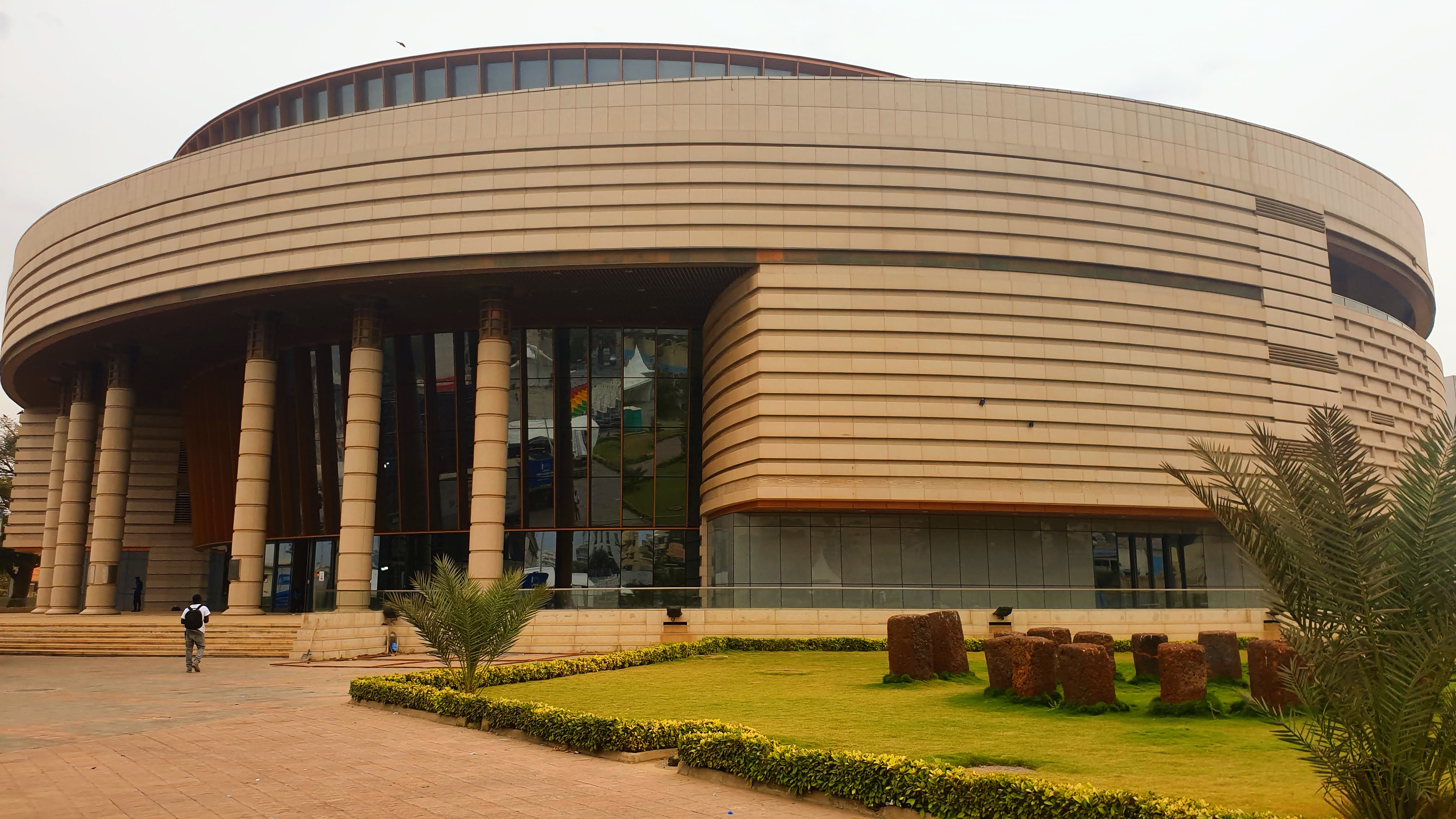
If I could describe the Museum of Black Civilizations after my visit in one word, it would be: aspirational. The museum itself is an enormous building with — as one might say to a child who’s pants need to be rolled up — room to grow. I was initially disappointed with the experience because it has so much hype, but after doing some follow up research online about the history, I’m a little more impressed, and a lot more sad.

It opened in late 2018 with a substantial contribution from China to the tune of $34 million (an especially revealing number since the estimated construction costs were 30mil?) and was built with over 150,000 ft2 (14,000m2) of space over 4 floors to display more than 18,000 exhibits (I have no idea how they reach that number given the varity of size and display needs, but that’s what they say). In 2019 it was hailed on TIME’s list of the World’s 100 Greatest Places.

The museum was built in large part to give a big middle finger to the French (and other colonial countries that … I tried to find a nicer word, but … r*ped the continent). For context, there’s a lot of pushback from European museums about returning the looted treasures and artworks of colonized African cultures. They argue that without sufficient quality display areas like climate controlled museums that it would be irresponsible to return the fragile artworks to the countries they were stolen from. This is a real hot-button issue with lots of discussion about what constitutes ownership and stewardship, especially when discussing artifacts that affect all of humanity like early hominid remains or artifacts that were looted by rival tribes/kingdoms well before they were stolen by colonial masters, but the way I see it, if you just took that thing from someone’s great-grandpa less than 200 years ago and his family is still there, it really should not be a debate.

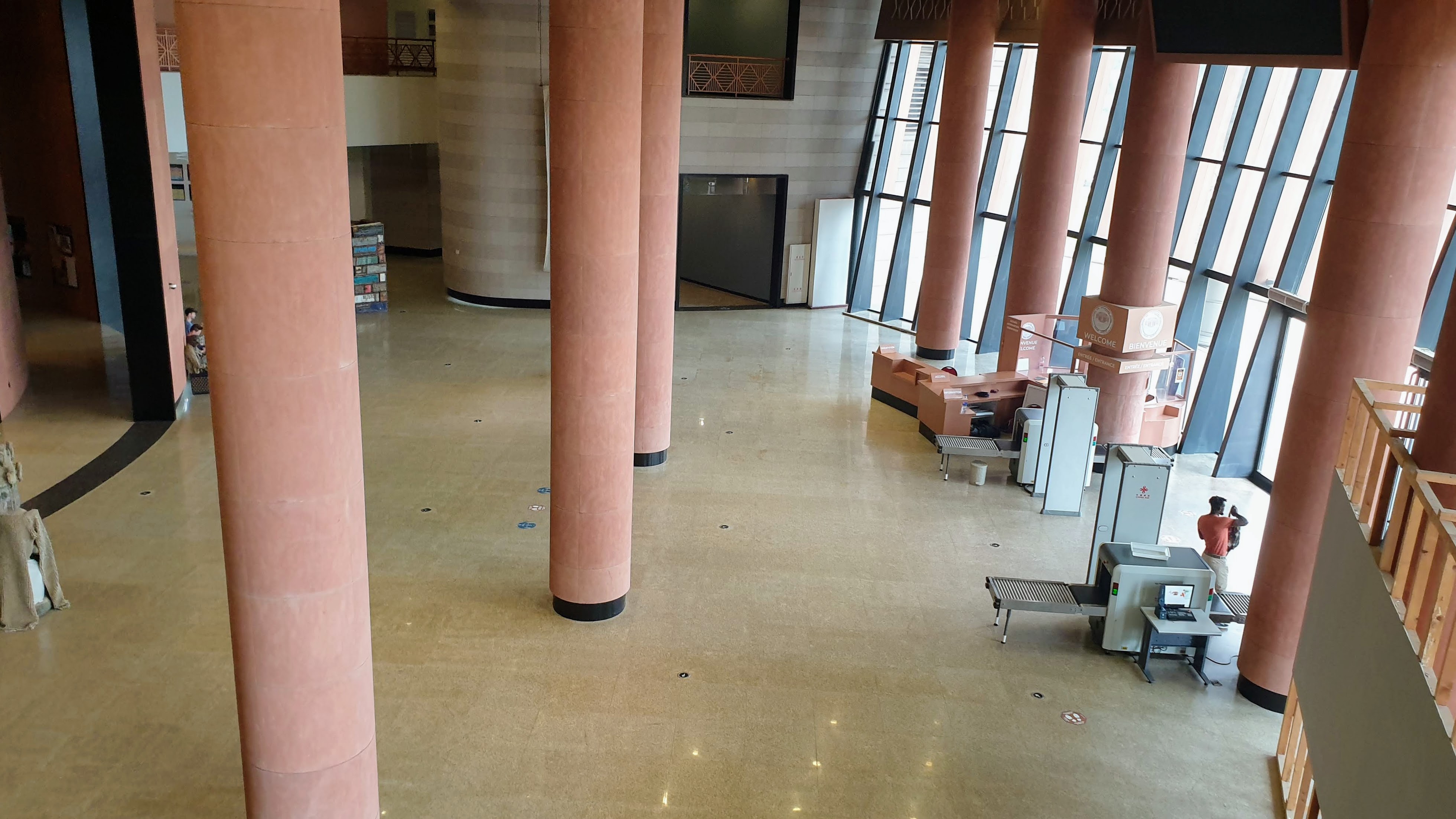
Regardless, the construction of Museum of Black Civilizations was meant to allay all the concerns that the artifacts would not be properly cared for or displayed in Senegalese stewardship, and France made some conciliatory noises that they would work on giving stuff back. Then before that could be finalized, “ohhhh global pandemic, hands are tied, guess we can’t now”. Fast forward to 2023 and that museum is like a grocery store after a storm alert – empty.

The Ground Floor

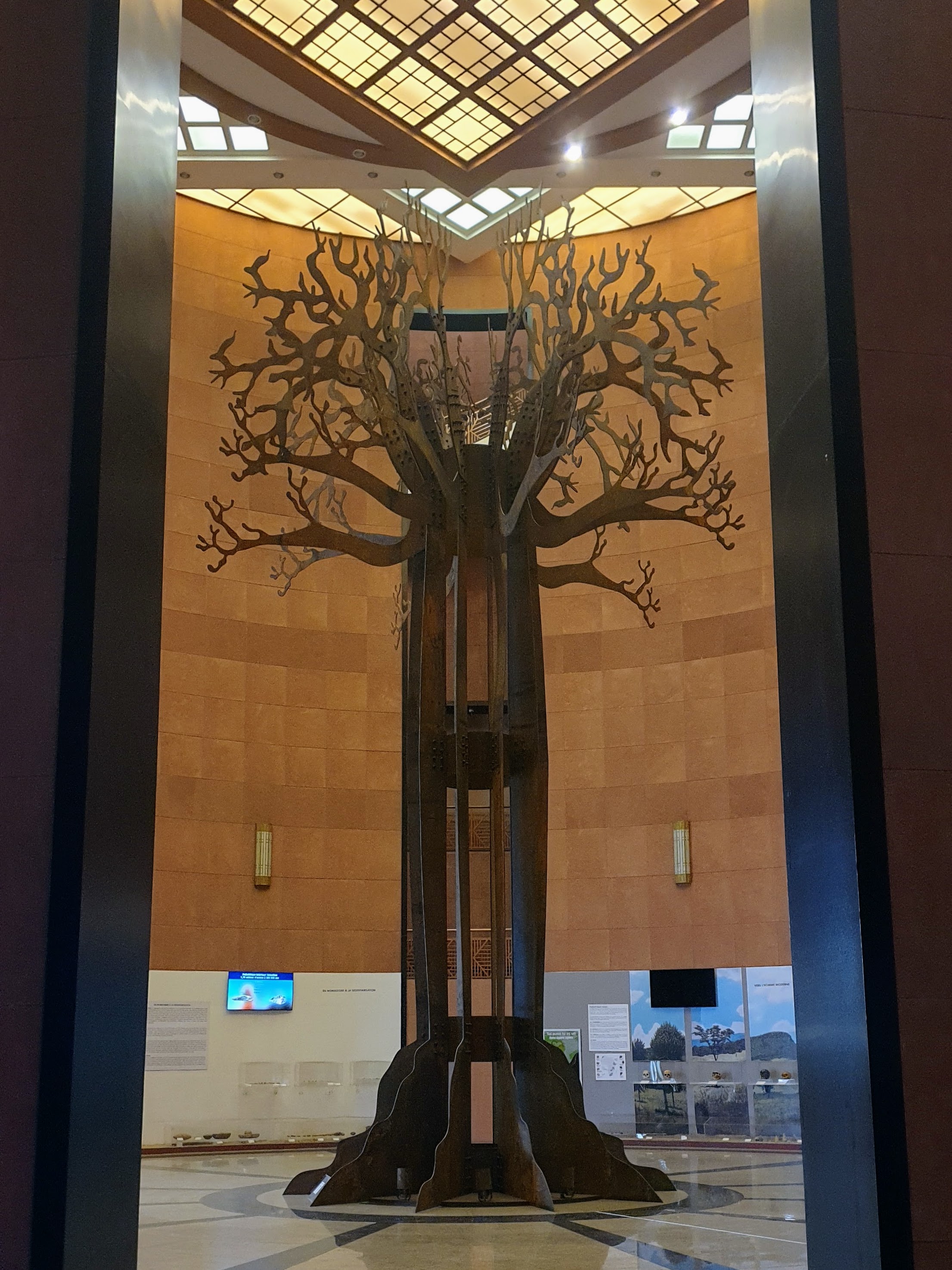
The first thing you see (aside from the vast empty space) is “The Saga of the Baobab,” a metallic tree by the Haitian artist Edouard Duval-Carrié in the center of a display about the cradle of humanity aka the “Out of Africa” hypothesis which shows strong evidence that modern day humans evolved in and migrated from the African continent something like 300,000 years ago. There’s debate about this too (I don’t mean creationism) because some fossil evidence has been shown that other versions of humans existed in other places around the world as much as 1.8m years ago. I get a headache when I try to follow the scientific debate because all the versions of hominid are based on bone fragments and mitochondrial DNA. I don’t blame the museum for sticking to a single scientific hypothesis in their presentation, but I was a little let down by the presentation itself.

The vast majority of the exhibit is printouts and blocks of text (French only!) on the walls with a few scraps of skeletal remains under glass. I strongly doubt that these are actual remains since it is the standard practice of museums everywhere to put replicas on display because of the delicate nature of the bones. It’s a cool story to tell, from the origin of the first bipedal apes through “Lucy” and on to the Neanderthal and Cro-Magnon, but it didn’t seem especially unique. One thing I was really fascinated by was this Neanderthal skull because it clearly shows that the front teeth are rounded instead of edged. I remember being taught that our front teeth were made for cutting (cone shaped teeth are for puncturing, gripping, tearing hence why all the carnivores have them) and our molars which are more square are for grinding. It made me really curious about the unique tooth shape of the Neanderthal and what that means about their diet. It was neat to see up close.

The other feature(?) of the first floor was the contribution of African cultures to science and technology. When the greeter at the door told me about this I was really excited. I feel like this is a very under-taught area of global history, and I strongly hoped to learn some things. Even after this, I still hope there are things to learn. However, the exhibit was a real let down. While the cradle of humanity section was maybe 60% wall of text and photos, the “science and technology” section was easily 99%. In addition, other than the origin of smelting iron (a huge contribution to human culture, no doubt) most of the rest of it was limited to Egyptian contributions which could be argued to be a part of the Greek Classical world. I stan negritude and black excellence, but I want to see more than “Egypt did a lot of cool stuff” when we talk about the history of African contributions! Also a museum heralded as one of the best in the world and maybe the best on the continent needs more 3d models. Printing a Wikipedia page on the wall does not a museum exhibit make.

The Next Floor

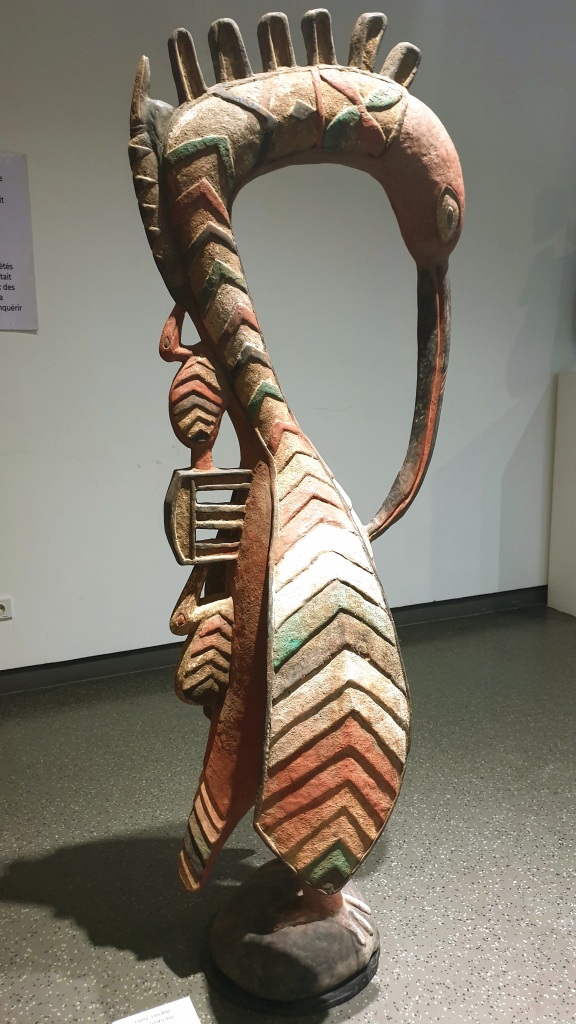
The elevator lets you out at a room full of recovered pan-African artifacts. Which is… cool? I guess? I know it’s the museum of “black civilizations” so all of Africa and the diaspora included, but I am curious as to how many of the countries whose artifacts are on display gave them willingly? With all the controversy about France putting stolen Senegalese artifacts on display in their museums, I expected more Senegalese focus here. I also would have liked to see some “graciously donated by…” or “on loan from…” signs on those foreign artifacts to reflect the value of only displaying other culture’s property with permission. I was also let down by the lack of context for the items on display. Most of them only came with a card saying something like “mask from Nigeria” with the materials and size listed. Nothing about when it was made, what it was used for, how it related to the culture at the time or now or anything. It was fun to look at, but it left me with a bit of an empty feeling.

The next section was called “Les Appropriations 2022-2023” and was about the presence of monotheism (Judaism, Christianity and Islam) in Africa. I am interested in this kind of thing, but it was hard for me to get through when again 70%+ of the display is a printed a Wikipedia article on the wall in French. The most interesting part of the exhibit on Judaism was a photo of African (black) men in yarmulkes. Christianity was mostly about Egypt (the Coptics) with a few references to the African officiants appointed by the Catholic Church. I was most interested in the Islam section since I know sub-Saharan Islam is quite different from Arabic/North African Islam. I even captured all the French text to peruse at my leisure later with Translate to help me, but it was still really basic. I actually think the Wikipedia entry on Sufism has more information. Also, since Islam is pretty iconoclastic there was an even higher ratio of wall-text to object display in that section. There was a whole wall dedicated to the teachings of Sheik Ahmadou Bamba who is a really fascinating historical figure in the fight for Senegalese independence, but if I had not known that about him before going to the museum, I wouldn’t have figured it out from the display.

ART

The next section was the highlight of my experience at the museum. However disappointing the first floor was, the modern art section made up for it in spades. The “Africa Now 2022-2023” exhibit was stunning. Everything I dreamed of for a beautiful modern African art exhibit was turning it out. Art that really made me feel things and think things and go WOOOOOW. 

The very first painting at the entry was just a punch in the gut, but so beautifully done.

Yrneh Gabon BROWN, Troubled Waters, mixed medium

I enjoyed a range of colors, materials, styles and subject matters, and as with all modern art, I didn’t “get” all of it. I tried to capture a few of the ones that either reached out to me or just were photogenic. The huge wall mural was only ‘meh’ to me until I got up close and realized it was made of a mix of African print fabric scraps and garbage, which made it suddenly a huge statement about the trash problem I’ve been noticing literally every time I walk outside. Trash isn’t only a local problem. A lot of the “developed” aka rich countries in the world export their trash to poor countries, so basically there are places around the world being paid (not much) to become our landfills. The practice is slowing down mostly because the countries receiving the garbage are saying “no more”.

There was also a field of oversized cotton made of metal and … cotton. I know it’s oversized because I used to live in a place where I drove through cotton fields on the regular, I know how tall it grows. This cotton was enormous and I think the choice of size and material really spoke to the impact of the cotton industry on the slave trade and the decimation of Africa as well as to the diaspora.

If there is ONE artist you look up after reading this let it be Malaika Dotou Sankofa. I don’t know why these jumped into my soul the way they did, but these photographs are amazing. The juxtaposition of African prints and western clothes, the angel in broken and shabby environments, and sure the model is easy on the eyes too.

Environmental Awareness

The last section of the museum was a corner dedicated to environmental awareness called l’incivisme or “incivility” that opened in December of 2022. It had informative displays and photos about environmental preservation projects like the great green wall (a multinational effort to plant trees and ground cover along the border of the Sahara desert to keep it from expanding). There were displays about pollution, garbage, over harvesting lumber, lack of clean water, traffic congestion, noise pollution, and public hygiene. It suggested a strong sense of self-reflection and a desire to improve living conditions in Senegal and on the continent in general. It makes me happy to know that there’s a local movement about it, but also a bit sad that it’s relegated to a tiny space at the top corner of the displays.

I also went up to the third floor just to see if I could. It looked like maybe it was used for meetings or celebrations. It was quite empty, but I could see a stage and risers as well as a lot of blank walls that hoped to receive more art someday. There was a nice balcony with a cute view, but it felt very surreal being in this vast space that remained totally unused 4+ years after the museum opened.

Like most of Dakar, Senegal, and West Africa that I’ve experienced so far, the museum of black civilizations was a mixed bag – I’m glad to have the experience, but most of the feelings I come away with are difficult and heavy. I’ve been to a lot of museums in my life from the Smithsonian to tiny hole-in-the-wall unairconditioned rooms in the backwaters. I know that money can go a long way, but in the end the displays need to be unique, interesting, and educational. I am glad that Dakar has this building because it’s the first step in the reclamation of their historical treasures, but right now, the museum is more a testament about what black civilizations have lost rather than a display of their achievements. Hopefully it will live up to it’s aspirations someday.

Senegal Time: a Road Trip & a Conference

The Fellowship is so much more than just a job. It’s an ongoing series of projects which are loosely connected by the theme of English Language and Cultural Exchange. The project for the weekend of December 10 was the 25th annual conference of the Association of Teachers of English in Senegal (ATES). Like everything else I’ve experienced here, it happened on a timeline all it’s own.

T-minus 1 Month: November 8th-28th

I received the call for submissions in my inbox. If you recall, my arrival in Senegal was marred by a minor crisis of housing, and at that time I was in my 4th temporary housing situation, living with the Fulbright English Teaching Assistants. That was also the week I got my first real details about what I would be doing at the Veterinary School, and it was at the same time I was given a Zoom meeting project to organize and direct. When it happened, I didn’t fully appreciate what I was getting myself into, but since the submission was a 100 word abstract due by November 20th, I decided in the end to go with a variation on the workshop I’d designed for my most recent professional development course, “Training of Trainers”: how to use TikTok to motivate ESL learners. Decision made, I moved on with the very grinding work of designing the materials for the school (needed by Dec 5) and the Zoom debrief (Dec 3).

It may be relevant to note that my brainstorm for this TikTok workshop was at that time entirely theoretical, since I had only encountered TikTok videos when they were occasionally ported over to my Facebook feed. I didn’t actually install TikTok until I was preparing for this conference. I could have done something for both the class and the conference that I was more familiar or experienced with, but I wanted to use this Fellowship to really push my boundaries and try new things. Mission accomplished.

I had a fair amount of emotional rollercoaster over this process as well. Despite how long I’ve been teaching abroad, I haven’t actually given very many presentations to peers in my career. Teaching is a daily presentation, but professional opportunities like this are just not things that have come along often. I worried that my topic would be too different, but then I also worried that it wouldn’t matter what I proposed because I’d seen as the “foreign expert”. Then the RELO made it seem like the submissions process was more exclusive because they were limiting the number of foreigners to make space for local presenters (which would have honestly been great because I don’t want to be chosen just for being American, and I really don’t want to take a platform away from a Senegalese teacher), and then it turned out there were not actually that many submissions anyway, so probably didn’t matter.

I turned in my material on time (November 20) and was expecting to hear back by the 25th (their own deadline for announcements). In the mean time, I moved into my new apartment, kept working on my materials for the school and Zoom debrief, and put the conference on the back burner, unwilling to prioritize mental and temporal resources to it until I knew whether I would actually be presenting or not. Friday the 25th came and went with no news, and I waited patiently until the following Monday to write and ask. With less than 2 weeks left, I was told everyone who submitted was accepted. Way to make a girl feel special.

T-Minus 10 Days: November 28-December 8

I finally knew that I would be presenting and started on the process of travel plans. Particularly since the RELO from the Embassy and other ATES teachers from Dakar would all be going, I thought that there might be some kind of assistance or direction in how I would get to this conference. I was so very wrong. I have made my own travel arrangements in many countries, often “off the the beaten track”. This isn’t usually something I balk at, but I had come to appreciate the deep difficulties involved in transit here in Senegal which are like nothing else I’ve ever experienced.

I tried to get more information from the conference organizers about the location of the conference within the town of Kaffrine, or any advice on hotels or transportation options, but they simply referred me back to the Embassy staff who had no answers either since they were provided a US Govt issue driver. To make matters more fun, although Google Maps showed several hotels in Kaffrine, only one even had a website and that website was a photo and phone number. Booking and Airbnb had no listings for the town at all. Booking a hotel online would not be possible, and yet I didn’t feel comfortable going without a reservation since this was “the largest” conference for English teachers of the year, and we thought the nearby hotels might all be booked up. Silly me. (also that railway station marked so optimistically on the map is a shut down relic of the colonial past. no trains)

That Wednesday, November 30, I met up with the Fulbrighters to hammer out the reservations. I don’t know if I would have been able to do any of this without them. They are both much more fluent in French than me, plus one of them speaks passable Wolof and has a local boyfriend. This turned out to be a big advantage in the “getting shit done” arena. She called the main car service in Dakar and they were willing to drive us to Kaffrine on Friday (Dec 9) for 85,000CFA (140$USD) but they refused to send someone to Kaffrine to pick us up the following Sunday.

I considered the possibility of renting a car and driving it myself. I got my international driver’s license before leaving the states and verified it’s valid here. I wouldn’t want to drive in the city, but the countryside seemed ok, and for 140$ I felt like we could rent a car for 3 days and then we wouldn’t have to worry about getting back and forth between the hotel and conference either. However, I didn’t know if there was any reason that the Embassy might disallow it, so I called the RELO to ask. I left the conversation with the impression that it was technically allowable for me to rent a car, but by then the Fulbrighters had turned up more information on the rental situation, and the availability of automatic transmissions here is even less than in Europe. I really need to learn to drive stick. We put car rental on the back burner as an option of last resort and got back to searching.

Talking to the other Fellow in St. Louis (also about 5 hours away from Dakar) I learned that the ATES teachers there were planning to rent a bus as a group to drive down on Friday, and I tried to reach out to the ATES leader in Dakar to see if they were doing the same. When we finally did get an answer back (several days later), we found they planned to leave Dakar in the wee hours of Saturday morning rather than spend Friday night at a hotel. The conference was set to start at 9am, and presentations at 11am. I couldn’t imagine leaving Dakar at 4am Saturday to just barely get there in time. Additionally, the Embassy has strong feelings about us not being on the road after dark.

We checked on the Dakar/Kaffrine bus route via an app called Yobuma; however, the daily bus going from Dakar to Kaffrine was not matched by a daily return, and we would not be able to get a return bus until the following TUESDAY. We looked also at Kaolac which had a better bus schedule, but then realized we still didn’t know how to get between Kaolack and Kaffrine. Finally, we gave up and called the Senegalese boyfriend for help. He got in touch with a driver he knows and we finally got a quote, 120,000CFA for the round trip with A/C. That’s 195$ for those playing the US currency game.

Africa is surprisingly expensive: I can’t really wrap my head around this. I have taken buses, trains, and rideshare cars all over the world, and that’s just an insane amount of money to get to a city 5 hours away and back. The previous week I’d done some internet research about tour groups to various sights around Senegal and was shocked by the high prices, but it seems like that’s just what drivers cost around here. Travel really is a luxury. Additionally, it blows my mind that the conference was set in an out of the way place. I understand the desire to move it around the country each year, but the neighboring town of Kaolack would have been far easier to arrange both transportation and lodging for.

Thankfully, the hotel was much easier. A simple phone call in French got us room rates and basic information about things like air conditioning and payment options. Single rooms were 30CFA (about 45USD) per night. We booked the rooms with relative ease, although, again, I’m sure if I had to do it on my own, with my terrible French, it would not have been so easy. I had hoped to use this trip as a way to learn more about how I might go sightseeing, but all I really learned was how expensive and difficult everything is when compared with nearly every place else I’ve been lucky enough to travel.

I spent the next week juggling plates as two of my three projects came home to roost, and I frantically tried to create the visual accompaniment to my presentation in between. It’s not enough to just say TikTok is useful for motivating students, I had to figure out a way to show a room full of older teachers who had also likely never used the platform themselves how to use it. I also had no idea if there would be internet at the conference, so I planned to download every example video and be able to make the presentation offline if needed. In addition to finding a wide cross section of TikTok videos to use as examples. Every waking hour that week from December 1-8 I was working, either with students, in a meeting, or on my laptop at home scouring the corners of the internet for data, commons license images, and TikTok videos, all while frantically trying to practice the speaking portion and timing over and over to be sure it made sense, flowed, and fit in the available time.

T-Minus 1 Day: December 9th

Friday the 9th finally arrived. We were expecting the driver around 11:30am. Sometime around 11:15 I got a message that he was running late because of traffic. The ongoing stream of messages for tardiness continued for the next 2.5 hours. The traffic in Dakar is truly awful, but it shouldn’t have taken more than an hour to get from one place to another, and any driver who’s worked here for more than a week should know to plan for the traffic. All things considered, I didn’t expect him to actually be on time, but I didn’t think it would be more than 30-45 minutes delay.

By the time we got on the road, all of us were very frustrated. Our goal of getting to Kaffrine before dark was entirely impossible now. The conference schedule (which I’d received only a day before) indicated a cultural event on Friday evening at 5pm that I was looking forward to attending, and felt disappointed that this delay by our irresponsible driver would make us miss that. In addition the traffic to get out of the city was truly insane. It took us over an hour to go the 15km to the highway, adding even more time to our estimate.

The ride itself was not unpleasant, especially once we got out of the city. The sun was glaring, but the driver had agreed to run the A/C for our quoted price and so we were fairly comfortable. We had some road snacks and enjoyed watching the baobab trees and cows throughout the countryside. I took some video of a small town we passed through which was fairly representative of the journey. In English, I’d use the colloquialism “one horse town” to refer to a place so small, but in reality they had quite a few horses around!

The very large highways are fairly well-kept and clear. The one connecting the airport to the city, for example, is impressive. However, once we got out past the airport, we were on roads that were full of potholes and speedbumps, and frequently stuck behind enormous trucks hauling goods around at very slow speeds. The process for passing was pretty much just peek around the truck to see if the oncoming lane was clear and going for it. There was definitely a type of headlight flashing communication between drivers, but it seemed to signal anything from “I’m here” to “you’re clear”. It wasn’t until the sun started setting that I realized the road dust and haze might make an oncoming car hard to see, and the flashing was a good way to stand out.

While on the road, I got word that the cultural event was being pushed back to “not earlier than 8pm” but more likely 9pm to midnight, and also that it was relocated from the conference venue to a nearby hotel.. I thought the delay was probably wise given how many of the attendees would be unlikely to arrive in Kaffrine before dark. The bus of teachers which had left from St. Louis hours before us was still hours behind us, even though the actual distance between St. Louis and Kaffrine was only slightly farther than that between Dakar and Kaffrine. I guess the bus was travelling much slower.

We arrived at the hotel around 9pm and were able to check in fairly easily. We had been told there would be food at the cultural event, so we decided to head over to that location and eat there while enjoying the event. One hitch, we hadn’t seen any taxis since arriving. We asked the front desk at the hotel to call a car for us since our driver was only contracted for the inter-city driving and had taken off as soon as we were at the hotel. The “taxi” was a plain car, and the driver was asking an entirely unreasonable fare. It’s hard to put in perspective, so don’t think of it in terms of USD, think of it in terms of Dakar taxi costs. Dakar is the big city, things are supposedly more expensive, and for me to take a 5km trip up to the pub costs between 1,500 and 2,000 CFA depending time of day. The trip to the cultural event was about 2km and if it hadn’t been dark (and also like 35C/95F) we could have walked it. He wanted 3,000CFA. I’ll admit, it’s not like we had a lot of options, but he also didn’t have a lot of customers. In the end, I think we got down to 2,000 and got his number for the return ride. (he ended up being our defacto Kaffrine driver and made close to 10,000 off our group that weekend for a few trips under 3km)

When we arrived at the location we were given for the cultural event, no-one seemed to know what we were talking about. It was after 9:30 and while we had been warned things would be late, I had expected the hotel staff to at least be aware of something happening. We were all road weary and hungry, and decided to go ahead and order food from the hotel restaurant since no event food was forthcoming. We sat down and got some beers, and a few of the local people came over to say hi: one a rather skeezy dude who kept insisting one of our party looked just like his ex-Scandinavian girlfriend, and the other a very sweet woman who was delighted that two of our party spoke some Wolof and wanted us to dance with her.

Like so many restaurants in Senegal our meal took a very long time to arrive. We joked that they had to catch the chicken after we placed our orders. We didn’t get our meals until around 10:30, and by then there was finally some sign of an event. Drummers and a stringed instrument player were joined by a couple of singers for a kind of African improv jam session called Ngoyane. More people arrived and the place started to fill up, but we were loosing stamina fast and were expected to be at the conference at 9am the next day.

By the time we finished eating, our cohorts from St. Louis had still not arrived and according to an ongoing WhatsApp chat were experiencing a comedy of errors that put our own to shame. At one point, they transferred from the bus to car, but then the car stopped in an empty parking lot and the driver got out to look around with a flashlight. No one seemed to know what they were looking for, only that it made no sense to look for a whole hotel with a flashlight. We decided to wait until 11:30 to see if they would make it before we had to turn into pumpkins and they did with minutes to spare. It gave us a good chance to say hi and exchange crazy travel stories, but none of us wanted to visit too long because the day had been exhausting for everyone. We got back to our hotel a bit after midnight and I was able to sleep fairly well if all too briefly.

The Conference

9AM – The morning of the conference, we called our local “taxi” and headed over, knowing we’d arrive after the scheduled start time but before anything actually started. Again our expectations of just how late “late” is here were wildly inaccurate. The 9am opening ceremonies finally started at 11am. Sometime around 10am, I and the other presenters were asked to sit up on the stage instead of in the audience. It was very uncomfortable, but at least I was in the second row, behind the real VIPs. I didn’t really enjoy being on display, but in the end it may have been a cooler place to sit due to airflow.

11AM– The vast majority of the speakers were addressing the conference in French, which is fine, because it’s the primary language here, though I had hoped at a conference of English teachers there might be more English. I can follow along ok with basic French, but the content of the speeches was not especially easy, interesting, or relevant to me, and it was very difficult to maintain focus. Finally, the opening ceremonies concluded and the keynote speaker was set to begin. He was given a long introduction… Senegalese people love to talk … and talk… and talk. His presentation was in English and he was an excellent speaker. I genuinely enjoyed listening and was appreciative of his attitude towards students and education. He started the presentation by reviewing the movie Akeelah and the Bee, which shows two very different approaches to mentoring students through a spelling bee competition, and shows in the end that love and encouragement work better than harsh discipline and criticism. He was very student centered, focused on student-led learning and the need for engaging and motivating activities, but above all, support and encouragement.

At the end, the moderator claimed she was going to limit questions to the first three people, but instead of questions, it was mostly stories and praise, and as much as I admire this cultural devotion to storytelling and mutual uplifting, it wasn’t only us Westerners getting impatient at this point in the proceedings. I overheard one of the local VIPs on stage with me say to his neighbor in a frustrated tone that the time for paying tribute was over and the people should just sit down. Even then, after the 3rd person to take the microphone finished, the moderator called a 4th to speak. I’m mildly surprised there wasn’t a riot. In the end, the tech in charge of the sound board simply cut her mic off, forcing her to abdicate the stage.

1PM– When we were finally allowed to get up, it was nearly 1pm. According to the schedule, we should have not only concluded the opening ceremony and keynote speech, but also a coffee break, and both presentation slots, and be on our way to lunch by 1pm. It’s no surprise that as soon as we were released everyone flooded to the snack tables outside.

I personally booked it for a restroom. The only ones we had found were co-ed and non-flushing. I don’t mind co-ed for single seaters, but it is a bit awkward when there are stalls. The lack of flushing is harder because with “seat” toilets it almost always means it’s not clean. I want to hope that maybe when classes are in session at the building the restrooms are cleaned more regularly, and maybe it was just dirty because of the overuse by conference attendees. I want to believe that no one has to use facilities like that on the regular. I’ve been in a lot of different styles of toilet over the years, and what I’ve come to find is that all of them are basically ok if they are clean, and all of them are truly miserable if they aren’t. Whether you are flushing, pouring water, or sprinkling ashes/sawdust doesn’t matter as much as the overall maintenance.

Next, I set off in search of coffee (it was a “coffee break” after all) and found some Nescafe packets and hot water. Once I was reasonably refreshed, I began to look for my presentation room. It was obvious the written schedule that had been handed out was meaningless for times, but I had been assigned room 1 for the first set of presentations. There were 5 of us presenting simultaneously, which I found odd when I first received the schedule: two rounds of presentations before lunch and then it’s over? Wouldn’t it make more sense to have a round of presentations after lunch to let people attend more talks? Of 10 presentations, each person could only see 2, and presenters could only see one. I wouldn’t be able to watch any of my colleagues who were all scheduled to speak at the same time as me. Yet, as it was approaching 2pm before the first presentations even started, the plan made more sense to me. Somehow, even though they felt obligated to schedule the event for an early start, the planners knew in their hearts that things would end up like this.

2PM- It took a while to find my room. No one from the conference staff made any attempt to help me find it or help me get set up and organized. The “moderator” for my slot turned up in the room as I was setting up my laptop, and in the process of discovering that there was no audio available in the room. The thing about TikTok is that its an AUDIO visual medium, and for my purposes it’s about speaking practice more than anything. Without audio, my presentation would be confusing and pointless. We started the search for audio equipment, delaying the start of my presentation even further.

When a speaker was finally brought in, the person trying to hook it up had two power plugs and no audio cables. I couldn’t seem to get them to understand that the second power cable would NOT actually connect the computer and the speaker. Thankfully, one of the Fulbrighters had offered to take photos for me that day and was playing assistant. She figured out the speaker had a Bluetooth option and after no small amount of fiddling with the settings, we got the computer and speaker paired and I was able to proceed – with sound – more than 3 hours after my talk was originally set to begin.

Perhaps because of everything that had already gone wrong, I felt my anxiety drop away as I started to speak. I got through the whole thing and I really enjoyed watching the audience of teachers slowly change their minds about this crazy young-person fad. I had a fruitful Q&A session afterwards which gave me some quality insight into how I can improve the presentation before the next conference, and then it was done. I wandered back outside and rode a little wave of serotonin for having made it through what had come to feel like a Herculean task. We sang songs with a group of high school English club students and I did a short video interview for a teacher from the Casamance region. By the time I came down enough to question what was happening with the second round of talks, they were already underway and so I just stayed in the shade sipping water and chatting to the other attendees who had also opted to sit out the second round of talks.

4PM- When the last presentations were over, we tried to file over for the lunch on offer, but the rooms which had been set up were not large enough to accommodate the number of attendees. I don’t think it was more than 200 people, but it looked like the long tables would seat 100-150 depending on how cozy they wanted to be. Additionally, it was hot AF and the meal was Thieboudienne served in the traditional huge communal dishes and eaten with hands. I think I could have done 2 out of 3 of those variables (hot, crowded, messy eating) and I was not alone in that feeling. All the Americans collectively decided that rather than trying shove in, we would call it a day and go back to eat at our hotel. The remainder of the conference was internal business to the organization of which we are not members, so we didn’t feel obligated to stick around.

The hotel restaurant was, of course, out of most of the food on their menu, but grilled chicken and pizza were good enough. We even managed to get ice cream for desert. I collapsed under the air-conditioning in my room before 8:30 and watched old cartoon network videos on YouTube via the sketchy Wi-Fi until I fell asleep.

The Aftermath

The next day, our inter-city driver was actually early to take us back to Dakar (no traffic in Kaffrine). We had our hotel included breakfast of baguette, butter, eggs and cheese-product with a side of Nescafe. The drive back to Dakar was just as long and full of cows, but we all made it home before dark this time, at least.

I don’t know what to say about this trip other than it was a wild cultural experience. It was so much harder and more stressful than anything that small and close to “home” has a right to be, and yet I’m also very grateful that I was able to participate in it, not only for the professional opportunity to present at the conference, but also for the cultural experience in all its gritty glory. This will help me know how to approach future travels in Senegal and Africa. Whether it’s tourism or my next scheduled event in Zanzibar, it will give me a metric by which I can set appropriate expectations and experience fewer frustrations as a result. Every experience helps me not only to understand this place and it’s people, but to reflect on myself and my place in the world, and what that means for my obligations to myself and my fellow humans. So yes, it was hard, and hot, and frustrating, and dirty, but it was also an entirely unique and worthwhile experience in which I got to come face to face with the teachers and students who are shaping Senegal and ultimately West Africa into strong and independent culture of the future.

All I Want for Christmas Is to Stop Having Culture Shock

It has become unavoidably obvious that I am caught in the grip of some of the worst “rejection phase” culture shock I can remember. I was in denial about this up until this past Monday, but I can’t keep lying to myself about it. I was already upset that I didn’t get a “honeymoon” phase for Senegal, and I’ve spent almost every day since arriving here telling myself to stick it out because it will get better when… when I find an apartment, when my classes start, when the weather cools off, when I meet more people, when I finish this conference… it’s a never-ending goalpost-shift that I’m doing to myself. The wildest part about finally realizing that my anger, doubt, and frustration is “normal culture shock” is that it doesn’t make me feel any less angry, doubtful or frustrated… it just makes me feel very predictable and if anything even more angry, doubtful and frustrated that after 8+ years living abroad I’m still susceptible to this kind of extreme emotional wreckage.

What Is Culture Shock?

There’s a million articles about this, so I’m not going to go over every detail here. The most important things to know about culture shock are a) it’s not something you can just willpower yourself out of, and b) it follows a pattern within parameters. It’s a lot like grief or trauma response in this way. Most people know the “5 phases of grief”, but fewer know the phases of culture shock.

  1. honeymoon – “everything is awesome” or at least quaint, charming, or some other positive adjective
  2. rejection – “everything sucks”
  3. adjustment – “maybe I can make this work”
  4. adaptation – “I got this”
  5. reverse culture shock – “home doesn’t fit the same anymore”

These are often presented as a U-curve but in reality we know it as a rollercoaster that never ends, but just goes around and around and sometimes leaves you stuck hanging upside-down.

Much the same way that reaching the “acceptance” stage of grief doesn’t mean you magically stop feeling sad about the loss of your loved one, reaching “adaptation” doesn’t make you suddenly immune to culture shock.

A lot of the talk about culture shock is on a timeline of a year, roughly in quarters, and I think that’s because a year is a very standard time of living abroad for study or work. I’ve seen people on holiday pass through all four stages in a week, going from loving everything on Monday to nearly getting on a plane to fly home on Wednesday to navigating the public transit system and haggling with the street vendors by Saturday. Then there’s long term expats like myself who never really stop fluctuating through the effects of culture shock, but experience them in less extreme forms.

The brain goes through a bunch of changes when we leave our familiar surroundings. New neural connections are formed, chemicals and hormones are released in new and different ways and amounts. The honeymoon phase may just be extra dopamine and serotonin, and the rejection phase may be extra adrenaline and cortisol. It’s normal to seek the cause for any new emotion in our present environment. I learned about it while studying the trauma phenomenon of “emotional flashbacks” in which we experience an emotion as a result of past trauma but without the accompanying memory, we ascribe the cause of the emotion to the present, to whatever happened just before we started to feel it (the trigger).

When we are still new to a host culture, it’s easy to assign responsibility for any extra emotions (pleasant or un-) to the most obvious changes in our condition – the new culture. When we live in a foreign environment for years, we still experience the extra emotions, but tend to cast about for things within our lives like work or personal relationships which may have changed more recently. It’s classic the correlation/causation mix-up.

For a really long time now, whenever I have had brain changes resulting from culture shock, I didn’t think about them as being related to the specifics of Korean culture, but was able to see them as part of a broader pattern of the expat emotional roller coaster. I was having culture shock, but it wasn’t manifesting in the stereotypical ways. Now, I find myself suddenly having some very textbook-example culture shock symptoms, and I almost didn’t see it because I thought it was just for new travelers. Silly Rabbit, culture shock is for everyone.

Realizing I’m a Stereotype

At lunch the other day, my American colleagues patiently listened to me explain why I was having such a hard time here, and then while agreeing that my observations were valid, also pointed out that my emotional reaction could be culture shock. I gave it very little thought at the time, but it sat in my brain, and by the time I got home that afternoon (grumpy, exhausted, and questioning my life choices) I decided to do a little Googling. At first, I wasn’t finding any resonance. Yes, I missed my honeymoon phase because of housing and weather issues, and I had some complaints about things like chronic lateness and haggling for taxis, but I had plenty of examples of Senegalese culture that I appreciated. I love the food, I really enjoy driving along the corniche and watching the ocean, I like the way that everyone grows flowers to give color to the otherwise sand colored land. I was able to enjoy good nights out, and butterfly migrations, and students having fun. Surely I couldn’t be in this “hate everything” phase and still enjoy all that. Surely my litany of complaints were grounded in objective reality and not in an involuntary emotional response? Right?

Most people focus on the part of the “rejection” phase that centers around negative thoughts and feelings toward the host culture, but it’s not the only thing. There’s a whole pile of physical and mental health issues that come with this phase, especially if one is making the conscious effort to resist cultural judgement.

FATIGUE, ILLNESS, EATING/SLEEPING ISSUES – I wrote before about Bessel Vander Kolk’s seminal work The Body Keeps the Score. That book is about trauma manifesting in the body, but it carries the broader message that all kinds of unresolved stresses will come through as physical symptoms, especially in the form of chronic fatigue, chronic pain, eating/digestive issues & sleeping issues. Culture shock stress is no exception.

Am I extra tired because it’s hot AF, and because everything takes more time and energy to do, or because of culture shock? Am I feeling icky because of new local bacterial strains or because of culture shock? Am I not sleeping well because it’s a new apartment or is my insomnia acting up because of culture shock? Eating ice cream and bread for dinner is probably culture shock, but my recent bout of “I wanna die” fever/chills/aches/bed-to-bathroom/please-let-the-antibiotics-work-soon illness is probably the result of some local microbes my body has no immunity to.

MOOD SWINGS: ANGER, DEPRESSION & ANXIETY – Everything makes me grumpy, I have no resilience for minor obstacles. I hit fight, flight or freeze waaaay sooner than my own personal baseline. This results in some unhelpful reactions like loosing my temper at drivers who can’t use GPS or mentally checking out when I need to be focusing. Are my feelings of grumpiness proportional to the circumstances? Maybe sometimes? I mean, how many cockroaches do you have to squish before it makes you crazy? Is it reasonable to get angry when someone leaves your window cracked and the mosquitoes attack you in your sleep? What about when the neighbors kids get in a screaming match under your window for the 15th time this week, or they are redecorating next door and spend hours every day with hammers and drills? Am I grumpy all the time because of bugs and dirt and noise or because of culture shock?

I’m no stranger to anxiety either, but I was very interested to find that culture shock anxiety comes in new flavors like special concerns about water/food safety, a preoccupation with being scammed or robbed, and an obsession with cleanliness. I am not gonna lie, having to boil all my water even to brush my teeth means I spend more time thinking about it. I also sanitize my produce, which is not a thing I’ve done in other places (wash yes, but here we soak it in a mild bleach solution and rinse it with boiled water, it’s way more). I am also finding myself preoccupied with the bugs that I find crawling around. Intellectually, I know it’s just part of living in a climate like this. Even living in the US southern states you’ll be living with bugs, but I have noticed I think about it more here.

I’m starting to see that culture shock and emotional flashbacks have a lot in common. They are both strong emotional states which are frequently misattributed to coincident actions or environmental conditions. After I learned about the existence of emotional flashbacks, I had to start learning how to evaluate triggers. Sometimes, I’m triggered by things that are genuinely innocuous. In those cases, my emotional response is 100% not caused by the trigger. Other times, people do things that are objectively crappy and I have to sort out how much of my emotional response is flashback and how much is reasonable given the circumstances. I have to learn what a proportional emotional response feels like.

It’s reasonable to be upset and express disappointment when someone flakes on plans, but not reasonable to scream and cry for days about it. It’s reasonable to be frustrated that professional drivers can’t read maps, but not reasonable to yell at them about it. Why allow ourselves to be upset or angry at all if it causes so much trouble? Our anger protects us from abuse and harm. It’s reasonable to stop making plans with a person who never follows through, or to cut a person out of your life who won’t stop hurting you. It’s reasonable to leave a job that has a hostile work environment or move to a new city if the pollution is wrecking your health. Our proportional emotional responses serve to help us establish and maintain boundaries and ask for what we need in life to be comfortable and safe. The trick is identifying those when you’re in a state of emotional dysregulation.

SELF-DOUBT – This is the one that completely ate my brain when I found it. I was sitting around thinking things like “maybe I’ve made a terrible mistake”, “maybe I’m not strong enough to meet this challenge”, “maybe I’m a spoiled white-girl American after all”, “I don’t know if I can do this again, but I feel like a loser for not wanting to take advantage of this opportunity” and then I read this: Culture shack manifest as…

  • Questioning your decision to do this work
  • Feeling more shy or insecure than normal
  • Questioning long-held beliefs about religion, gender, morality, or other core convictions
  • Feeling like you’re an imposter
  • Questioning your ability to overcome adversity

Questioning My Decision to Do This Work

I already felt like the work I was doing in Korea was pretty darn meaningless, but the ability to travel the world on my holidays made up for a lot. During the pandemic when I was teaching required English classes online to students who were not interested in learning or using English and generally slept or played video games during the class, and I was totally unable to travel, the pointlessness of it all was eating away at me. When I was offered this Fellowship I thought, “well, no matter that Senegal will come with heat and dirt and bugs and other hardships, I will be doing something meaningful, and not in a “White Man’s Burden” way by imposing my own values, but by providing support to locals who are building meaningful educational programs themselves.” Reality has yet to measure up to this expectation.

The work I’m doing is if anything less meaningful. Meeting veterinary students one day a semester to promote the value of English education when no English education is available to them and no school resources or faculty members are allocated to help them is a waste of energy to promote a façade. Don’t get me wrong- I love meeting the students. I love watching them have fun in English and shake off some of the language anxiety, but I am frustrated by the total lack of ability to form rapport, or to provide growth opportunities. I feel like someone at State is going tot read this and ask me why I didn’t ask for more help from the school or the program, but the reality is, I’ve asked for help and been told “Inshallah, maybe next year” and due to the long list of culture shock symptoms listed above, I don’t have the energy or conviction to keep banging my head into that particular wall. And the idea that I, the foreign visitor, should be the one to spearhead the change or improvement or new program is exactly the kind of crap Kipling was advocating in his famously racist poem that I am working so hard to NEVER exemplify.

Feeling More Shy or Insecure Than Normal

I don’t know if I will ever actually be “shy”, but I have definitely had a lot of thoughts of insecurity – not only related to my ability to do the work or overcome the challenges, but in a social way. I have a lifetime of misreading social situations, and over the past many years I had come to a kind of peace with that where I became ok with people wandering off or didn’t listen because I just decided I would spend my energy on the people who wanted me around and showed it. I find that the people who stick around are a much more fulfilling category of relationship and I’m able to enjoy the more causal company of others with no expectations.

Now in Senegal, I’m suddenly I’m having the “are they secretly laughing at me when I’m not in the room” thoughts again. I feel like I’m imposing when I ask for help from the people whose job it is to help me. I feel like I’m incompetent in communicating when people say they can’t understand my French (it’s objectively accented but not unintelligible). I have to psych myself up to place delivery orders because I’ll have to talk on the phone. “I don’t know if I can do this” is starting to feel like a mantra, and it’s not a good one.

Questioning Long-Held Beliefs About Morality or Other Core Convictions

Questioning long held beliefs is a hobby of mine. I love reading/watching stuff that makes me think. I love the fact that living abroad makes me question myself. I love that teaching university students makes me constantly aware of changing values by generation. I have questioned my religion, gender, and sexuality to death, but I still managed to find a new morality / core identity issue to question here in Senegal: my privilege, my biases, my culturally baked-in racism, the morality of existing as a person whose privilege comes from the multi-generational exploitation of the country I’m in (one of the biggest slave ports was here in Dakar), and my responsibility within a problematic system.

It started because things are hard and I complain, and I end up feeling very “spoiled white girl” complaining about difficult, expensive, or uncomfortable things, which then makes me feel guilty, which then makes me self referentially aware of my white guilt, and I get sucked into a moral rabbit hole that would give Chidi Anagonye a very upset tummy.

When I complained about stuff in Korea, it was cultural not economic. Things were not better or worse, they were just different. Here, my lowest acceptable standards for long-term quality of life are actually quite high relative to the local people’s lived experiences, and it’s not something they can afford to change. One could argue that it’s a class/economic issue separate from the question of race, but the reality is the reason most of Africa is in poverty is because of the exploitation of the slave trade and colonialism.

Even though I experienced poverty by American standards, I still grew up with relative wealth and privilege that came directly from the historical destruction of this culture and economy, and now I’m so spoiled by all that privilege that the way many of these people live seems substandard to the point of discomfort and even disgust to me. Do I have any right to complain? And yet I can’t make myself comfortable with the local quality of life just by acknowledging this disparity. I always say it’s not the Pain Olympics and we shouldn’t engage in comparative suffering, but I can’t help wonder if I’ve become the global version of the kid who is mad they only got the second newest iPhone for their birthday.

There’s pressure to conform to the white savior trope, too. I am pushing back against that, but I can feel it coming not only from the program and the Embassy, but also from the locals. I know my intentions are good in being here, but there’s a huge accountability gap between “not purposely making it worse” and “not actually making it worse”. I can’t say for sure that my presence here isn’t making things worse. The school ditched their local English teacher when they got a foreigner, and they don’t have any plans to hire real English faculty (I’m not working here as a full time teacher), so now the students have a “meet the native speaker” day instead of a real class with a Senegalese teacher. It was supposed to be “in addition to”, but this is what happens when people assume the white/American/native English speaker is automatically a superior resource. When I go to conferences and speak, I’m given preference simply because I’m perceived as a foreign expert, and I have to figure out how to balance my desire to further my own career with my responsibility not to take away time/attention/resources from locals.

Regardless of my intentions before arriving (when I didn’t yet understand the full reality we can argue I was not making a moral transgression) but now that I know do I have a moral obligation to take a different course of action? We hold people accountable for being a knowing and complicit part of a damaging system, so the question is: is this a damaging system (in the assumption that we as Americans occupy a position of needing to step in and help or manage programs in developing nations, and are we helping in the sense of following the locals’ lead or “helping” in the sense of telling them what to do?), and is staying and doing my best more or less morally responsible than leaving this “white man’s burden” parody of diplomatic relations?

I don’t expect an answer, it merely illustrates the point that my “questioning moral and core beliefs” switch has been fully engaged in this round of culture shock.

Feeling Like I’m an Imposter

A lot of “former gifted children” feel this. Being told for years that you’re smarter and more driven and more creative and generally better than your peers is not actually helpful, as it turns out. I managed to maintain the illusion until I got to grad school, where I was suddenly surrounded by all the other gifted kids, many of whom also had major economic advantages in terms of private studies, internships, and study abroad programs and were leaving me feeling like I didn’t belong at all. My polyglotism is a chronic source of the strange see-saw of confidence/imposter syndrome. Compared with the average American, even the average American with my equivalent education, I have awesome language skillz. I can get unlost in 7 languages. However, I can’t have a reasonable conversation in more than 2-3 and I can’t have an advanced topic discussion outside of English. Compared to most of the people I meet in academic or government programs, I’m a language idiot. Every one of the 6 Fulbrighters (22-24 year-olds) who I met at orientation is fluent in French and several are already passable in Wolof. They were selected for the program in part for this skillset, while fluency was barely a consideration for my position and I shouldn’t feel bad because I was selected for a highly competitive program based on a lifetime of education and experience, but I feel like I’m somehow less qualified to be here than the new college grads. Imposter!

I also feel that the expectation that I’ll be organizing projects, mentoring teachers, and presenting at conferences is in a big way setting me up for another round of “I don’t belong here”. That’s playing back into the insecurity, but insecurity and imposter syndrome are best pals. After all, if I’m not actually qualified to do this and people figure that out, they will dislike me, right? So far I’ve been able manage the projects I’ve been asked to take on (feeling like a faker the whole time); however, there’s no doubt that the imposter syndrome is stopping me from asking for more opportunities or creating more for myself, which contributes to the feeling that I’m not doing any meaningful work, which contributes to the self doubt of whether I should be here at all. It’s a vicious-tangled-circle-web culminating in…

Questioning My Ability to Overcome Adversity

Everything I complain about, all the feelings of doubt and inadequacy, all the physical discomfort, the obstacles to personal and career goals, and the ongoing struggle with depression and anxiety are ADVERSITY, so as soon as my ability to overcome adversity comes under fire, it makes all those other issues that much bigger and by definition insurmountable.

When we are young, we feel immortal and almost arrogantly confident. We don’t know enough to know that’s supposed to be impossible so we do it. As we age, we learn our limitations through painful consequences. Perhaps 25 years ago, my faith in my ability to overcome was based in youthful grit and stubbornness, but these days it comes from a place of experience. I have overcome adversity in the past, and any time I can compare my current adversity to a past adversity which has already been conquered, it’s easy to have faith that I’ll make it. The reverse side of the “past experiences” coin is that my anxiety is also based on experience: “this horrible thing that most people only imagine and isn’t actually very likely has already happened and is therefore 100% likely and reasonable to feel anxiety about”.

Of course, at some point everything we overcome has to be overcome for the first time. Artists don’t start by painting museum quality oils. Athletes don’t start by running a marathon. We start small and build up. It’s true that we get older, we become more risk averse, but I can continue to do things like “quit my job and go to a foreign country” because my experience tells me that is actually a low risk activity for me. Before coming here, I thought that my past experiences of living in China and Saudi and travelling around the Middle East and Southeast Asia would prepare me for the challenges I’d face in Senegal. Now I’m wondering if there are just some adversities I have Murtaugh Listed out of being able to handle

Psychological Side Effects

There’s one more factor about living in Africa that is unique to this continent: anti-malarials. The British relied on quinine, and while I love a good G&T, these days we have pills to fend off severe malarial infections. There are a lot of options on the market, but they all have pros and cons. Cost is a big factor for a lot of people. Daily vs weekly doses is another consideration. I’m not good at daily pills even short term, so weekly was a big appeal for me. Then there’s strain resistance. Malaria in some places has become resistant to the more commonly used drugs. That includes Senegal, for which Chloroquine is contra-indicated due to resistant strains of malaria that dominate here. That left me with Mefloquine which has a higher than desirable risk of psychological side effects, many of which are co-morbid with the psychological effects of culture shock, with the added bonus of vivid dreams, possible hallucinations, and seizures. Yay. Studies are fairly limited and there is no data which studies the effects of the medication in the subject’s home culture, so no way to know what amount of the distressing symptoms are a result of living in Africa as a foreigner or of the Mefloquine.

And I hate hate hate the idea that as women we are constantly judged as overemotional due to our hormones, but I did just turn 45 and some of this mood swing business could legitimately be a part of perimenopause. So we have at least 5 different factors in play: 1) pre-existing conditions, 2) environmental adversity, 3) culture shock, 4) medicine and 5) getting old. The chances of my mental/emotional state being only and entirely just ONE of these factors is 0, and 3 of them are directly related to living in Dakar.

Is It Real or Is It Culture Shock?

The time is coming where I have to start making decisions about my future. We’re already making plans for our mid-year conference, and before you know it, the 10 month Fellowship will be over. Whatever happens, I know that this is a life altering and immeasurably valuable and unique experience. I don’t regret the decision to come in any way. I just want my future self to be able to tell some “it was so awesome” stories about Senegal alongside my newfound stories of resilience and overcoming adversity. However, I’m having a really hard time making plans or looking forward to anything while I’m in this particular loop of the emotional rollercoaster. So please, Santa, all I want for Christmas is no more culture shock… or if that’s not possible, then I’ll take one in blue.

A Random Day in Dakar

I have been in Dakar now for 8 weeks and no two days are the same here. I had some hope that getting an apartment and starting work at the university would create some regularity, but that’s just not how things roll here. I wanted to paint a picture of average daily life, but the truth is every day is different, so I’m just going to pick one at random.

My Fellowship is very much not like a regular job. I have some days at the “host institution” (for me, a veterinary school which has no actual English program or staff), and on other days I’m working on whatever professional development projects or cultural exchange experiences I can find. On the days I’m scheduled to be at my host institution, there are no regular classes. Instead, I’m set up to run an English Clinic as part of the veterinary clinical rotation from 8:30 – 4:15 (-ish) where I’ll see each of the year 3 and 4 students a grand total of one time during the semester. It’s obviously not a “class” in the educational sense; I’ve chosen to think of it as an English Promotional Seminar, which definitely makes me feel like less of a teacher and more of a “cultural exchange experience”, so I guess that’s on mission?

Nothing in West Africa starts on time, but so far, I keep trying. Feel free to place bets on how long that lasts. To get ready for English Clinic, I wake up at 7am, bleary eyed on a Monday and wondering why anyone would choose this. Marcus Aurelius hated mornings too, so I feel validated in my preferences for sleeping late. I start trying to find a car between 7:20-7:30 but there aren’t any. I watch the ride-share apps search and search for drivers to no avail. I go out to the street to scout for taxis, but the black and yellow vehicles which make up 80% of the cars on the road at all other times of day are nowhere to be seen at this dawning hour. When one finally appears and stops for me, he flatly refuses to make the drive south to the university. Though the taxis are thin on the ground, there’s no shortage of talibés (begging children) who have been forced out onto the hot and dusty streets by the so-called “teachers” at the Quranic “schools”. I retreat from the human rights violations that make me confront the horrors of humanity far too early in the day, and return to my apartment to continue trying the apps.

When a driver finally accepts my request around 8am, I know I have to face the inevitable phone call. There are no addresses in Dakar, so you give directions for everything. The apps have GPS maps, but most drivers don’t know how to use them well. Heetch, a French company in neon pink, has an option to share location and an in app messenger, but the drivers call anyway. Yango, red for Russia, even includes a “do not call unless it’s an emergency” option, which the drivers ignore completely. The drivers speak in rapid French accented with Wolof or another African dialect. When I first arrived, these calls were panic inducing, but I’m finally getting used to it. They’re probably going to ask where I am, they might ask where I’m going, or they could tell me they are stuck in traffic. This one is all three. I agree the traffic is terrible, and I know I have to wait. Two minutes later, he calls back asking me to cancel.

I keep trying. All drivers busy. No drivers available. Eventually another driver accepts and calls. They ask where I am, even though it showed the location on the app before they accepted the job, and they ask where I’m going. They tell me how long they think it will take for them to reach me, even though the app tracks them by GPS and shows me when they are near. It’s everything I hate about talking to strangers on the phone plus language barrier – every time. The driver arrives around 8:30 and we set off. He doesn’t want to take the Corniche, even though it is the most direct route it will be a traffic jam at this hour, so instead he weaves through side and back streets. He cuts back and forth between the seaside road and the interior road. Both are choked with cars. I watch the traffic which seems to be an ongoing negotiation, drivers signaling by any means except the turn signal – leaning out of windows to chat or yell, and occasional passing pedestrians helping to direct cars when things get truly jammed up. In the early morning rush hour, most major intersections and roundabouts have an officer directing traffic. There are no traffic lights anywhere.

Most drivers know where the campus is generally, but not the veterinary school. This driver is flying blind, no GPS in sight, so when we near the campus, he asks me for directions. It happens probably slightly less than half the time that the driver can’t or won’t use GPS (phone data costs money after all), it’s not the norm but still very common. This was another source of panic in the beginning, since when I was newly arrived I had no idea where anything was nor the best way to get a place. Now, I at least know the roads I travel regularly and I have enough working knowledge of the city’s geography to use Google Maps without getting lost. I am able to direct him to the school and we arrive a little less than an hour after leaving my apartment.

I walk onto the campus greeting staff, students and faculty in a mix of French, Wolof, and English, deposit my bag into my office and head to the security guard who has the key to the conference room that has been issued for my use. Today, the room is in use by another group, but no one thought to tell me about it until I was trying to get in and set up my clinic. It’s a wild departure from both Western culture (where I grew up) and East Asian cultures (where I’ve worked the last 6.5 years), but then again, so is showing up 60 minutes late and not getting reamed, so … when in Dakar, I guess. A few other faculty members who were wandering the halls popped over to help, and soon I was placed into a new conference room, a special room usually reserved, I’m told, for the director general. The complex process of making sure that my computer can be hooked up and both audio and video can be delivered to the students starts all over again. A third faculty who is more tech savvy must be called in for this. As we begin to get the TV and speakers online, I realize that the students have no idea where to come due to the unannounced room change, so a fourth faculty must be contacted to issue a broad text message to the students.

After some trial and error, we get the computer, tv, and speakers all talking to one another and I’m able to begin class around 10am. Just 90 minutes later than scheduled. Of the 14 students expected to show up, 10 are seated around the conference table. I breeze through the introductions and ice breaking games with the students, all but one of whom are uncharacteristically shy. I myself am particularly low energy having spent my weekend on an exhausting but interesting road trip. Perhaps were I less tired, or the students were less shy, we could buoy each other up, but instead, I declare a break after our second game.

Returning from the break, we charge through the listening comprehension activities and then break again, this time for lunch. I feel like I’m missing a part of the picture of how things work here and that I’m scheduling the sections and breaks badly. The students never act like I’m doing things the normal way. When I ask the one member of the faculty that speaks English well, he assures me that they are just being students trying to get out of work, but also points out that sometimes the teachers offer to skip breaks/lunch in order to finish early. That sounds exhausting, and I’m hungry. I need breaks too!

I walk out the back gate, passing the cows that no longer startle me so much, watching the pied crows drift lazily between the fences and the trees and listening to the calls of raptors riding the thermals above. The sun is oppressive. Despite the fact that it’s early December, and the temperature in the shade with a breeze might even be considered pleasant, the sun feels like it’s trying to eat my skin. It feels like reaching into the oven when the heating element is on, but everywhere. The faculty restaurant is nestled in a lush garden and in perpetual shade. During October’s heat wave the shade was not enough to make the outdoor dining bearable (and there is no indoor option), but today it’s fair enough without the hungry sun.

I like the faculty restaurant because it’s close, cheap, and fast. Most restaurants bring food out with the same attention to time as everything else here. If you were hungry when you sat down, you’re hangry by the time the food arrives. I wouldn’t dream of trying to eat at a regular Senegalese restaurant in less than 2 hours, but the faculty restaurant is half cafeteria. The dishes are cooked in advance and are waiting for the teachers to come in and order. Today I choose Thiebou Yapp, a traditional beef and rice dish served with a kind of onion chutney sauce that is a little piquant and only slightly spicy. Some days I might finish up with some attaya, a very sweet strong tea served in tiny cups, but I can see I need to leave to get back to the class on time, and I still have this lingering attachment to being on time. An attachment the students do not share.

I get back to the conference room/classroom just in time, but no one else is there. I wait and wait, and after about 30 minutes I decide to go ahead with the 5 students who have shown up. Over then next 30 minutes, 3 more students trickle in one at a time, the last returning over an hour after I asked them to. I don’t keep attendance or give grades. I will not see any of these students again inside a classroom until next spring. I understand why they might feel like it’s a waste of their time, and I can’t be upset at them for not wanting to do this ill-conceived program. I feel a lot like the school just wants to be able to say “English happened”, which was one of the biggest things I disliked at my last school. If my job is to teach, then I want to teach, not talk to myself in a room of 5 people who are falling asleep, reading their phones, or just zoning out because they can’t understand me, none of whom I will see in a classroom again for 3-4 months after our one day together.

The after lunch section is my least favorite part of the single day “curriculum”. The school asked specifically for clinical roleplay, but I’ve discovered two main problems with this. One – I’m not a veterinarian, so I don’t know what goes on in a veterinary clinic. And two – 90% of the students do not have the English ability to have a basic vet-client conversation even with a helpful worksheet. I can deal with the first part a little by researching, but nothing I do will make it possible for the students to gain conversation skills in a few hours. I desperately want to cut this section, and I am mentally preparing for how to do that, but I feel backed into a corner with it now because I need to be able to say that I tried it their way before I junk it, plus I’ll need time, energy and brain space to invent something to take it’s place (none of which I have on this day). It’s a struggle every time, and with this extra shy, extra small group of students it’s even harder because they are so reluctant to speak, but we survive. I praise them and smile and applaud and they decide to forgo the last break in favor of leaving early.

I don’t mind the idea of leaving early myself, so I walk everyone through the last section, a self-study guide with a list of free resources, and introduce the final game of the day. I love this game because everyone universally gets into it. I read somewhere that first and last experiences shape the emotional memory, so I want the students to have fun at the beginning and the end of my clinic day. AGO is a Japanese card game based on UNO but designed for learning English. It never fails to arouse competitive feelings and get lots of people smiling and laughing. In this case, the students who were so eager to leave early they wanted to skip the break end up staying late to finish their games. It’s a tonic to me too, when after a long day of pulling short quiet sentences from shy and reluctant students I can see them having fun again. It rescues me from the pits of despair that this otherwise futile educational effort brings on.

When it’s finally time to leave, I have to search for another car. There are no taxis along the small internal campus road, so my options are to use the apps or walk to the main road. I sit in a small courtyard waiting for a driver to accept my request. When one finally turns up, it’s an actual taxi, … part of the reason we agree to pay more for the app cars is that they are better cars, usually with AC, while the beat up little bumble bee taxis are frequently falling apart and have no AC, fine for short trips but rather miserable to be stuck in traffic in. But what are you going to do? I sit in the back and try to pretend that the wind through the window is enough for the nearly hour of traffic back to my apartment.

While I’m sitting there, feeling tempted to complain and feel sorry for myself, I slowly realize that the ever present butterflies of Dakar have become a flurry. There are always what I as a city girl think of as “a lot” of butterflies, but today the small white wings fill the air by the thousands. It’s impossible to film or photograph because they are so tiny and move so fast, yet as I stare out the window in the heat of stalled traffic, I am transported by the pure magic of witnessing this Senegalese snow. I had never thought of butterflies as a weather condition before, and yet even the largest of butterfly greenhouses I’ve visited have nothing on the migration I am witnessing from the back of the beat up taxi. The way they drift through the air looks like cherry blossoms or snowflakes caught in a breeze, though both are sights I associate with much cooler weather. I think about how un-Christmas-like I have been feeling as December continues on, and marvel at this little whirl of white. How can I be upset at traffic or late students when this beauty exists?

At home I go straight to the shower to rinse off the sweat and dust of the day and the traffic. I prepare drinkable water by moving the boiled water to the bottle in the fridge and boiling a new kettle to cool overnight. I watch tv, eat dinner, and log into another zoom call to manage the bureaucracy. The next day, I’ll decontaminate my produce delivery to make the fresh fruit and veggies safe for my delicate western constitution, and I’ll figure out what the next step in the next project that needs my attention is. Life here is more different from any place I’ve lived in a long time, there’s no routine in my job because everything is always changing, and no routine in my life because it’s always breaking down, getting replaced or being updated. I am still not sure how I feel about this lack of stability and constant uncertainty, but I do know that without it, there wouldn’t be unexpected moments of beauty and joy, so for now, I’ll take the trade.

Ahhhh… That’s Better: Getting Settled in Dakar

I knew when I was drifting through the cortisol laden depths of anxiety and despair that getting my own space to live in was going to make a huge difference in my outlook and wellbeing, and wow I was right. As of November 22, I finally got my very own place to live! It’s made a huge difference in the way I feel and my ability to tackle other challenges of living here. After 6 weeks of living in Dakar, I’m so pleased to finally be able to start sharing something good.

Good News, Good Vibes

I know my first three posts about Dakar were very rough, but it’s so here’s some other fun things/achievements I’ve gotten to do.

Trivia Night!

Every other Thursday there’s English language trivia at a bar by the sea. The bar is called Kraken and it’s in a tourist/expat part of town, so there’s a lot of people leaning in and trying to sell us stuff over the railing. They have a decent selection of drinks, but I tried a local beer with Picon added in. I had never heard of this before, but apparently Picon is the French version of Amaro and has a bitter orange botanical flavor. Picon beer is a thing. It was nice and added a lot of depth of flavor to the otherwise cheap local beer. The theme that night was FIFA which did not go well for us, but I had fun anyway, and I plan to keep going.

Thanksgiving Dinner

One of the ETAs I temporarily lived with hosted her very first Thanksgiving (first as hostess) and went full out with it. The ETAs from orientation came back into town and we had a nice evening sharing food and conversation. She made chicken instead of turkey (I helped because she’s vegetarian and didn’t know how to tell if it was done) plus mac and cheese, cornbread, cornbread stuffing, green beans, roasted root vegetables, mashed potatoes, a zhuzhed up canned cranberry sauce, and three pies: pumpkin, apple, and peanut with both vanilla ice cream and whipped cream. It was wonderfully homey to have a group of good people to share the holiday and meal with, too.

Loman Art Gallery

I didn’t realize it at the time we went, but it turns out there’s a gallery very close to my apartment. It’s an Airbnb and artist residence with a rooftop bar/restaurant. They had a lovely Ethiopian buffet the night we went. The art installations weren’t fully up inside, but the rooftop was gorgeous and we sat in the most elaborate gazebo-esque table to enjoy the food. I ordered a house wine and was pleasantly surprised (I guess the French influence extends that far) and I got some fresh roasted coffee afterward. The barista brought the pan over to the able to show us how she was roasting the beans small batch!

Shopping

I had a fun day out at the Sea Plaza shopping mall. There’s a disproportionate number of handbags and shoes for sale there, but I found a cute café and more importantly the large version of the Casino grocery store that I visited in my second week here. I don’t want to have to go there every week to shop, but it is nice to know what’s there in case I get a craving. There’s also a plethora of import food shops for different ethnicities around town. My friends found a Chinese shop, and I spotted a Korean grocery from a taxi the other day. It’s really nice to have regular access to variety!

English Club

I went to the first official day of the English Club at my university. I was pleased to be able to help the student led club get a real faculty sponsor and a classroom to use. I’m not real faculty, but I sent some messages out to people in charge and asked for them to get what they needed, and my voice carried more weight than the students alone. They meet on Saturdays, and I’m busy every Saturday in December, so I definitely wanted to visit before November ended. It was a lot of fun to see the students engaged in practicing English by debating veterinary medicine hot topics and I’m looking forward to going back in January.

PO Box / BP

I went to the post office to get my PO Box (boite postal) set up in order to get mail and packages. I was deeply entertained by the fact that they wanted to know my address … buddy if I knew my address I wouldn’t need a BP? Eventually they just wrote the general area along with my phone number and email. They made a copy of my passport, and collected my 5k (about 7.50$) which pays for a full year of service (it’s usually 10, but they were having a reduced rate special, Thanksgiving may only be in America but Black Friday is global). Then we searched through a box of about 100 keys, everything from 24000-24099. The three of us (me and the two postal workers) had a little race to see who would find my number first. They gave me one copy of my key and showed me where to go to find the box. I’m not sure how well this will work, or how long it will take things to get to me here, but I have a way to get mail now. 

Apartment!

I finally got a place to live!

What I Learned About Finding Housing in Dakar

This was not supposed to be a thing I had to do on my own. You can read the stories in my other Dakar posts, but it turned out to be one more thing I needed to do for myself while here and what I learned is: the best thing you can do to find a place to live here is ASK OTHER EXPATS. There are real estate agents (required for official rentals) and even some websites where you can search and view apartments, but it’s a minefield. The real resource is fellow foreigners.

If you’re coming here for more than a week, I’d say book something very reputable (high ratings, good reviews) for the first few nights you’re in town so you can touch down in comfort and safety, then move to a cheaper place after you arrive and can go see it in person before you book, and finally, find your long term stay by reaching out to the expat community. If you are moving here for the long haul (5+ years), you might want to get an unfurnished place and fill it yourself. The deposits are murder (4 months of rent!) and furnishing will be a hassle, but the rent is much cheaper on unfurnished units. If, like me, you are planning to be here less than 2 years, you might want a pre-furnished place.

For any length of stay, look before you pay! If you have to book a place sight unseen, check the reviews, make sure there are verified reviews that are recent and not just the landlord’s friends and family. I saw a lot of places on Airbnb that were total lies. The ones that were true to photo were mostly other expats. Ask about everything. Don’t assume a thing works because it’s there. Check it yourself. Make sure all the appliances, wifi, electric, hot water, a/c etc work. Imagine your apartment is a used car you are buying from a sketchy used car salesman. Kick the metaphorical tires. It will be exhausting, but worth it in the end. 

There are tons of people “renting” furnished apartments by the night who are entirely willing to make monthly discounts. The place I’m in was going for 25k/night (would be 750k/month) but I got it for 600k (local currency). I found it because one of the ETAs who has been here longer was able to reach out to her WhatsApp group to ask if anyone had something. There’s also a FB group called Dakarium Turfs & Cribs that people can post what they are looking for on and get replies from people who have places to rent. I didn’t use that method because I was not really sure how it would go with total strangers, but I think if you don’t know any expats from your work or whatever brings you here that it might be a better bet than trying to go through a Senegalese agent.

Another reason to go through expats is the language/culture barrier. It’s much harder to get repairs done from Senegalese landlords in part because you are as unlikely as I to speak Wolof, and in remainder because things just aren’t urgent here. My American landlady understands my American urge to have things fixed ASAP, so anything she can fix, she has done right away. There are things she’s stuck waiting on some locals for, but she communicates about it with me. Meanwhile, my friends renting from a local were washing dishes in the bathroom for several days while waiting for their landlord to get a plumber into the kitchen sink. Thankfully, they got it fixed before Thanksgiving!

Home Sweet Home

After 5 weeks of stress, I have moved into a nice furnished apartment in Mamelles (which is a neighborhood that means “boobs” in French because the French colonizers saw the two hills and were 12 yr old boys about it). The building is shared with some businesses on the ground floor and has a fairly new elevator (less than 2 years old) which speaks with a very interesting (not remotely African sounding) accent. There’s a lot of people around and the building manager is friendly and helpful, so I feel safe and welcome. The lady renting to me is also American, and usually rents the apartment out by the night on Airbnb but is happy to have me in for a long term rental since it means a steady income and probably less breakage of furniture. 

There’s a small kitchen which we made smaller by installing a washing machine. I think it’s worth it to be able to wash my own clothes at home and not in the sink. It’s got a dorm fridge, so I guess I don’t get to keep pints of ice cream at home, and the “stove” is a propane hot plate on a wooden countertop. The main room is a living/dining area, but I’ve shoved some of the furniture aside to make a space for me to VR dance in. I’ve also installed my Chromecast and switch on the TV. The bedroom is a bit sparse, but the bed is comfy and the bathroom has ALL THE HOT WATER. I didn’t really realize how much I missed that until my first shower in here where the water came out steamy and stayed that way the whole long shower… my first really good long hot shower since arriving in Senegal, btw.

It came furnished, including a towel and 2 sets of sheets, but I got some new pillows for myself. It also comes with a cleaner, which is something I may never get used to. The places I lived in Jinan (China) and in Tabuk (Saudi) had cleaners, but the one in China only came once a week, and the one in Tabuk was in a hotel, so they came when I asked, but I didn’t ask often, and I always pre-cleaned because all I really need help with is floors and bathroom scrubbing, and I don’t really *need* that, because I lived without a cleaner the whole time I was in Korea and did not drown in dirt. This lady comes 3x a week. Her service is included in the rent. It definitely makes me think about not leaving my undies on the floor or my dishes on the sofa.

It’s in a very residential area, which has pros and cons, but overall is probably for the best because it’s quieter and safer. The roads are made of dirt, and there’s a larger than average number of horse drawn carts. There’s not as many restaurants and no big grocery stores, but the manager at the corner grocery store was really kind to me when I came in, and showed me where to find the stuff I was looking for and welcomed me to the neighborhood. There’s a bakery, and some fruit sellers around too. Plus, it’s a much easier area to describe in this addressless land when I get stuff delivered. I don’t have a private terrace, but there’s rooftop access and there’s a beautiful view that includes both the lighthouse and the Renaissance Monument.

#Thankful

I literally cannot say enough how much better my life is now that I have this place to live. Nothing feels too big or too broken or too overwhelming anymore. Even when I went to see the English club only to discover that my new laptop didn’t connect to the projector, and also for some reason had the wrong country plug (even though I bought it here), and that the cleaning crew had disconnected my office desktop from power (which I was able to fix) and apparently also the internet (which I was not), I wasn’t particularly upset. I was just like, oh, ok, I’ll take the laptop back home and figure out the problem, I have an adapter there, too. My latest online order had a problem where they took my money and then said the order didn’t go through and I couldn’t speak to a rep because language barrier, but I was ok with figuring it out later, and it was ok, two days later the website had resolved the issue itself and my stuff is on the way.

I’ve been exploring, walking, taking photos, taking…. Well not risks, but getting comfortable living more normally. I finally got to dye and cut my hair and I have high hopes that being able to have a regular bed means a regular bedtime skincare routine and my hands and feet might be able to recover from the DRY. I was able to start working on stuff like minor sewing repairs and LAUNDRY. I have a space to disinfect my produce and can finally have fresh fruit/veg snacks again. It’s SO nice not to be living with the weight of stress and anxiety and just be able to enjoy living here. I’m astonished it took so long, but I’m glad that I was right when I promised myself that I’d get to this point.

Bienvenue au Sénégal!

Life in Dakar: Week 3 Part 1 – Maslow Was on to Something

Since arriving in Senegal on October 17th I “lived” in 4 different places in just three weeks. I have struggled to reach the most basic level of the famous hierarchy of needs which includes food/water/sleep and have been very touch and go with tier 2: shelter and safety. I have to say it is absolutely wild how much your mental focus shrinks to encompass only these things when they are at risk. Today, I’m writing about how my world got sucked down to the tunnel view of food-water-sleep because I think its important to reflect on the ways that insecurity over food/water/shelter can grind a life or even a whole population to a halt.

The original draft of this week was far too long for a single blog post. Anywhere you see an asterisk* that means there’s some extra details in the part 2 post of side adventures and footnotes.

Some Words About Maslow: the hierarchy is old, and the details are outdated. I don’t personally think “reproduction” or “sex” belongs on tier 1 because we aren’t going to die as individuals without it the same way we will die of starvation, dehydration, asphyxiation, or exposure without food, water, air, and climate control (shelter, clothing, fire, a/c, etc). I would put it in tier 3: love and belonging. The debate rages on in the dark corners of incel internet -just, not in my blog. So when I talk about the tier 1 physiological needs I mean the things we die without: food, water, breathable air, and enough control over the climate/our own body temperature so that we neither freeze nor overheat. Tier 2 is “safety” which includes things like having a reliable long term source of income, having decent health, having stable housing, and of course not being in danger.

Some Words About Comparative Suffering aka “It Could Be Worse”, aka “The Pain Olympics”: Nope. Individual reactions to different levels of stress and trauma are, you guessed it, individual. One person may respond to the same trauma or challenge different ways at different times in their lives. Two people may experience the same exact traumatic event and react totally differently based on their own past experiences and states-of-being at the time it happened. I have comparatively more resilience for dealing with culture shock and unexpected international adventure related obstacles than a person who hasn’t got my experience. I have comparatively less resilience in dealing with Dakar, Senegal than locals or expats who have lived here for years. All of our experiences relating to the challenges of living here are valid. So I don’t ascribe to “you think this is hard for you? the locals deal with worse conditions every day of their lives, so you can suck it up for 10 months”. I follow a “This is hard for me and wow, the locals deal with worse conditions every day of their lives, that is also terrible, no one should have to in these conditions” kind of mentality. No Pain Olympics here.

The Last Disclaimer: I am relatively safe and healthy here. I have not been without food, water, or shelter in the time since I arrived. I have simply had to focus far more of my mind, time, and energy on them than at almost any other point in my life. I still have an enormous privilege as an educated, white, American that I can afford to just book myself a hotel room and pay for the taxi to move my belongings. I can order delivery food or take a taxi to the grocery store. I do not have to walk around after dark in unsafe neighborhoods when the car breaks down. This hasn’t been about my needs not getting met at all, it’s about the fact that as said privileged, educated, white American I spend 95%+ percent of my life never even having to give more than a passing thought to how to get those needs met and for the last three weeks, it’s almost all I’ve thought about. I acknowledge that it is echoes of “poor little rich girl” (though I’m actually poor by US economic standards, I am definitely seen as wealthy out here in Senegal). It’s more than a little cringe in that respect, but don’t look away. This is how we learn and grow.

When Last We Saw Our Intrepid Writer

At the time of my last post (Monday, October 31), I was in hotel #2: a complex of furnished apartments that billed itself as a hotel. I was supposed to move from the unit I was in with the broken shower to another unit when it was emptied out on November 5, but shenanigans. I told you in my last post that the shower was fixed, I was incorrect. The building manager took the shower head away and cleaned it and put it back and showed me that water was coming out of it and then left. When I was just taking quick rinses to get the sweat and dust off me, I didn’t notice, but the next time I went to shampoo my hair, two problems arose almost immediately. One was the lack of hot water. (I’m starting to learn that hot water is actually a rare thing here, and mostly probably not a big deal because it’s hot all the time. I just really like hot showers.) But worse, the newly cleaned shower head projected water all over the bathroom. Enclosed showers are not actually common in many parts of the world. I haven’t had one in ages. Not even a curtain. The shower is just in the bathroom, there’s a drain in the floor. Some set ups are better for keeping your toilet paper dry than others. This one was sending so much water to the far end of the room that there were puddles on the counter between the sink and the wall. Nothing was staying dry.

I don’t know if the shower alone would have been enough to send me packing, probably not TBH, I could have worked around it. There’s more. The weekend 1-5am disco/nightclub that I mentioned in my last post continued on past the weekend and crept up its start time earlier and earlier until it was going from 8pm. The volume wasn’t just heard, it was felt. I was waking up so many times a night there’s no way I was getting a full REM cycle. I’m dealing with dust, and bugs, and cheap flimsy breaking stuff, but I gotta be able to sleep (tier1!)*.

At the point I realized that I was not going to be able to stay in that building, I was able to get in contact with a local realtor through the Fulbright ETAs (English Teaching Assistants). One of them had stayed in Dakar earlier in the year and her host mom was also a realtor. In many parts of the world, realtors are needed for rental agreements as well as property purchases. It was the same in Korea. Anyway, she had contacted me over the weekend to say there was a potential place that seemed perfect for my needs and budget in the same building where her parents lived (reassuring). At the time, I thought I’d get to see it on Monday or Tuesday. This was not to be.

Tuesday: When I Realized Things Had to Change

I was going not-so-quietly insane from sleep dep by the time Tuesday, November 1st rolled around. There was a program wide zoom meeting* with any Fellows who could attend and a few program coordinators in DC. They asked us how things were going, and I replied that there were some struggles for me. When they asked me to elaborate, I tried my best to be “oh haha, isn’t it funny, culture shock and new experiences” about it, but around the point where they realized I wasn’t getting sleep, they had a kind but firm “not ok” response. This alone was a bit shocking as my complaints about not being able to sleep in the room due to power outages the week before had been greeted with crickets by both my contact at the university and the Senegalese deputy RELO at the Embassy. It was a solid relief to have someone validate me about the housing problems for the first time since I arrived. They encouraged me to move as soon as I could, to contact the Embassy again, and said that they would also send a message about it.

By Tuesday afternoon, I got news that the realtor was at the hospital visiting family, but had no timeline on when she would be available or whether the apartment she proposed was still on offer. I went home from my meeting and started the search to move. I was only looking for something short-term, thinking once more (possibly with foolish optimism) that I was days away from a real apartment. My social sponsor (aka university contact) wrote me from South Africa to say that I could either move to a floor above the nightclub (he knows I can’t do that because of the stairs) or take the unfurnished apartment, and I again reminded him why that wasn’t possible (see previous post for details) and asked him to plan to help me start looking again when he got back to Senegal.

Wednesday: The Longest Day

Wednesday morning I awoke to find a response from the deputy RELO at the Embassy giving me approval to move to a new place and with some actual suggestions for how I might take the long-term housing into my own hands. Unfortunately one of the suggestions was the realtor I was impatiently waiting to hear back from already, and the other was a place that would not be available until January. I quickly logged back into Booking and Airbnb to search for a new place. I resolved to find a location where I could be safe and comfortable for a week while we kept on home-hunting. It’s increasingly difficult to find reliably good places online. Shocked Pikachu Face: people lie. People especially lie when money is involved. Desperate people really really lie when money is involved. So, Booking and Airbnb are full of places with fake photos and reviews by their own friends. You have to actually read what’s written to make sure it’s authentic and not a bot or a buddy. I’ve gotten good at this over the years, I’ve learned how to pick out places that will be ok for me and avoid the places that are likely to have problems. Years of detailed international vacation planning on a budget has prepared me for this very moment. I found a good looking place with an 8.9 rating on booking, a plethora of good authentic reviews, and confirmation of a functional elevator, but it was only available for 4 days. I needed to go, though, so I booked it starting that very day, hoping that an extension or a move to a nearby room might be possible after I arrived.

The complicated thing about moving in Dakar is that there are no addresses. When I arrived at the airport, the hotel sent a driver for me who knew where that hotel was. When I moved from hotel #1 to hotel #2, my social sponsor got a friend and a truck and drove me there. Now, I had move to hotel #3 all on my own. To make matters more fun, it was not a named hotel. It was a furnished apartment in a building on a main road, but didn’t list the name of the building on the booking site. There was no way for me to know which building, or what floor, or any specific information on where to go by website alone. I messaged the manager who gave me some cursory directions, said to have the taxi driver call him for more detail, and agreed to have someone meet me to help with my luggage.

Next, I went to check out of hotel #2*, and the lady at the front desk was rather sad about it. I think they liked having me because I didn’t make a mess or noise, and also didn’t need the cleaners in every single day. I told her about the nightclub music, because that was really the deal breaker, and the offer was once again … more stairs. I used my translating app to let her know that I had a health issue that made stairs difficult for me, and to her credit, she was amazingly sweet about it. She worked to minimize my time on the stairs when she was helping me with my bags, which shows that there is at least some cultural awareness of invisible mobility/disability issues.

She also helped me negotiate with a taxi to get all my bags to the new place. I have been largely avoiding taxis, because the expat ladies of Senegal tell me that their taxi experiences here are not unlike the ones I had in Saudi (for those new, or who don’t recall, there was some very gross and skeezy stuff). I have installed and used a car share app called Heetch (similar to Lyft or Uber) because there’s no haggling over price, you can put your pick up and drop off locations in the GPS, and there’s an added layer of security because they are registered with the company so if they sexually harass me, I can report them more easily.

This taxi driver was not bad. He wanted to chat in French, but he used simple language and spoke slowly with me. He did ask if I was married, but when I said I was (yes, I lie for safety and comfort) he didn’t try to get me to cheat on my “husband” (yes, that happens more often than you think). He helped me get my bags from hotel #2 and when we got to hotel #3, he didn’t just drop me and my luggage on the sidewalk, he waited with me while I got the hotel to send the promised luggage assistance to us. That was a harrowing few minutes because I have more luggage than one person can move at this point (it has expanded since I got off the plane) and I was trying to keep an eye on the taxi, the porter, and all my bags in two locations on a very busy sidewalk. Thankfully, I and all my bags made it inside in one piece.

The apartment was beautiful, but the power was out. Not in the building, electricity is unit by unit, so the elevator worked and we got the bags up ok. After some awkward internet translations, the guy told me he was going to get the power back on, and it should just be 5 minutes (in reality over an hour)*. When the power was up and running I couldn’t find the remote to the A/C in my room. I sent another message to the management about it and the general helper guy (porter, cleaner, electrician, but NOT the owner) came back over. He found a remote for me, but then something very strange happened. He was messing with the breaker box and the power for the place went out again. He spent the next 15-20 minutes flipping switches and turning the power on and off. There was a French speaking foreign woman with him who seemed pretty upset, but I couldn’t understand enough of the conversation to say why. I was too hot and tired to try, so I just lay on the bed thinking cool thoughts until it was fixed. It worked immaculately the rest of my stay.

I honestly think it was the best place I stayed. The building had an elevator, the apartment was spacious with a shared kitchen, living room, and balcony (great view over the city), the bedroom had it’s own key and a private bathroom, some amount of hot water and reasonable water pressure, good wifi. The owner even came to check in on me personally that evening. It will be hard to live up to.

I tried to order delivery again, but after 30 minutes of not having my order confirmed, I decided to walk up to the local shopping center before it got dark. There was a really nice grocery store and a mini mall. I got some staple groceries and it turned out the place I placed my delivery order from was in the mall food court. They called me while I was there, so I just went over and talked to them. They actually hadn’t meant to be on the app because they weren’t fully up and running, but offered to cook me the food anyway since I was there and gave me a complimentary peach iced tea while I waited.

I slept so well.

Thursday: Adventures in ATM

The day I checked in, the guy who was dealing with luggage and electricity also brought me my bill. I wasn’t really prepared to pay at check in, so I asked if I could pay the next day after I had a chance to find a bank. There were three banks under hotel #3 building so I thought that would be easy. But no. There are no ATMs in those banks. Culture shock is not knowing banks can exist without having ATMs inside. I asked the security guard at my building where I could find one, and somehow ended up being directed across town, like all the way across 30 minute taxi ride, and I was so flustered and confused that I just came back into the room to have a cry because culture shock is also having wild emotional swings! After I cooled off and washed my face, I started Googling a solution to my problem. I eventually figured out that ATM is the name of a home goods store here, so when the helpful humans were trying to show me where to go on the map, they were showing me a shop, not an automatic teller machine*.

After using Google Maps (yes, I know it’s an addiction, they should pay me a sponsor fee) to locate ATMs in the area, I went back to the mall to find one. The security guard there pointed me to a bank across the parking lot. The ATM inside didn’t work, but the bank security guard stood respectfully by while I used the one outside. There are security guards everywhere. Saftey tip: say hello to all of them every time you pass. Cash safely tucked in my bra (yes, ew, but I’m not risking hundreds of dollars in my bag which might get snatched off me by a motorcycle thief) I went back into the mall for ice cream. On my way out, I saw an ATM inside the mall right next to the grocery store entrance. *Sigh.

The realtor wanted to meet me after she finished work to go and look at an apartment I was pretty sure I didn’t want and couldn’t afford but I needed to show willing. I took a Heetch car over to her office and waited awkwardly on the street outside for her. I’m slowly getting more comfortable walking around on my own, but lone woman standing on the street is not ideal in pretty much any urban setting. Eventually she came out drove me over to pick up the landlord and then we looked at the place. I say that sentence like it wasn’t 30 minutes of traffic and phone calls trying to find the landlord, then trying to find the person who had the key, then getting the key, then getting to the place. Nothing is fast or simple here.

The apartment they wanted to show me was very far from the school. Not walkable at all. This isn’t a deal breaker, but it is a factor. It was on the ground floor (no stairs, yay) with good security doors/walls/bars, but because of that very little light. There was no A/C in the living room which is fairly standard, but less than ideal because as I had already found out it means I won’t use the living room when the weather is hot, and although they tell me it cools down in December/January That’s still me not being able to use the living room more than half the time I’m here. Again, not a deal breaker, but a factor. Here’s the deal breaker: you had to walk outside across a mini courtyard to get to the kitchen. Outside. To get to the fridge. They wanted 700,000 CFA for this. That is $1,067 USD. I once lived in a studio where the shower was in the kitchen and the bathroom was down the hall (that’s the building hall, studios don’t have halls inside them). That was only 425$ a month, and I was a broke-a$$ college student*.
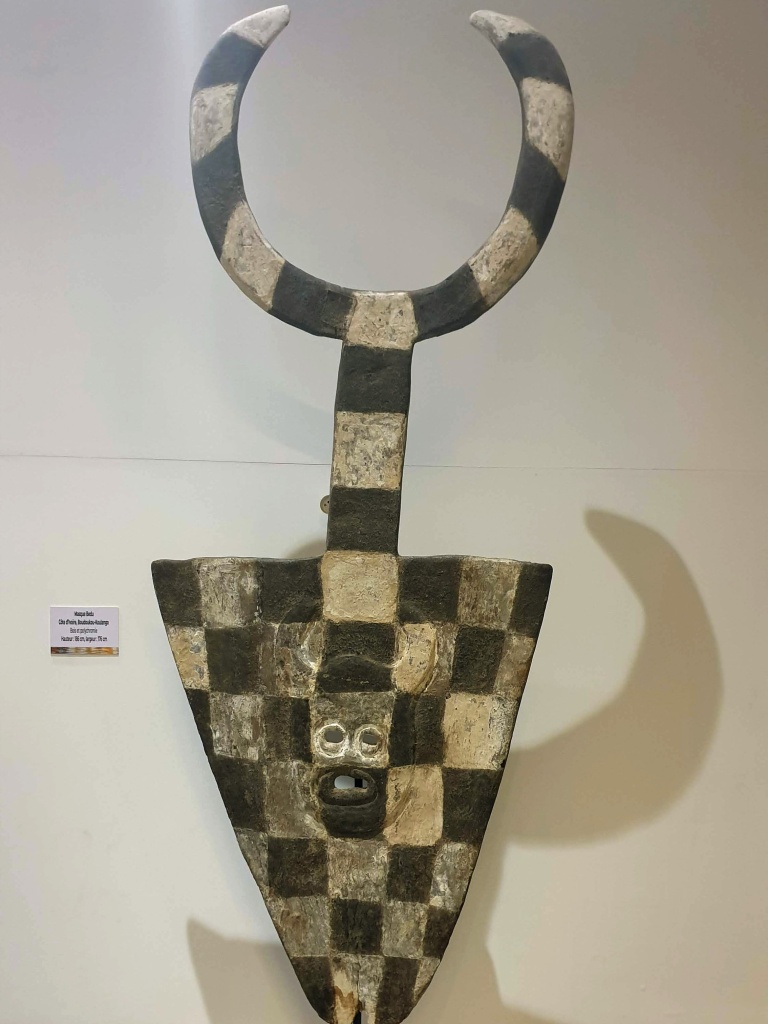
I politely declined.

When I got back to hotel #3 for the evening, I went to see another apartment in the same building up on the 10th floor. I had gotten the go ahead to find a long term Airbnb stay because the week by week hotel hopping was too much. It was listed on Airbnb but had no rating or reviews. I was unwilling to book anything sight unseen after all the experiences I had so far, but I figured it was in the same building as my very nice room, so if it was a little less nice than the one I’m in now that would still be ok. Nope. The pictures on the website were some other place. Most of the amenities listed were not present, and the “furnished” room had no bed. I don’t wanna be the picky privileged white girl, but I feel like “bed” is definitely a key component of “furnished”. I went to sleep feeling even more hopeless than before because I was in a good space but knew I’d have only 2 days left to enjoy it before I had to launch into an as yet unknown #4. I still slept better than any night in #2.

Friday: Stopgap Solutions, Meet the RELO, and a Broken Down Taxi

Friday morning I arranged with the younger teachers here to stay in their spare room for a couple weeks while the quest continued. I messaged more places on Airbnb and scheduled a viewing for later in the day. I wrote another email about my progress (or lack thereof) to the people “in charge”, and my American RELO* asked me to call her.

Despite her own circumstances*, she said she understood my needs (a/c and minimal stairs) especially since she herself works all day in the nice, air-conditioned, clean and beautiful embassy. I’m still a bit worried for her, because I feel like she should also have at least A/C to sleep with in this weather but she said it’s ok for her. She doesn’t expect me to do the same just because she is, since our needs and daily circumstances are different, which is nice. She also said that if I got stable housing by December that would be a win. So. Ugh. At least no one is pushing me to work full time (or you know at all) while this is going on*.

In the evening, I went to view another Airbnb. It’s a beautiful house occupied by a Spanish expat with excellent English skills. She’s in her 60s and renting out her daughter’s room who’s gone off to study. The house is huge with a garden courtyard, and it’s walkable to the school and shops. The bedroom is up a flight of stairs and the bathroom up there is shared with one other girl, which is less than ideal but should be ok for a month or so. The real sticking point was that the empty room doesn’t have A/C. I explained why it was important to me, and I offered to pay the offset for the electric bill while I was there, so she said she would look into what it would take to have A/C available to me*.

Saturday – Now: Breathing Room

Over the weekend I moved in with the Fulbright ETAs spare bedroom where I’ll be staying for the next 2 weeks*. There was a whirlwind of stressful emails and text messages that I don’t have the strength to recount blow by blow, but the upshot of all of it was that I got some breathing room. I received word from the Spanish Airbnb hostess that A/C would be possible and I got the required approval to book that room for a full month (through Dec 21). I got in touch with another ETA who is leaving in December and I have made arrangements to go and see her apartment on Thursday of this week. Hopefully it’s going to work. She says it’s 1.5 flights of stairs and has A/C in the bedrooms and living room, but there are some “things” about it she wants me to know before I live there. It’s vaguely ominous, but I guess I’ll find out soon enough. If that place works, the Airbnb hostess says I can extend until Jan 1 when that apartment becomes available, meaning I’ll get my housing a mere 2.5 months after my arrival.

Despite the fact that it still isn’t fully resolved, I feel a sense of relief to see a light at the end of the tunnel even if that light is 6 weeks away. I feel like the giant knot in the bottom of my stomach and top of my spine have unwound ever so slightly, enough to be able to look up for the first time possibly since I arrived here. There’s this phenomenon that happens when things slowly get worse/harder/more painful that we know it’s not good, but we don’t really know how BAD it is until it stops. That happened to me with my sleep and the night club noise, and it happened with my whole cognitive self and the bottom tiers of Maslow’s Pyramid.

I am so profoundly excited for the opportunity to live and work here in Senegal, but I was 100% not able to engage with that excitement or adventure for more than a few seconds at a time while my brain was consumed with thoughts of being able to get food and water that wouldn’t make me sick and a place where I could sleep and feel safe for more than a couple days at a time. There’s a lot to unpack in the space between an intellectual and visceral understanding of how that hierarchy of needs works, but I think it’s safe to say that it’s important to remember to be gentle with yourself and others whenever those bottom two tiers are in a state of flux or uncertainty because even the most capable and resilient among us can sucked under when circumstances change.


Life in Dakar: Week 3 Part 2 – Side Adventures & Footnotes

The blog was too long when I tried to put everything that happened to me that week together, so here’s the stuff I cut out of the first post that wasn’t directly related to Maslow, but might still be interesting.

When Last We Saw: More Tier 1 Struggles

The first post about week 3 is almost entirely about housing. The other tier 1 concerns of food/water/climate were a ‘manageable struggle’. I had not yet figured out water delivery and was thinking to put it off until after I got my “permanent” home, but I was able to boil water on the stove in a saucepan and create a reserve of clean, safe water that way. I had only a small saucepan which took a long time to heat up and had to be watched and checked on so it didn’t boil dry either. Then had to be covered while it cooled down and transferred to another container once it was cool enough. This had to be done multiple times a day. I have now purchased an electric kettle which boils 1.7L in a couple of minutes and turns itself off. I set up a cycle where I fill my water bottle from the bottle in the fridge, refill the fridge bottle from the water in the kettle, and boil a fresh pot that will have time to cool off before the next cycle. Also, the cord on the kettle is so short that I can’t plug it in anywhere in the kitchen, so it’s in my bedroom. Because I go through 3L or more a day here, this method still requires far more thought, time, and energy than “tap to glass”, but it’s a huge upgrade.

Food had to be ordered or I had to go out to purchase it at least every other day. I didn’t have the resources to clean produce safely in the room, nor to store and cook things like fresh meat. I had bread, peanut butter, oatmeal, rice and yogurt (yay traveler’s tummy troubles), but I had to negotiate with a delivery driver to get food most days (remember, no addresses). I know, it sounds like a privilege problem, but I didn’t HAVE the ability to prepare much for myself, so delivery was how I got food. In habitation #4, I have access to a better kitchen and slightly less concern about having to move anything I don’t eat in a few days, but we still don’t have produce sanitizing set up here (the ETAs have only been in this apartment about a week longer than I have) and I’m not settling in to buy staples like cooking oil. They are mostly living on pasta, and while I’m more comfortable eating cheese or peanut butter sandwiches here than other places, that’s about the extent of my food prep, so I’m still heavily reliant on delivery. The main difference is that one of the ETAs speaks both French and the local dialect Wolof and can direct the drivers much better than I can.

The A/C has worked pretty well everywhere I’ve been so far. In hot enough weather, A/C isn’t a luxury for anyone and I’m one of the unlucky people with a condition known as “heat intolerance” which is just doctor for “you get sick from being hot faster than baseline”. Everyone gets sick from being too hot. It’s called heat exhaustion and heat stroke. I just get sick faster than most. My core temp rises above 100F/37.7C quite fast in hot weather, so I need better access to climate control aids. Habitation #4 is the first place I’ve been with A/C in the living room, which has meant I can venture out of my bed and do some work at the table or sitting on the sofa which may seem minor, but there are big mental health bonuses to separating your sleep and work spaces. When I was teaching online classes from my bed in Korea at the beginning of the pandemic, it fueled my depression hardcore and made getting a desk/workspace a top priority for that move in 2021.

Tuesday Nov 1: Unexpected Holiday

That day, I got myself together and dressed and headed over to the university to show my face because that’s what I was asked to do while I don’t have any other duties, classes, or even enough data to start building towards those things. (I wanna be working, I really do, but every time I ask I get told “later”.) Anyway, I got to the university and it was a ghost town. My contact was in South Africa for a conference, and I sent a message to the person who had my office key to find out what was going on. There’s some kind of “one key” policy here so the cleaners can’t get into my office if I have a key? But I can’t get into my office if I leave it for the cleaners? I still don’t know how this is actually going to work long term. In the mean time, I took photos of the animals laying around and got totally startled by the existence of random cows. I had to hop on my zoom meeting from my phone standing outside my office so I could use the Wi-Fi. At least the hallways have good ventilation even though there’s no A/C. It turns out that All Saint’s Day is a non-working holiday in this Muslim majority country.

Wednesday Nov 2: Still the Longest Day

Hotel #2 check out – What’s up with expense reports anyway?
I have to get pre-approval and receipts to claim my “settling in” expenses, which cool, but I didn’t book hotel #2. I didn’t sign any agreements or log in as a guest. I think maybe they made a copy of my passport when I got there? But also maybe just looked at it because I don’t think they had a copy machine. I also had to pay for that room in cash. The bigger hotels and shops here do take Visa/Mastercard but it’s not very common. The lady helping me to check out said that the manager would bring me a printed receipt to the school the next day, and while I don’t under any imaginary circumstances think that she was being deceitful, I just had no faith in the reality of that manifesting due to cultural experiences I’ve had in the past. It’s not a scam or anything, I paid the agreed price. I just wouldn’t be able to claim my reimbursement without a receipt. I managed to talk her into giving me a handwritten one that day. I still haven’t seen the “official” receipt, btw, and ended up submitting my expense report with the handwritten one.

Hotel #3 check in – The Case of the Forgotten Medicine:
The power was out when I arrived at hotel #3, but there was a good breeze in the living room, so I settled in to wait. Just then it hit me: I had left my medicine at the other apartment/hotel! Due to the heat, I’d been keeping it in the fridge and I had a crystalline memory of taking it out of the fridge and not putting it in the bag with the groceries because I wanted to put it in my backpack (less possibility of it falling out in transit, the irony).

The good news was that the two hotels were actually just over 1km apart. I only needed the taxi to deal with the bags. I took off down the main street and frantically tried to figure out how to send a message to hotel #2 to let them know I was on my way. I didn’t book that place. I didn’t have any contact info for them. They weren’t in Google. I got my social sponsor to send me the phone number and sent a text message in French but got no reply. I was left to hope that the cleaners hadn’t just thrown it away before I could get back. As I came in the bottom entry, I ran into the helpful and kind lady who had managed my departure and, in very broken French, tried to convey that I’d left medicine behind. She knew exactly what I was talking about and bid me to wait (she remembered about the stairs <3) while she went to get it. So grateful!

Medicine in hand, it occurred to me that without the added adrenaline, I was too hot and tired to make the walk back just then, so I got out my ride share app and summoned a car. It took about 20 minutes to arrive, but he did call and warn me about the wait, and I was sitting on the stairs in the shade with a decent breeze, so I was ok. Better than walking in the blazing sun. The car, when it turned up, was newer than most taxis and had actual running A/C. The driver didn’t have the appropriate change, so I ended up paying 500cfa extra, but later I discovered that I could claim that on the app as a credit, so I’m giving that a shot to see if it works.

Thursday November 3: ATMs & Budgets

ATM in French:
No, I don’t assume everyone uses English all the time, but ATM is a very common loan word in many other countries and even where it isn’t a lot of people know what it is because they want the tourists to get access to more spending cash. It should not have surprised me that French was having nothing to do with our tawdry English acronym. Google Translate gives the translation of ATM as AU M.

Google Search turned up the expression “distributeur automatique de billets” and further Googling showed that maybe some people use DAB as an acronym but it wasn’t common. The linguist in me was skeptical about this answer because humans don’t like to use long words or expressions when short ones will do. We like to abbreviate. There had to be a short form equivalent of ATM, but no amount of searching on my part was yielding results that day, so I went back out into the world armed with “distributeur automatique de billets”. People looked at me funny, but at least it worked.

I have since learned this is, as I suspected, wrong. The machines are properly called “guichet automatique bancaire” (sometimes guichet automatique de banque and guichet automaique de billet) and abbreviated as GAB (pronounced “gab” not gee-ay-bee). Google Translate knows full well how to translate these terms from French into English, by the way. Just goes to show we can’t rely on the Oracle for everything.

Apartment Hunting & Budget Allowance:
After the repeated failed apartment viewings, much conversation has ensued between myself and both my social sponsor and realtor about the problem of my budget, which I have no control over. The US Government promised in my contract that I would have a furnished room with private bathroom/bedroom + kitchen access and good security, although they themselves do not provide the housing, they will intervene to make sure the minimum standards are met. They also decided that it should cost no more than 700$ US a month to rent this dream. I’m willing to pay a little over budget out of my own pocket for a good place, especially because of the issue with stairs and a/c, and I’m not attached to being walking distance from the school, no matter how bad my social sponsor makes it sound. The ETAs and the RELO don’t walk to work and they are fine. But it’s increasingly obvious that 700$ US a month is not actually enough even to meet the minimum standards laid out in my contract. What to do?

Friday November 4: Bureaucracy

My American RELO:
Normally, these projects are overseen by a Regional English Language Officer, or RELO for short. Unlike the project managers in Washington DC, the RELO is in the physical location of the project and therefore able to oversee arrangements, claims and conditions before the Fellow (that’s me) arrives. The one and only Fellow in Dakar before me came in late 2019 and left early because of COVID. They never really had a chance to settle in and besides, a lot changed during the pandemic. The former RELO in Dakar left earlier this year, back in the spring sometime, basically right after doing my interview. The new RELO just arrived in town a week or so after me. Things did not get done in an ideal manner during the intervening months. The deputy RELO (a local Senegalese woman) was, I’m sure, doing her best, but it’s a LOT for one person, especially one person whose job it actually isn’t, so no blame attaches. This is not a blame or fault sort of situation, it’s more of a Lemony Snickett situation.

Our conversation that morning was very surreal because it turned out her housing situation is actually worse than mine. The place she’s supposed to live is still being built and the place the embassy stuffed her is apparently a concrete box with no a/c where her husband is doing laundry in a bucket, so… I had to rather awkwardly inform her that air-conditioning is not that rare here (not ubiquitous like Korea but it’s at least been in the bedrooms of almost every place I’ve looked at) and that washing machines do exist. She actually asked if they had washing machines here and I still don’t know if she was being ‘Merican or sarcastic…

The Reports Never End: Working for Uncle Sam
I filed another round of expense reports that day as well for the last 2 hotels and a qwerty keyboard for the office at the school (the one my contact at the university said would take 3-5 weeks to get and I got in 2 days). Expense reports involve an excel spreadsheet with the items, descriptions, local and US costs; copies of the pre-purchase approval, copies of the receipts, and a screenshot of the daily exchange rate using Oanda all bundled up in a single pdf file. It isn’t hard work, but it is tedious and time consuming. I also wrote my post-arrival report which I had been putting off in the vain hopes that I’d have more solutions to report than problems, but since the report is due mid November and no one expects anything to change before then, I figured I might as well. It could be argued that things have changed because I have better options, but the questions they were asking were about my permanent housing and about my primary project at the host university, neither of which I expect to have up and going before Christmas.

Broken Down After Dark:
By the time I finished chatting with the hostess of the Airbnb, it was getting late so I went into a nearby restaurant to order take out with plans to use the ride app to get back to my room because dark was descending and I’m not supposed to walk alone after dark. Much like the first time I used the app, the driver messaged me to say it was going to take a while because traffic, but I was ok to wait inside the restaurant until he got there. I suppose that’s going to be the trade off for taxi vs ride share: waiting without haggling or haggling but less waiting.

The car seemed nice, and we drove most of the way with no problem other than traffic. Then just as we get to the busiest roundabout the car died. Dead. No amount of prayer was getting the engine going again. Cars were going around us three deep with motorcycles and pedestrians weaving in between. The open air market and the bus stop are right there. If it was daylight, I’d have walked the short distance back to the room, but it was full dark and we were in the busiest and most crowded spot.

The driver was obviously embarrassed but very polite and professional. He arranged a taxi for me, haggled for the price, didn’t take any money from me for the part of the ride I did with him, and escorted me through the traffic and crowds into the taxi safely. Of course I left him a good review.

The Weekend: Resting Day & Moving Day

I did as little as possible Saturday. It was glorious. I lazed about in the air-conditioning eating leftover takeout food and drinking the last of my bottled water because I didn’t want to carry it on moving day. I didn’t even post on Facebook.

Sunday, the Fulbright ETAs came over and very efficiently helped me get all my bags down the elevator and into a taxi, then with similar efficiency back up two flights of stairs to their own apartment where I will live for the next two weeks. I feel like the most backward adult, having to ask two ladies in their early 20s if I can crash with them because I have no place to live. I suppose I could have found another hotel, but the problem of the “moving in” budget which I described in arrival post still loomed large. I felt like it was a horrible waste of money to keep living in hotels. Plus, kitchen! The ETAs have a nice 3 bedroom apartment with a/c in every bedroom and the living room. Aside from the fact that I feel silly living with people young enough to be my children (if I had children), they are hosting out of town folks for Thanksgiving and getting a third roommate in Dec/Jan, so it has to be temporary. Nonetheless, I overflow with gratitude at being able to know where I would lay my head for 2 weeks in a row and for being able to finally have the time/space/energy to go through my luggage and rearrange the suitcases so I could stop wearing the same 3 outfits. I’m still mainly living out of the “carry on” size one, but at least now the 3 bags are more suitably arranged for daily access, occasional access and storage.

I offered to pay rent and utilities of course, but then found out later that it might have been disallowed because of conflicting expense reports. Between you and me, I would have paid them out of my own pocket if the expense had been disallowed because I’m the frickin’ adult here, not a freeloading broke-a$$ college student (no matter how much I still feel like one sometimes). Adults pay for things when they are with the youngers. That’s the social contract. I also bought them Indian food for dinner as a thank you for not just letting me stay, but helping with the move. It’s a slight step up from pizza and beer that accompanies most broke-a$$ college student moving days.

Monday: Mo Money Mo Problems?

I received word that the budget for my housing has been increased! Apparently between my searches and the deputy RELO’s searches, the RELO had enough data to make a case for an increased budget. I’ve told both my social sponsor (who is supposed to be the person helping me secure housing) and the realtor I contacted through the ETAs about the increase to help in the search, but so far the social sponsor gave me a single thumbs up emoji, and the realtor tried to show me a place that was even more expensive than the last one (and still way outside even the increased budget allowance).

For one horrible moment, it looked like the RELO wanted me to do a shorter stay at the Airbnb because she thought we could find real housing faster with the increase, but I pointed out that after living at 4 places in 3 weeks with that hope, I really needed some stability and she agreed.

Looking Forward

It’s relevant to note that no matter how much I’m complaining, all my solutions are “stay here and make it work” oriented. I’m not interested in giving up. I’m also not exclusively having bad experiences. It’s harder for me to write about the good ones because they are small and wedged in between the difficult ones.

Now that I’m not spending every waking moment on food/water/sleep needs, I can hopefully start to focus on other things. I still have a long way to go to get the project at my host university going, and I am hoping to make some progress on my secondary project as well in November. In addition, I’ve received an invitation to submit for a presentation at a conference in December, so I now have the bandwidth to work on that as well.

I have to acknowledge the lack of photos, too. It’s very difficult to remember to get out my phone to snap a pic in many of these situations. I want to take more photos because I like having those memories to look back on, but it turns out you have to feel secure and well rested before photography makes it into the picture, so to speak. Once I’ve been in a neighborhood long enough to know what feels safe and what feels sketchy, I’ll be more confident in holding my phone in my hand to take those pictures, but a very real concern of having my phone snatched or of taking a photo of the wrong person and causing a problem has kept me from doing so even when the thought has managed to pierce the veil of stress.

Finally, I’m still glad to be on this crazy adventure. I’m enjoying seeing the different parts of the city. I’m plotting places I want to explore more when I have my basic needs met and the weather cools off. I’m seeing beautiful clothes, and interesting street food, and random butterflies and flowers and trees that make me smile.

I’m holding on to the fact that my future self will treasure the positive parts of this journey while downplaying the crying because that’s what’s happened to me literally every other time.
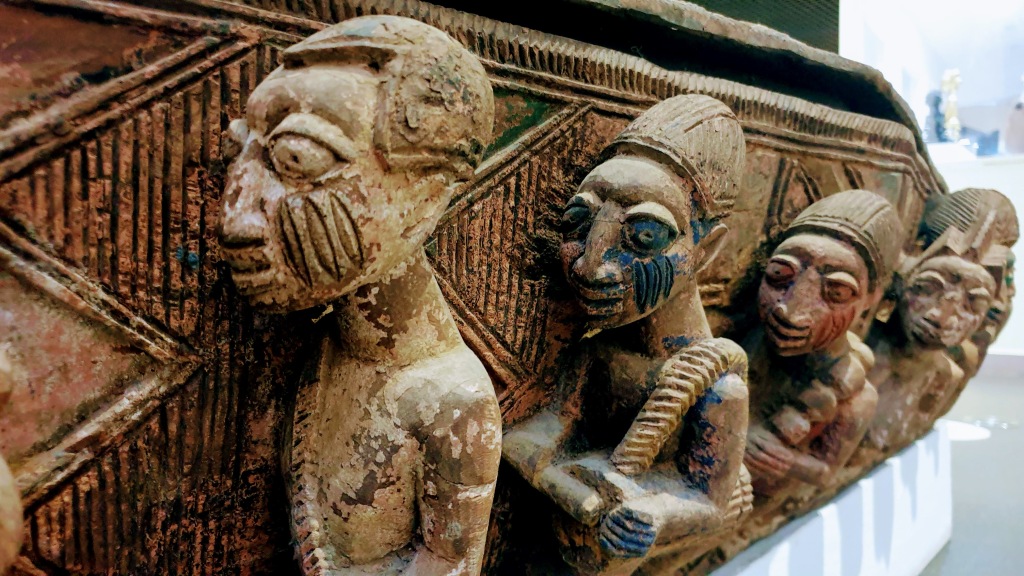
As always, thanks for reading along with my crazy adventures even, and possibly especially, when they get difficult.