10 Years of Being The Gallivantrix:

At the time of writing, Gallivantrix has 290 posts which average 4000 words each. That’s over a million words or two copies of War and Peace. 

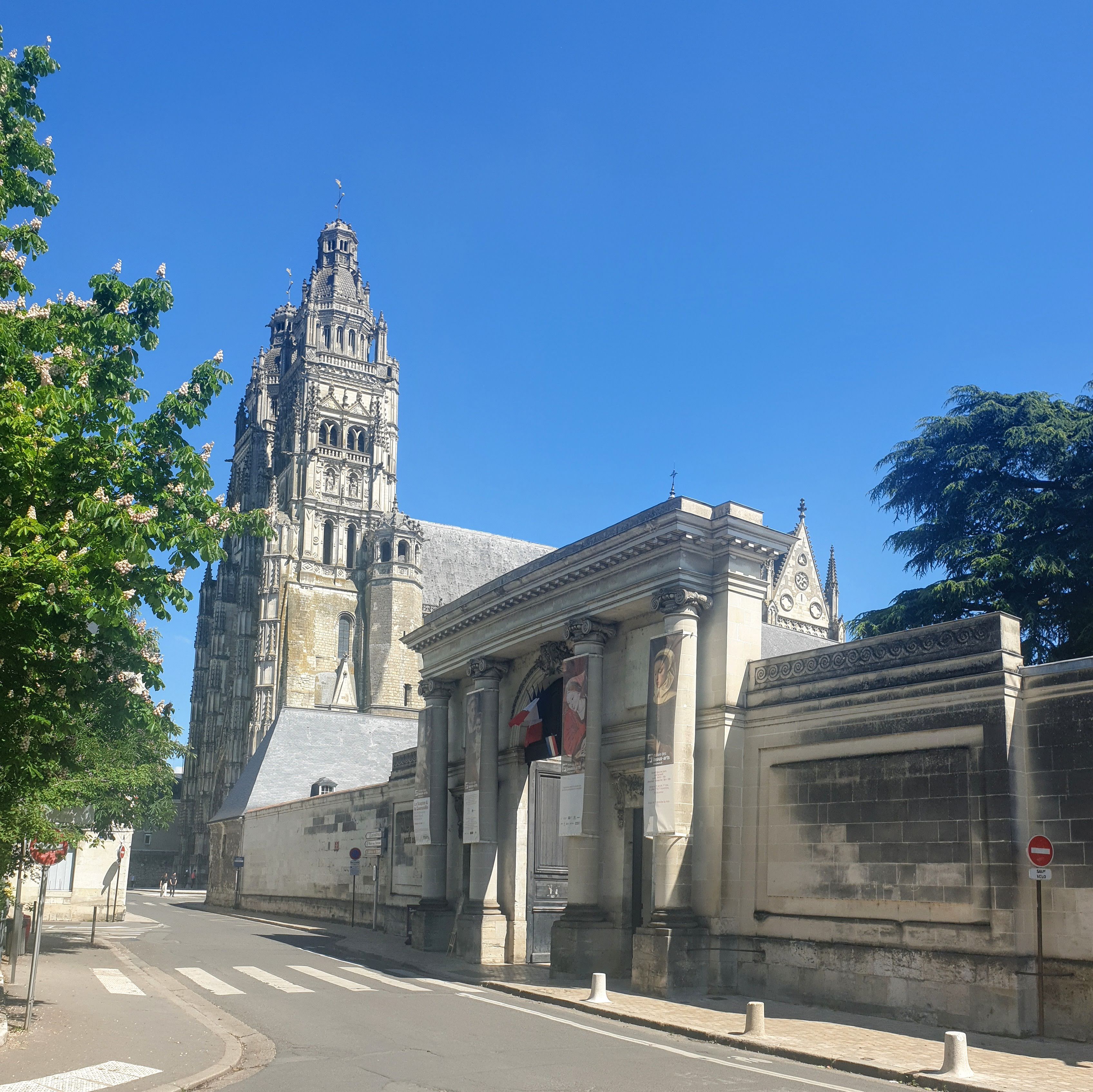
In 2024, I watched as my 10 year achievement flew by. It’s hard to mark a life of gradual change with anniversaries, but a decade is a good amount of time to take stock. I started the blog in May of 2014 while I was preparing to re-launch my international ESL teaching life by heading to Saudi Arabia that September.  As I noticed both of those decade markers fly by in 2024, I thought to myself how nice it would be to sit down and quietly reflect on what the last 10 years has brought and how it has changed me. It is only now, staring down the barrel of the New Year that I finally feel like a quiet sit-down is possible. Still, better late than never. 

A Life Dedicated to Travel

In the last 10 years I have lived and worked in 4 foreign countries, and visited an additional 27. That’s more than ¾ of the international travel I’ve done in my lifetime so far and nearly all of the travel I have done as an adult. But what does it mean to live a life that nomadically?

One of the big things that I encounter when I tell people how I live is envy. I have no illusions about how amazing the experiences of my life have been, nor do I think I live in a way that is accessible to everyone. It can be a bit strange to remind people that I’m not rich, and in fact, have spent chunks of my life being poor, eating from food-banks (charities), and relying on friends for a roof over my head. And, no, I didn’t win the lottery or get an inheritance. Luck, circumstances, and the support of others have played a big role, but also I made a conscious choice to prioritize travel over almost everything else in my life, and then I worked very hard to make that happen.

I found a career that allowed me to work in a variety of countries. I took extra education to gain the necessary credentials. I took terrible jobs to build experience. I reduced my life’s possessions to what would fit in 2 large suitcases and a carry-on. I had no home, no car, no bed, no books, no dishes, no spouse, no children, no pets, no musical instruments, no garden, I gave all my art away, and my sister is keeping the few family heirlooms we treasure. I ate cheaply, used public transit, and wore free, thrifted, or clearance bin clothes. I bought second-hand phones and cheap laptops and used them until they died, relying on my office computer for any big projects. I only got a portable video game system during COVID because I couldn’t go anywhere.

I don’t feel like I’m missing out on these things because I don’t have them, but I think it’s helpful to remember that no one actually “has it all”. The people who envy me usually have stable, local jobs, a lease or a mortgage, a car (and payments), kids and pets, a multi-seasonal wardrobe, hobbies and crafts, new phones and complex computer set-ups, and a lifetime of memories in the form of stuff that has to have a place to exist. They can’t afford all of those things AND prolific travel, but neither can I. I didn’t make that choice all in one go, either. It took years of gradual change to reach a point where I have a 2-suitcase life. I had plenty of chances to change my mind and back out, but I *like* my life. I just want others to understand it isn’t a traditional life + travel, it is a life purpose-built for travel.

From the Inside

10 years is a long time no matter what lifestyle you have, and I hope that everyone grows and changes in that amount of time. It is a well-studied phenomenon that travel has a big impact on the human brain, and sustained travel with its joys, challenges, and culture shocks has forced me to look more closely at myself and my place in the world.

Although therapy didn’t take a starring role in the blog until COVID-times, it’s been an on and off part of my personal journey for a while. In the 2 years leading up to the launch of Gallivantrix and my international life, I dedicated a lot of my free time to researching and practicing positive psychology. TED has a wonderful series of talks on the subject and several practical resources that I still recommend to people like Superbetter and AuthenticHappiness.

I believe it was a direct result of this work that I was able to embark on the journey, but it did more than give me the strength to adventure. From 2015-2019, I gradually changed the way I approached interactions with others. Some of this work resulted in stronger, healthier relationships and some resulted in the end of years-long ties. The people who remain in my life are strong communicators & loyal friends. Those who left were, for the most part, not “bad people”, they simply had their own struggles with trauma and healing that left us incompatible. Perhaps the hardest of all of these was with my mother.

From 2020-2022 I dove back into the world of mental and emotional health, this time with a focus on childhood experiences and generational trauma. You can read through my book list in the archives if you’re interested. Even though I made good progress using these tools, the circumstances of the pandemic meant that by the end of 2021 I needed to make plans to leave Korea and get out in the world around other people in order to keep improving. 

Bouncing off to Senegal after years of isolation may have been a bit like trying to ski black diamond right after recovering from a compound fracture. It hit me hard, and you can see most of it in the essays I wrote during that time. I will be forever grateful for the experience, for what I learned and how it changed me, but it was not the joyful return to global travel that I had been craving. It took me 9 more months of trying various things and eventually moving to France to finally find what I was looking for in myself that I thought I had lost in 2020.

10 years of international living, a global pandemic, and a deep commitment to emotional healing later, and I am now a much more emotionally mature person than I was in the past, capable of identifying and sitting with my feelings to understand what is reasonable, and what is reactionary. I am able to approach conflict resolution with an eye toward responsibility and solution instead of blame. I know my limits mentally and physically and I plan my life, work and travel in such a way as to protect the hard limits while pushing soft ones. I want to make the world around me a better place, and while I’m ok doing that one person at a time, I’m also interested in how I might do more. I have learned so much about the world and the human race, that I will never be able to look at it without that knowledge seeping in. At some times that is beautiful, and at others it is profoundly painful. I have flaws, just like every human, but I am learning to love myself, and to extend grace and compassion inward and outward for flawed humans everywhere. I don’t want to look away.

Accommodating My Needs

Whether you want to call it chronic illness, invisible disability or anything else, there is a growing awareness of this category of health issues that limit what people can do without making us unable to work, travel, and live independently. I received my first couple diagnoses as a late-teen/young adult, so it isn’t new to me, but as I age, not only does the list get longer, my ability to simply push through my limits is sharply diminishing.

Back in 2018, I had a real “come to Jesus” moment during a long summer holiday backpacking across Europe. It made me start rethinking my priorities and what tools I could use to make the most of my travels without destroying my physical and mental health in the process. Over the next three trips, and the pandemic induced therapy-work, I slowly built not only a list of practical tools to make travel easier and more enjoyable, but also the ability to accept my limitations. The second one means I don’t get so tempted to do things which will result in burnout later on, and I get to enjoy things I am able to do without dwelling on regrets, missed opportunities, or generally hating my body.

I am more likely to book larger seats on long haul flights because I know the difference it makes in my recovery time and pain levels. I always check the accessibility options for places I will stay, including distance from transit, number of required stairs, and how far the toilet is from the bed. I take extra time when walking everywhere, usually planning at least double the Google Maps estimate. I carry snacks, meds, and water everywhere. I keep a little extra in the budget for when I need to catch a taxi or ride-share because the walk/transit is too much. I accept that hot weather means I’ll need extra rest and extra painkillers, and I must plan to do very few things. 

That last one continues to boggle the mind. Spending spring in France, I was able to walk longer distances and do things for hours, even spending 12+ hours a day walking around some places! I’m never going to be up for a 5k run, but when the weather is mild-cold, I have so much more energy and mental focus and so much less pain. It has become important for me to keep notes when I am in different climates because it’s easy to forget how dramatically the heat affects me, and I need to be able to reference daily and weekly records of my experiences to hold onto the fact that it’s real and not a trick of memory.

Even knowing this, I still choose to go to hot places sometimes, like India… in August. But I made sure to always keep water and NSAIDs on hand, to walk very slowly, use a sun-shielding umbrella, and crank the AC in the car and the hotels. I was exhausted by the end of it, but I got to see some very amazing cultural and historical sites. I also went to Taiwan for 3 months starting at the tail end of August, knowing that the weather would be too hot until October. For the first 5 weeks, I did almost nothing besides go to class and get food. I knew heading into Taiwan that I would not be able to do a bunch of touristy things, but I still wanted the language study and cultural experience, so it was worth it.

Accepting my limits doesn’t keep me from going places, but it changes the way I go and what I expect to get out of it. I may not get as much out of my trip to India or Taiwan as a more healthy and fit person, but I definitely get more out of it than someone who never goes at all.

From the Outside

When I started the blog, I harkened back to the early days of social networking (Live Journal, My Space, and even bulletin boards!) where everyone who was online in those days was producing what we now call “content”. I know I sound like a get-off-my-lawn antique (and I am GenX), but objectively, it’s not just me that’s changed in the last decade. The internet / blog-o-sphere and the world at large have also undergone some dramatic makeovers in that time, too.

Demographics

It’s always hard to compare the present to memories of childhood, so I can’t say how much of what I recall about the travel I did with my family as a child is accurate, but one thing I think is objectively measurable is just the sheer number of people flooding popular travel destinations.

When we lived near the beautiful white sand beaches of Panama City, Florida, my mom and I joked about buying shirts that said, “I’m not a tourist, I live here.” because we felt like we could hardly go near a beach without being accosted by cheap seashell trinkets (made overseas) and green key-lime pie (it’s supposed to be yellow!). Perhaps because of this formative childhood experience, I have never enjoyed a tourist trap even though I have not always been able to avoid them. Yet, when I lived in Florida, the population of the US was 107 million fewer people than it is today. Not all of them visit Floridian beaches, but it stands to reason that the population rise alone will result in more humans per beach.

This NYT headline said in 1984, 27 million Americans travelled abroad, a new record at the time. By 2014 that number was 68 million, and by 2023 it was 98.5 million. Data on 2024 isn’t out yet, but I would bet it breaks 100 million. And that’s just Americans!

The global population has risen by almost a billion (that’s B) in the last decade, and more and more of them are living higher wage, higher quality lives which include international travel. Over 1.1 billion tourists (15% of the global population) travelled internationally in 2014, in 2019 (just before the pandemic) it rose to 1.5 billion (roughly 19-20% of the global population). Obviously, the pandemic saw a lapse in travel, but most statistical analyses agree that in 2024, international travel levels caught up with and then exceeded 2019 levels.

Also, there’s more people living in most of the popular locations. Only a few countries have been experiencing declining populations. Meanwhile, swift urban development and technological advances mean that a smaller percentage of people are living a rural/agricultural life, choosing instead to flock to cities and suburbs for better schools and higher paying jobs. In many places, migrant workers who come in to do things like drive taxis, work in kitchens, clean homes, and do construction do not show up on official statistics of urban populations, yet they certainly contribute to the body count.

When I arrived in Senegal, many people told me that the city had nearly doubled in size since the start of the pandemic, and that the cost of living was skyrocketing as migrant labor from the villages flooded in. Although official statistics show about a 3% yearly rise in population for that city, that is still much faster than the infrastructure can keep up with. Senegalese citizens and immigrants from less stable West African countries want to live in the city because they can earn more money to send home to their families. The flood of people coming in has resulted in overcrowding, lack of adequate sanitation, lack of housing, lack of food, and lack of employment. 

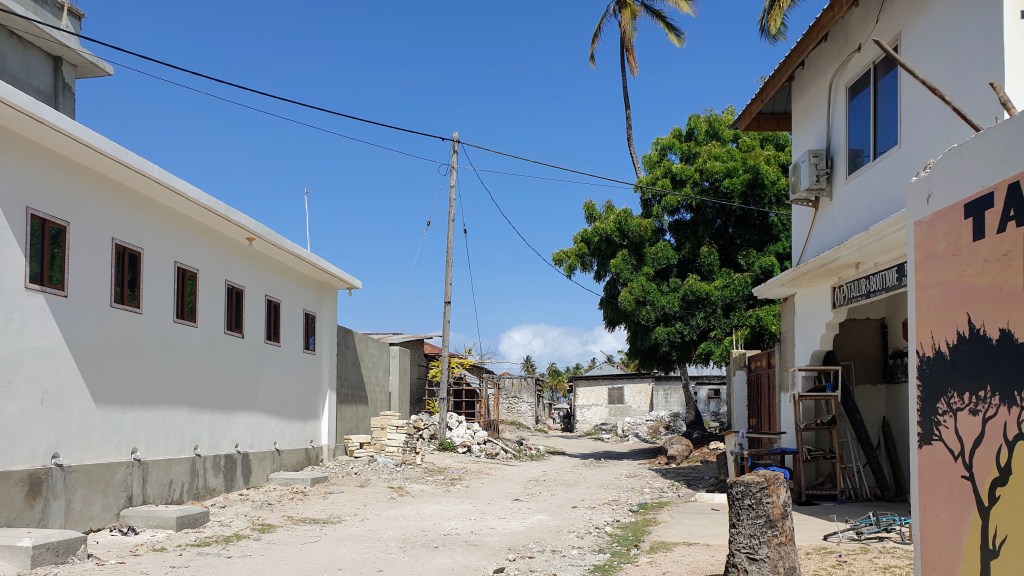
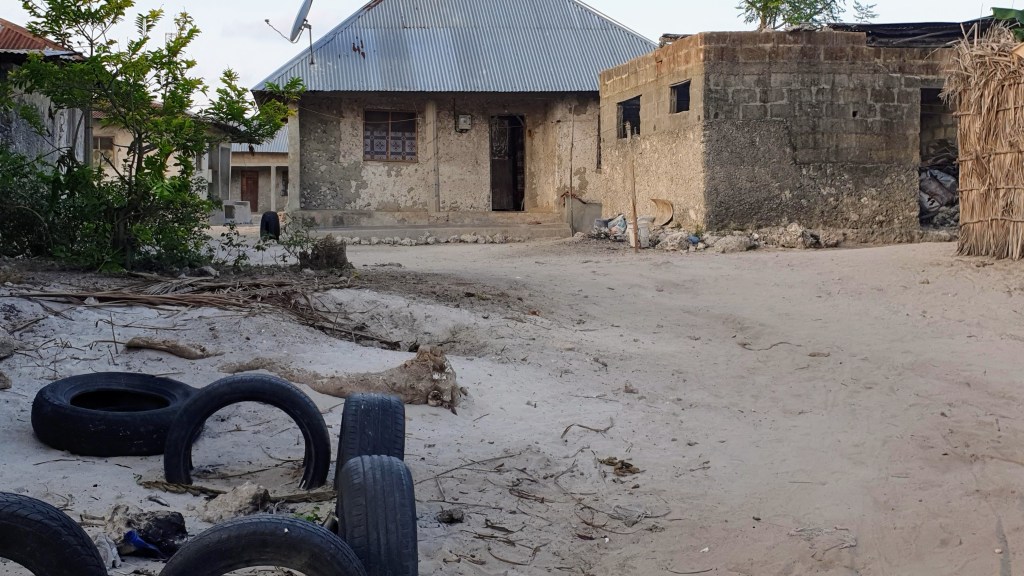
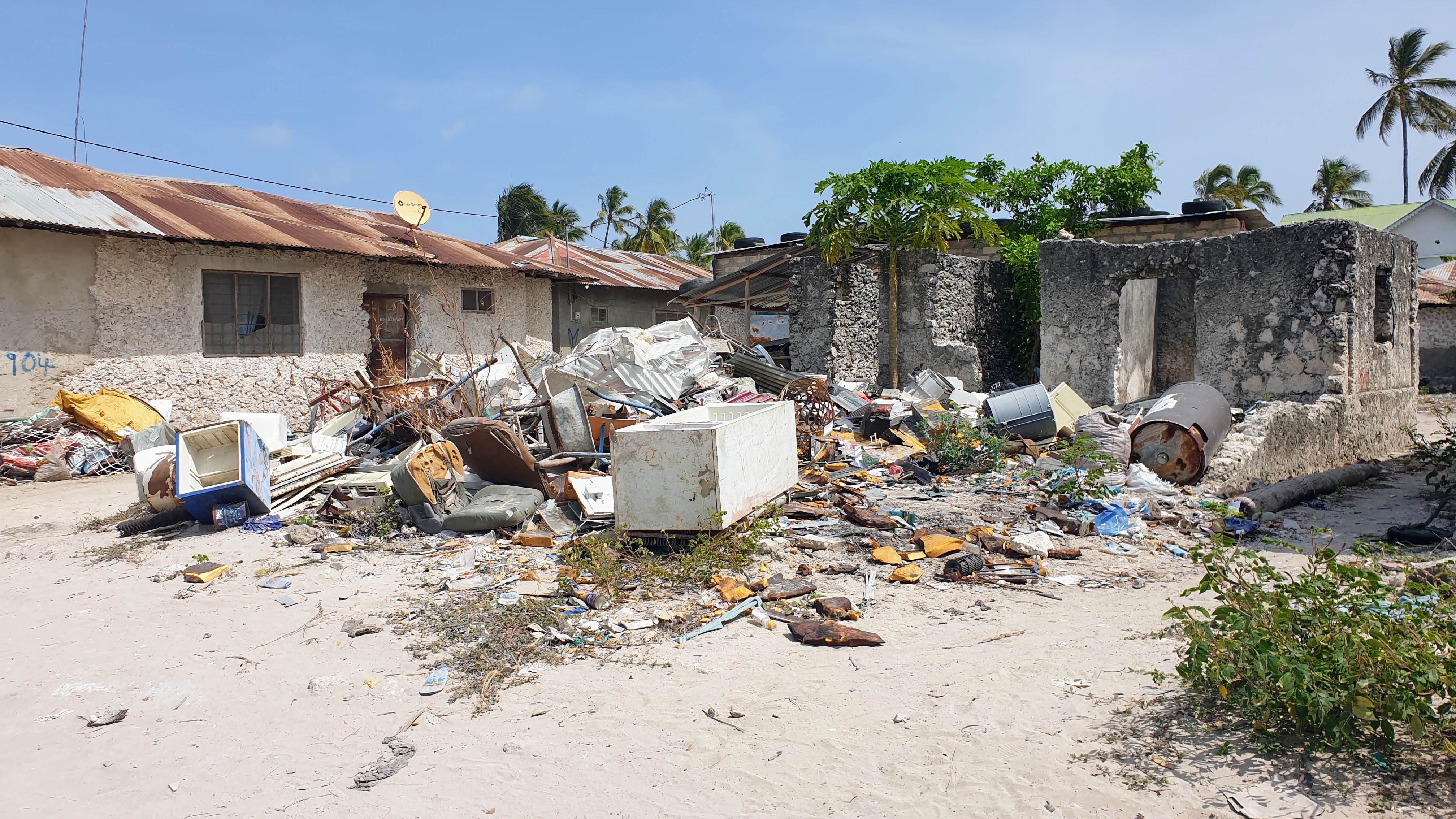
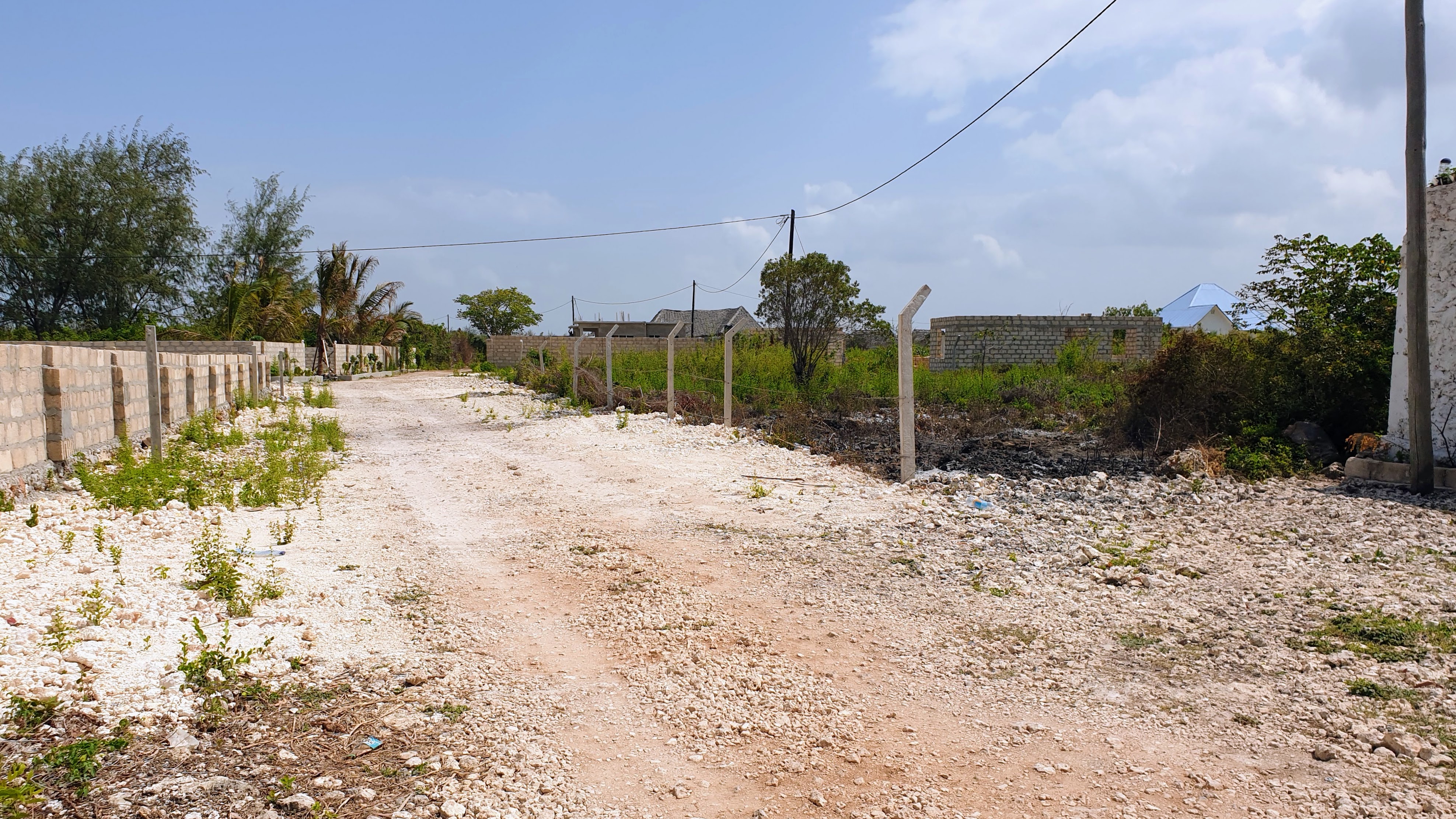
Dakar isn’t a hotspot for tourism, but many developing countries that rely on tourist dollars are experiencing a similar trend, meaning more locals are in the cities we travel to and more of them are struggling to get by. My foray to Zanzibar in East Africa highlighted this most dramatically where I would walk through a neighborhood with no running water to reach the high end resort hotels on the beachfront. As hard as it might be to live in a developing country and see first world lives on TV and the internet, how much harder must it be to see them across the street when you must carry water from the well and dig a hole for a toilet?

Among the expat communities, people who live and work abroad, not just traveling for fun, we have anecdotally noticed an upturn in the tendency to be treated as a “walking ATM”. The rise in the number of locals living in cities but struggling financially has led to a (totally understandable) level of desperation in the competition for foreign dollars that hasn’t always existed. And don’t get me wrong, I feel an enormous amount of compassion for those less fortunate than I who have not had the chances and support or even the citizenship that give me my advantages. However, I cannot singlehandedly change the fortunes of a developing economy with my few thousand dollars. 

Then, when I come back to the US, I am shocked at prices and poverty here, too. 100 million of us may be able to travel internationally this year, but how many of those scrimped and saved to do so? How many are using airline miles they earned buying groceries and gas? How many only go once a decade or once in a lifetime? How many are taking on debt to do it? And of the remaining 235 million, how many are food insecure (47 million), how many are one paycheck away from homelessness (200 million). People shouldn’t travel if they can’t afford it. Please, do not travel on credit! But regardless of how we pay for it, most people can’t afford to go over a carefully planned budget while on holiday.

I want to spend my money on local small businesses when I travel, but it isn’t fair to be treated like a bottomless money pit because we were born in affluent countries. What’s more, it makes for a very unpleasant experience which will only damage the future of their tourist economy. I work hard to avoid these kinds of situations, and have developed tactics over time to deter scammers and hawkers, but it’s exhausting and demoralizing to be walking around a beautiful historical and/or sacred monument only to have to fend off junk-sellers every 5 ft. Many take “no thank you” and move on, but others will follow you around telling sad stories about their kids to try and guilt you into buying some cheap trinket you don’t want.

This experience isn’t new in and of itself, as I recall having had it in China back in 2005, but it feels like the number of such “sellers” and their persistence, willingness to invade personal space, and leverage emotional manipulation has dramatically increased. I think it was one of the big reasons Senegal was so hard for me, as well as the main reason why in places like India and Egypt, I opted to hire local drivers and guides who I can budget a gratuity for in advance, and expect them to act in part as a barrier to the other hands being held out for cash.

The upshot of all of this population growth, demographic change, and economic inequity is that many places are more crowded and fighting harder to extract every penny from the visitors that they can. There are still places in the world that do not have this problem, or at least do not have it in excess, but I feel like it’s much harder now to plan a trip that avoids them, especially if you have any bucket list items that include major historical sites, world-class museums, or unique natural wonders. Maybe it’s easy for me to say because I’ve already gotten to visit quite a few of these, but now when I give travel advice, I tell people to focus on small local experiences rather than grand bucket list ones since you’ll be more likely to have the space and peace to enjoy it.

Going Viral

In addition to the population and economy, there’s one more very large factor that’s changing the face of travel and travel-blogging: the social media revolution. My 5 week stay in Tours France was relaxing, idyllic, and felt almost nothing like tourism at all, but when I left Tours and went on my color-coded-spreadsheet trip of tourist highlights including Disney, Lyon, Marseille, and all the big bucket list spots in Paris I had somehow never gotten around to like the Louvre and Versailles. Although almost every place I went was new to me, the experiences of being a tourist all seemed eerily familiar.

Authors and researchers like Jonathan Haidt have been studying the changes in social media over the last 10-15 years, and there are some fairly strong conclusions about the manner in which content is created and consumed. Other old-fashioned travel bloggers like me who want to share personal content over rubber-stamped listicles are also expressing frustration.

As social media drives attention to ever more similar short-form bucket lists and glam photos, tourist attractions have also started to become homogenized. This isn’t all bad, nor is it fully ubiquitous. I have written before about the fact that cathedrals in western Europe are all kinda the same in the way that roses are all kinda the same, and I still like them both every time. Huge enough attractions like Disney and Versailles don’t need to change too much to keep attracting visitors, and they will always be tourist processing machines filled with photo-happy crowds and overpriced souvenirs. Yet, everything in between seems to be riding a post-Instagram, post-COVID wave of striving to provide travellers with photo-ready experiences that exactly mimic what they have already seen online. Stand in this line to get the perfect photo, order this dish at the restaurant, look for this “hidden gem” that’s now overrun with tourists, and always post your best photos!

I have been going to Angelina’s in Paris since 2015 (that makes it sound like I go a lot. I do go at least once every time I visit, but it’s only like 6-7 times total) and yet sometime between 2019 and 2024 it got internet famous, and for the first time ever, when I went this year, there was a LINE out the door and they were no longer accepting reservations. My patience was rewarded in the end, and when I went back a few weeks later at a better time, there was no line at all. Despite Angelina’s appearing to have handled their newfound fame well, many local restaurants that receive viral treatment do not.

Internet fame can send tourists in droves to small businesses that are unprepared for the volume of new customers which ends up leading to disappointing experiences and bad reviews. Some businesses overextend themselves financially trying to keep up, only to be left with debt when the viral spotlight turns elsewhere. Very few small-scale restaurants survive viral fame, and even fewer benefit from it. Additionally, the desire to have a replica of the online experience leads to long lines at one location while those around it languish. This is bad for both local businesses and for the tourists themselves. The joy of a hidden gem or hole in the wall is that it is unique, different, likely thriving off of local and seasonal ingredients meaning that the dining experience is different from day to day. Meanwhile, viral sensation seekers want to experience what they have seen online and nothing else.

Jerusalem Demas famously wrote, “Tourists are like bees. I don’t want a bunch of them circling around me, but I also don’t want them to disappear.” Developing countries are not the only ones that are both economically dependent on, and simultaneously damaged by increasing tourism. Many large cities in affluent developed nations are experiencing an overdose of tourists that is causing chaos and unhappiness among the locals. This Forbes article goes into more detail of the struggle between reliance on tourism for economic success and the damage that over-tourism brings.

Viral fame hasn’t just damaged food experiences, but also art, music, and nature. One beautiful Mediterranean beach may be edge to edge bodies while a few villages over, a pristine beach boasts only a few locals. The government of the Philippines had to shut down some extremely popular tourist beaches because the sheer number of tourists was damaging the environment, yet there are hundreds of practically empty beaches around the Philippines that no one is going to. Is it because they don’t know about them or because they want to recreate that experience they saw online?

Imitate and Recreate

When “influencer” first became a job, they would try to use clout or ad space to get free meals and accommodations. A very small number of extremely successful ones still can, but remember a billion+ people are traveling every year, so an influencer with a million followers is only 0.1% of the potential market, and most of their followers aren’t actually going to travel, because travel lifestyle influencers are largely aspirational.

Now the issue is less influencers trying to get free stuff and more that a small number of tourists with influencer dreams have their hearts set on recreating a viral photo or video on location. Surveys and polls vary a bit, but generally speaking somewhere between 50-80% of Gen Z consider influencer a desirable and realistic career option, with more than 40% of adults overall feeling the same.

As a result of this, you get people doing choreographed dances in the middle of a UNESCO World Heritage site, or self-employed ‘models’ posing over and over in front of the thing that literally every other tourist there wants a photo of. This has gotten so bad that in many places, the government or local businesses have posted signs banning tripods and costume changes.

I am not criticizing dancing nor taking photos. Normal polite people usually spend a few minutes taking photos, arranging poses, and checking to make sure no one was making funny faces before moving on. On the rare occasion I indulge in a selfie, I tend to take a handful before I get one I don’t hate. I think it’s fair to want to look your best in your photos. But these people will stay for 30 minutes to an hour, taking pose after pose or restarting their dance 17 times, all while blocking everyone else from being able to take photos of the site. Tourists are often on a tight schedule, and will end up missing out on their photo ops for their own memories because a wanna-be influencer can’t share.

Even when they aren’t taking photos, they will often sit or stand in desirable photo-op spots to scroll their phones instead of moving off to the side to allow others a chance. And again, I’m not criticizing wanting to check your phone while at a famous landmark or museum or whatever. They might want to make sure photos turned out; they might be checking their itinerary for the day; they might be reading about the site they are visiting to learn more; they might be trying to contact their group; they might even just be scrolling because it’s so crowded and overwhelming that they need a break. All of these are fine and valid reasons to be on your phone. None of them are reasons to block the view while you do it.

AI photo editing has made it easier to cut out unwanted hordes of tourists, but it can only do so much. Plus, my photos are primarily a gateway to my memory. I can wait for the perfect shot or edit out a stray person in the background, but if I look at the photo and remember the obnoxious influencers and pushy junk-sellers more than I remember the awe and beauty of the place I came to see, then what am I even doing?

What Am I Even Doing?

In 2014 when I started this website, there were (according to Google) hundreds of thousands of travel bloggers across several platforms. Now in 2024, those same estimates place the number of travel bloggers in the millions. Far and away the vast majority of them are just in it for the money. There’s nothing wrong with wanting to a bit of extra cash to support an already expensive hobby, but the current monetization model of social media pays for eyes, for attention, for engagement, and so using keywords and creating short 1 min or less content allows social media influencers to maximize money while minimizing effort. Millions of travel content creators exist, yet the format for a travel blog has been trimmed down to those few most monetizable models on platforms like Instagram and TikTok, meaning everything is starting to look the same while containing less and less original or unique information. 

I have never thought of Gallivantrix as something to monetize, no matter how many times well-meaning people suggest that I turn this hobby into a side hustle. I hoped my blog would primarily serve as a way to connect with my loved ones while I was abroad, give people a deeper perspective of the world, and maybe add a soupçon of helping other travelers. 5 years ago when I checked in about my motivations for writing, I stood by my long-form and intermittent style and I am still drawn to long form essays with no particular schedule, but the content of my writing is changing.

I have always been an essay writer, tending mainly towards narrative essays. I used to call my writing style “narrative nonfiction”. Sometimes, I write descriptively, giving detailed accounts of what an experience is like, to paint a picture that my readers can imagine. Sometimes I involve research and write more informatively to talk about the history or broader context of an experience. Since COVID, my writing has taken a more personal bent, with liberal doses of expository and reflective writing.

Writing narrative essays about my experiences not only allows me to share my adventures, it gives me good motivation to go out and do things and to live mindfully while experiencing those things. By setting myself up to notice things “for the blog”, I’m more likely to have a deeper and richer experience and remain mindfully present. Later, writing the memory allows me to review all the photos and relive the experience vividly in order to record it. I may not want to do this for every single place I visit, but it’s a great tool to have in the box.

During my France holiday, I wrote narratively about Tours, and I meant to do the same for the other places I visited, but over and over I came up against the idea that I could not say anything that was not already said both more succinctly and more informatively. 

It seems now when I’m travelling in places that are inevitably viral, I no longer have any interest in publicizing my journey. I still take photos and share them with my friends, and I write little highlights for myself, things that in the past would be the notes I used to write blog posts from later, but I don’t have any interest in spending hours creating content that a million other people have already created. I found that when I am already in a good headspace mentally and emotionally, I am able to be mindful and present in the experience. It isn’t necessary to try to find ways to make yet another blog about Disney, I could just enjoy it.

When I went to South Asia, I was surprised and inspired by Sri Lanka in part because since the civil war and the earthquake, not a lot of people have focused on tourism and travel there. I never have time to write while travelling, so I tucked it away for later, only to be confronted with the contrasting experience of India, and capping off my South Asian odyssey with a visit to a third wildly different environment in Nepal.

I knew I didn’t want to write a bunch of blogs about sightseeing and history at places which have been endlessly blogged about, but I started to think about how I would like to write about South Asia. Nestled in between my May and September decade markers, the trip made me think about who I want to be in my next decade as Gallivantrix. I thought about the essays I wrote in the pandemic about deep emotional issues, those that I wrote while in Senegal about the social, political and economic impacts of colonialism and white supremacy, and about the essay I wrote in France about finding joy in the everyday. I want to combine my experiences as an expat and tourist with what I have learned about the world, historically, politically, and economically, and how the countries I visit fit within that broader understanding. I don’t intend to fully discard narrative or informative writing, but I want to embrace the personal and the reflective.

Is anyone even interested in reading something like that? Wouldn’t it do better as a podcast? A video-essay? Is my approach too old-fashioned, too long, too nuanced, or just not cute enough? Eeehhhh. There’s millions of travel bloggers out there, but I don’t need an audience of millions. I hope there are a few people in the world who will read and think and share those thoughts with others. In the end, I write what I most need to say in order to process my experiences and ideas in a flow of words that may be only for the void.

If you happen to be here in the void with me, Happy New Year.
Tasting Touraine

Welcome to the 4th and final post about my 5 week sojourn in Tours, France. Saving the best for last, it’s all about the wonderful food and drink I managed to sample. It’s hard to go wrong with any French cuisine, but there are a nearly infinite number of local and regional specialties to try. Food production in France is heavily protected and you will often see products labeled either AOC or AOP (Appellation d’Origine Protégée, and Appellation d’Origine Contrôlée). The labelling applies to food like cheese, wine, and certain cured meats, as well as any other regional specialty. AOP is more broadly European, while AOC is explicitly French (I think?). My understanding is that the regulations for AOC are a little more strict, but both guarantee that the product is made with the standards set by the region to preserve the integrity of the product and taste. This includes everything from where the animals can be raised, what they can be fed, how they can be milked (or slaughtered), where the fruit can be grown, the genetic strain of the produce, the time and method of harvesting, and all of that before you even get to how the food is then processed, packaged and stored! They take their regional specialties very seriously here.

My school was just off the main square in Old Tours and so I got to walk through it every day. I would go to local boulangerie for breakfast and/or lunch, sampling a wide array of pastries and sandwiches. My favorite sandwich in France remains the butter, salami, and cornichon on baguette, but I have enjoyed an array of sandwiches with versions of butter, pork products, cheeses, and even smoked salmon. There are also a lot of restaurants on the square, everything from traditional French to dumplings, sushi, tacos, burgers, and even an Afghani restaurant! Tours is both a tourist town and a university town, so it’s full of variety. 

Bakeries

A simple bakery (boulangerie) may have 10+ different types of bread which are baked fresh every day and must follow the strict laws for quality and freshness. Bread must be baked on the premises where it is sold, and may only contain 4 main ingredients (flour, water, salt & yeast) with the exceptional addition of seeds, nuts, dried fruits, or chocolate. Because it is made without preservatives, the bread must be eaten with a day or two at most.

Boulangerie also sell pastries (patisserie), which includes everything from simple croissant and pain au chocolate to various types of tarts and cakes, all of which must also be fresh and preservative free. The best part about boulangerie is the freshness and quality of the food, but following that, the prices are very reasonable. A baguette is often less than 1€, and other types of bread are weighed out by the kilo. Treats like a pain au chocolate (often called a chocolate croissant in English) are usually a between 1-1.50€, and more complex desserts like tarts and cakes between 3-4€ per serving. Thirdly, the boulangerie do not restrict food sales to lunch and dinner hours like restaurants. They sell food from open to close. In addition to bread and sweets, they offer sandwiches and savory pastries like quiche at any time (before 7pm). This is especially useful for tourists who may not be accustomed to restaurant hours in France where no food is served between 3-7pm.

I visited a boulangerie pretty much every day for a sandwich and pastry. It can be a lot of fun to try all the different options, and see the interpretations of the same dishes from one bakery to the next. Many even offer a fixed menu of a sandwich, drink, and less expensive pastry (like an eclair) for 6-7€.

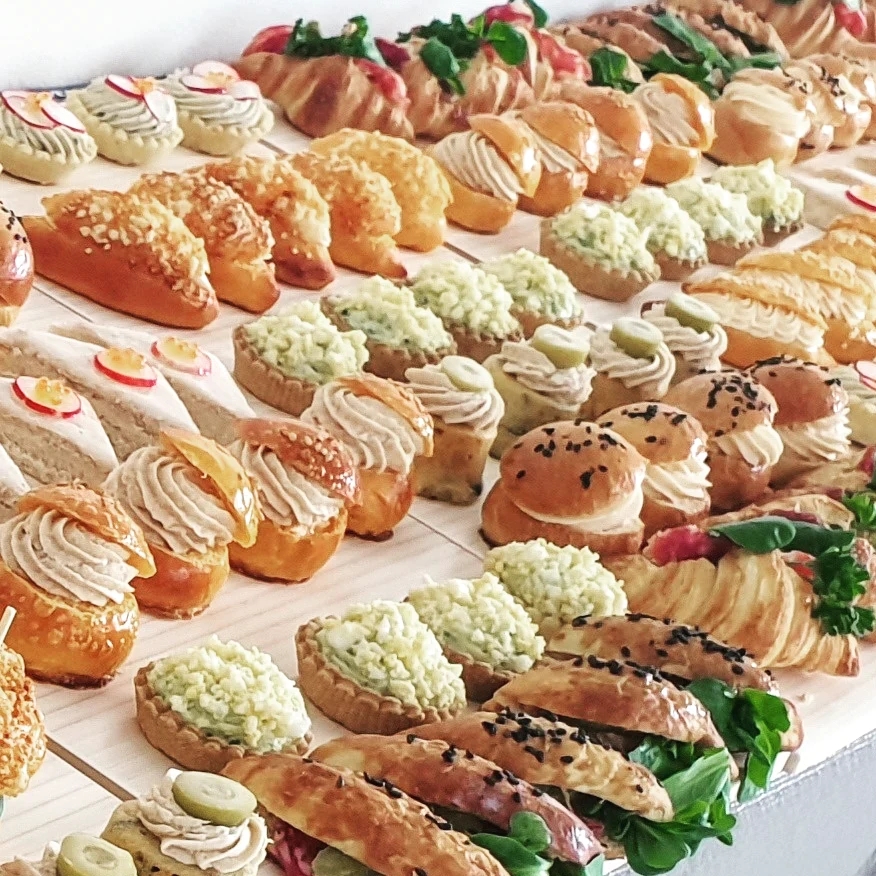
In addition to all the pastries I got at various bakeries around town, my school is also partnered with a pastry school, so sometimes we got extra treats from the pastry students. One week, a German couple were attending classes with us in town to visit their daughter who owns a patisserie and they brought boxes of her fine pastries to share with us. Another night, the sister pastry school hosted a party with tables laden with canapes and tiny bite size pastries. Heaven!

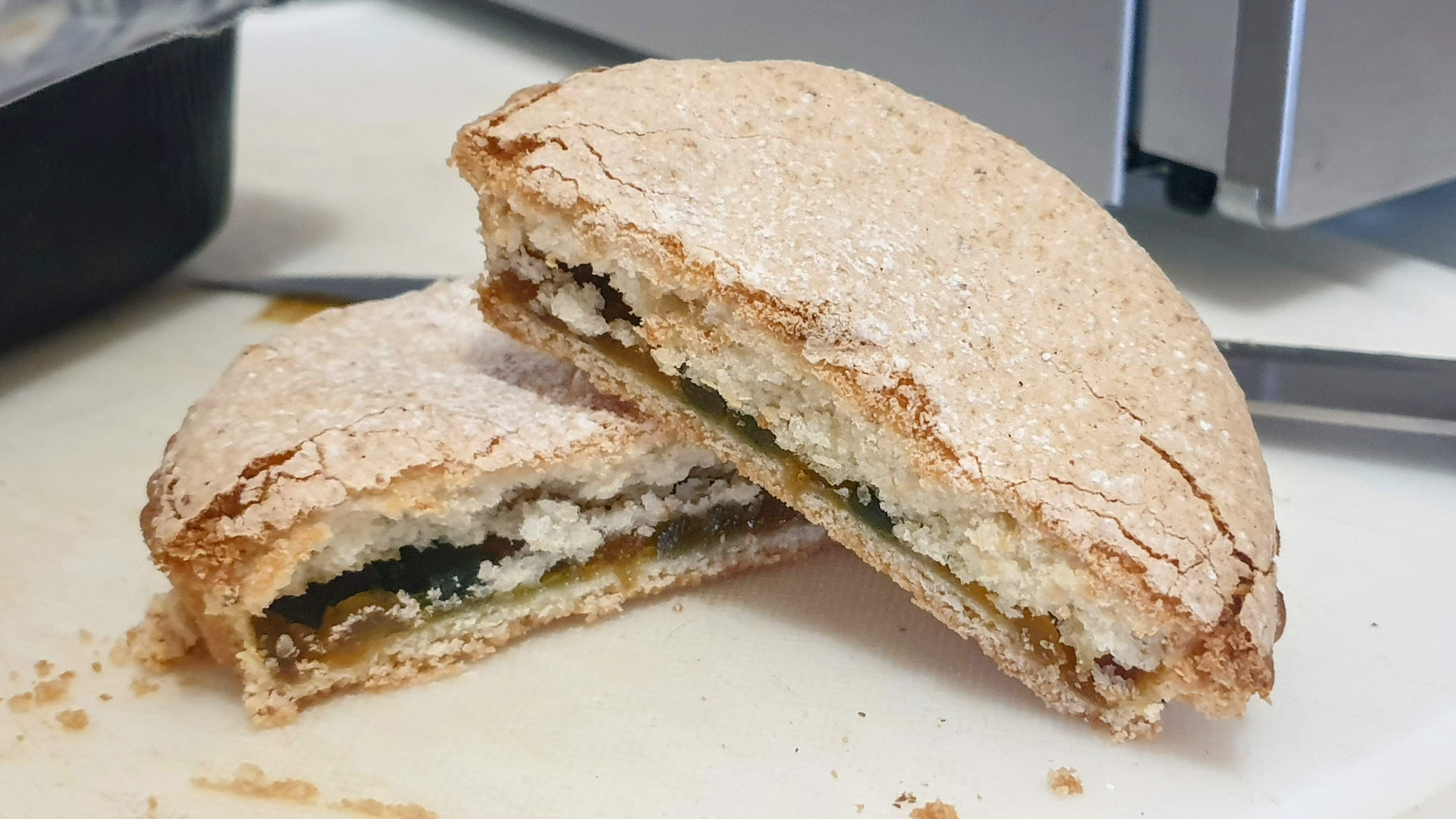
The one local pastry specialty is called Nougat of Tours. It’s not a nougat at all, it’s a cake. Specifically a “travel cake” made for easy transport and meant to stay fresh for several days (unlike bread and most other pastry which really needs to be eaten the same day).

In my quest for culinary experiences, I bought one to try, but I was a bit underwhelmed. It’s a cake with almond flour, dried fruits and apricot preserves, which should be lovely, and it’s definitely as good or better than most things you’d find in a US bakery, but after the beautiful apricot tarts and apple turnovers ate which were buttery and bursting with fruit and just the perfect amount of sweet with a hint of salt… This cake landed on the candy side of too sweet, and because the fruit used is dried and or in jam form, it lacks the pop of acidity and brightness in other fruit desserts. The cake itself was a bit dry (maybe that’s the “travel” quality?) but otherwise a nice texture.

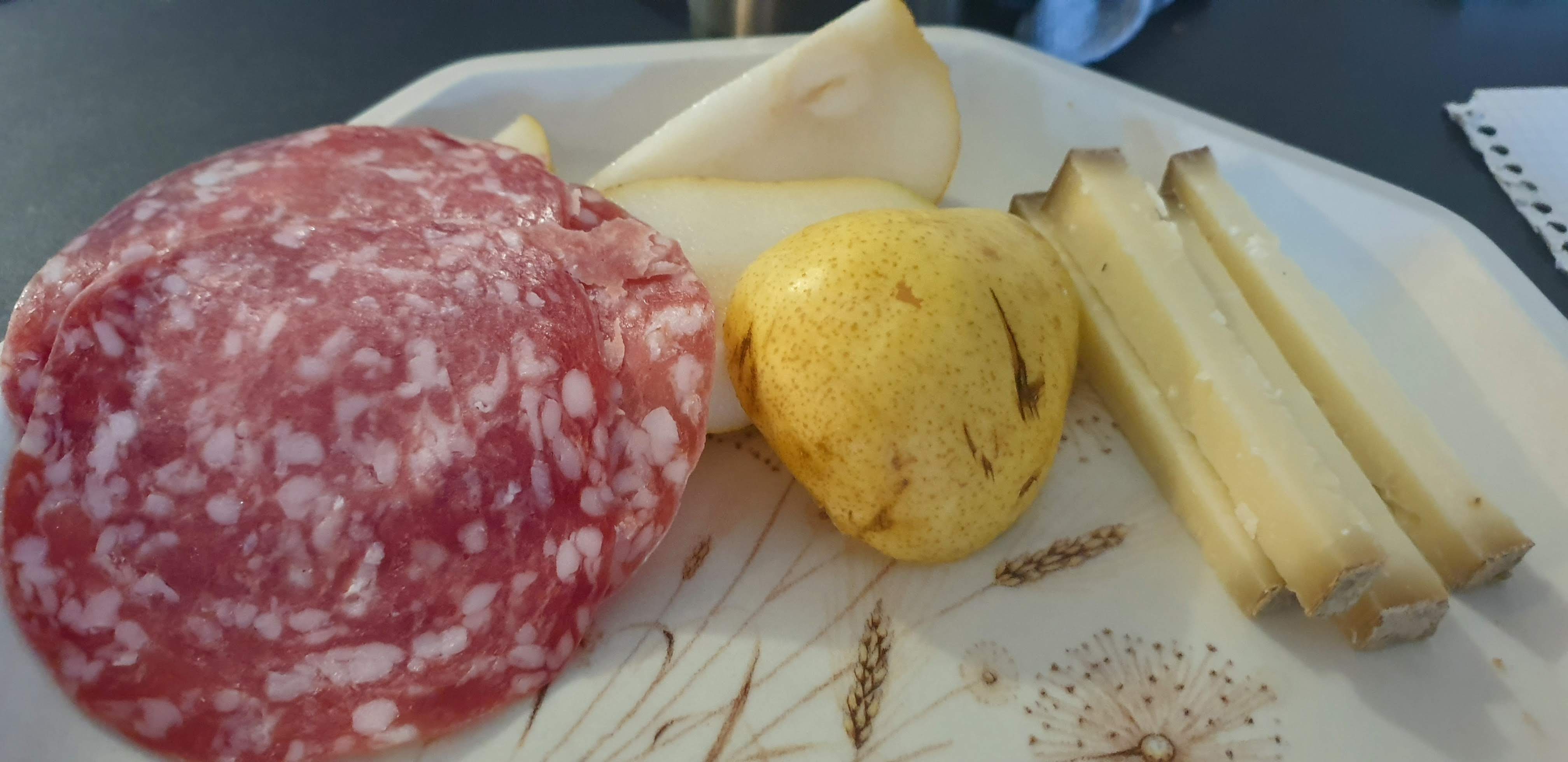
After a couple of initial assessment bites, I ended up finishing it with some Comté cheese (a hard aged cheese that is rather sharp) which may or may not be blasphemous but it took the edge off the sweetness.

On my very last day of classes, the school’s field trip included a final trip to the pastry school where the students were sharing the results of their final exams. The five desserts we were privileged to taste included an excellent cheesecake with a grapefruit coulis, a chocolate cake, a chocolate flan (very new experience for me!), a strawberry cream tart with fresh mint, truly an inspired combination, and very most specially, an award winning 5 texture vanilla gâteau. This last creation is the brainchild of Chef Angelo Musa, who had come to the school as a guest instructor. It’s called the 100% Vanille and is served at high tea at the restaurant La Galerie inside the Hôtel Plaza Athénée in Paris where it sells for 21€ a pop!

Restaurants

I don’t go to restaurants that often when travelling because they are more expensive, but they are fantastic and invariably both better and cheaper than any in the US. Years ago, I discovered the joy of the set menu (formule or prix fixe) where you can get an appetizer, main dish, and dessert for a fixed price by choosing from a more limited menu. In fact, you can usually find this combination for 25-30€ depending on where you are, and unless you have your heart set on a particular dish, the set menu that is chosen by the restaurant each day represents the food they most recommend and may even be based on fresh products they found in the market that morning. Ordering from the menu a la carte can set you back 50-60€ for the same amount of food! And don’t forget, in France, taxes and services are included in the price of the meal, so you don’t need to worry about tacking on an additional 20-30%.

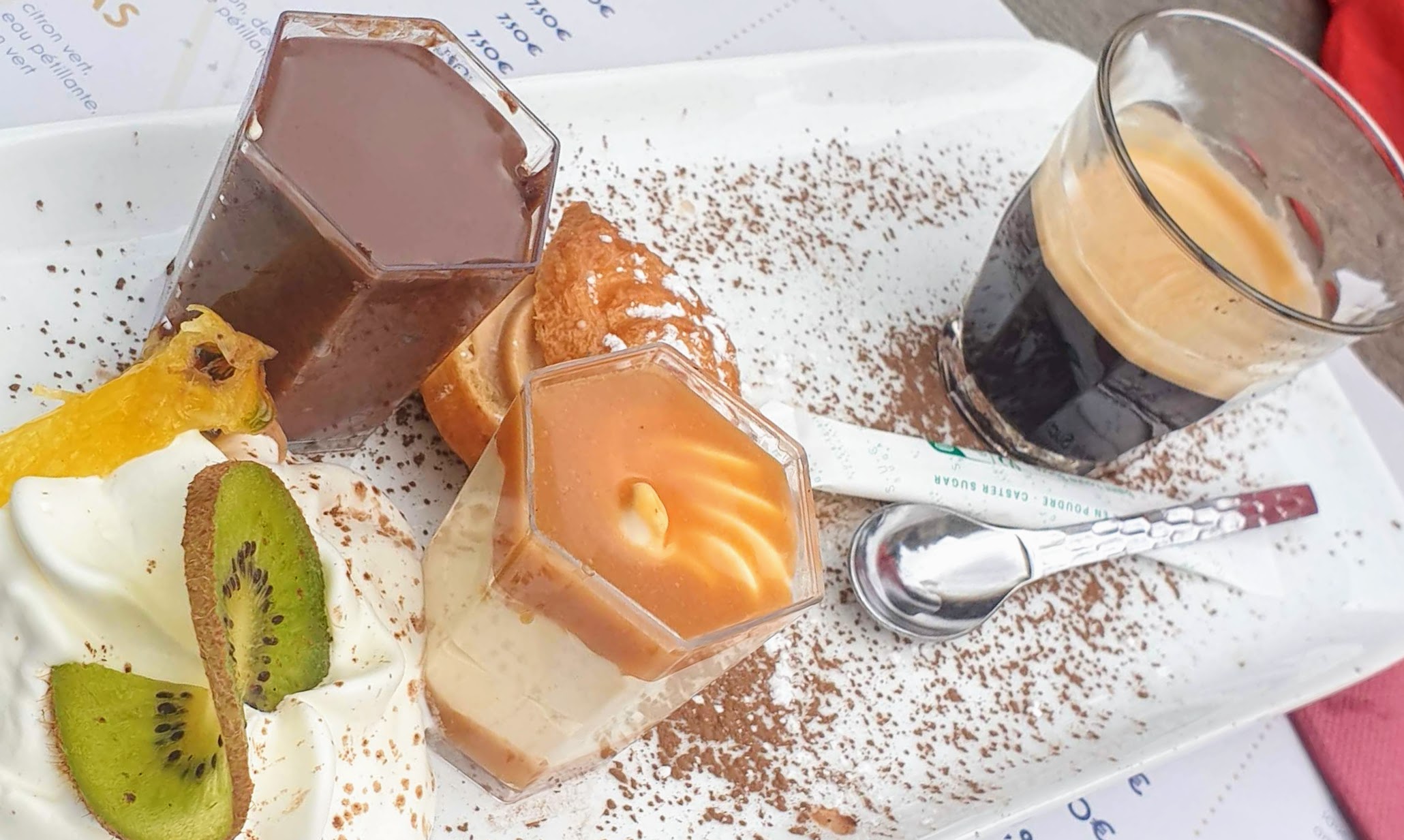
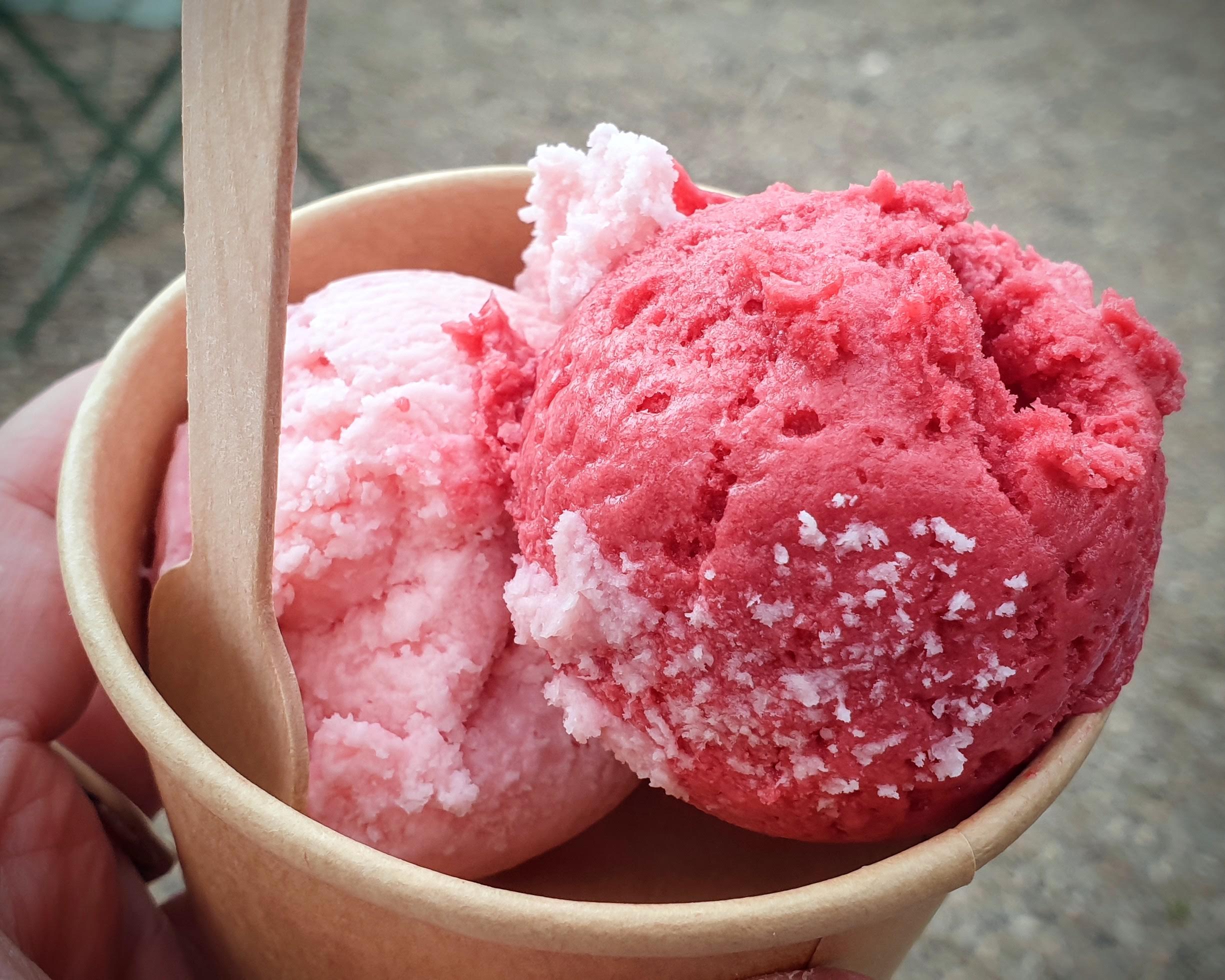
I found a restaurant close to my school here in Tours that offers a lunch menu of main dish plus dessert for just 13.90€! I had steak lunches a few times as a break from my boulangerie sandwiches. It’s not a Michelin experience or anything, but it never ceases to amaze me how easy it is to get good quality, well prepared food at extremely reasonable prices in this country. I enjoyed the desserts outside the patisserie, too. My long time favorite is the cafe gourmand, which features a selection of small bites of the restaurant’s daily dessert alongside a cup of espresso. There were also a number of ice cream and gelato shops with interesting flavors like raspberry-bergamot and rose.

Cheese

One of the best ways to explore local food specialties is to find ‘the Hall” (les Halles). It’s an indoor market space, like a mall but for high quality food vendors. In my second week, I discovered Les Halles. There I began my education in the food products local to the area, especially the cheese. The prices tend to be higher than the Carrefour (a grocery store), but the products are amazing and less expensive than eating at restaurants every day. It’s a good compromise that enables me to indulge in fantastic local products without breaking the bank.

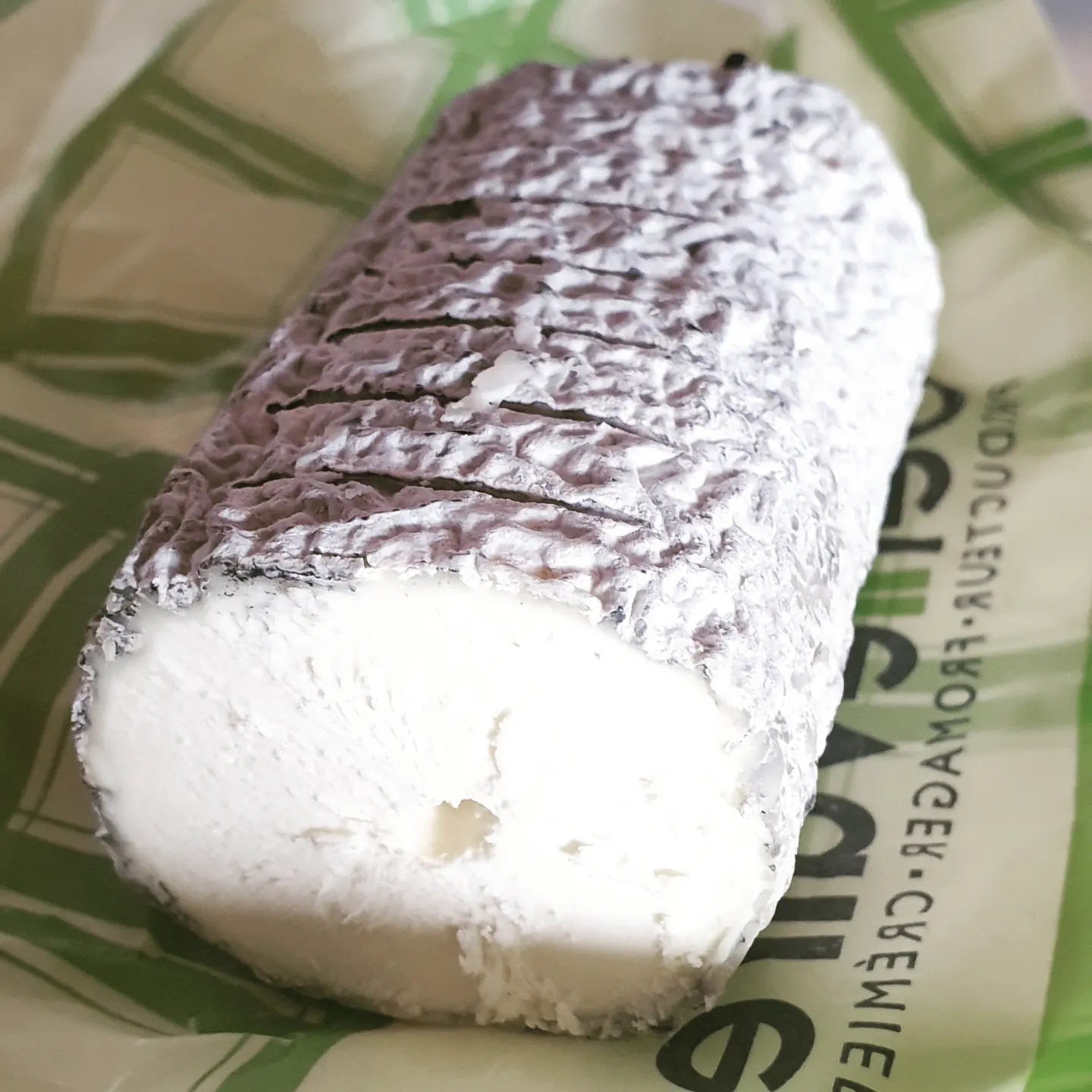
The region around Tours is called Touraine, so you can see certain products labelled this way if they are local specialties. I started my cheese journey with Sainte-Maure de Touraine. It’s a light and creamy cheese made from goat’s milk (don’t knock it because you had bad chevre in another country). I fell head over heels in love with it and went back for more three times. Interestingly, the second time I bought it from a different shop and it was different! I had thought that the AOC/AOP labelling would mean that the products were all the same, but then I learned a whole new set of information about cheese.

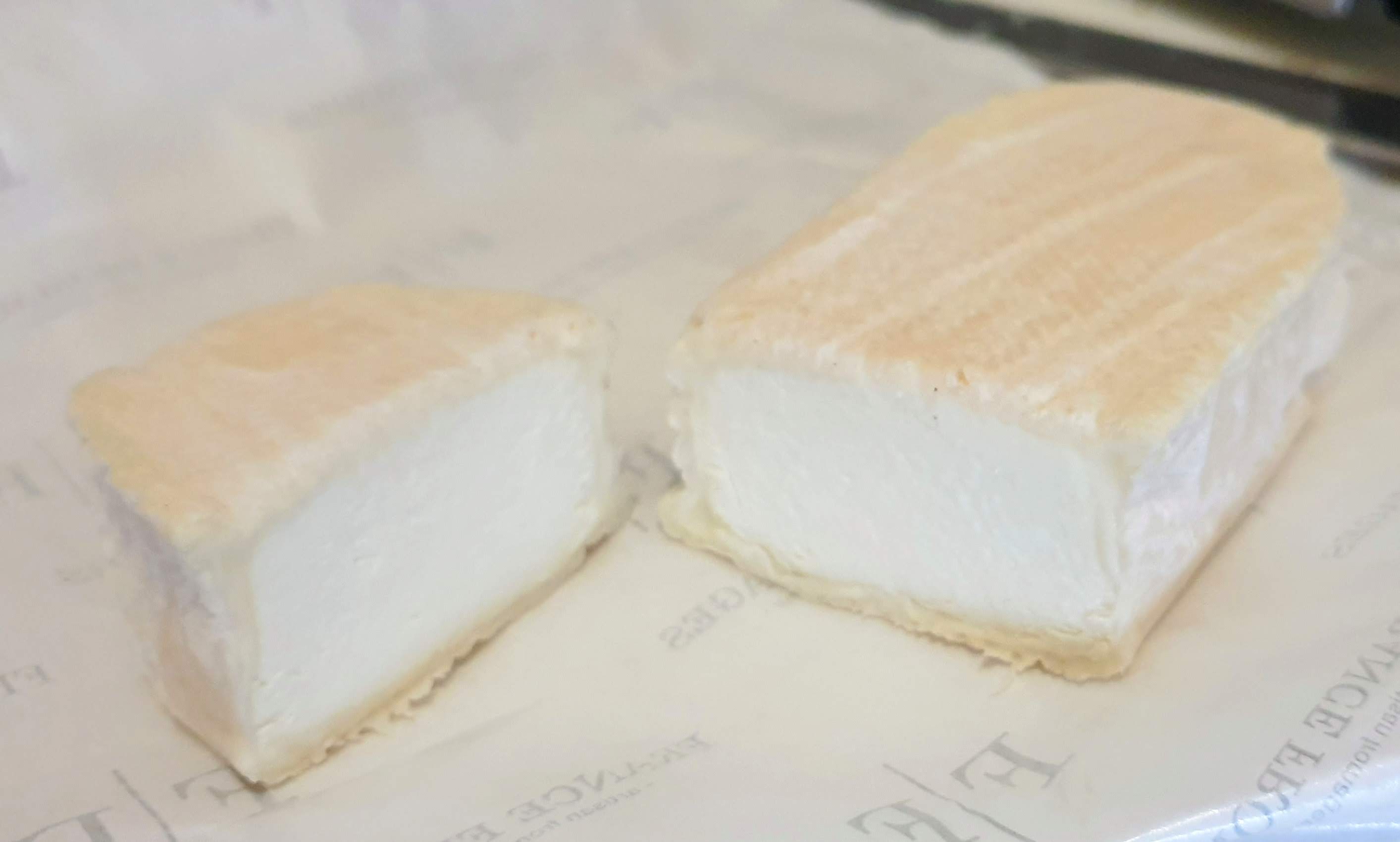
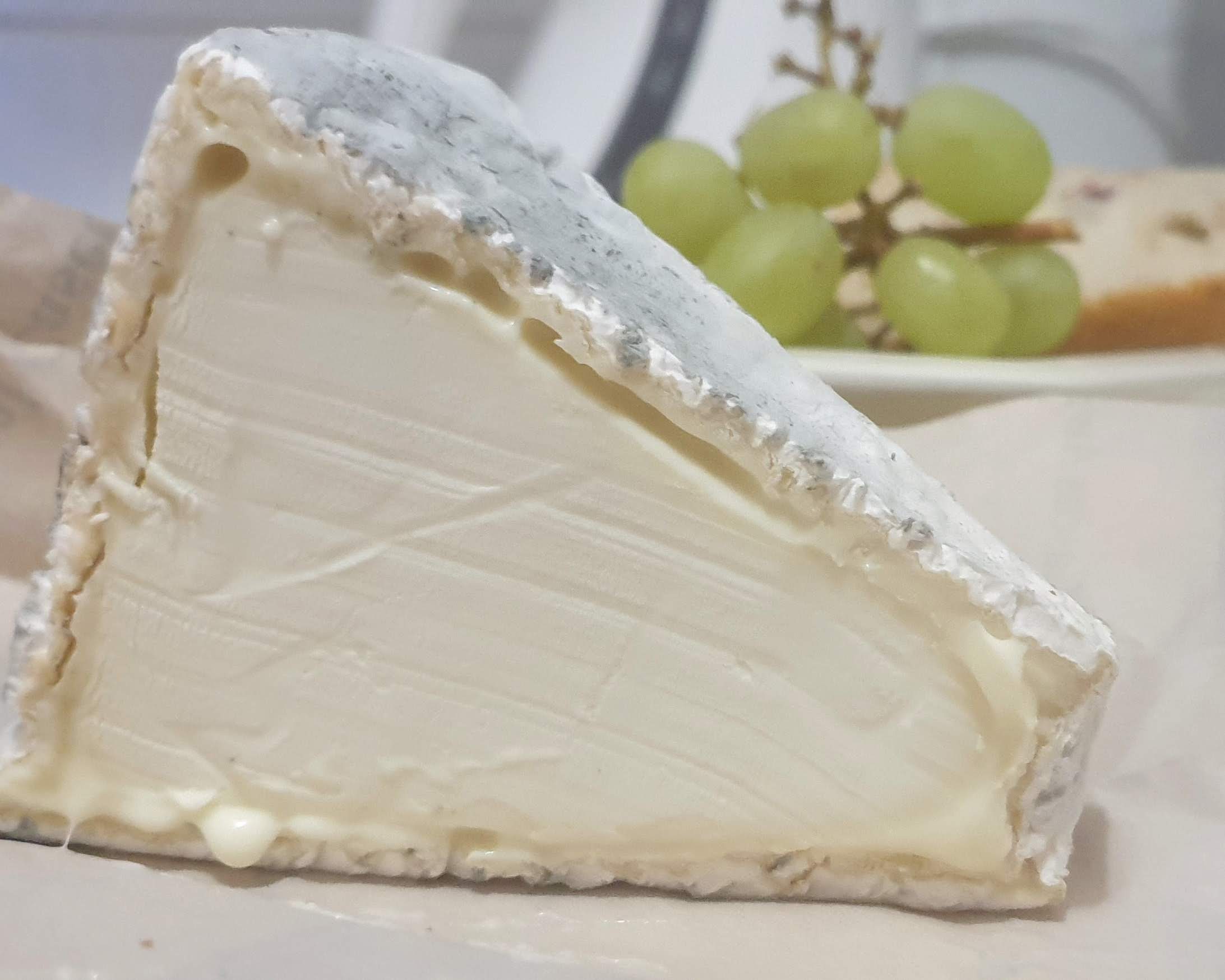
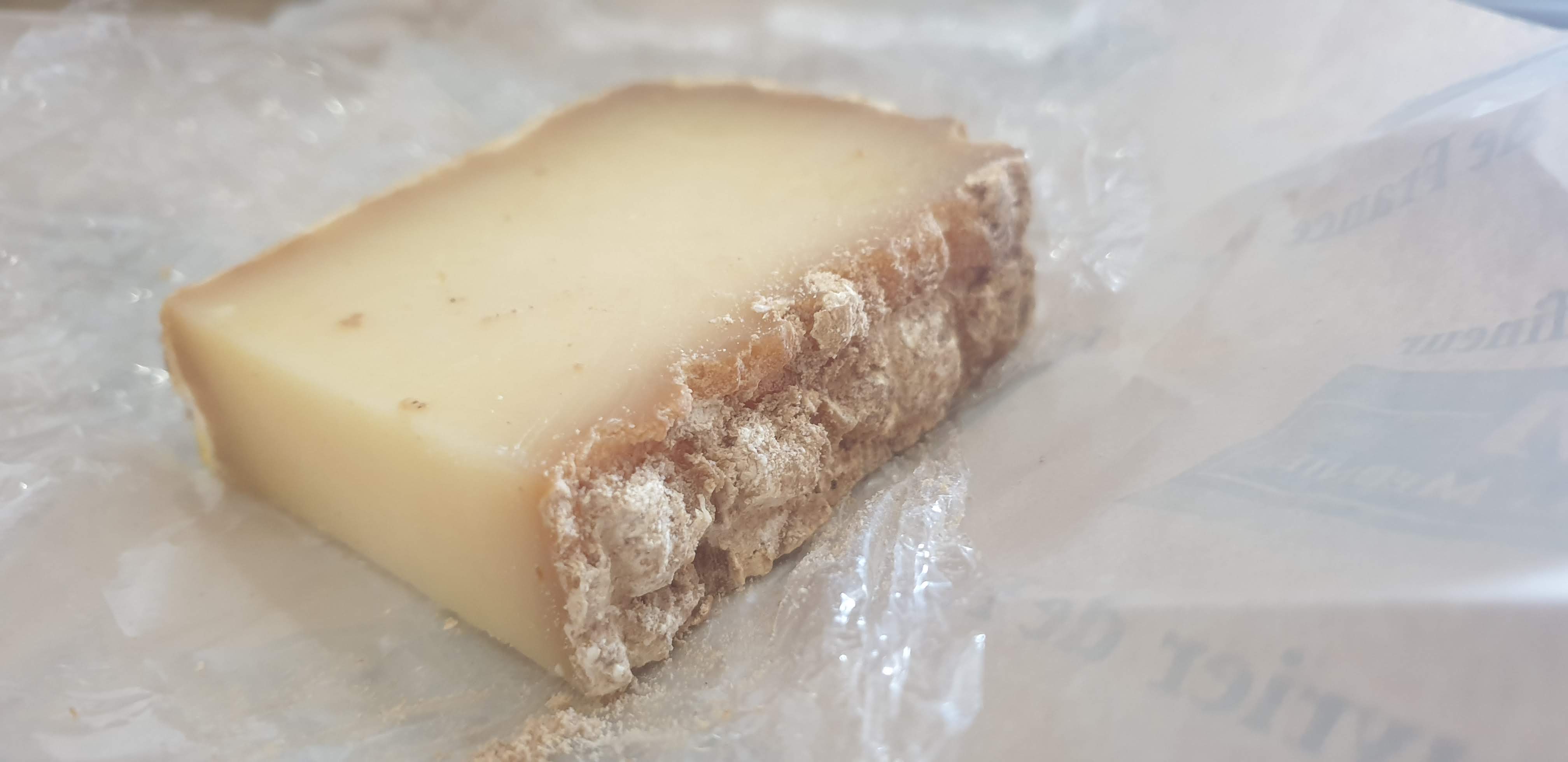
Soft cheese made from raw milk (not pasteurized) does a wild thing as it ages… it liquifies. The French people I talked to about this did not approve of my use of the description of liquid, apparently it’s called creameaux (which I thought meant “creamy”?) In any case, you can see the clear differences in the textures of the younger Sainte-Maure and the slightly older one. I had to do some Googling to make sure my cheese hadn’t gone off (it hadn’t), but when I ate it, I was surprised to find that the flavor had also changed. The younger cheese with a single texture was light and slightly woodsy. The more aged version was significantly stronger with a more pungent flavor. I felt that I could eat the young cheese on its own, but I wanted some bread to support the older and stronger version. During the few days it took me to devour my log of cheese, I noticed it got runnier each day. Online reviews of the aged soft cheese (correctly called “ripe”) said that the more ripe (runnier) the better, but acknowledged that it was still a matter of personal taste. When I went back for my third purchase, I was able to ask the vendor about it, and he told me there are actually 3 ages for the Sainte Maure. I never even tried the oldest version! I guess that means I have to go back some day.

Since it’s not legal in the US to make soft cheeses from raw milk, I had never in my life encountered such a thing as “ripe” cheese. I’ve had aged hard cheeses aplenty and even taken a workshop in Amsterdam about the process, but it took some effort to learn to dive in to the runny soft cheese and enjoy it.

In addition to the Sainte-Maure, I also tried Brossauthym, a local sheep cheese made with thyme. It’s very very soft and has a wild toasted grain flavor alongside it’s rich and complex creaminess. It’s also a local specialty with strict rules. The sheep kept in special pastures with local grasses and wildflowers to graze on, and they aren’t even milked during lambing, limiting the supply to half the year. My piece was largely one texture when I cut the rind, but within a few days, it too was ripening and the flavor changed little by little. By the last day, at least half of the remaining cheese had oozed out of the rind and pooled at the bottom of the waxy cheese paper I stored it in.

Pouligny St Pierre is another goat cheese, but it’s pyramid shaped. The exterior of the one I purchased was very soft to the touch, not soft as in the opposite of firm, but soft like you want to pet it. It was a bit unnerving because “velvety” is supposed to be about mouthfeel, not touch when it comes to food, but peaches are kind of fuzzy and they taste good, so I went for it. It has a similar creamy nutty flavor to the Sainte-Maure but a bigger punch than the unripened version, enough so that after my initial taste, I decided it also needed to be eaten with bread.

The last local cheese I tried was Couronne Lochoise. Although it has a distinctive ‘crown’ shape, it is otherwise very similar in texture and flavor to the young Saint Maure. I enjoyed it immensely on its own, with fruit, and with bread.

I did eat some non-regional cheeses as well such as Comté and Tomme, but these are cheese which can have a lot of variety depending on how they are made and aged. They are not soft cheeses, so the aging process results in saltier more intense flavors getting drier the longer they age. Also, since they are hard cheeses, it is likely to be easier to find them outside of France because import requirements for hard cheese are generally easier than for soft. If you happen to be able to find either in your local cheese section, I highly recommend trying them out.

This cheese is a 3 year aged Comté. I found it hard to describe the flavor, but apparently so does everyone else. It’s a little creamy, a little nutty, a little salty, and goes with anything. Check out a professional description here: Link

Other non-Touraine cheeses I tried while in Tours include Grand Causses, which is variety of Tomme made from sheep’s milk, 3 months aged, fruity, nutty, woodsy, and firm; and St Nectaire Fermier Du Marechal, a cow cheese, pressed, and cellar aged, with mushroom, cream, straw flavors.

I also had a couple of cheese failures. My first grocery trip in Tours I bought some Pont-l’Évêque. I got this thinking it was in the same family as brie or camembert, but it was far too “stinky cheese” even for me. The online flavor profile is described as “pronounced, rustic farmyard”. Farmyard is right! The other cheese I tried but didn’t like was Fumaison, a smoked sheep cheese, which should have been great because I love both those things, but I couldn’t enjoy it. At first I thought it was just the crust/rind that had a flavor I disliked. It tasted almost like melted plastic, so much so I thought I accidentally ate part of the plastic wrap on my first bite. I tried it without the rind, and it was less immediately “nope”, but not actually a flavor I enjoyed.

I also learned some interesting things about cheese vocabulary and etiquette on this trip. French has a LOT more words to describe cheese than English does. My teacher gave me a vocabulary worksheet on my last day as a little souvenir. There’s also some pretty strict rules about eating a shared cheese at any kind of event. Different shapes of cheese must be cut in different ways and with different tools, partly in deference to the texture, but mostly to make sure that everyone gets a fair share of the best part of any cheese: the middle.

Wine

France is obviously famous for wine, but this is an expensive hobby. I looked into trying a wine tour, but most are over 100$ and require you to get yourself out to the countryside and back. I’ll keep looking, but until then, I’m mostly just sampling things by getting a glass at a restaurant, or other random encounters.

I am not a sommelier. I do not speak the language of wine flavors, so when people go on about notes of cherry or whatnot, I get a bit glassy-eyed. I love learning about the techniques of wine-making and I appreciate that there are complex flavors across different varieties, regions, and ages which people train for years to be able to distinguish and discuss, and I think that’s an amazing part of the human experience, but… I also sometimes just want to drink delicious wine.

I’m not a fan of wines which are very sweet or very dry, I prefer a middle range. I also do not like wines which may be described as “citrusy” (I do not like “citrus notes” in my beer, chocolate, or coffee either, so this comes as no surprise). I often find that wines from California (for one example) are too acidic for my tastes. On of the reasons I fell in love with the Argentinian Malbec was its buttery, velvety taste. So, while I can’t discuss my wine tastes in sommelier terms, I know in general that I’m looking for things which are neither sweet nor dry, that do not have too many tannins, and that never would be described by any citrus fruit. When I say a wine is delicious to me, this is usually what I mean.

I did have a look at the grocery store collection, and some small wine shops, but since I’m tragically under-educated when it comes to French wines, I was rather at a loss. I discovered what I like to think of as my “favorite” French wine several visits ago when I bought a glass with a dinner and was simply blown away. It’s called Viongier, and is a delightful white wine from the Rhone Valley. It’s recently become more popular outside of France, so I’ve seen it in shops in other countries from time to time. 

During my time in Tours, I got to try a Vouvray and two types of Chinon. Vouvray is a range of white wines grown in (surprise!) Vouvray, an area just outside of Tours in the Loire Valley. They make several different types of wines including, sweet, semi-dry, dry, and sparkling. What I had was called the Vouvray Cuveé Silex. Cuveé means vintage, and Silex refers to the stone and clay content of the soil where the grapes are grown, which impacts the final flavor. I was treated to a glass at the party hosted by the pastry school and managed to snap a photo of the bottle for later reference because I liked it so much.

Chinon is another nearby region in the Loire Valley, but it produces mostly red wines. The grape used for the reds is a Cabernet grape grown on clay-limestone or sandy-clay soil (again, affecting the end flavor compared with cabernet grapes grown elsewhere) and the wines are aged in large clay pots inside of local caves. Apparently, the clay jars increase the micro-oxygenation of the wine as it ages which results in a grape-forward flavor. The caves are at a constant temperature which is also necessary for properly aging the wine. I’m told that Chinon wines are popular abroad, so I’ll have to keep an eye out now that I know about it. I had a glass with a steak lunch and felt that it held up well to the rich red meat without being in any way acidic or tannin forward – bold, but mellow.

The other Chinon wine I got to try was a gift of Philippe Brocourt Chinon Chenin, one of the rare white wines from the Chinon region. One of my teachers introduced me to this wine since the vintner is a friend of his. I enjoyed the wine very much, and was surprised to see it listed as both very dry and very acidic when I researched it online. I didn’t feel like it came close to my limit for wine in terms of tannins or acidity, yet the French seemed to think that this was the top level. I tried to find the answer, but the internet tells me American wine is actually sweeter than EU wines. It’s also possible that the wines I buy in US shops have been stored improperly and oxidized, but it seems strange that such a thing would be so pervasive. Or it could be the balance of the tannins and acidity in CA wines is just not to my liking. One day, I may learn how to pick out a bottle of wine based on the description, but I’m afraid today is not that day.

Tasting My Way Around France

When I first started international tourism (about 10 years ago now), I was often too distracted by activities and sightseeing to think of stopping for food. Although my very first trip to France in 2015 was a culinary revelation, it’s taken me a long time to learn how to prioritize food tourism, and not just view eating as something I squeeze in between museums and waterfalls. Being able to stay in Tours for so long gave me a great opportunity to ease my way into understanding local and regional specialties. As my France trip continues to unfold, I look forward to reading about and eating more such delights along the way.

The Châteaux of Loire Valley

In an attempt to organize my adventures in Tours, this is the 3rd of 4 posts about the city, and it features three of the châteaux in the Loire Valley. There are so many châteaux that there are top ten best châteaux near Tours listicles. Tragically, most of them are not especially convenient to public transit as they were all originally designed to be exclusive country estates. Happily, my school arranged some field trips.

One thing I’m learning while doing follow up research on my visits is that many of these historical sites now have extremely thorough virtual tours with professionally taken photographs where each plant is in peak season and the weather is ideal. There is no way that my photos can objectively compare, and while I may treasure my own photos more than those on a website because they come to me with the memory of me physically being there, I can’t actually think of a reason for any reader to prefer my photos to those professionally taken at the site. My story may be unique because I will not simply tell you the history of a place, but rather my experience of being there and learning that history, but unlike many places I’ve been where I can find little if any information, or even in contrast to when I first came to France in 2015, the museums and historical monuments in France are extremely well documented. 

So, if you’re here and you want to read about my personal experience with these places, then thank you, but also, if you want to know more or see the locations at their absolute best, then I recommend the virtual tours (links below).

Château de Villandry (virtual tour link)

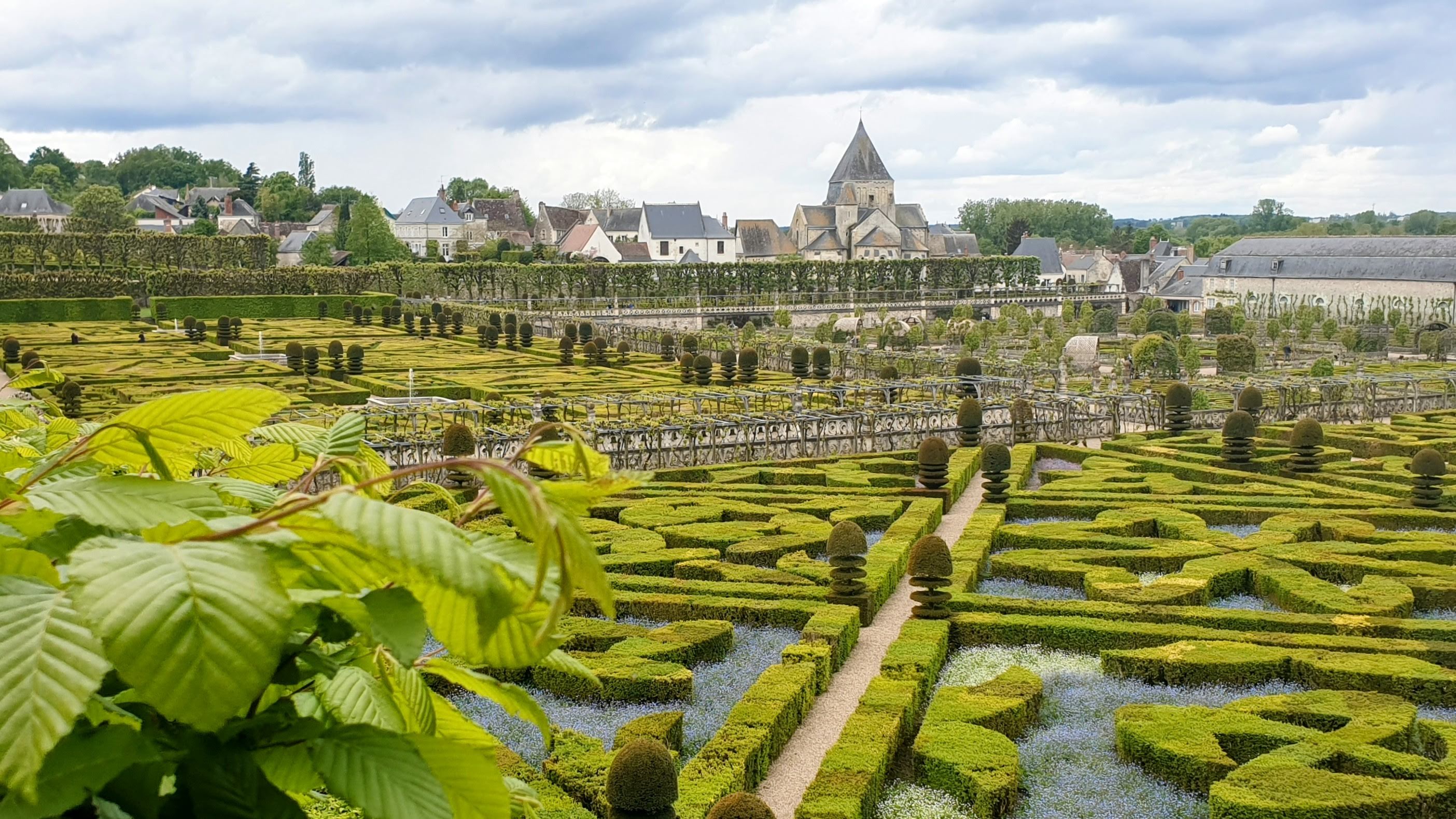
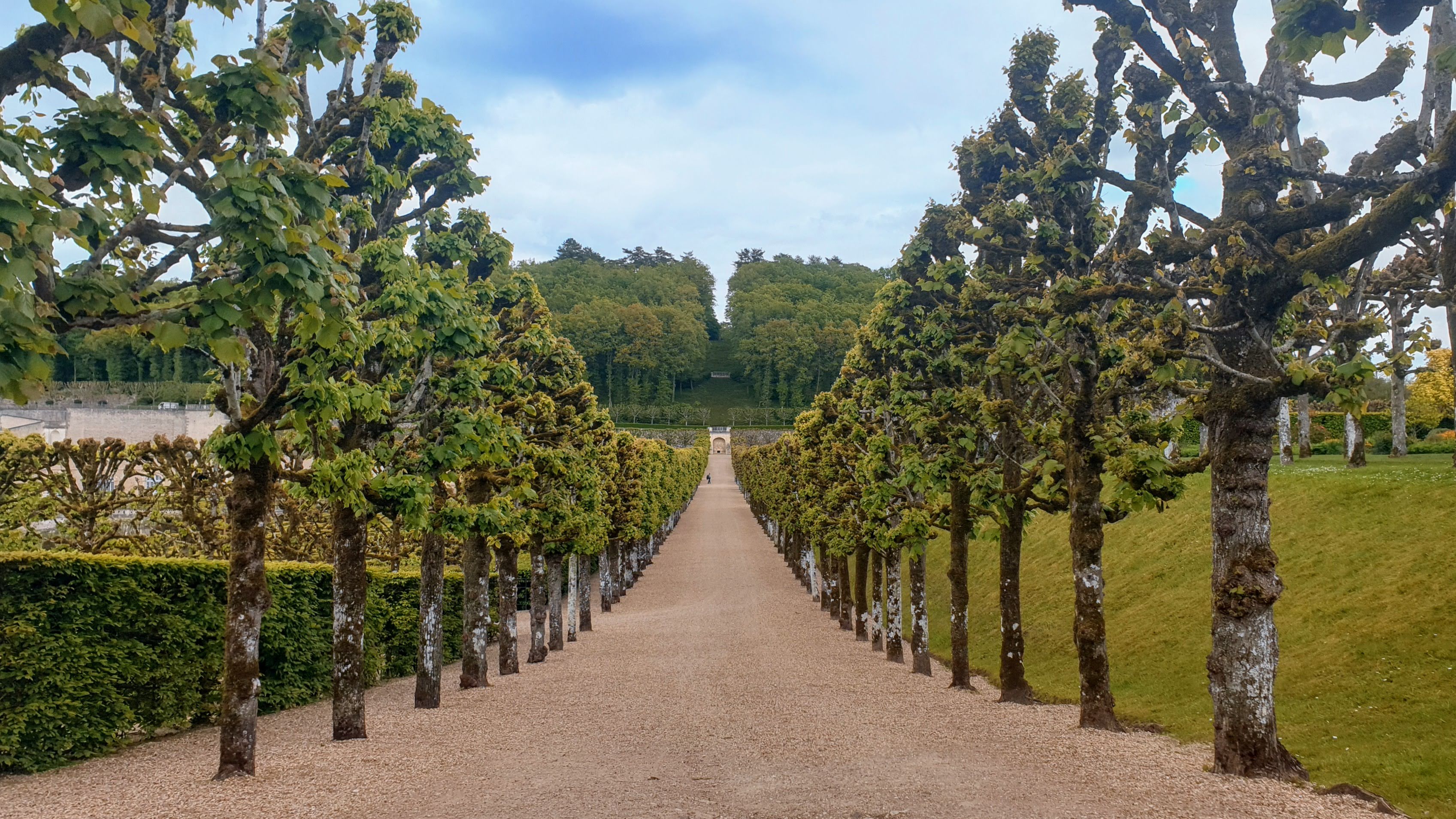
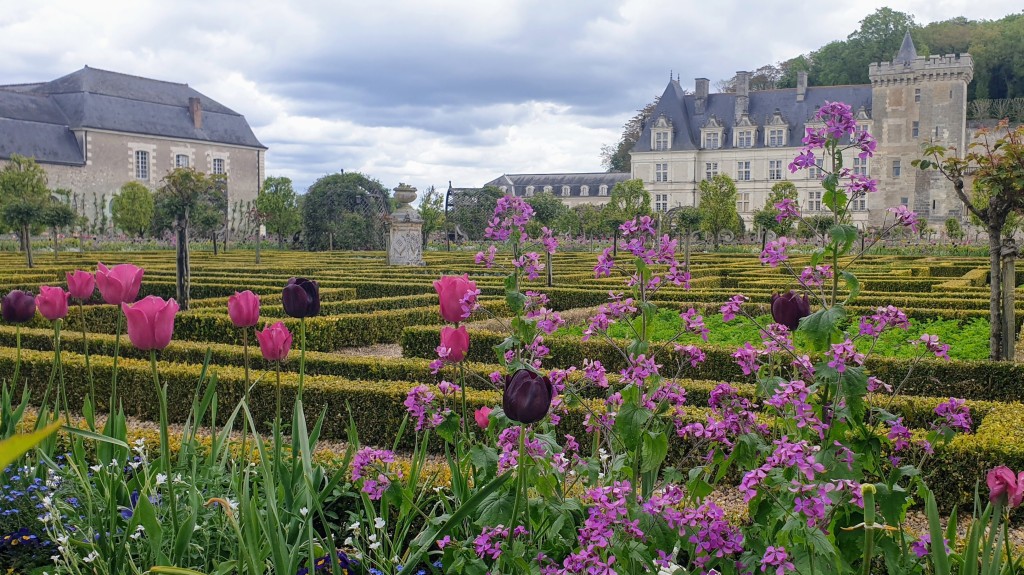
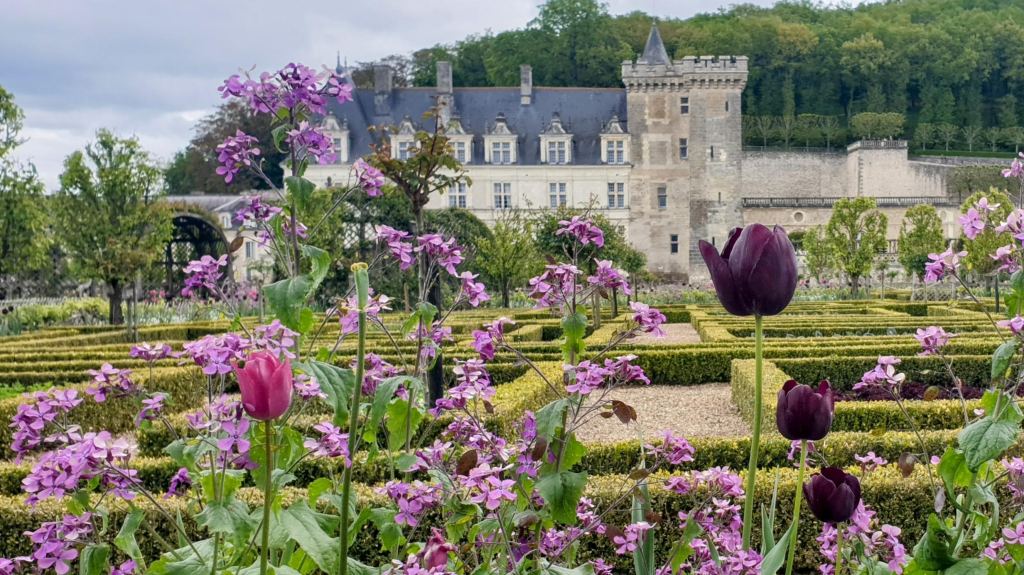
My school host and ersatz guide advised us that the interior of the château is nothing special, and we all agreed we would focus our trip on the gardens. To begin, we actually went up inside the château to climb a creaky staircase to the upper wall and get our first panoramic view of the gardens below. I was quite grateful for this since the website features some very stunning drone photos of the grounds which are planted in elaborate patterns best observed from above.

My guide explained briefly about the history of the design of the gardens below (and since he’s also the of our French language school, he did it in French (albeit very simple French) to help us learn. I double checked my understanding by taking photos of the informative signs and reading the website, but I actually caught most of it. Yay, learning!

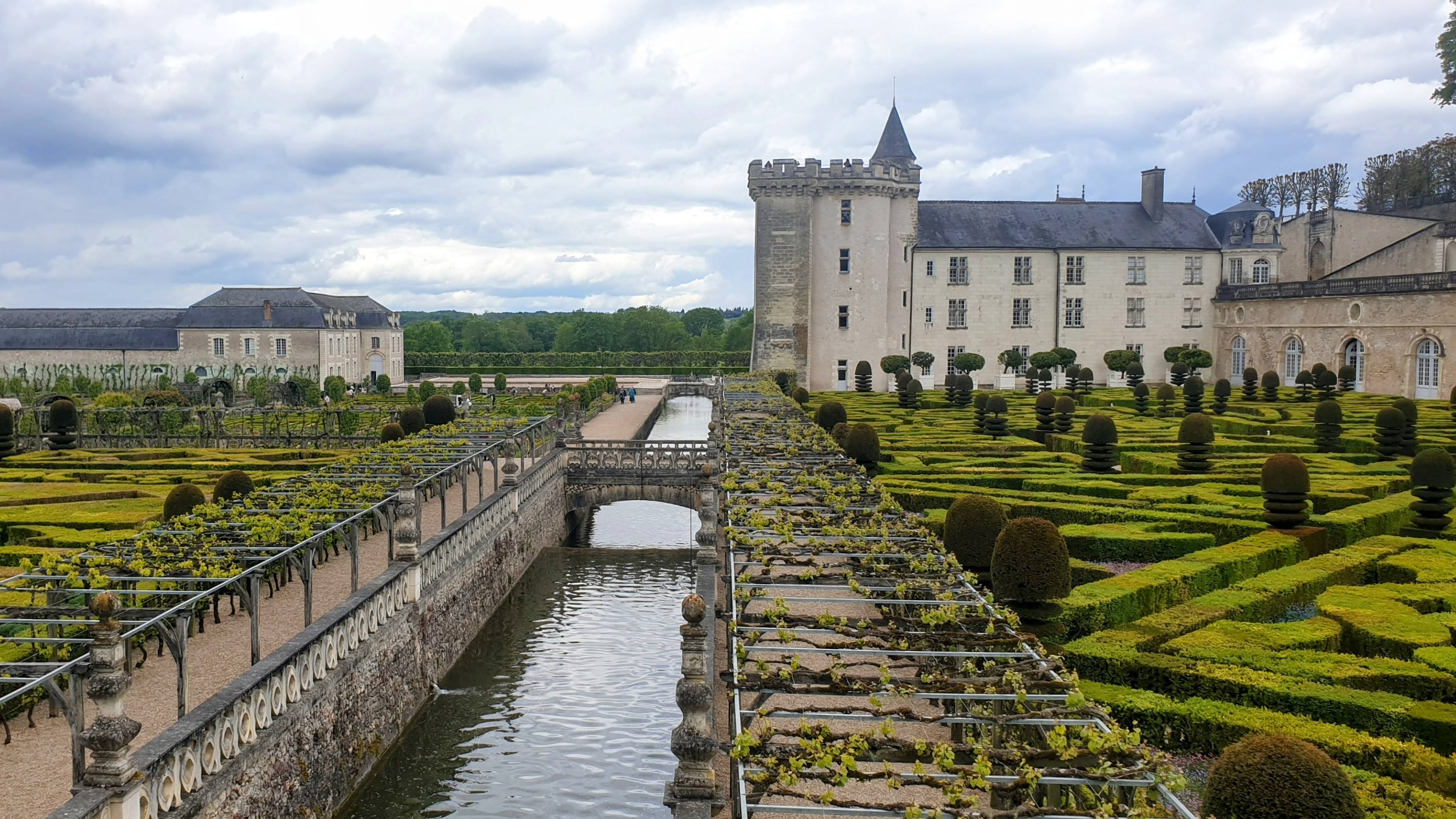
Villandry traces it’s origins to the 11th century Colombiers Fortress, but the modern edifice and grounds bears little resemblance to it’s ancestral lineage. The current château is of Renaissance architecture, which means around the mid 1500s. It looks like the first major attempt at decorative gardening was in the 1750s. At that time it was done in the style of a French garden. Then in the 1840s it was changed to the style of an English park. All this time, the property keeps changing hands as well. In December of 1906, a rich American heiress bought the property for her husband, Joachim Carvallo who is responsible for the current structure of the gardens. Later additions were made by their children, and finally the sun garden was added last in 2008.

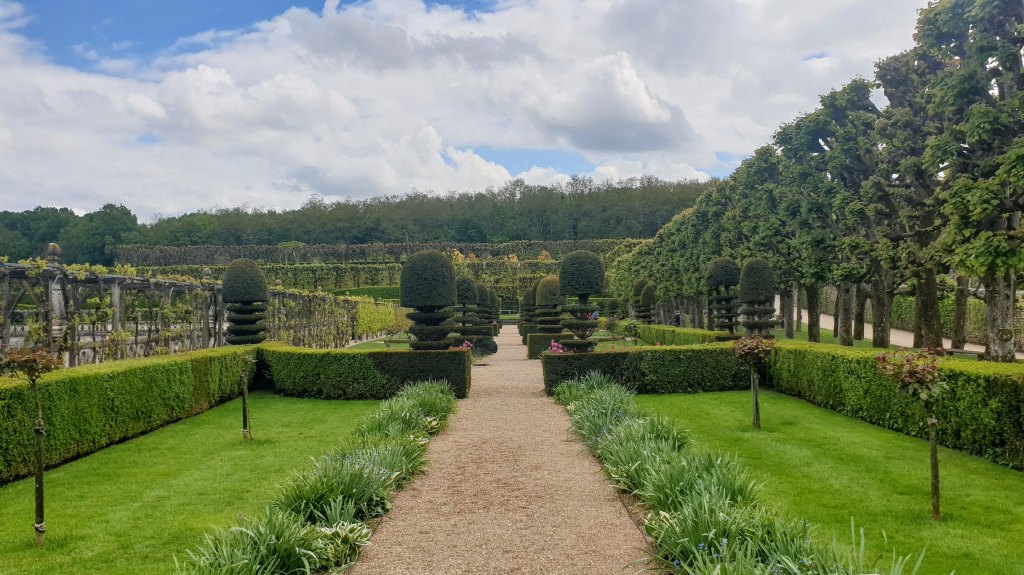
The gardens are immense. The first division splits the area into three sections: the Kitchen Garden, the Water Garden and the Ornamental Garden. The main view from above and the most striking panoramic view is of the Ornamental Garden. The Love Garden represents 4 types of love: Tender Love: hearts separated by flames of love in the corners of the square with masquerade masks in the center. Passionate Love: broken hearts and a tangled maze. Flighty Love: four fans in the corners for fickleness, horns representing betrayed love, love letters. Tragic Love: blades of daggers and swords used in duels between those fighting over a shared love. To the left is the Garden of Crosses with Maltese Cross, the Cross of Languedoc, and the Basque Cross along with highly stylized fleur-de-lis.

I was quite captivated by this entire notion as it was explained to me, and it made me think of the sort of Regency Era period dramas that show high society engaging in all manner of romantic hijinks. I’ve read histories about the way that fans were used to flirt, about the affairs at court, and about the duels. Then I found out the garden was not installed like this until the early 1900s and I realized that rather than a representation of courtly romantic drama by those who lived it, it was a recreation by a historical fan from a later era. I don’t think that makes the gardens less beautiful in any way, but it is interesting to think of the layers of history that go into famous monuments and tourist attractions. Villandry as a property certainly predated, hosted and then survived after the period of courtly intrigue that dominated the century between 1750-1850, yet the current historical restoration and preservations were not replicas of anything that existed at that time, instead created as tributes or memorials.

We moved rather quickly through the so called Water Garden, as it’s main feature is a reflecting pool. The next area we entered on our way was full of flowers hued in shades of purple, blue, and white. When I caught up with my group in the next area, one staged in shades of red, orange, and yellow, my guide explained that these were the moon and sun gardens respectively. I found the sun garden on the website, but no evidence of the moon garden. It was clearly there, but I can’t find it on the webpage. Instead, there’s a whole other space called the Music Room that I have no memory of seeing, nor any photos of it in my cloud. 

The next main space we walked through was the herbs and medicinal garden, followed by the kitchen gardens. Since it was still early spring, these were a bit sparse, but I was nonetheless enchanted by the geometrical patterns created by the beds for herbs and vegetables. I took a great many photos of the château itself from this angle as well since it looked quite lovely as a backdrop to the gardens. At the time, I felt like we had explored every nook and cranny, but looking a the website afterward I can see there are aspects we did not discover, nor may they have been much worth seeing when not in bloom or harvest.

As with many things here in the Loire Valley, an afternoon at the château gardens isn’t about rushing through to see as many sights as you can; it’s about a stroll through a beautiful environment on a lovely day to enjoy the views and the take the air. Though the courtly days are long gone (and truly, I am grateful to live in modern times), there’s something to be said for “taking a turn around the gardens” as though I were a heroine in a Jane Austen novel. I took many photos of the flowers in bloom, so if you love flowers, check out the slide show below!

Château d’Azay-le-Rideau Castle (the virtual tour link)

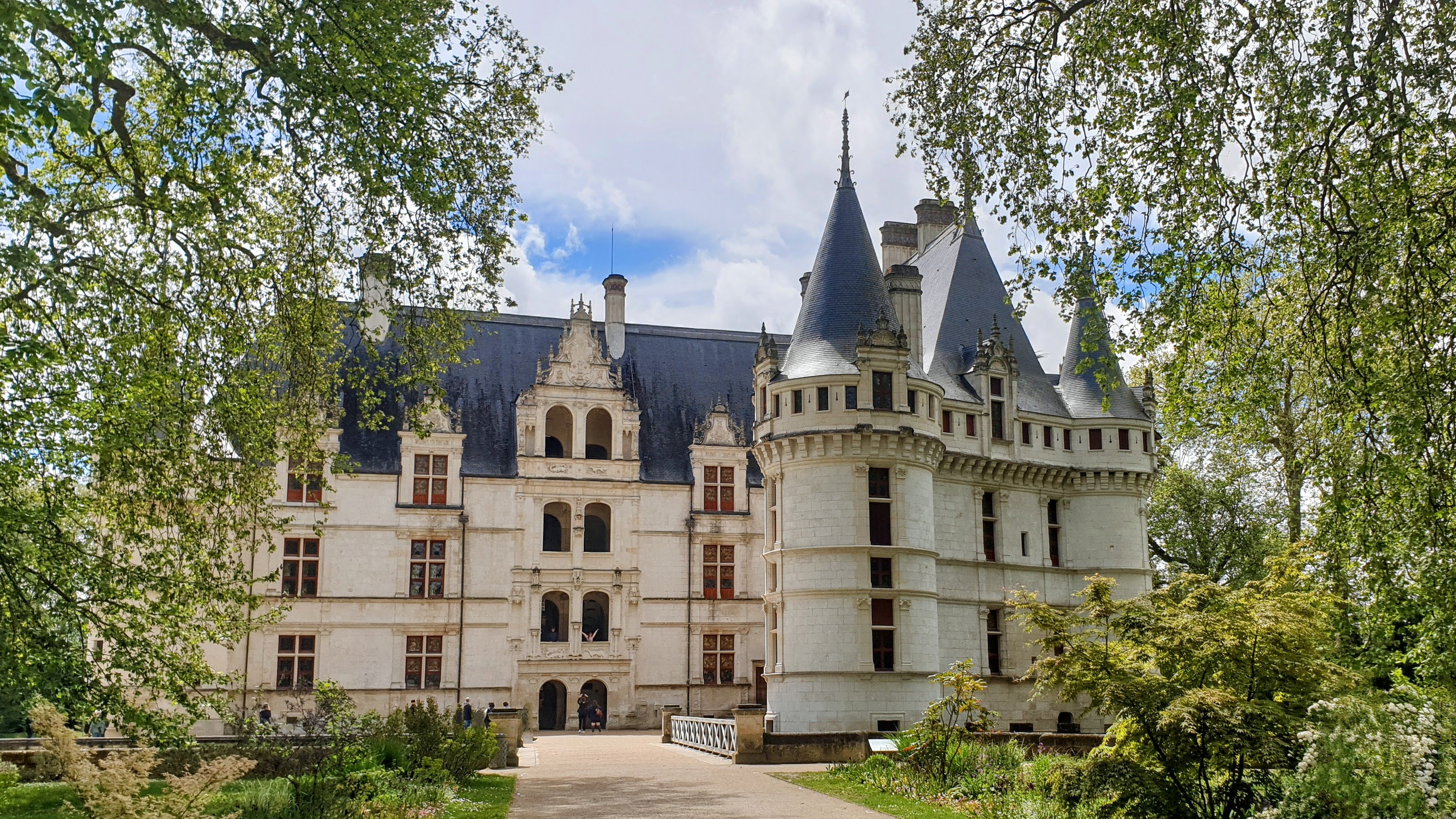
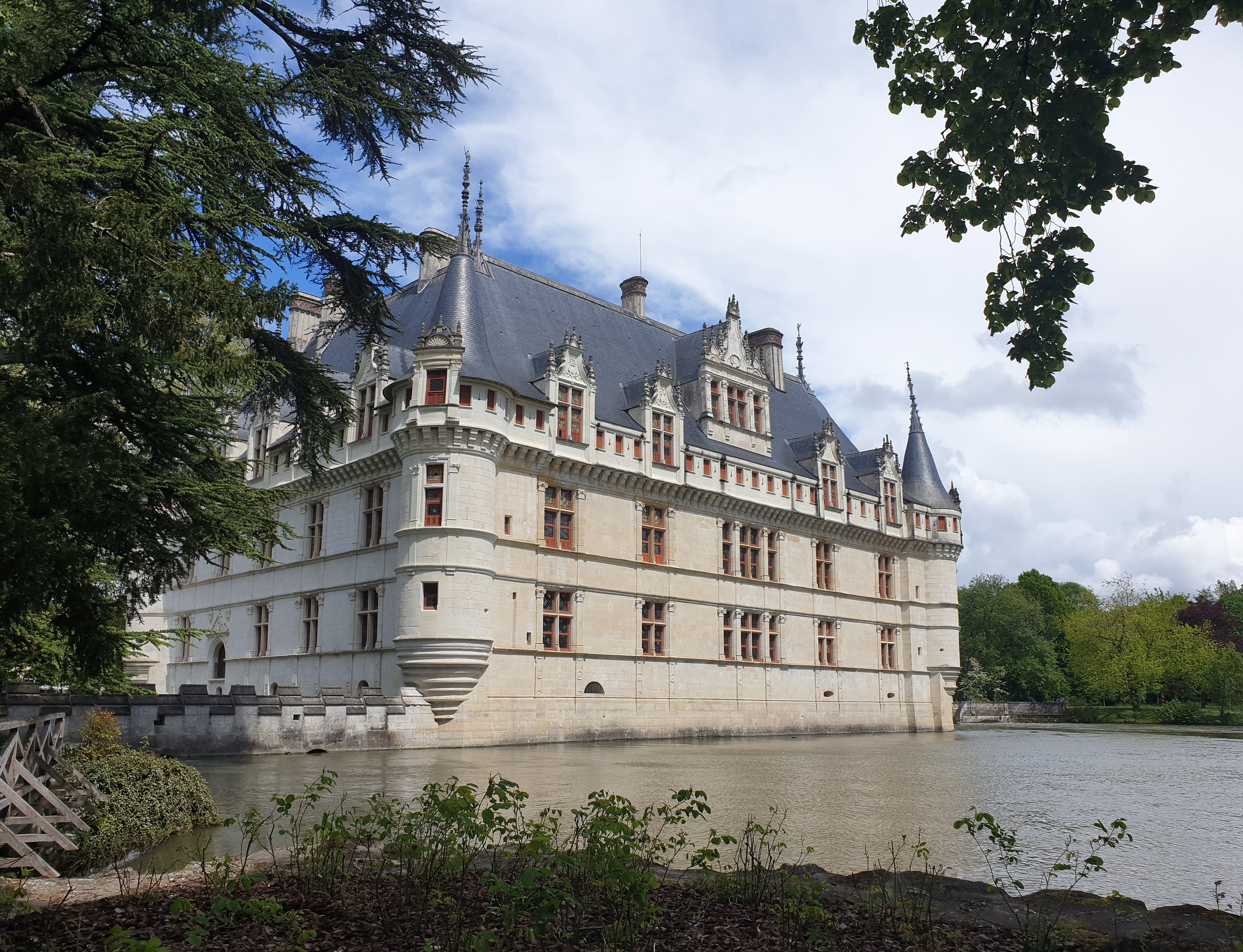
While Villandry was all about the gardens, the Château d’Azay has excellent interiors. The grounds are nothing to sneeze at, but they are considerably simpler than the elaborate gardens of Villandry. D’Azay is not quite as old, but has many architectural themes in common since it was also constructed during the renaissance. The French Renaissance King Francis the First established the Loire Valley as his seat of government, and the château was built to honor his reign. The interior was remodeled in the 19th century and eventually acquired by the state in 1905. The walk from the parking lot to the château was through a charming little village.

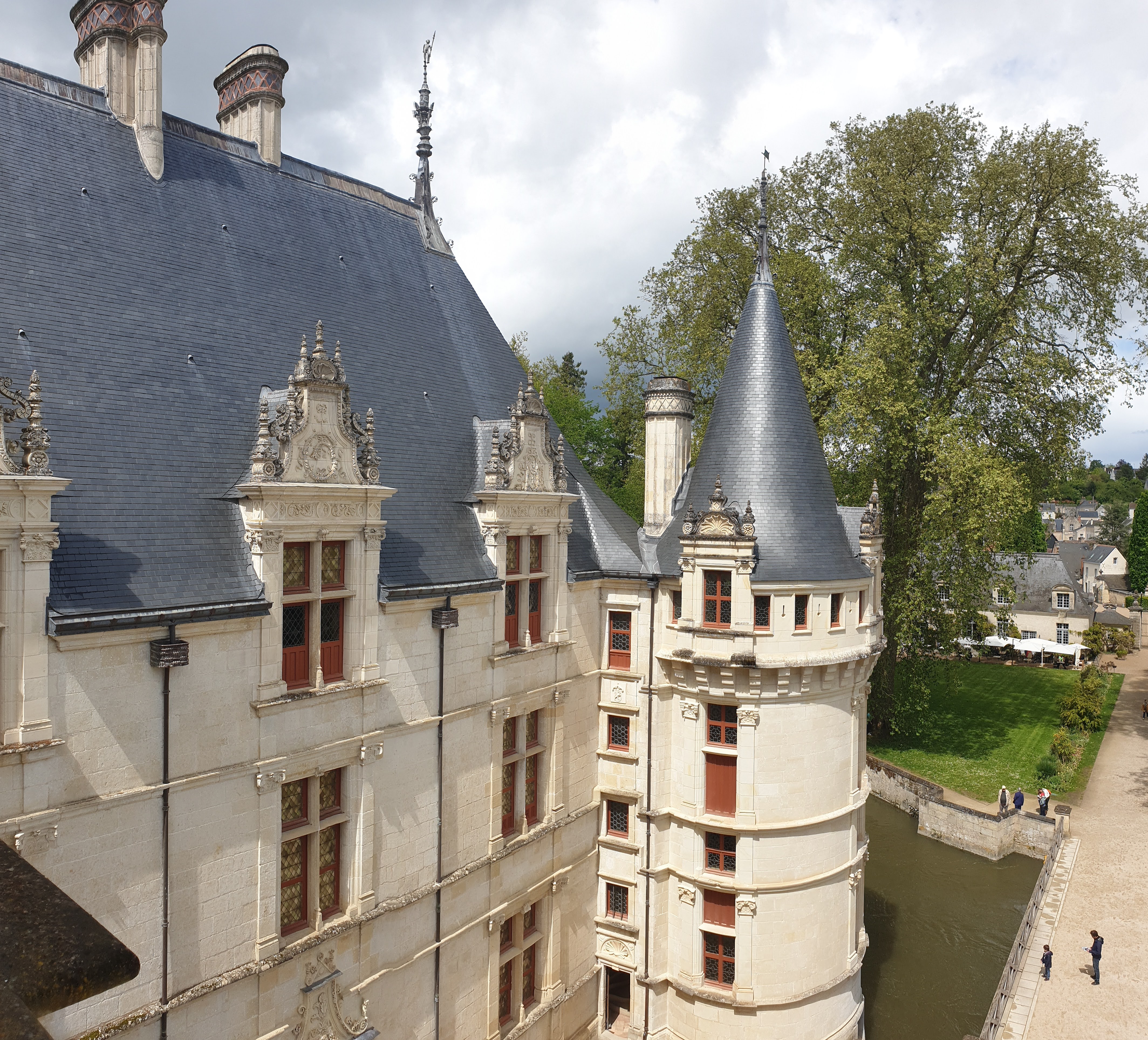
We started our tour by climbing all the way to the top and getting a view of the architectural engineering from the inside. The roof itself contains 75 tons of slate! A lot of structural work goes into holding up that much weight. The current exhibition is a reconstruction, but it’s done in the same style as the original to preserve the craftsmanship.

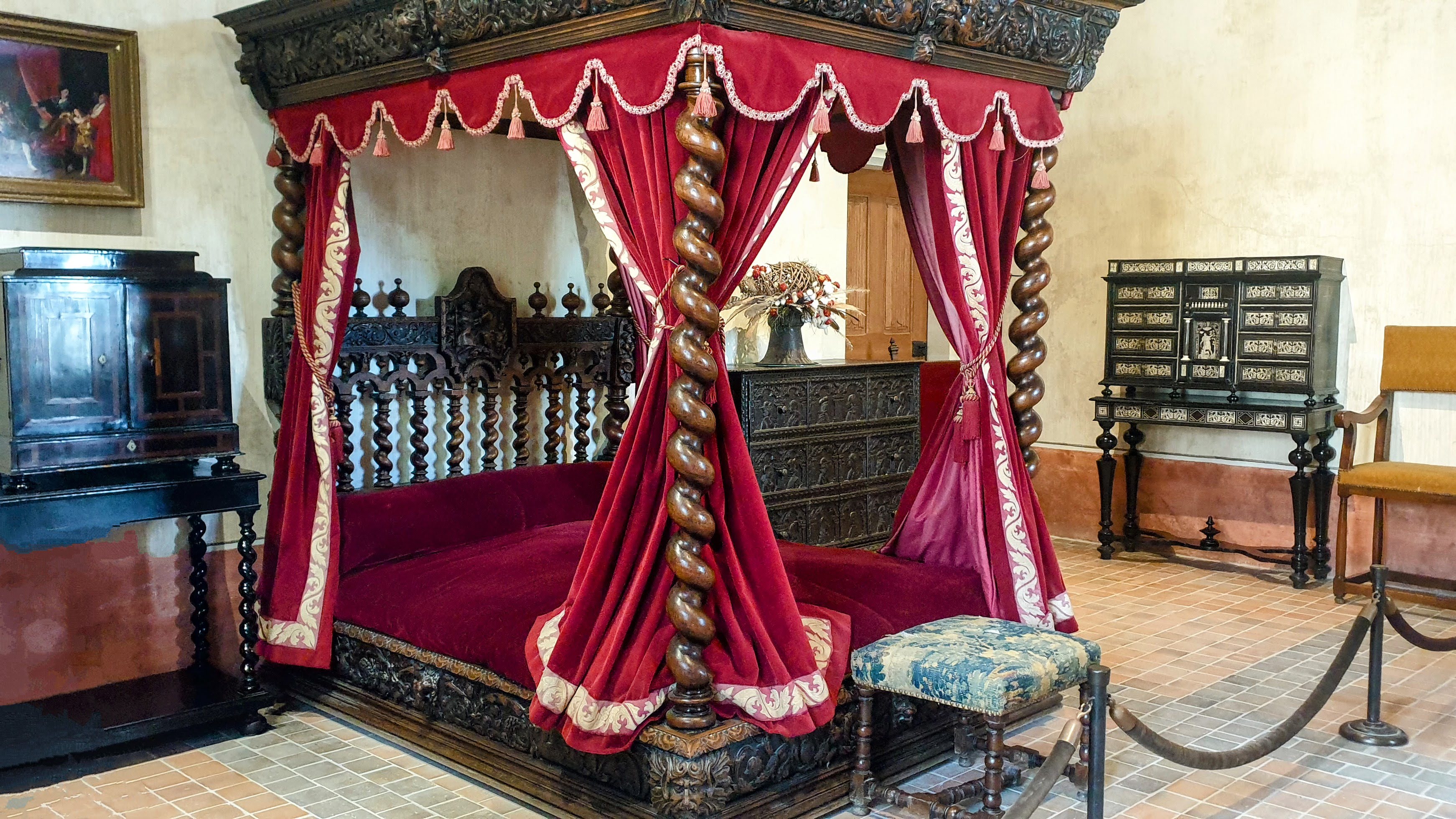
As we descended, we entered room after room decorated in the styles of the different eras that the château has existed throughout. The first being the Renaissance room, a faithful replica of the room of the architect’s wife. Although it is fairly simple compared to later rooms, it’s still interesting to see the way people lived. Additionally, at that time, bedrooms were not just for sleeping, but also for socializing and entertaining. Mats made of reeds lined the walls to keep the chill of the stone from overwhelming the room, and there was a small alcove off to one side in which sits a secretary’s desk.

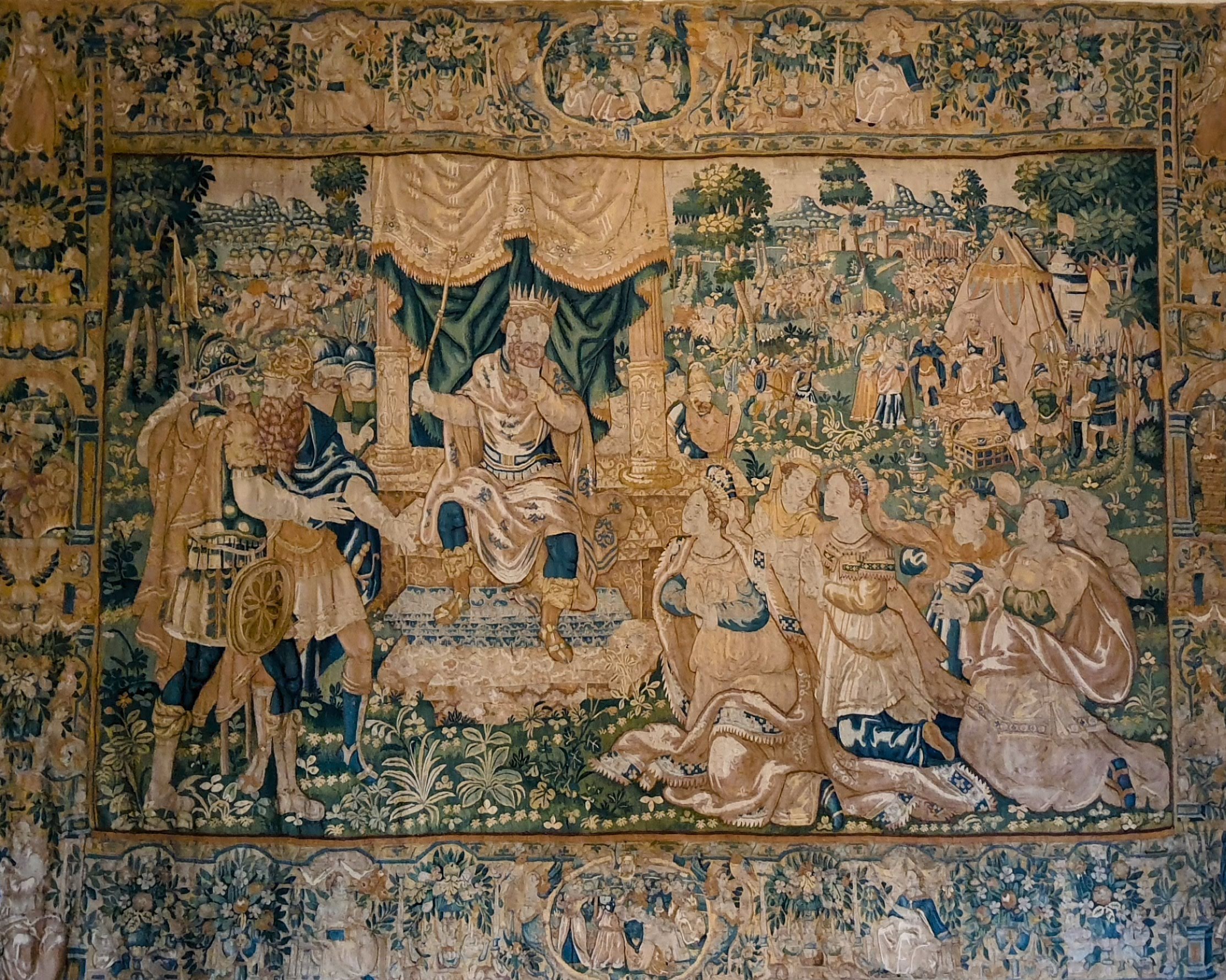
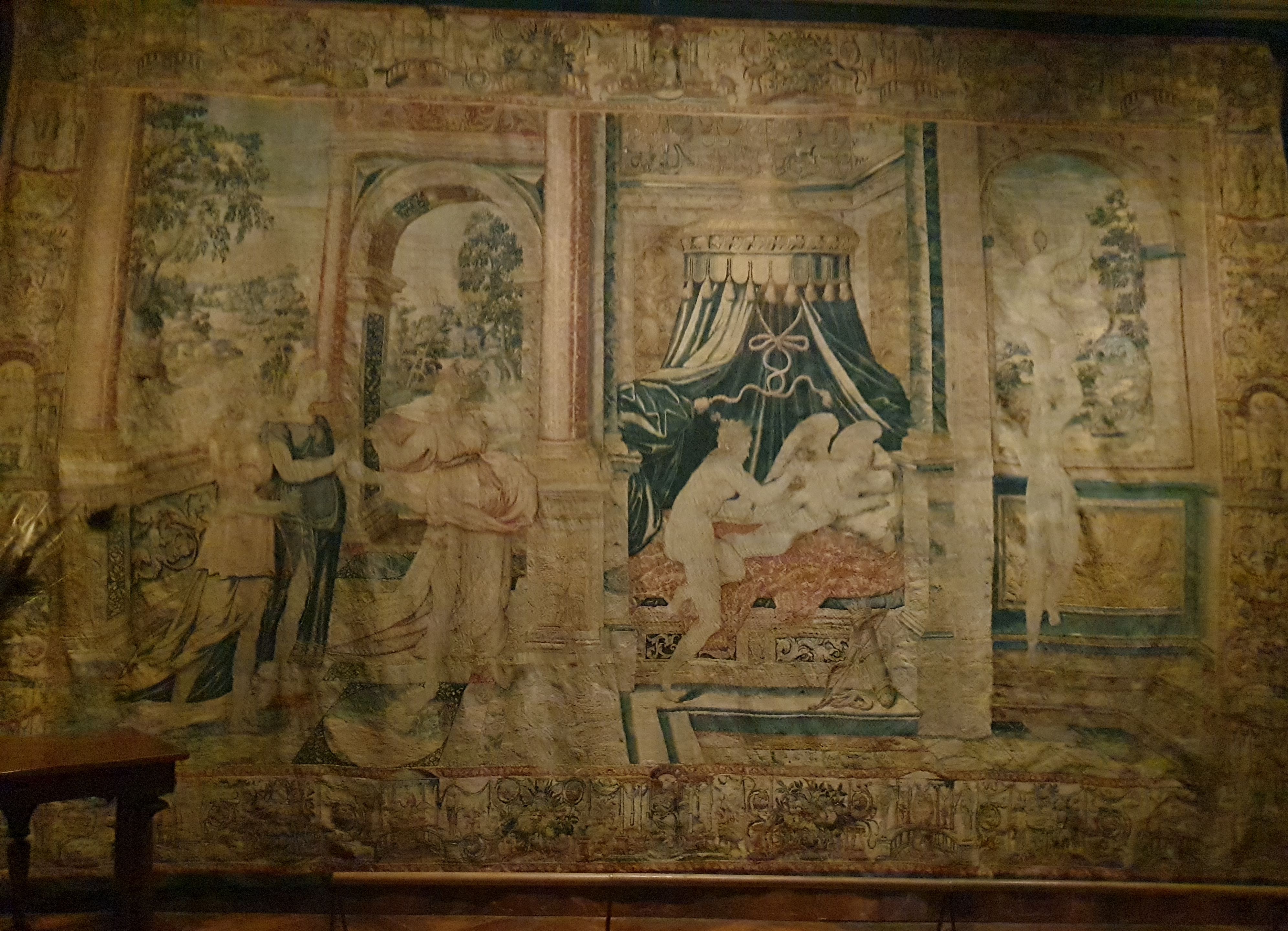
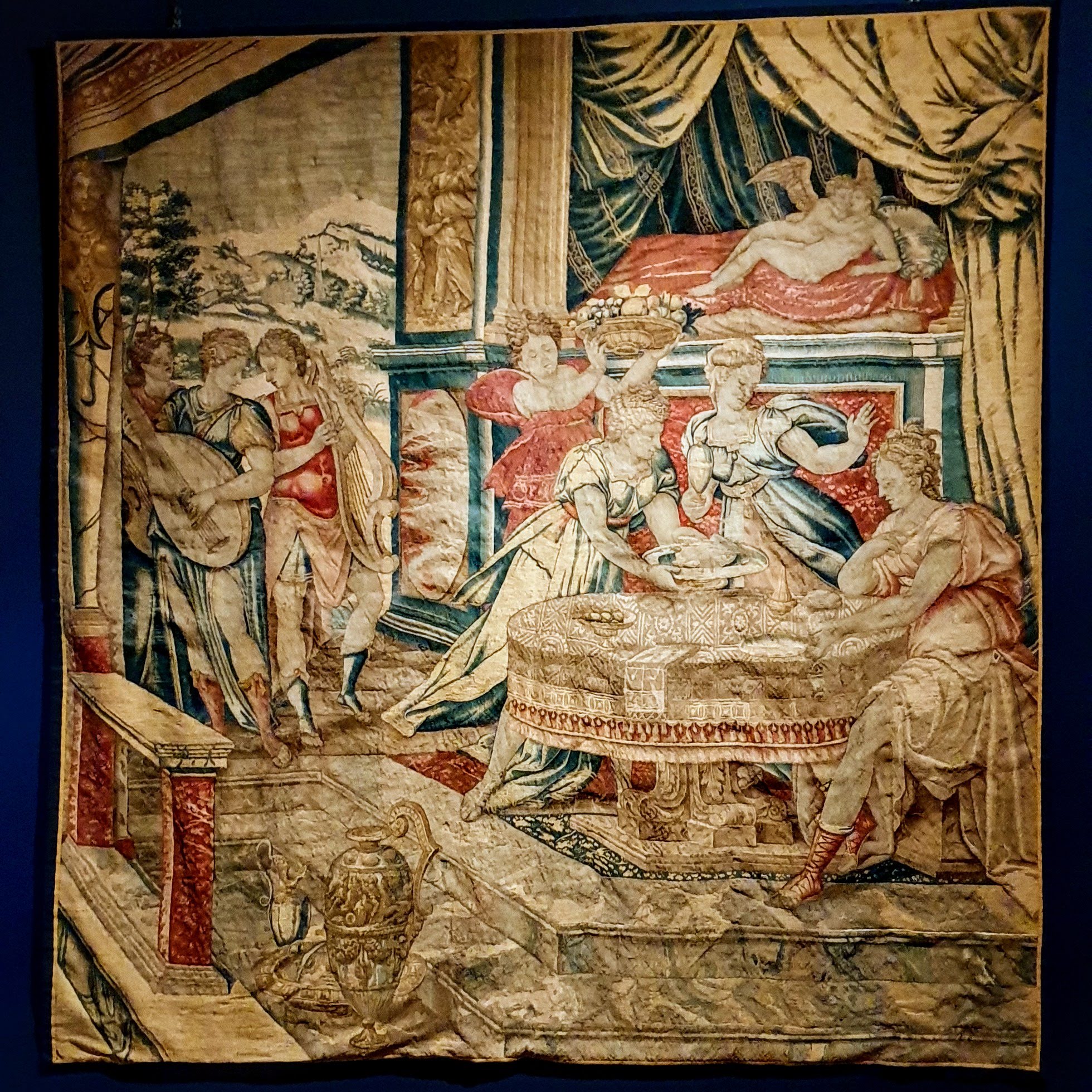
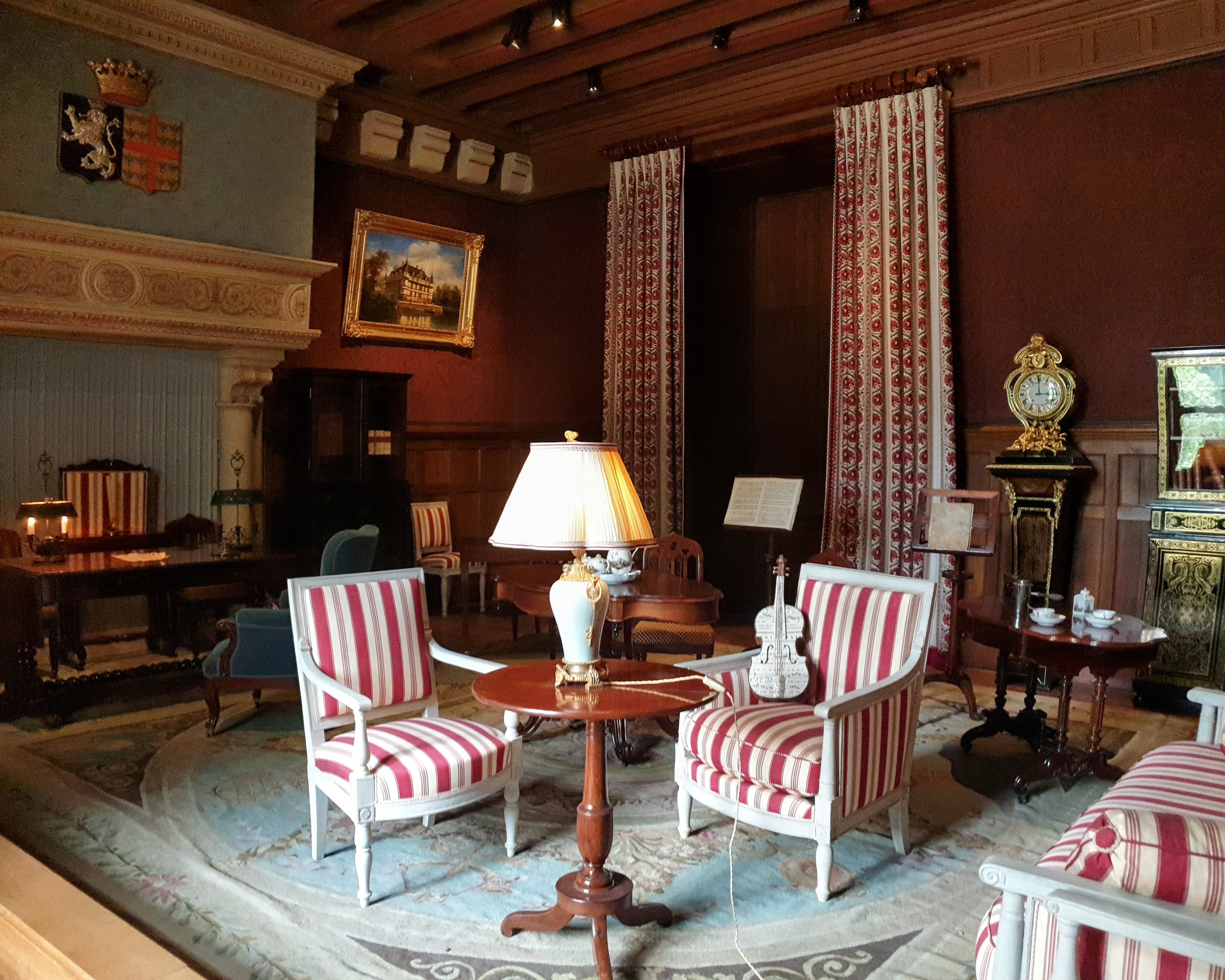
The next room is called Psyche’s Chamber because the ornate tapestries along the walls depict the Greek myth of Psyche which was all the rage at the time. This is followed by the Great Hall. This room was used for hosting feasts and dances, and to be honest, after watching far too many period dramas in film and television, I was surprised at how small it seemed, even when mostly empty.

Following that we crossed through the ante-chamber where visitors wishing to see the King could wait, and the King’s Chamber. A royal suite had to be maintained by pretty much all the nobles since the King could drop by with very little notice and expect to be hosted in style. Apparently Louis XIII stayed there for just two nights in 1619, and yet the room was kept ready for a royal visit at any time.

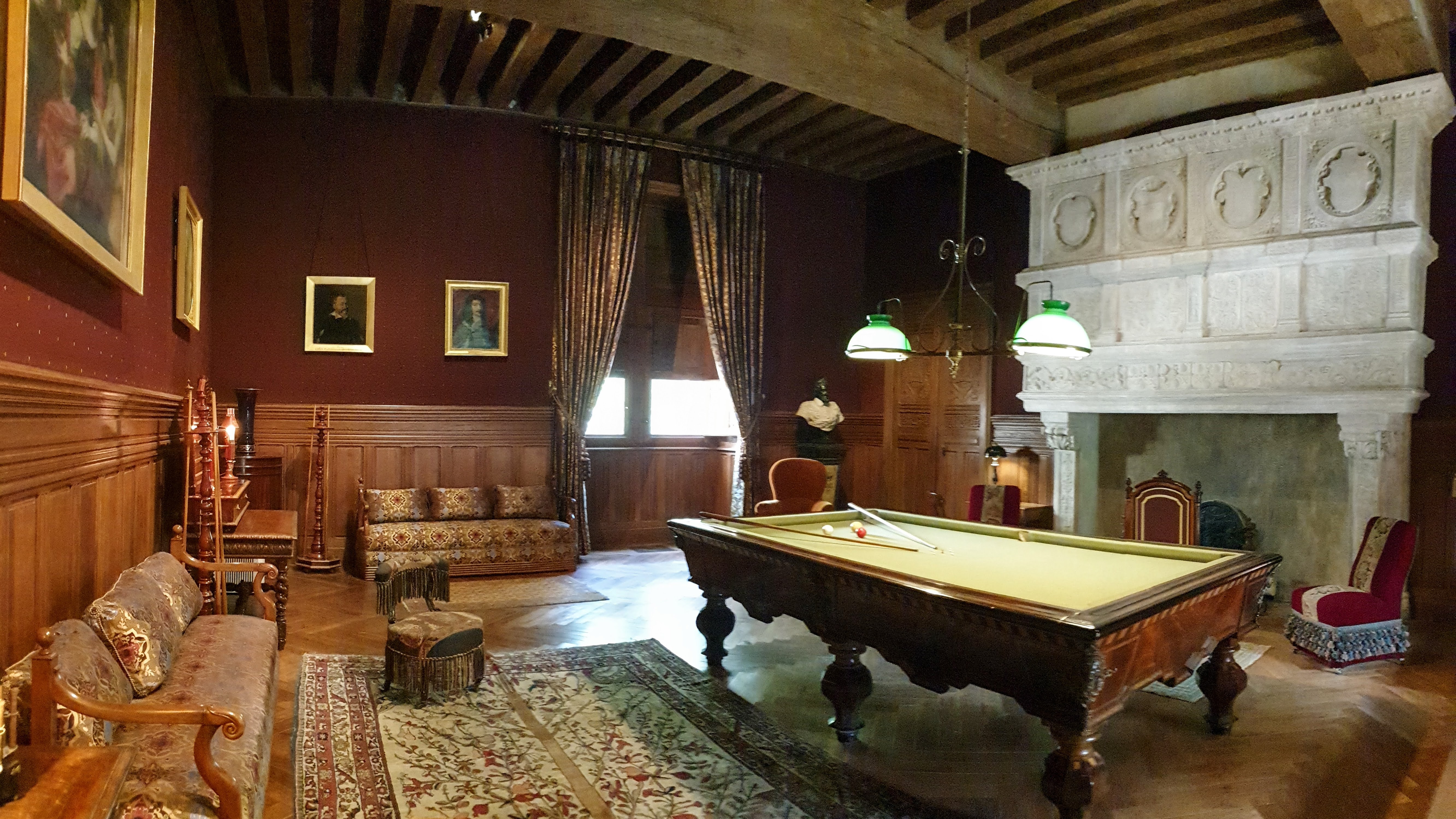
Jumping starkly forward in time, the next suite of rooms reflect the fashions of the 19th century. The Biencourt Salon was a room for people to relax, talk, and maybe take some light refreshments. The Billiard Room was more of an informal space, featuring a billiard table.

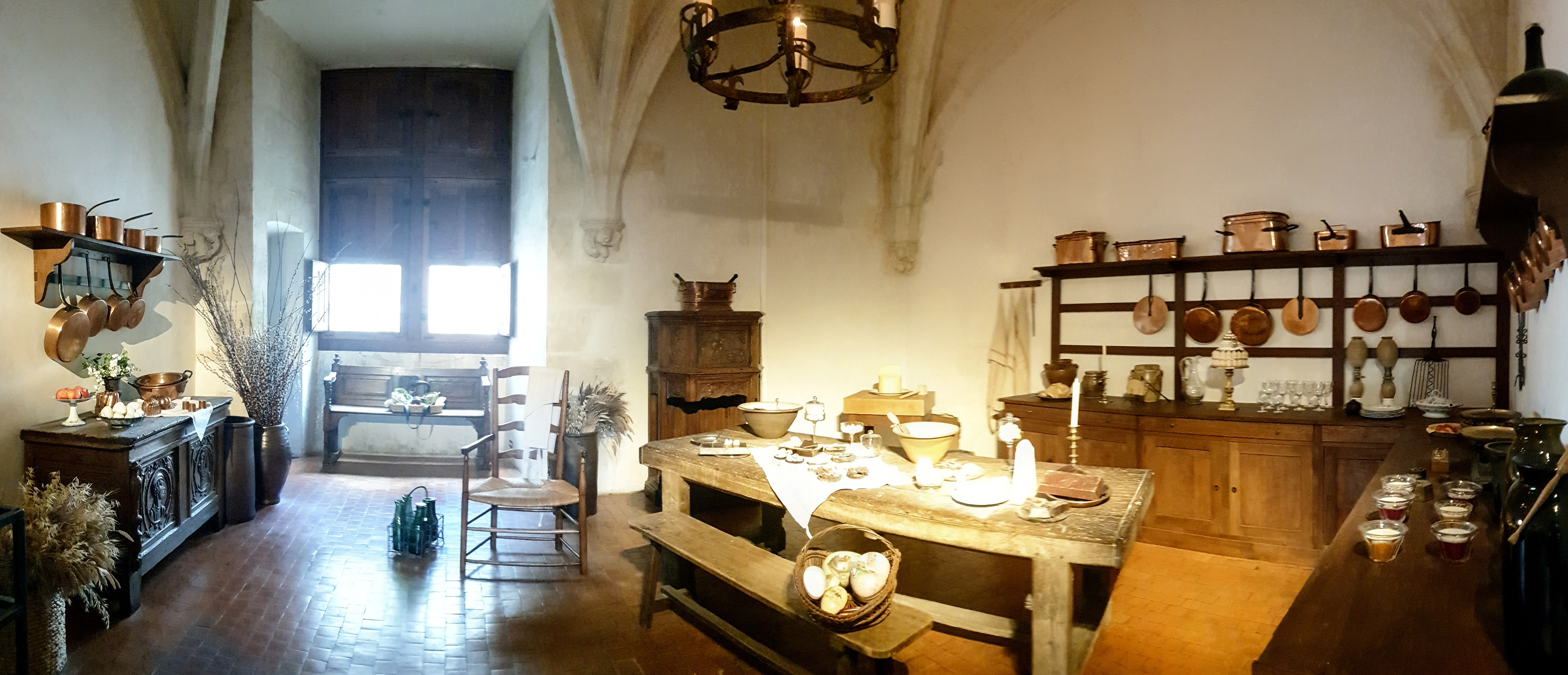
From there we had a peak into the “below stairs” (though not physically below) of the larder and the kitchen. These were quite close to a 19th century style dining room (a contrast to the Great Hall of the Renaissance style). After the dinning room, a final salon-library shows comfortable furniture, musical instruments, and a small collection of books.

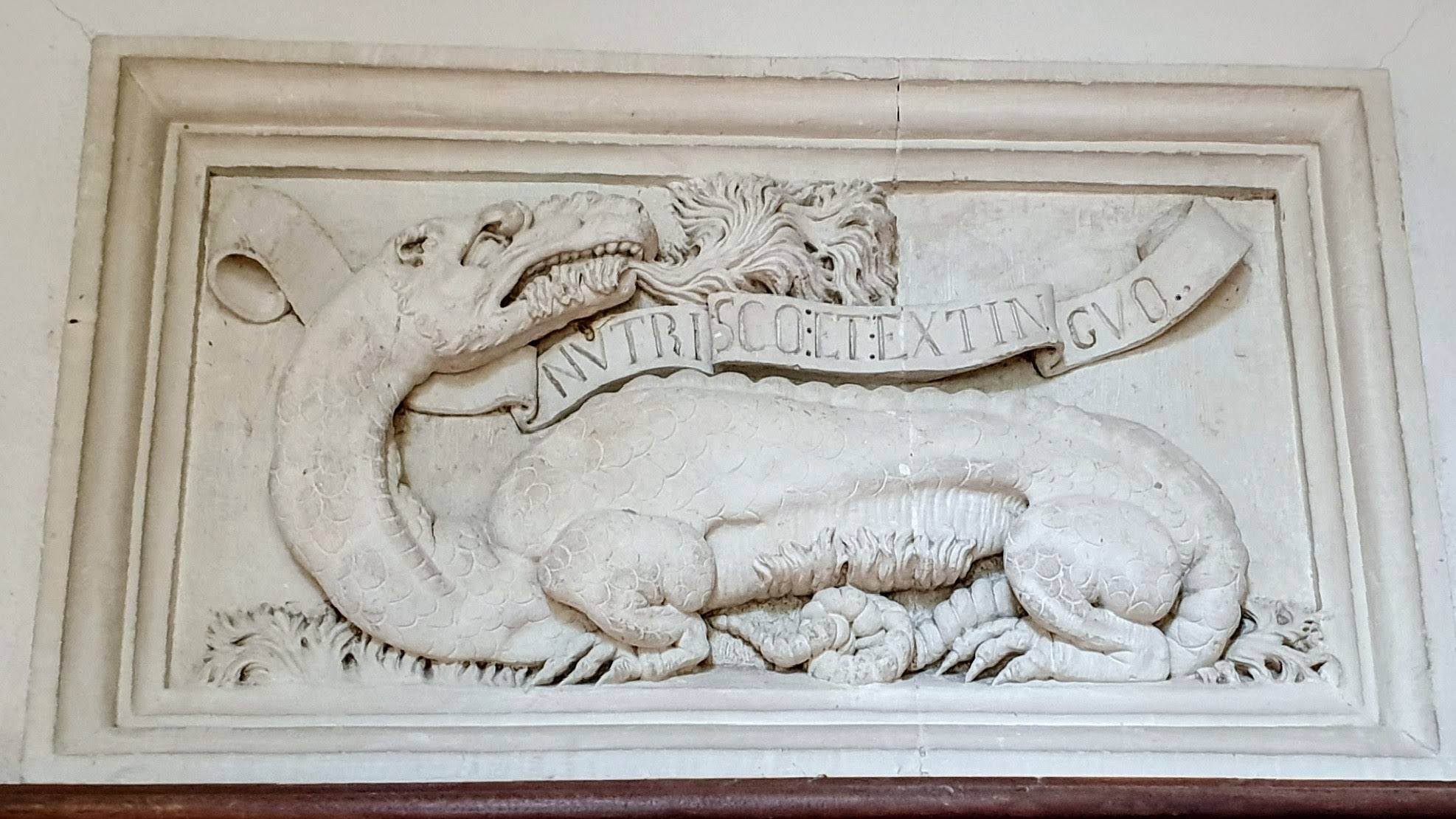
A repeating motif in the stonework of the château is the fire-breathing salamander. This was a motif of King Francis I whose motto was “Nutrisco and Extingo” (translated: I feed on the good fire and I extinguish the bad) – a metaphor for pursuing justice and weeding out injustice.

Château du Clos Luce (link)

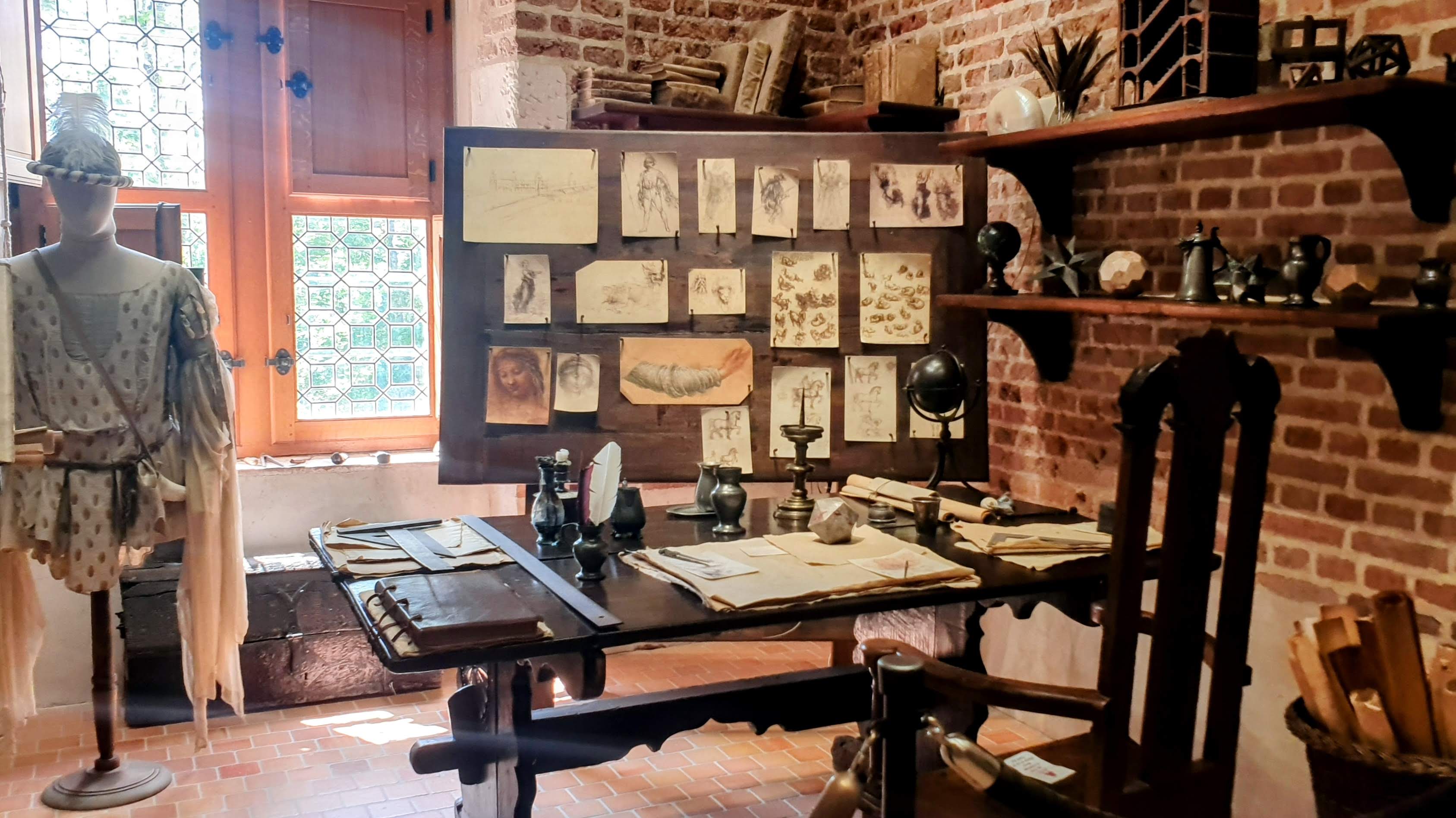
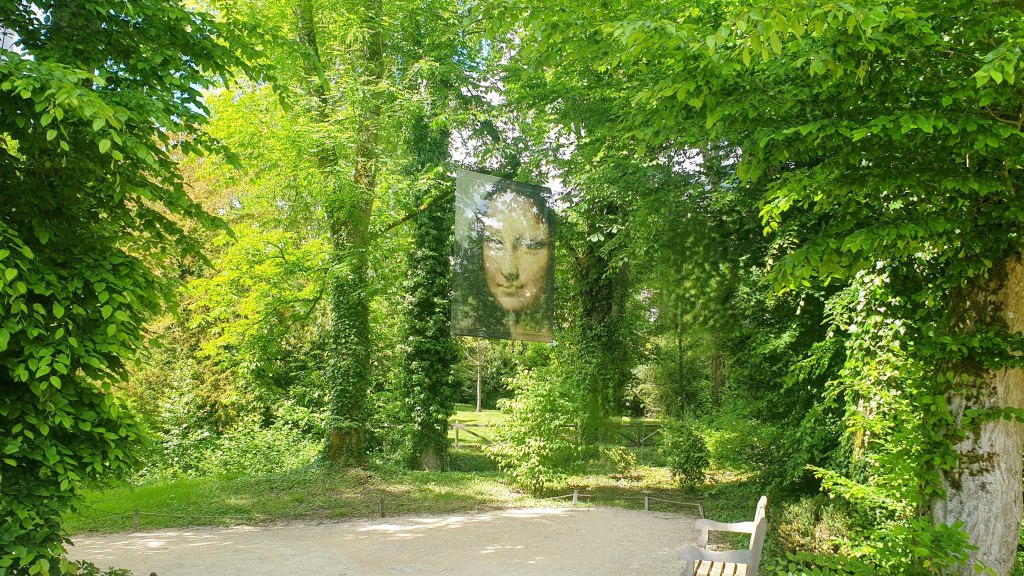
This was my final excursion in Tours, and I once again went with the language school. Perhaps because of that, we didn’t get to see everything there was to see at this, the final dwelling of Leonardo Da Vinci. The château itself was built in the 1200s, and after a few changes in ownership, it was offered to Leonardo in 1516. Despite his advanced age, he continued to work on projects for the King and to entertain students. He also had a secret tunnel that led to the King’s palace next door which allowed him to meet with fellow artist Domenico da Cortona all the time… in secret… underground… but I’m sure they were just friends.

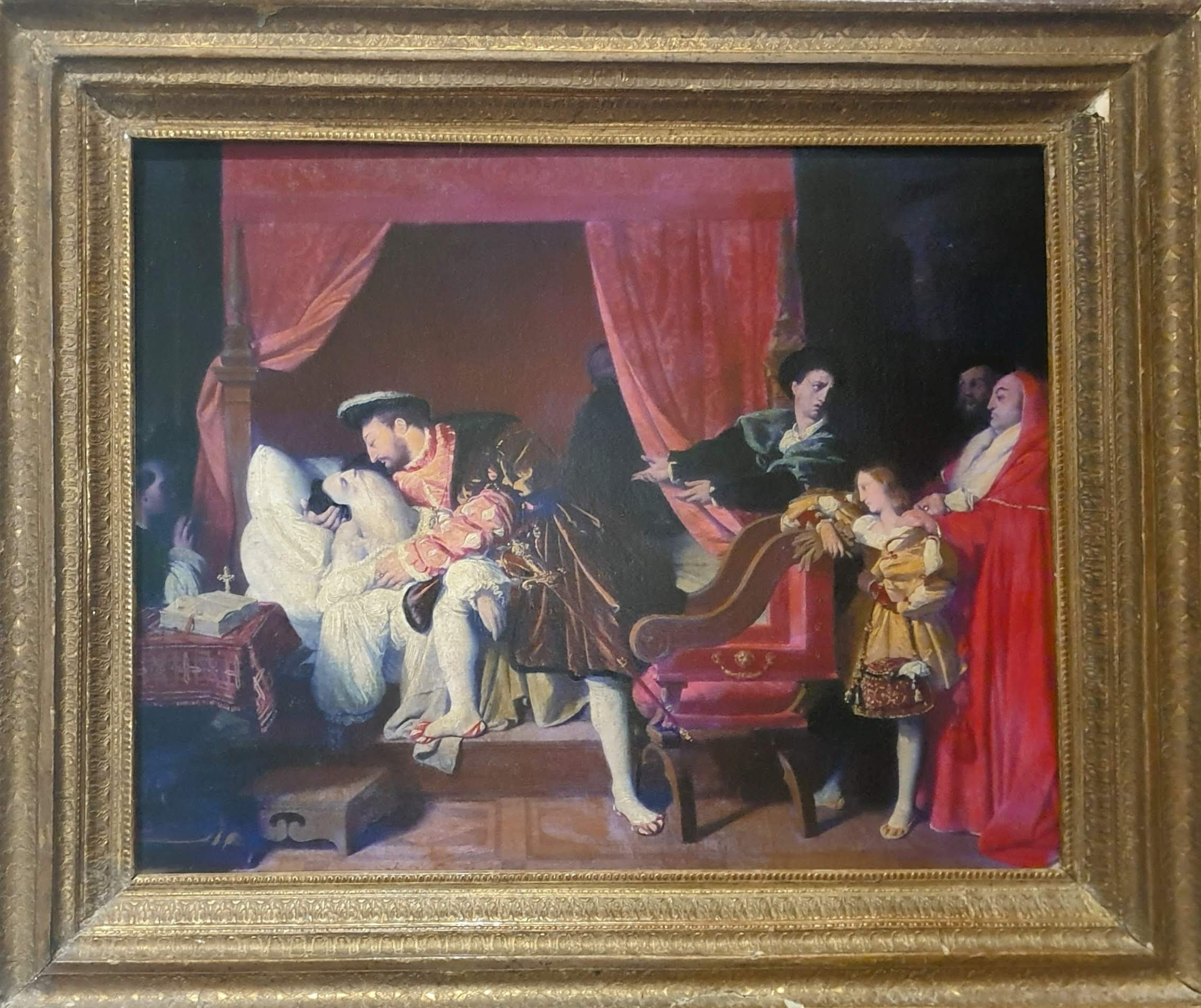
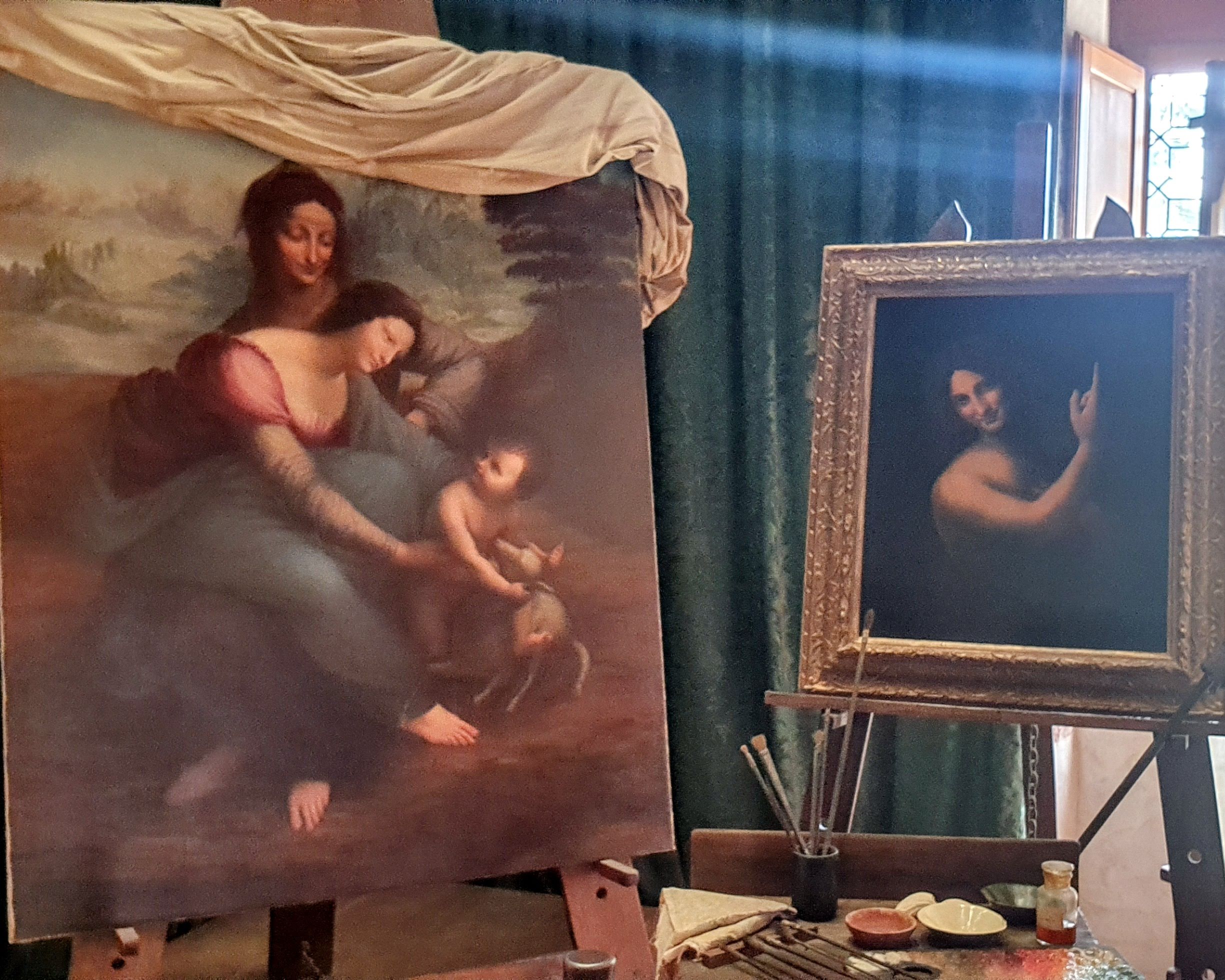
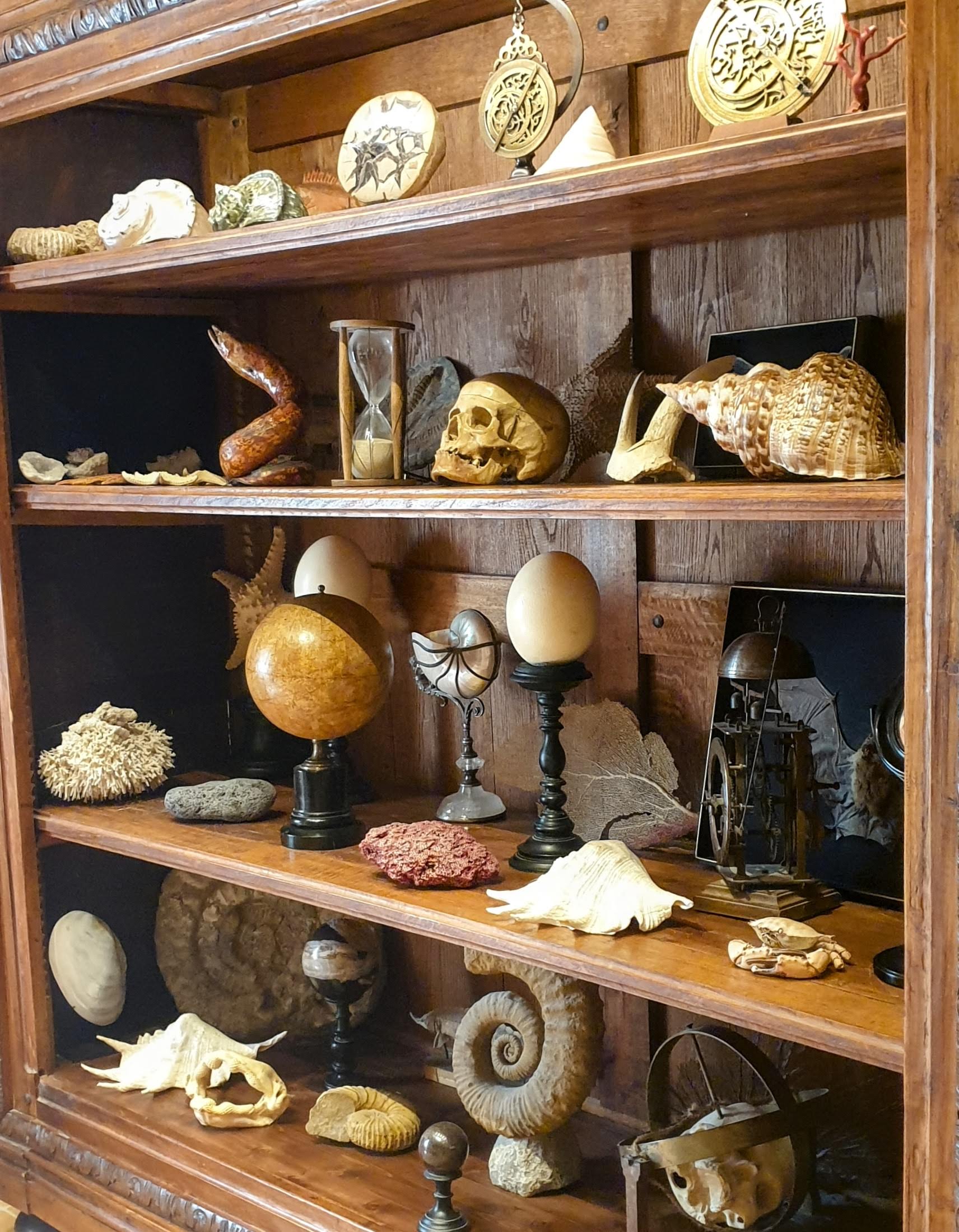
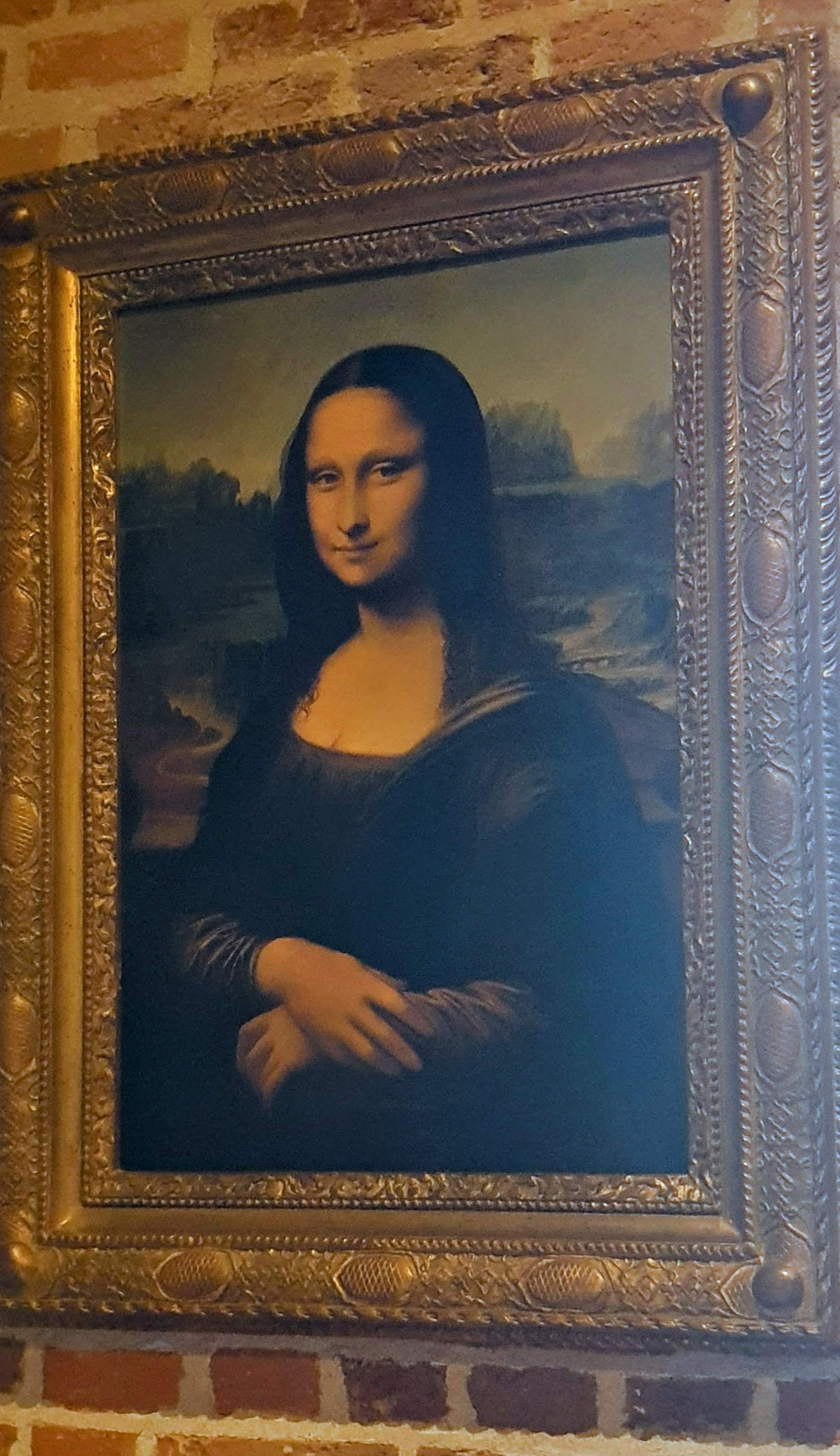
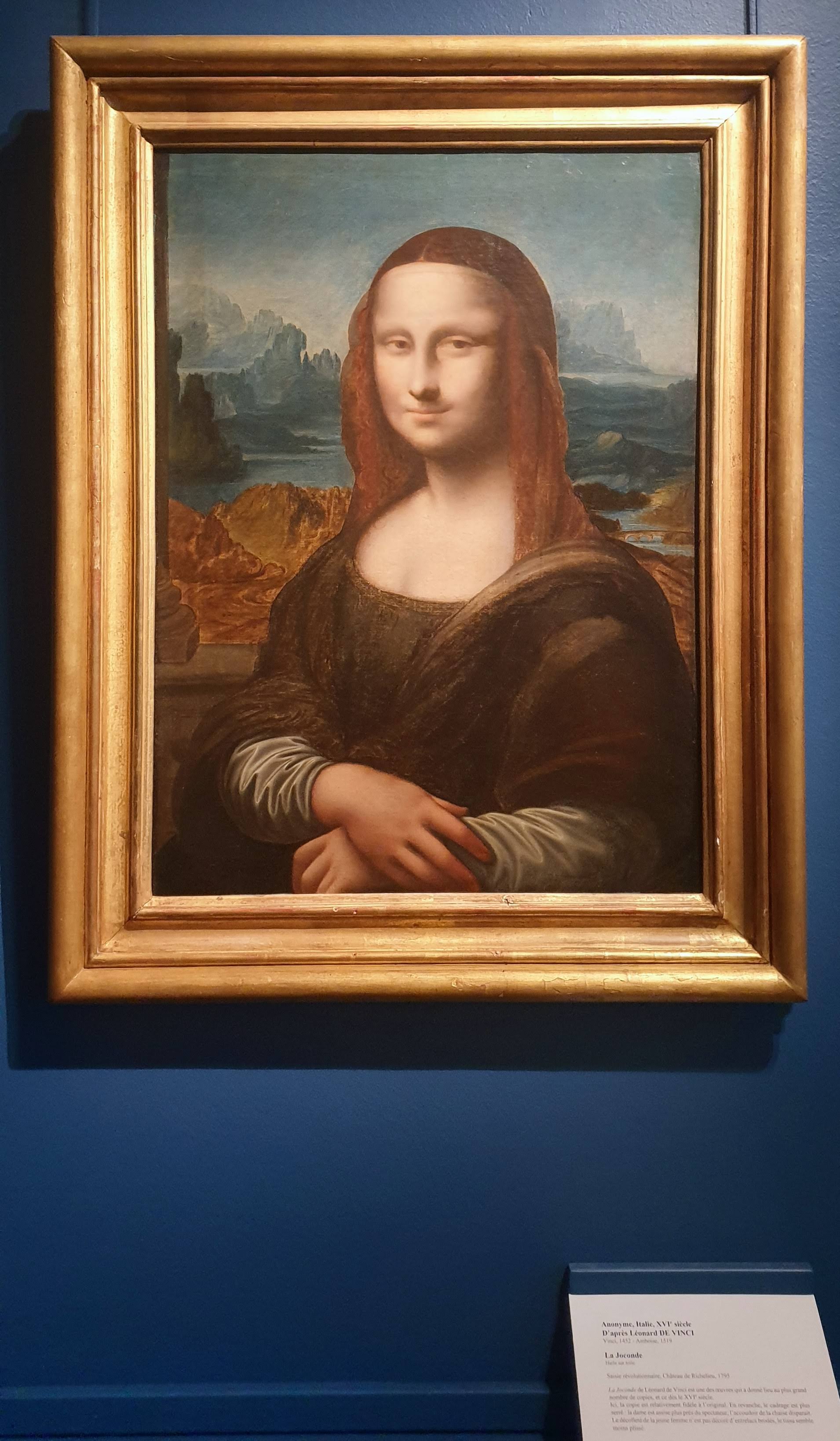
It’s also interesting to note that when Leonardo finally accepted the King’s invitation to move to France, he brought several of his paintings with him, including the Mona Lisa, which is why that painting resides in the Louvre in Paris rather than in any museum in Italy. The interior of the château is decorated to resemble the time Leonardo lived and died there, and includes replica paintings of the Mona Lisa and The Death of Leonardo da Vinci or Francis I Receives the Last Breaths of Leonardo da Vinci  which depicts the King of France embracing the genius to breathe in the last breath that Leonardo breathes out. It’s worth noting that nothing other than the house itself is likely from the time of Leonardo, and that this is a reproduction for historical and educational purposes, but it’s still interesting to go and see the way that historians think Leonardo was living in the last few years of his life.

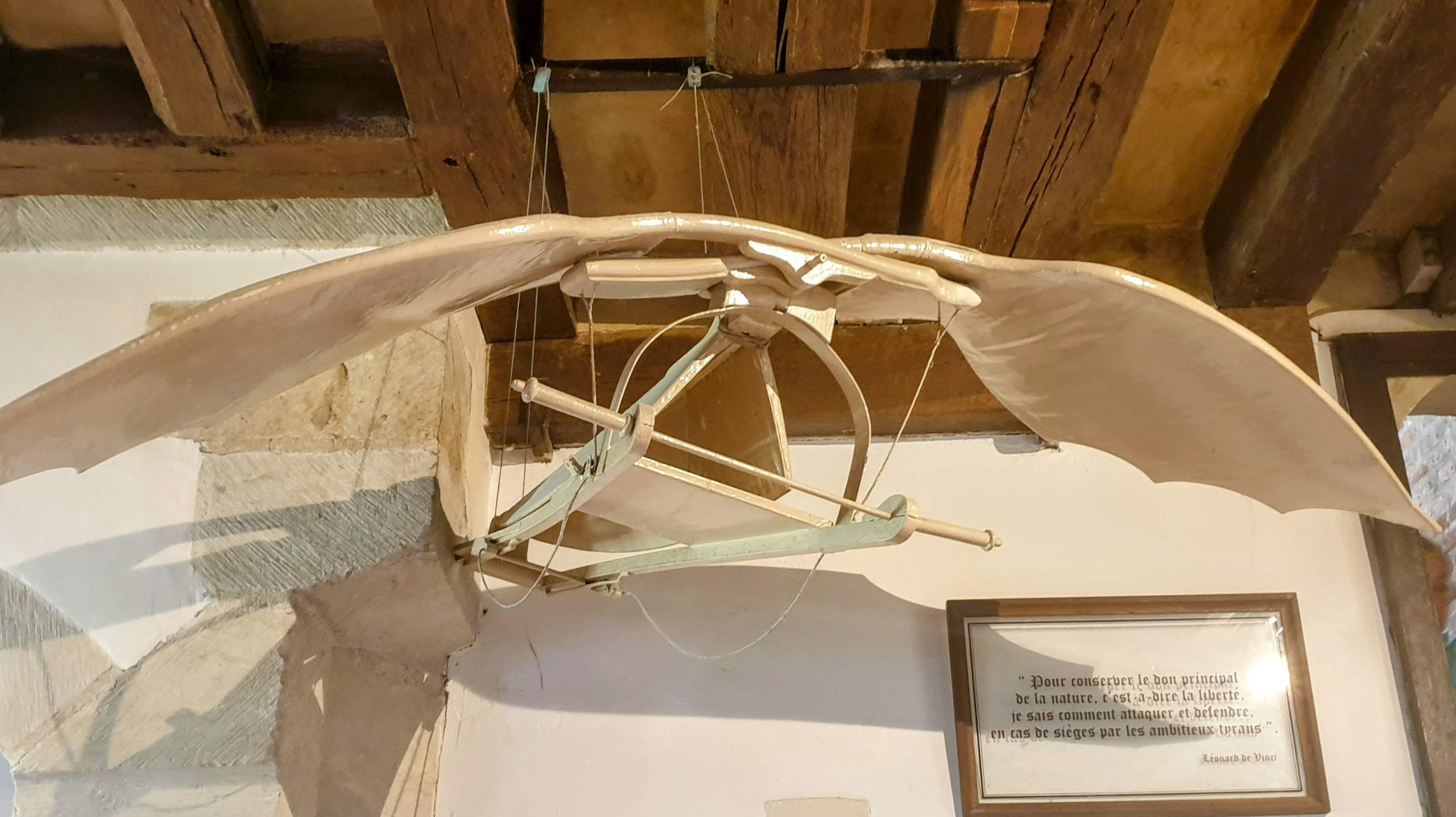
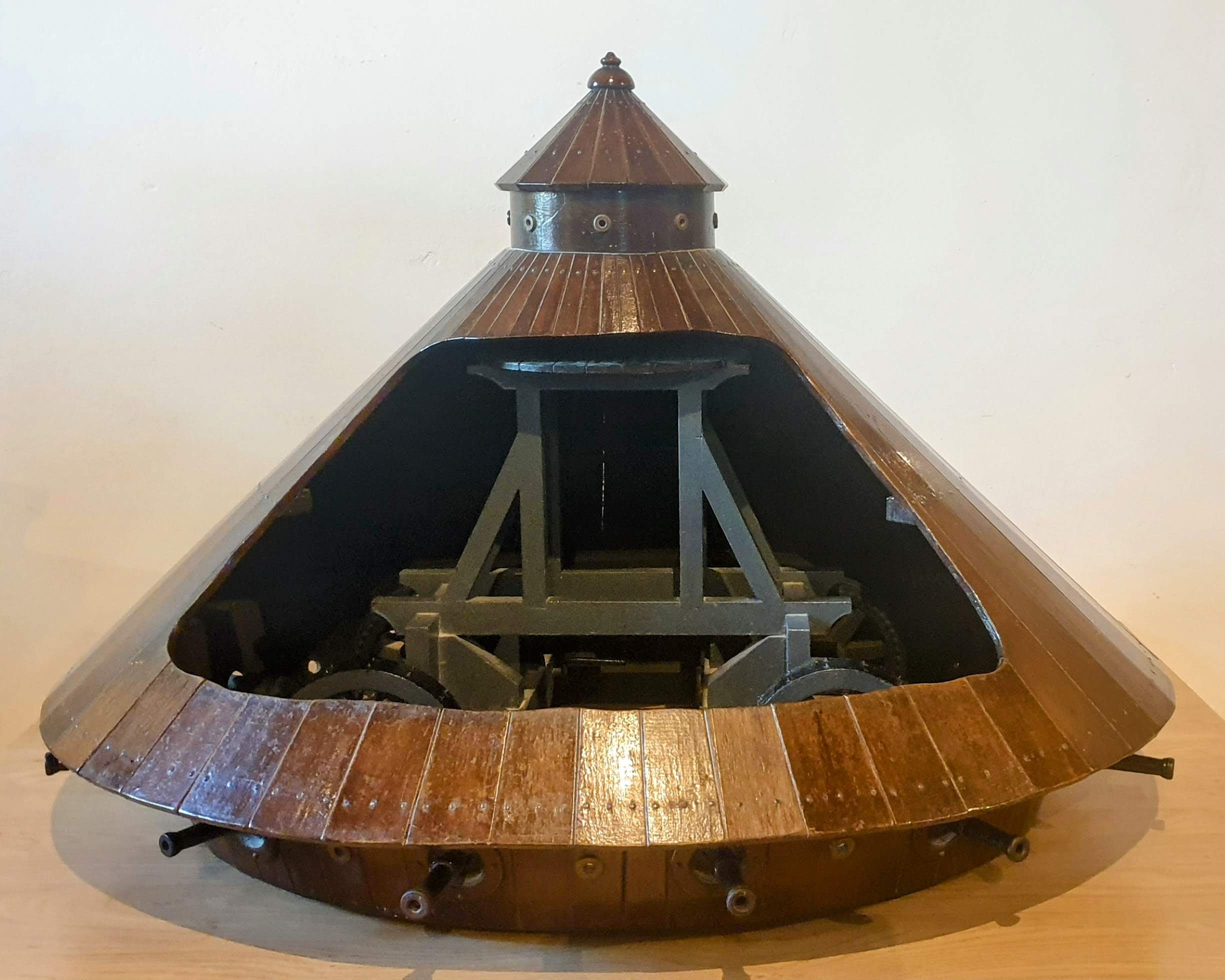
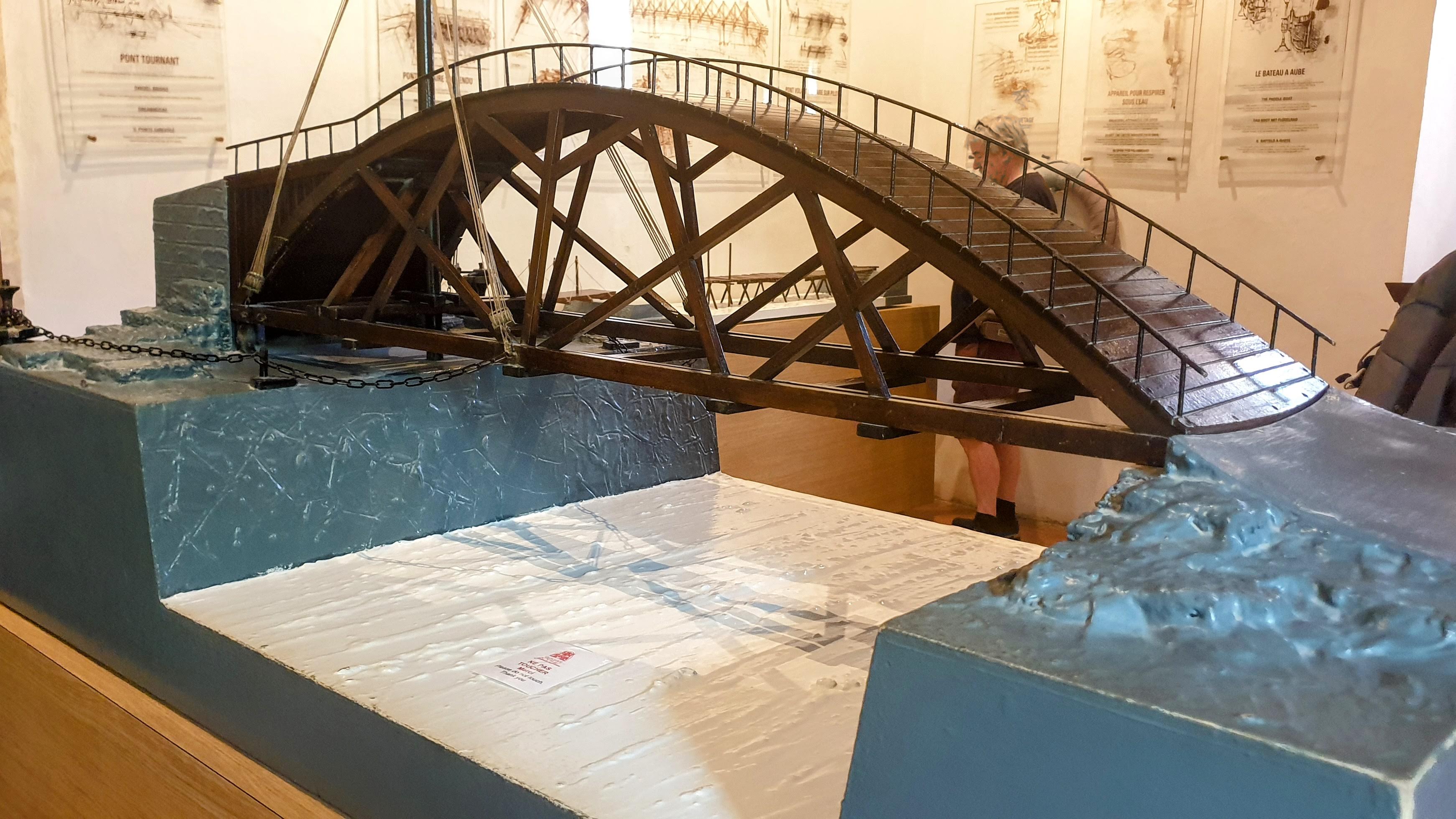
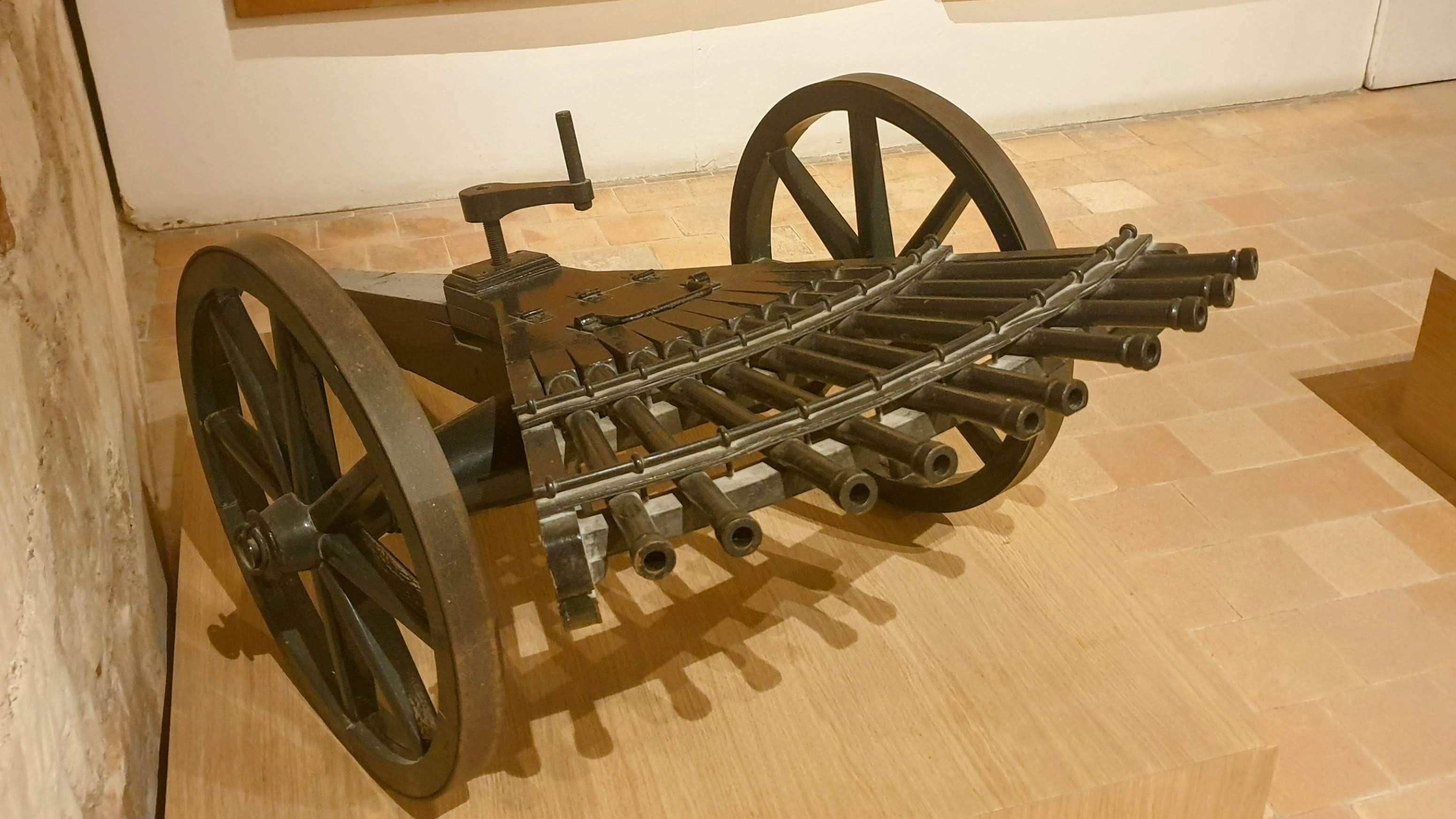
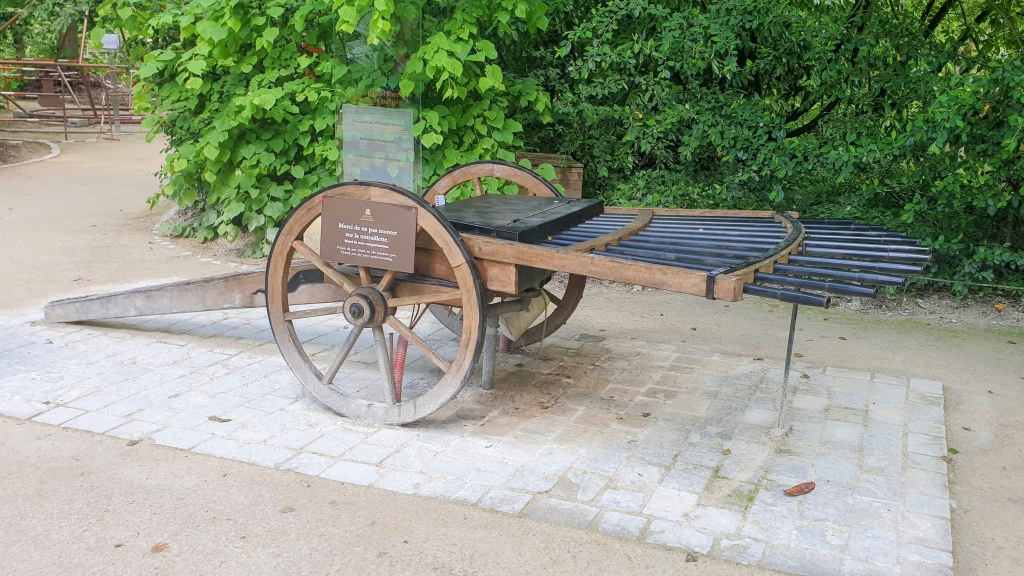
The basement of the château is a museum dedicated to the practical and military inventions of da Vinci with small models and detailed explanations of how each worked in theory if not in actual practice.

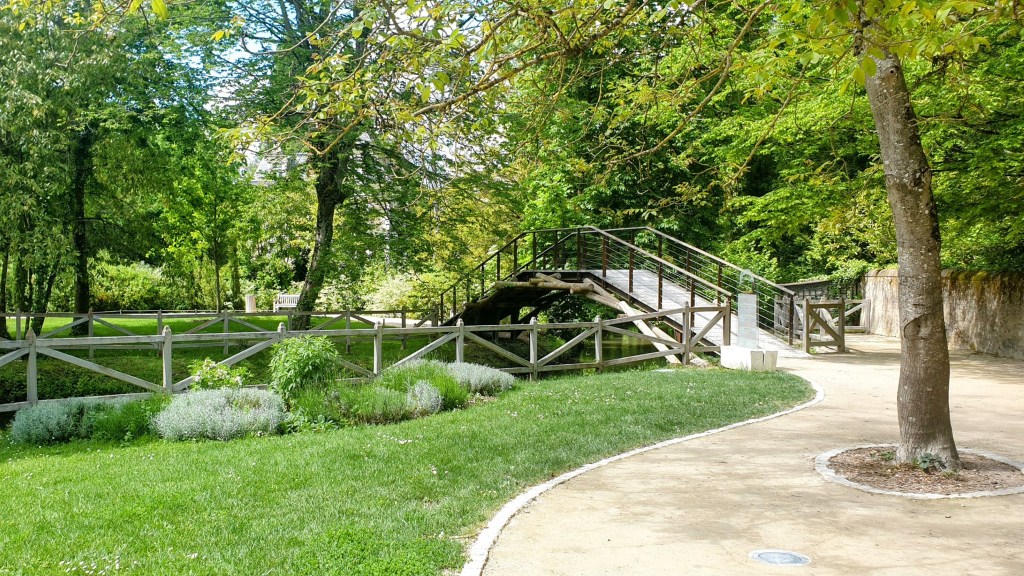
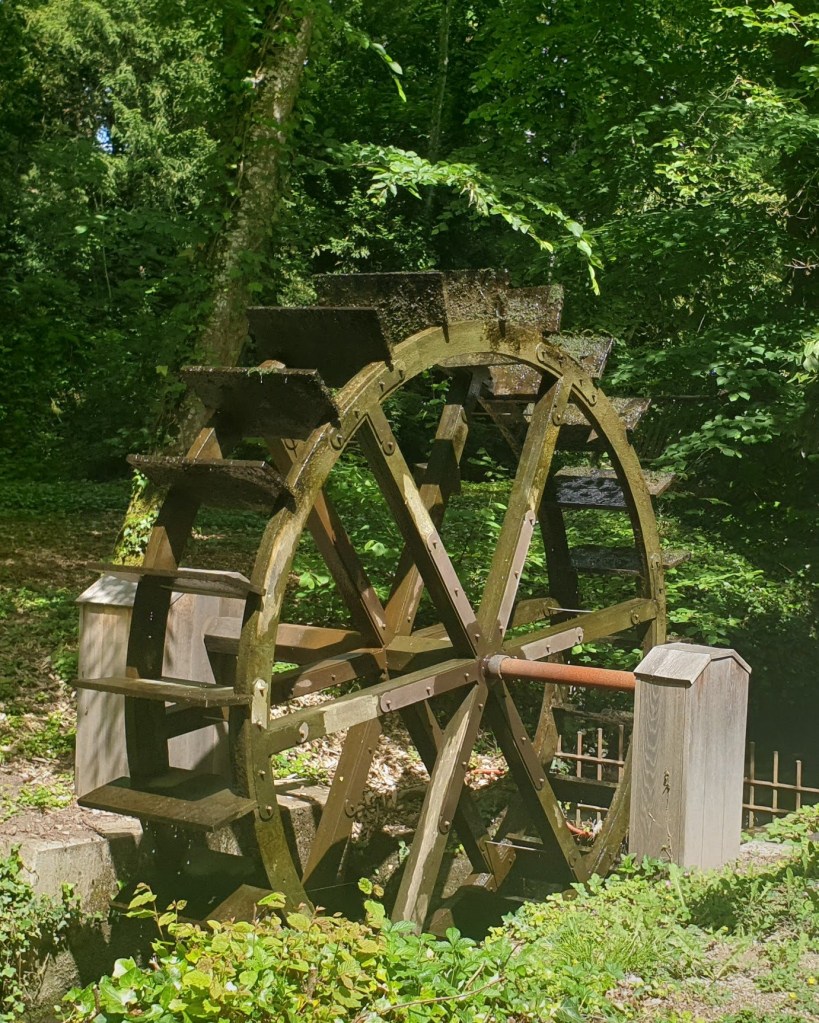
The grounds outside are beautifully designed to preserve a natural aesthetic with paths and waterworks connecting interactive models of several of da Vinci’s inventions, allowing visitors to see the natural world that inspired him, and to have a hands on experience with his engineering genius. Also, the last photo in the slide show is a breed of rose named “Mona Lisa” which I loved.

When I heard about the variety of château around the Loire Valley, this is the one I wanted to visit most, because I have personally been fascinated with da Vinci since I found out about him as a child. He was so clearly unique, intellectually and socially different from the culture and times that he was born into. As a person who often felt like I didn’t particularly belong, I enjoy seeing others like that in history. Although, over time, I came to understand that the combination of being born male and the patronage system that supported artists allowed people like Leonardo (if anyone can be said to be like Leonardo) to stay economically afloat and pursue their art and invention without the need to worry about where to live or what to eat.

In many ways, he and others like him are nearly mythological, and being able to stand in a room where they slept, or scribbled sketches or ate soup makes them more real, and it’s an experience I am glad to have had before leaving Tours.

The Sights of Tours

Although I only spent 5 weeks in the city of Tours, France, I feel like I managed to squeeze in quite a lot of sightseeing around my French classes and cheese eating. In an attempt to organize my adventures there, this is the 2nd of 4 posts about Tours and it features attractions which are close to the city center, such as museums, gardens and interesting tourist attractions.

Musée Compagnonnage (The Companion Museum)

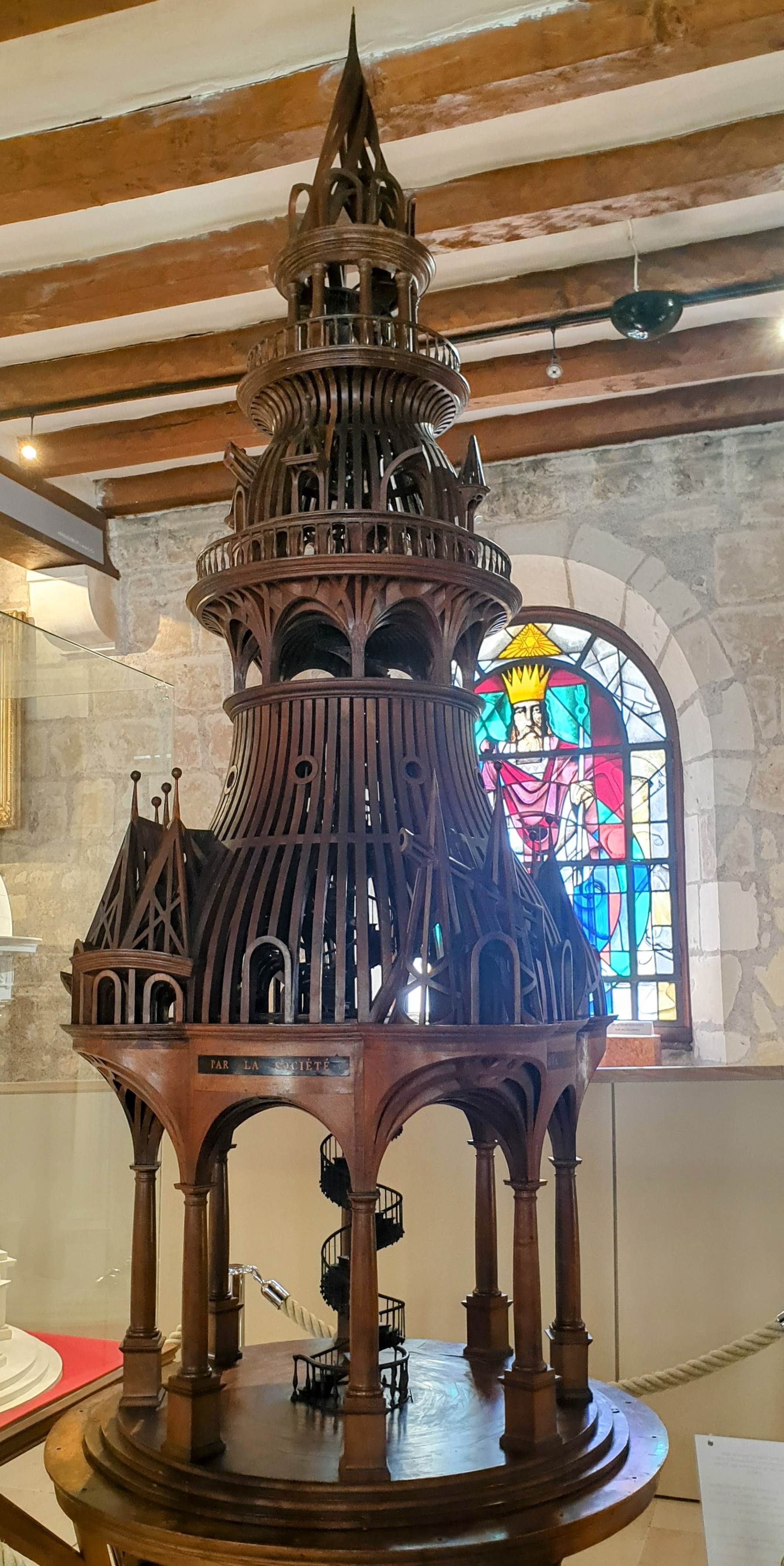
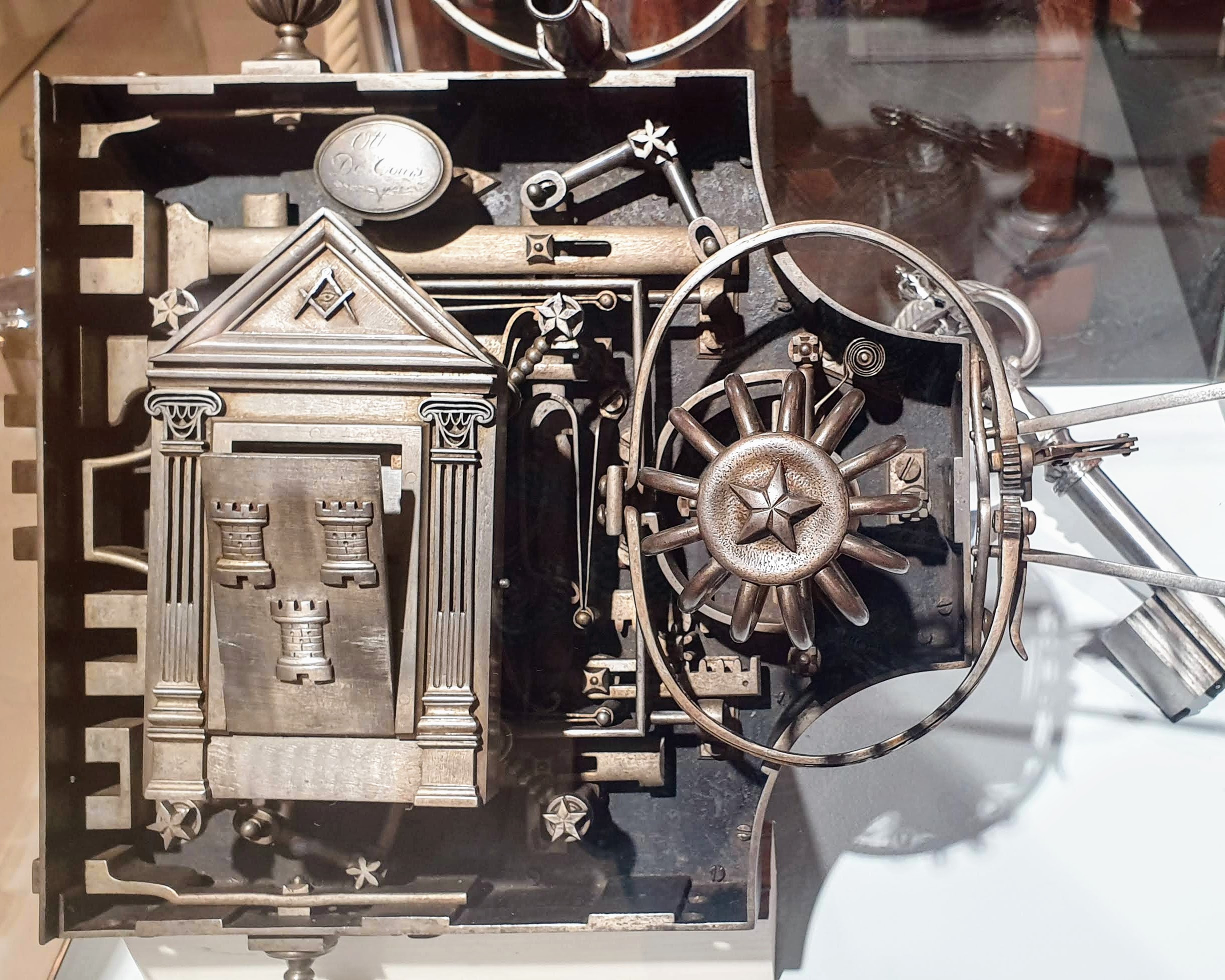
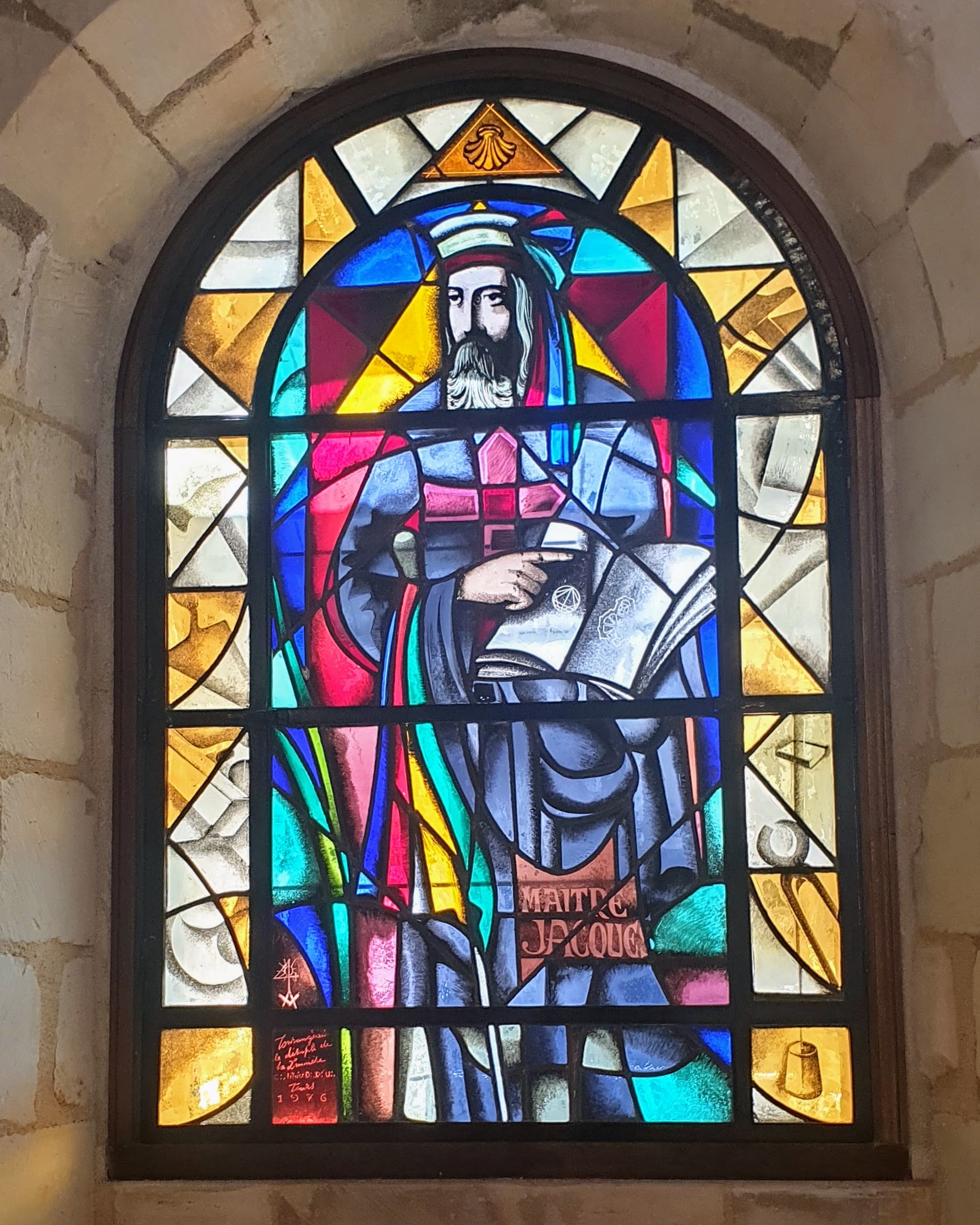
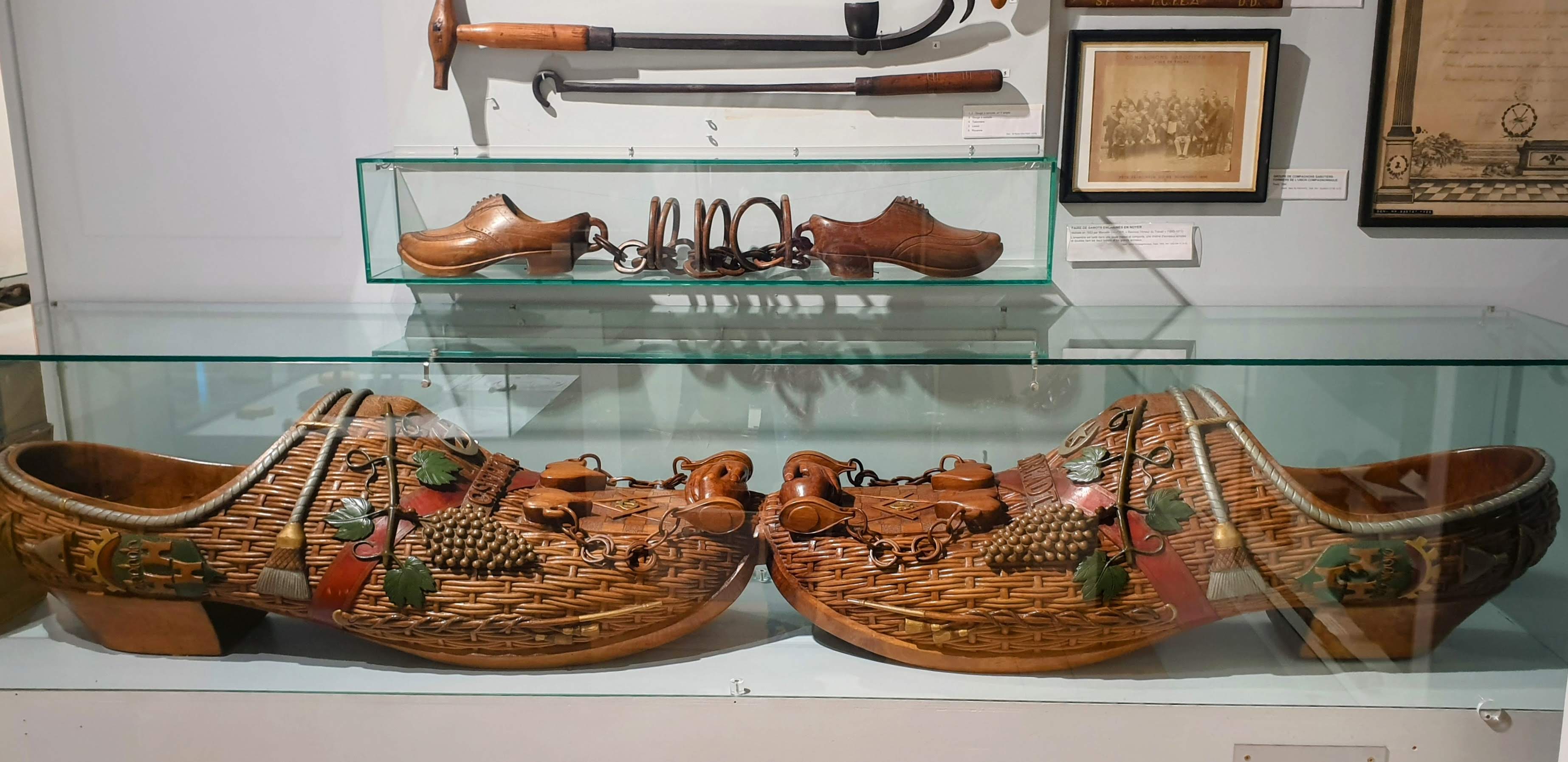
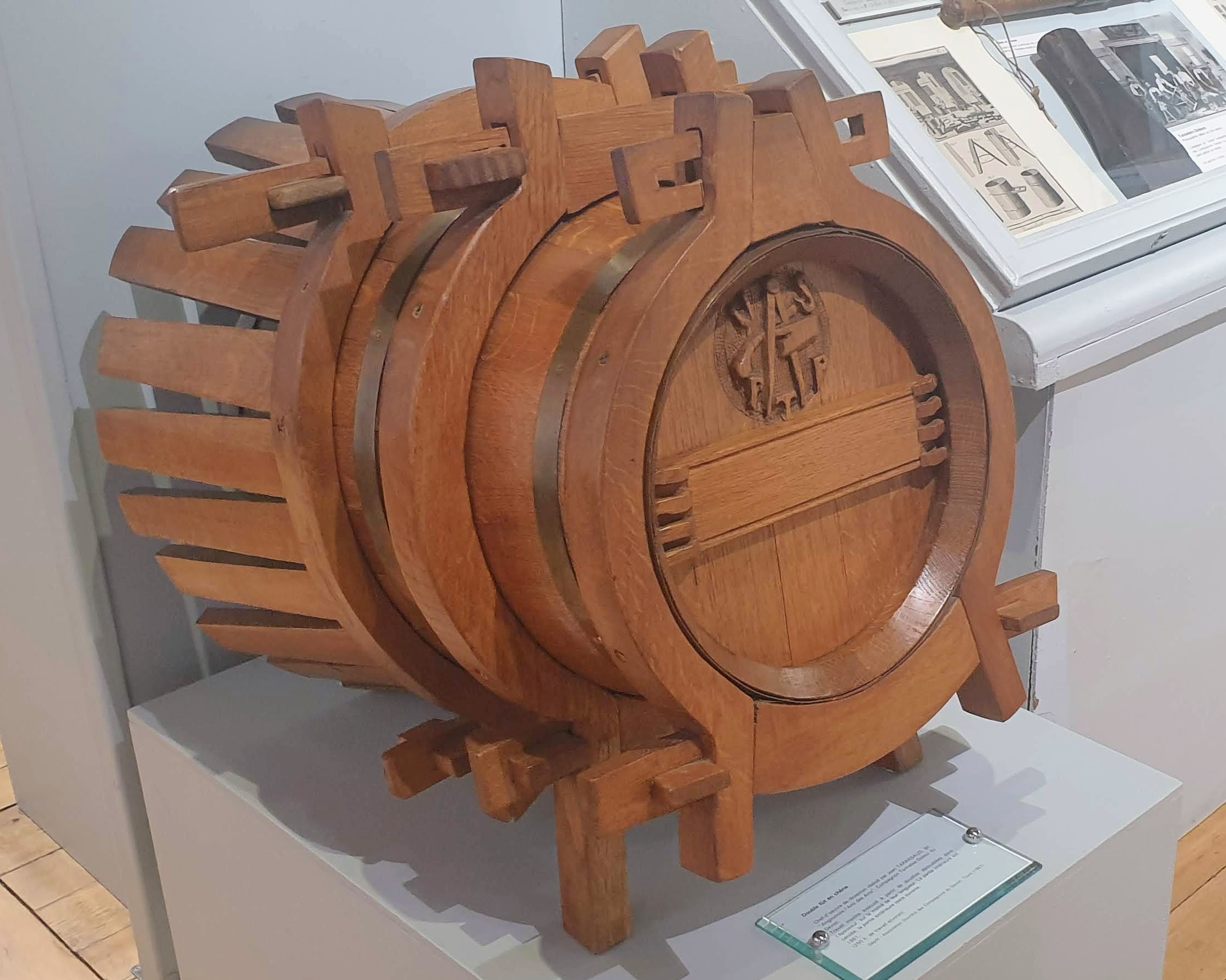
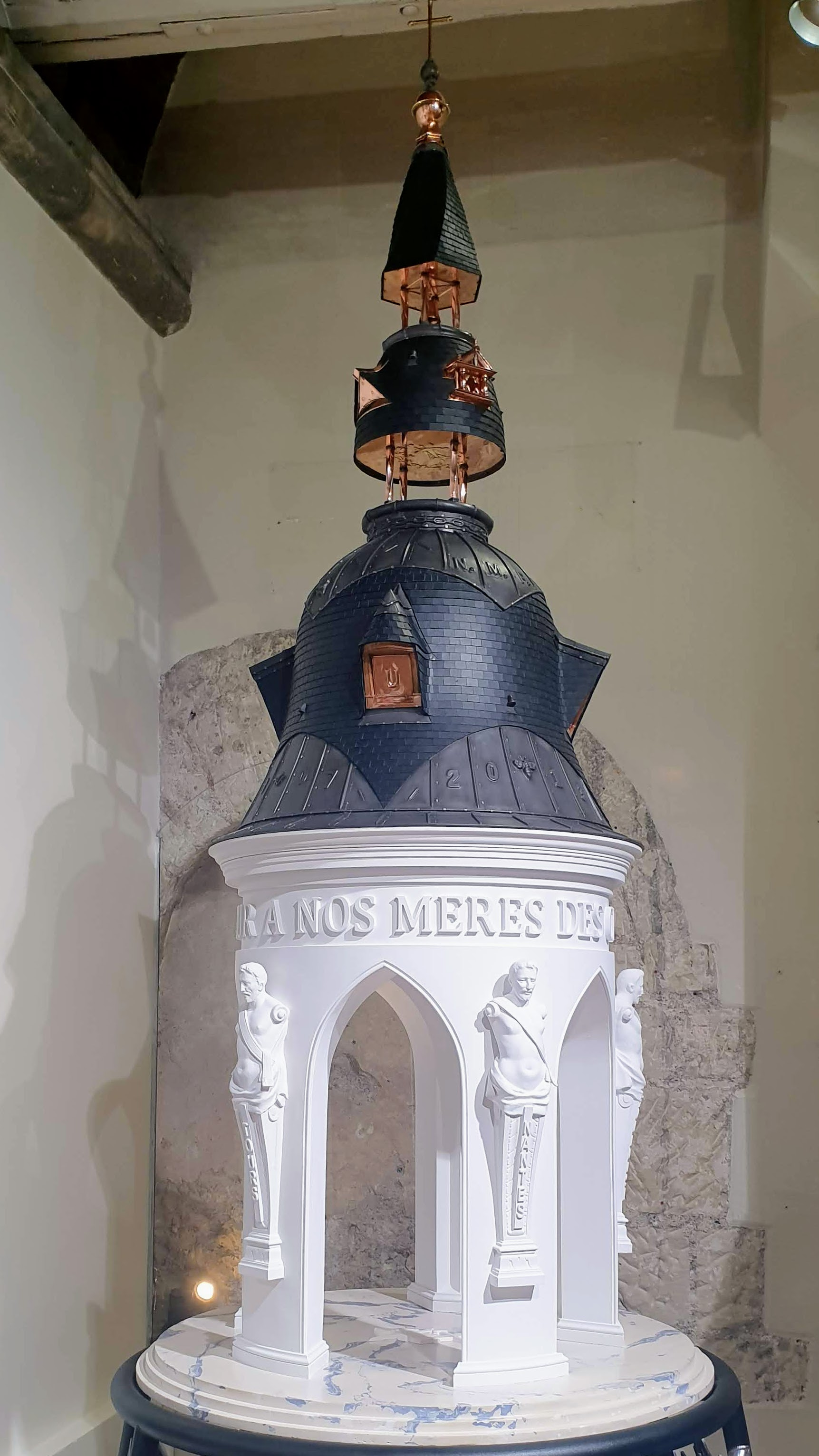
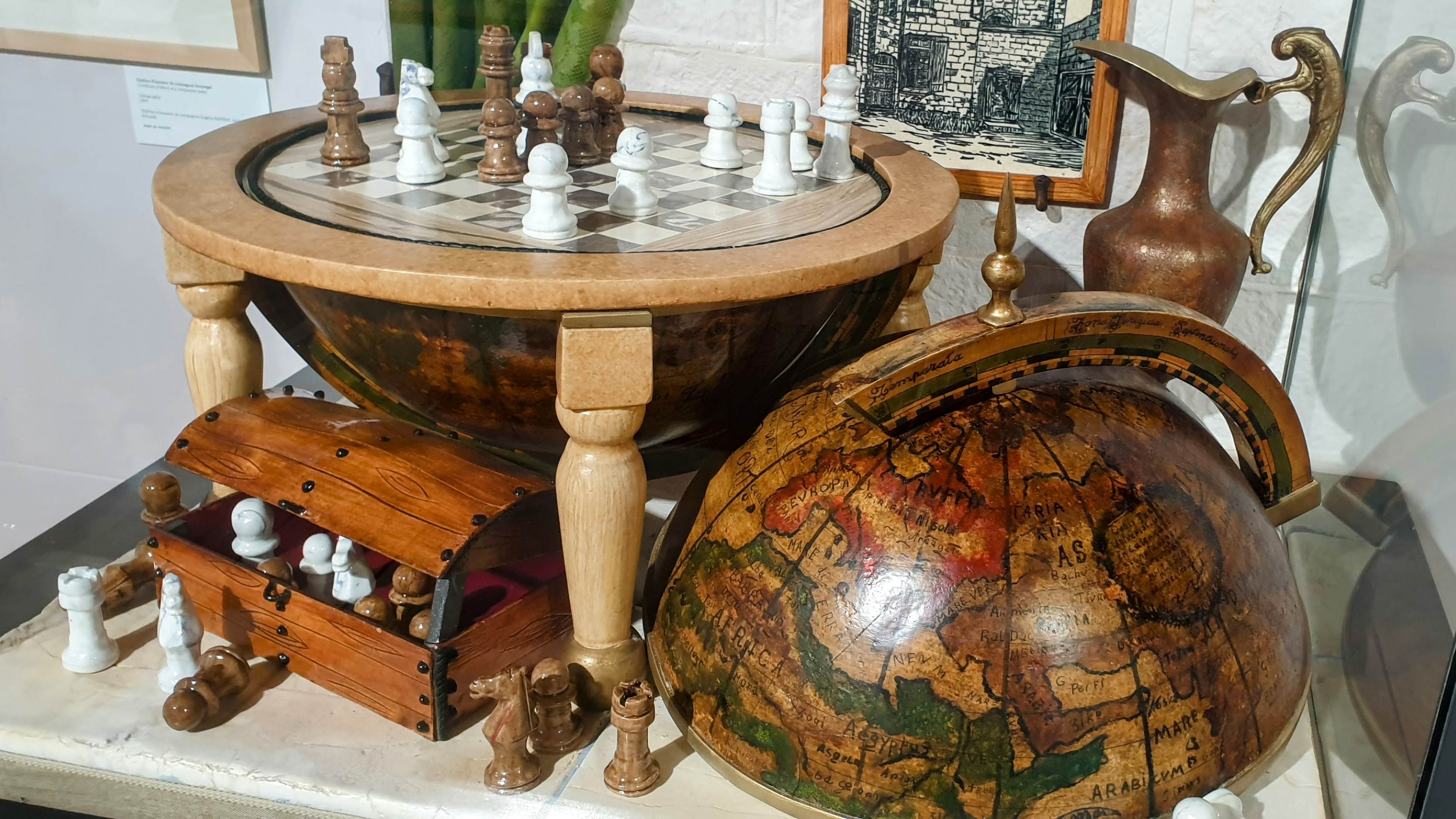
This was the first museum I visited in Tours because it was right next to my tram stop. I don’t know what I expected from a place called the Companion Museum, but this was not it. The Companionship (Compagnonnage) were any and all artisans and craftsmen who made things with their hands and then passed the knowledge of their crafts through apprenticeships. As you may imagine, that’s most of professions. It’s something between a secret society and a very strong union. In fact, given the amount of masonic imagery, I’m surprised to find that the museum denies any connection beyond the coincidence of the compass and square.

According to their own legends, the Compagnonnage dates back to the construction of the temple in Jerusalem, known as the “Temple of Solomon”, in the 10th century BC. The colossal project, under the direction of the architect Hiram, would have been led by Soubise and Jacques. Different legends also make these last two monastic and chivalrous characters. Salomon, Father Soubise and Maître Jacques are the 3 legendary founders of the Compagnonnage. However, there’s no archaeological evidence of the Compagnonnage until the 13th century. Incidentally, the Free Masons are not found until the 18th century so if they are linked, the French did it first.

The Compagnonnage includes any industry in which people work with their hands directly to produce things. I was going to try to list them, but the museum website takes a whole page to do so. It’s… a lot. Excluded careers were things like merchants, academics, doctors, architects and engineers (presumably the later because they design things rather than build them. Carpenters and stonemasons, people who implemented architectural and engineering designs, were absolutely included in the Compagnonnage.)

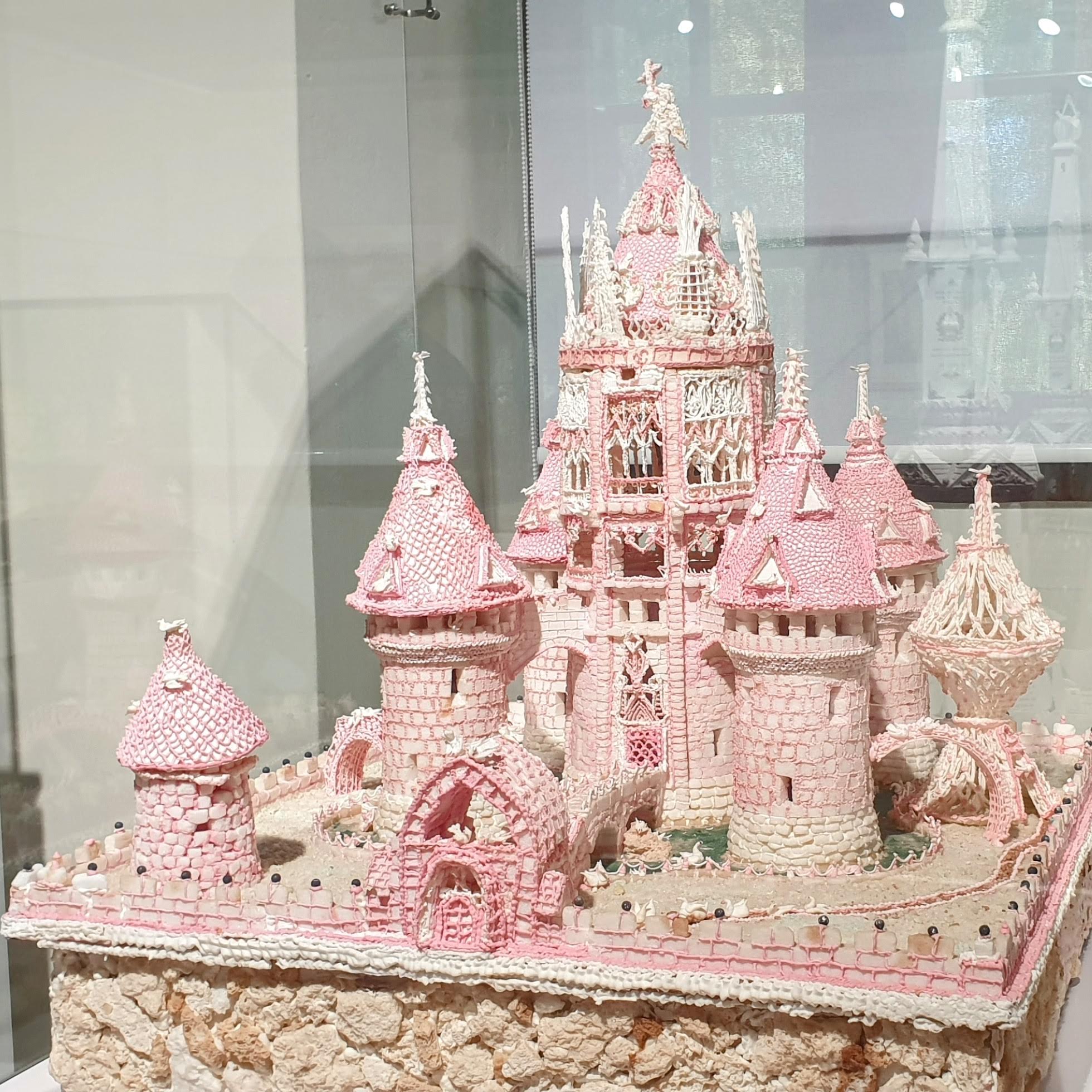
You can read more about the historical ups and downs on the museum website (thanks Google Chrome for auto-translate), but it went fairly strong until WW1 dealt it a near fatal blow. It didn’t really recover until after WW2, and it’s worth mentioning that although they claimed to welcome anyone wishing to improve in their profession, they didn’t agree to admit women until 2004(!) and didn’t actually accept one until 2006. Even though many of the trades historically included into the Compagnonnage were industries which had many women workers including sewing, weaving, laundry, and baking, it seems the society was about more than just teaching skills and protecting workers. Quelle surprise! (by the way, all of the art pieces below are sugar and pastry!)

Despite the overwhelming presence of misogyny throughout the history of Western civilization, I still enjoyed seeing the craftworks and tools of the various trades included in the Compagnonnes. I also believe that the centuries-long tradition of protecting the rights and wages of these workers has likely influenced the French cultural value of workers’ rights and collective bargaining. Did you know that striking is protected under their constitution? That not only can they not lose their jobs for striking, their employers must continue to pay them during the strike? That’s a big accomplishment for the same culture that produced Versailles.

The Hôtel Goüin

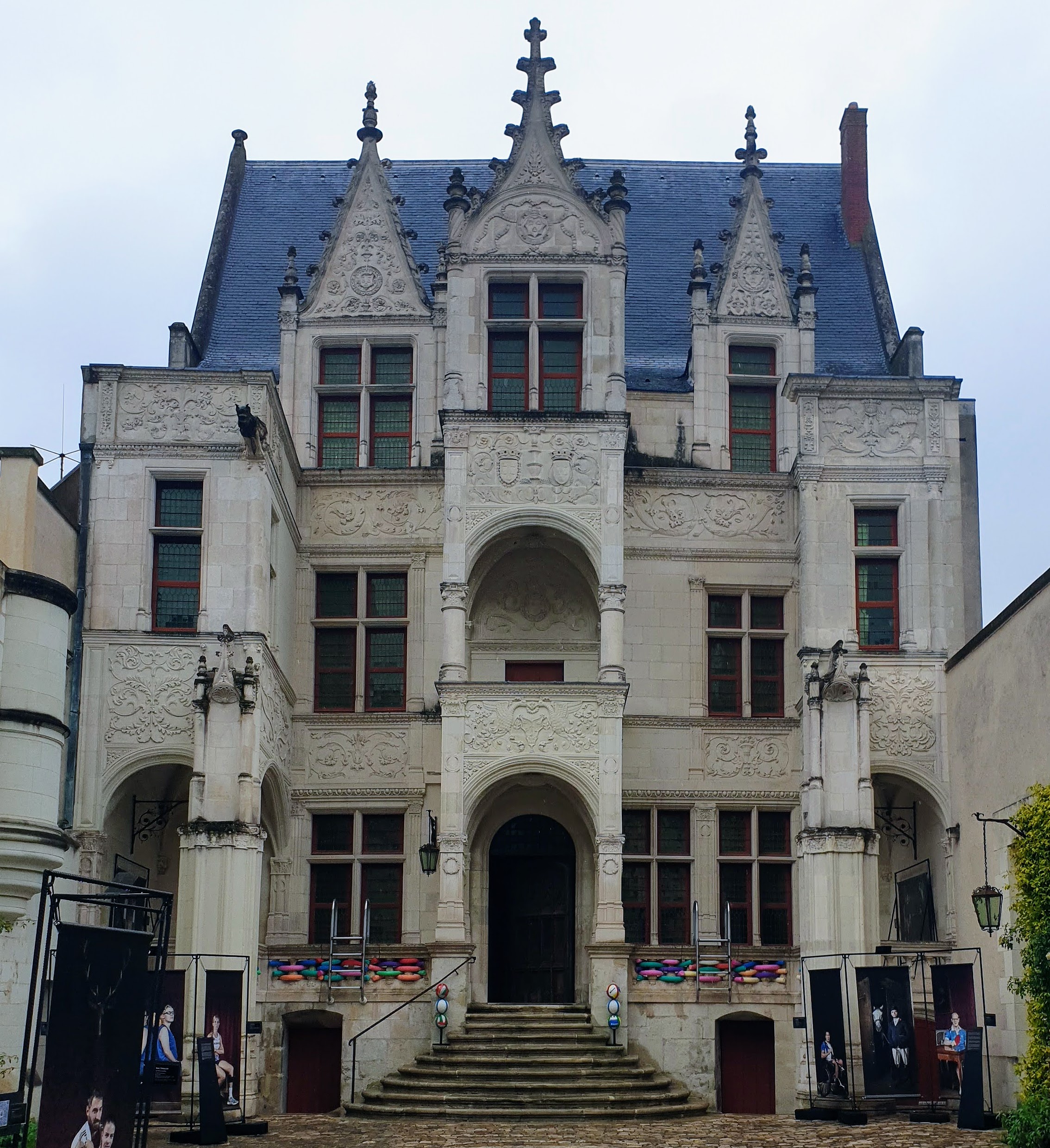
This is what happens when you don’t plan in advance and just wing it. You get weird stuff. This hotel is on my walk from the tram stop to my school and I got curious about it, and noticed it’s opening hours were only on Wednesdays and Saturdays. I looked at it very very briefly online and saw that inside was an art gallery with rotating exhibitions. I thought, well I like art galleries, and it’s free, so why not? 

First, let me say, I do think it’s worth it to poke your nose into any free museum in your vicinity. Heck, even any museum under 10$ is likely to be worth a stop to me. I have gone into unexpected museums before, things I ran across that were adjacent to another stop on my journey, and it’s roulette. Also, since I had totally failed in the planning phase of my stay in Tours, I was eventually bound to suffer the slings of ‘wing it”, and only not mind too much because a) it’s 5 weeks, and b) my goal in Tours was not sightseeing – it was French Living.

If you or someone you know is headed to Tours and you happen to be in Old Tours on a Wednesday or Saturday, sure, drop in. However, there’s no need to put it on your bucket list. This summer, the Olympics are being held in Paris, so all of France is in Olympic fever. The Hôtel Goüin being no exception, they decided to offer an exhibition on the Paralympics. In large part, the exhibition was mostly very beautiful and inspiring photographs of paralympic athletes, but the upstairs (no elevator, btw, way to accommodate the athletes being celebrated!) contained not only documentaries, but interactive displays where visitors could “try on” a disability and attempt a sport. … I don’t even know what to write about that, other than, yes, I’m sure that’s what they were for because a museum employee told me about it and smilingly encouraged me to try.

If you are not cringing with me, or are wondering why I am, please check out some videos on YouTube by following this link.

The Musée des Beaux Arts

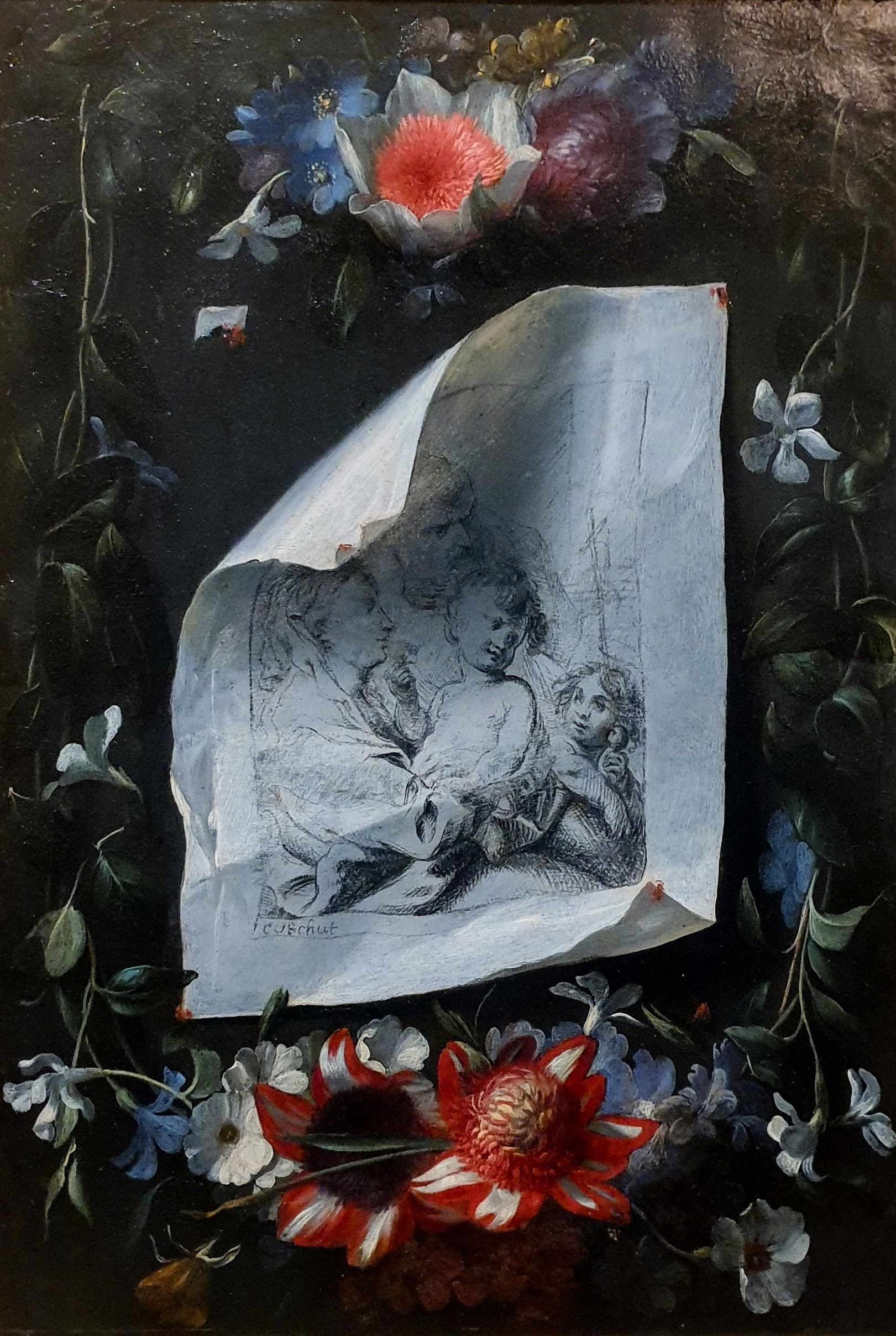
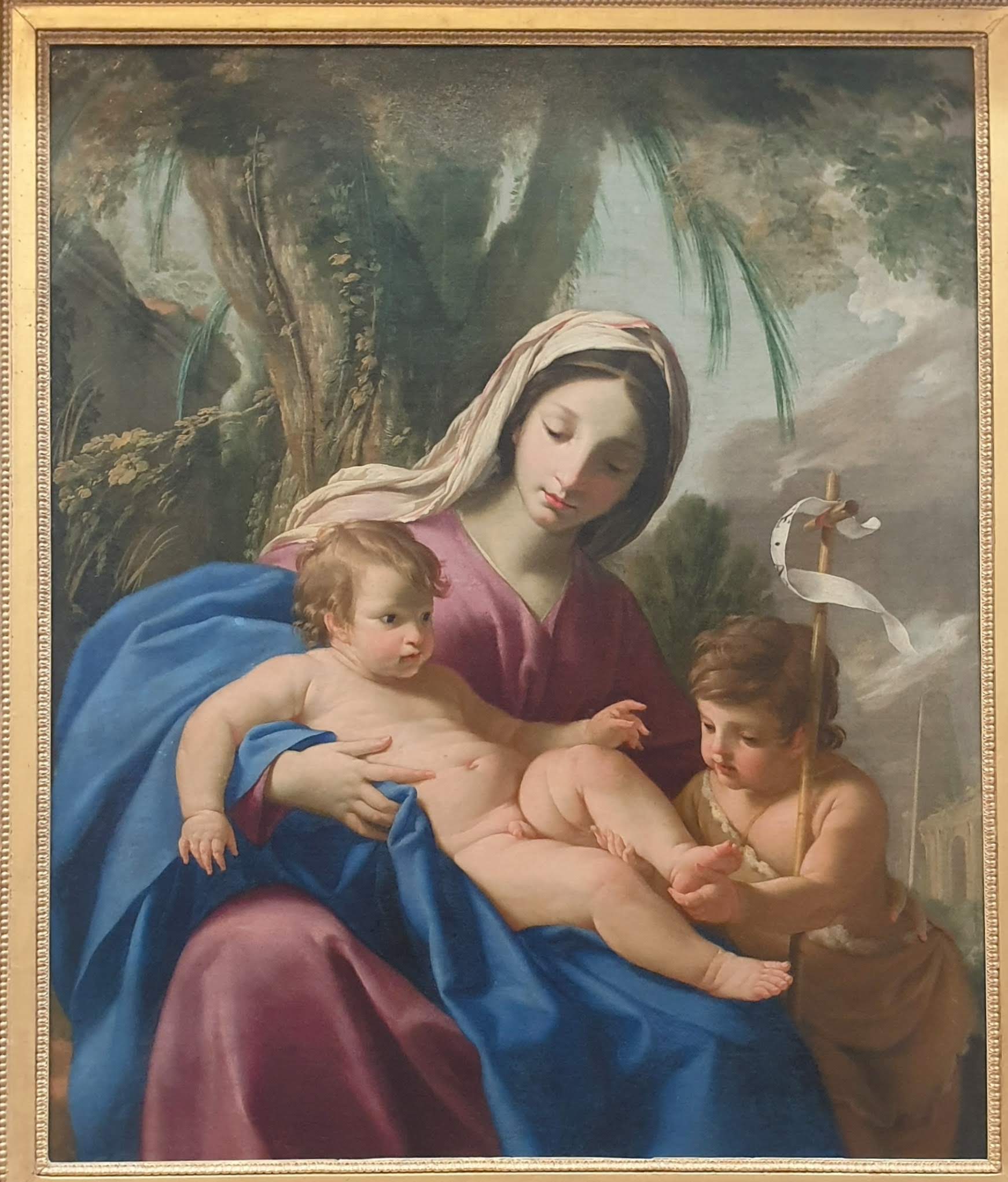
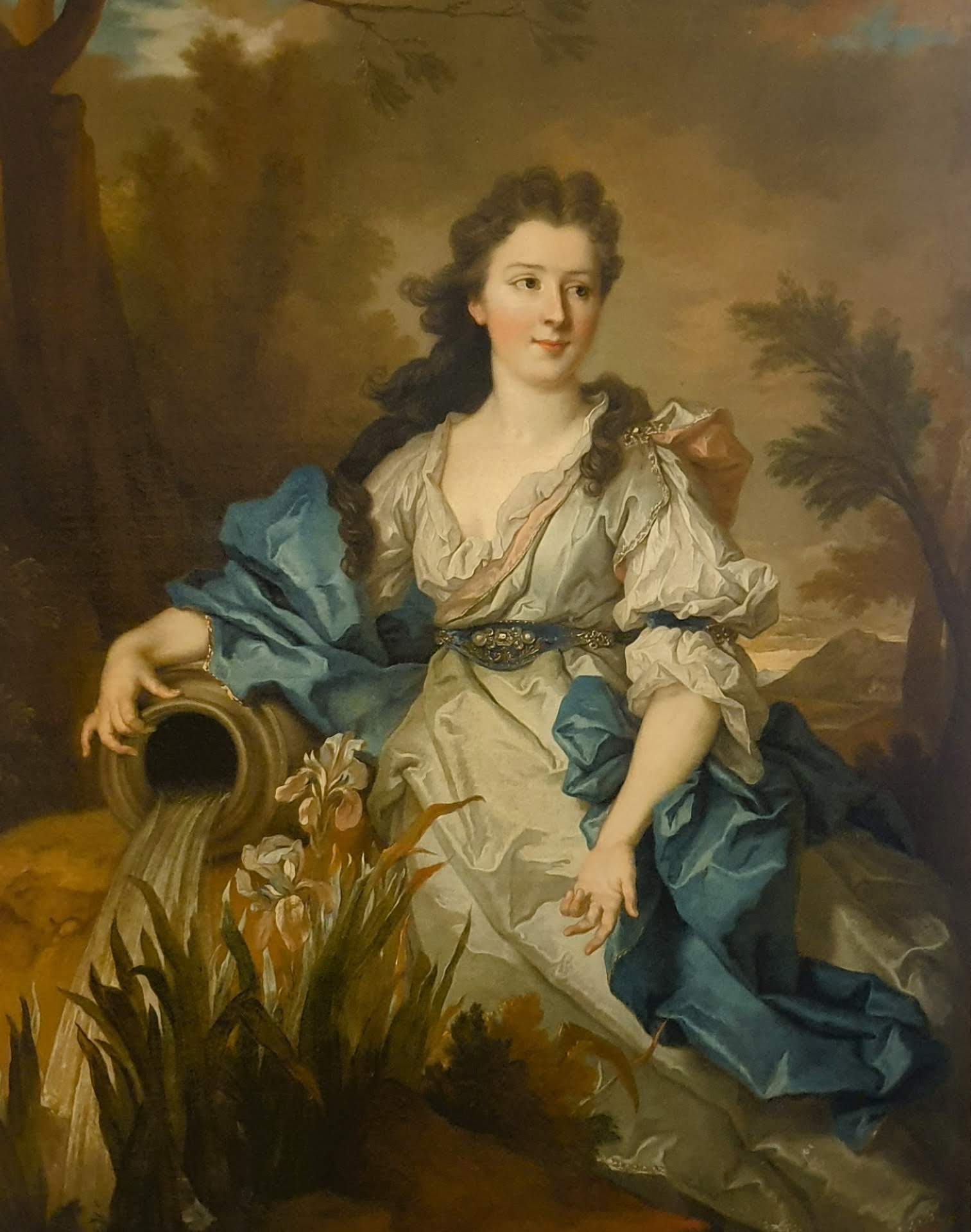
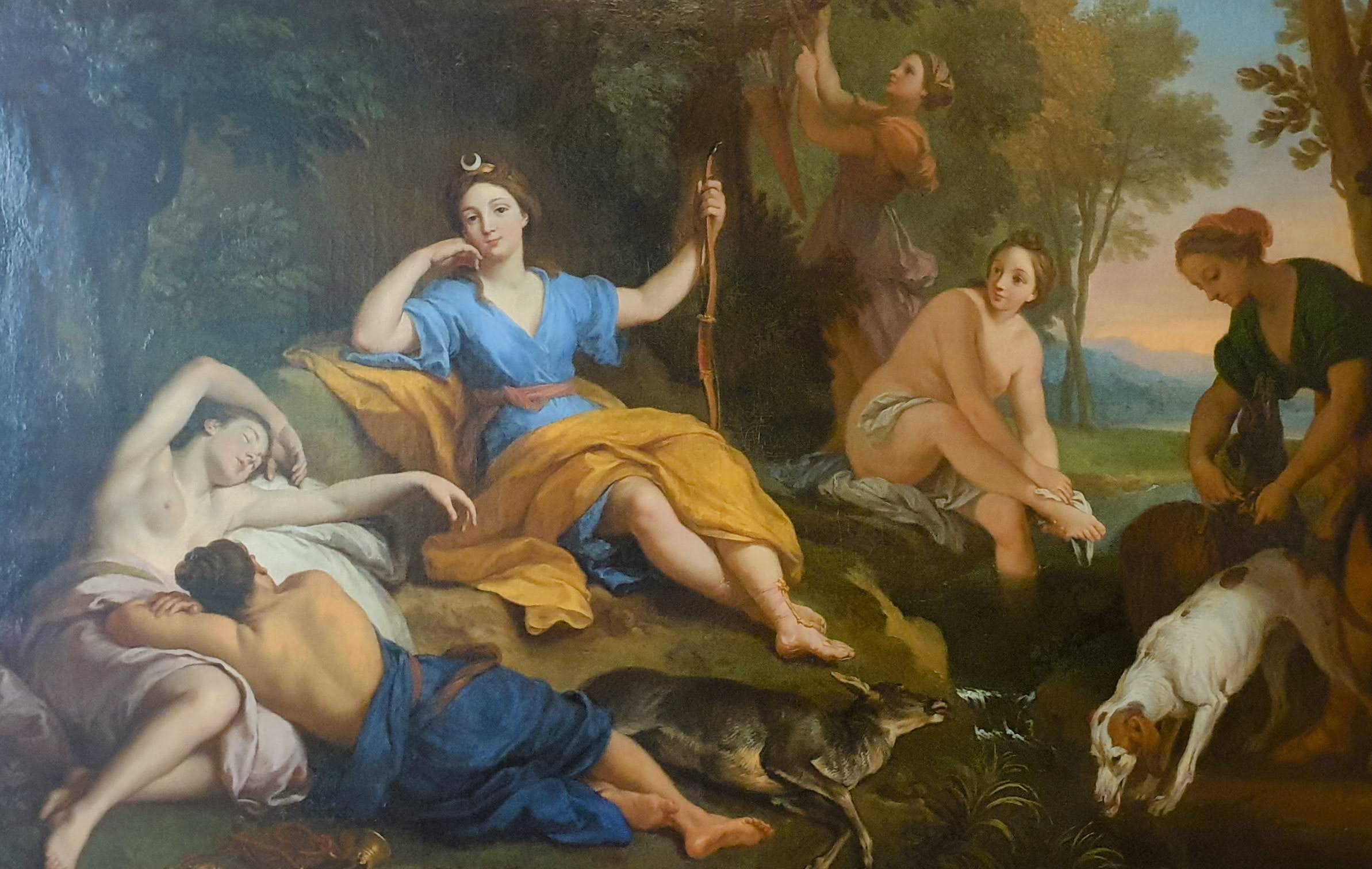
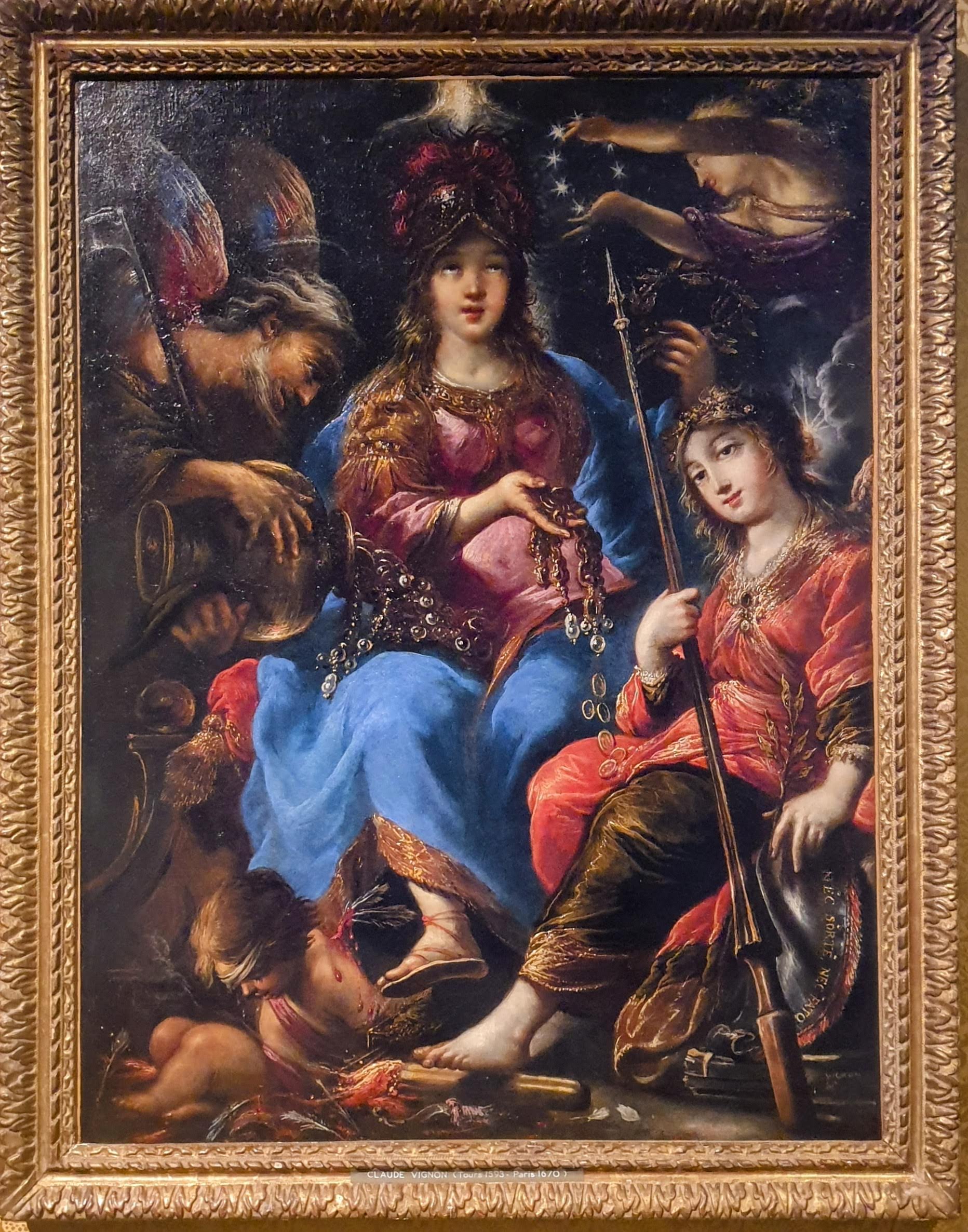
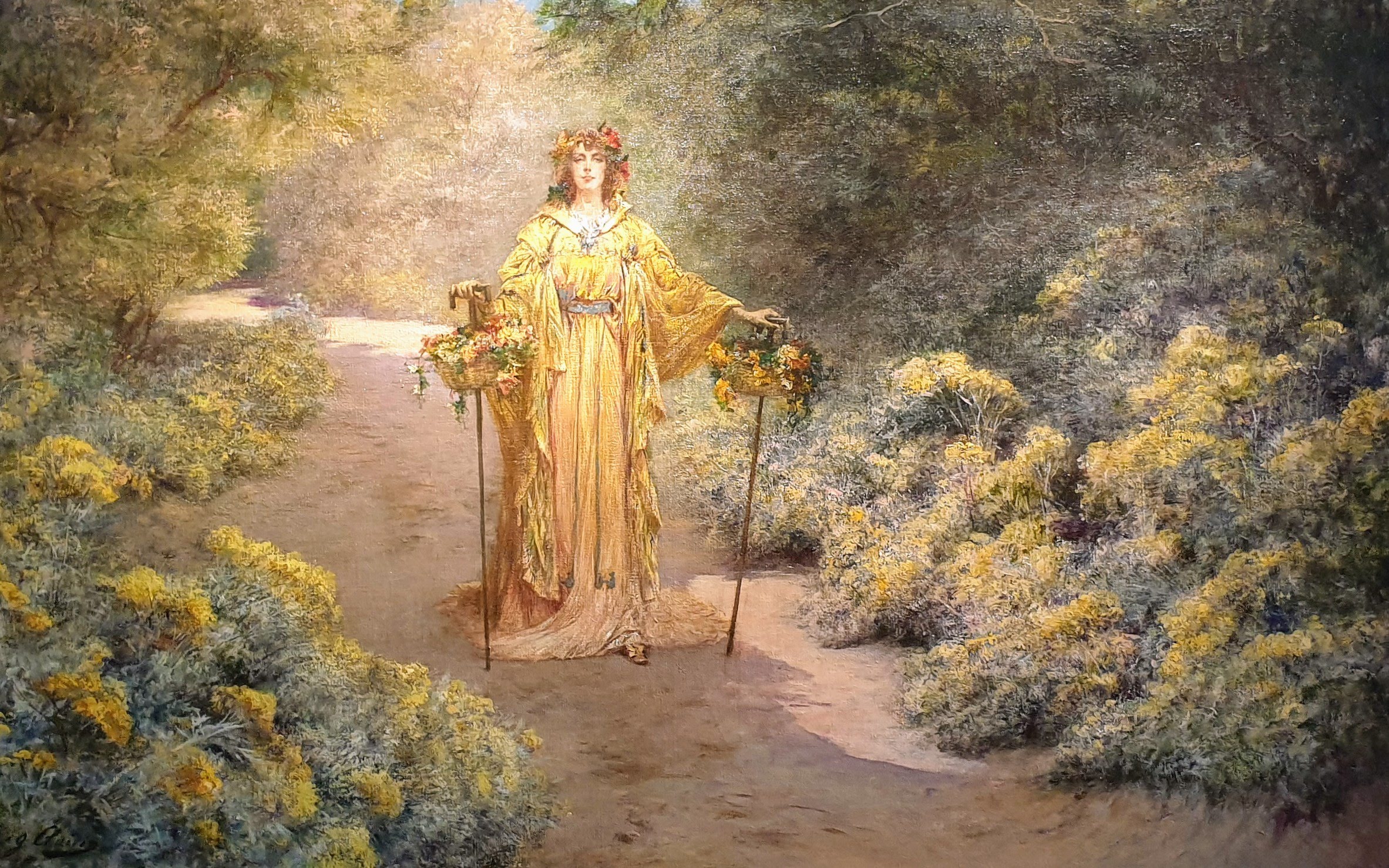
The third and easily most impressive museum I visited was the Tours Museum of Fine Arts. You can go to France and not visit an art museum, but why would you? I spent about 2.5 hours inside the museum of fine arts. I only took photos of things that struck me in particular, but it was room after room of beautiful stuff. I love looking at oil paintings up close. There’s some things that no photograph can ever capture, the quality of light, the ability for a part of a painting to seem like it’s glowing, the way the brush strokes move the eye, the size (both the enormous paintings and the tiny details). Seriously, even gallery-pro photos rarely do them justice, but if you want to see the museum’s own photographic collection, click here

Nonetheless, I cannot paint a picture of a gallery with only words, so I hope you enjoy the pictures I took and that maybe it can inspire you to visit an art gallery in or near your own town. Galleries often have wide collections, and even trade around highly desirable artists so that everyone can get a chance. The Tours museum is not anything so grand as is found in Paris, Lyon, London, or New York, but it still had a Rubens, a Rodin, a Rembrandt, and a Monet alongside many lesser known but still very talented artists from the 14th to 21st centuries.

Garland of flowers and trompe l’oeil, Jan-Philips van THIELEN, mid 1600s
Anonymous copy of the Mona Lisa painted mid 1500s
Mary Magdalene, Matthieu FREDEAU 1642
The Virgin, the Child Jesus and Saint John the Baptist, Eustache LE SUEUR, early 1600s
Portrait of a woman in spring, Workshop of Nicolas de LARGILLIERRE, early 1700s
Diana and her companions resting after hunting, Louis of BOULOGNE 1707
Allegory of the Times, Wealth, Power and Love; Claude VIGNON, mid 1600s
Nude study, Léon BELLY, 1857
Sarah Bernhardt in her Belle-Ilea garden, Georges CLAIRIN, late 1800s
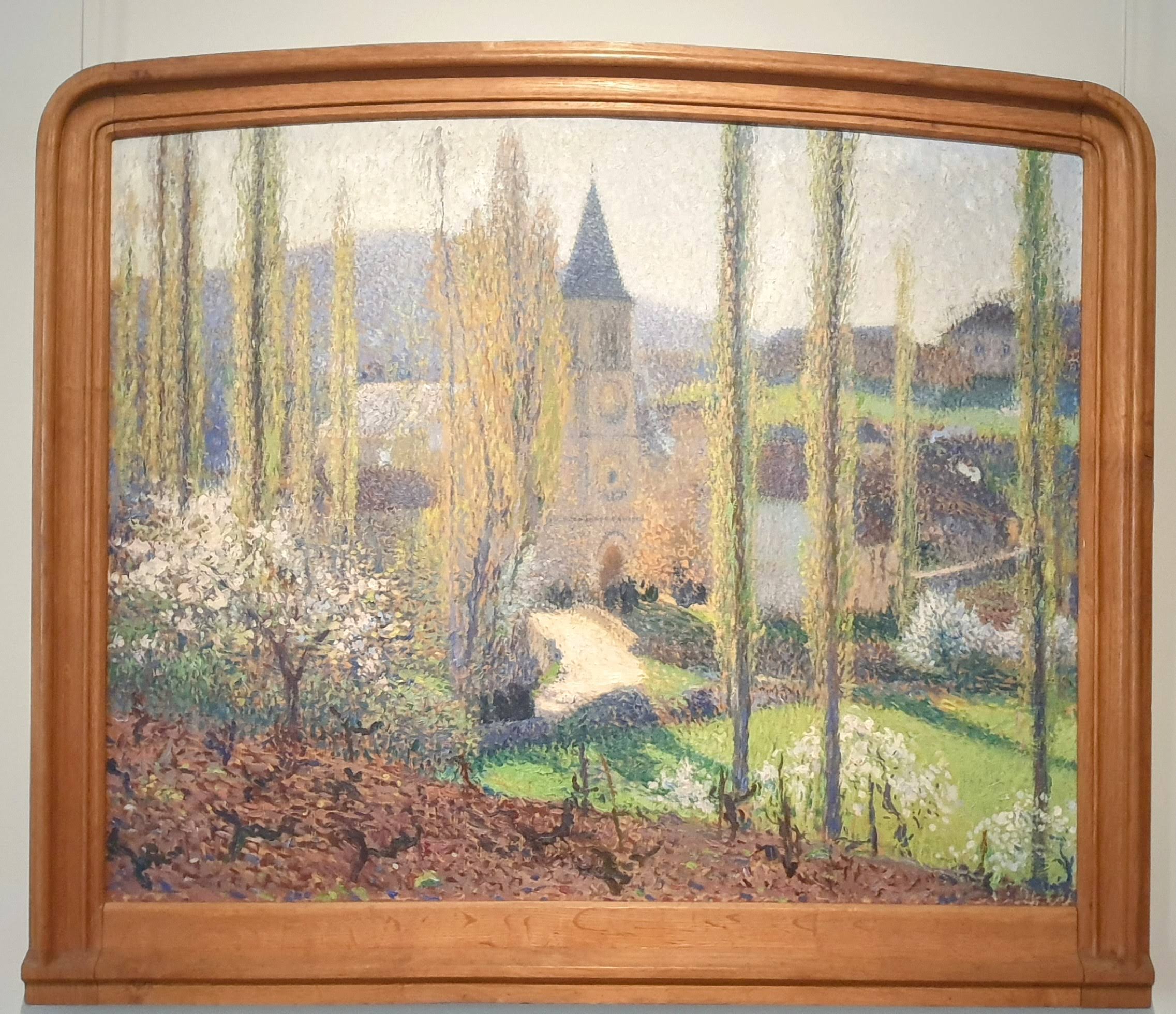
Leaving mass on Easter Day in Labastide-du-Vert, Henri MARTIN, 1915

I recently had to try and explain Queer Coding to some folks and I found myself returning to YouTube to shore up my own understanding and references. One of the videos I watched pointed out that a lot of artists who painted under the totalitarian glare of the capital “C” Church used secret signs in their paintings of religious icons, and imagery out of Greco-Roman mythology to be able to portray scenes of queer love, romance, and eroticism that they could otherwise have been turned over to the Inquisition for. It was a perspective that made looking at many of these paintings from the 14-17th centuries much more entertaining.

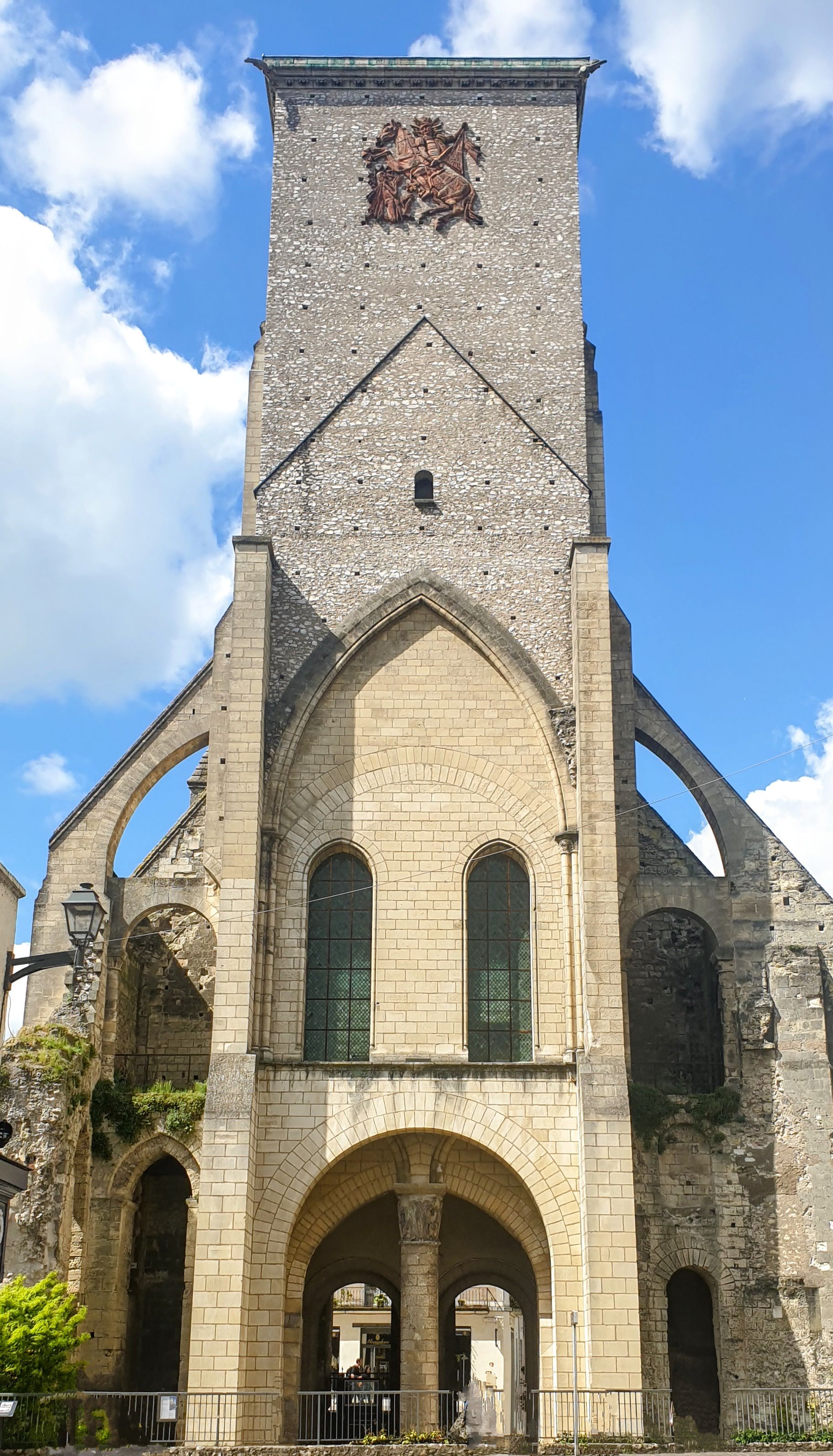
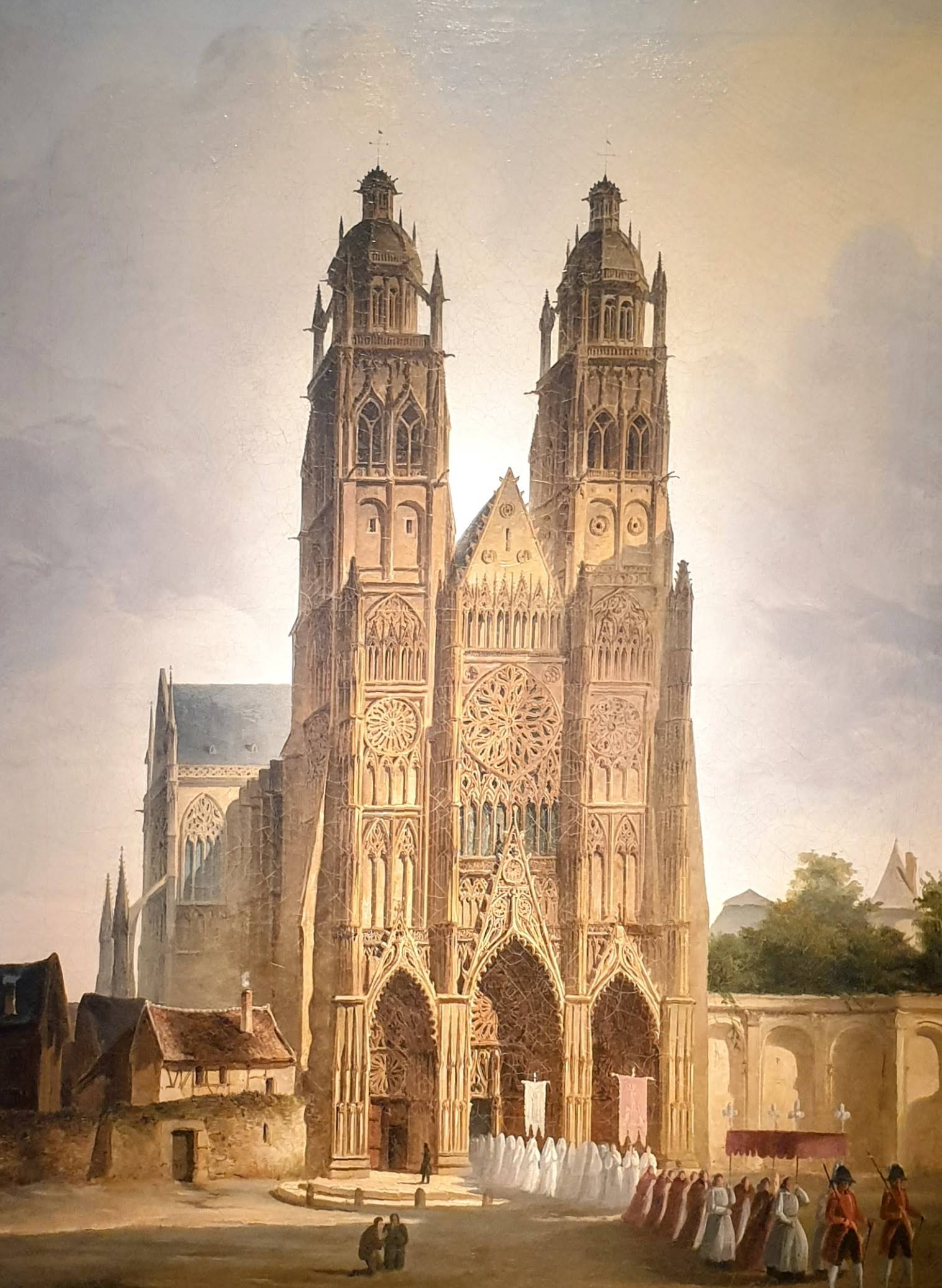
I had to put this painting on its own. This is “Panoramic view of Tours in 1787” by Pierre-Antoine Demachy. When I turned a corner and saw this view, I was absolutely stunned because that’s the bridge I ride the tram over every day too and from school and my apartment. It’s actually fairly easy to regognize the major landmarks like the Cathedral on the left, the large white buildings with black roofs along side the road which is the Rue National (those are still holding shops today), and the Tower of Charlemagne as the tallest structure on the right. The artist was able to make the buildings in the distance look larger than they really are, and there are too many trees and new buildings for me to exactly replicate this view with my camera, but I gave it a go.

The lower floor of the museum is where the rotating and seasonal exhibits live. When I visited, it was an exhibit about the history of women called “THE SCEPTER & THE DISTAFF. BEING A WOMAN BETWEEN THE MIDDLE AGES AND THE RENAISSANCE“. Although it did have some generalizations, it mainly focused on France and it’s neighboring European countries and offered examples of illuminated manuscripts and artistic renditions of women as visual aids to the historical records. Anyone who has studied the history of women in the West will be well aware of the issues, but for those who are not, may I recommend the recent re-translation of Simone de Beauvoir’s eminent work, The Second Sex. If you’re on this website, I assume you like to read and so recommend the book, but there are plenty of YouTube videos reviewing and analyzing it. I don’t claim it’s the authoritative book of feminism (it’s got issues), but she does a very good job of assessing the historical condition of women in Western culture.

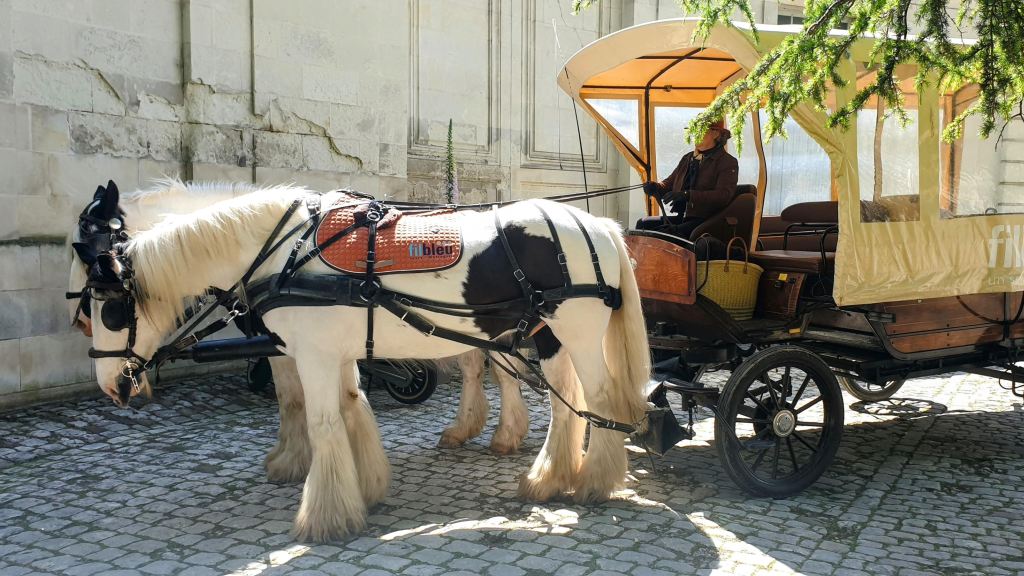
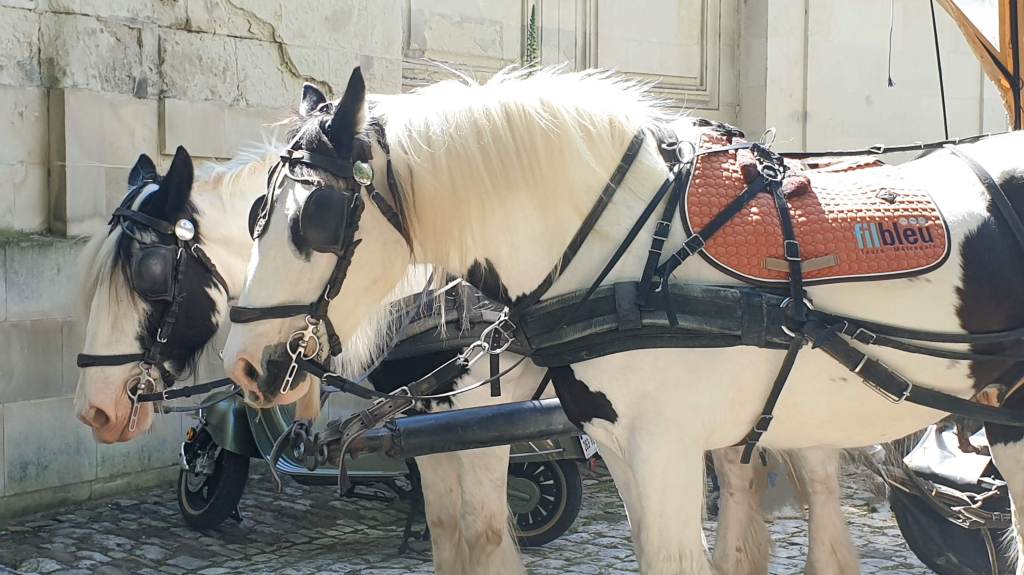
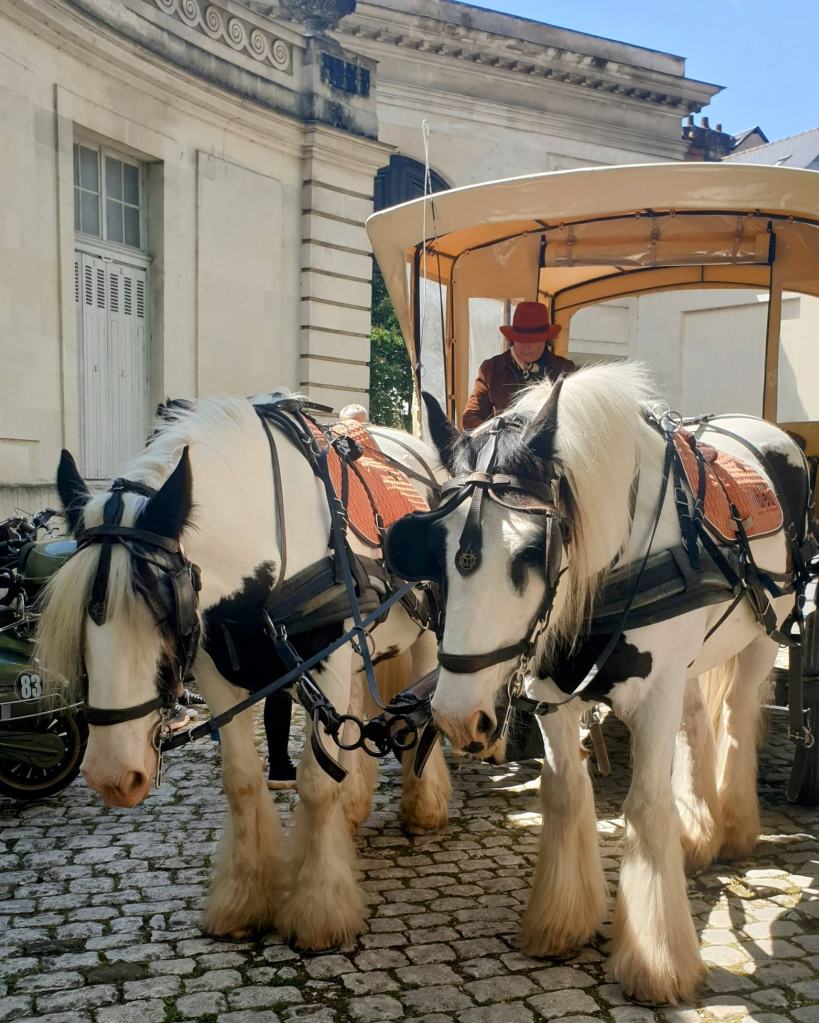
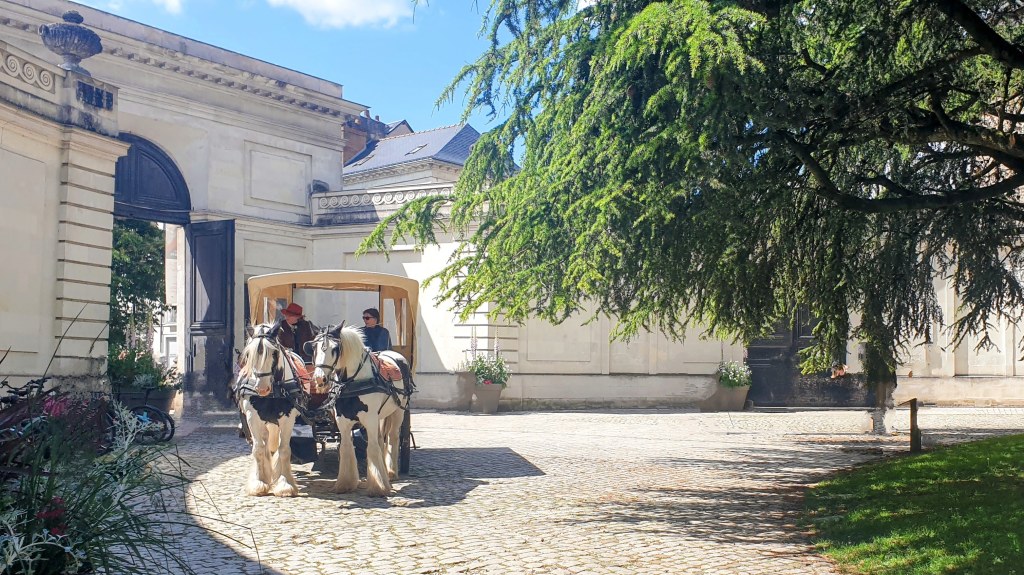
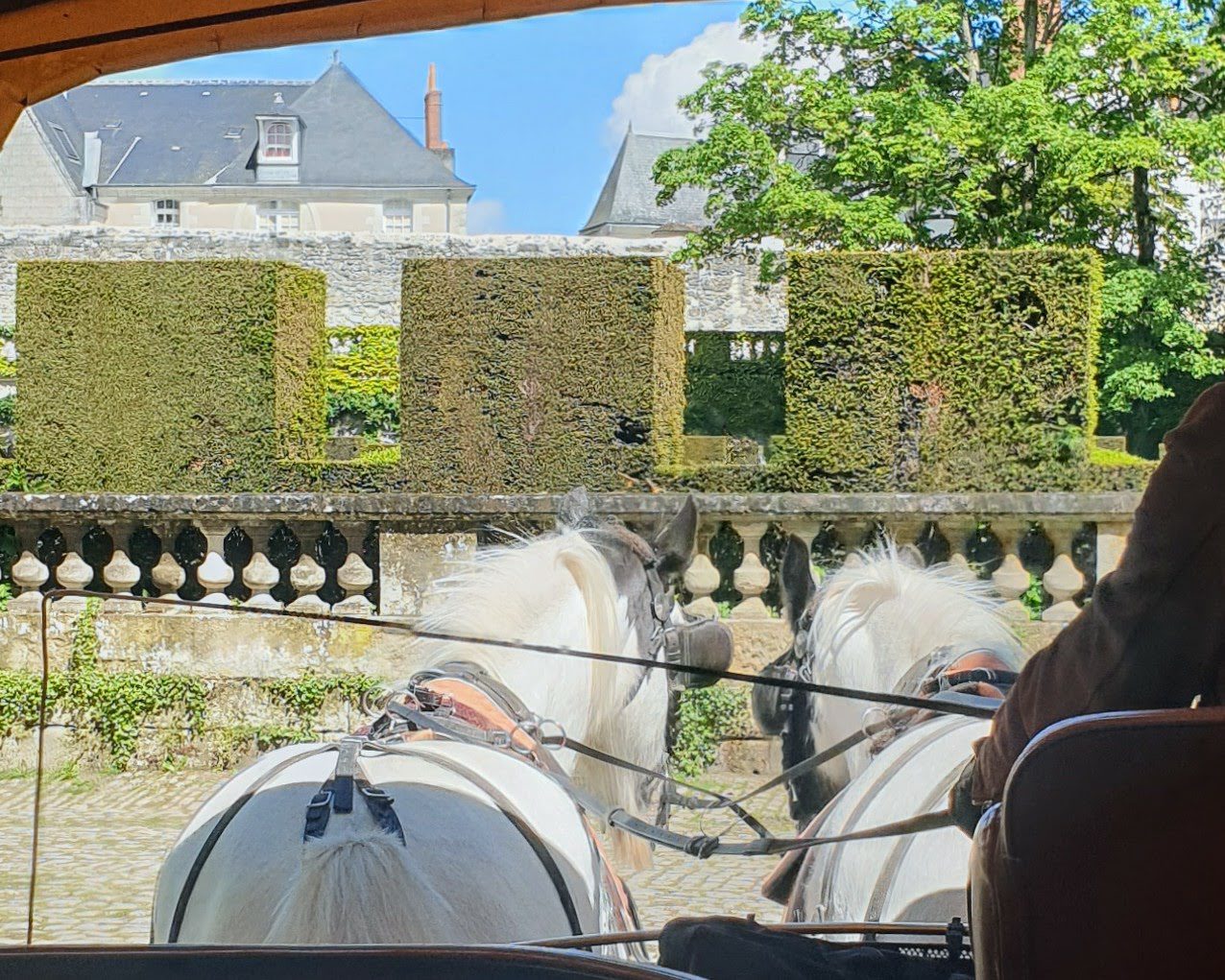
After I finished inside the museum, I headed outside to look for the pickup spot of the hippomobile. I didn’t make up that word. “Hippo” isn’t just a big African water mammal, it’s actually the ancient Greek word for “horse”. “Potamus” is Greek for “river”, which is how the hippopotamus got it’s name – river horse. Thus, the hippomobile is simply an ancient Greek way of saying horse-car, or horse drawn carriage. I don’t know why the one in Tours uses this name instead of the wildly more common French word “calèche“, but the first time I saw it on the website, I fell in love with the word and I refuse to relinquish it.

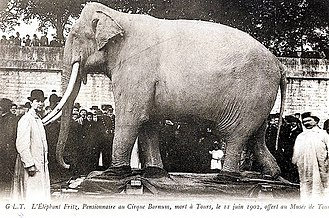
The internet further told me that I should catch this wonderful ride in front of “Fritz the Elephant” outside the Musée des Beaux Arts. When I arrived at the museum, a sign outside advertised the ride as picking people up at Fritz the Elephant as well, yet by the time I finished my museum tour, I still had no idea where (or really what) Fritz the Elephant was.

The Story of Fritz the Elephant

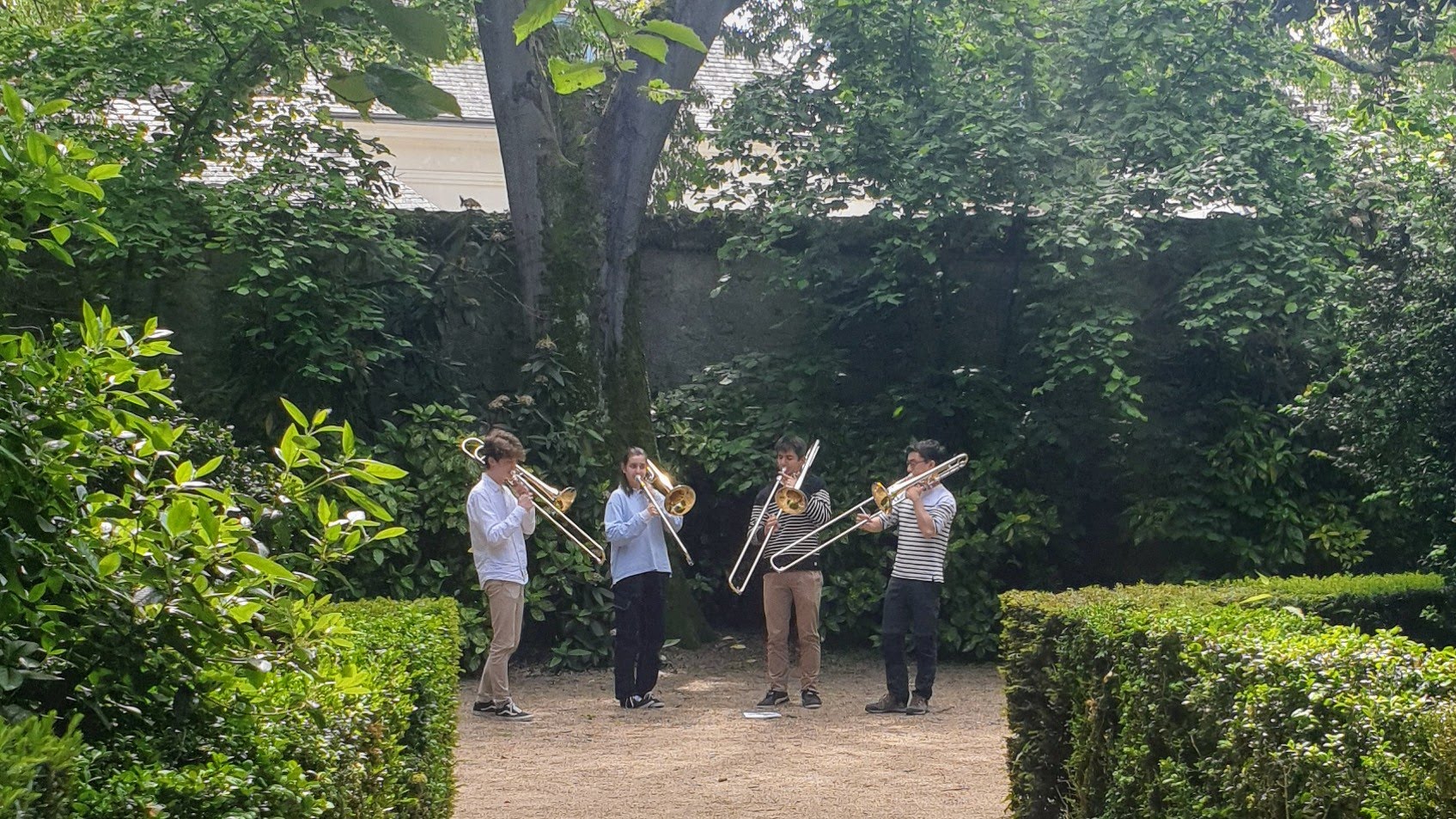
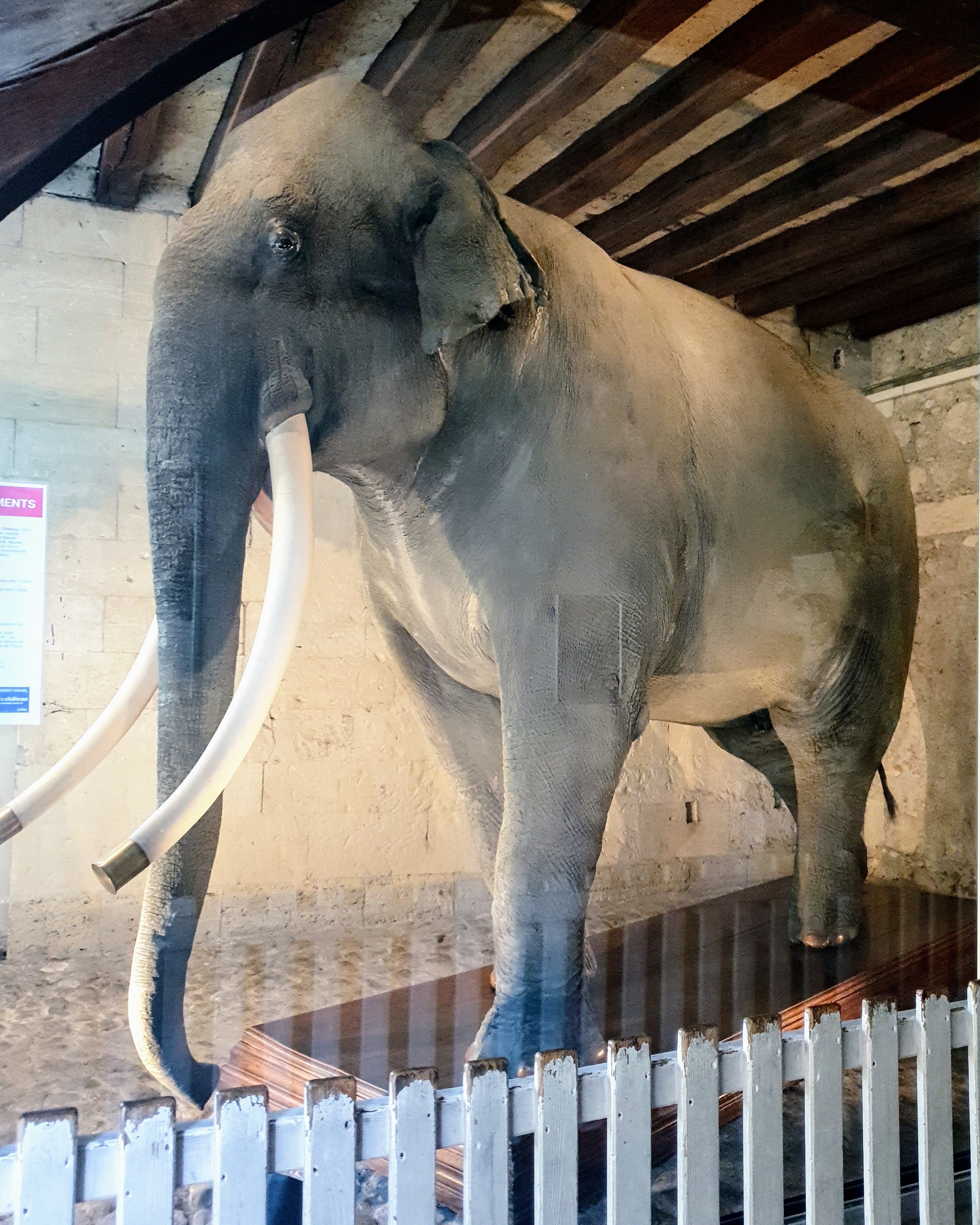
In my mind, Fritz would be a statue, or maybe a mural, adjacent to and clearly visible from the museum. Upon exiting the museum, I took a quick walk around the gardens (lord do I love the way the French put gardens everywhere). I found a little food stall, and a playground, and a trombone quartet (very unexpected), but still no elephant. Finally, I went over to a building off to one side that looked like it had been (or might still be) a stable. Lo and behold, there was Fritz in all his taxidermized glory, sheltered from the elements by a roof and plexiglass.

TW animal cruelty: because western civilization didn’t figure out animals had feelings until really recently and this is a story out of history. But also, there’s a silver lining at the end? If you want to avoid it, skip to the Hippomobile section where the animals are treated with kindness and respect.

Around the turn of the 20th century, the Barnum and Baily’s Circus was at its height. You may have been exposed to a glorified version of this with a singing Hugh Jackman, but the real circuses relied heavily on exotic animal shows, and the treatment and training for those animals, including elephants, was cruel and violent. Fritz was in captivity for 35 years, which would have been most of his life considering Asian elephants only live into their late 40s. He was purchased by Barnum in Germany in 1873 and shipped by sea to the US. Sea voyages were especially hard on animals then, since they took a long time, had terrible conditions, and there was no medication available to help the animals with anxiety or seasickness. Many elephants died on such voyages, including several of Fritz’s companions. 

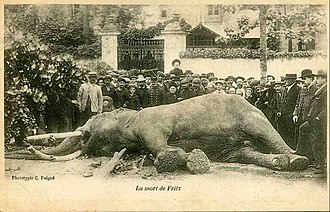
In 1901, the B&B circus headed over to Europe for a continental tour. While in Bordeaux in May of 1902, Fritz began to show signs of agitation and aggression, and so was chained to two other elephants to keep him in check. When the circus reached Tours in June of the same year, the circus offered a parade through town as a way of attracting visitors to the shows. Though the parades were difficult, they were also often the only time the animals had any real freedom of movement. 

For reasons unknown to history, Fritz became enraged during this parade. 35 years of captivity and violent treatment cannot have been without consequences, and whatever the reason, Fritz freaked out and terrified all the local parade attendees. The handler was able to get Fritz under control and on the ground (laying down), but director on site still ordered the elephant put down. As horrible as that is, the method of execution was worse, and yet it’s inhumanity may have been the reason why Fritz became such an important historical symbol. The method used was strangulation with chains and rope. It took more than three hours for Fritz to pass. 

The remains of Fritz were sent off to a naturalist for preservation, and within 8 months the skeleton was installed at the natural history museum, and the taxidermized hide was placed in the former stables at the Musée des Beaux Arts. The press latched on to the story, framing Fritz as a gentle giant and a victim. Wild speculation abounded as to the cause of his rage. Some posited it must have been a lit cigarette burning him, but there is no evidence to support this claim. Regardless, Fritz became a beloved mascot of the city of Tours, and the tragic incident became a pivotal talking point for a growing movement acknowledging animal suffering and animal rights. 

As of my visit, more than 100 French cities ban the use of wild animals in circus shows, and the French government at the federal level has decided to completely ban all use of wild animals in travelling circuses by 2028. If that sounds like a small and late change, you aren’t wrong, but France isn’t behind the times. Most developed (rich) nations are still in the process of passing similar laws, often in patchwork and piecemeal ways, and of course developing nations are struggling enough with human rights, that it is difficult to get them onboard with eliminating animal exploitation which can mean the difference between feeding their own children or not.

I have talked about ethical animal tourism before and how important it is to patronize businesses that prioritize animal welfare because that needs to be seen as a viable economic model in order for more people to follow suit. 122 years have passed since Fritz was strangled to death on the streets of Tours for simply being a wild animal, and that seems like a long time, but we were still going to circuses with mistreated elephants when I was a kid. As short a time ago as 2008 I watched a tiger jump through a ring of fire in China (I didn’t know that would happen when I sat down for the show). Kids on the streets in Africa and SE Asia use baby monkeys they took from the mothers in order to lure tourists into taking and paying for cute selfies. There are still plentiful places that offer swims with captive dolphins or rides on captive elephants as tourist attractions. We love looking at and interacting with animals, but all too often that love is toxic.

Horse-drawn carriages are another great example. I’ve been to developing countries where the horses are near starved, dehydrated, and forced to work without a break in the scorching sun. I recall at one point in Egypt seeing a sign near an area with shade and water troughs that an animal welfare organization had fought to have installed for the horses which carried tourists around the ruins. It’s hard to convince a person who lives in a state of desperate poverty that they need to prioritize an animal when their own children may not have enough. A shorter work-day means less money, and is a big barrier to enforcing any kind of animal rights. Thus it’s up to tourists who take the rides to express a firm requirement that the animals be treated well. Stop paying for rides with badly treated animals and the drivers will change.

Please check your sources. Look for the zoos that have habitats of comfort and preservation (lots of zoos these days are changing their habitats to protect and serve the animals, and they rely more on rescuing animals that wouldn’t have survived in the wild or breeding programs rather than capturing healthy wild animals). Look for animal interactions that protect the animal ambassadors. They exist. Animals that for one reason or another don’t mind interacting with humans on their own terms can be great species ambassadors and inspire humans to better protect the environment, but we have to respect their boundaries and needs. Even the pet cafes can have better treatment of their animals, such as creating spaces where the animals can retreat when they want to, and having highly trained staff around to make sure the animals are safe and comfortable at all times, even if that means disappointing a customer.

We may be past the era of such tragedies as happened to Fritz, but we still have a long way to go to restore the balance between our love for interacting with animals and our ability to respect them.

The Hippomobile

Thankfully, in France, the labor rights are strong, even for horses, and these chevaux have restricted work hours, mandated breaks, days off for extreme weather, and nice digs.

“Our equine friends are given a day off every Monday. The horses that draw carriages in the morning are replaced by another set in the afternoon. The animals take breaks in the shade of the magnificent cedar tree outside the Museum of Fine Arts. The carriage driver decides which route to take depending on the time of day, weather conditions and/or the horses’ energy levels. When the weather is unfavorable to horses, the timetable may be modified or suspended.” — quote from the Filbleu website regarding this service

I joined the first afternoon tour (3:30pm) and although I was a bit disappointed that the weather plastic remained down (it had rained heavily a few days before), I was seated right at the back and could look out the open rear for clear views. I didn’t see a lot of new things because by this time, I’d lived in Tours for over 3 weeks and had done a lot of exploring on my own. However, Old Tours is endlessly charming and the weather that day was simply stunning, so for the price of transit ticket, I happily enjoyed the clip clop of horses hooves while I admired the scenery. 

The Cathedral of Saint-Gatien

This stunning cathedral is right next door to the museum and makes an easy side trip. I may have a love affair with gothic architecture and stained glass. I can’t seem to stop going into cathedrals which are all generally of a similar blueprint, and staring in wonder at the scale and scope of human achievement in terms of really big, really complex, and emotionally moving buildings. I took far too many photos of the different types of stained glass, but I admit that I’m more interested in the colors and shapes than I am in the catechism represented therein, so I can’t tell you what they are supposed to be depicting (though there were dozens of signs explaining each window inside the church).

When I was in the Fine Arts Museum, I found a painting of the cathedral, and did my best to replicate the angle in modern photo form. It may be a silly American thing, but we simply aren’t used to buildings which have stood for centuries, and despite knowing how old the building is (800 years), seeing a 200+ year old painting of the cathedral made it’s age somehow more real.

While I was in the church, the trombone quartet that I had found in the gardens outside the museum showed up to practice with the organist. I love listening to the giant pipe organs! It started out quiet enough so you could hear the trombones, then the organist pulled the stops out (that’s where that phrase comes from, right?) and wham!

The Botanical Gardens

Another thing to love about France is the ubiquitous nature of nature. I mean the public gardens. Although what the French call a garden may be anything from a highly cultivated botanical display to an asthetically designed artistic movement, to a grassy place with a water feature, they are all clean, safe, and well maintained, and above all free to the public.

I wrote about my three gardens in Paris earlier this spring, so while experiencing the long weekend and excellent weather in Tours, I decided to pop in to the Botanical Gardens. I was not disappointed. The bus lets passengers off right at the main entrance to the gardens (although there are multiple entrances because it is such a huge area of land). I started by walking to my right into a maze of botanical specimens. The plants are arranged in pleasing beds and trellises and I suspect at least part of it is in bloom in every season except winter. There were three paths with three different points of view and experiences, and at the far end sat a grand glass greenhouse. Unfortunately, that was closed during my visit, but it was a fairly small part of the overall parc.

As I turned around and headed back towards my entry point along a different pathway, I was treated to entirely different scenery and the sounds of very vocal frogs. I managed to sneak up on one in the water feature and snap a photo before he plonked into the depths. I walked for a while simply admiring the plants and small streams, watching families and couples enjoying picnics in the grass, and then suddenly I came upon the menagerie. Here in the middle of this garden were a small number of animal habitats. I recall seeing the same thing in the Jardin des Plants in Paris and being generally surprised that any free-to-all style park could afford the staff and upkeep for that. 

It is by no means a full zoo, but I feel like it added a layer of beauty but also entertainment and diversion (especially for children). There were some wallabies, peacocks, flamingos, turtles, tortoises, and a lot of farm type critters (chickens, geese, ducks goats, rabbits, and even a pig). Most of the animals were fenced away, but there was a mini-farm where people could go in and get a bit closer. 

At the opposite end, there were two playgrounds with equipment for children to climb and play on, and still more beautiful lawns of grass for people to picnic and nap on underneath the enormous sprawling trees. I left the park feeling tranquil and refreshed with the satisfied feeling that my last weekend in Tours was extremely well-spent.

A Brief Introduction to Tours

This is part 1 of a 4 post series about the city of Tours and the 5 weeks I spent there in the spring of 2024. I didn’t set out to come here specifically. At the time I decided what I needed was to go to France, I wasn’t up for the intense labor involved in planning a vacation. Instead, I decided to use French language classes as a way decide where to go and what to do, and then I just searched the internet for a good school with a flexible start date and decent accommodations. That’s how I wound up more or less randomly spending 5 weeks in Tours, France on the banks of the Loire river.

Tours is the largest urban area of the Loire Valley, but even at the most generous standard of counting census, it’s still less than half a million people in the city and all surrounding areas. The city has a well preserved historical district called “Vieux Tours” (old Tours) which is full of old churches and half-timbered buildings giving it a very provincial town / quaint European village aesthetic. Yet, it is also equipped with a very robust and affordable public transit system and a wide array of shops, restaurants, and other entertainments. It even has an IKEA.

On the day I arrived, I went straight from the train station to my accommodation (thanks to my school). The apartment is on a quiet street adjacent to the tram line (convenient), but doesn’t have much around it except other modern blocky apartment buildings. When I looked up the photos on Google maps before arrival, I was very hesitant. I didn’t want to live in an industrial complex, I wanted to experience the quaintness of Vieux Tours! I need not have worried. Although the rows and rows of housing can seem a bit Orwellian at first glance, the reality is that there’s still immense amounts of greenery all over. My balcony overlooks a nice garden and there’s a sports field across the street. The main road is lined with trees and the tram line is grassy. While there isn’t much in a stone’s throw, a quick 10-15 minute ride on the tram drops me in Old Tours, and the lack of restaurants and bars in the neighborhood means it’s quiet when I want to rest.

My first day in Vieux Tours, I was distracted by trying to find the entrance to the school, yet I was still charmed by the half-timber buildings in the Place Plumereau (Plume Square). The building my school is in is actually part of a structure that dates back to the 11th century! Despite the fact that many new additions have been built, you can still clearly see the original masonry and timber in some parts of the classrooms.

This combination of old and new is all over Old Tours. There is a church across the street from my tram stop called Église St-Julien, and although the interior was closed to the public, I was able to walk around to the courtyard and see how the old structure merges with a new shopping complex.

A couple of tram stops down the Rue National from my school stands the Hotel de Ville (the City Hall) and a wonderful place to stroll down tree lined pedestrian avenues. 

Twice, I’ve headed to the outskirts of town, all the way to the IKEA. It was an interesting experience to see the parts of town which are not so quaint and historical as Old Tours, but I still felt like the people living in them could easily head to the cute areas of town for an afternoon whenever they liked. Neighborhoods we passed along the route varied between older building that had been refurbished or repurposed and newer apartment and shopping complexes. Everywhere did a fair job of maintaining green spaces (though perhaps not as lushly as the town center). The demographic changed starkly once I left the touristy areas, but that is hardly surprising. However, at no point did I feel like anything was dirty or unsafe.

One outing, I tried to go to the local fair, but it turned out to simply be too crowded for my liking. On the other, I was heading towards the giant box store complex next to IKEA. I think most countries now have some kind of big box store. The USA has Target and Wal-Mart. South Korea has Home Plus. In many EU places it’s CarreFour. I had been shopping at small local CarreFour Express or CarreFour City shops closer to home and to my mind those shops were plenty big. However, I needed to replace my waterproof phone case in preparation for my visit to Marseille and the only shop in the area that claimed to have any in stock was all the way back IKEA way in the biggest of big boxes. I was honestly shook by how big that store was, and it wasn’t even the only one in the complex, there were restaurants and a home appliance store as well (and the IKEA across the street). It felt like it took 10 minutes to walk from one end to the other without even going up and down any aisles! Yet, there was a bus stop right at the parking lot, which means that you don’t have to have a car to go. A nice touch.

Life in Old Tours felt slow and people seem to focus on enjoying things. Most shops are still closed when I head into my 9am class. Lunch is generally seen as 12-2 when most businesses that aren’t serving food close for at least 90 minutes to allow employees to eat. Every restaurant, cafe, boulangerie, and brasserie has sidewalk seating where people can linger over lunch and a glass of wine. There’s a glacier (ice cream shop) on almost every street. After lunch, businesses reopen between 2-3pm while restaurants close or limit service to drinks only. Dinner hours begin around 7pm when the boulangeries finally close. Even in April the sun wasn’t setting until after 9pm, giving the days a languid summer feeling. There’s simply no need to rush anything.

Unlike other tourist destinations in France where people might feel the need to run around to see all the best famous sights, the main attractions in Tours involve ambling around Old Town or strolling along the river. Although just walking through Tours on a sunny day can feel like you’re in a theme park, there’s more!  There are several museums in the town, and several château (castles / really fancy mansions) in the surrounding countryside. (both to be explored in more detail in future blog posts).

My Life in Tours

Since I’m learning the French Art of Living, my life in Tours is slow paced with a focus on relaxing and enjoying. Most days, I woke up early, had some coffee and a pastry, then went to my class at 9am. The classroom lessons were very casual, and frequently we spent more of the class time conversing in French with small side explorations into vocabulary and grammar as the conversation brings them up. There were activities, worksheets, and games, but no one was pressured to “get through a lesson” or hit target learning goals. I don’t know if that’s helpful for the long term students who are trying to pass official French language tests, but for me as a casual learner, it was ideal. My confidence in speaking French increased massively, and as a result I ended up actually using the vocabulary and grammar that I learned in class.

In just a few weeks, I went from being so obviously nervous at speaking French that every shop clerk took pity on me and spoke in English to being able to have detailed conversations about the differences of certain types of bread or cheese in the shops, and place all my orders at restaurants and shops in French without the vendors feeling the need to switch. I’m by no means anywhere near fluent, but it’s been a real boost of achievement to see my progress. Hopefully when I go to other (larger) cities in France, it won’t all fall apart.

I chose to take only the morning classes so as to have my afternoons free. Most places that are not serving food are closed until 2pm, so I tend to linger over lunch and often socialize with other students. After lunch, I wander around town, possibly to run an errand such as shopping for groceries at Les Halles, or visiting a museum or part of town that seems interesting.

In the evenings and on at least one weekend day, I rest at my rented apartment. I assigned myself a YA novel in French with the help of my dictionary for extra “homework”, and I watched Drag Race France on the France national television website, entirely in French with French subtitles. I also had boring maintenance chores like cleaning and laundry, and of course editing my photos from the day, writing in this blog, or just zoning out to YouTube videos because sometimes you need a good zone.

In addition to learning French and enjoying Tours, I have had to take part of my time to plan the rest of my French holiday. Usually I plan vacations before I get on a plane, but this trip has been … unusual. The reason I generally prefer to plan before leaving is that it’s a real struggle to tear myself away from the experiences to sit down at the computer and do research. This may seem ironic since I’m obviously sitting down at my computer to write this, but a written account of my experiences is a big part of how I process the memories and savor them. It’s a wholly different experience than researching and planning for a future adventure.

Planning vacations is hard work, but something I used to enjoy doing before COVID. I started feeling better about things in general within a few days of arriving here, but it took me about a month to be able to sit down with Google and a spreadsheet and really PLAN. Every time I tried it before, it just felt overwhelming. My friends with ADHD tell me this is their life all the time, and I honestly can’t imagine. I’m so used to being able to do what needs doing, especially if it’s also something I want! It was so frustrating, but once the damn broke, I had one 12 hour marathon day at the computer and I got it all done.

I have hotels, trains, busses, and attraction tickets (where needed in advance) for a week in Marseille, Lyon and Paris each. It may sound like a very “entitled person” problem, struggling to make plans for a vacation, but I’ve said before the only reason I can afford the trips I take is that I spend hours and hours searching for deals and researching free/cheap things to do and see. I’ve seen how much “we’ll figure it out when we get there” costs and I don’t make that much. I was watching a YouTube about the economy, and one of the guests was discussing what it was like to be a person who moved economic classes (from poor to middle) and that there’s aspects of her life now that are “normal” to those raised in the middle/upper middle class that she could never have imagined as a poor person, like being able to change your flight plans, or handle even low level emergencies.

Although my parents were middle class by the time I was born, they themselves were raised poor and changed class. And though they were both college educated, doing better than their parents, there were some years of one-step-away-from-the-trailer-park with my mom as a single parent, and some jobless-homeless-sick years for myself after I moved out. There were ups and downs, but in some ways the repeated downs only served to solidify the idea that the ups were not stable. I spent combined decades living hand to mouth, worrying about the ability to pay rent if my car needed work, needing to stand in line at the food bank, and even begging my friends for a place to stay when I lost mine.

I am still shocked at myself when I can just afford something without stressing about it, and even when planning my holidays I still carefully weigh the cost of an activity against my budget goal (perhaps even too critically). I’m getting better at giving myself permission to have nicer things, but I’m still going to be staying in (all girl) dormitory hostels for three weeks because it saves me something like 900-1,200$ total. Planning and budgeting are essential to make your money go as far as it can whether you’re on vacation or at home. 

At the time of writing this, I am hours away from leaving Tours. I feel content that I’ve seen a good amount of the best Tours has to offer, and even a chance to explore what life is like outside the charm of Old Town, providing some contrast and perspective. Stay tuned for my next 3 posts which detail the sites I visited within the city of Tours, the château of the Loire Valley, and the foods and wines of Touraine that I was able to try while staying here. À la prochaine!

Paris in the Spring

Despite the detour, this is still mainly a travel blog, so without further ado, I bring you a sunny day in April exploring Paris. The romantic ideal of Paris in the spring is perhaps more marketed to lovers, but having been to Paris both in spring and in summer, I can say I have a definite preference. The weather is better, the crowds are fewer, and if you go early enough in the spring, you get cherry blossoms! (For those looking for tips and advice, specific details about transportation and accommodation are at the end).

When I decided that I would spend a couple months in France, I knew I didn’t want to have Paris as my home base for a few reasons. The top being “oh my god it’s expensive”. The next being “it’s full of tourists”, and the last and perhaps most important: I wanted to see other parts of France. Nonetheless, every international flight into France lands in Paris, so although I would start classes in Tours on April 15th, the best price to fly was April 11th (several hundred dollars cheaper than the 12-14th). I decided that I’d rather spend the money in Paris, so I booked a dorm and planned a laid back day of viewing the gardens and eating delicious food.

Breakfast

Refreshed from my flight by a good night’s sleep, I headed into the city center to my favorite breakfast place in Paris: Angelina’s. I have gone to Angelina’s every time I’ve visited Paris for their amazing hot chocolate, even in the worst summer heat wave. For people who have only had packet hot chocolate, I can’t express my sympathies deeply enough. Some of you have been lucky enough to have real hot chocolate made from milk and chocolate (not a powder) and you begin to know the heights to which this beverage can soar. Those of us who have been graced by the chocolat chaud at Angelina’s know the celestial chocolate experience.

The last time I was in Paris in 2019, I made breakfast reservations because we had tickets to the museum and I wanted to make sure we were not rushed to finish eating. It turned out we didn’t need the reservations since most tables were still empty when we arrived. This year, Angelina’s website says they are no longer accepting reservations, and when I arrived, I discovered the otherwise totally empty sidewalk to be teeming with a crowd in line at my favorite breakfast spot. I queued up while I looked on my phone to see if there was some explanation. I was informed by my neighbors in line that the restaurant had recently become TikTok famous, which is why they themselves where there.

I’m never sure how to feel when a restaurant gets influencer famous. Many restaurants have actually been destroyed by fame induced crowds flocking in numbers that their small scale production process simply could not handle. Others have had to reduce the quality of their once famous dishes in order to keep up with the demand. I stood in line thinking that there must be another restaurant in Paris that had really good hot chocolate, and maybe it was time for me to try a new thing, when the line started moving. It only took perhaps 15-20 minutes before I was at my own table. The wait was considerably shorter than I would have expected at a restaurant in Paris. It may be that foreigners are accustomed to eating quickly, and tourists who had made Angelina’s a stop on an otherwise full day of activities were eager to get on.

I was fully prepared to order my breakfast in French (knowing I didn’t need to), and the server was very kind about it. Then I realized that about half the patrons in the dining room were Asian, and were all using English to communicate with the staff. I told my Korean students over and over again that English was the key to world travel, but it strange to see it in action here in Paris after struggling though my bad French on previous visits. Stereotypes about the Parisians persist, yet I have never known them to be anything but kind. It’s possible they appreciate the attempt to speak French more from native English speakers because of the stereotypes about English speakers being monolingual, but they seemed quite content to speak English with me and with every other tourist around.

When my order arrived, I was delighted to discover that despite the newfound TikTok fame, the quality of Angelina’s hot chocolate had not diminished in any way, and that the French cultural value of never rushing a diner at the end of a meal was still going strong. Regardless of the line at the door, everyone seated was fully welcome to spend as long as they liked savoring the thick chocolatey goodness and rich pastries. Bliss!

Jardin des Tuileries

An online search for cherry blossoms in Paris revealed that the largest grove of cherry trees was about 90 minutes on transit from my hostel, and after viewing the blossoms at some of Asia’s biggest collections, I doubted at the mere volume of trees would be a top draw for me in France. Instead, I opted for closer gardens with fewer trees where I could have a lovely stroll with less time in the Metro. My first stop was Jardin des Tuileries, right across the street from Angelina’s.

I like to come to this garden when I’m in Paris no matter what else I’m doing. My first time in Paris (2015), I ended up in Tuileries purely by accident, and ate a glorious sandwich next to a fountain with a view of the Eiffel Tower. It’s a memory that sticks in my mind because I felt in that moment that I had “made it”, that all my repeated struggles towards my dream of global travel and daydream freedom had landed me in this garden, with the best sandwich I’d ever eaten, basking in the sun and watching the Eiffel tower in the distance. I like to come and visit the park and relieve that memory whenever possible.

There were plenty of people, both locals and tourists, enjoying the unseasonably warm sunny spring day in the park. I ambled around and taking photos of the pink blossomed trees, stopping occasionally to take photos for groups who were struggling to use the timer on their phones or get everyone into one selfie. My feet were still swollen from the flight and my back hurt, but none of that could impact the growing sense of ease and contentment I experienced just discovering that I had once again “made it”. I survived the COVID induced lockdowns, I took my years of isolation and I packed them up in a box in the closet and I once again embraced travel for joy.

Jardin des Plantes

The next garden I visited was the Jardin des Plantes, a botanical garden that I had not been to before. It also houses a small zoo, and some indoor exhibits, but I was there for cherry blossoms! Priorities.

When I found the area where the park’s cherry trees grow, I was initially disappointed. It seemed that all the “white” (very pale pink) trees had finished blooming the week before I arrived. There were four darker pink blossomed trees of prodigious size, but they too seemed to be at season’s end. Thankfully, that was an illusion. These enormous trees look full of fading blossoms from a distance, but once you step under the sprawling canopy, you have entered the bower of a magical fairy land. Queen Titania herself might set up a divan there and feel entirely appropriately decorated. 

It was like stepping into a snow globe of pink petals. The branches swept from high above all the way down to the ground, cutting off the view of the outside world. Fallen petals covered the ground as well, resulting in a 360° sphere of pink. I lost track of how much time I spent under just one tree, discovering new delights at every angle I looked or aimed my camera. When the spring breeze came by and the petals fluttered around us like pink snow, everyone stopped their photo posing and gasped in awe.

I visited the other three cherry trees and then branched (haha) outward to look at other plants and flowers. In early spring, there aren’t as many blooming, but I found some other pink trees, some purple irises and a garden with enormous blooms I do not know the name of.

Un Pause

Still jetlagged and walking for hours, I decided to stop at a sidewalk cafe. I couldn’t find any coffee places with seating near the gardens, but I did find a little bistro from which I ordered a delightful craft cocktail. As I sat in the shade of the awning with my drink and watched the daily life of Paris around me, a quote from Anthony Bourdain came to my mind:

“Most of us are lucky to see Paris once in a lifetime. Make the most of it by doing as little as possible. Walk a little, get lost a bit, eat, catch a breakfast buzz, have a nap…Eat again. Lounge around drinking coffee. Maybe read a book. Drink some wine, walk around a bit more, eat, repeat. See? It’s easy.”

― Anthony Bourdain, World Travel: An Irreverent Guide

However much I wish it had not taken me 4 visits to Paris to learn this, I don’t think anyone could have convinced me on my first trip that I shouldn’t be running around trying to see the Arc de Triomphe, the Eiffel Tower, the art museums, the catacombs, the cemeteries, Montmartre, and every other cool thing in Paris. The tourists I talked to in line at Angelina’s and whose photos I helped take in the garden were just as eager to squeeze in as many sights as possible. I can’t blame them, but I’m very grateful that I finally reached a point where I can just enjoy sitting at a sidewalk table with a drink.

Jardin du Luxembourg

My last stop on the way back to my hotel, Jardin du Luxembourg, was also a garden that I had not previously visited. I found it to be much more like a park than a garden with plenty of places to walk and sit and play sports, but fewer flowerbeds or decorative trees. Most of the gardens in Paris have lawns (tapis vert, or green carpets) that are cultivated to within an inch of their lives that no one is permitted to walk or sit on (thank you, Louis XIV). It creates a beautiful landscape, but leaves one yearning to run barefoot in the grass. Luxembourg had many sweeping no-touch lawns, but added a sitting lawn! (There is another good sitting lawn just in front of the Eiffel Tower). Large blocks of soft dark green grass just for lounging around or having picnics on.

Given the beautiful weather that day, all the parks were full, but it was not hard to find a spot to plop down and enjoy the cool green lawn. I watched the people and the pigeons. Every pigeon I had seen all day seemed to be unusually plump and healthy. I’ve seen pictures and videos of show pigeons, but street pigeons are so often sickly and deformed that it’s become a trope, people calling them “rats with wings” or “cooing plague pits”. And yet an animal is only as healthy as it’s ecosystem. If pigeons in New York are malnourished, diseased, and deformed, it is not a result of the natural state of pigeons, but rather a reflection of the life they are forced to live. It really made me think about how much healthier Paris must be as an ecosystem than the vast majority of other dense urban cities I’ve visited. It also gave me a new appreciation for the presence of squab in French cuisine.

La Fin

As the day drew to a close, I realized I had made no plans for dinner, and that the combination of Saturday plus glorious weather meant more people than usual would be going out to eat. From my seat in the grass, I searched online for nearby options and snagged a last minute reservation at a restaurant across the street. Once more, the staff were very friendly and happy to speak in English (where does the stereotype of rude Parisians come from?) I ordered the daily special of duck confit, with a bière picon (a beer mixed with picon, a sweet orange liquor, not available in the US, I’m afraid), and for dessert, a chocolate cake and coffee with bailey’s and Chantilly. I may have gone a little overboard, but it was delightful to sit on the indoor balcony and look out the restaurant’s giant picture window at the garden across the road while dining on top notch food and drink. Not an everyday occurrence, and I think a worthwhile treat to end my day in Paris.

The next day, I repacked my bags and caught the bus to Tours, the small city in the Loire Valley that was to become my home and my school for the next 5 weeks. Stay tuned for more on life in the Loire!

Planes, Trains, & Hotels

If you are interested in the practical side of this trip, this Post Script is for you. Here I have attempted to include some useful information and links about airfare, public transit, and accomodation.

When searching for airfare, I was lucky enough to find an off brand company that didn’t suck called French Bee. Their cheapest package is very similar to Spirit or Ryan (no luggage, no meals, etc.), but the price difference for the upgrade to a more inclusive fare was only about 40$. I ended up with a normal international luggage allowance, an inflight meal, the ability to choose my seats, and the no-fee change policy.

The Paris public transit system is good, but confusing to outsiders. I have an old Navigo card which was still valid and could be topped up, but my research revealed there is now an app which allows you to buy tickets online and scan your phone via RF/NFC rather than having to carry a card and top it up at ticket kiosks. The app for local Paris transit is My Navigo Tickets, and the intercity train system is Bonjour RATP. It is a big improvement since my previous visit. The Navigo app also offers a good trip planner, showing the best transit routes to get from where you are to where you want to be. Sadly, after you find your route, and press the “buy ticket” button, it just takes you to the general ticket page with no indication of what you need for the journey you have planned.

Why does this matter? Paris has 5 zones, and transit tickets are sold in groups of zones. The more zones, the higher the price. I want there to be a way to easily see what zone you and your destination are in, but I haven’t found it. The last time I was in Paris, I just talked to the ticket seller about the places we wanted to go, and she knew what zones I needed. In general, if you’re sticking to the city center, 1-2 is enough, but there are some high demand tourist spots in zone 3. And if you’re staying further out to save on hotels, you may even be in 4-5. Transit to and from the airports and Disney Paris have their own special rates.

Additionally, passes are available by day, week, or month, but the week is Saturday to Sunday, no matter when you purchase it (not 7 days from the day of purchase). Is your head spinning yet? Do you suddenly want a taxi? Well, just remember the taxi rates from the airport are 50$+, but the bus rate is about 12$. Taxis in the city traffic can be difficult to catch, drivers may not speak English, and they may rely on your poor knowledge of fees and laws to overcharge you (this happens everywhere, it’s not unique to Paris). Transit trips cost about 2 each or a day pass of unlimited rides for about 8. I like the unlimited rides because I never have to worry about transfers or having to take extra transit if I get lost (which happens at least once a trip).

On to hotels! Paris is definitely one of the top most expensive places to spend a night. Before COVID, my usual travel budget was 100$ a day split 30/30/30 (hotel/food/entertainment) with a small extra cushion. Even then, I couldn’t find a room in Paris for 30$, I couldn’t find a bed in a dorm for 30$! There are a few youth hostels where, if you happen to be a young man, you can bunk down in a 12-16 bed dorm with other young men for around 35$ a night. If you would like a female-only dorm, be prepared for the pink-tax. All-girls dorms cost on average 10$ more than the male or mixed dorms. I stayed in a mixed dorm in Paris once, and it was fine. I was safe. No one was skeezy or anything. But, the older I get the harder it is for me to spend time in dorms. I find I need a private space to decompress at the end of a long day.

In post-COVID inflation-land, room prices in Paris seem to have risen (although to their credit, not as much as US based inflation). The best deal I found was a bed in an all-girls dorm for 50$ a night. (are there cheaper? Yes, but then you start getting issues with cleanliness, quality, safety, and distance from the transit stations). Hotels and hostels are getting better at tricking the algorithms to promote their place in search engines and reservation websites. It’s important to read real reviews (good and bad), see what people liked and didn’t (it might be things that don’t matter to you), and look at a good map to see not just how far the hotel is from a landmark or transit station, but also, how you can get there. 

It can take hours of searching to find a good price, a good location, and a good quality, but the time you spend in advance is worth it not to have unexpected unpleasant surprises after you arrive. My decision to take a dorm bed at the Eklo also related to factors like the photos of the dorm rooms, the reviews by other guests, and the closeness of the bus stop. I knew it would be hard to be really comfortable in a dorm, but I was willing to take it for just two nights.

I ended up eating at the rooftop restaurant for dinner the night I arrived. I am always skeptical of eating in a place so clearly designed to cater to tourists. High end hotels have amazing restaurants, but hostels tend to focus on alcohol and cheap food. The Eklo partners with a small chain restaurant called French Kiss which had a good looking website, and I was too worn out from the flight to go anywhere else. The view was stunning, and the food surpassed my expectations for hostel restaurant fare, and the staff were all friendly and quite fluent in English.

Zanzibar South: Menai Bay Bungalows

With just three weeks left in Africa, I realized I hadn’t finished posting about Zanzibar! oops.

For the last leg of my holiday, I wanted to spend a few days at a nice beachfront resort, but I chose to avoid the northern beach area because it’s said to be overdeveloped and overpriced. I found a nice looking place at the southern end of the island that was a little more than I like to spend on a hotel, but I thought it was a reasonable splurge for a resort right on the beach. It just goes to show that photo angles are everything. Sadly, I was fooled once more by stunning ocean photos that only showed high tide, but turned out to be a seaweed covered strand when I arrived a few hours after the low-tide mark.

By my second day at the resort, I came to the conclusion that it wasn’t beach it was a mangrove. The tides on Paje had been a lot, but these were absolutely wild. At high tide, the water came right up to the edge of the hotel property and the steps that would lead to the “beach” led straight into the water. At low tide, the water vanished to the horizon leaving mucky, algae covered wetlands behind. Mangroves are an amazing ecosystem, beautiful in their own way, but it’s not the thing you want to get when you’ve planned for the turquoise blue Indian ocean at your door.

The blissful quiet that greeted me on arrival turned out to be an anomaly, possibly caused by a combination of the heat of the day and low tide. The restaurant played music all day with a very heavy bass like it was trying to be a night club. There was very limited seating around the pool and waterfront, and almost none of it had any shade. In addition, the geography of the bay meant there was almost zero wind, meaning the air was hot, humid, and stagnant.

The fresh ocean breeze had made Stone Town and Paje bearable in the sun and downright pleasant in the shade. The resort didn’t even have fans in the restaurant or public seating areas! All I wanted was to lounge in a chair on the beach and listen to the soothing sounds of waves, but instead I got a burning hot chair in the scorching sun next to a tidal flat and the wannabe club-groove sounds of the empty restaurant.

The resort was very picturesque, but quite off the beaten path. There was nothing around but local homes, I didn’t even see any local shops on the way in where I could buy snacks or water. I had no choice but to eat all my meals in their restaurant or pay the exorbitant fees for local taxis to drive me to a place with other restaurants. I spent the heat of each day in my room. I tried to go for a cooling swim the first afternoon but discovered that the intense sun had warmed the hotel pool to bathwater temperature, so even if I went in using my UV blocking rash guard and parasol, the water was far from refreshing. The ocean was similarly warm, which was nice in the mornings and evenings, but quite unpleasant from about 10am to 6pm.

Despite all these issues, the staff were very kind and attentive, the rooms were clean, they sprayed my room for bugs every evening to make sleeping more comfortable. The restaurant was nothing to write about. I got the impression it was very generic tourist food designed to be palatable to a variety of cultural tastes. It was … palatable. There were cats everywhere! I wish I weren’t so allergic because they were very sweet and social, sometimes to the point of being invasive. They surrounded me at every meal begging for scraps, and one even jumped up on my table to try and get at my food.

There were a lot of local boats just to the right of the resort. I couldn’t find anything there on Google Maps, but obviously a local fishing village. The boats came and went with the tides, and the people spent the evening swimming and enjoying the water. One of the upsides to this remote and isolated resort was it’s lack of tourist marketing. It was the only place I went on the island where locals were just enjoying themselves and not trying to sell, commodify, or perform their culture.

Sunsets are the reason to spend a night in this place. The hours spent watching nature’s light show almost made up for the rest of it. The setting sun made beautiful colors: gold, rose, blue, and lavender. There were scads of little crabs scuttling in the retreating tide and cranes hunting them. The hulls of the fishermen’s dhows became black silhouettes resting in inches of water.

The first video is a time lapse of a single sunset, it’s less than a minute so don’t give up after the sun goes down because there’s more colors coming!

🔊 SOUND ON 🔊 This next video is in real time so as to share the sounds of the sea and wildlife with you.

Souvenir Means “Memory”

As an American/native English speaker, the word “souvenir” has always been associated in my mind with consumerism and with the temporary (and often disrespectful) tourist population. I spent part of my childhood living in Panama City, Florida, which was a huge tourist destination famous for it’s sparkling white sand beaches. Whenever my family would go out to enjoy the seaside, we were beset by sellers of overpriced fake key lime pie and tchotchkes made of seashells (which probably weren’t even from the local beaches). We joked about needing t-shirts that said “I’m not a tourist, I live here.”

I am never going to be the person who buys the shell encrusted picture frame or the novelty coffee mug, but I do like having unique keepsakes of my international homes as well as gifts to bring back for friends and family. For my friends, I’ve been gradually accumulating tidbits made from unique Senegalese materials and ingredients by small local businesses, but for myself I found an ethical, local, environmentally sound silversmithing class which seemed like a perfect way to combine a new experience with a physical representation of my tenure in Senegal.

The Existential Crisis Continues

Before I tell you about my cool souvenir experience, I need to talk some more about the (possibly culture shock induced) ongoing existential crisis that is living face to face with the legacy of the colonial and capitalist systems which benefit some at the expense of many. “Kaine, can you talk about Africa without going on about the ethics of it all? Can’t you just tell us the cool story?”, Nope. At least not yet. I don’t get a break from my brain feeding me moral quandaries, so neither do you. But the cool souvenir experience ties into the ethical discussion, and also I am trying my best to make it more “huh, I never looked at it that way” an less “moral philosophy lecture”, so hang with me.

The Global Supply Chain of Souvenirs

I noticed in Zanzibar that a lot of pan-African tourist goods on offer were not actually Tanzanian, being the same exact tropical island stuff I found in SE Asia complete with “Made in Thailand” tags. Even the more “Africa-centric” items like big 5 safari animal themed goods, and Maasai themed goods were not really helping the local economy since the raw materials and production were almost certainly outsourced, while most of the shops are owned by foreign investors. (the exception seemed to be hand painted artwork, which you can often see the artist create on the street)

It’s harder to tell how much of that is the same here in Senegal because Dakar is so much bigger than Stone Town, but it has been a challenge to find good souvenirs and gifts here that are genuinely unique and local. I’ve found that the majority of markets often only sell staples for living, and that many gift oriented markets offer imported items, while tourist oriented markets offer mass produced “pan-African” souvenirs which may or may not be made in China or by exploited workers in neighboring African countries. (the exception seems to be bespoke clothing and furniture, but these are way outside of my luggage size/budget limits).

Toubab Spaces

I only realized here in Senegal that the French word “souvenir” means memory in English, and I really love it because I am far more interested in a memory than a thing. My collection of physical souvenirs are all attached to stories of the experiences I was on when I got them. I’ve been trying to find memorable experiences in Senegal, to see, learn, touch, taste, listen and do things that help me to understand this place and people, but I have noticed that every time I find myself interested in or excited about a product, place, or event it’s probably actually owned by Toubab (the Wolof word for white people).

For example, I found an artisan chocolate shop which uses local fruits, grains, and spices, then I met the Belgian dude who is the half-owner. The woman who owns the other half is Belgian/Congolese, so at least there’s some Africa in there, but not Senegalese, and most Senegalese people couldn’t afford their chocolates anyway. The bar I go to is run by a French/Lebanese man who is super cool, and very dedicated to Dakar, but a foreigner nonetheless. My favorite restaurants are owned by foreigners (Italian, Mexican, Indian) and not just because I love those foods. I really like Senegalese food, but it’s challenging to eat at their restaurants for practical reasons like language barrier (they may not speak French), portion sizes (Senegalese meals are often cooked for groups to share) and “Senegal time” which means it could take 2 hours from the time you order to the time your food arrives.

It’s almost impossible for me to find products and activities that I want to enjoy which are owned and operated by Senegalese. I love to eat at the Senegalese faculty restaurant on campus because they are patient with my bad French, have single serving plates, and respect the fact that the faculty don’t have 2 hour lunches, but I don’t go there unless I’m already on campus. I suspect that Senegalese own and operate lots of small businesses, like all the corner stores, fruit stands, and small bakeries, as well as hardware stores, dry goods stores, and clothing shops, but with the exception of the occasional corner store run, I don’t shop at those places because I don’t need most of the things they sell other than food. My grocery delivery service specializes in selling from local producers, and it’s nice to be able to support local small businesses, but it’s not a souvenir in either the English or French sense of the word.

Cultural Exchange

When I was preparing to move here, my RELO told me there would be a lot of room for cultural exchange like dance lessons, or learning local music styles, local cooking classes, and so on. I was very excited. I don’t expect people to perform their culture for me, but I have become accustomed to being able to find at least a few people (or a government sponsored program) that want to show and tell, who are overjoyed to find a tourist that takes an interest. In New Zealand, I participated in a Maori tribal tour; in Spain I went on a cookie tour of nunneries; in Ireland I went to a trad music/storytelling night in a local performer’s home; Japanese ladies taught me their summer festival dance, Korean ladies taught me a tea ceremony, one of my Chinese friends taught me how to haggle at the market for the first time ever. In Zanzibar, I got to do a Swahili cooking class with a lovely Tanzanian entrepreneur and enjoyed a tour and history lesson from another local. These experiences are always my favorite parts of a trip, and they are usually not that hard to find.

Here in Dakar, I am better off watching YouTube tutorials if I want to learn how to make attaya or thieboudienne. People seem disappointed that I can’t speak Wolof, but I can’t find a class or really any help (one person sent me a pdf of common Wolof phrases, but no pronunciation guide, so again, better off with YouTube) I didn’t move here just to learn about it from my living room. I learned more Swahili in three weeks by chatting to locals than have learned Wolof in 9 months. I am making music, but it’s with other expats… they aren’t Americans at least, and not native English speakers either which makes it all the funnier that they love playing bluegrass covers of classic American rock songs (no, man, it’s “Tex-Arkana” not ‘Turkish-cana” Texas, not Turkey). I love it, it’s so fun and a wonderful way to feel like I’m part of a community, and although it is cultural exchange of a sort, it’s not with Senegalese, which remains a source of frustration 9/10ths of the way through this adventure.

Aid, Colonialism, or White Savior-ism?

I have been struggling since my arrival with the role of foreign aid in Africa in general and the very difficult to navigate line between aid and neo-colonialism, or help and white-saviorism. I think that while there is no hard and fast rule, the general guidelines are not that different from Maslow’s hierarchy of needs. In my opinion so far, the closer to the bottom (survival) the need is, the fewer qualifiers we should put on giving it. If the man is currently starving, give him a fish. Once he’s well fed, teach him to fish, and so on. As helpers, our long term goal needs to be to help the group achieve self-sufficiency, but we may have to do some things for them on the way.

In addition, because those things cost money in our capitalist hellscape environment, that means we will have to publicize the helping to raise that money. I and every other English Language Fellow write little publicity blurbs every time we do something that improves the lives of locals so that Congress can see where the taxpayer’s money is going. However, we don’t call ourselves out by name, and we focus the story on the achievements of the locals. This is the needle we thread to help just the right amount while learning how to say, “no, we will not do that part for you” and also advertising for funding without exploiting anyone’s suffering for personal gain. Fun fact, Chidi Anagonye, the moral philosopher of The Good Place, was raised in Senegal. I feel like my ongoing moral tummyache honors the writers work.

Green and Pink: The Cool Story

The Pink House (Maison Rose) is run by an older French woman and funded mainly by a French charity organization, but it serves a very real need in the community for women escaping domestic violence and sexual exploitation. They have an embroidery workshop where local Senegalese women are employed at a fair wage to hand embroider designs for (mainly French) fashion houses which are committed to raising the quality of life for women in West Africa. It still sounds slightly like a sweatshop, but I am assured that the women are paid fairly, and that for many if not all of the women who work there, not just the money but also the work itself are a huge part of their recovery and financial independence as survivors.

The Green Wave Jewelry shop has only recently started, but their goal is to provide free 3-month training courses to women from Maison Rose, and to then employ them to make the silver jewelry and “sea plastic” home décor items that they sell. The shop is committed to using natural and recycled materials, so their silver is all recycled, the materials for the molds are washed up from the sea, and they even use ocean trash plastic in a beautiful way (sea plastic, lol). The project is designed to give the women a skill which they can not only parlay into a viable economic opportunity, but also something that can build their self-worth back up.

They told me that although things have been slow going, they are selling enough product to train and hire another round of women this fall, plus they hope to hire one of their trainees as the new workshop manager to run things when they are travelling around Senegal or back to the UK. Finally, the fact that foreign founders don’t put themselves front and center on their social media is a good sign that it’s more about the impact than the image. See, I told you the experience was connected to the ethics. Now, let’s make a cuttlefish ring!

Did You Say “Cuttlefish Ring”?

The silversmithing workshop takes place for 5 hours over two sessions (2.5 x 2), and you get to choose if you want to do the sand technique or something called the “cuttlefish” technique. I looked at examples from the Instagram, and decided the cuttlefish was more my style, but I also was deeply intrigued by why it was named that. I guessed (correctly) that the sand technique was casting in sand, which although I’ve never done personally, I see videos of people making jewelry that way on TikTok and Facebook all the time because the algorithm knows I love watching people craft things in condensed 1-2 minute chunks. I very purposely didn’t investigate this jewelry technique before going because I wanted to be surprised, so everything I’m sharing here, I learned at or after the workshop.

What is a cuttlefish? One of the first questions asked in the workshop was quite reasonable, since although most of us have likely seen these creatures in a nature documentary, we may not know them by name. They are similar to squid, but have a calcium carbonate “bone” (a cuttlebone) that helps them keep their shape and change their buoyancy. When they die, the hard internal structure is left behind and they wash up on shore by the dozens. Cuttlefish have natural predators, but humans enjoy them too for both their high quality ink (that squid ink pasta that looks so pretty in photos?) and for their meat, which is an excellent substitute for calamari. You may have even seen cuttlebone in a pet shop or a parakeet cage before since they are often placed in with the birds to supplement their calcium intake and give them something to gnaw on besides their owners fingers.

Why are we using it to cast metal? The cuttlebone technique may be one of the older metal casting styles around, coming originally from the Mediterranean and traveling upward into Europe. There are examples of belt buckles made in this way in Germany dating back some 1200 years or more, but some antiquarians think the technique could be as much as 5,000 years old.

It’s super easy to carve or press shapes into it, and it’s harder on one side than the other, so the “outside” stays in a solid shape, while the softer “inside” is carved out. But that’s not really it. The way that the layers of calcium carbonate – also called aragonite – form beautiful wave-like patterns in the finished product, not unlike tree-rings. No two are ever alike because it’s an organic process that preserves the life of an organism in precious metal. Neat! The cuttlebone that Green Wave uses is generally that which has washed up on the beaches of Senegal and other neighboring West African countries.

Workshop Session 1

For the casting technique, you need two smaller or one larger (or I guess if you want a Texas sized belt buckle, two larger) cuttlebones. Green Wave had cut ours in half before we arrived. We then learned about the hard and soft side, and how to sand the soft side flat until the two pieces could press together as tightly as possible. That was the basis for our mold. We all sifted through a bowl of rings, mostly made of brass or steel, in order to find the size and style we wanted to use. The model rings were plain and unadorned, just to get the general shape. They told us it’s better to choose a slightly smaller model (foreshadowing) since there will be a later step that files some silver out of the interior. I chose a square ring in a size that would fit well on my index and middle fingers.

With the rings chosen, we learned how to carefully but forcefully press the ring halfway into the newly flattened surface of one of our cuttlebone halves. This is harder than it should be, given how soft the material is. I accidentally broke part of my cuttlebone while pressing in, and thankfully it was a chunk off the larger half towards the top, and we were able to smooth out my initial impression with more sanding and move the placement further down. Unfortunately for me, the narrow end of the cuttlebone is harder and more dense, so instead of a smooth pressing, I had to take the ring out and remove the compressed aragonite dust with a paintbrush like an archaeologist.

Once I got the ring model halfway submerged, I added some ball bearings at two corners (to help align the two sides of the mold) and then gently placed the second half again and pressed some more until the two halves touched and the ring model was completely encased. The dust or powder left behind can also be used to polish jewelry, so doesn’t have to go to waste.

The next step was definitely the most interesting because we took our archeology paintbrushes and went back to the gentle and painstaking work of removing all the powdered remains from the mold. When I first removed my model, the indentation was smooth, and I still hadn’t really realized the link between the cuttlebone and the finished jewelry I’d seen in their shop. Then as I brushed away the compacted dust, the beautiful striations of the cuttlebone began to emerge like layers of sediment in rock. The tiny intricate lines were mesmerizing, and more beautiful than anything I could have thought to carve on my own. The tiny brush was uncovering a lifetime of growth a few grains of powder at a time.

Step 4 was to carve the funnel via which the molten silver would enter the mold. This part was actually the most nerve wracking because we had all spent a painstaking 90 minutes creating the ring mold, and a misstep in the funnel could wreck the whole design. However, our teachers were very patient and kind, encouraging us to take smaller cuts if we felt nervous, and never once made us feel rushed or stressed. The funnel was more technical than I expected since it not only needed to direct the silver into the mold without disrupting the natural cuttlebone pattern, it also had to work with gravity to force the silver all the way to the bottom, and with shape, since silver doesn’t like to flow at sharp angles.

The very last step was to create teeny tiny air vents that would lead from the bottom of the ring mold to the top, once again working with physics. The silver will flow, pushing the air down, meaning the channels have to start at the bottom, but air prefers to go up, so channels that run down or to the side may invite the heavier molten metal, leaving air bubbles in the ring. These final tiny tunnels are made by gently smoothing away a groove that aligns with the existing grooves of the cuttlebone pattern, then arcing it upward once it’s a few mm away from the ring impression. Then end result looks a little like a daddy longlegs spider got smooshed in your cuttlebone. After a final brushing to get any lingering loose powder out, we put our two halves together, assuring perfect alignment with the ball bearings, then taping them together tightly with masking tape.

The Molten Silver

It was a little disappointing to realize I would not be pouring the molten silver myself, but it’s probably for the best. Considering how long it takes to master the act of carefully pouring anything into a tiny space without spilling, the addition of molten to the equation means bulky gloves, long tongs, and heavy protective clothing, not to mention huge liability. Would I have liked to pour it myself? Yes, but I’m also happy knowing that one of the Senegalese trainees will be doing the pouring on my behalf. Also, since it takes a long time to heat the silver to 1000+ degrees Celsius, and then also cool off enough to go in the cooling bath, the employees do this part between the two workshop sessions. They were, however, kind enough to take some unique video and photos of my ring during the process.

I was surprised at how small the workspace actually is. The smelter which heats the silver is no bigger than a Keurig, then they have a small crockpot to keep the food grade acid that is used to cool and clean the silver, and a cake pan full of dirt that holds the mold in place and provides a safe splash zone. They make the pour look so easy, but I am assured it is something which requires a lot of practice not only not to make a molten silver mess, but to make sure no air bubbles mar the finished product.

When the mold comes apart, you can see the scorched cuttlebone and all the excess silver. The large chunk on top is the funnel and gets sawed off (though part of me could not help but think that it might be fun to deliberately make a funnel that could stay as a chunky decoration). The wispy lines are the air vents, which are so thin and delicate, they can be broken off by hand. By the time we all returned for our second and final workshop, the rings had been cooled & sawed, and were ready for the finishing touches.

Workshop Session 2

Disclaimer, I took far fewer photos in the second workshop because it was a lot more intensive and focused work. During the the first workshop I had a lot of breaks and down time where it was easy to grab my phone for some photos, but during the second, my hands were busy busy busy.

The very first thing I noticed was the insane amount of texture that my ring had captured from the cuttlebone. One of the reasons I chose a square ring was that I liked the side pattern more than the top/bottom pattern and I wanted to maximize the texture variety of the finished product.

Next, we learned the 4 stages of the jewelry finishing process: 1) brass brushing, 2) coarse filing, 3) fine filing, 4) polishing. The brass brushing is a way to remove any other bits that stuck to the ring during the molding process or acid bath. It’s the most aggressive scrub brush you could imagine, and it’s very important to keep the ring wet while brushing. It can be done on and off during both the filing stages, but has to be finished before the polishing. I thought my ring was fairly bright silver compared to the others in the pile, but a little brass brush scrub revealed even shinier metal.

The filing is both physically grueling and mentally satisfying. We start off working on the area where the funnel was cut off since it’s the largest. For people with round rings, this was a smaller area, and involved making the cut blend smoothly into the rest of the ring. For me and the other person with a square ring it meant filing one entire side completely smooth. I toyed with the idea of doing just the part that the funnel had attached to, but it didn’t look as good as the examples they showed us of the fully smoothed side. They showed us two methods for filing, one using a wooden brace attached to the table, and the other using your own foot (a more traditional method that probably works better if you have calluses).

Once we had the funnel edge smoothed, we then worked the interior. Again, at first, I thought I might like to leave some texture on the inside, but as I worked the sharp edges down, and slid the ring on to test size and comfort, I realized that the flatter interior was more comfortable. So, in addition to smoothing one whole exterior edge, I did the interior as well.

They had advised us to choose rings which were slightly small for the mold making process since filing would give it extra size, but mine was still a bit snug once the interior was smooth flat, so they offered to put it on the ring stretcher. This when the its-not-a-disaster-its-a-bonus-lesson accident happened. My ring cracked. I didn’t know silver could crack! I knew that things which were forged or joined with solder might crack due to flaws in the material or process where two different things connected, but I thought poured silver would be like poured concrete and just — be all one piece? But something to do with the physics of the liquid metal means that sometimes the spot at the funnel where the two sides of the pour meet can be a bit weak.

In the end, it’s best that the ring showed this flaw before I left the shop because they had all the tools on hand to fix it. I got to watch as she broke out two types of solder and a mini blow torch. I’ve seen and even used (a long time ago) solder for electronics, but no one cares if electronics are pretty, so I associate solder with lumpy grey metal. This silver solder is a copper silver alloy that matches the ring and even with a hairline crack, the heat causes the solder to sort of suck up into the flaw, like a straw, aka capillary action. So when the temperature gets into the goldilocks zone, you can see the lump almost vanish. A cooling acid bath and a little filing, and there’s no sign of the repair.

The fine filing is done with a series of smaller files to work on any tiny edges which might be left from the air vents or an inexact alignment of the two halves of cuttlebone. It’s almost entirely invisible unless you are looking with a zoom lens or magnifier, but taking the very tiny square or sharp edges and making them rounded and smooth has a big impact on the comfort while wearing and keeps the ring from snagging on skin or clothing.

Last but not least is a polishing process that engages 4-6 types of sandpaper at ever increasing fineness from 240 to 3000, ending with a silver polishing cloth. The end result is that your filed areas have a mirror shine, and your textured areas are free of poking-out bits.

I’m happy with my finished product as both a piece of jewelry and a memory. It’s a unique souvenir of my time in Dakar which encapsulates many aspects of my experiences here: the chronic quest for cultural exchange, the inescapability of toubab spaces, the long road to understanding my ethical role in aid-centered activities outside my own country, and my struggle to find meaningful projects. Plus, it’s pretty.

Zanzibar East: Paje & Jozani

I spent a full week in Stone Town which might have been too much. It is where almost every tour leaves from, but after day 5 I was starting to feel like I had hit all the highlights. I missed out on Prison Island (where the giant turtles live) because the weather wasn’t good for the boat trip on the day I’d booked and I was too tired to navigate booking another day. Nevertheless, I was ready to move on. My second stop was at Paje Beach on the east coast of the island.

Paje is described as being more low key, less resorts and more backpacking beach bums. I booked a private room in a hostel that was less than 500m from the beach. The hostel itself was very cute with a courtyard filled with greenery and comfortable places to lounge. The art in the room was really strange, but the room was clean and sometimes that’s enough. There’s a single main road that goes through the town that’s lined with a mix of shops that serve locals and tourists. The roundabout has the town’s 3 ATMs only, one of which was working when I went. I met another traveler who said all three were out of cash the day before, so they had to taxi back to Stone Town just to get money since no one outside the resorts takes cards in Zanzibar (my hostel was cash only, too).

The town layout of Paje is very open compared to Stone Town and is consequently hotter. The afternoon I arrived, I had to hide inside until it cooled off because the walk to the ATM and back almost baked me. As dusk brought cooler air, I headed down to the beach for dinner and was surprised that the short walk was through a local neighborhood (the part not for tourists). It was heart wrenching to see the contrast of how the people who live in this paradise island live so close to the luxury beachfront resorts. Unlike some resort towns, at least the beach at Paje is open to all, and I saw plenty of local kids playing and a mix of abaya clad ladies amid the western beachwear. 
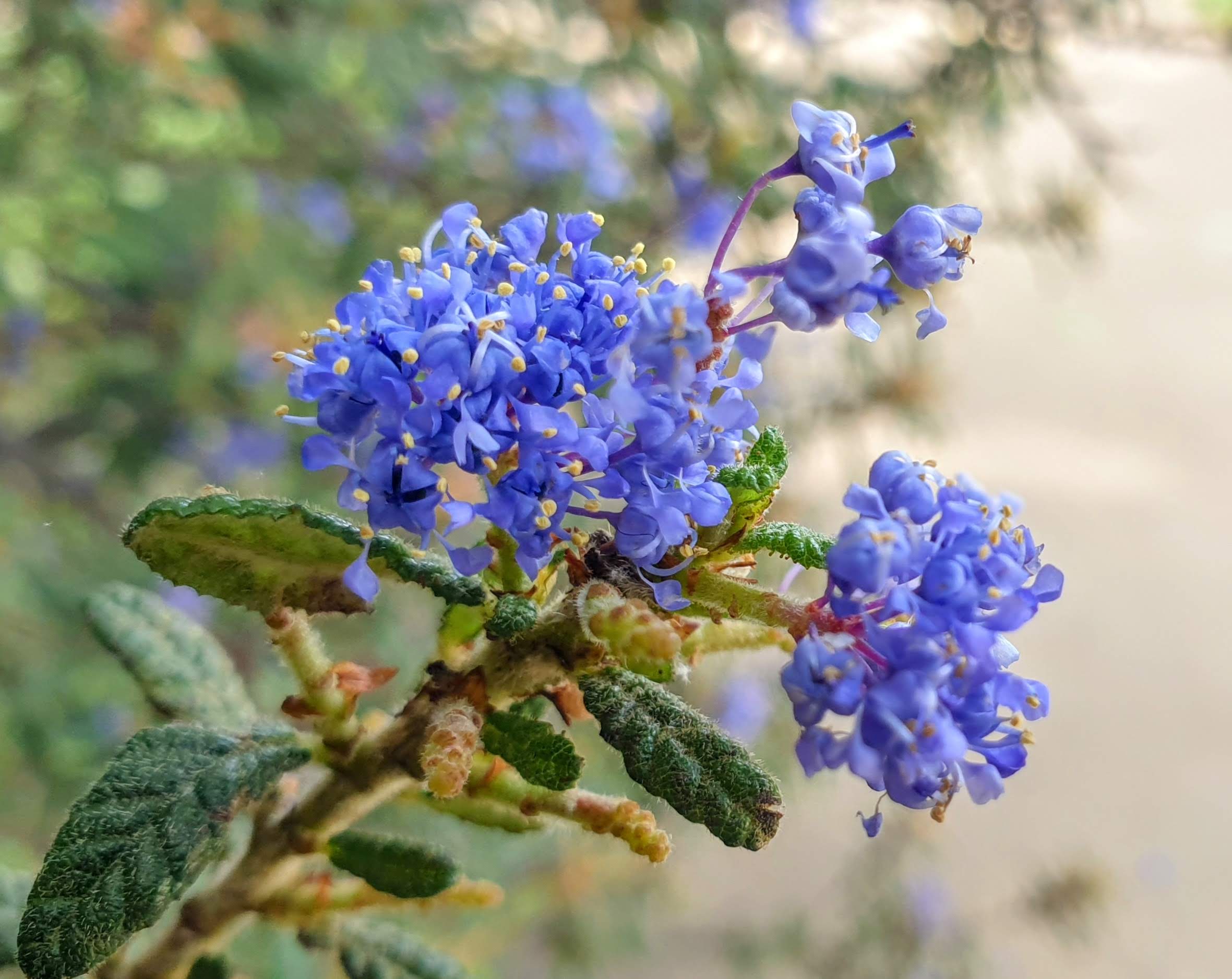
At the restaurant, I accidentally brushed my leg against the leg of the chair and opened a few dozen micro-blisters that I didn’t even know I had. I knew that the burn I got on the back of my calves while snorkeling was not great, but I had spent several days keeping that area carefully out of the sun and applying aloe and shea lotion many many times each day (and night). I thought it was getting better and didn’t realize that there was a layer of blister basically on the whole thing. The casual bump against the chair leg started a cascade event where my skin decided it was time to peeeeeel.

The whole next day I felt like a molting reptile. I knew for sure I couldn’t go swimming until they had some time to heal or else I’d be risking infection. Can I just reiterate how horrible sunburns are, and that with the UV index of OMG sunscreen isn’t always enough? Long sleeves and pants may not be the most fashionable swimwear, but they save not only your skin, but your vacation as well. I spent all that day lounging in a beachfront café ordering drinks and snacks every so often while reading my eBook and watching the ocean. I won’t say that it was a waste of time, because I don’t think any time spent with that view can be wasted, but it would have been more fun if I could have done some of the water activities.

Paje is famous for the beach and the kite surfing. I was interested to try it out. I went parasailing in Mexico. I was able to do a scuba dive in a single day in Aqaba, and I’ve gone caving with guides and minimal training in the US and New Zealand. All those activities can take years of training and practice to master, but can also be done in an afternoon at the beginner level. So when my skin recovered enough for me to be willing to go in the sea again, I sought out the local instructors thinking it would be similar. Nope! The school offered classes that cost 60$/hour or more and said that it usually took students 10-12 hours of training on land before they were even ready to get in the water! There was simply no “try it out for beginners” option available.
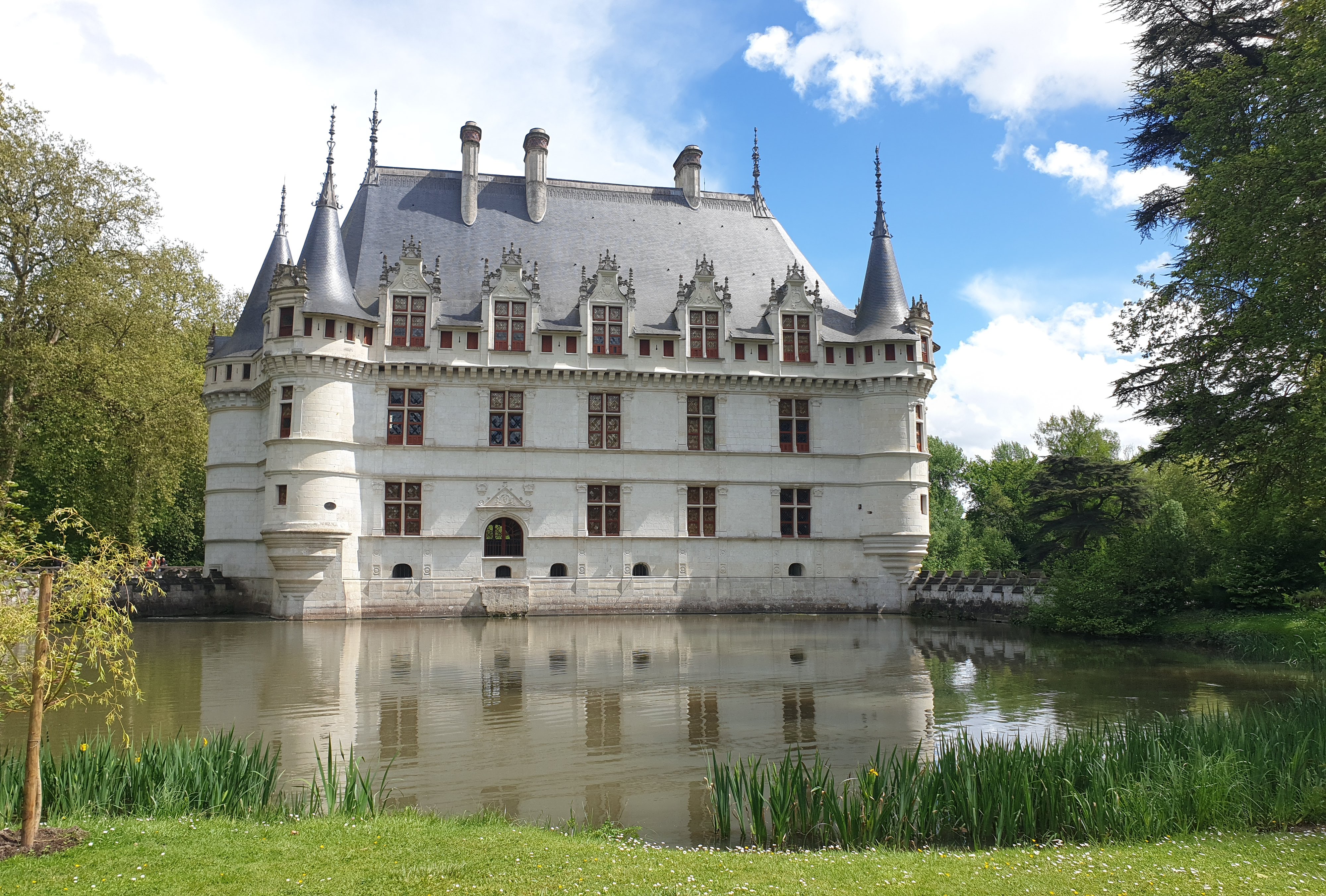
Kite surfing is like wakeboarding with a parasail. You have a wakeboard which is a shorter, wider version of a surfboard, and you are harnessed into a thing that looks like a parachute (all those kite looking things in the photo). The wind then pulls you across the water. Some of the windsurfers were even lifted into the air by the strength of the wind. The water at Paje is extremely shallow, so for the most part the kite surfers were skimming over water that was no more than knee deep. However, the kites and lines are pretty expensive, so I imagine that the schools and rental shops don’t want to risk the inexperienced dropping on and having it fly off or get drenched.
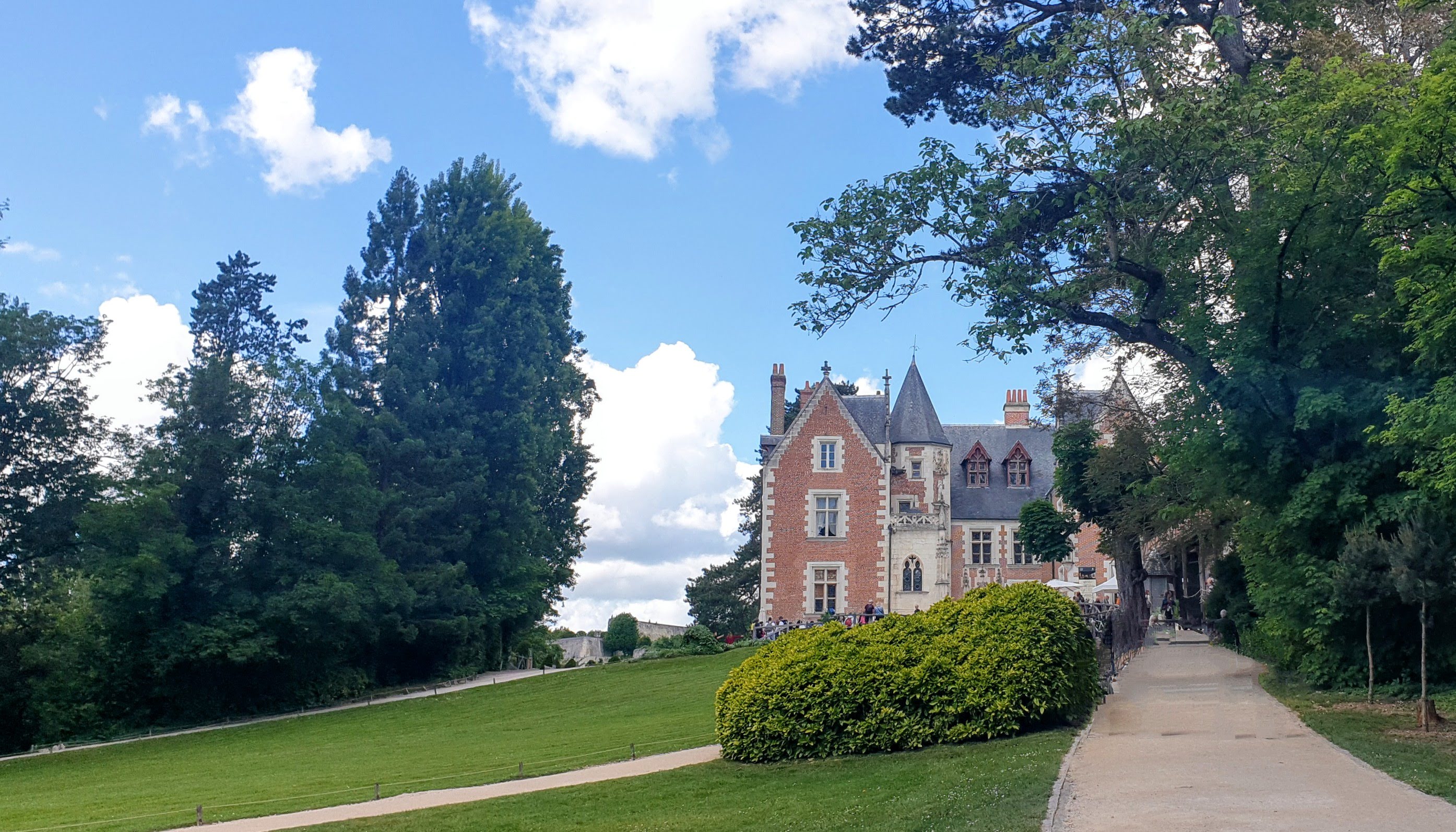
The sales pitches on the beach were different from those in Stone Town. There were two main groups of people on the beach selling stuff and they were strongly divided by gender. The men were all dressed as traditional Masai from the mainland. I know at least some were because they also had the body scarring that goes with the Masai cultural milestones, but there’s a portion of locals who adopt the dress code to play on tourists. They are referred to as “Fa-sai”, btw. Real or Fake, the men are gregarious but polite. They would greet me and start walking along with me. The conversation would begin with small talk, asking where I was from and how long I’d been there, then slowly it would move into the sales pitch. The things they had on offer were very much the same as the Masai themed shops in Stone Town. The ladies were almost all in conservative abaya and hijab coverings, and were less likely to follow tourists or engage in small talk. They were peddling massages, hair braiding, and henna tattoos.

Jozani National Park

Jozani is the only national park on the island. It’s part of an environmental conservation movement to preserve the local ecosystem and rare species. Plenty of locals would happily tear it all up for lumber and farm land, so paying for tours helps fund the park as well as the economic projects that run in tandem with it to provide other means of earning a living for those who are being asked not to use the land. It was on my wish list for Zanzibar from the beginning, but I had been on the fence about it since discovering my sunburn. Then, one morning at my hostel’s breakfast, I started talking to a young man about his AbFab phone case (so rare I find a fellow fan these days, sweetie darling). He turned out to be working on his PhD at the Jozani forest. Hearing him talk about the forest and his work gave me the push I needed to get up off my beach bum and go do the thing.

I learned from some folks who’d been in town a while that I could get to the park via the local bus (called Dala Dala) which would stop at the nearby roundabout. There was no bus stop or any signs, so I waited in some shade and watched the locals. Before long a minivan pulled up in front of a small shop and people started rushing to board. It wasn’t hard for me to get in line and verify with the driver that he was heading the right way. The driver and money man were absolutely able to communicate with me in English, though mostly used Swahili in general. The men on board moved around so I could have a seat. There are plastic jugs that can be moved around the aisle to make extra seats, and with the windows down there’s a good road breeze that keeps it from being too hot.

The entry fee to the park is 10.70$ (25,000tzs) and the price includes a mandatory guide. I got a guide all to myself because the only other people coming in at the same time as me were in a hurry and didn’t want to do the whole walk. Their loss. My guide explained things, and helped me avoid looming roots and branches, but didn’t feel the need to fill all the space with talking. Being alone in the beautiful forest with my guide gave me lots of chances to enjoy the silence and see interesting critters. These are photos of the forest itself (some native trees and the remnants of a colonial mahogany plantation) and 3 of the 4 wildlife species I got to see on this part of the walk: millipede, skink, and kingfisher (the larger lizards were too fast to photograph).

The forest is home to two species of monkey: the more common Sykes and the totally rare unique-to-this-one-island-in-the-whole-world Red Colobus. After we walked around the forest for a while, we went to the area inhabited by the monkeys. The Sykes are very un-shy and enjoy coming down to the ground or low branches to look at the tourists. There are signs warning visitors to stay several meters away from the monkeys at all times, and the monkeys clearly do not wish to obey. It was actually impossible to keep my distance from the curious critters, but they never came so close that I was worried about having my phone snatched.

The Red Colobus on the other hand are more reclusive, more arboreal, and just generally harder to find. The guides text each other with location updates so visitors won’t miss out. When we came upon the tribe that had been located for that day, there was another rather large group of tourists being loud and shoving selfie sticks towards the upper branches. I did see one guide gently push a tourist back who got too invasive, but overall, the animals were far enough above us that they could have run off if they were really annoyed. Maybe human tourists are not more annoying than baby monkeys? I didn’t have a selfie stick for phone extension, but I think I got a couple cute photos anyway.

The Jozani mangroves are a little more than a mile away from the main entrance, and my guide seemed flummoxed when I said I’d used the public transit and didn’t have a car or driver waiting to take us over. Quick on his feet, he went to get his own motorcycle to drive us there. Nothing like riding helmetless on the back roads! We made it safely, though, and I got to see the mangroves at low tide (a recurring issue of this visit) which is actually kind of cool because all the roots and crabs that would normally be underwater are visible. I’d like to suggest “low tide mangrove” as someone’s next Halloween theme.

The Butterfly Park isn’t technically part of Jozani, but the entrance is quite close to the mangroves and my guide offered to drive me over and wait while I looked around (very kind offer). It’s another conservation area that’s also working to help employ and educate nearby villagers to help them have income that comes from environmental preservation rather than income that destroys the environment. They breed and release several native species including the bush babies, many butterflies, and chameleons. The cost for tourists is 18,000 TZS (about 7.50 USD), but locals can enjoy it at a hefty discount.

The butterfly guide told me about the work they are doing with the nearby village, the local school, and the forest before giving me the chance to hold some infant bush babies. Squeeee! I don’t normally go in for handling wild animals, but these are a domesticated pair they’re using for education and promoting the conservation. They were entirely comfortable climbing on me (yeah, that’s my pasty white arm in the photo) and were so cute!! As a species, bush babies are usually asleep during the day (the adult pair sure were) so tourists don’t get to see them in the forest and don’t realize there’s more than monkeys being protected there. These fuzzy lil’ ambassadors help raise awareness of the breeding program and need for environmental conservation.

Next we moved on to the butterfly breeding program. In addition to helping the furry species, they are helping the flutters as well. They are much needed pollinators and beautiful as well, but their breeding environments are often under siege by human development or by displaced predators. This park helps breed pollinators year round. As an ongoing part of the hands-on education, I got a handful of caterpillars as he showed me the 4 species they have this time of year (it changes seasonally) at egg, caterpillar and chrysalis stages. We then entered a small enclosure where the butterflies are safe from predators and breeding efforts continue.

The tour concluded with the chameleon enclosure, although they didn’t need any netting, and were content to hang out on some trees which were roughly segregated by a low fence. I love the way they always seem to be giving a disdainful side-eye.

The Local Economy vs The Tourist Economy

The whole time I was in Zanzibar, I was in shock at how expensive everything is yet how little the average person lives on there ($150-350USD/month). Walking though the local village to get to the resorts in the beach was a real eye opener. The homes don’t have running water, there’s a well and I saw young girls walking to and fro with large buckets. People are cooking on fire. Plenty of cows, goats, and chickens around. Tiny fruit stands and dry goods shops. Places that look like ruins but are actually houses. Then the beach 300m away with luxury resorts.

I ate about one meal a day at tourist restaurants and the quality was nice. Tourist and especially beach restaurants are known to be expensive, but most were less than 25$US for a nice meal and drink, which is not a bank breaker. One night in Paje I decided to try the local street food up on the main road. I got grilled meat skewers, samosas and fresh pineapple slices (all wrapped inexplicably in Korean newspaper for takeaway) for about 2$. Filling and tasty at 1/10 the cost of a meal at a restaurant. I’m used to street food being less, but woah! It’s not just beachfront vs main road either. There’s a place less than 30 feet from the actual street food that calls itself “The Street Food Court” which has several takeaway windows and a common seating area. I tried to go there for lunch earlier and saw that most of the dishes were still in the 10-15$ rangeY yes less than the beach but still 5+ times more than the actual street food!

Then there’s the taxis. There’s no “taxis” in the drop fare charge per mile sense. There’s drivers with vans and special licenses who will take you to places around the island but rates are negotiable. 15-20$ to get from the airport to Stone Town (7-8km), 30$ to go from Stone Town to Paje (50km), 25$ to go from my hotel in Paje to my next one in Menai Bay (27km). The driver at the hotel wanted 40$ round trip to go to Jozani, and the ones out in the taxi lot wanted 50$! For 43¢ each way, I was able to use the public transit. 1/100th the cost of the taxi? I’m used to buses being cheaper but that was next level. (My view from the back of the bus)

Maluum Cave Spring

Another wish list item was the cave pools. I visited one of those in Bohol after my terrible sunburn there and it was ah-maze-ing, so I knew I wanted to do that again with my new sunburn. There are a few caves around the island with natural swimming pools, including one rather famous one about a 10 minute drive from my hostel called Kuza. It was highly reviewed online, and I was trying to figure out how to get there what with all the taxis nearby wanting 30$ to go a few kilometers. Then I met yet another traveler over breakfast who told me about a hidden gem: a little cave pool just one kilometer away that was almost unknown!

This sounded appealing both because of the shorter distance and the potential lack of extreme tourism that had been slowly eating my brain since my arrival on Zanzibar. I looked up the place online and noticed that they had time slots and only allowed a limited number of people into the pool at a time. They also banned sunscreen and other skin/hair products that could harm the ecosystem and provided showers for people to clean off before swimming. It was a level of dedication to ecological preservation that I appreciate everywhere, but had come to see as rare on the island where tourist money was a bigger priority for most than the environment.

I walked the 1.3km rather than trying to navigate the local bus. I’m sure it could have been an option, but the walk was interesting because it gave me a chance to see more of the area that isn’t curated for tourists. Maluum cave is set back a bit from the main road, so the last bit of the walk took me through undeveloped lots on back roads through fields alternately overgrown and filled with construction debris. Like so many things in Africa, the outsides tend to look somewhere between “plain”, “run down”, and “oh god oh god we’re all gonna die”, but the insides can be quite luxurious.

I was greeted at the gate by some young men in Masai garb and checked in at the registration desk. There was a big group that arrived at the same time I did, and I was disappointed when I realized that we’d be sharing the pool because they were very loud and energetic and I was riding the quiet forest & beach bum vibe of the last few days. Thankfully, they were also running late on whatever tour they were doing, so they basically got into the water long enough to take some selfies and then trundled back out leaving me in the pristine natural beauty all by myself.

I didn’t have it to myself for long, but I saw a purple crab, several little fish, and had a short staring contest with a hornbill. Unfortunately, the waterproof case I’ve been using since 2017 finally died that day, so I was only able to take photos while out of the water. The next group that came through shared my calm vibes and I had gotten some time to commune with the nature on my own, so I was happy to share and enjoy the company until the staff signaled my reserved time was up.

They have a restaurant on site as well, so I headed over there for dinner and to air dry before changing back into my street clothes for the return walk. I had green banana curry for the first time. I have had dishes made with green plantains (a banana cousin) which cook a lot like potatoes, but I had never thought of using actual bananas while green. It was delicious and the banana flavor was not at all overwhelming. The weather had cooled somewhat by the time I left, and I had a leisurely walk back to my hostel for my final night in Paje. Here are some cows I passed on the way.

Aside: Due to the current situation in Dakar (where I’m living), I’m adding a little note to let you all know I’m safe. I plan on writing a full post on experiencing this historic unrest in West Africa’s most stable democracy first hand, which I’ll likely publish after my triumphant return to America in August. Until then, I am in a quieter neighborhood with no strategic targets. I have food, water, electricity and a working VPN. If you’re curious about what’s going on, you may have trouble finding details in English, but there’s a lot French resources available and Google Translate is good enough. I recommend searching terms like “manifestation” (French for protest or demonstration), Sonko (the political candidate at the center of the controversy), and of course the popular hashtag “Free Senegal”.

Zanzibar: Stone Town

Stone Town is an architectural love child of Indian, Arabic and Swahili cultures. The narrow maze-like streets car-free (though not cart-free) and stuffed from end to end with life. “Get lost in Stone Town” is another top 10 Zanzibar activity. The whole neighborhood is less than 2km2, bordered by the sea on the west, the Darajani Market on the east, and some fairly uninspiring highways on the north and south. GPS sort of works, but because the streets are so close together and none of them are clearly labeled (or possibly even named) you can only get a general idea of where your destination is. You will get lost trying to get there.

A Brief Historical Context

Zanzibar is an interesting and unique geographical gateway between central Africa and the Arabic and Indian cultures. The trade winds carried ships from India and Arabia then trapped ships on the islands for about 6 months at a time before they were able to sail back. Unlike many other trade centers, where the sailors and foreign merchants were in and out of port in days or weeks, the Indian and Arab merchants who came to the islands of Zanzibar were obligated by the wind to stay for half a year at a time, and so they often married local women, built homes, and had families. Though there is archaeological evidence that the island of Zanzibar was involved in trade with other mainland African cultures, the intercontinental trade seems to have started around the 9th century. There was about 600 years of cultural mixing between the Indian, Arabic, and Swahili people that had ups and downs of who was in charge and who was converting who and who was selling who into slavery, but this is the brief history, so we fast forward to roughly 1500 when Portugal hit the scene.

The 1490s are a bit famous for that trip Columbus took, but he was far from the only European out to find wealth in “unexplored” parts of the world. Vasco de Gama was the first European to reach India by sea, a trade route that required stops along the eastern African coast. Portugal was one of the big European colonial powers and they had their fingers in pretty much every exploited continent. Zanzibar was not only a good resting stop en route to Calcutta, but a source of rare spices and human slaves from the African mainland, which were the big moneymakers in those days. The Portuguese ran Zanzibar for about 200 years, until the late 1690s when the Omani Sultanate took it (possibly at the request of the local Swahili people who thought an Arabic overlord would be better than a European one). Somewhere between 1830-40, the Sultan of Oman moved the capital city from Muscat to Stone Town, and when he died in 1856, he split the empire between his two sons, giving Zanzibar to one and Oman to the other. In a move that surprises no one, they fought about it, but then in a shocking twist, they allowed the will to be arbitrated by the British general protector of India. The Age of Empires remains confusing.

Zanzibar continued as a separate Sultanate until the British decided that actually, slavery was morally reprehensible after all, and that everyone should stop now that they had decided to stop. This didn’t happen all at once, but from about 1822-1873 the British put increasing economic and military pressure on the Sultanate to stop trading in slaves, including trade embargos and the raiding of slave ships. Freetown in Sierra Leone was created to rehome the slaves who were liberated by the British during this time. By 1890, Germany and Britain decided between them that Zanzibar would be a “protectorate” of Britain (which is like colony lite). Finally, in 1963, around the time Britain was being forced to give up on the whole Empire idea, Zanzibar got full independence as a constitutional monarchy. They promptly had a revolution to oust the royals in favor of a representative government, and one year later, merged with the mainland country of Tanganyika to form the modern nation of Tanzania. Despite this unification, Zanzibar remains a separate autonomous region (like Hong Kong and China) with it’s own flag, president and taxes.

First Impressions

My first week in Zanzibar, I decided to stay at a hostel in the heart of Stone Town since it seems to be where a lot of the action on the island is. My ride from the airport (a comedy of errors) tried to just leave me in a random parking lot with a random guy. It felt very sketchy, but I have since learned this is pretty normal and that Stone Town is actually very safe for tourists. In Stone Town, “lost” is a relative term. The streets are close and narrow, but there’s a fair amount of order. There’s the main arterial market streets which are loaded with shops, there are the quiet side streets where locals hang laundry and kids play after school, and there’s the waterfront. You’re only really going to get “lost” in the quiet side streets, and even then only for a few blocks until you’re spit back out to one of the main areas or reach the edge.

I was initially overwhelmed by the number of people talking to me. Unlike Senegal where French is the colonial language, English is the colonial language in Tanzania, and they love greeting tourists with spatterings of friendly Swahili as well. The shopkeepers call out as you pass by, inviting you to look, asking where you’re from, and generally being friendly. Of course they want to sell things, but they don’t physically invade your space and they don’t get mean or angry when you say “no thanks”, they just say “hakuna matata, maybe next time”. There are free range sales people who are arranging tours and excursions and they’ll just walk with you and chat. I got some advice about what to avoid doing and eating while in town, and although I never ended up booking with any of the street tour guides, I quickly came to not mind their chatty presence in my walks through Stone Town the rest of the week.

A Guided Tour

I opted for an Airbnb Experience, again hoping that a more personalized touch would be better than a company tour. It seems like Airbnb in Zanzibar is really just a front for businesses. This may also be related to the rules about tourism and taxi licensing. My spice tour guide explained that it takes a couple years minimum to get the licensing to drive tourists around. Walking tour operators don’t have that concern, but they still have to be able to produce papers if they’re questioned by authorities while leading a group of tourists around. The result is that Airbnb isn’t random locals sharing their culture for a small fee, it’s actual real businesses, and you just have to hope they’re not shady. Reading the reviews helps, but as I learned with my Blue Safari trip is not a guarantee. Thankfully, my Stone Town tour was a win. The other person/people who had booked it never showed up, so I had a totally private tour. The friendly guide was happy to adjust the pace, the amount of time spent at each place, and even the places we went to my personal tastes. He also relaxed and opened up a lot more about the details of life in Zanzibar and Tanzania.

The entirety of Stone Town is a UNESCO Heritage site, and there are a couple buildings in particular (like the House of Wonders) that have their own special status. As a result, everything is always under restorative construction, all the time. UNESCO standards require that repairs must be done in the original work methods with the original construction materials in order to receive funding. This is great in lots of parts of the world, and keeps ancient cultural heritage styles of art and construction alive in places where the local economy might have driven them to extinction. However, in Zanzibar, the original construction was often quick and cheap, and the regular monsoons erode the limestone and coral structures. Walls made of old coral are constantly being replaced and the House of Wonders has been closed for more of the last decade than it’s been open.

In addition to the issue of materials and labor, the currency exchange and corruption are eating away at restoration efforts. The UNESCO funds are issued in Euro but the materials and labor must be purchased in Tanzanian Shillings, so exchange rates affect budgets and cost estimations. In addition, the government officials skim way more than what most countries would consider acceptable graft. My guide expressed a tolerance for “reasonable government corruption” by saying that out of a 20million Euro repair budget, the officials can take up to 2million, but should leave 18 for the work. This 10% skim was his idea of good corruption, but he clarified that in reality the take is much much higher, meaning that most of the UNESCO money goes to lining bureaucratic pockets rather than actually restoring the historical heritage sites.

Doors, Windows, & Walls

The Zanzibari Doors are one of the most famous and easiest things to see on your own while wandering around. Each one is hand carved and unique. They seem to have been a Swahili tradition that was adopted and embellished by the Indian and Arab traders. Most of the accounts of Zanzibari doors I found online seem to have been written by people like myself, visitors who went on the tour, so I’m not sure how historically accurate the information is in details. There’s a serious lack of accessible written history of African cultures. Almost all written records were made by colonizers and traders, and those were generally taken away to live in the basement of libraries and archives in the home countries of those colonizers and traders where they remain in dusty obscurity to this day until a few scholars (also likely not from Africa for economic reasons) decide to sort through them for a PhD dissertation which is itself read only by their peers and advisors, never reaching the general public. Is there a dissertation somewhere on the details of the symbolism of Zanzibari Doors? Possibly? But I can’t find it.

The main differences that everyone knows about are: the Indian style doors which may have round arches and usually have brass spikes, originally used in the Punjab as elephant deterrents, later evolved to a status symbol. The Arabic style doors may have a peaked arch or be square topped, and generally also have some stylized Arabic script, protective prayers from the Quran, engraved on the lintel. The Swahili designs include vines, fish, flowers, and later coffee beans and cloves. My guide told me that pineapples and grapes were a later addition, somewhere around the 1850s, which tracks as 1856 being the year that Zanzibar became a separate Sultanate from Oman.

Though everyone used the doors to signify wealth, each culture had different decorative values otherwise. Arab Muslims were (and in many parts of the world still are) not into external displays of wealth on the home. Exteriors of Arab built homes in Zanzibar are very plain. Windows and balconies are built to protect those inside from the eyes of passersby, and there were even covered bridges between homes to allow the secluded women and children to visit one another without stepping into the public view. The Indians, in contrast, loved to be seen. The exteriors of Indian built homes have flourishes and colors, windows and balconies allow the homeowners to show off their wealth and fashion to the public without going outside.

Modern day buildings and newer doors often incorporate traits from all three main cultural influences for both aesthetic and blended heritage reasons. Architecture isn’t the only thing that blends in Zanzibar. Although Islam is an import from the Arabian peninsula, Zanzibar is currently majority Muslim (while mainland Tanzania seems to be majority Christian). However, the cultural blending of Zanzibari history means that in addition to all the major branches of Islam being represented, Zanzibar also hosts Hindu and Jain temples (of Indian descent) as well as a variety of Christian churches including Catholic, Anglican, Lutheran, Adventist, and Pentecostal. I enjoy this photo op of the mosque and cathedral sharing the skyline.

The Freddie Mercury Museum

The tour stops out front of the the Freddie Mercury Museum. This is one of the big hot-spots of Stone Town. They are really excited to have a globally famous rock star trace his origin to their town. Freddie was born in Stone Town to Persi-Indian parents. He didn’t actually live there much, since he was in India as a small child, then England for boarding school, but Stone Town claims his birthright. This tiny little museum costs 8$US to enter and takes 15-45 minutes to view depending on how much you want to read and how slow a reader you are. The displays are mostly childhood and family photos as well as album covers. They have an impressive collection of lyric notes, which is kind of cool. There is also a tiny side room that has his famous Wembley concert jackets (the yellow as well as the white with red buckles). I have no idea if anything in the museum is authentic since replicas of these items are pretty easy to get online.

The museum is not what you’d call impressive. I’m biased because I lived with the Seattle EMP (now Mo-Pop) for decades, but even diehard Queen fans would likely feel underwhelmed. Nevertheless, I am happy I spent my money there and I hope more people do because Tanzania is still a place where being queer is illegal, punishable with fines and prison time (up to a life sentence). Freddie is a queer icon. As a bisexual man, his sexuality is often subject to erasure. In the West people tend to forget that he was BI and not GAY, ignoring his relationships with women. In the museum in Zanzibar, there is no mention of his relationships with men, and his relationship with Mary Austin is the only romantic reference. Despite this erasure, I think their pride in Freddie can act as a wedge to allow a discussion of LGBTQ+ rights to take place in Zanzibar and eventually on the mainland, so they can have my tourist money.

“[Queen is] just a name…It had a lot of visual potential and was open to all sorts of interpretations. I was certainly aware of the gay connotations, but that was just one facet of it.”

“I’m as gay as a daffodil, my dear!”

-Freddie Mercury