“When I’m talking and someone else is listening, I am invariably left with the uneasy suspicion that I’ve made myself quite tiresome. If one is really bursting with things to say and has no one to say them to, perhaps the only recourse is to go forth and accomplish earth-shattering deeds, so that when the time comes for an autobiography, one need no longer be concerned that no one will take any notice. This is a childish fantasy, of course, of which I have been disabused as I have slowly come to realize that I have scant hope of becoming a celebrated public figure worthy of a best-selling autobiography. Better, then, to write a little about myself and let off some steam, so that I don’t become an insufferable chatterbox when I get old.”
Written on Water by Eileen Chang, Chinese-born American essayist, novelist, and screenwriter
— written in Japanese occupied Shanghai and first published in 1944.
My last post was more than 8 months ago as I left Senegal to return to the US. I always seem to have a hard time writing when I’m in the US because it doesn’t feel like “travel” or “adventure” to me the way being in other countries does. When I return to Seattle, I focus on enjoying my time with friends and family, having quiet daily experiences of shared meals or parallel play, and even when blog-worthy things do happen, the stories feature people who trust me not to share their private lives online. So, I end up not writing at all.
When I made my plans to return to America in 2023 I told myself and others that I would stay for at least 6 months and not more than 12. I looked forward to it. I felt that I had been away for so long that a quick pass wasn’t going to cut it. I wanted to “water my roots”. I wanted to bask in the everyday mundanities of my friends’ lives, to see the seasons change, to celebrate the holidays of my childhood. Being a long term expat means never giving up on the idea that our country of birth is our true home, while also never quite being as comfortable there as once were.
I wanted to work in the US, not only for income, but also to give my days structure. COVID era Korea and the schedule nightmare of Senegal left me for years in a state of temporal blur where days ran together and there never seemed to be a good enough reason to do anything. During my sojourn in the US, I neither wanted nor needed to work full time. My goal was to soak up my community, not to sink into a daily grind. A part time job would keep me from decimating my savings, and give me a regular routine, but leave me with plenty of free time to enjoy being home.
In reality, I accepted a full-time position teaching an English immersion course for immigrants and refugees. The position came with a lot of challenges, but possibly more rewards. Being back in a physical classroom with a regular schedule and the ability to form a relationship with my students was so good. Learning the bureaucracy of the WA state college system… less so. (drawing of me teaching courtesy of a student’s daughter. I was wearing a floral patterned mask, not speaking with a mouthful of marbles, lol)

Meanwhile, when it came to housing, I knew I didn’t want to rent my own apartment since that would mean committing to a full year lease, and likely cost 1500$+ a month. Therefore, I arranged to move into the spare bedroom of a former roommate. After just 3 months of living together, it became clear that whatever had changed for us since our last cohabitation made a reprise totally impossible. I moved in with some other friends of mine who agreed to let me stay at least through my current work commitments. (pic of the backyard below) That beautiful home with a healthy family and 2 bright and loving kids was an absolute balm to my soul after the back to back combo of the pandemic isolation and the Senegal experience.

Nonetheless, it was always destined to be a short term solution, and I had to start seriously considering my options: renew my contract at this reasonably good job and work on finding a place of my own in the USA or bounce?
Reverse Culture Shock
Coming back to a life in the USA isn’t as simple as it sounds, and however much I may love my home and my community, there is no going backward when it comes to the march of time which wreaks changes in both society and personal growth. When you travel, you leave your familiar surroundings and go to a place where you are shaped by different forces and grow into a new version of yourself. While you are gone, the place you left behind also continues to evolve, shaped by local and world events, so when you return, you no longer fit. It is uncomfortable, and often more unnerving than the experience of not fitting in with a foreign culture. Abroad, you know you are the alien, but at home a part of your brain is constantly telling you that you are SUPPPOSED to fit here. It’s a dysmorphia of the whole sense of self.
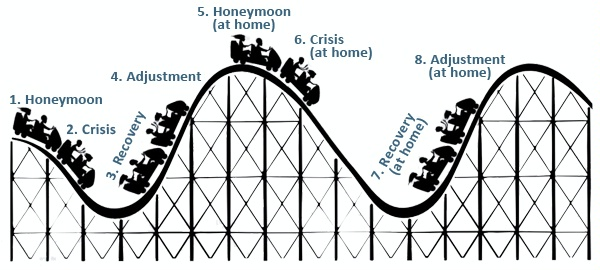
But Kaine, you’ve been back to America since you left in 2014, you saw the changes as they happened! Yes and no. I saw America during my vacations the same way any tourist might see a country they visit for only a few weeks. I focused on excursions and experiences, the only real difference was that I made excursions of visiting friends and family rather than visiting tourist attractions. I planned sailing days and camping trips and cookouts. I went to house parties and dragged people out to karaoke nights. I didn’t pay a lot of attention to the cost of groceries or what was happening in politics. For those few weeks at a time, America wasn’t my “home” it was my holiday, and it wasn’t until I was back in my home abroad that I returned to viewing the US economy and politics through the lens of the internet.
This is an excellent article about the experiences of long term expats returning home, and honestly reading it made me feel both seen and called out.
“Americans often develop new attitudes, values and perceptions as a result of their travels. These can often cause stress on reentry.
- I see America through a sharper lens, both its strengths and weaknesses. I no longer take this country for granted and I really resent unbalanced criticism by Americans who haven’t experienced the rest of the world.
- I see the validity of at least one other culture. That makes me realize that the American way is not always “right” or “best.” I am impatient with people who criticize other countries and blindly accept everything American causing them to never question anything.
- I have an unclear concept of home now.
- I place more value on relationships than other Americans seem to. People here are too busy for one another.
- Everyone in America is always so stressed and frantic. They never relax. I feel like I can’t relate to others
The Economy
It’s normal to become critical during the second phase of culture shock. I’ve published about these effects before, and the article above is great for explaining how it manifests in reverse culture shock. Nonetheless, even while I was still in the first (honeymoon) phase during August & September, I started feeling the negative impact of some big changes in the US.
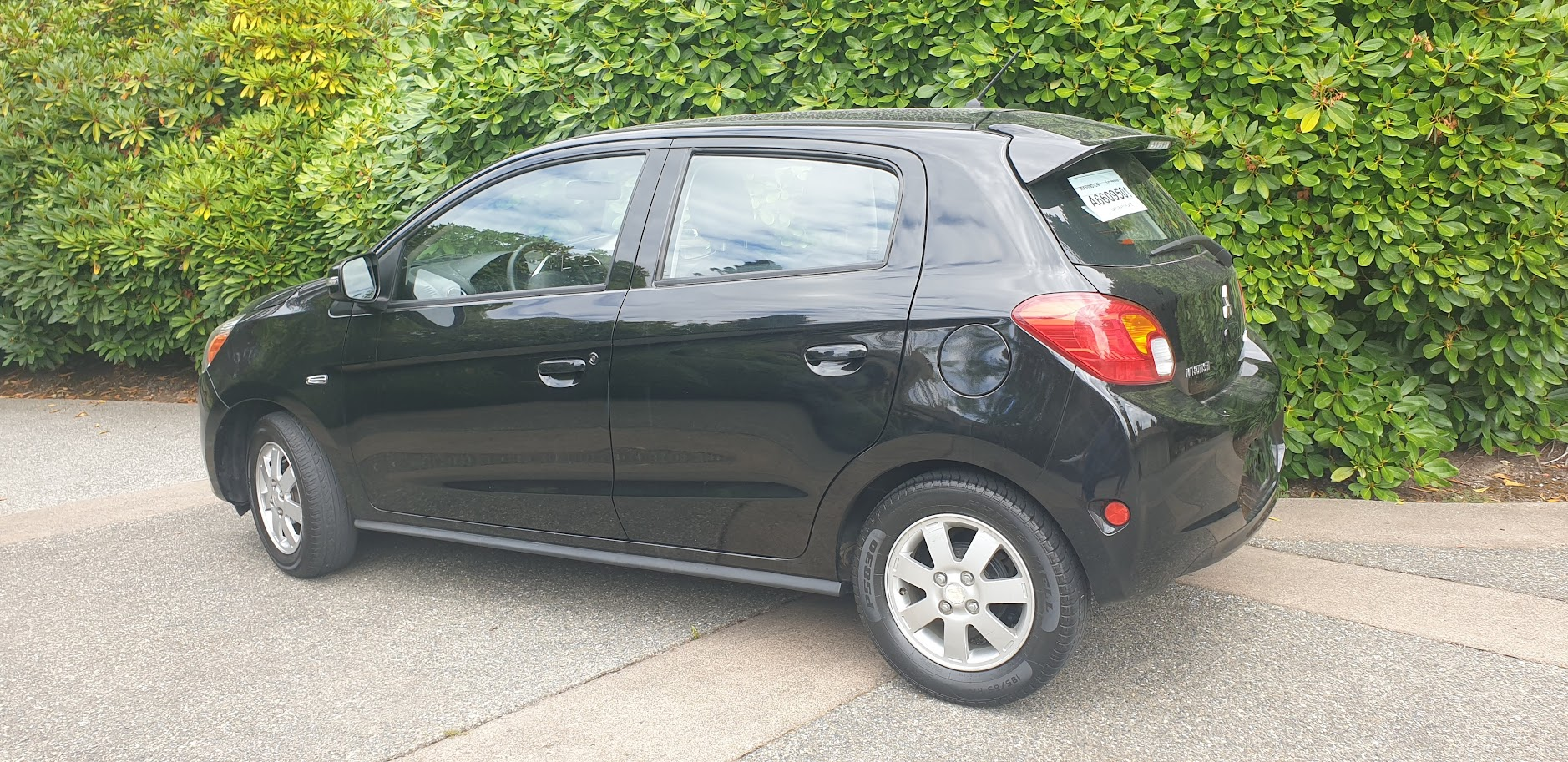
I needed a car because it’s almost impossible to navigate American cities via public transit, but I was absolutely shocked at the prices, even on used cars! In 2015 when I was in the US for a few months doing the paperwork for my Korean work visa, I bought a car for $1,750, drove it while I was in country, then sold it for the purchase price when I left. In late 2023, I couldn’t find a used car for less than about 7k$, and those were very sketchy.
My plan to buy a clunker for under 3k and sell it on to a poor college student went up in smoke. I ended up buying a used car from a dealership and hoping that the good gas mileage makes up for the loss in sticker price when I sell it back.
Then there are the grocery stores. I can’t say exactly why, but sometime after I moved to Korea in 2016, American grocery stores became increasingly overwhelming. I can’t even say it’s the size, because I have successfully gone to large box stores like Home Plus and Carrefour in other countries and not felt the pressure that American stores give me. I remember walking into a Safeway in 2019 and just staring at the wall of ice cream for a full 5 minutes, totally flummoxed by the array of nearly identical products.
When WA grocery stores became liquor sellers (2012), they had to figure out how to add new products without removing existing ones. The eventual solution was that many stores made the aisles smaller so they could incorporate more shelf space in the same square footage. The aisles got narrower, but stores didn’t replace their shopping carts with smaller versions. By 2023, the sensory overwhelm had gone from merely being too many choices and no way to choose, to a feeling of being totally lost and crowded in by impatient and frustrated shoppers in narrow aisles with giant carts which made passing an Olympic sport.

The products and packaging were unfamiliar, I struggled to assess healthy and frugal choices. Products that I did know had somehow doubled in price, overtaking average inflation at light-speed. In 2008, a person could buy a whole roasted chicken for $5, eat it for several meals AND make soup. An organic bird would be $7-9. Now the conventional chickens are $10+ and the organic/farm raised $12-18. In the end, I found that the only store which didn’t make me want to run away screaming was Trader Joe’s, and I did 99% of my shopping there.
Not only grocery stores, but the nature of in-person shopping had changed across the board. In-store service and options had become extremely limited. Once 24 hour shops had become practically European in their hours, and stores were chronically understocked and underserviced. Several times when I popped into a shop to pick up a small item or to look for something I could touch, measure, handle, or try on before buying, I was told plainly by the clerk that it was out of stock and I should look on Amazon.
Eating out was another huge sticker shock. My favorite Seattle staple food is pho (the Vietnamese noodle soup). At my graduation lunch in 2007, we could get a big filling bowl of rich meaty pho for about $5. Now a bowl of pho is $12-15. I went to a couple of what I would call mid-range independent (not chain) restaurants and dropped $80-100 on a single meal (after taxes and tip). Many places I lived and visited abroad, you could get a high-end meal out for between $25-40 (inclusive of taxes and service).

The Food
Food remained a contentious issue for me the whole time I was in the US. In the past, I have had food intolerances which contributed to chronic inflammation, pain and fatigue. I stopped eating dairy and wheat back in the early 2000s and it made a huge difference. Starting in 2008, I experimented with eating wheat and dairy in other countries as compared to in the US. Country after country, as long as I avoided imported US foods, I could eat what I liked and feel fine. However, in the US, it seemed my body only tolerated organic wheat & dairy products, and conventional ones still resulted in inflammation (a general flu-like bleh feeling all over). I thought as long as I managed my bread and milk, food in the US would be easy enough. My body laughs at me when I think like this.
It has been widely discussed that the quality of food in the US is very different from that of other countries. There are hundreds of articles about pesticides, hormones, preservatives, and processing chemicals out there you can read, and I’m not going to recap that here other than to say it is a well documented issue that food in the USA is problematic and contributing to many health problems for her citizens. (pic below, my first and only experience with Chicago deep-dish pizza)

After a couple of weeks of eating novelty junk treats and processed frozen meals, my body protested loud and clear. I had to be pickier and pickier about what I would eat and eventually, food that was too sugary or over-processed simply stopped tasting like food. I remember taking a slice of a cake that looked so delightful, then on my first mouthful wondering how it tasted so awful. The cake was sugary and vaguely spongy, while the frosting tasted like it was actually made of melted plastic. The people around me seemed to enjoy it. I visited a friend’s house where they made a meal I would have made myself 10 years ago and been happy with. I took a small amount to be polite, but again, my body made sure I knew that what I was eating had only a passing resemblance to food.
Not only did I feel constantly disgusted by the majority of US food, I felt bad about complaining or even abstaining when others around me were eating, enjoying, and offering to share. Sharing food is one of the most fundamental social bonding activities humans can engage in, and my friends, many of whom are still in financial struggles, wanted to share their food with me. How could I tell them that my body didn’t think what they were eating was food? (pic below, a Thanksgiving “turkey” made of Baskin Robbins ice cream and frosting, just one example of the absurd food-options that abound in the USA)

And, despite my caution around eating, and reintroducing an exercise regimen, I GAINED weight in the US. It is my belief that the food itself was the bigger part of the problem, but I also tend to overindulge in sugar when I am stressed, a condition that pervades the life of any American trying to achieve work-life balance. I don’t know what it would really take for me to be food-healthy in the US long term, but I expect it would require a LOT more work and money than would be required to eat a basically healthy diet almost anywhere else.
The People
I had to confront the feeling of failing to fit not just in the larger cultural sense, but also among my own friend/chosen family community. I changed and grew, and so did they. Most of them for the better, thankfully, but in all cases they weren’t quite sure where to put me in their lives when I was in town for months rather than weeks. When I was only available for 12 days, it made sense for people to rearrange their schedules for a unique event, so vacations were filled with revelry and reunion. However, I feared that living there would make my presence mundane, banal, and that my friends would think there would be time later, so they wouldn’t make time now. Thankfully, that fear did not come to pass. Although some people I saw only once or not at all during the 8 month stay, many others made time for me or invited me to planned events at least once a week. I treasure my community.

“General Challenges
- People at home aren’t as interested in hearing about your foreign experience as you are in telling them about it .
- You aren’t as interested in hearing about what has happened at home as they are in telling you about it.
- You miss the tight-knit foreign affairs community you were a part of.
I have learned over the years that people stuck in one country (especially Americans) have strong feelings about listening to my adventures. Some of them love it, they see me as their own personal documentary, and it’s delightful. Others are busy comparing their lives to mine and dislike hearing about what I’m doing abroad. I try to respect everyone’s wishes in this, but it can be hard since 95% of the last 10 years of my life has been abroad and I can’t tell stories about my life experiences without involving travel.
Whichever way it goes, it’s massively different from talking to other expats. I had almost forgotten how much I loved swapping stories among the expat community when I ran into another long-term expat at a party in early April. I realized that it was the first time since coming back to the US that I felt comfortable talking about my life abroad for more than a few minutes or in any detail.
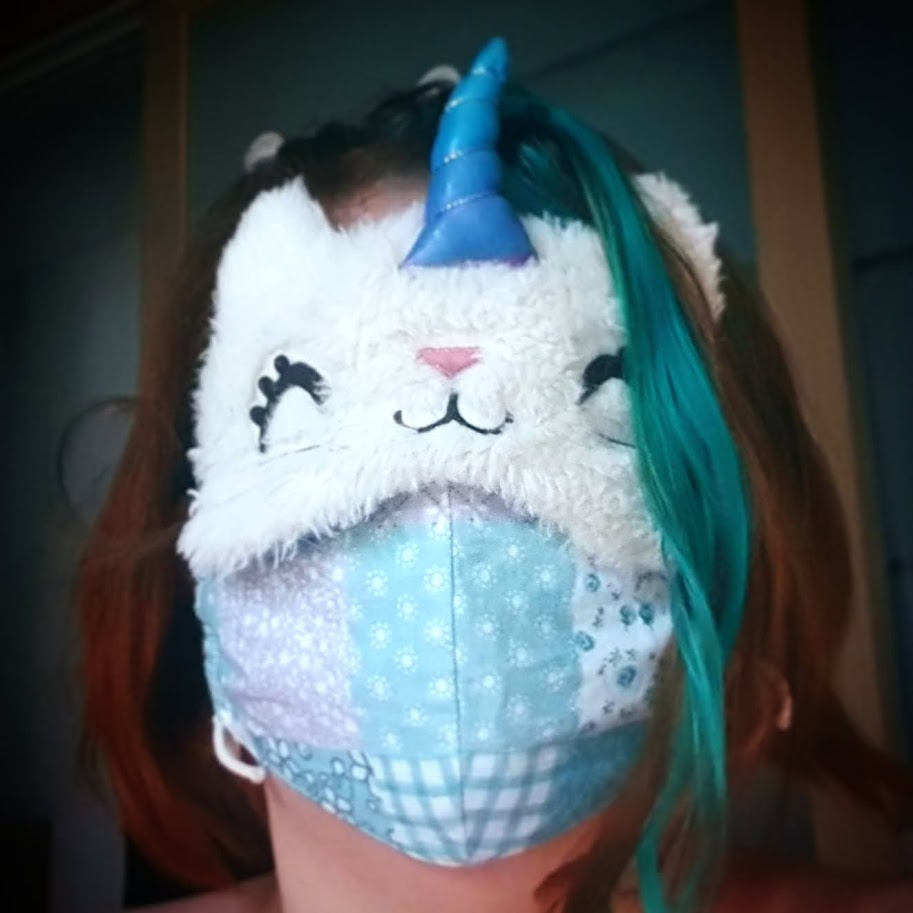
It felt like I was holding my breath around my friends and family. I talked about my American experiences with them all the time, shopping, work, things happening at the home I lived in or with other friends’ lives, but I minimized my expat-self, trying to fit into the shape that was left for me. I don’t think my friends consciously asked me to do this, and many would be shocked or saddened to learn that I had been suppressing a part of myself for their comfort. I know they love me and I chose to change the way I interacted with them to make them comfortable because I love them. Call it masking, call it code switching — choosing to focus on a different part of my life and activities when I’m with different people is normal. However, it has made me realize that I can’t live with ONLY this kind of interaction. I need the expat community too, which makes long term residence in the US challenging.
The other difference I noticed in people was more general, society at large. I don’t mean the blatantly obvious “us vs them” divide in America that you cannot help but see if you follow any news at all, but a quieter and less politically motivated change. The shared trauma of COVID changed everyone in some way. I cannot speak for the whole country, but in and around Seattle, people were more closed off, less trusting, less willing to be open.
It’s part of my mental health journey to notice nice things and to make the world around me better than I found it, so I trained myself in the habit of talking to strangers, offering compliments and help whenever I can. I made a game of my daily commute to see how many drivers I could be nice to each day as a way of fending off road rage. (strangely, the commute was one aspect of American life that didn’t bother me) Yet I found that often my overtures of friendliness toward strangers elicited a mixture of confusion and even suspicion before giving way to acceptance and relief.

I am far from the first or only person to notice this trend. A simple Google search will reveal many think pieces searching for reasons why Americans are becoming less social and more isolated, most stressing the dangers for our collective mental and physical health.
My friends who had regularly exchanged hosting dinner and game nights had stopped during lock-down and never re-started. The feeling I got was that the inertia of staying home was so strong that going out required a more special occasion than “dinner and board games”. I also tried for a little while to make some new friends or even (gasp) date. I met people who seemed nice, who I was happy to spend time with and get to know, but they had no ambition to do anything different in their lives. They wanted a new friend or a partner who would fit seamlessly into their existing lifestyles without necessitating a change of habits or hobbies.
People know they crave connections, but seem unwilling or unable to sacrifice even the tiniest bit of safety and comfort for the privilege. People who have been isolated for long periods of time can absolutely suffer increased social anxiety. When I floated this theory past an expat friend of mine who has been back in the US about 18 months longer than me, she said it wasn’t exactly social anxiety, but that everyone felt “tight”, and I understood exactly what she meant. I sympathize with how difficult and uncomfortable they must feel, but it’s both sad and horrible to see.
The American Dream?

Americans are also feeling a lot of financial anxiety. Almost all my coworkers were working overtime, some as much as double time (two full time class loads!) and felt completely unable to stop, either from the weight of their financial obligations (high cost of living) or from a fear that setting any boundaries for work-life balance would cost their job. I had coworkers who were astonished (and envious) that I simply didn’t read work emails outside the office. Others who fretted and stressed that their quarterly contracts might not be renewed despite the massive teacher shortage and high demand. The insecurity was so strong that even though everyone I talked to had noticed certain problems, no one wanted to speak up about them. (Did I? Yes, but it was neither easy nor consequence free. Still glad I did it.)
It was also hard for me to reconcile the gulf between online calls for social justice with the fear people experienced of getting personally involved. Having watched the struggle for civil rights and equity in the US take place almost entirely online for years, it had seemed to me like more people were getting involved, but after living in the US for a few months, I am concerned that the involvement is performative. People can safely speak out online and issue company memos to make themselves feel involved (or if you’re more pessimistic, to make themselves look better to others), yet when it comes to real practical solutions for enacting these policies, no one seems to want to take action. The college that claimed the top ranking for social justice, equity, and accommodation in the region had completely failed its non-English speaking students in this regard and when it was pointed out, they simply changed the subject. Only one person in the whole administration ever actually admitted to me they were failing in that area, and they still didn’t know what can be done about it.
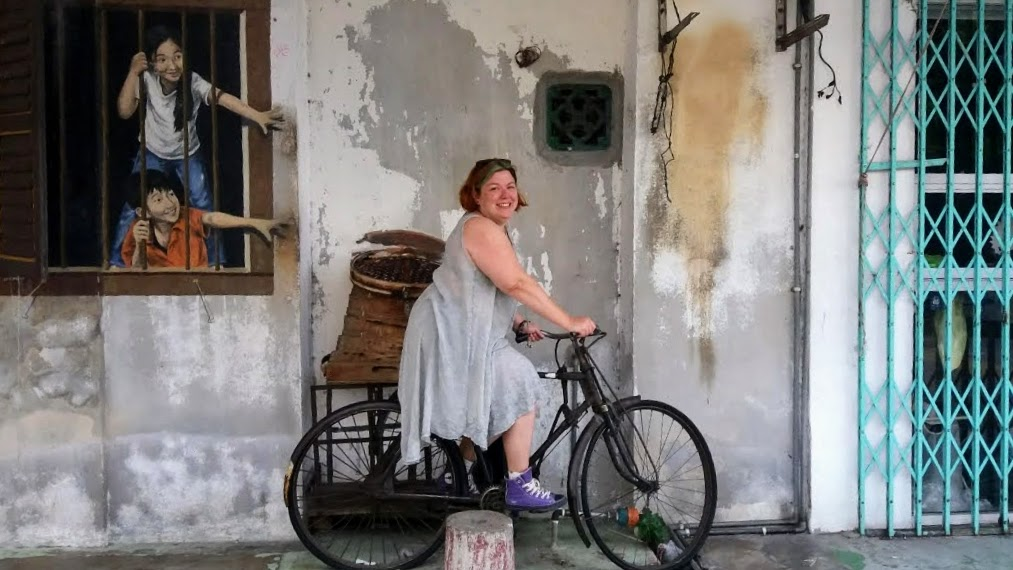
To me, the fear of getting involved in social issues seems like an extension of the same fear that is preventing people from forming deeper social connections, and that fear feels to me like the fear of a child who has skinned a knee falling off their bicycle and doesn’t want to ever ride again. “No, no, walking or being driven is safe and comfortable, the bike is too risky, too painful, I don’t really need it anyway.” Yet, we tell our children to get back on the bike because we know that the better part of life isn’t about falling, it’s about getting back up, and that while it may not be strictly necessary for a safe and comfortable life, the joy of riding a bike with the wind in your hair, and the feeling of freedom it brings is worth the risk of a skinned knee.
Get Back on the Bike
The decision for to strike out again was unexpectedly difficult. My emotional and mental state had become a mélange of post-Covid insecurity, second-hand PTSD, and of course – reverse culture shock induced depression.
My “secondary trauma” (also called second-hand trauma and compassion fatigue) came close on the heels of all the work I did to process my own primary trauma. Secondary trauma is what happens when you are repeatedly exposed to other people’s primary trauma. It’s usually care providers like doctors and psychiatrists who treat trauma sufferers that get this, but it turns out aid workers in developing countries and teachers of students fleeing violence are 100% exposed to secondary trauma. Oh look, it’s me.
This combo meant that my overall resilience was lower, my anxiety was higher, I was less able to focus on new ideas, got tired more easily, had brain fog, and difficulty generating enthusiasm. Even after I decided that what I needed was to travel for joy (rather than work), I had trouble feeling excited or engaging in research and planning. This was especially devastating since prior to COVID, one of my favorite activities was researching and planning my global vacations. (the color coded spreadsheets brought me joy!)

One of my friends also pointed out that I was likely reluctant to make plans to leave because I was in a safe and comfortable place. There simply wasn’t anything uncomfortable (enough) for me to run away from anymore. What a wild notion. I’ve known for several years (thanks therapy) that when I started this journey I was running away from who I was in the US at least as much as I was running toward adventures and experiences in other countries. On this visit, armed with the new tools of my COVID-isolation induced therapy work, I was better able to be a person that I liked while in America. And due to quirks of fate, I found myself living in a home that had the kind of “good enough” parenting and comfortable easy love that I dreamed of having in my own childhood home. Who would want to give that up?
Yet as I cast my gaze across the sea once more, the idea of going to France for the spring took root in my brain. The lack of enthusiasm and general feelings of ennui made implementing any sort of plan quite challenging. I dragged my feet on making any decisions or booking anything for so long. People would ask me if I was excited to go to France, and I would lie and say “yes”, while inside I had a nightmare vision that I would do all this work and spend all this money and somehow arrive in France but be just as unenthusiastic as I was in Seattle. It was an act of faith on my part that I would do the minimum needed to embark, and that my sense of adventure would catch up to me at some point. And now, here I am in Tours, in the Loire Valley, taking French lessons and eating at a boulangerie every day.

Although it took weeks (maybe months?) for me to imagine and enact my plan, it only took a few days after my arrival for the fog to lift and my enthusiasm to come rushing back, but I don’t think it was the change of scenery (or quality of food) alone that performed this seeming miracle. Every single person I have met and interacted with in this historical French city has been open, kind, generous, and trusting with me. At first, I too was surprised, suspicious and even resistant, but when I let myself relax into it, I found that I could take joy even in the simple act of ordering lunch.
I may not be able to change the economy or the political landscape of my country, but I do have the power to change myself. I can decide to take risks and to be open to new experiences, even when I don’t feel like it. My favorite part of all my adventures has always been the people, and yet the people I love most are suffering in isolation. Perhaps the way forward is to put in some work towards rebuilding openness, connection, and wonder, and trust that the absence of an instant reward is not indicative of failure. Thanks to a combination of the support of my chosen family, my willingness to work toward a goal in the absence of enthusiasm, and the relentless kindness of a whole bunch of strangers, I’m finally feeling less “tight” and more excited for the future. I hope you can, too.
Aventure en France, me voici!











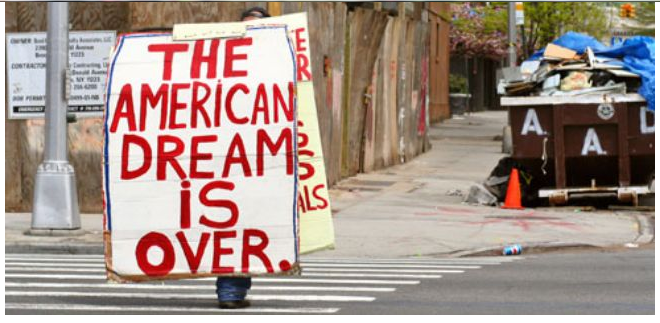

 And there’s the riots, which I am not happy to see. I don’t want violence to be an answer ever. Yeah, I know, the Trump supporters did it first, but now that they’ve won, they’d like it all to stop. People are like “oh you’re overreacting”, “oh you’re whiny cry babies” (nevermind that’s been pointed at us for caring about anything ever for decades, so it’s lost it’s oompf as an insult), but I voted in 2000 when this happened with Gore and I was not scared for my nation’s future (although, it turns out I should have been). I was mad when Kerry lost in 2004, too because that explitive promised to do recounts and bailed. And the Democrats didn’t take to the streets in protests and riots because voters who lost an election were capable of telling the difference between a guy we didn’t like the policies of, and a guy who we honestly believe will enable the ruination, incarceration, and deaths of humans we care for and respect.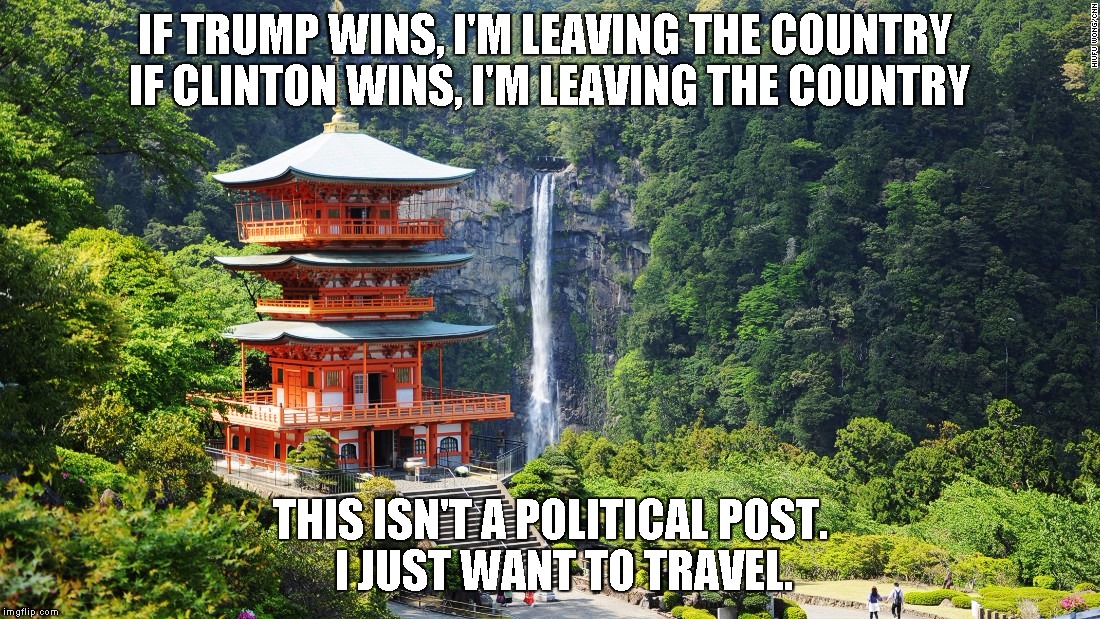



 Gallivantrix