Zanzibar East: Paje & Jozani

I spent a full week in Stone Town which might have been too much. It is where almost every tour leaves from, but after day 5 I was starting to feel like I had hit all the highlights. I missed out on Prison Island (where the giant turtles live) because the weather wasn’t good for the boat trip on the day I’d booked and I was too tired to navigate booking another day. Nevertheless, I was ready to move on. My second stop was at Paje Beach on the east coast of the island.

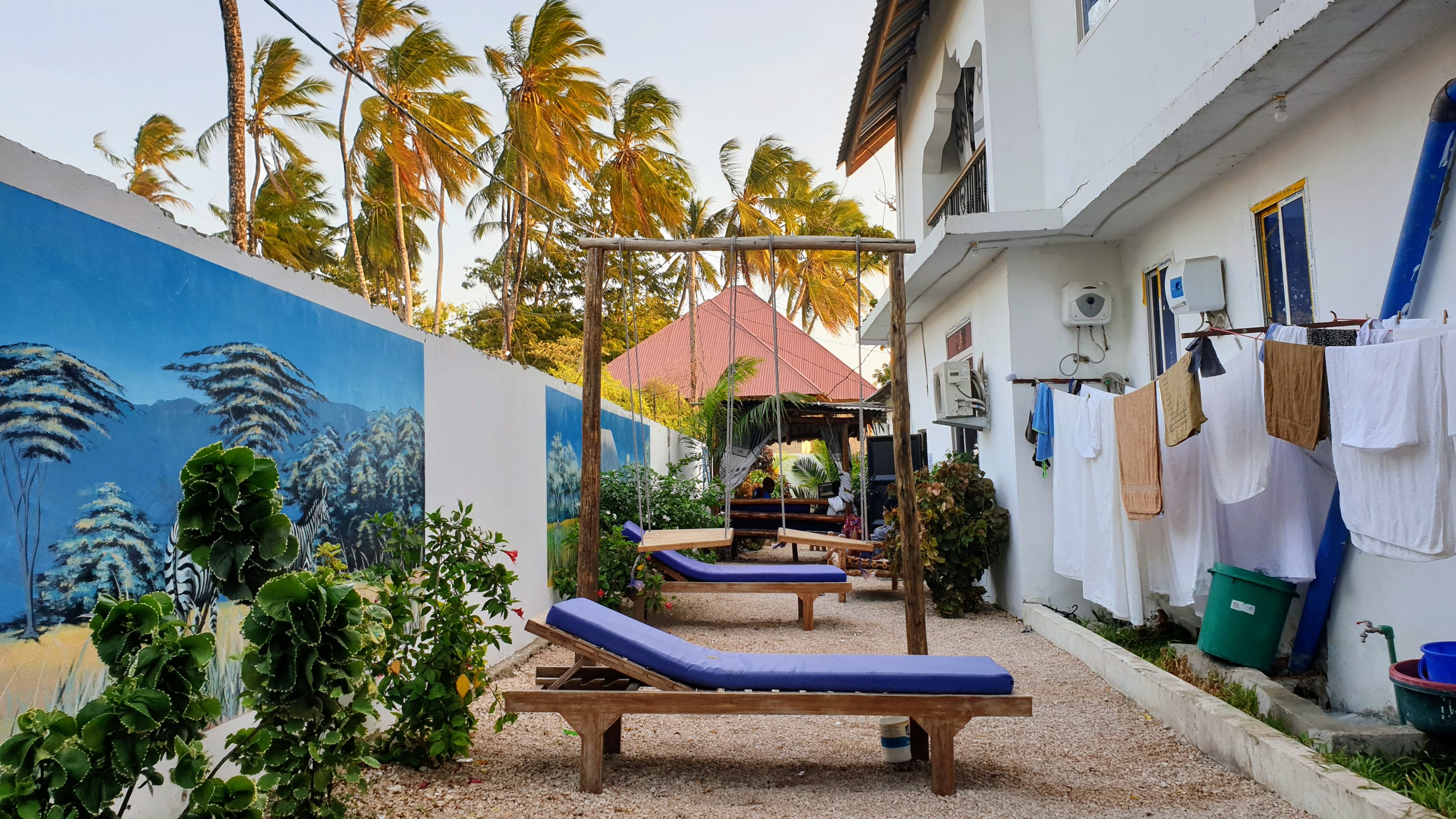
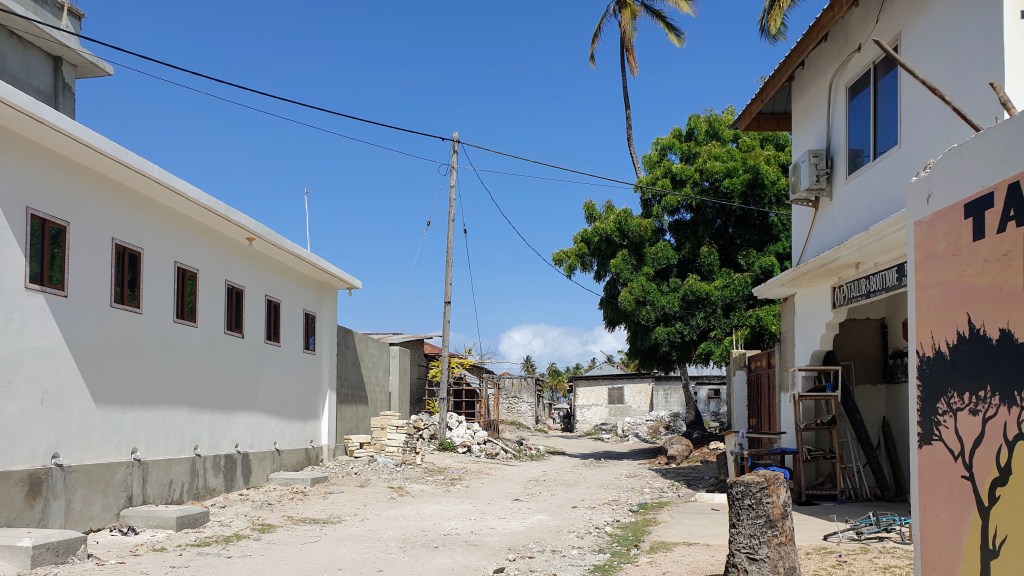
Paje is described as being more low key, less resorts and more backpacking beach bums. I booked a private room in a hostel that was less than 500m from the beach. The hostel itself was very cute with a courtyard filled with greenery and comfortable places to lounge. The art in the room was really strange, but the room was clean and sometimes that’s enough. There’s a single main road that goes through the town that’s lined with a mix of shops that serve locals and tourists. The roundabout has the town’s 3 ATMs only, one of which was working when I went. I met another traveler who said all three were out of cash the day before, so they had to taxi back to Stone Town just to get money since no one outside the resorts takes cards in Zanzibar (my hostel was cash only, too).

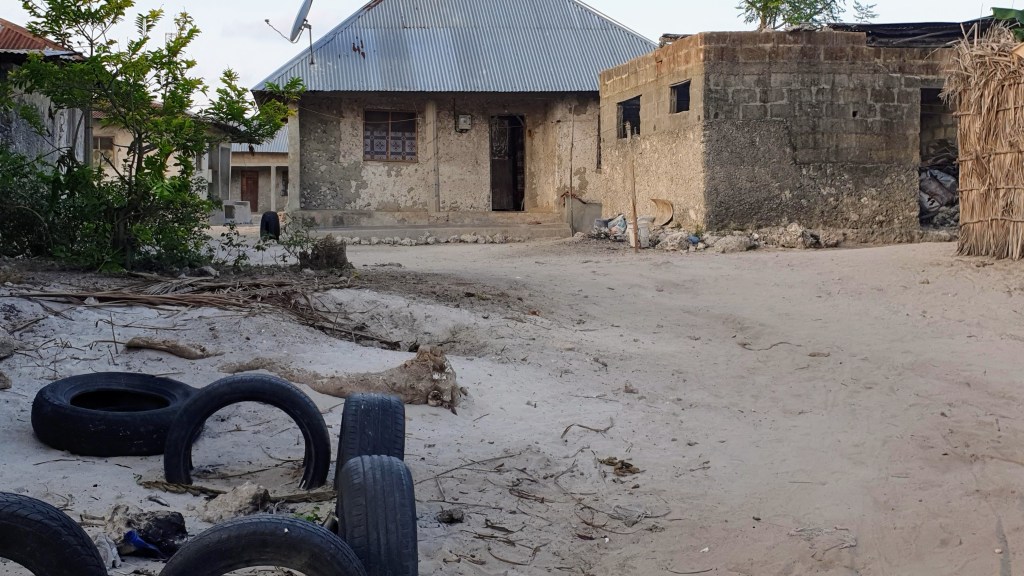
The town layout of Paje is very open compared to Stone Town and is consequently hotter. The afternoon I arrived, I had to hide inside until it cooled off because the walk to the ATM and back almost baked me. As dusk brought cooler air, I headed down to the beach for dinner and was surprised that the short walk was through a local neighborhood (the part not for tourists). It was heart wrenching to see the contrast of how the people who live in this paradise island live so close to the luxury beachfront resorts. Unlike some resort towns, at least the beach at Paje is open to all, and I saw plenty of local kids playing and a mix of abaya clad ladies amid the western beachwear. 

At the restaurant, I accidentally brushed my leg against the leg of the chair and opened a few dozen micro-blisters that I didn’t even know I had. I knew that the burn I got on the back of my calves while snorkeling was not great, but I had spent several days keeping that area carefully out of the sun and applying aloe and shea lotion many many times each day (and night). I thought it was getting better and didn’t realize that there was a layer of blister basically on the whole thing. The casual bump against the chair leg started a cascade event where my skin decided it was time to peeeeeel.
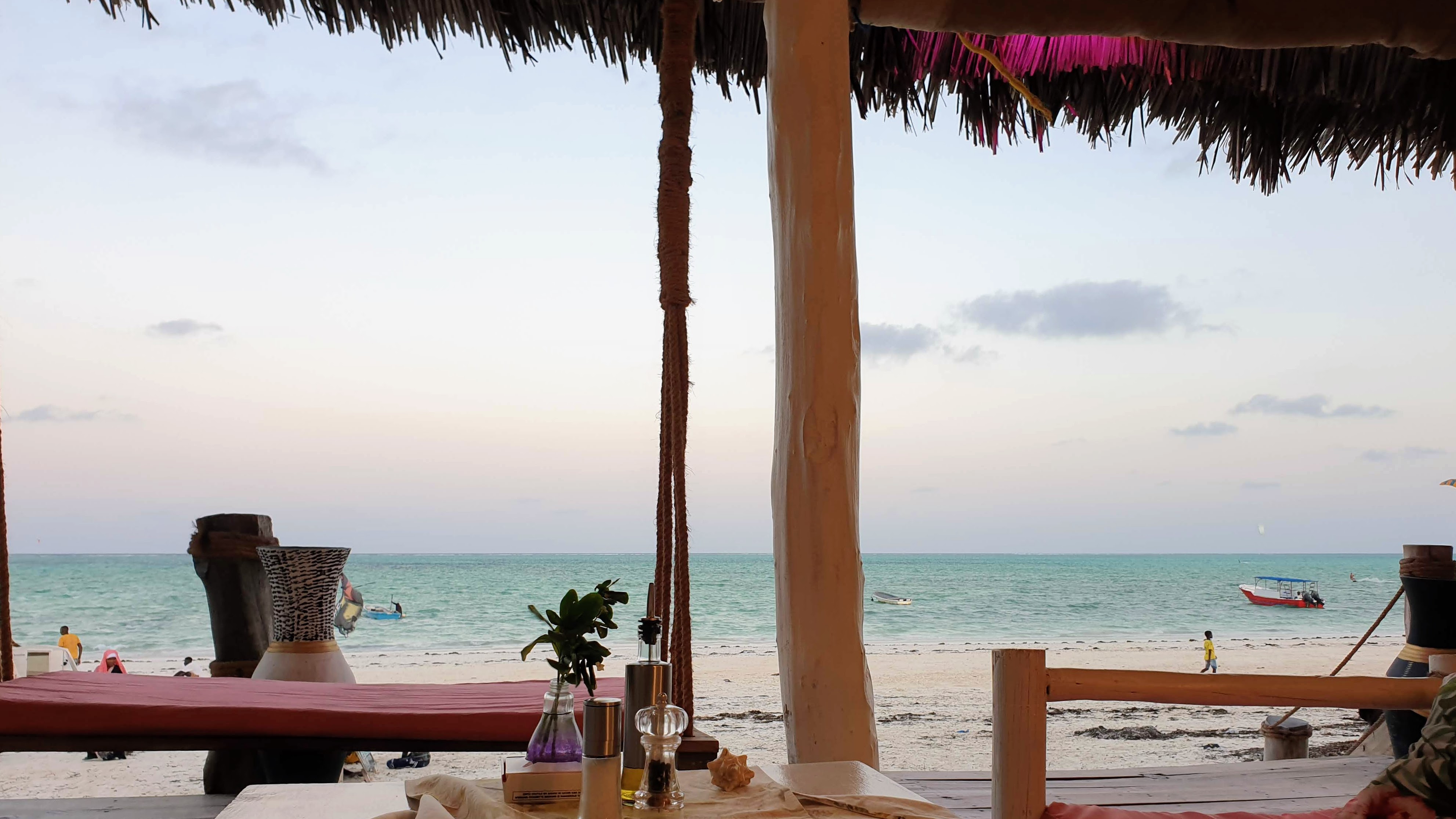
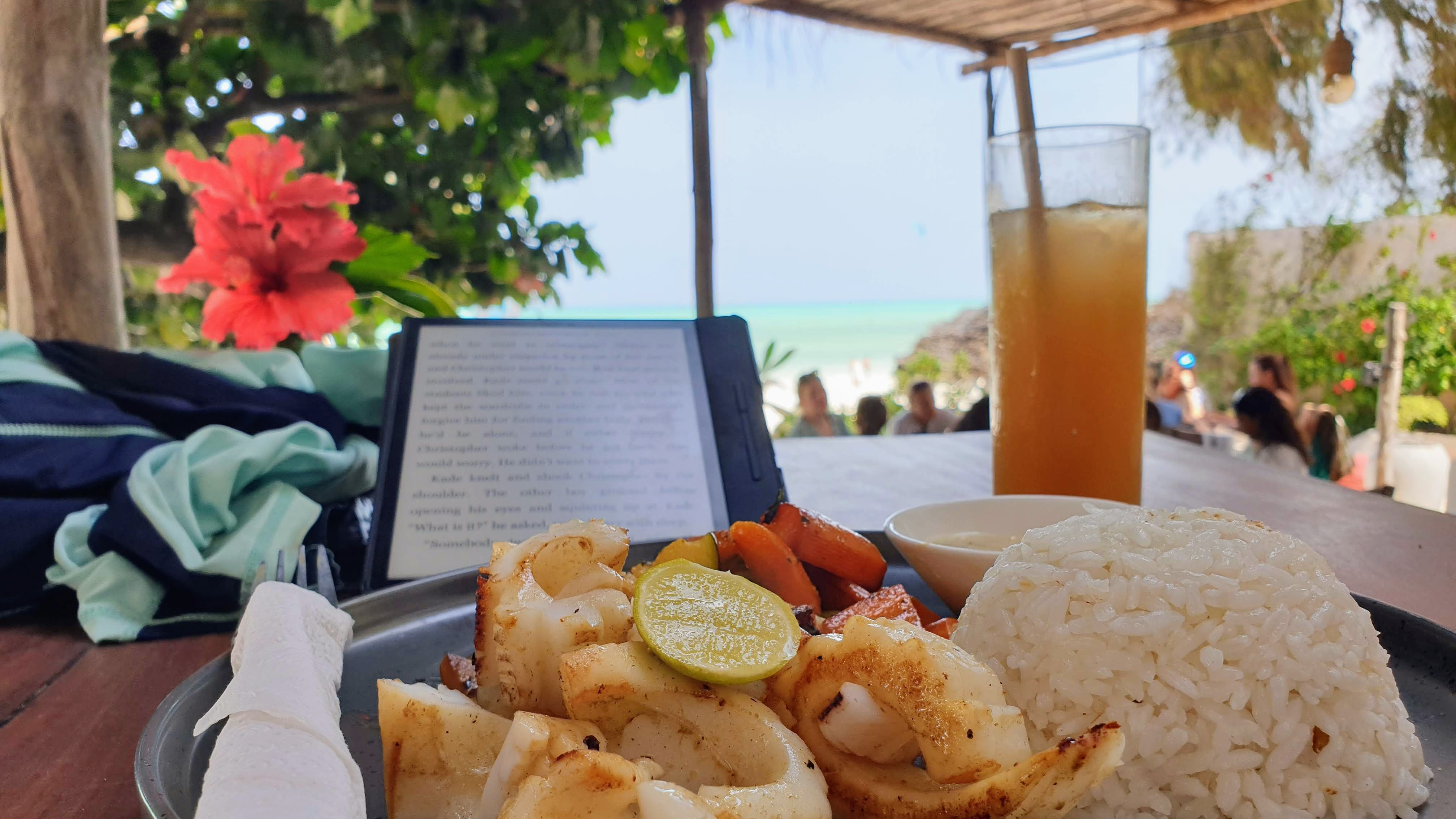
The whole next day I felt like a molting reptile. I knew for sure I couldn’t go swimming until they had some time to heal or else I’d be risking infection. Can I just reiterate how horrible sunburns are, and that with the UV index of OMG sunscreen isn’t always enough? Long sleeves and pants may not be the most fashionable swimwear, but they save not only your skin, but your vacation as well. I spent all that day lounging in a beachfront café ordering drinks and snacks every so often while reading my eBook and watching the ocean. I won’t say that it was a waste of time, because I don’t think any time spent with that view can be wasted, but it would have been more fun if I could have done some of the water activities.
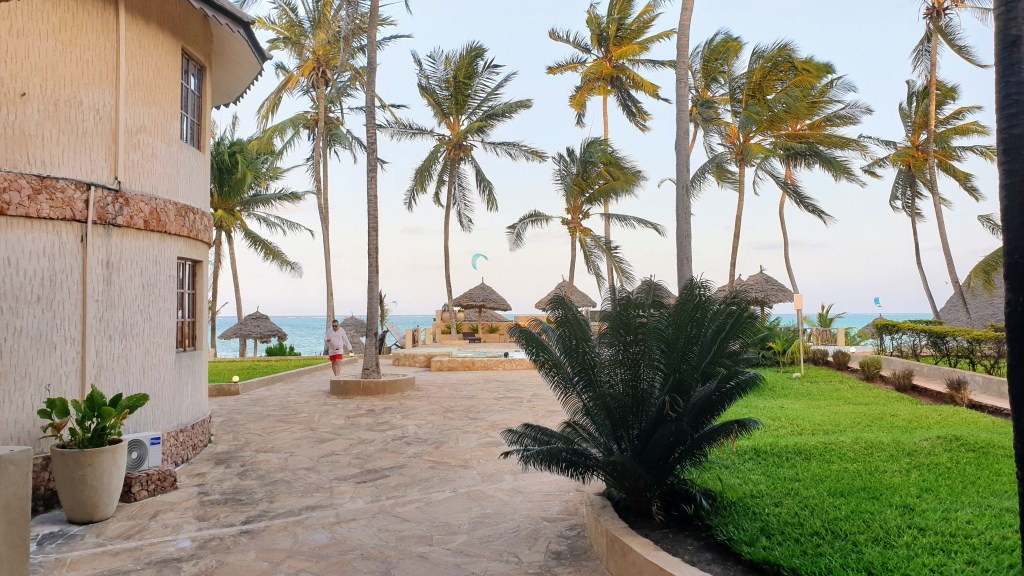
Paje is famous for the beach and the kite surfing. I was interested to try it out. I went parasailing in Mexico. I was able to do a scuba dive in a single day in Aqaba, and I’ve gone caving with guides and minimal training in the US and New Zealand. All those activities can take years of training and practice to master, but can also be done in an afternoon at the beginner level. So when my skin recovered enough for me to be willing to go in the sea again, I sought out the local instructors thinking it would be similar. Nope! The school offered classes that cost 60$/hour or more and said that it usually took students 10-12 hours of training on land before they were even ready to get in the water! There was simply no “try it out for beginners” option available.

Kite surfing is like wakeboarding with a parasail. You have a wakeboard which is a shorter, wider version of a surfboard, and you are harnessed into a thing that looks like a parachute (all those kite looking things in the photo). The wind then pulls you across the water. Some of the windsurfers were even lifted into the air by the strength of the wind. The water at Paje is extremely shallow, so for the most part the kite surfers were skimming over water that was no more than knee deep. However, the kites and lines are pretty expensive, so I imagine that the schools and rental shops don’t want to risk the inexperienced dropping on and having it fly off or get drenched.

The sales pitches on the beach were different from those in Stone Town. There were two main groups of people on the beach selling stuff and they were strongly divided by gender. The men were all dressed as traditional Masai from the mainland. I know at least some were because they also had the body scarring that goes with the Masai cultural milestones, but there’s a portion of locals who adopt the dress code to play on tourists. They are referred to as “Fa-sai”, btw. Real or Fake, the men are gregarious but polite. They would greet me and start walking along with me. The conversation would begin with small talk, asking where I was from and how long I’d been there, then slowly it would move into the sales pitch. The things they had on offer were very much the same as the Masai themed shops in Stone Town. The ladies were almost all in conservative abaya and hijab coverings, and were less likely to follow tourists or engage in small talk. They were peddling massages, hair braiding, and henna tattoos.

Jozani National Park

Jozani is the only national park on the island. It’s part of an environmental conservation movement to preserve the local ecosystem and rare species. Plenty of locals would happily tear it all up for lumber and farm land, so paying for tours helps fund the park as well as the economic projects that run in tandem with it to provide other means of earning a living for those who are being asked not to use the land. It was on my wish list for Zanzibar from the beginning, but I had been on the fence about it since discovering my sunburn. Then, one morning at my hostel’s breakfast, I started talking to a young man about his AbFab phone case (so rare I find a fellow fan these days, sweetie darling). He turned out to be working on his PhD at the Jozani forest. Hearing him talk about the forest and his work gave me the push I needed to get up off my beach bum and go do the thing.

I learned from some folks who’d been in town a while that I could get to the park via the local bus (called Dala Dala) which would stop at the nearby roundabout. There was no bus stop or any signs, so I waited in some shade and watched the locals. Before long a minivan pulled up in front of a small shop and people started rushing to board. It wasn’t hard for me to get in line and verify with the driver that he was heading the right way. The driver and money man were absolutely able to communicate with me in English, though mostly used Swahili in general. The men on board moved around so I could have a seat. There are plastic jugs that can be moved around the aisle to make extra seats, and with the windows down there’s a good road breeze that keeps it from being too hot.

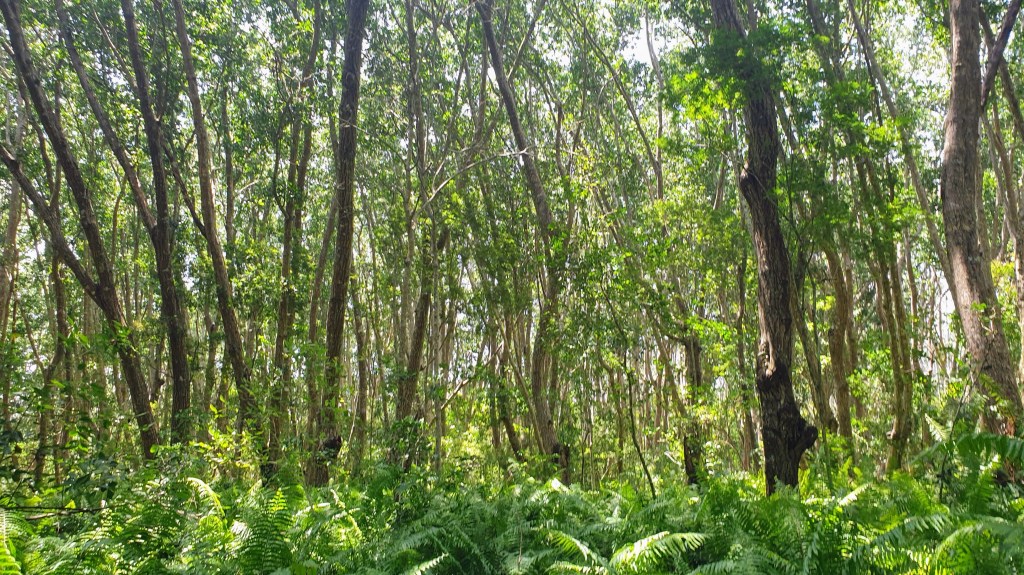
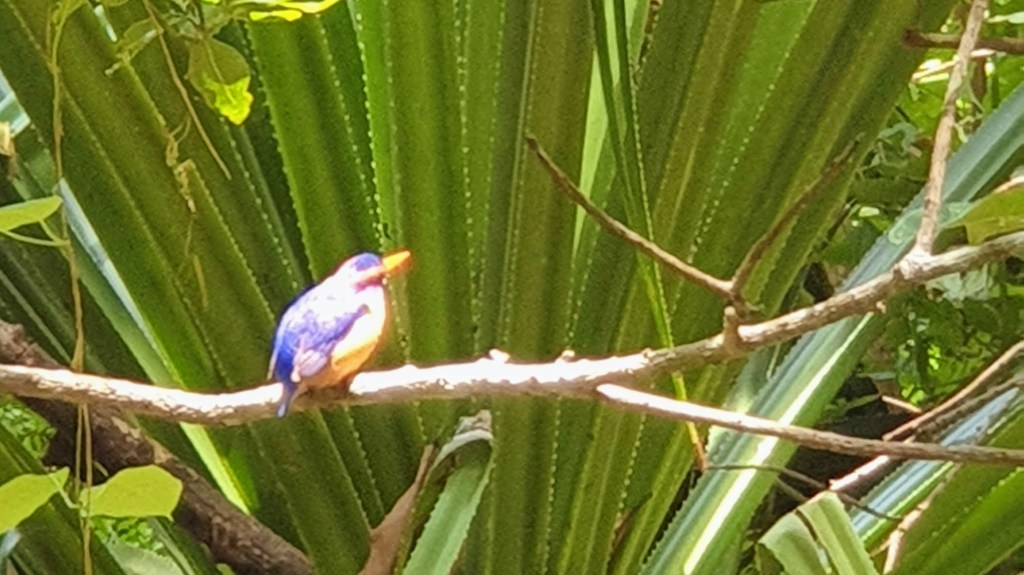
The entry fee to the park is 10.70$ (25,000tzs) and the price includes a mandatory guide. I got a guide all to myself because the only other people coming in at the same time as me were in a hurry and didn’t want to do the whole walk. Their loss. My guide explained things, and helped me avoid looming roots and branches, but didn’t feel the need to fill all the space with talking. Being alone in the beautiful forest with my guide gave me lots of chances to enjoy the silence and see interesting critters. These are photos of the forest itself (some native trees and the remnants of a colonial mahogany plantation) and 3 of the 4 wildlife species I got to see on this part of the walk: millipede, skink, and kingfisher (the larger lizards were too fast to photograph).

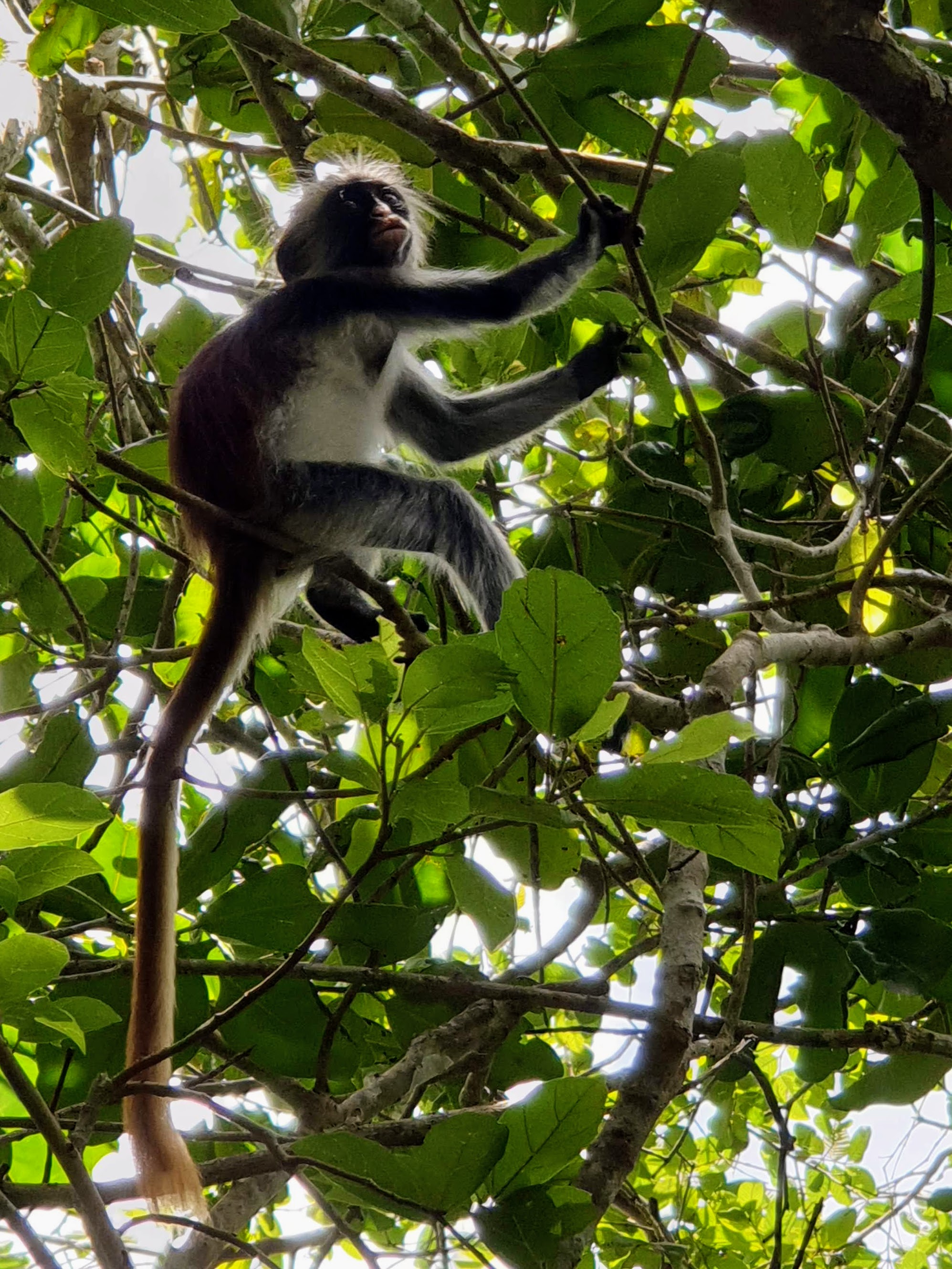
The forest is home to two species of monkey: the more common Sykes and the totally rare unique-to-this-one-island-in-the-whole-world Red Colobus. After we walked around the forest for a while, we went to the area inhabited by the monkeys. The Sykes are very un-shy and enjoy coming down to the ground or low branches to look at the tourists. There are signs warning visitors to stay several meters away from the monkeys at all times, and the monkeys clearly do not wish to obey. It was actually impossible to keep my distance from the curious critters, but they never came so close that I was worried about having my phone snatched.

The Red Colobus on the other hand are more reclusive, more arboreal, and just generally harder to find. The guides text each other with location updates so visitors won’t miss out. When we came upon the tribe that had been located for that day, there was another rather large group of tourists being loud and shoving selfie sticks towards the upper branches. I did see one guide gently push a tourist back who got too invasive, but overall, the animals were far enough above us that they could have run off if they were really annoyed. Maybe human tourists are not more annoying than baby monkeys? I didn’t have a selfie stick for phone extension, but I think I got a couple cute photos anyway.

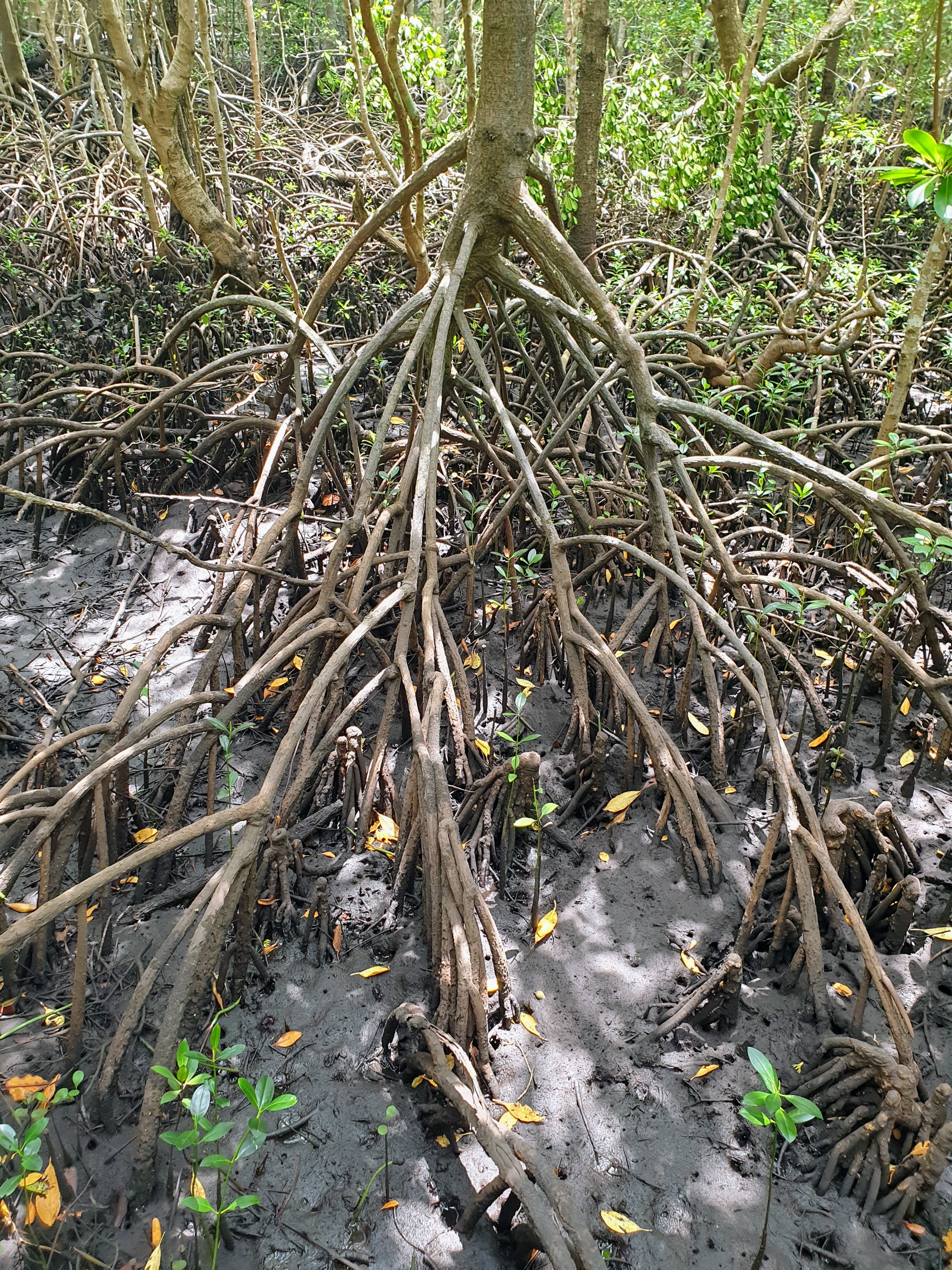
The Jozani mangroves are a little more than a mile away from the main entrance, and my guide seemed flummoxed when I said I’d used the public transit and didn’t have a car or driver waiting to take us over. Quick on his feet, he went to get his own motorcycle to drive us there. Nothing like riding helmetless on the back roads! We made it safely, though, and I got to see the mangroves at low tide (a recurring issue of this visit) which is actually kind of cool because all the roots and crabs that would normally be underwater are visible. I’d like to suggest “low tide mangrove” as someone’s next Halloween theme.

The Butterfly Park isn’t technically part of Jozani, but the entrance is quite close to the mangroves and my guide offered to drive me over and wait while I looked around (very kind offer). It’s another conservation area that’s also working to help employ and educate nearby villagers to help them have income that comes from environmental preservation rather than income that destroys the environment. They breed and release several native species including the bush babies, many butterflies, and chameleons. The cost for tourists is 18,000 TZS (about 7.50 USD), but locals can enjoy it at a hefty discount.

The butterfly guide told me about the work they are doing with the nearby village, the local school, and the forest before giving me the chance to hold some infant bush babies. Squeeee! I don’t normally go in for handling wild animals, but these are a domesticated pair they’re using for education and promoting the conservation. They were entirely comfortable climbing on me (yeah, that’s my pasty white arm in the photo) and were so cute!! As a species, bush babies are usually asleep during the day (the adult pair sure were) so tourists don’t get to see them in the forest and don’t realize there’s more than monkeys being protected there. These fuzzy lil’ ambassadors help raise awareness of the breeding program and need for environmental conservation.

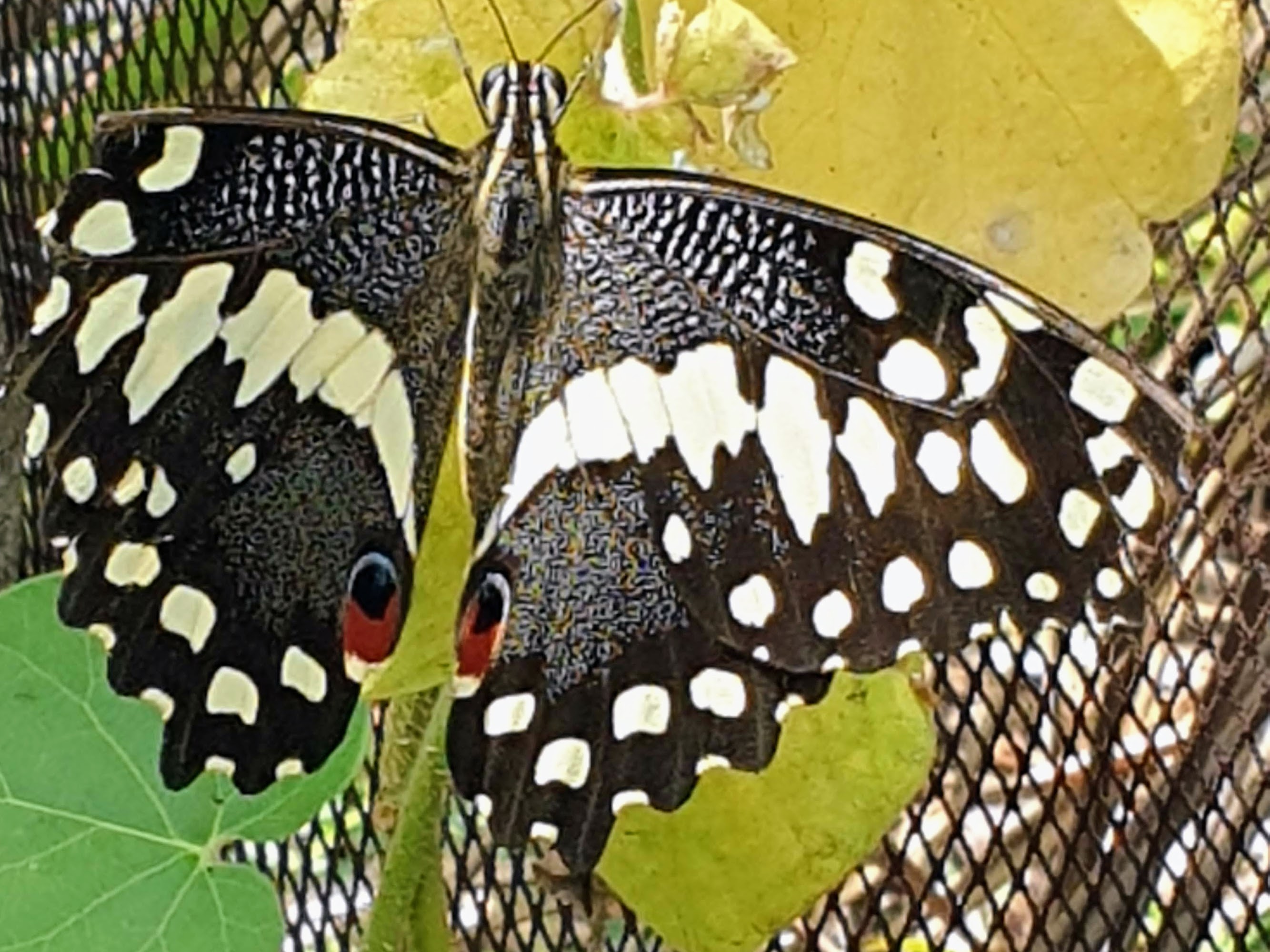
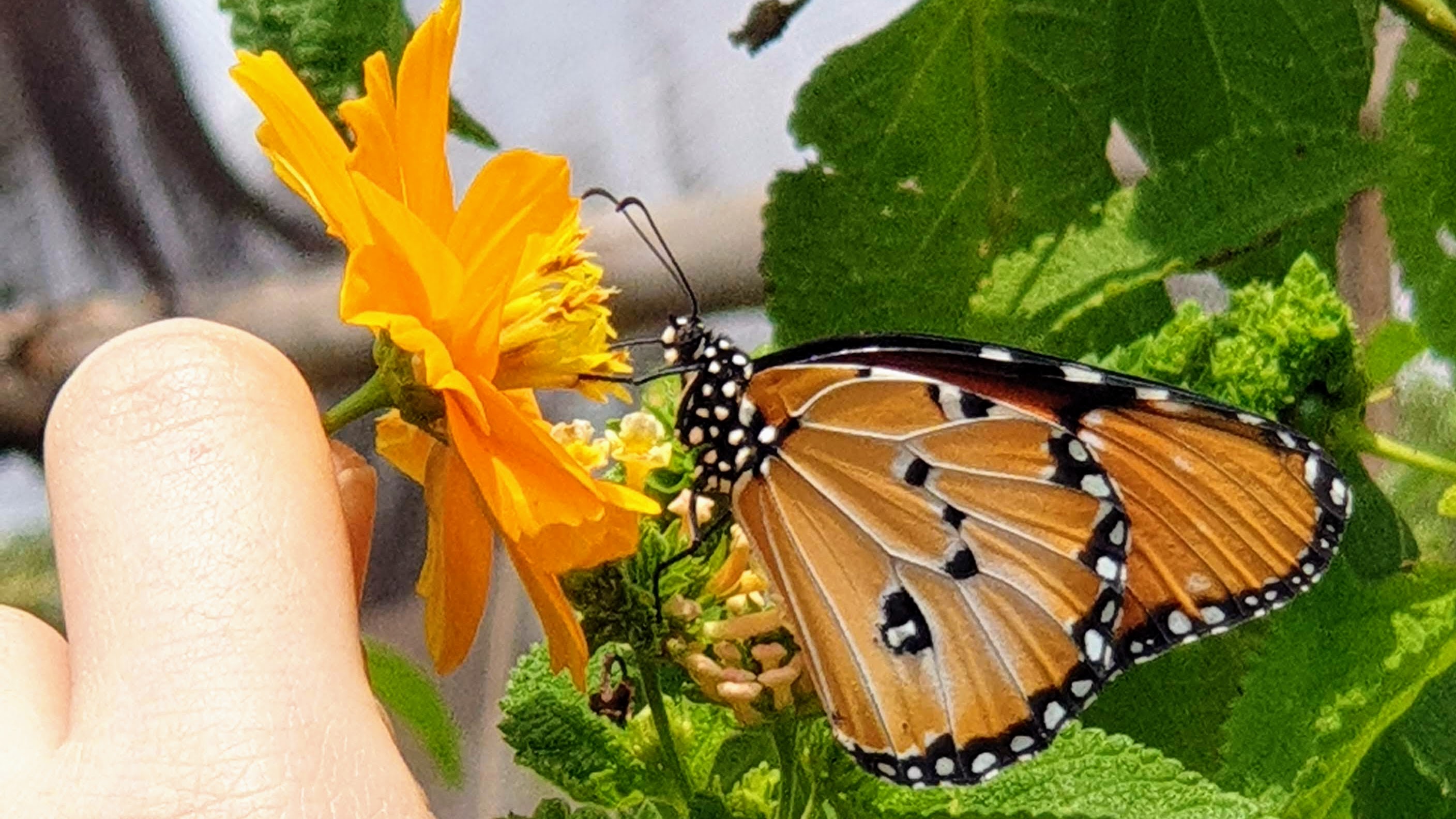
Next we moved on to the butterfly breeding program. In addition to helping the furry species, they are helping the flutters as well. They are much needed pollinators and beautiful as well, but their breeding environments are often under siege by human development or by displaced predators. This park helps breed pollinators year round. As an ongoing part of the hands-on education, I got a handful of caterpillars as he showed me the 4 species they have this time of year (it changes seasonally) at egg, caterpillar and chrysalis stages. We then entered a small enclosure where the butterflies are safe from predators and breeding efforts continue.

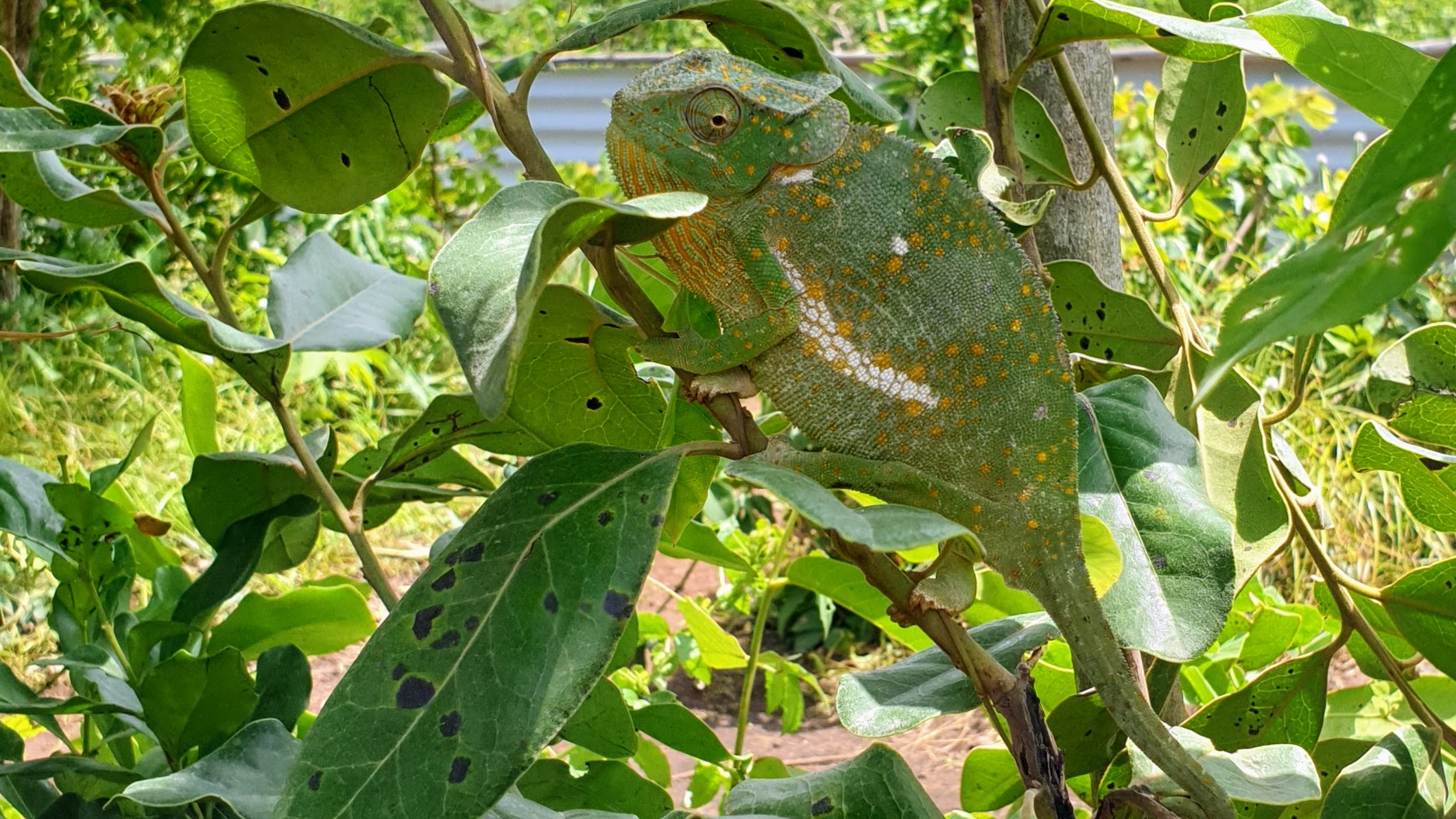
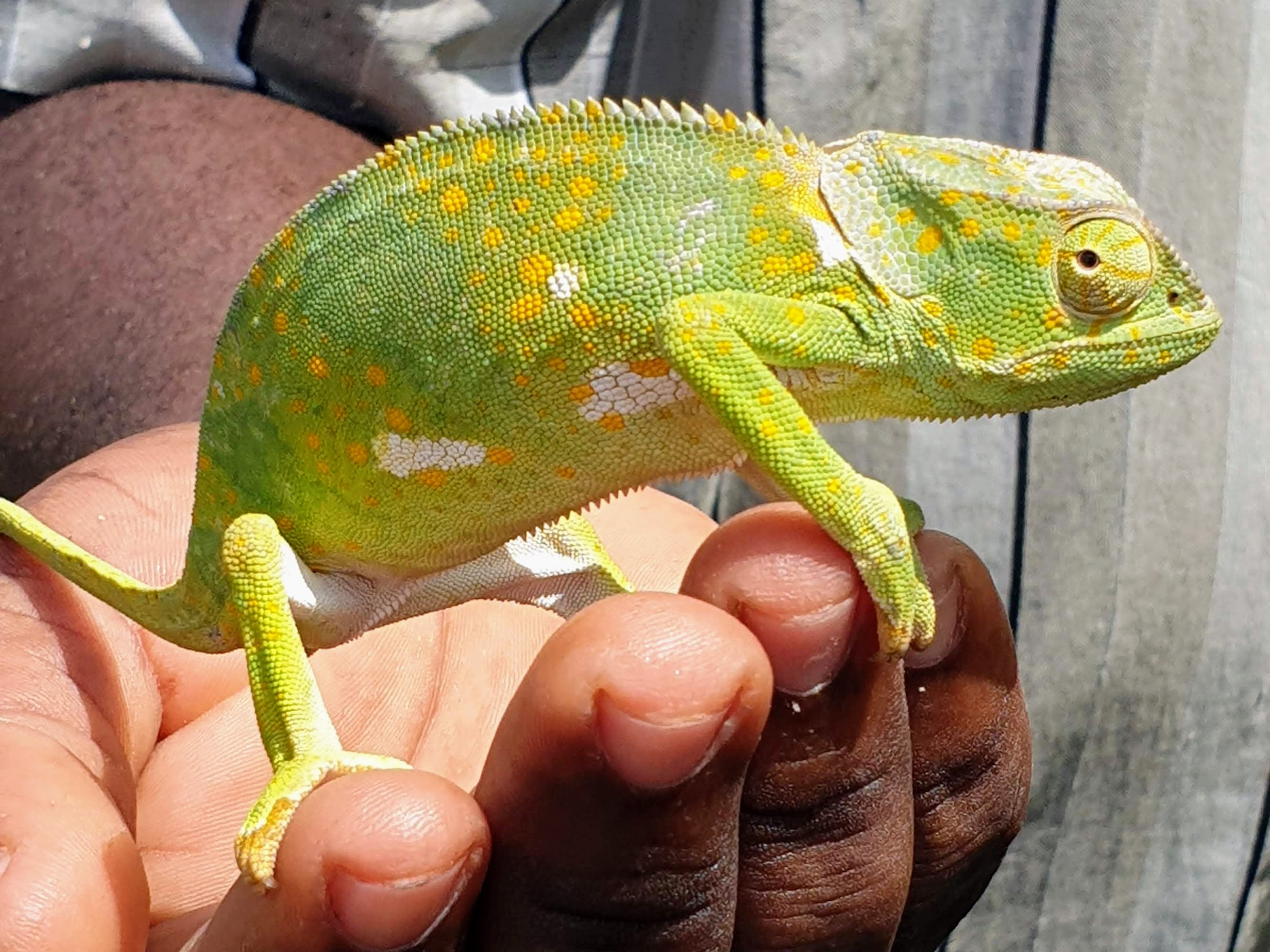
The tour concluded with the chameleon enclosure, although they didn’t need any netting, and were content to hang out on some trees which were roughly segregated by a low fence. I love the way they always seem to be giving a disdainful side-eye.
The Local Economy vs The Tourist Economy

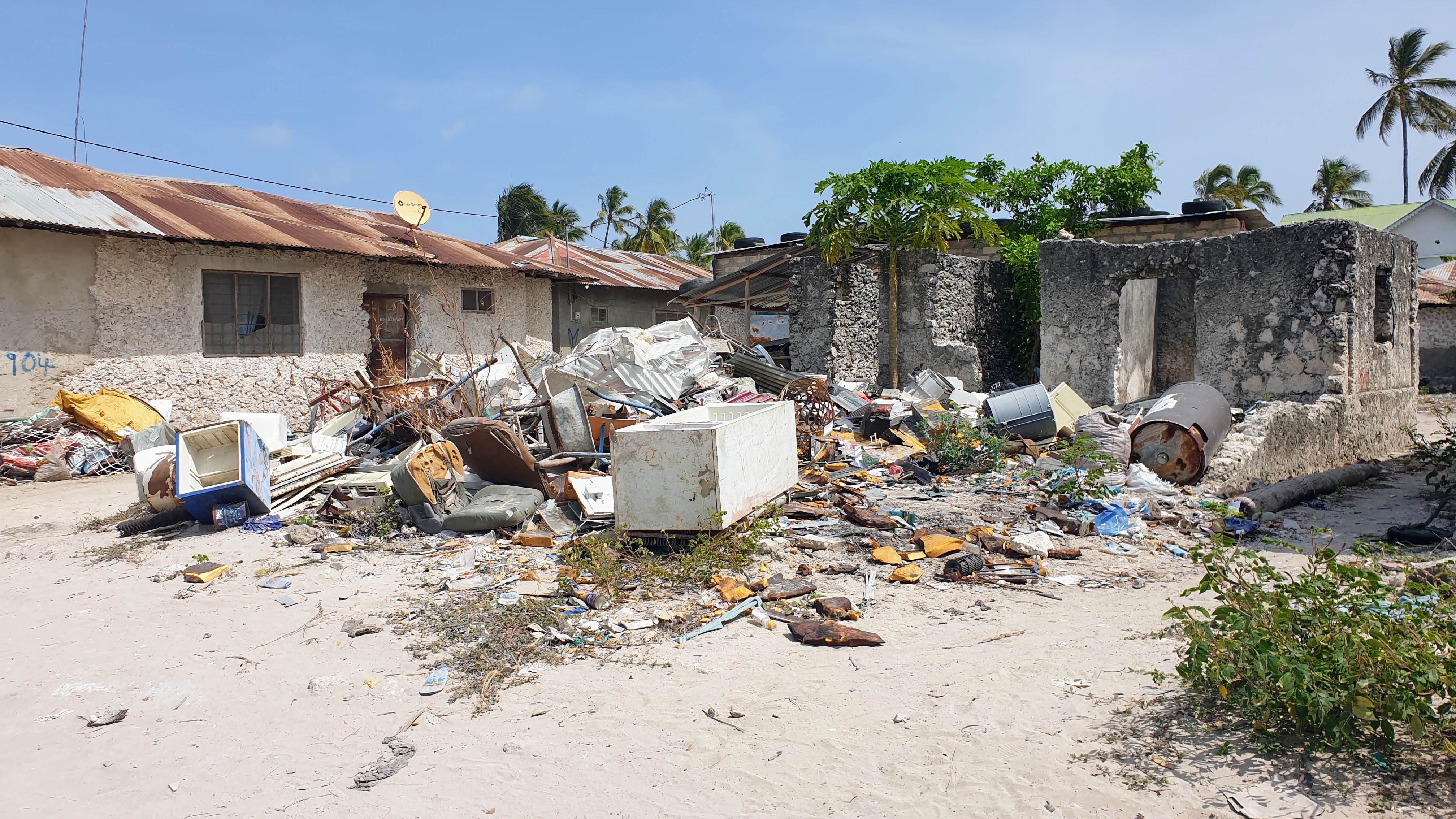
The whole time I was in Zanzibar, I was in shock at how expensive everything is yet how little the average person lives on there ($150-350USD/month). Walking though the local village to get to the resorts in the beach was a real eye opener. The homes don’t have running water, there’s a well and I saw young girls walking to and fro with large buckets. People are cooking on fire. Plenty of cows, goats, and chickens around. Tiny fruit stands and dry goods shops. Places that look like ruins but are actually houses. Then the beach 300m away with luxury resorts.
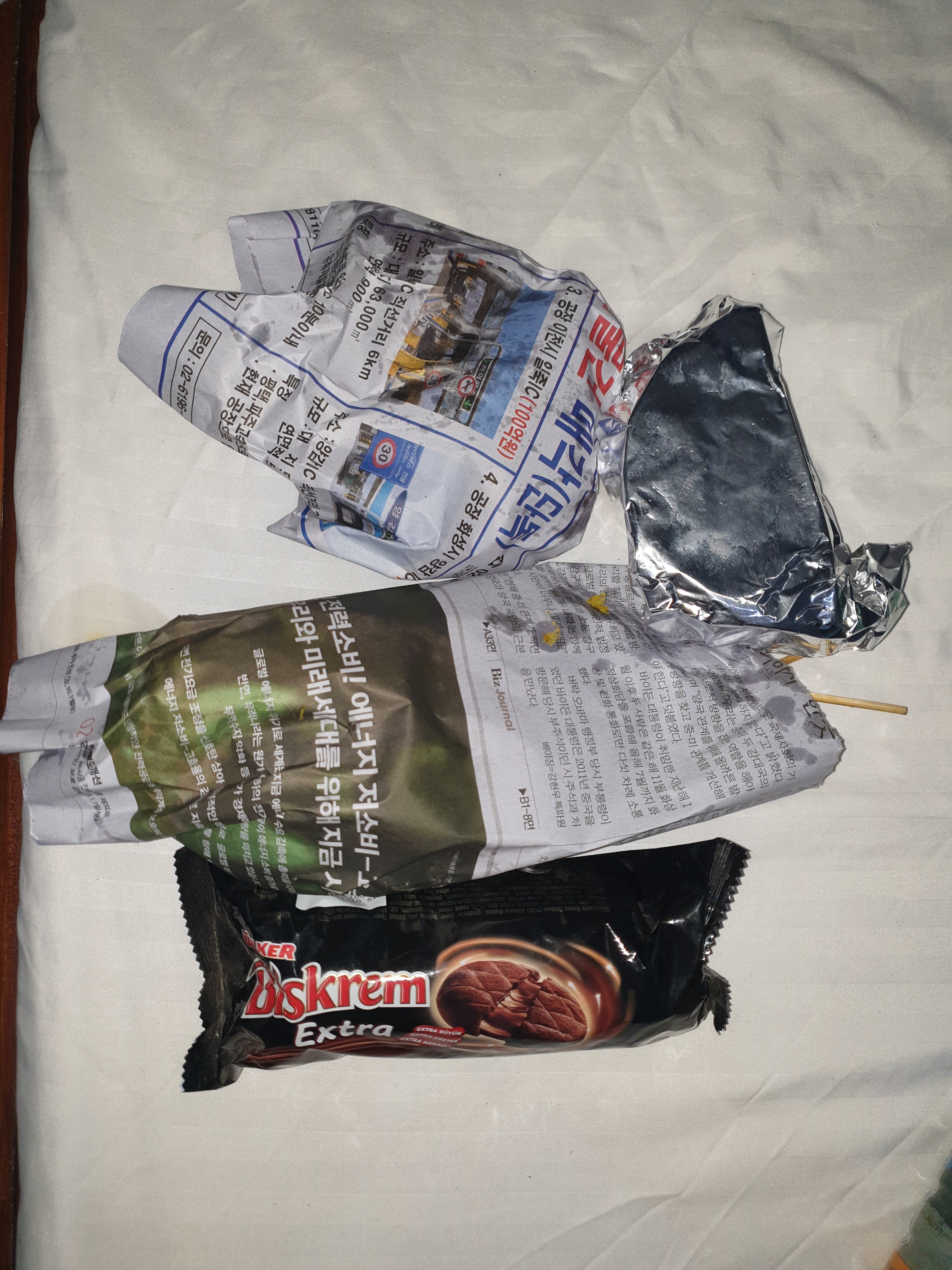
I ate about one meal a day at tourist restaurants and the quality was nice. Tourist and especially beach restaurants are known to be expensive, but most were less than 25$US for a nice meal and drink, which is not a bank breaker. One night in Paje I decided to try the local street food up on the main road. I got grilled meat skewers, samosas and fresh pineapple slices (all wrapped inexplicably in Korean newspaper for takeaway) for about 2$. Filling and tasty at 1/10 the cost of a meal at a restaurant. I’m used to street food being less, but woah! It’s not just beachfront vs main road either. There’s a place less than 30 feet from the actual street food that calls itself “The Street Food Court” which has several takeaway windows and a common seating area. I tried to go there for lunch earlier and saw that most of the dishes were still in the 10-15$ rangeY yes less than the beach but still 5+ times more than the actual street food!
Then there’s the taxis. There’s no “taxis” in the drop fare charge per mile sense. There’s drivers with vans and special licenses who will take you to places around the island but rates are negotiable. 15-20$ to get from the airport to Stone Town (7-8km), 30$ to go from Stone Town to Paje (50km), 25$ to go from my hotel in Paje to my next one in Menai Bay (27km). The driver at the hotel wanted 40$ round trip to go to Jozani, and the ones out in the taxi lot wanted 50$! For 43¢ each way, I was able to use the public transit. 1/100th the cost of the taxi? I’m used to buses being cheaper but that was next level. (My view from the back of the bus)

Maluum Cave Spring

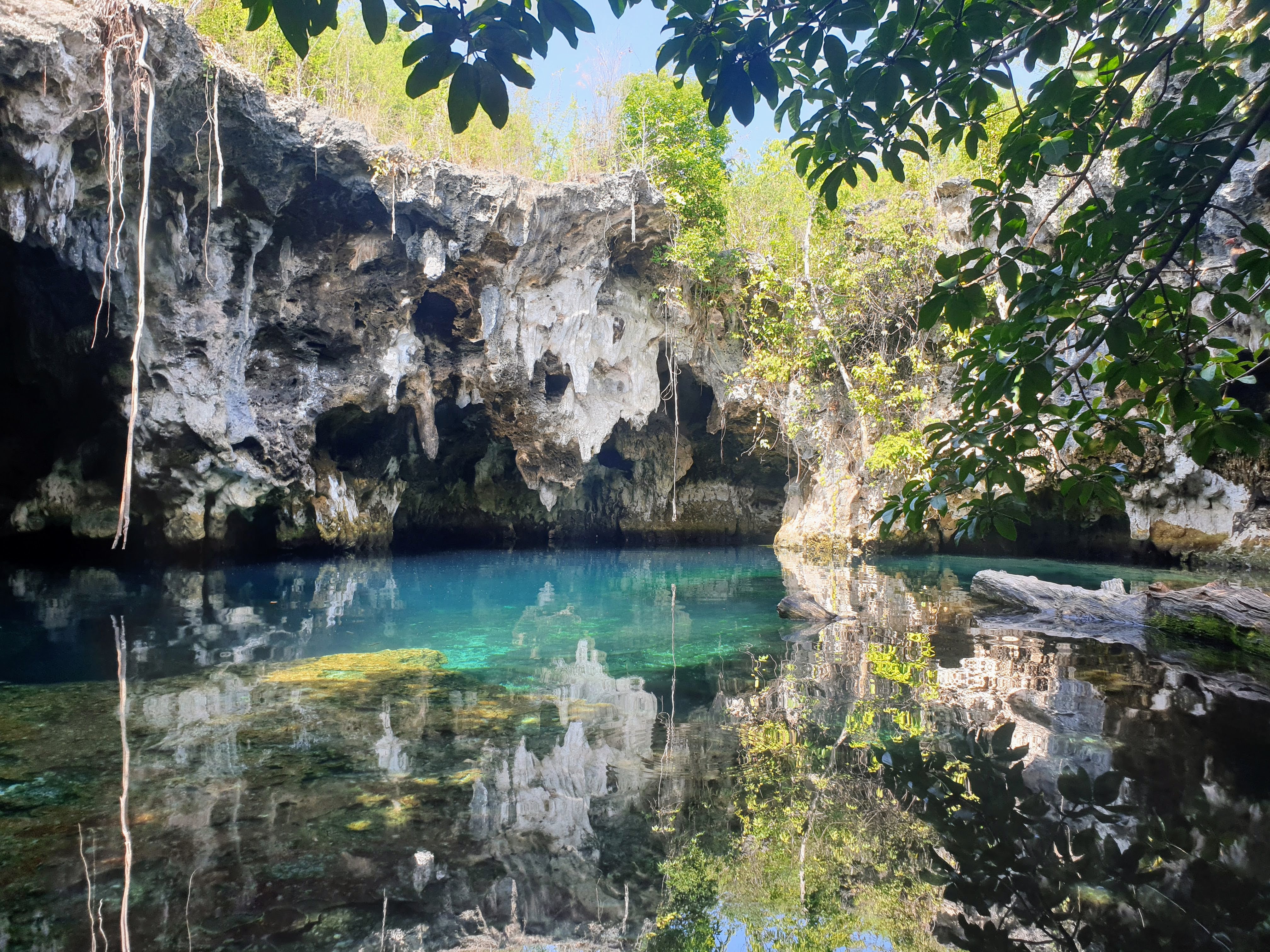
Another wish list item was the cave pools. I visited one of those in Bohol after my terrible sunburn there and it was ah-maze-ing, so I knew I wanted to do that again with my new sunburn. There are a few caves around the island with natural swimming pools, including one rather famous one about a 10 minute drive from my hostel called Kuza. It was highly reviewed online, and I was trying to figure out how to get there what with all the taxis nearby wanting 30$ to go a few kilometers. Then I met yet another traveler over breakfast who told me about a hidden gem: a little cave pool just one kilometer away that was almost unknown!

This sounded appealing both because of the shorter distance and the potential lack of extreme tourism that had been slowly eating my brain since my arrival on Zanzibar. I looked up the place online and noticed that they had time slots and only allowed a limited number of people into the pool at a time. They also banned sunscreen and other skin/hair products that could harm the ecosystem and provided showers for people to clean off before swimming. It was a level of dedication to ecological preservation that I appreciate everywhere, but had come to see as rare on the island where tourist money was a bigger priority for most than the environment.
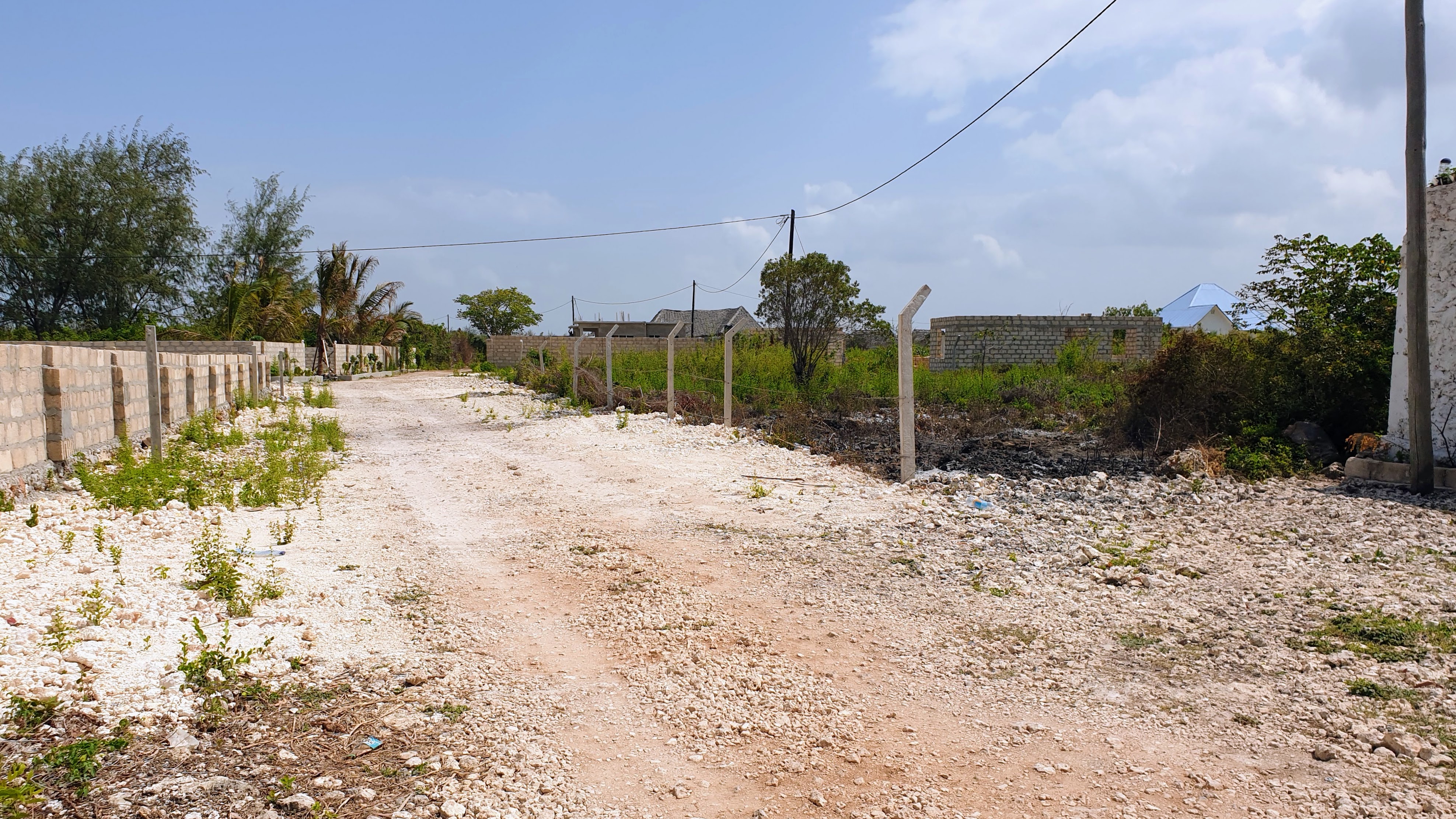
I walked the 1.3km rather than trying to navigate the local bus. I’m sure it could have been an option, but the walk was interesting because it gave me a chance to see more of the area that isn’t curated for tourists. Maluum cave is set back a bit from the main road, so the last bit of the walk took me through undeveloped lots on back roads through fields alternately overgrown and filled with construction debris. Like so many things in Africa, the outsides tend to look somewhere between “plain”, “run down”, and “oh god oh god we’re all gonna die”, but the insides can be quite luxurious.

I was greeted at the gate by some young men in Masai garb and checked in at the registration desk. There was a big group that arrived at the same time I did, and I was disappointed when I realized that we’d be sharing the pool because they were very loud and energetic and I was riding the quiet forest & beach bum vibe of the last few days. Thankfully, they were also running late on whatever tour they were doing, so they basically got into the water long enough to take some selfies and then trundled back out leaving me in the pristine natural beauty all by myself.

I didn’t have it to myself for long, but I saw a purple crab, several little fish, and had a short staring contest with a hornbill. Unfortunately, the waterproof case I’ve been using since 2017 finally died that day, so I was only able to take photos while out of the water. The next group that came through shared my calm vibes and I had gotten some time to commune with the nature on my own, so I was happy to share and enjoy the company until the staff signaled my reserved time was up.

They have a restaurant on site as well, so I headed over there for dinner and to air dry before changing back into my street clothes for the return walk. I had green banana curry for the first time. I have had dishes made with green plantains (a banana cousin) which cook a lot like potatoes, but I had never thought of using actual bananas while green. It was delicious and the banana flavor was not at all overwhelming. The weather had cooled somewhat by the time I left, and I had a leisurely walk back to my hostel for my final night in Paje. Here are some cows I passed on the way.

Aside: Due to the current situation in Dakar (where I’m living), I’m adding a little note to let you all know I’m safe. I plan on writing a full post on experiencing this historic unrest in West Africa’s most stable democracy first hand, which I’ll likely publish after my triumphant return to America in August. Until then, I am in a quieter neighborhood with no strategic targets. I have food, water, electricity and a working VPN. If you’re curious about what’s going on, you may have trouble finding details in English, but there’s a lot French resources available and Google Translate is good enough. I recommend searching terms like “manifestation” (French for protest or demonstration), Sonko (the political candidate at the center of the controversy), and of course the popular hashtag “Free Senegal”.

The Dingle Peninsula

The joy of planning any vacation is discovering new things. Naturally, I had a list in Ireland of sites I knew I wanted to see, but there were whole swaths of countryside between the known destinations for me to fill in. Going from the Ring of Kerry directly to the Aran Islands was just too long a drive. When I looked at the map, the Dingle Peninsula came up as a must see for it’s beautiful coastline, charming local culture, and one special local resident named Fungie.


Fungie the Dingle Dolphin

I love dolphins. This makes me basic, but I don’t care. I struggle sometimes because they can be real jerks (BBC article, TW: rape), so I don’t go in for the “dolphins as spiritual healing animals” line, but like many intelligent wild animals, I find them fascinating. I was in Florida in middle school, and we went to local marine parks a lot. I wanted to be a marine biologist – or a dolphin trainer – but then we moved away from the sea and I learned about the horrible things that happen to dolphins in captivity.

20190804_082112

Since then, I have sought out responsible interactions with fascinating wild animal. Although some animal protection extremists say there’s no such thing, I go with “as responsible as possible”. My swim with the wild dolphins in New Zealand is a good example. The NZ government limits the number and type of boats that can legally interact with the dolphins and it reduces random tourists and boats from interfering with them while raising money and awareness for environmental preservation.

Fungie is an entirely unique case and there’s not really another dolphin like him in the world. He’s a solitary middle aged bachelor who lives in the Dingle Bay and likes hanging out with the humans. He was never a captive, never “trained”, isn’t fed by people or enticed to stay in any way other than through social interaction. And if he’s tired of people, he can swim out of the bay and the small boats can’t follow him into the unsheltered Wild Atlantic.

20190804_081843

I ran into people (Irish people, not just tourists) outside of Dingle who thought that he was a myth, or an exaggeration, or one of a long line of different dolphins that the town named Fungie to keep up the tourism, but Fungie is actually the subject of some scientific interest because he is so unique among dolphins. He’s a little bit like a “wolf child”. In the sad case where a human baby isn’t socialized with other humans before a certain age, they don’t learn language or basic social skills… ever. Fungie was separated from his pod at a relatively young age, just old enough to feed himself, but not fully socialized… think about Mowgli or Tarzan? He came into the Dingle Bay because it’s extremely sheltered and safe, plus lots of food (good fishing). He never got reconnected with his pod or any other, and now he tends to hide from pods passing through the area. Scientists who study him think that he can’t communicate well with other dolphins, sort of like having a speech impediment.

However, dolphins are very social, much like humans, and whatever his reasons for avoiding other dolphins, Fungie discovered he could get some degree of socialization from humans. I suspect it’s similar to the way that we interact with our pets. Fungie has lived in the Dingle bay for about 36 years, and they think he was about 4 when he moved in. For a long time, he was only known to the locals, but in more recent years, he has become a mainstay of Dingle tourism.

20190804_074037

I chose my tour boat because of the timing. Partly because I wanted to do two things that day, and partly because dolphins are most active early in the morning. This is the only boat that goes out in the early morning and it only holds 10 people, so book in advance. The good news is that this smaller boat inside the bay is unlikely to be impacted by the weather, unlike the larger boats, which as I will relate shortly, definitely are. Plus, the tiny boat means you get quite close to the water, and consequently, the dolphin.

There’s also the option to swim, but the Atlantic Ocean there only gets up to 15C/60F in the warmest month, and that’s still colder than most people who live south of the 60th parallel want to swim in without a wet-suit. The water I went in NZ was 13C and even with a short wet-suit, I just about stopped breathing when I went in. I didn’t have a wet-suit in Ireland, and I hadn’t figured out how to rent one in advance, so I was SOL. There was a family on the boat with us who decided to just go in in swimsuits. I think they were Swedish. The children turned blue, and Fungie never really got that close.

IMG_2165.JPG

The tour company kitted us out with outerwear, pants and jackets, that was super warm and waterproof. I am so glad they did, because however pleasantly cool the weather on land was, it was insanely cold out on the water, plus we got boat spray and rain. It was a gray, wet morning, I got some nice photos (as seen in the first part of the post) as we pulled out of the harbor, although the visibility was limited. I was a bit sad I couldn’t see the cliffs around the bay, but all was forgiven once Fungie showed up.

Our guide told us a bit about Fungie’s history and the studies I briefly outlined here, and then we set about trying to play with him. The guide said later in the day, there would be dozens of boats in the area all competing for his attention, so going in the early morning we got him all to ourselves. The best way to play with Fungie is to run the boat quickly, creating a wake, then pumping the breaks so the wake passes the boat. Fungie loves to race the boat and then body surf in the wave the boat creates. We did this over and over to the delight of everyone on board, and apparently Fungie as well.

When he was done with us, he just swam off. Even with our guide trying to lure him back, he was ready for a break. I point this out, because it’s really important that Fungie isn’t being exploited. He doesn’t want to live with other dolphins, and if humans stopped playing with him, he’d probably get really depressed (which happens to all social animals in isolation).

IMG_2169

We had a quick run out of the bay just to feel the difference in the weather, which is intense. It was wet, cold, and insanely fun. We bounced like a roller coaster and although I got splashed many times, the waterproof outerwear did a good job of keeping me warm and mostly dry. This is very important, because I the next day I ended up on a boat with no waterproof clothes and it was an entirely miserable experience. Crazy wet splashing raining Wild Atlantic boats WITH warm waterproof clothes = fun. Crazy wet splashing raining Wild Atlantic boats in regular clothes = soaking wet underwear. Choose wisely.

As we came back toward the harbor the other tour boats were starting to gather. We spotted Fungie a few more times, but even just having a few other boats around made me really appreciate the time we got with him while we were the only boat on the water.

The Weather

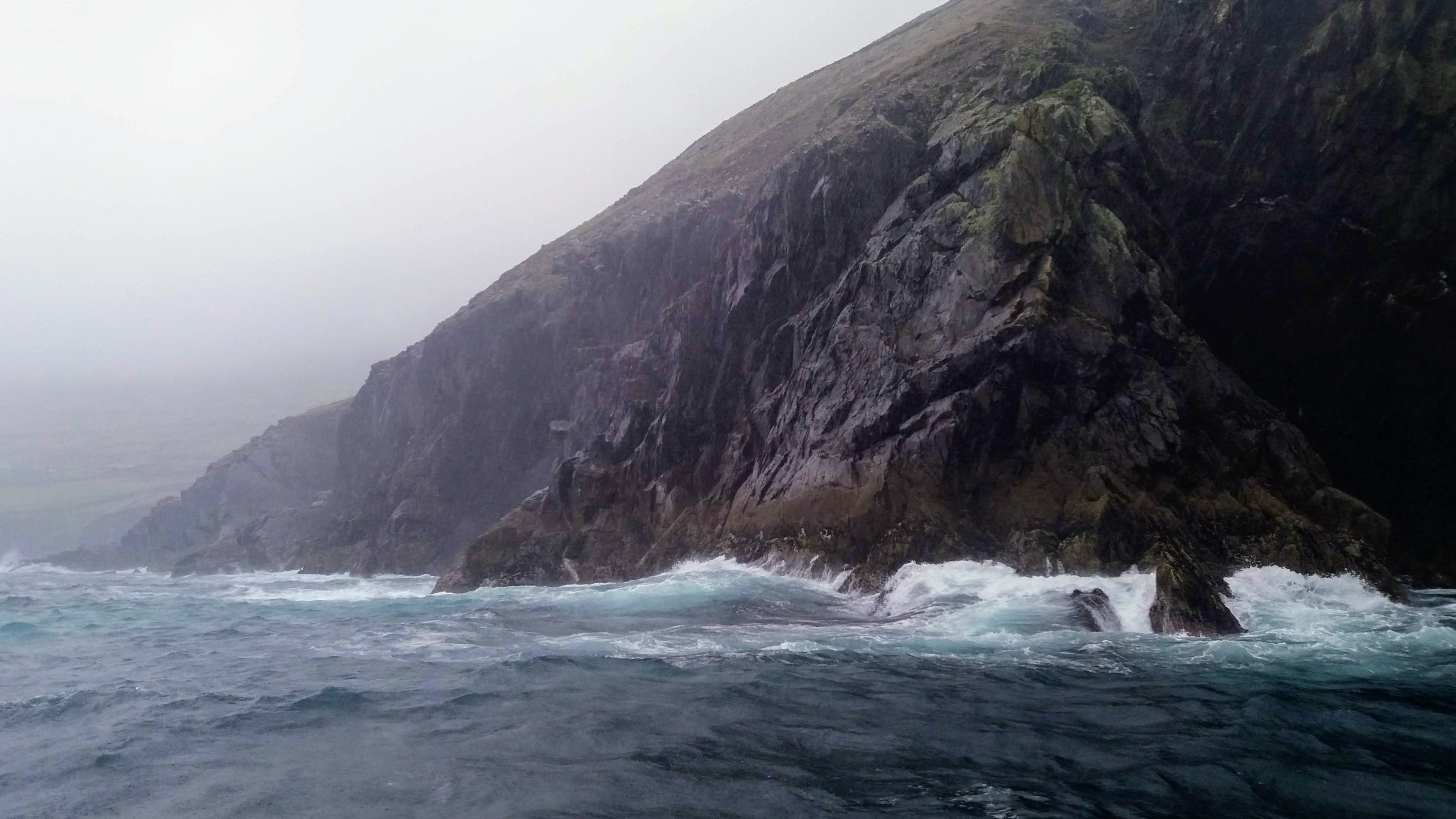
I mentioned our morning was gray and rainy, with an extra side of nose numbingly cold on the water. This was August, by the way, the warmest month although not the driest (that’s June). The morning’s short excursion out of the bay and onto the ocean gave me my first taste of why it’s called the Wild Atlantic. Even doing the speed up/sudden break trick with Fungie in the bay was a smooth calm ride compared to the unsheltered open ocean.

I did not actually think the weather that day was bad. It did rain on us a bit, but it wasn’t anything like a storm. Nonetheless, shortly after we were back on land from our morning visit with Fungie, I got an email from my afternoon tour that the boat trip was cancelled due to bad weather. I have to say I was very surprised. I didn’t think a light rain was enough to warrant a cancellation, but this just goes to show how little I understood about the Wild Atlantic. Yes, I’m going to keep calling it that, because the Atlantic Ocean is big and has different temperaments on different coasts, but what goes on along the west coast of Ireland can only be understood in terms of elemental forces.

The afternoon tour was meant to be a visit to the Blasket Islands, an eco tour where we could see some of the wildlife and get to have a short walk on the island. It was meant to be the alternative to missing out on Skellig Michael. When the tour company cancelled, I asked around at some of the other boat operators to see if anyone would be going. Please remember, in my ignorance, the slightly overcast, intermittent light rain just didn’t seem like a weather obstacle, and I thought, surely a saner company would still be going. One company operating a smaller boat said they were planning to go, but were all booked up, and we could be on the alternate list in case anyone backed out. I left them my number and went to the tourism office around the corner to see what else I could do in Dingle that afternoon.

There were a few things, caves, churches, museums and I probably could have made a go of it, but in the end, I didn’t have to. The small boat company had a family of 4 drop out, so all of us who were waiting got to go after all. The upshot is that I got to go out on the Wild Atlantic on a day when all but one tour boat was docked for bad weather. Let me say again, “bad” meant a little windy, and a little rainy. Honestly, it got downright sunny and pleasant over lunch. The ocean is a crazy place.

Why did the small boat go when the big boats dared not? Smaller, lighter weight boats are more maneuverable, and also lower to the ocean surface, with less surface area. They’re less impacted by high waves and high winds. So, there I was, all bundled up in the waterproofs again, and holding on to a boat that was more inflatable life raft than seaworthy vessel for a 3 hour tour, and trying not to hum Gilligan’s Island under my breath.

Is there a way to be sure of a good boat ride? Sadly, no. Ireland just rains a lot. I honestly do not know how people out there made a living at fishing… well, I do… a lot of them died. Even in the “driest” months, the weather can turn ugly and it can last your whole vacation. We didn’t see nice weather for 4 more days. This is not to say it was all miserable. The sun comes out a lot between the raindrops. If you’re on land, it’s fine with an umbrella and some waterproof shoes/shoe-covers. Maybe a water proof jacket if you’re on the coast, because wind does make umbrellas useless. If you don’t mind a wild wet ride, it can be great fun, but if you are counting on a beautiful clear sunny day like the brochure photo either be prepared to hang out all summer or go somewhere that isn’t famous for rain.

The Blasket Islands

Once I got over the weather, it was pretty good. I think it would have been stunning in sunlight, but we got some nice up-close views of the cliffs, and some history about the pirates, which were really more like smugglers, but pirate sounds cooler. We passed by another Star Wars film site, where Luke leaps from rock to rock to harvest the green milk.

20190804_140042

The Blasket Islands are a little series of Islands that were occupied by a very small (100 or so people) population of very traditional Gaelic speaking Irish. I gather there was a lot of tension between them and the occupying British/Anglicized Irish, hence maybe some of the pirating. In the 1950s, the last 22 occupants were relocated to the mainland for safety reasons. In the high season, it is still possible to spend the night on one of the islands, but most people who want to visit, go for a single afternoon, much as I had hoped to do.

I was starting to understand why a 70 person ferry wasn’t going to navigate around a bunch of huge jagged rocks in high wind and waves, but I wasn’t sure why we weren’t allowed to land until I saw the dock. The dock that was a nearly vertical stone stairway up the cliff. I have to say, that if it had been a sunny day, I would have fought through it, and climbed, but I’m slightly glad I didn’t have to. I also very much understand why no one wanted to try and navigate that with rough currents and winds.

20190804_144217

After a couple hours on the rough seas, I was slightly beginning to regret my choice. For safety, the boat’s seats were basically saddles with backs. They were very stable, and I never once felt like I might fall off, but if you’ve ever ridden a horse at a trot or canter, you know that saddles aren’t super comfortable at speed. There’s a reason racehorse jockeys don’t sit. You aren’t actually supposed to sit, but rather put your weight in the stirrups and use your thighs to stay balanced and level. Otherwise, your internal organs bounce all around and  your sitting area gets very sore. The waves of the Wild Atlantic were not unlike a bouncing trot. At first, I could handle it, I planted my feet and bent my knees and kept myself pretty well stable. As my legs got tired, I had the choice of three positions: stand, which is bouncy and awkward and requires a lot of core strength, sitting, which is comfortable when the boat goes up, but painful when the boat meets the water, and the saddle squat which gives the most control over the bouncing but uses the most extra muscles.

We didn’t get to see the puffins, I don’t really blame them, but we did stop in a little sheltered beach to see the seals. I am very curious as to why there isn’t a nice easy dock on or near this beach, because it was obviously sheltered, and much flatter than the vertical cliff face the actual dock is built into, but I’m sure there’s a reason involving winter storms or wildlife preservation.

20190804_142311

The seals like to sun themselves on the beach, which was obviously not happening that day, so we drifted to a slow stop in the smooth glassy waters and I realized that the water around us was positively filled with seals. Children of the corn style.

IMG_2177

I’m a bit spoiled on wildlife after living in the Pacific Northwest. The average sail around the sound will result in several seal, porpoise, and even whale sighting. People on the ferry see orcas on the regular. My last visit to Seattle, we got to see some humpbacks breaching as well as a little pod of dolphins, and a seal pup hanging out on a little bit of driftwood waiting for mom to come back. On a single sail. Nothing I have seen compared to the colony of seals *watching us from the water.

In all the photos and videos and they just look like driftwood or waves or shadows. First I noticed one or two as they bobbed a bit higher out of the water to get a good look at the weirdos in the boat. Then, like one of those 3D pictures or an optical illusion suddenly changing from duck to rabbit, I realized the sea was full of these animals and they were all staring at our boat. I am super happy that seals are much more like chocolate Labradors than sharks. They were just curious, but in that super foggy weather it was a spooky moment.

20190804_142940

Despite the gray skies, near constant rain, kidney jostling waves, and view obscuring fog, I am still glad I went. There were moments that the ocean sparkled turquoise, which I didn’t think it could do without sunlight. There were times as the islands came toward us out of the fog and sea spray that it felt like magical lands emerging from the mist. And there were times when I was really glad that staring at the horizon works for seasickness. As stunning an experience as a ride on the roughest possible while still being safe seas was, I was very happy to return to dry land and dry clothes.

Leaving Dingle that evening, the sun came out once more and I was treated to a beautiful roadside rainbow as I drove on to my next destination, Doolin and the Aran Isles.

20190804_182558.jpg

Viking Country 4: The Happy Ending

I did not want to leave Sweden. Ever. Well, at least not until the snows came. I thought very hard about immigration until I looked at the winter weather temperatures and decided that I’m just going to have to build my summer home there instead. I’m kidding of course, I’ll never be wealthy enough for a summer home in Sweden or anywhere else, but it is now where my imaginary lottery winning self has built her summer home. The last days in Sweden were a gift on top of a gift, and even my one day in Norway turned out to be pretty magical despite all the odds. I will always be enchanted by this Nordic land and I hope that you’ve enjoyed the stories so far. It’s time to say goodbye to Scandinavia.


Trollhättan

I can’t lie, I partially chose Trollhättan as a place to stop on my way back to Gothenburg because of it’s name. It pretty much means what it sounds like it should. I didn’t want to do a bunch of driving on my way out of Sweden because it was important to turn the car in on time and get to my bus that would take me on to Oslo. I’d already scheduled a stay in Gothenburg at the front end of the trip, so during my planning phase I was trying to find someplace different that was still not too far. Trollhättan won.

Trollhattan Falls

One of the reasons it won was the name, but another was the promise of a large and beautiful waterfall. The waterfall… is a lie. Trollhättan Falls isn’t a natural waterfall at all. It’s a hydroelectric power plant and when the water is “on” it does create a lovely view of the water cascading over the dam, which is what all those beautiful photos I saw online were. Perhaps because Sweden was the end of such a very very long research and planning exercise, and Trollhättan was the end of my stay in Sweden, I simply took the internet at face value, and trekked on up to see the “falls” on my way to my Airbnb that night.

The signs to the “falls” are fine, but when I found myself in the parking lot of a power plant with no waterfalls in sight, I was sure I was in the wrong place. I was not. There was a river below, and the view was lovely, but no falls. I drove across the bridge and up to trail head. I thought perhaps that might be leading to a waterfall, but there wasn’t much information. A family pulled up after me and set onto the trail. As politely as possible, I approached them to see if they knew where we were and how to get to where I wanted. They didn’t really speak English, and I didn’t speak Swedish at all. In the end we settled on Spanish… The world is a curious place.

20180816_190050

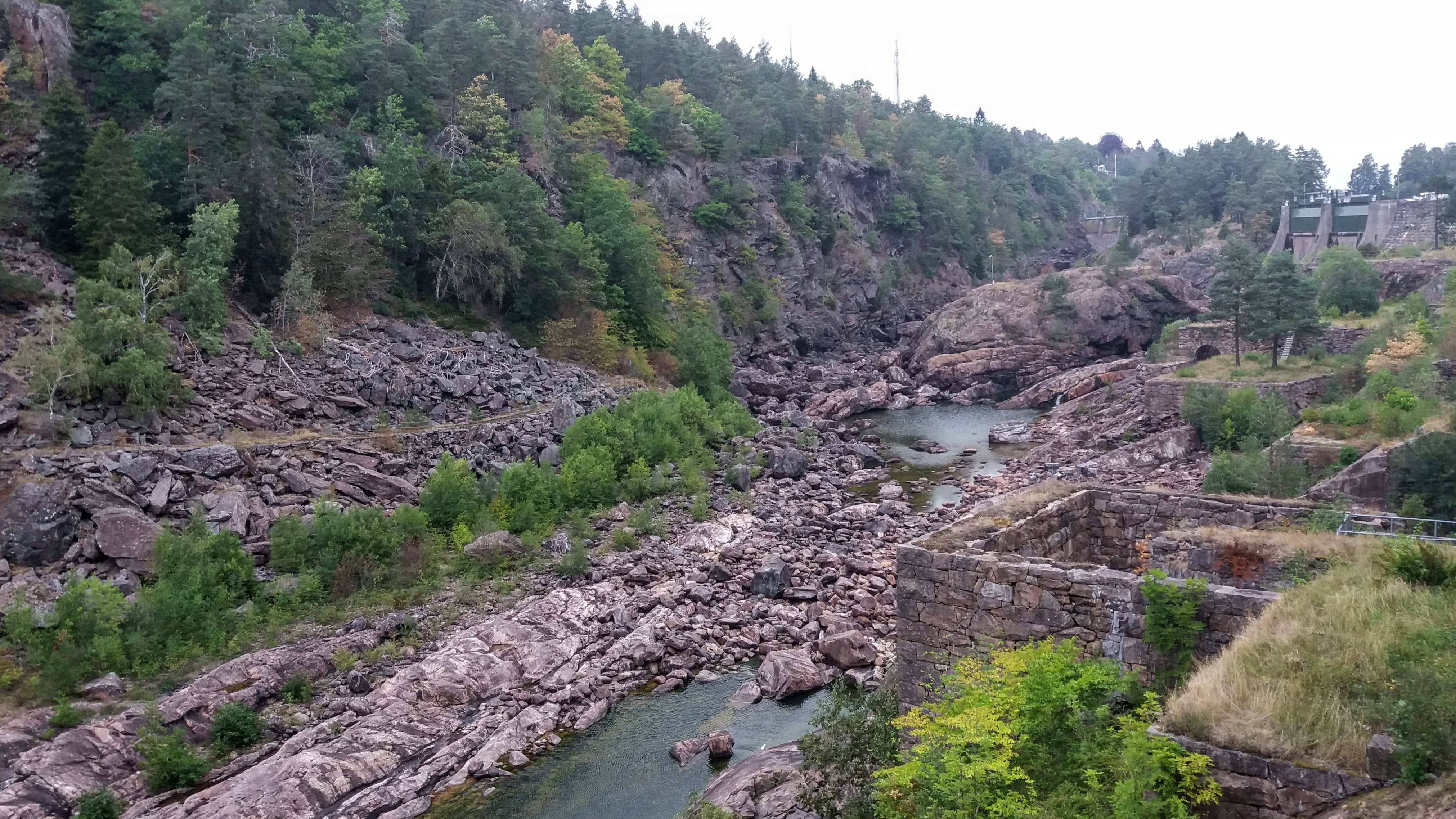
He gave me directions back the way I’d come and I tried following a little narrow road that ran down towards the river. This took me to a viewing platform and fishing spot below the power plant that was also very pretty but lacked any waterfall. At this point I pulled up the photos that led me here and started looking for landmarks. It was only then that I realized the tall dry wall of the damn dam was where the water was actually gushing from in these pictures. Lucky me, I found the only waterfall with an “off” switch. At least Sweden is insanely beautiful, and the view of the river gorge was worth stopping for even without any falling water.

20180816_190331

I made it to my Airbnb, a beautiful house that was out in the exurbs. The couple that hosted me had two delightful young children and were kind enough to let me do laundry while I was there. When I asked for some tips on local things to see, the wife suggested Marstrand (another island in the huge pile of archipelago, more north than any ferry would have taken me from Gothenburg, but along the same coast), and to drive some of the local scenic highways. Both sounded good to me, so I set off in search of Marstrand.

20180817_143405.jpg

It was a beautiful island, for sure, and I saw much beautiful scenery on the way, but Marstrand was highly developed and mostly filled with boat slips and marinas. Some of the most beautiful little bits of fjord were visible from the road, but there was no safe place to stop and admire them. I stopped off in a busy parking lot to re-examine my options and decided to visit one island north, the island of Tjörn.

Tjörn 

I don’t know what made Tjörn sound good, but it was. It was like a driving re-visit of everything I’d loved about my first day in Sweden. I stopped frequently for beautiful ocean vista photo opportunities, and drove as far out onto the tiniest of the connected islands I could get to, then walked out to the very edge of the land.

20180817_153327

It was filled with more of the tiny, delicate flowers and signs of life and whenever I looked out at the sea I was filled with an awesome sense of contentment. I sat there in the sun until I felt ready to go and drove on in search of lunch. Google Maps drew me to the Sundsby Gårdscafé where I could get a delicious local lunch and have a nice hike in the woodland nearby.

20180817_154245

Lunch was an enormous slice of smoked salmon, which I will never get tired of eating, along with some new potatoes and a generous slice of bread and butter. I mention the bread and butter rather specifically, because toward the end of my meal when I was the last person left in the outdoor dining area, I was joined by an unexpected diner companion who wanted to share my bread.

20180817_180127

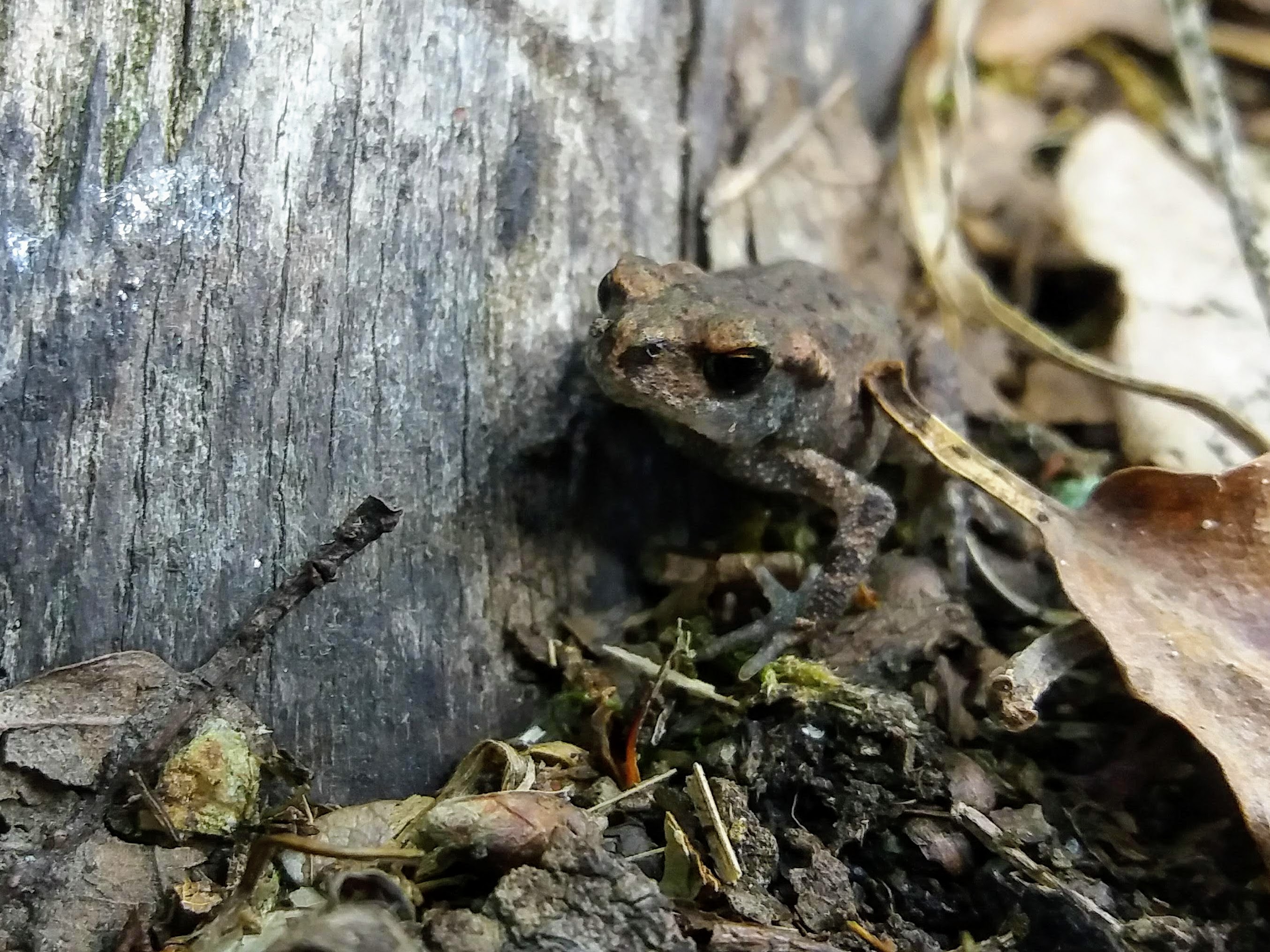
After I was completely stuffed, I walked off my meal in the woods. There were several paths of different difficulties and I opted for an easy walk that would lead me up to the 900 year old oak tree. The woods were a bit brown after the summer drought, but the recent rains had brought out the tiny forest animals in force and I got to see a little brown frog no bigger than my thumb and any number of slugs out for an evening constitutional. Driving back to my Airbnb, I felt like I had just had the most wonderful farewell ever.

20180817_183623

The next morning, I joined my hosts for breakfast. The husband was just home from a work trip in Australia and it was a big family meal with Swedish pancakes, which he was very surprised I’d eaten before. One of the few foods I knew about Sweden before I came! His were quite delicious, and I very much enjoyed being able to just chat with the family and share our experiences of our own countries and other’s we had visited. Meeting people is still one of the most amazing parts of travelling the world.

20180817_183844

Oslo & the Wood Burning Hot Tub

Norway was an odd experience for me. When I bought my plane tickets into Paris and out of Oslo, I thought I’d have my road trip in Norway. When I looked at the prices in Norway, I decided to do it in Sweden instead, but my plane out was still in Norway. I think if I’d known how much I’d love Sweden, I might have planned things differently, but when I was booking buses and rooms, I thought I’d like to at least look at Oslo if I was going to pass through.  I was wrong about that.

However much I looooved the road trip in Sweden, after 7 weeks of travel I was getting very worn out. Even amazingness takes energy. Olso being super expensive, I reserved an Airbnb out on a nearby fjord peninsula called Nesodden. It was much more affordable, there was an inexpensive ferry that ran until about 3am to Oslo, and the hostess advertised a wood burning hot tub as one of her amenities. Sitting out on the fjord in a rustic hot tub looking up at the night sky seemed like a pretty good deal.

20180819_115512

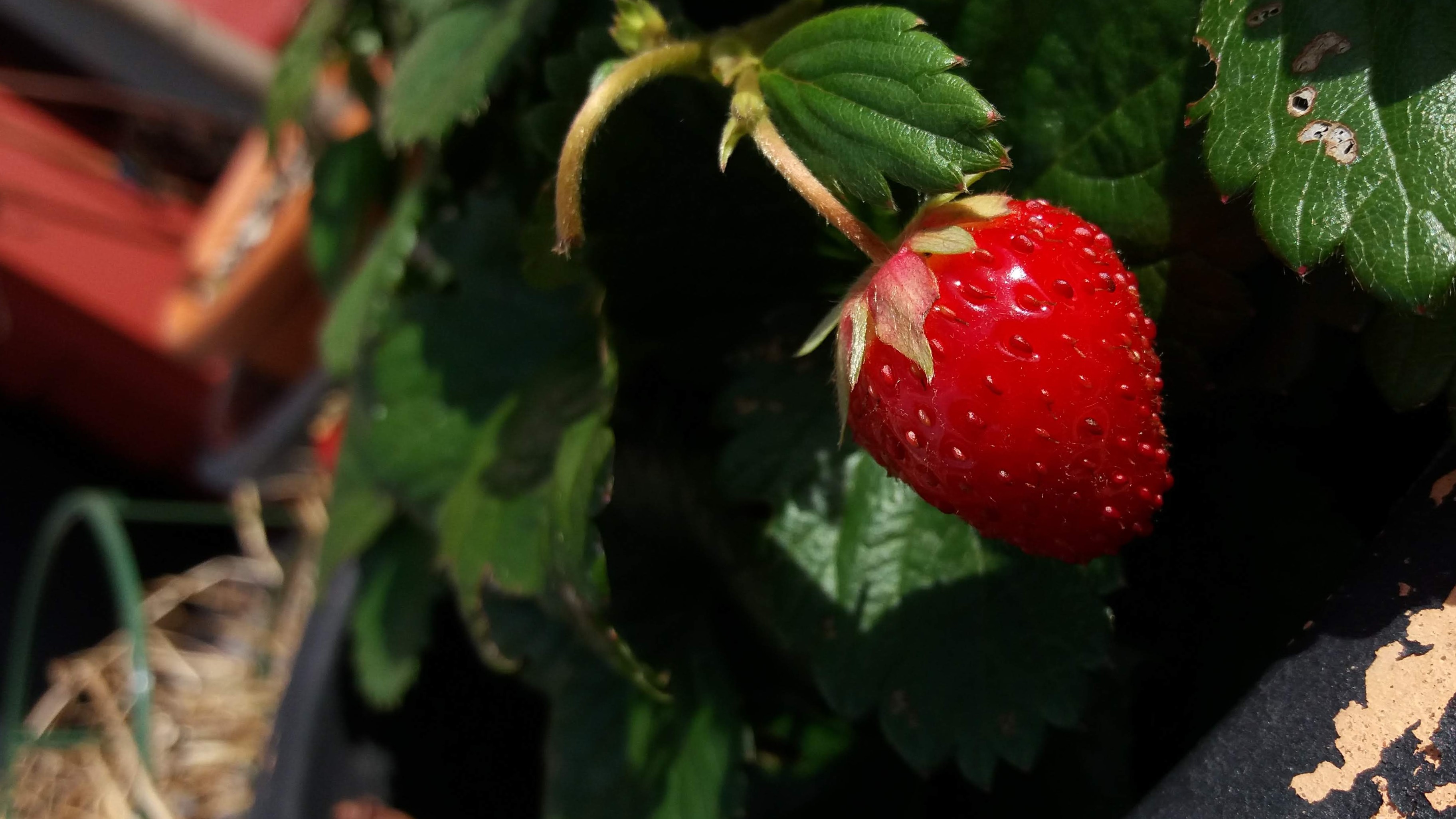
It was a little awkward getting to the house, and only slightly awkward getting in. My hostess was on her own vacation, but there was a lodger in a side cabin who was able to help me find the key box. The house was nice, but simple. The water in the tap was not drinkable, so there was a large fresh water bottle available. The decorations were cute and witchy, and the garden was pretty with some ripe strawberries waiting to be picked.20180819_115155

In my mind, I was going to take that ferry back out to Oslo the next day and do all the sightseeing, but when I actually woke up I realized that I had no desire to move at all. Not to mention, I had no idea of how to deal with the transit since I had zero Norwegian money on me, and the bus ticket app wouldn’t take my foreign credit card. The whole thing just seemed like too much to deal with, and I had enough groceries left over to keep me going so I just stayed.

After a few hours of lounging around, I decided to investigate the hot tub. It was a bit warm to use it in the afternoon, but I knew by evening, it would be perfect. The instructions on using the hot tub warned that it would take a couple hours to heat the water, so I wanted to be sure and start earlier rather than later. Then I discovered the hot tub was empty.20180819_114126

I wandered all around looking for any sign of how it was meant to be filled. I found the draining mechanism, but nothing that looked like an “in” flow. In the end, I had to go back to the neighboring lodger for help, but she didn’t really know either. We decided to just use the garden hose. Sure the water isn’t drinkable, but it’s safe for skin. In any case, before I could fill it, I had to clean the whole thing. Despite the cover, it was coated with a film of dirt, dried leaves, and random dead insects.

Once it was clean(er), I plugged up the drain and began to fill it. The water was… very brown. I had used the hose to clean it, but only a splash at a time, and I had assumed the brown-ness of the puddles was because of the dirt in the hot tub being washed away. Maybe some of it was, but the water in the garden hose was actually pumped up from some local lake and was not filtered!! The hot tub looked intensely like it was filled with tea.20180819_170729

I debated while the tub filled and decided that I swim in the ocean and in lakes without hesitation, so why should a lake-water filled hot tub be any different. It took a long time to fill the whole thing, and I prepared to start the fire up before it was all the way full, but then I couldn’t find the wood! There was a sign inside the house that gave directions about firewood being “on the other side of the house” but since the sign itself was on a door in the middle of the living space separating the kitchen from the bedrooms, I had no idea what “other side” meant. I found a little wood near the hot tub, it looked like the remains of the last bag used, but not enough to heat all that water, and so one more time, I went to the neighbor for help.

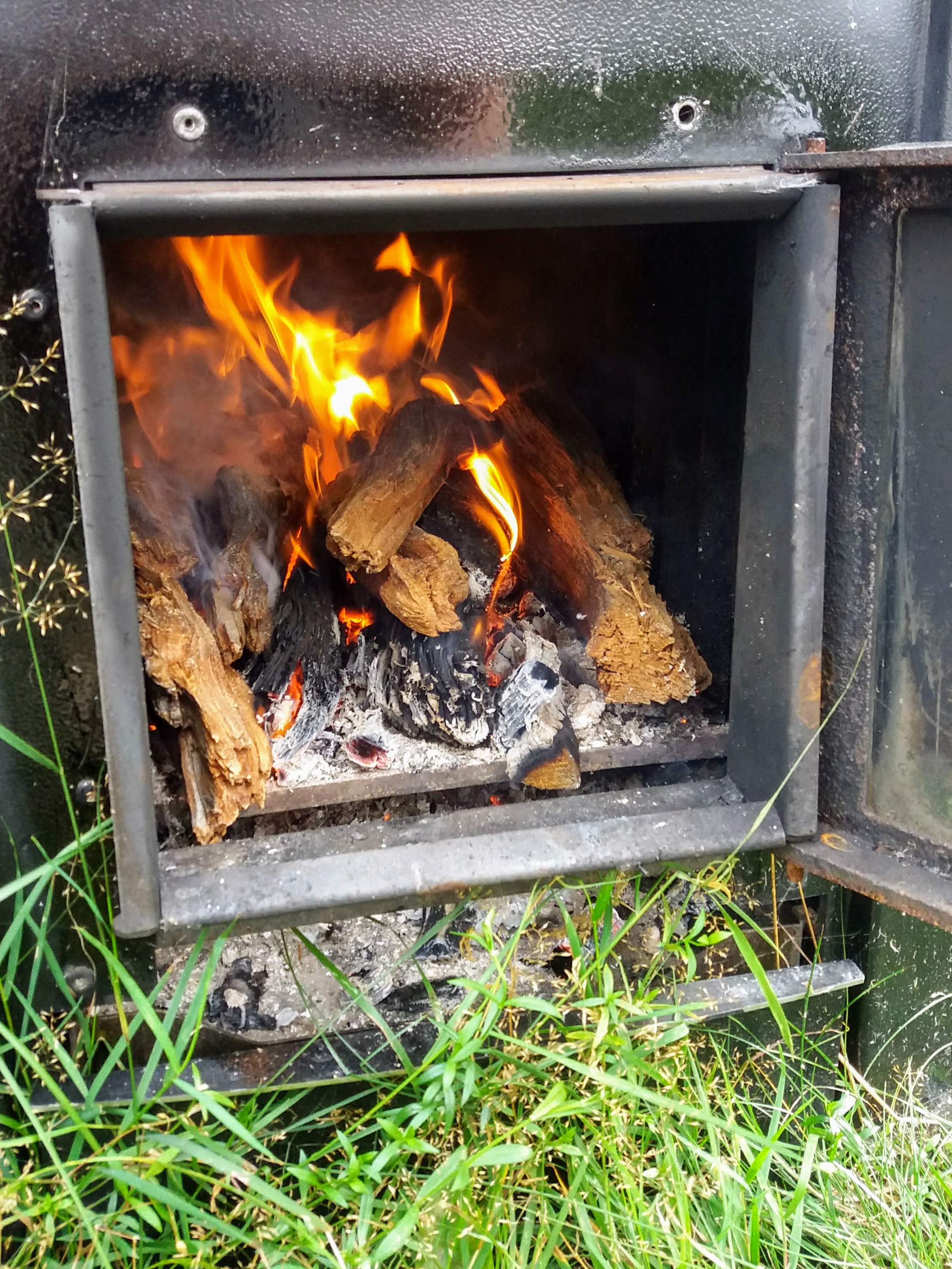
The wood turned out to be near her house, and was on “the other side” from the hot tub side. The oven in the hot tub would not hold much wood at one time, and the wood burned very fast. I had to return again and again to reload it, and one time the fire was reduced to a few smoldering coals because I waited too long between visits. I’m not sure where the 2 hour estimate my hostess left comes from, perhaps if one spent the whole time constantly feeding the fire to it’s maximum? It took me a bit longer.20180819_170707

I spent just about my whole day managing this hot tub experience, and as the sun began to set, it was finally ready! While I was soaking in the blissfully warm water and enjoying the last of the sunset, a timid little deer came into the yard after some of the fallen fruit, but she ran off before I could take a picture.

Once I was settled in, it was a very lovely experience. The smell of the wood-smoke mixing with the air of the sea and the fresh clean forest smells from the woods behind the house. I got in and out several times as I became too warm. The house was secluded from the road and the neighbors and I had to get on a plane the next day, so I didn’t bother with a swimsuit, although I did keep a borrowed robe nearby just in case. It felt wickedly decadent to soak naked in the outdoors and I enjoyed dipping in and out for several hours until the sky was black and the stars were out.

20180819_210117

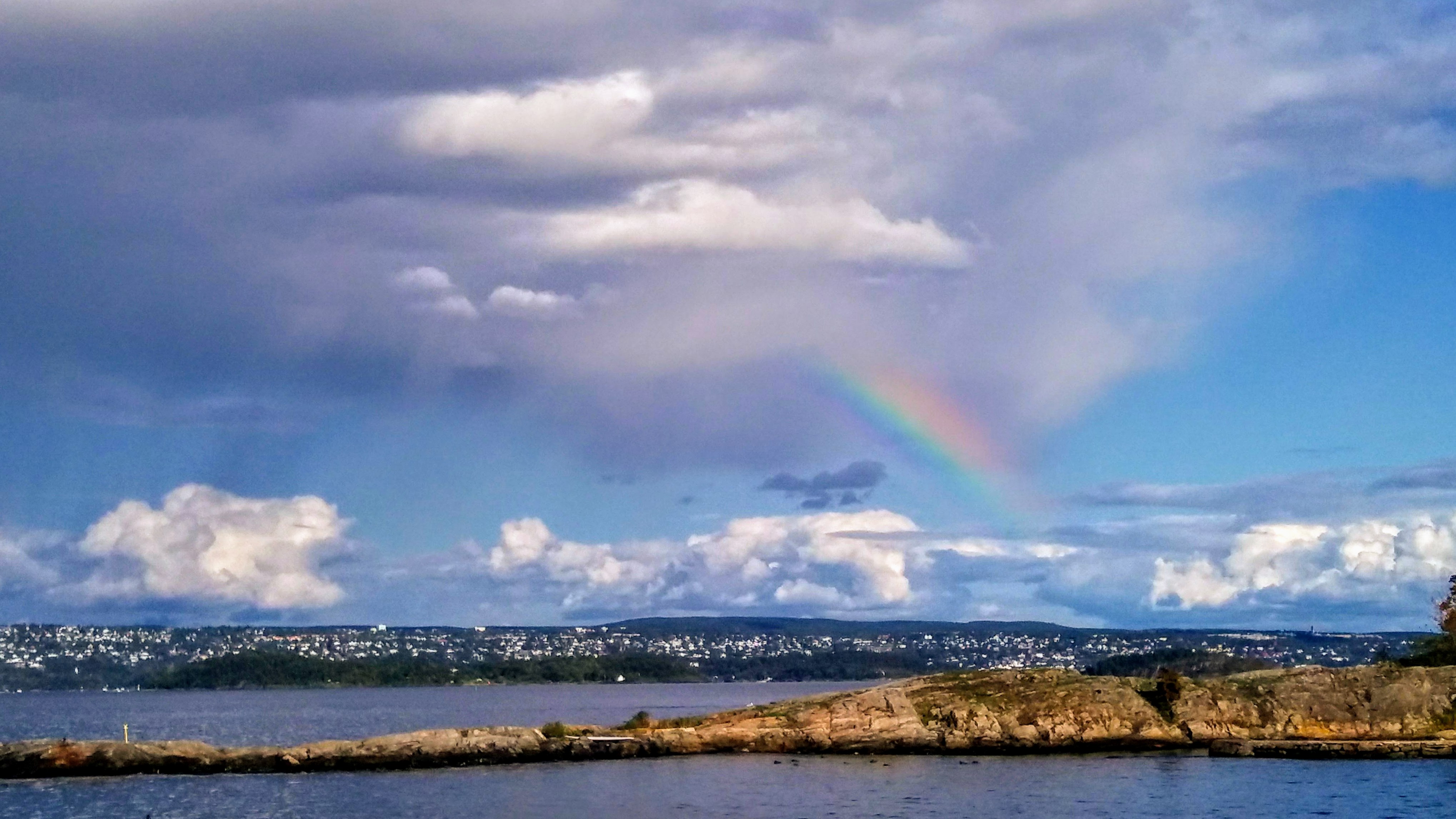
The next day, on my ferry ride back into Oslo to catch my plane out, a beautiful rainbow appeared from the fluffy clouds to see me off.  There is no doubt in my mind that the Scandinavian peninsula is one of those places I’ll want to return someday and get to know a little better. I’m grateful that this ending of my long, and often fraught summer holiday travels were so beautifully magical.

20180820_172705