My last week got overrun by more vacation planning and I didn’t really have time to do much writing. However, since I’ve turned my gaze once more to the fun fun prospect of organizing my next international adventure, it seemed like a great time to share my process with you.
 Plan? That sounds like WORK! Isn’t a holiday supposed to be FUN? Yes, but if you want to maximize your vacation time and money, taking the time and effort to plan ahead makes a world of difference. Unless you’re rich enough to just hire someone to plan the trip for you (and even then, finding the right tour company is important too!) you need to commit to planning. The time-money-quality triangle applies to everything, even holidays. The more time you put into the plan, the less money you need for high quality results.
Step 1: Find Your Holiday Mission Statement
Planning a trip doesn’t start with booking a hotel and flight. There are some pre-trip questions you should really think about before any web searches or bookings take place.
How do you want to feel?

One of my friends loves laying on the beach with a book for days on end, but that sounds boring as heck to me after about 3 hours. Neither of us is right or wrong, but we want different things from our holiday. It’s important to know what your goals are, it’s kind of your vacation mission statement. From then on, any time you’re faced with an option or choice you can check to see if it matches your mission statement. Much like for a business, a vacation mission statement works best when it’s as specific as possible, while still being brief.
What you want from your holiday? Leisure? Adventure? Food? Shopping? Change of scenery? Nightlife? Art? History? Be pampered? Get dirty?
What do you want to see?
Decide if you’re having a destination holiday or an experience holiday.
Destination holidays are those where you want to see a specific place like Rome or the Pyramids. There are awesome things everywhere in the world, but there’s only one Rome. Destination driven holidays should be more focused on off-season travel to maximize savings and also to avoid the high-season crowds.
Destination driven holidays also need to think about weather as well as expenses. My favorite Thai island is closed 6 months of the year. Last fall, I had to find a different magical island getaway. My friend wants to go to Egypt and for a minute she thought she’d go in the summer break until I showed her the weather reports that include regular temps in the 40s (C). Now we’re going in February.
Experience holidays are ones in which you first consider your time off, and then see what’s having an off season sale that you might be interested in at that time. Sometimes, you can’t help but go to the popular place at the popular time. Work and school schedules are not always cooperative, but it is worth considering what else is available.
How long do you want to go?
Long weekend? 10 days? A month? There are vacations for nearly every length of time. Bear in mind shorter times should focus on one or two main activities in a single place with minimal travel.
The less time you have in one place, the more detailed the planning needs to be. You might be fine spending an afternoon getting lost in town or just sitting at a cafe people watching if you have several days to spare, but if you get lost on your only day to do/see THE THING you’ll be really sad.
How much do you want to spend?
There are places in the developing world where you can book a luxury resort for 300$ a week (I did that in Egypt), places where you can eat amazing gourmet food for 25$ a meal or less (China and the Philippines for sure), there are places where a beer is 0.50 cents (Prague!) and places where a beer is 8-12$, places you can get a private room for 5$ a night with breakfast included, and others where a room in a dorm (sheets not included) costs 40$.
Don’t worry about the cost of individual things at this point, just think about how much you are willing to spend per day on average (take your total trip budget, subtract airfare, divide by the number of days you want to travel). Once you know your budget, you can check it against other travelers’ experiences to see if it’s enough for the place you’re dreaming of. I find that a lot of the blogs for backpackers are decently accurate for minimal daily expenses, and that the cost of living websites are more accurate for “family vacation” style spending. Most of SE Asia is 30-40$ a day for good times and EU is 80-100$ a day if you’re frugal. (post-COVID edit: I found in 2024 that these prices have gone up considerably, but you can still do a lot in SE Asia for 40-60$US/day, and in EU for 100-150$)
Who are you going with?
Discuss the practical things – I almost forgot this one because I’m so used to travelling alone, but it is important. Not only do you have to ask all the previous questions of your travel buddies, you also have to think about room sharing (my mother snores so loud I’m not sure how that’s going to work when we travel together), as well as age or ability limitations (meeting my friend with a 3 yr old last summer, I had to think about 3yr old human needs). Travel buddies can be great company and help save money on things like renting a car or a room when you can share, but it’s a compromise on location and activities.
Be upfront about your goals and expectations – If possible, try to pick travel buddies who share your travel goals and habits. If you can’t do that, discuss them in advance so you have a way to handle when you want different things. It is so easy for a holiday to turn into resentment when people are tired, sunburnt, hungry and didn’t get to see/do the thing they wanted. If you are travelling with people who don’t share your goals, make sure you’re both ok splitting up sometimes so that no one’s feelings are hurt when you want to do something different.
Make time for each other – I don’t just mean plan with them, I mean that they need to have a place on your itinerary. What will you share together other than the hotel room? It’s almost impossible to make another person your top priority when you’re going on a (probably expensive and unique) travel experience, but it will help if part of every day is focused on each other more than the sites, even if it’s just one of your meals or a drink before bed. This applies to anyone, not just a romantic interest or spouse, but family, friends, and acquaintances.
Step 2: Accommodation and Transit
Wait! All that was Step 1??? Yes, but it’s not as bad as it sounds. Step one is mostly thinking, and a little bit of research to help you get the answers to those questions. Don’t skip it, though, because you’ll use those answers to shape everything that comes next.
The Flight
The flight is the biggest purchase you’re going to make and it defines the rest of your holiday. I think of it as the spine of the vacation.

For a destination trip (or once you’ve decided your experience locations):
The flight search matrix used by Google is a great way to be able to see all available flights between to airports. Websites like Travelocity, Priceline, Expedia, and Kayak ALL use the matrix to search. It’s faster to go directly to the matrix instead of comparing 20 websites.
For experience vacations (or to narrow a list of potentials in a specific area):
You can look at a website like Kiwi.com to search “Anywhere” and see the cheapest flights during your holiday time, or you can search by country, or you can use the map function to just scroll around the globe and see where cheap prices are. I love this for wanderlusties who find themselves with time and money restraints because there’s always something awesome at the other end and discovering can be fun.
(post-COVID edit: although many 3rd party airfare websites still operate, I no longer recommend them for anything other than research. Issues with delays and missed connections are becoming more and more common, and the best way to make sure you will get help is to purchase your fight from the airline directly. It might cost a bit more, but I assure you that it is worth it when things go wrong.)
My trip to the EU was I’d say 40% destination 60% experience. I wanted to go to north Europe, I was less picky about the specifics. I looked around at prices and noticed that CDG is cheap and convenient to fly into. I could have opted for round trip, but it would have meant making my route a circle or doing a long backtrack and I wanted to get at least one Nordic country in on this trip. I did a quick check on some sample bus prices (like Paris to Amsterdam, Amsterdam to Oslo) and decided I could do it. Thus my return flight airport was decided, and I went over to the Matrix to find the cheapest flight. I got a ticket with Russian airline Aeroflot through Moscow for under 1000$. The cheapest options on flight booking websites were 500-700 more.
Conversely, my winter holiday is far more destination driven. It’s going to be much harder to find such a great deal. I originally wanted to do Morocco, Israel, Jordan and Egypt (my friend is joining me for Jordan and Egypt). I haven’t found the perfect ticket yet. Kiwi thinks it will be around $2000 to fly Korea to Morocco to Jordan to Egypt and back to Korea. It IS a lot of flights, but I hold out hope that several hours of testing options on the flight matrix will save me a few hundred dollars.
Search nearby airports – Flying one airport and then taking a bus or train out to a cheaper destination could save you hundreds of dollars. It’s worth comparing airports, and checking the price and timing of the ground transit before you buy, just to be sure. I don’t recommend this for short holidays (less than 3 days), but the longer your holiday is, the more worthwhile this becomes. In New Zealand, I flew in and out of Auckland even though I didn’t want to do anything in that city. In the Philippines, I had to fly into Manila, sleep in a little airport hostel, then fly to Bohol the next morning.
Choosing Your City/Cities

Destination vacation people will have done this step before buying plane tickets.
Experience vacation – “I’ll just see what’s there when I land” is not a reliable recipe for a great holiday. It’s a little like the lottery. Stack the odds in your favor and read up. Even if you think you know where you’re going, it doesn’t hurt to read about your destination on something other than Trip Advisor and Lonely Planet.
In the winter of 2016/17 my destination was “the Malay peninsula”. It looks small on a map, but it is big on the ground. I almost ended up missing out on Koh Lipe because Langkawi has been famous longer. Reading more sources gave me more options, and better information to make my decision with.
Read the blogs – Find some bloggers who share your holiday mission statement. It doesn’t do me any good to read bloggers who love to bike across Europe because I will not be doing that. Ever. I found a blog that talked about running tours of cities and nearly fainted from thinking about it. Find unique bloggers who share real details. Mainstream bloggers like Nomadic Matt are fine for finding out the basic details and some run off the mill travelling advice, but for my taste, when I’m trying to decide where to go, I need the atmosphere, the mood, and the experiences of someone like me.
Check the local transport options – In addition to attractions, hotels and ground transit can shape your city choices. If you’re going to places with good public transit, it’s easy to land in one place for a bit and then move to another hub. If rental cars are cheap, you might consider driving around some of the rural parts of your chosen holiday spot.
Move at least once a week – Happiness experts say that the shiny new vacation smell wears off after about 7 days in the same place. I like to change cities at least once a week, but if you want to spend your whole summer in the Maldives laying on the beach, it’s still a good idea to break it up by moving to a hotel on the other side of the island or taking a weekend to explore the mainland. After 7 days, things become a “routine” and the mental mood boosting benefits of vacationing begin to taper off sharply. Relaxing holidays will tend to move less, while exploring holidays will need to move more. How much more often than every 7-8 days you move will depend on your goal.
Finding Accommodation
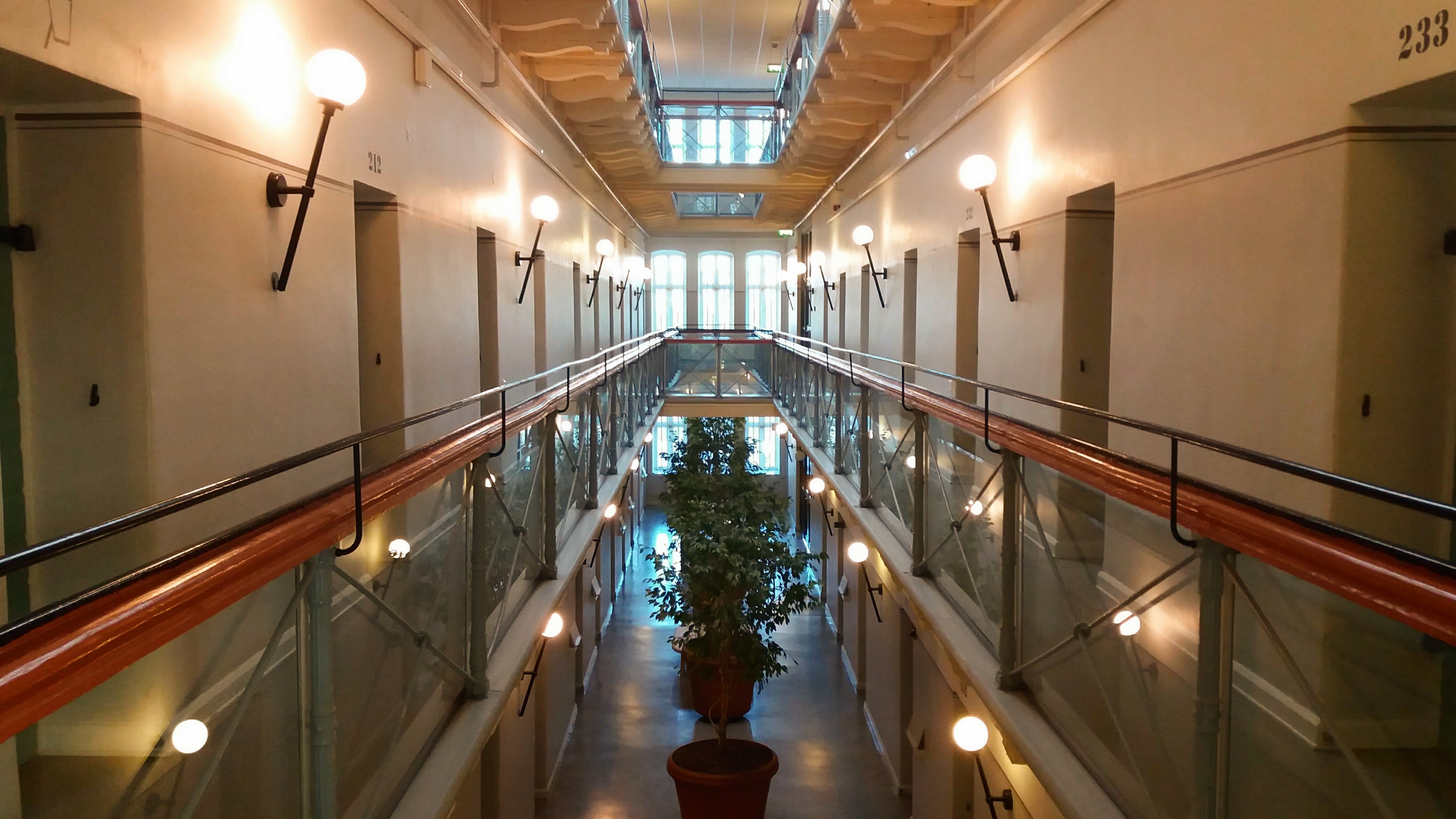
Don’t stay anywhere you don’t feel safe or can’t get good sleep. It’s not worth saving money if you’re stressed or too tired to enjoy the next day’s activities.
Do try to minimize your accommodation costs unless the resort itself is the center of your holiday (which is fine, private beaches are dreamy).
Shop around – It’s good to have a range of search options to keep your prices down. I like Airbnb and Booking.com the best, but I’ve been known to poke around Hostelworld. Sometimes I’ve just made email arrangements because I’m traveling to the back end of nowhere. Most of these places give discounts to non-cancellable reservations, but if you want to maintain flexibility, its a good idea to book places you can change later in case you find something better or change your plan altogether.
Beware hidden costs – Things to think about besides the room price: are any meals included? Do you need parking? Do you need a shuttle service? Will you need laundry service? Is it close to public transit? A great room price can be ruined if you have to pay 20$ a night for parking, if you have to walk a mile to the bus stop, or if there’s no place to eat nearby (this happened to me once in Korea and my hostess, bless her heart, fed us, but it was embarrassing!)
Location, location, location – When booking my rooms, I’m typically going back and forth between the booking site, a map of the region, and some travel blogs. Sometimes the map will show me something interesting because Google does that now. Sometimes the hotel will mention famous nearby sights to check out, and always travel bloggers will tell you about their own experiences there. I spend ages staring at maps, reading blogs, and looking at the map function of the booking website of your choice. It can show you the prices of a large geographical region. Sometimes I find great prices and realize I don’t really want to GO to that place so it’s useless.
Quality is subjective – Reading reviews of accommodation is tricky. If the person leaving the review has a different set of values and expectations than you, their review may not be helpful. Don’t just look at stars. Look at how many people reviewed something. A 4 star rating from 200 reviews is better than a 5 star rating from only 10 reviews. Read the things people liked, but also read what they didn’t like. Are those things important to you? Can you sleep in a room where you might see a rat to save $$? Do you HAVE to have A/C? Do you want to meet other guests or have more privacy? What is the standard in that country? I found that a 2-3 star (of 5) rating in developed countries is equivalent to a 4 or 5 star place in developing nations.
Prioritize – For me, feeling safe is #1. I don’t like to stay in co-ed dorms if I can avoid it, but female only dorms are often more expensive. I also won’t stay in a place with all men (one or many, I don’t do it unless there’s a female in the house). I’ve learned I can sleep just about anywhere for one night, but I prefer a single room, or a women only dorm in a clean place in a non-party part of town (I do not like hearing people throwing up from being drunk while I’m trying to sleep). I also look for transportation options (parking if I have a car, bus stop if I don’t).
Things like lux decorations, pools, spas, and services are less important to me, but you need to know your own priorities. If you want to party all night, stay in the party zone. If you can’t enjoy yourself unless you’re staying in the Marriott, then increase your budget or pick cheaper parts of the world where those resorts are affordable. Sharm el-Sheik in Egypt is great for that. You can stay in fancy beach resorts for a fraction of the cost of other countries.
Local Transportation

Minimize travel time – I’ve seen tourists travel for hours to reach someplace and look for 15 minutes, take a few pics, and then get back on the bus. I don’t understand this method of travel. I think transit should be minimized. I don’t like to spend more than 4 hours a day in transit (except the flights in and out). It’s not always possible, but it is important. The comfort level of your transit is also important, as I learned in Thailand. A 3 hr bus ride in a plush comfy air conditioned seat is much more tolerable than a 3 hr ride in a cramped, hot, minivan.
Travel in your down time – In EU this summer, I traveled on Saturday so I wouldn’t have to fight weekend crowds at popular venues, and I used them as rest days where I could just relax and travel from one place to another. On shorter trips, I like to do intercity transit early in the morning or last thing at night. If you have to go a long way, it might be worth looking into sleeper cars. When we were in China (a huge landscape) we did that a couple times and skipped out on hotels for the 8-10 hour train rides overnight.
Research the details – If you’re going in the off season, you can probably buy tickets the day of your travel, but in the high season it’s best to make reservations. Look at the time tables and make sure you can get to the bus/train station on time. Compare the bus and train costs. I found that taking the bus around France and Holland was great, but that in Germany the train was cheaper. I took a bus from Singapore to KL, but a train from KL to Ipoh.
Look at alternative travel options – Sometimes local flights can be more efficient and cheaper than bus or train. Sometimes there are even boats. Which I love. I took a ferry from Jordan to Egypt last time I was there. It was not any cheaper than flying, but it was a much cooler experience. I also had to take a boat to get to Koh Lipe and back since there are no airports on the tiny little island. Now that I’ve been, I know I probably could have bought my ticket when I got to the port, but at the time I had no idea how full it would be so I made sure to book online.
Check the reviews – In some cases you won’t have choices, but when you do it’s best to check and see if you can find a picture of the fleet that is NOT on the company website. I thought the boat to Koh Lipe would be like the ferries I’m used to where we could go up on deck and with that in mind, I was looking into a 3 hr boat ride. When I read more and realized that the Thai ferries in the region are all very restrictive and make passengers stay seated below decks, I opted for the shortest possible ride instead.
When in Rome – Not literally, but when it comes to getting around, it’s a good idea to see what locals do. I did so much research on inter-city transit to get from one place to another, I neglected to pre-research city buses to learn how to get around once I was there! It turns out, every one is different and it was a huge source of stress for me last summer. How do you use the bus/tram/metro system? Do you need a bus pass? Where do you buy tickets? Does it cost more to buy one at a time or get a pass? Is the tourist pass worth it? Don’t assume it will be easy to figure out when you get there… it won’t be.
Step 3: The Details
Now you have your cities chosen, your hotels booked, and a solid idea of how you’ll get around. Time to narrow your focus and figure out what you’ll do in each location. Show up and see what happens is not a strategy that works for most people. It seems very romantic, but most people find they end up sitting around on Google trying to do the research they should have done before they arrived.
Brainstorm
Write a list – Just make a list of names of all the places you can find where you’re going. Websites like Trip Advisor and Lonely Planet come in handy at this stage. They are great resources for building a basic list of things to see. They are a bit limited to the most popular tourist attractions, however, so try adding something like Atlas Obscura to your search.
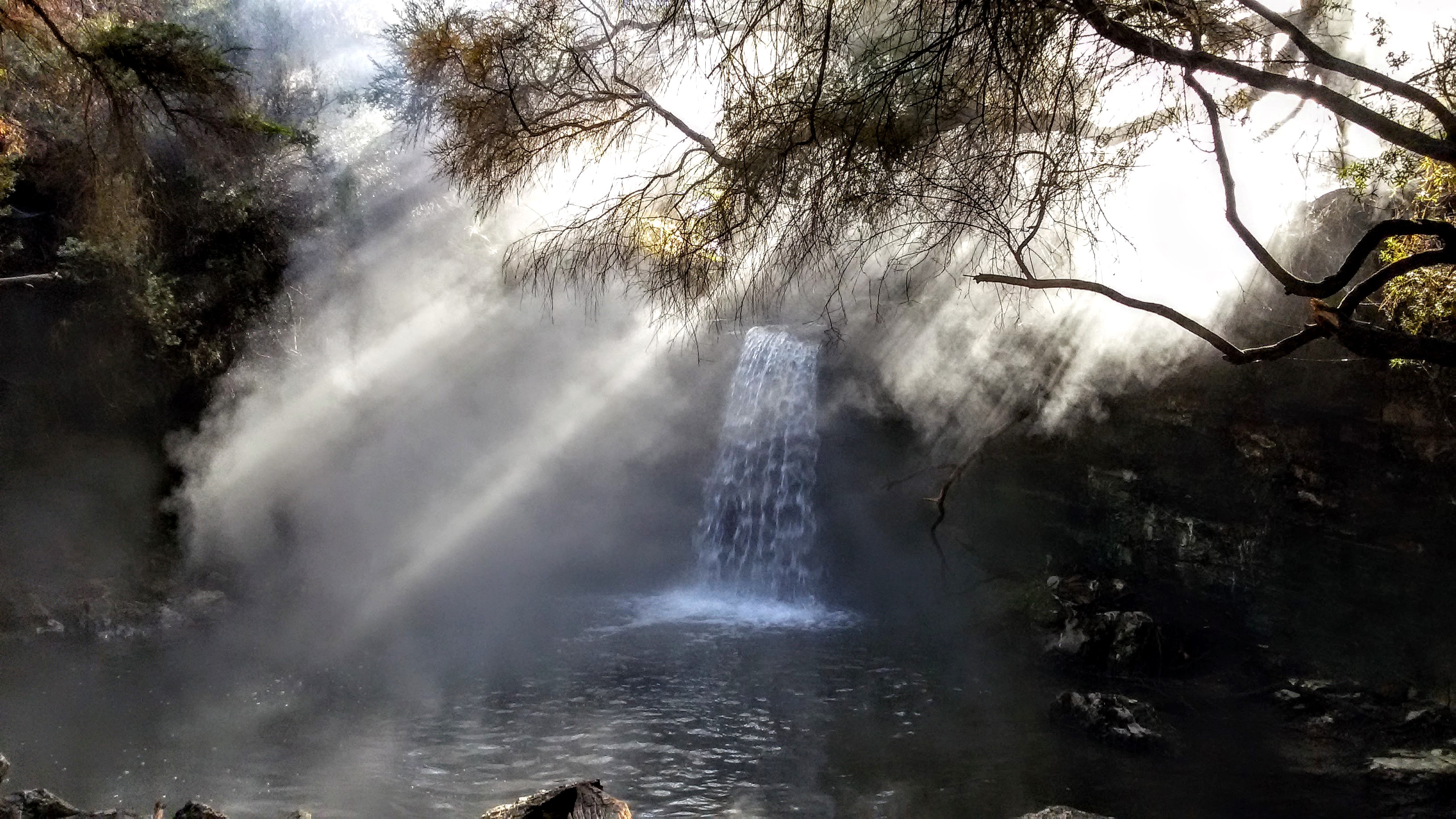
Dig deeper– For more unique travel opportunities, check travel blogs and Facebook pages and other types of social media from smaller voices to see what isn’t being seen by the big famous travel sites. I found a magical heated waterfall in NZ this way. I’ve learned about unique food in tiny restaurants, and the less famous but just as beautiful temple or church next to the one full of tourists. You get beautiful memories and you often get the place mostly or even all the way to yourself. I can’t provide links because each blogger focuses on different places and experiences, but if you type the name of the place + “blog” or “travel blog” you should get some decent results.
Check the map– Once you get a list written down, you can start searching for what’s near them geographically. Pull up the Google Map and see what pops up next to your famous site or on the route from your hotel to that site. Read more blogs about people who went to a famous site and see if they did any side trips. I had a side trip for buffalo ice cream on my way back from a famous site in Bohol. Local water-buffalo being milked for ice cream… that’s a unique holiday experience.
Expand your search – If you’re staying in one hotel more than 3 days (it hardly ever takes longer to see the highlights of one city, although of course you could explore a single city for years and not see everything, many people on holiday like to maximize experiences), you can look at day trips from the city you’re in. Can you do a tour to a nearby natural reserve for hiking, kayaking, fishing, etc? Can you get a bus to a neighboring city and see their sights? I found an amazing spa in Aachen Germany about 2 hours away from my hotel in Lanaken Belgium.
Read until your eyes blur – Keep adding things to your list. Make your list as long as you like, don’t worry about all the details of each place yet, this is the brainstorm phase. Anything that sounds interesting, put it on the list.
Edit the List

Location, Location, Location – things that are close together can be done on the same day, while things that are far away, not on the public transit line, or not near anything else cool might be cut from the list. I had the Tower of Eben-Ezer on my list, but when I realized how far out it was and that it would take me hours each way without a car, I reluctantly took it off the list. Other times I’ve gone to a place I was only semi-interested in because it was 5 minutes walk from my primary stop and had a great experience.
Timing is everything – Check the days and hours of operation, and the price. If it’s not open when you’re there, if it conflicts with something you want more, if it costs too much, cross it off the list. Do you need to book in advance or can you buy tickets at the door? How long is the line? Many attractions have “skip the line” tickets that let you save time. When we went to the Catacombs in Paris, the line was 3 hours long. We had skip the line tickets and got in with only about 5 minutes wait. I completely failed to buy my Kremlin tickets ahead of time, and had to choose between standing in line and seeing the Kremlin or doing literally anything else in Moscow that day.
Read the reviews – Read reviews, look at pictures, visit the website. Look beyond rating and see what people are saying. Are the things they talk about important to you? Does this seem like something you’ll like? More than once I’ve declined to visit a city’s most popular tourist destination because it just didn’t seem that interesting to me.
Prioritize – Your list should be divided into “must see” and “see if there’s time”, with a side of “bad weather options”. Make sure you have no more than 50% of your list as “must see”. Even after editing out all the places you can’t get to, can’t afford, aren’t open, or aren’t interesting, the list should still be huge, and contain more things that you can actually do in the time you have because you might need to change something based on weather, unexpected closures, illness, or random acts of gods.
Step 4: The Schedule
It’s a good idea to have a schedule, as long as you know that it will change. I don’t want to spend my precious vacation time thinking about what to do each day. Sometimes I write detailed schedules down to the half hour, other times I make “day itineraries” grouping nearby activities together so I can wake up and say, ok today I’ll do itinerary 3.
Booking in Advance
Use your priority list and start with things on your “must see” list that require (or strongly suggest) advance reservations. Once those are filled in, you can start adding things that have variable times and things from your “see if there’s time” list.
Visit the website – Almost all of them have an English page and will tell you how important it is to buy tickets in advance. Some places don’t even sell tickets at the door.
Don’t Over-schedule
The temptation to squeeze sightseeing into every moment of the day is strong. Avoid it. A single event or a bike/walking tour that lasts 2-3 hours is a “half day” event (2 per day). Anything more than 5 hours is an “all day” event (1 per day). I can’t make you slow down, but thousands of travelers over several decades agree that seeing fewer things, but experiencing them more fully is a more satisfying experience.
Make time for meals! Oh man, the number of times I’ve ended up not getting food because I’ve been so busy looking around. It’s a tragedy especially if you’re travelling anywhere with good food… soooo basically everywhere. Street food is awesome and should be tried, but you need to sit down and rest too.
Organize by geography – When I was in the Philippines, I had itineraries that could be done on any day, as long as the items were done as a group because they were all close together. You can sneak tiny things into a day this way. If there’s something that will take less than an hour quite close to one of your half or all-day events you can work that in without killing yourself.
Time is a Gift – You look at an itinerary like this and you think, OH we’re wasting so much time, but you are not. You are giving yourself a precious gift. Now you have time to get lost, to explore, to check out that cool thing on the way you didn’t know about, to stop for an ice cream or coffee, to meet people along the way.
Be Prepared to chuck the plan – If you travel with an open eye and open mind, you’ll also find new and interesting things along the way. Sometimes it’s meeting people who invite you along, sometimes the concierge or Airbnb host tells you about a local secret, sometimes you just walk into a wine festival in the park (true story, happened to me in Prague). You want to be able to make time for these things, and in order to do that you need things you can move around in your itinerary.
Step 5: Organize Your Documents

Gone are the days of having to print our whole holiday itinerary and carry them around in waterproof document cases! Yes, people did that. Sometimes I still see older couples doing it. I’m not saying it’s a bad idea, and if you’re not going to be around computers or the internet, it’s VITAL, but now that we can store everything in the cloud, we can access schedules, booking details, and vouchers with our phones!
At a Glance – There are countless apps you can use to organize your itinerary, but be sure you get one that is easy to read at a glance. You’ve seen my color coded spreadsheet that shows a calendar where I put the things I’ve scheduled and bought tickets for, but I also use something like a Word.doc for the list of things I can do more or less whenever that includes addresses, websites and phone numbers I may need, and any itinerary groupings.
On the Cloud – I make a dedicated folder in my cloud storage for all vouchers and receipts for everything I bought online from hotel reservations to museum tickets for each trip. I filter all my emails related to the holiday into a dedicated email folder for easy reference. I also keep photos of my critical documents. I know not everyone is comfortable with this, but if you lose your passport or ID, it will be easier to show your Embassy a picture of your missing credentials so they can help you faster.
Offline – If you won’t have data or internet when you arrive you can also download the documents you need to the phone’s storage. Some strange places in the world are still requiring printed vouchers/ tickets, so double check when you make reservations if you can use the pdf or email as proof or not.
What is all this for?

Planning a holiday can certainly be fun and help you build anticipation for your upcoming adventure. However, it can also be a lot of work and there are days when you’ll want to throw the towel in and just wing it when you get there. Trust me. Don’t.
All of this painstaking work helps make sure you get to see the best your holiday destination has to offer you.
- make sure you don’t show up to a venue that is closed or sold out.
- minimize transit time by grouping your events together.
- maximize your bucket list by prioritizing only one or two things a day.
- have enough time to do everything and a way to stop and rest as needed.
- alleviate the stress of where to go and how to get there while you’re jet-lagged and culture-shocked.
- explore organically by leaving a little extra time every day that could be filled or changed as needed.
I hope your next adventure is everything you dream.
Happy Travels!

 nd headed over early so I could snag a parking spot and some breakfast before the shops opened. In the States, Outlet malls are often far from the cities or even the suburban sprawl and exist as sort of concrete islands in what is otherwise quite unattractive farmland. Imagine my surprise when the GPS led me to an adorable little neighborhood, streets lined with tiny cafes, boutiques and thrift stores. Onehunga is adorable.
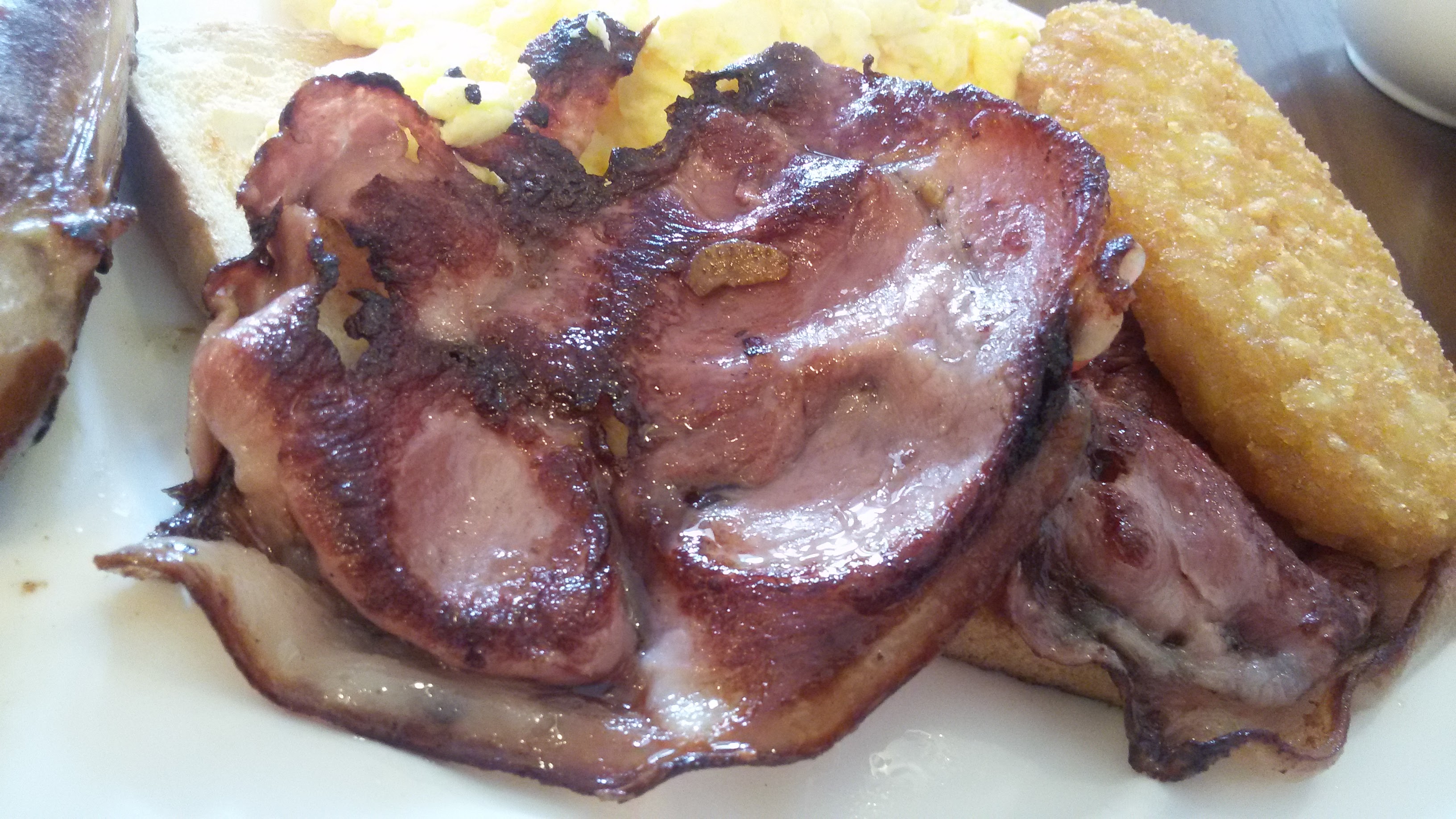 combined and explains why it both looks and tastes like US bacon and Canadian bacon were fused together in some kind of mad-biology experiment went right. If you are a bacon fan and you are unable to get yourself down under, I highly recommend making friends with a butcher to see if you can persuade them to sell you some of this stuff.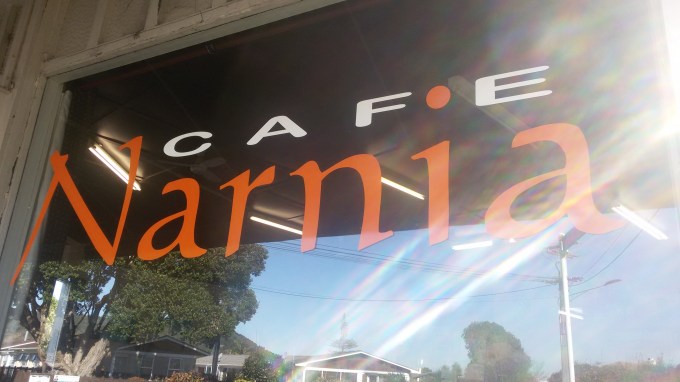
 There were of course posters of the Narnia movies and copies of the books around the place, and some artwork on the walls by local artists. It wasn’t until my meal was finished and I went to find the restroom that I stumbled upon the most Narnian feature of the cafe. The back seating area (and restrooms) were through a hallway that had been hung on either side with fur coats so that you had to push past them in order to enter. It was very subtle, because even though I had seen things hanging in the hallway, I had not really realized what it was until I felt the fur on my hands as I pushed my way through to the other room. The strange and sudden realization that the otherwise very ordinary cafe had worked in a hidden-in-plain-sight magic wardrobe made my whole breakfast even better.
 While I was in Rotorua, I had planned to take a lazy walk around the Saturday Market and Kuirau Park (a free park that has geothermal activity). The market was a cute little local flea market kind of affair with folks selling used clothes and books, antique jewelry and dishes, and a whole lotta food stalls selling Kiwi and Maori foods. I had been hoping for more handmade goods, but it was still fun to wander around and I picked up my souvenir gifts there from the one handmade stand I found: a lady who made skin balm from the native
  Kuirau park is interesting. It’s got lots of mud pools and a hot lake that are all gated off to keep kids or drunks from wandering into them. It also has public foot baths using the thermal waters so people can come by and have a nice warm foot soak. I suspect the park is nicer in any season besides winter because there are a lot of trees and flowerbeds as well that were bare, and what looked like fountains that were turned off for the season. However, it’s free, so I do recommend at least stopping by if you’re in Rotorua, especially if you’re thinking of doing other geothermal parks. Several other blogs I read recommended this as an alternative to Hell’s Gate unless the mud bath is on your bucket list.
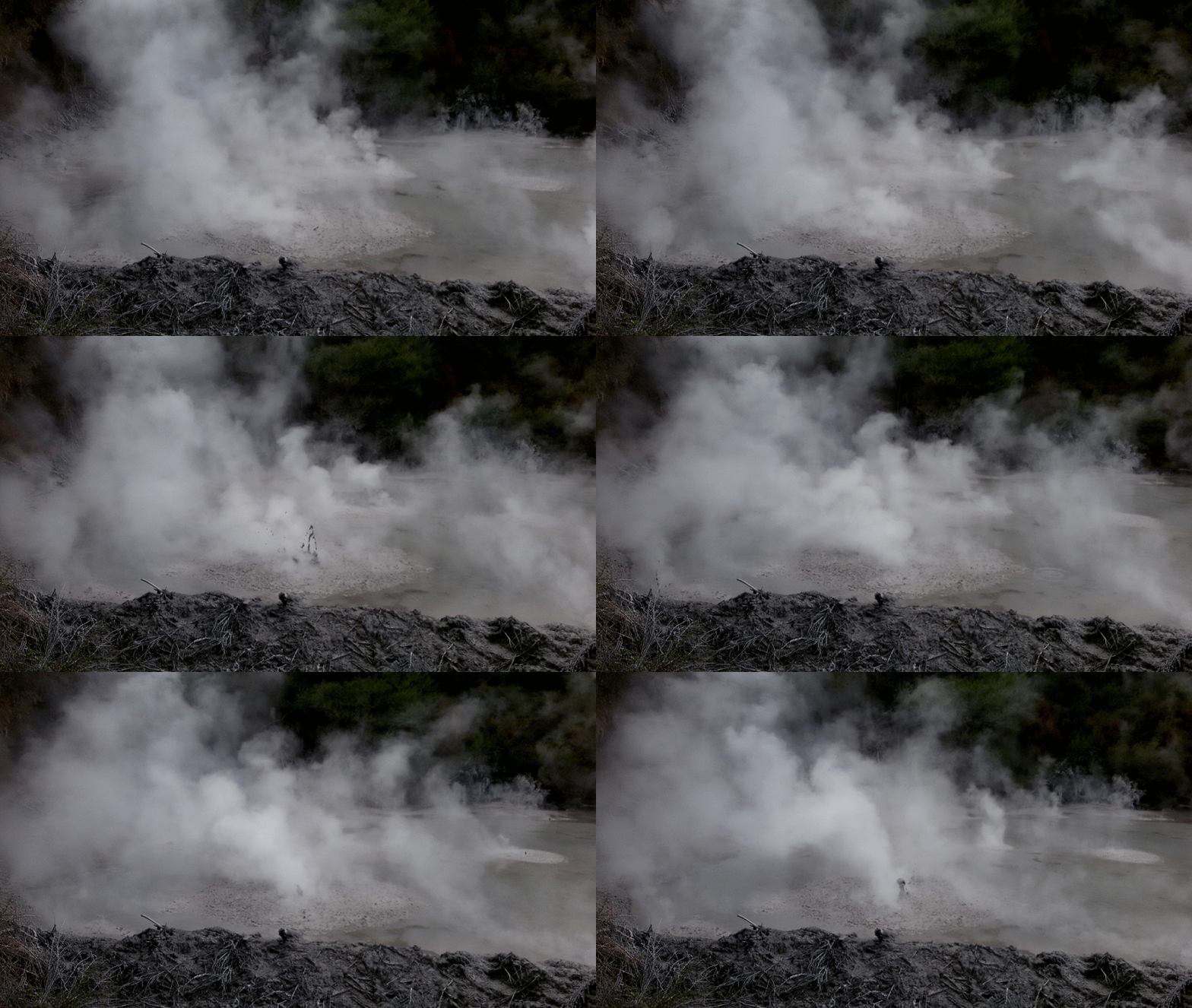 Wai means “water” and tapu means “sacred”. This area is known in Maori as the sacred waters. In addition to the

 dazzling body of water is the one you see on all the websites, brochures and billboards for Waiotapu because it’s deep blue water and vivid orange shoreline are such a visually striking image. Combine that with the meandering edge of the built up lip of the lake and you are just left gaping at the majesty and variety of nature. I also discovered the reason it’s called Champagne. There are teeny weeny bubbles effervescing around the pool giving it the distinct appearance of champagne in a wide glass sending a constant stream of tiny bubbles out into the world. The extreme heat of the pool combined with the cool late winter air meant that there were great plumes of steam rising up from the water and obscuring the far shore. It made for a dramatic landscape, but I did get dosed with some intensely sulfur smelling fumes when the wind shifted. Other than that, the park didn’t have much of an odor.
 The Champagne pool may be the star of the park, but it’s not the last surprise on the trail. After passing by a few more craters, you reach the final stop, “The Devil’s Bath”, which is a deep sided pool of the most florescent neon toxic waste movie effect from the 1980s colored water you will ever see. I’m sure you’re looking at the photos going “no way”, but yes way, Ted. A few more sight seers came around the corner while I was staring at it and were equally blown away. My best guess for what causes the crazy green shade? Bacteria, chlorophyll loving bacteria. Weather the colors of Waiotapu come from animal, mineral or vegetable, it’s a great way to spend a few hours in between hot springs. Check out the
 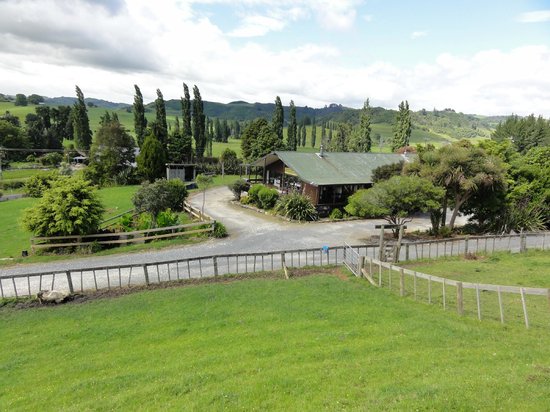 bigger difference than I had anticipated. I even saw an advertisement for a horse exerciser position that offered room/board/caving and a little cash, clearly intended to attract backpackers to the job. The hostel was walking distance from the main tour company that offered trips into the caves, but not much else.
 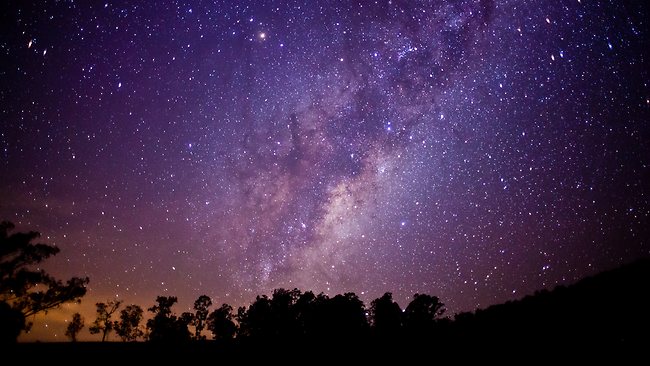 The only constellation I’d heard of for the southern hemisphere was the Southern Cross, featured on the NZ flag. I looked for it, but at the time, I wasn’t totally sure if what I saw was the constellation or my wishful thinking. After all, how many patches of 4 stars can look like a cross if you’re trying to find one? I stayed outside until my fingers got numb, soaking in the interstellar beauty and realizing once more, NZ had granted my wish. Before I came, I thought about how much I was looking forward to seeing the night sky from the south, yet until that moment, every night I’d been outside there had been either cloud cover or a bright full moon, making the stars invisible. Yet here on my last night in the bush, the night sky collaborated to put on just one more show.
 The marrow bone was a huge bone, cut in half longways and sprinkled with a crust of herbs and sharp white cheese (perhaps a parm or asiago). If you’ve never had bone marrow, and are not a vegetarian, I would like to recommend it. It’s basically like meat butter, which is to say it’s rich rich rich like the best butter you can imagine but instead of tasting like cream, it tastes like the meat of the animal from whence it came. You will not ever have a cut of meat, however well marbled, that is as rich and decadent as bone marrow. As I scooped the marrow from the bone and spread it on the toast, I wondered briefly if I’d made a mistake in ordering so much food when the first dish was so intense.
 The duck rested atop some caramelized onions and roasted potatoes which were themselves drowned in the heavenly sweet and spiced sauce. Atop the duck rested the candied and stewed orange slice and a small tomato, the sweet and tart qualities of which were complimentary to the sauce. At first glance I thought it was a version of orange duck, but then as the spices reached my nose and soon my tongue, Christmas exploded inside my head.
 Finally, I considered myself conquered and had to leave some of the veggies behind to save space for my tarte tartin. This is a sort of upsidedown caramelized apple pie with ice cream on top. It was wonderfully soft and well flavored without being overly sweet. The caramelization left a light and pleasant bitterness, and the apples themselves brought a bit of tartness. In the end, I couldn’t manage more than a few bites and felt horribly guilty for letting such a culinary treasure go to waste. I apologized to the waiter, trying to assure him the tarte’s taste was not to blame for so much of it being left behind. I finished off the evening with a digestive (because boy did I need one by then) of green Chartreuse which is a fabulous herbal infusion made by French monks that is basically like Absinthe’s grown up, more erudite older brother.

 e milky light caused by dark dust in the way that the Maori people identified as a type of constellation by negative space rather than connecting the dots. It’s an emu.She also taught me how to find the Southern Cross and use it and the Pointers to find due South. It’s not quite as convenient as having Polaris, but it was fun to see it in action.


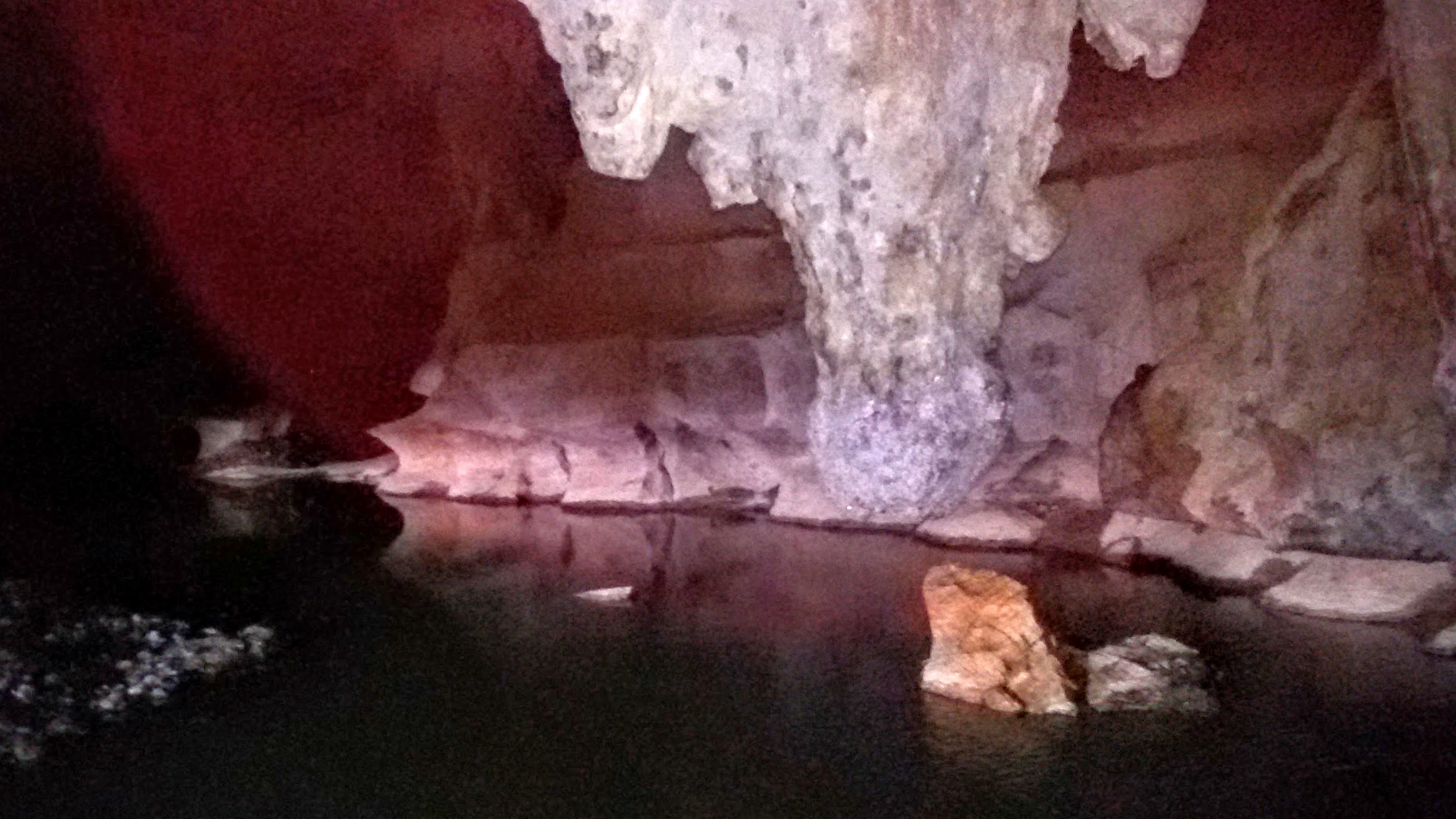
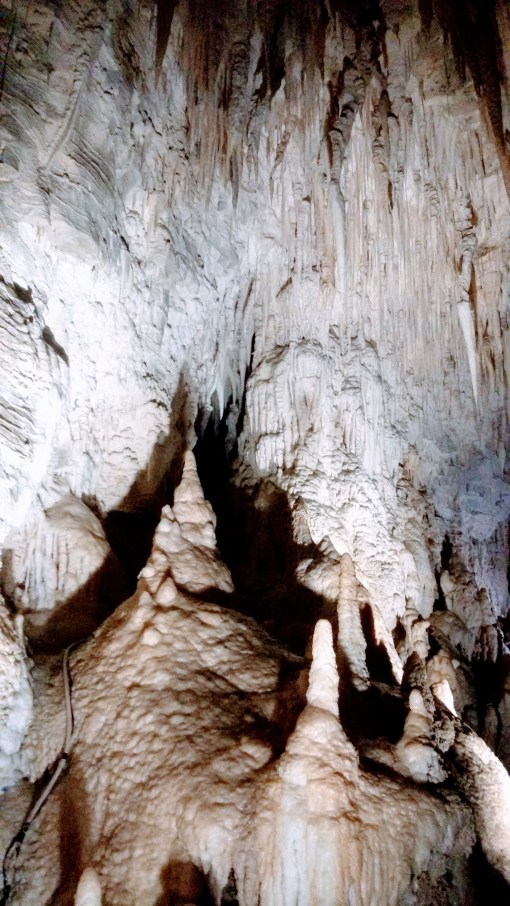 Once inside the cave, we were treated to chamber after chamber of beautiful limestone growths and formations. I’m lucky enough to have explored several of the best limestone caves in the US and I still found this one to be both beautiful and worthwhile. Like everything in NZ, the cave could not just be one type of landscape, but changed continuously as we traveled. In addition to the stunning stalagmites and stalactites, we saw curtain formations, several alternate types of mineral formations I don’t know all the names of because I’m not a geologist, some fossil seashells, some heavily layered rock, at least one natural chimney in addition to the man-made tube used to pipe in the concrete for the wheelchair safe pathways, and of course the glowworms. I should mention that anywhere a concrete path would have damaged formations, they instead used metal catwalks, sometimes bolstered from the floor, sometimes the walls, and at least once, suspended from the ceiling. They did everything possible to keep the cave intact while also making it accessible to everyone.
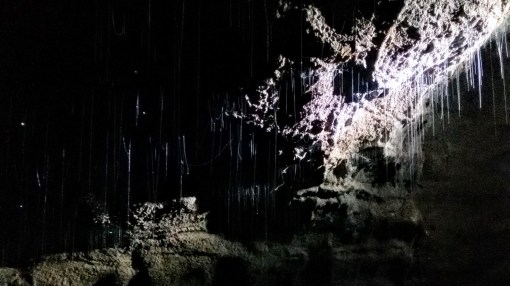 Glowworms are larval insects who secure themselves to something dark and damp like the cave wall, then lower a strand of sticky silk. When some poor unsuspecting flying insect thinks their little glow is the moon and gets trapped in the web, the glowworm can then reel in the line and dine on the trapped flier’s brains. They are also quite territorial, so we were warned to be careful not to move the strands lest they become entangled with one another and cause a fight to the death to ensue between neighbors. It’s a little dichotomous to think of these beautiful serene lights as emanating from violent brain eaters, but then again, the fairies they are so often likened to are said to be beautiful yet cruel as well, so perhaps that metaphor is not so far off.
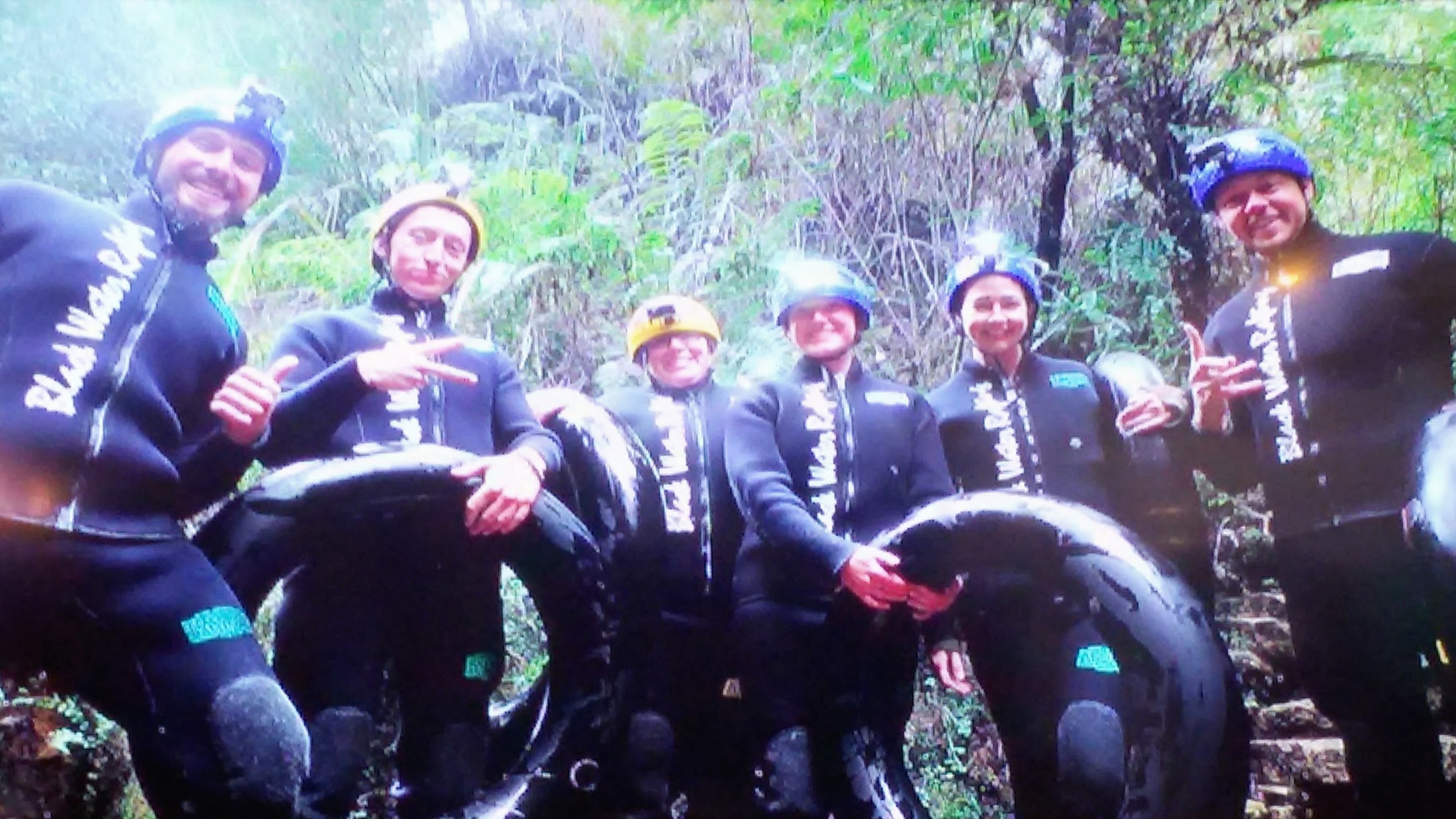 We started off by changing into some cave climbing wet-suits. These weren’t just regular SCUBA suits; they had special padding on the knees and bottom to help prevent injuries as we crawled and scooted around in the small tunnels. These suits were also 2 pieces, an overall style pants part and a long jacket. I am a short, round person and no neoprene suits were designed to my measurements even a little bit, so by the time I get something that fits my shoulders, bust and hips, its about 6 inches too long everywhere else, legs arms and torso (and rather unfortunately, it pushed up on my neck and chin so I had to unzip the first 5 inches of the jacket just to be able to breathe). In addition, the material is very stiff, so I felt like I was wearing a suit of armor built for someone 6 inches taller than me. I was suddenly very glad I’d decided on the less extreme version of the extreme adventuring.
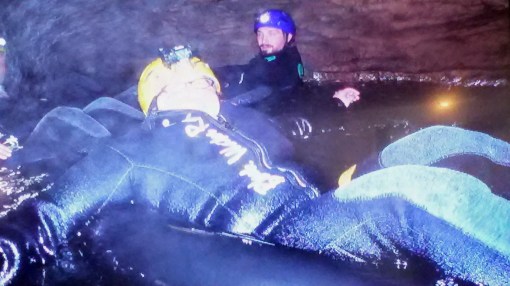
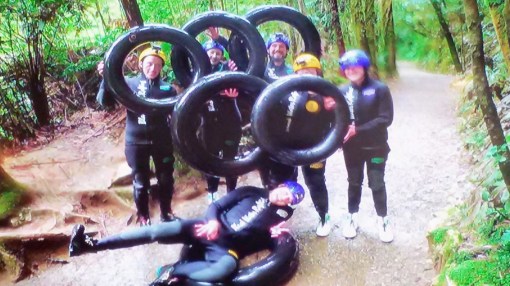 When we got back to the base, we took a final victory picture, doing our best to imitate the Olympic rings for the Rio Olympics. Then we peeled off the wet suits and ran shivering in our bathing suits into the hot showers to warm up and clean off before getting into dry clothes. They also had some hot soup and toasted bagels for us in the cafe when we came in so we could replenish some calories and get warm from the inside too. Our guide did his best to take photos of us in the cave, but was by himself that day and often had his hands full helping one or more of us find the foothold or handhold we needed to get through. Nonetheless, they did show the photos of our group up on big TVs for us to see while we sipped our soup. Most of the pictures were of us outside the cave or in the cave mouth, so it’s not especially great at capturing the in cave experience visually. Hopefully I painted a picture with my words.
 I remember having some picture books as a kid about Bilbo and Frodo Baggins. They were highly simplified versions of the stories in The Hobbit and The Lord of the Rings, but my mother loved those stories so much, she made sure I got started early. The books had read along audio cassettes that I could play in my own little cassette player (because digitial music didn’t exist yet, that’s why). I learned about Golum and the One Ring while I was learning to read. It’s safe to say that the stories of Middle Earth are embeded in my foundation.
 In high school, we used to use Dwarven runes to write secret notes and one of my friends even learned basic Elvish. In 1999 or 2000, my mother and I were walking out of some movie or other and saw a poster on the wall of the theater with Elijiah Wood and my mother immediately exclaimed, “It’s Frodo!” without even reading the text on the poster. It was indeed Frodo, and the poster was the first advertisement for Peter Jackson’s film rendition of the epic stories. Now the books have spawned a movie franchise, sharing Tolkien’s work with a whole new group of fans with 6 movies so far, and I hear more in the works. So, when I found out that the Hobbiton movie set was still alive and well in New Zealand, I of course fantasized about going there. And, when I found my travels taking me down under this year, I finally got my chance.
 The tour is 2 hours long and starts at the visitors center where a massive car park surrounds a quaint gift shop and cafe. I was truly surprised at the number of cars in the lot when I arrived. The movie set is outside Matamata, and is quite remote. I had seen more sheep than people my whole drive over, and the nearest petrol station was more than 10 minutes away. When I turned into the car park, however, it was like a shopping mall on a Black Friday, I nearly didn’t find a parking spot. I did go on a Sunday, which may have accounted for the higher turn out, but there is no doubt that Hobbiton is a prime attraction. There is a fleet of green buses (the color of Bag End’s front door) emblazoned with the Hobbiton logo that drive visitors from the car park over to the movie set itself. On the way, the guide, Sam (our guide was named Sam, he swears it’s his real name and just a coincidence) told us that originally there had been no road into the farm this way. The New Zealand Army was contracted to come in and build the road so that all the set and filming equipment could be moved in. The farmer himself was under a non-disclosure agreement, so when one of his neighbors asked why the army was on his farm, all he could say was that they had been selected for a random road building exercise.
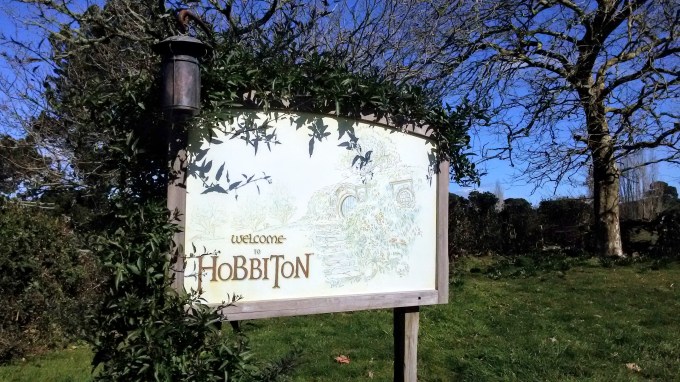
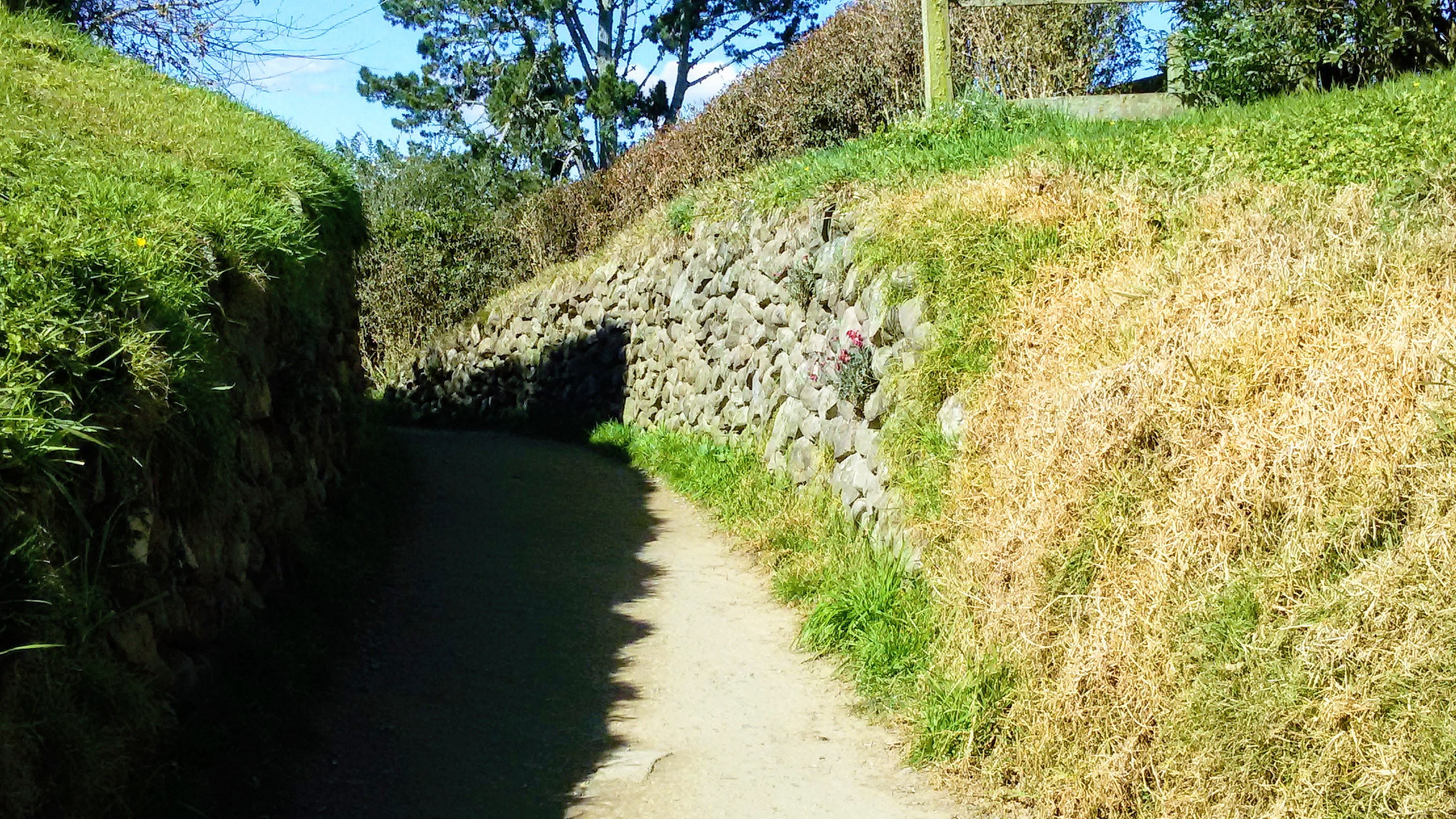


 and even one with an open door to give us the chance to stand inside the traditional round portal. There is nothing inside, of course, the interior of the Hobbit holes were only filmed in the studio, but it makes for a unique and fun photo opportunity to place yourself in the role of a Hobbit. I didn’t have time on this trip, but when I get the chance to go back and stay in NZ longer, I’d love to dress up and get some photos in cosplay on this set. I’d also love to bring my niece and nephew before they get too big (Gnome, Squidgette, I’m talking to you) because so many of the Hobbit sized sets are perfect child size and include a lot of props that are not hidden behind gates. There was a Chinese family in our group and watching the little ones pose in front of the smallest Hobbit holes was a cuteness overload.
 Jackson’s attention to detail and commitment to the book was so intense that during the filming, he was unable to find plum trees in the right size to match a written description of Hobbit children sitting under plum trees, so instead he brought in pear and peach, but stripped them of their fruit and leaves to replace it with plum foliage, each leaf wired on by hand. The scene is only in the extended edition and only visible for about 2 seconds.
  Other examples of his eccentric dedication include the frog pond which had such an abundance of loud frogs that staff had to be employed to catch and move the frogs before filming


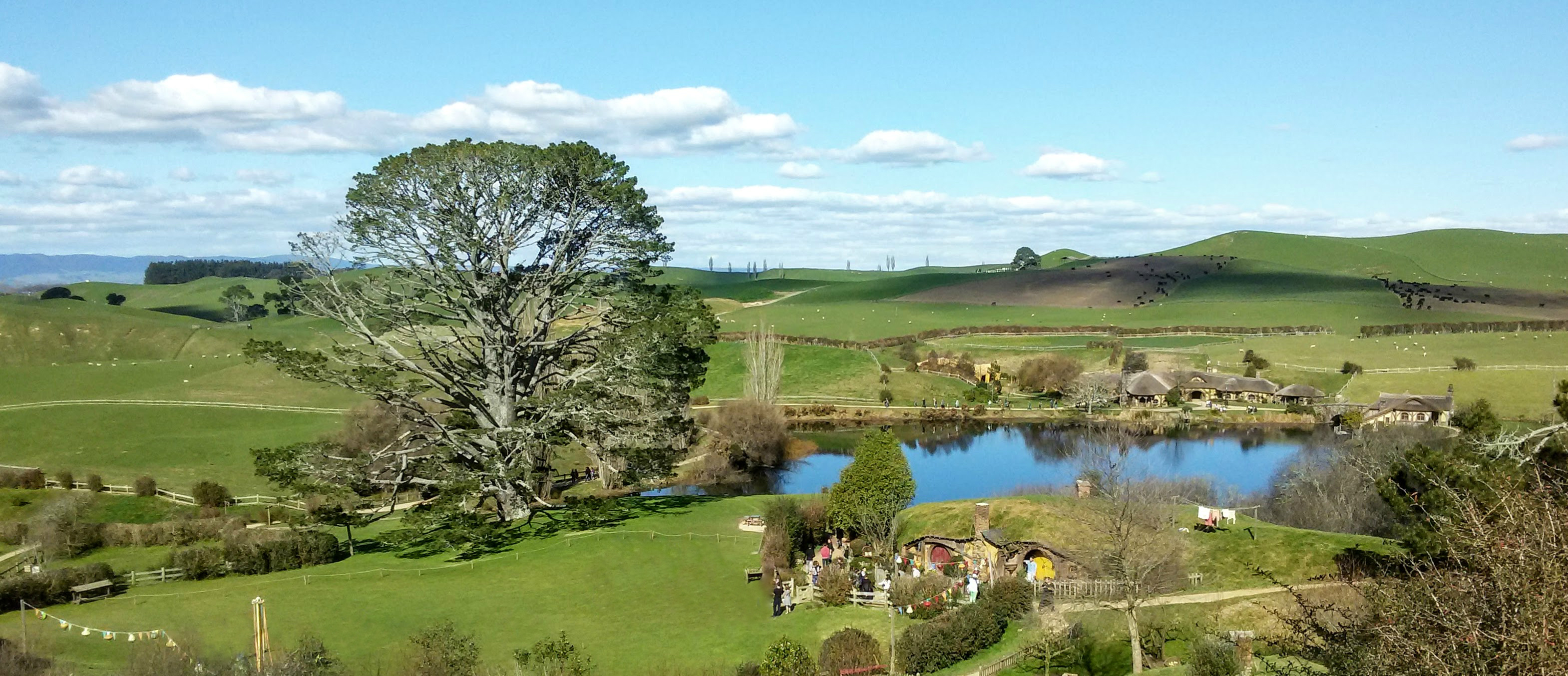 It was very hard to leave behind the house on the the Hill, but our next stop was the party tree and the green field where Bilbo’s 111th birthday party was held. However magestic the party tree looked from afar, it was even more imposing up close. It wasn’t so big as Tane Mahuta, but it was taller and still an impressive girth. Unlike the oak tree, the party tree is a real and living tree that was one of the main reasons this piece of land was selected to be the Shire. Within the meadow, there were party decorations and Hobbit games for people to try out including a maypole, some stilts, a game of ring-toss and some see-saws. Children and adults alike had fun testing out the various activities and admiring the detail of the design.
  Even the fence, which looked old and overgrown with lichen was artistically aged with plaster and paint, but indistinguishable even after we knew what to look for. Before we left the meadow, we stopped off at Samwise Gamgee’s own yellow round door where you could just imagine Rosy and the children playing in the garden.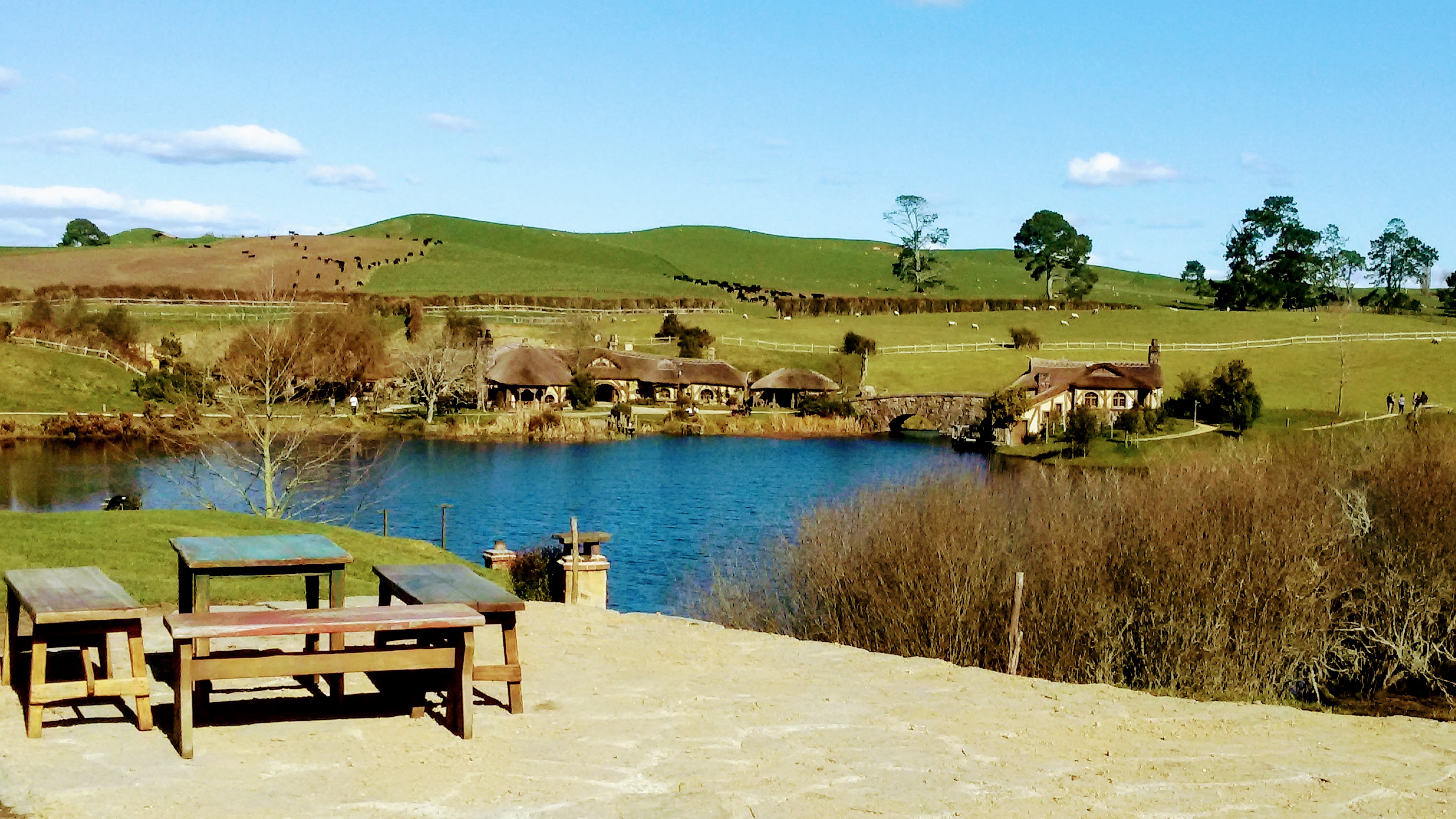
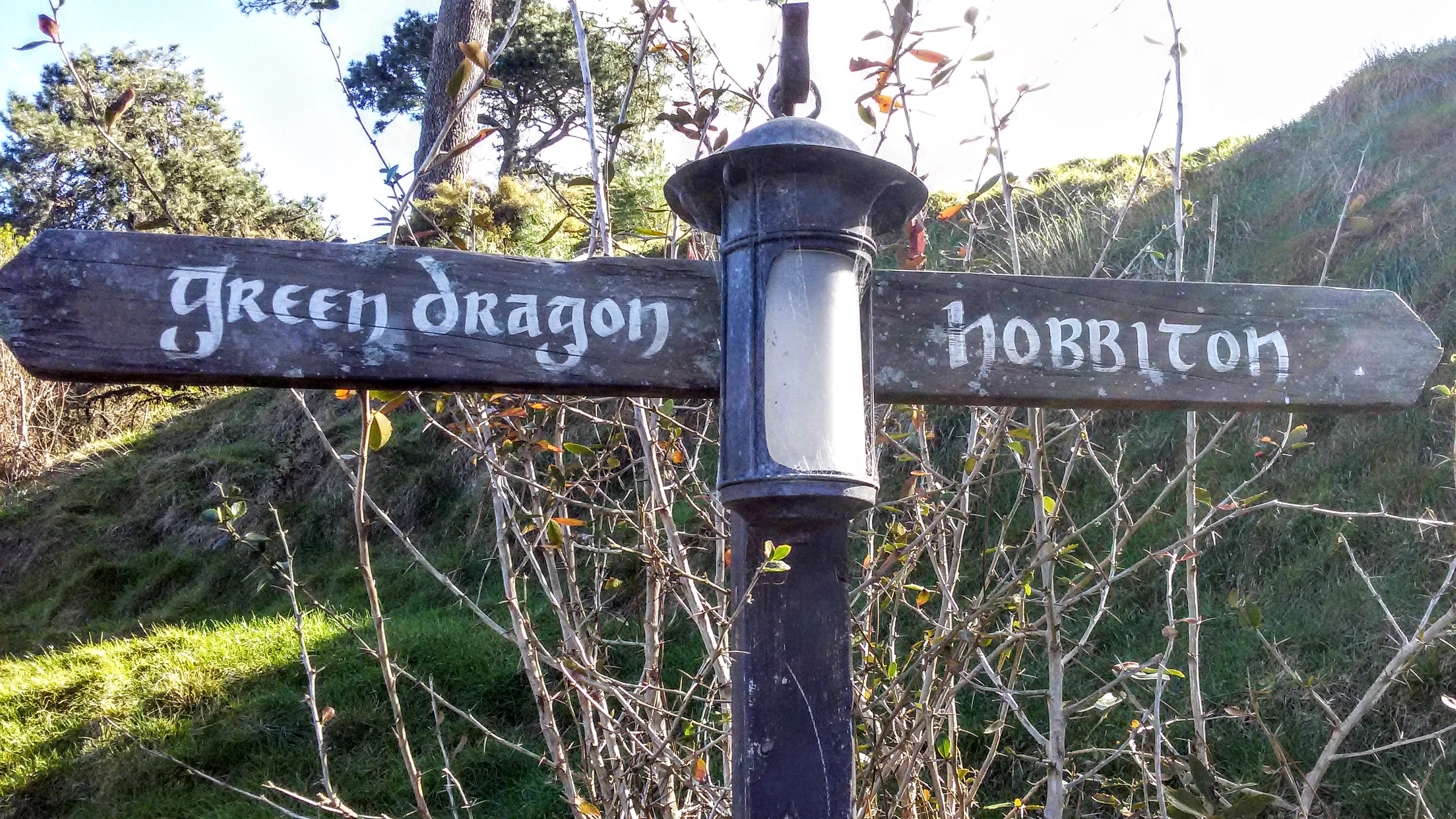 There is something familiar yet otherworldly about the unique flora of New Zealand that must only seem familiar to the Kiwis themselves. For the rest of us, it is just different enough from what we are used to that it provides a sense of otherness, of the fantasitcal and created without being so foreign as to seem alien. The main context that I (and probably many of you) have become familiar with these plants unique qualities is in the films themselves, so it is no surprise that more than just the buildings here make me feel like I am walking in the footsteps of Bilbo himself.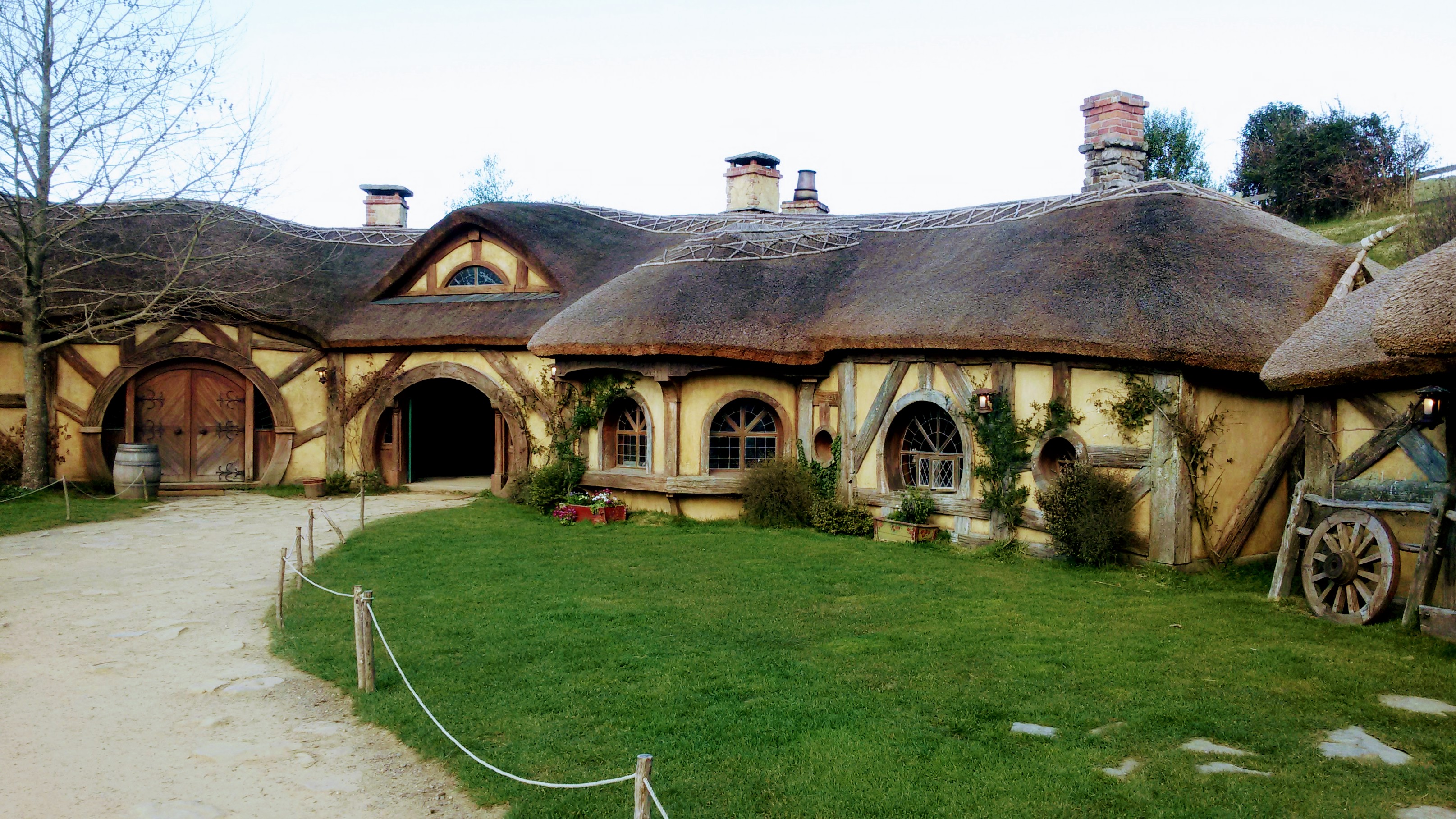
 There are comfy armchairs by the fire, and artwork all over the walls. You can have a taste of Hobbit food if you fancy a light snack (I tried the steak and ale pie, it was yummy), you can try on Hobbit clothes, wield Gandalf’s staff, and explore room after room reading the local Hobbit bulletin board, peeking at the range of knickknacks on shelves, visiting the Inn’s cat (not in the movies, but, you know, cats), or just admiring the large wooden carving that gives the Inn it’s namesake. I tried my best to multi-task, to take it all in, but I felt like I’d only begun to scratch the surface when Sam gathered us up to continue our trek.


 the tattoos were done by cutting deep grooves in the skin and filling the wound with ink over and over so that it created a combination of ink and scar tissue for the design. Although the cheif joked that now they have a tattoo gun, he still pointed out that rarely do Maori get facial tattoos these days, and that the performers were all wearing make-up. Bear in mind the Maori tattoos may be the closest thing to a written language they developed and are just about as complex as any other ideographic language, so I’m only going to get the tip of the iceberg here.
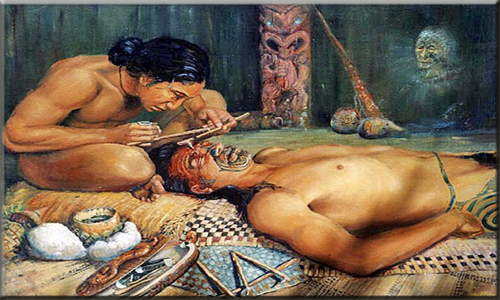 The basic legend: Mataora was a great chief who fell in love with and married a spirit from the underworld (Rarohenga) named Niwareka. One day Mataora struck her in a rage and she fled back to her father’s home in the underworld. Mataora felt remorse for his actions and decended to Rarohenga to find her. There he met her father instead who laughed at his painted face, wiping away the designs drawn there to show how useless they were. Mataora saw the permanent ta moka on his father-in-law’s face and asked him to mark his own face the same way. The pain was such that Mataora fell ill and his suffering softened Niwareka’s heart, so that when he recovered she agreed to return with him, and he promised never to hit her again as long as the markings on his face did not fade (so never). His father in law then granted him the knowledge of te moko and the Maori people have used it ever since.
 These four birds are the bat (go with it), the parrot, the owl and the kiwi. The bat represents knowledge. The head of the bat rests in the center of the foread and the wings spread out to either side. The parrot is situated along the nose, particularly the beak on either sideof the nose. The parrot is a talkative bird and this represents oratory skills and is very important in an oral culture. The owl sits on the chin (the only facial tattoo typically available to women) and represents protection. Finally the kiwi, envision it’s long beak open, rests on the lower cheeks, meeting the chin moko in a fluid design. The kiwi represents stewardship of the earth.
 The only real hand to hand weapon is the club, or patu. The patu can be made from wood, bone or stone and resembles a paddle being narrow at the edges although not sharp enough to be a true bladed weapon. In addition to being carried to war like the long weapons, the patu were also used by women who remained at the village when the men were away hunting or fighting so that they could defend themselves against any hostile raiders. Women were expected to be skilled enough with the patu to kill their attackers. The chief pointed out that due to the shape of the patu, if one hit the skull of an enemy with the edge and twisted, it would pop the top of the head right off, handily combining village defense and dinner. Yes, the Maori used to be cannibals, too, but don’t worry, he told us “now we have McDonald’s”.
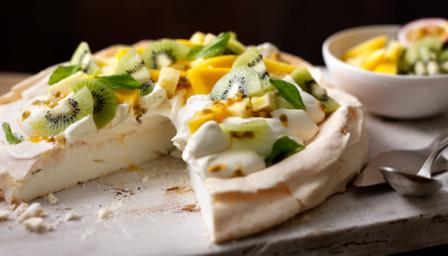 Pavlova was a dessert that by it’s name made me assume it was from some Slavic country, but the natives at my table told me firmly it was invented in New Zealand, no matter what lies the Australians are spreading. The pavlova is named after a Russian ballerina, which explains why I thought it seemed linguistically Slavic. It’s like a merenge but more complicated, having a crispy exterior and fluffy interior. It’s also supposed to be very tricky to make and prone to collapse if it’s cooled too quickly. It’s traditionally served with whipped cream and fresh fruit. I found it unique and delightful.
 How are
 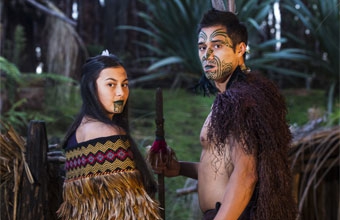 I had noticed during some of the talks that there were some unfamiliar gender roles being described. For example, the chief had to be male, and it was possible for a man to take more than one wife, but women were the landholders. Pre-colonial Maori gender roles appear to have been definitive, but not derisive. That is to say, women had very clear roles and responsibilities, but they were not thought of as lesser than men’s roles, nor were women seen as belonging to men. A woman did not take her husband’s name nor relinquish her membership to her own family or tribe at marriage. Women were seen as the progenitors of life, responsible for childrearing and the home. The main difference is that these roles were not seen as lesser to men’s roles.
 The two main reasons modern Maori no longer wear traditional facial tattoos are the painful physical process and the social stigma. As I described earlier, the moko isn’t done with a needle, but by carving grooves into the skin and coloring the wound. This process is both painful and dangerous, and although could be replaced with a tattoo gun, there remains the second issue. Even as the moko mark them like each other, they also mark the Maori as separate and other from the British colonials. Due to years of colonial mistreatment and outdated ideas of “savages” that boil down to little more than racism, the presence of Maori tribal tattoos can still be cause for discrimination in modern day New Zealand.
 My guide said that he generally felt fine with other people getting Maori tattoos or wearing their art or jewelry as long as it was respected. These Maori tattoo artists won’t just put any old design you want on your skin, they will listen to your story and make something unique to you using the traditional Maori symbols and styles. So, while I suppose it is possible to print something off the internet and go to a non-Maori tattoo artist to replicate it, that doesn’t seem to be what’s going on in NZ and so it’s far less an issue of misappropriation and more a way of sharing and honoring. Later research revealed that the name for Maori style tattoos for non-Maori (Pakeha) is kirituhi and so most Maori don’t even see the kirituhi as being the same as the moko (even if it appears similar in design) because it lacks the spiritual and familial connections of a true ta moko.
 Before beginning the glowworm hunt, we passed by an outdoor village replica so that we could get a better look at the housing construction and village arrangement. This picture is in daylight, but when I was there it was night. It was a little hard to see in the dark, but the guide gave a good description of the house (as a body) and of the general village construction on a hillside that allowed for greater protection. Before we moved on, he reminded everyone not to shine the lights on the glowworms and also, to cup the lights in our hands and point them only at the ground, so we could see where we were walking without obstructing the night view. I think about 5% of the group listened to this, because most people were busily shining their lights all over the woods.
 They were a tribe of supernatural beings that lived deep in the forest, ate their food raw and shunned the light. They were described as having pale skin and red hair, and it is thought that the red-haired Maori are descendants of a union between Patupaiarehe and Maori women. The gloworms are sometimes said to be they eyes of the Patupaiarehe, since they can be seen only in the dark places. They were not spread evenly around New Zealand, but seem to be concentrated in certain areas including Rotorua where they are rumored to have come down from the mountains to drink from the pure waters of this spring. The spring puts out more than 24 million litres of water each day. The dark spots in the photos at the bottom of the pool are not rocks, it is the constant billowing of the seditment as it is churned by ever arising spring water from the bottom.
 we saw one of the native fish swimming around, but after the light was turned off and people started moving on, the freshwater eel resident of the spring came out. The second guide who was bringing up the rear tried to turn the light back on so I could see it better, but the light sadly drove it back into the rocks. However, having realized that I was more interested in the land than the majority of the tourists who were rushing ahead to get back to the halls, he stayed a little behind with me and started pointing out various interesting things around the bush.
 He told me about a kind of mud-skipper fish they have, and about some of the extinct land birds. He left his flashlight off and we found many more glowworms. I tried to show some of the other tourists on the walk, but they were too busy chatting to stop and look. The Mitai tribe has been watering their forest areas in order to boost the glow worm population. They aren’t seen above ground in great numbers because the atmosphere is often too dry, but a hydration program was having a profound effect on the local population and I saw probably hundreds throughout the walk all along the rock-sides sheltered by roots and leaves.
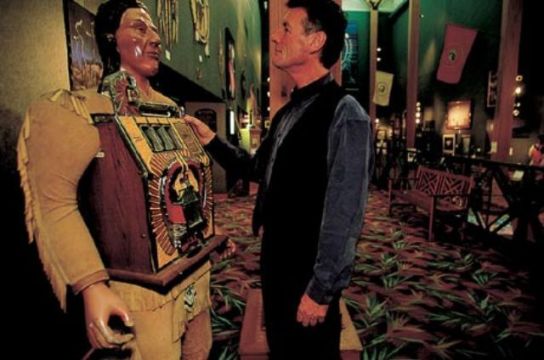 You can’t go anywhere in the US without being on some tribe’s ancestral land, though. I learned about the tribes as we moved around the country. I learned their words in each new place because white settlers used the names the Natives gave to things long after the people were relegated to reservations, forced to wear western clothes, speak English and go to church. And in the few places where they are reclaiming their place, they are still only known for 2 things: casinos and tourist attractions. Casinos because crazy sovereign land rights make gambling legal on reservations. These buildings are decked out in the tackiest stereotypes of Native imagery with wooden carved Indians in giant feather headdresses adorning the entryways and sacred patterns hanging on the walls, using the images of their culture to draw in suckers. Only slightly less crass are the informational tourism spots where descendants of colonialists can come and see an authentic teepee or wigwam or rain dance. Sometimes they even sell sweat lodge experiences. And as much as I want to learn about the people and the culture, because that is maybe my greatest passion in this life, it feels cheap and tawdry whenever I see these displays outside of museums. This is not to say they shouldn’t live their own culture, but there is a difference between living your lifestyle and putting on a show.
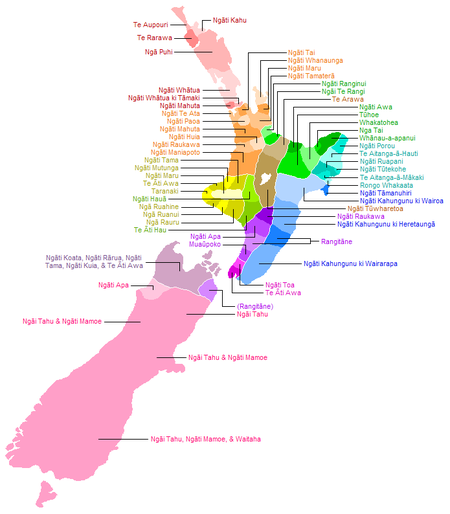
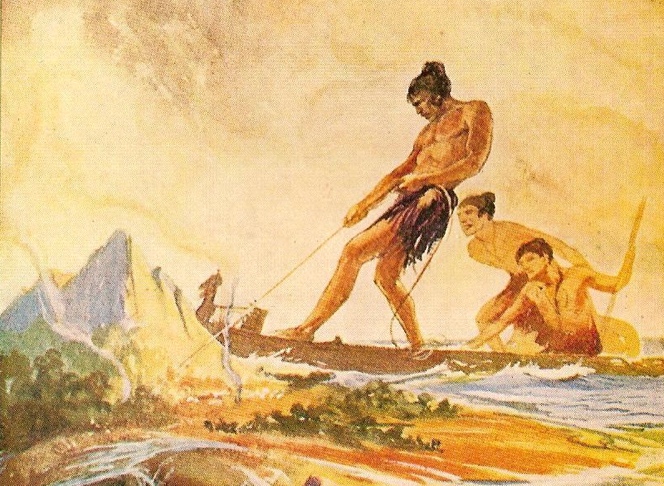 Maori Colonization: The explorer Kupe took a really big boat and ventured across the ocean, leaving his home in search of new land. It’s believed that colonization of NZ from Polynesia was deliberate and slow after this. It took several hundred years of ocean faring boats going back and forth bringing more and more Maori. In fact, the seven main tribes now identify by which boat (waka) their ancestors arrived on. For those who have been wondering about why I keep using other names to refer to NZ, Kupe named the land Aotearoa which roughly translates to “land of the long white cloud”. There are a few legends on why, but no consensus. The seven waka hourua (ocean going boats) and later the seven tribes, are called Tainui, Te Arawa, Matatua, Kurahaupo, Tokomaru, Aotea and Takitimu.
 The Treaty of Waitangi was basically an agreement the Maori signed with the British crown stating that New Zealand was under British sovereignty, but that the Chiefs and tribes would keep their own land (selling only to British settlers, no filthy French or Dutch here, please), and that the Maori would have
 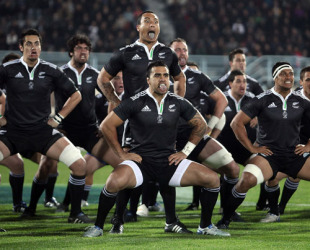 Modern Maori: Are there arguments about land rights, water rights, fishing and hunting rights… and every other aspect of sovereignty? Of course, but it’s much more like an argument between people of (nearly) equal footing than in the US where we’re still ignoring the fact that our reservations don’t have safe drinking water or can’t fish their own streams/
  Armed with a better understanding of the history and a strong desire to learn more, I booked myself a table at the
 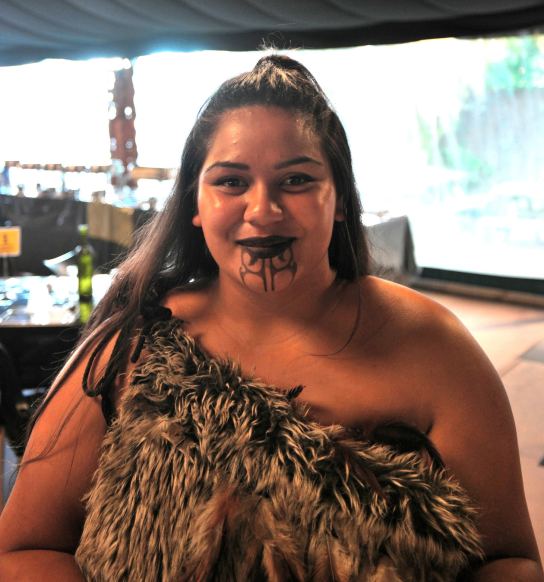 We were greeted at the entrance by a woman in traditional dress and (makeup) tattoo with the Maori greeting “Kia Ora” (
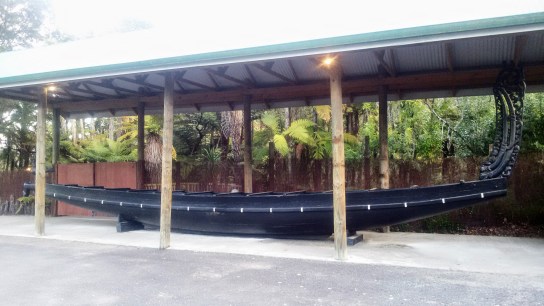 Next we broke into smaller groups and bundled outside to see some of the village. Our group first visited the boat displayed by the front gate. Our guide explained to us about the word “waka” (boat) and the three most common types of waka for daily use (fishing and transporting goods), for war, and for long ocean journeys. She pointed out to us the way in which this particular waka was made using planks and that was how we could tell it was a replica and not a traditionally made waka. In fact it was the prop from the movie
 He taught them how to make the traditional war face which involves opening one’s eyes as wide as possible, sticking out the tongue toward the chin and doing an aggressive war cry. One of the men took this task quite seriously, doing his best to make an intimidating face and sound as he was shown, buy the other (and younger) was too cool for school and sadly sought audience attention by laughing at the process and doing a poor imitation of the war face, perhaps unwilling to look foolish, but in the end failing. We were asked to vote by applause and the man who went all out won by a landslide, which was nice, because I felt like he would at least take his duties as our chief for the night seriously and not treat it like some kind of opportunity for laughs.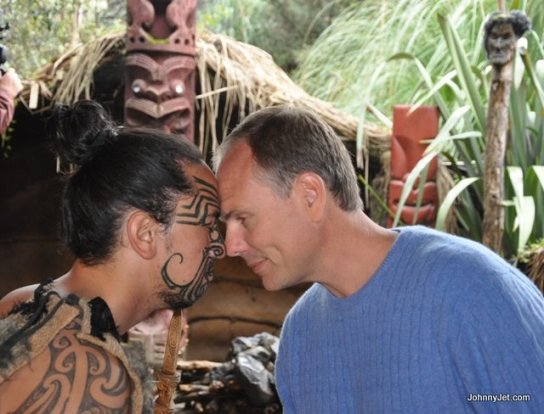

 After the outdoor display, we headed into the performance hall. It was somewhere during this time that I started getting flashbacks to my childhood wild west/cowboys and Indians shows. The stage was set up to look like a Maori village, and once again, the guide was quite clear that it was a set and not real. The performance started with singing and dancing, then the cheif came out and gave a speech in Maori that of course none of us understood. While all the Maori performers were wearing traditional costumes, it struck me at once how different the cheif’s clothing was, especially the white fur cloak he wore. New Zealand has only one native land mammal, which is the bat, so where did this fur come from? It turns out that the Maori brought dogs, kuri, with them from Polynesia. The dogs were rare and their fur was prized as one of the elite materials for chieftain cloaks (along with fur seal skin), and because white was a common kuri coloring, I expect this was meant to represent a white kuri skin cloak and was quite prestigious indeed.
  After the sung entrance and the chief’s introductions, they introduced traditional Maori instruments of which there are two main kinds: melodic and percussive. Melodic instruments (rangi) include flutes made from wood or bone, gourd instruments that are blown into or filled with seeds and shaken, and trumpet instruments made from shells. These are considered the domain of the Sky Father but each group and specific instrument has it’s own god/goddess or spirit associated with it. Percussive instruments (drums, sticks, poi -the white flaxen balls on strings, and a type of disc on a cord) are considered the heartbeat of the Earth Mother.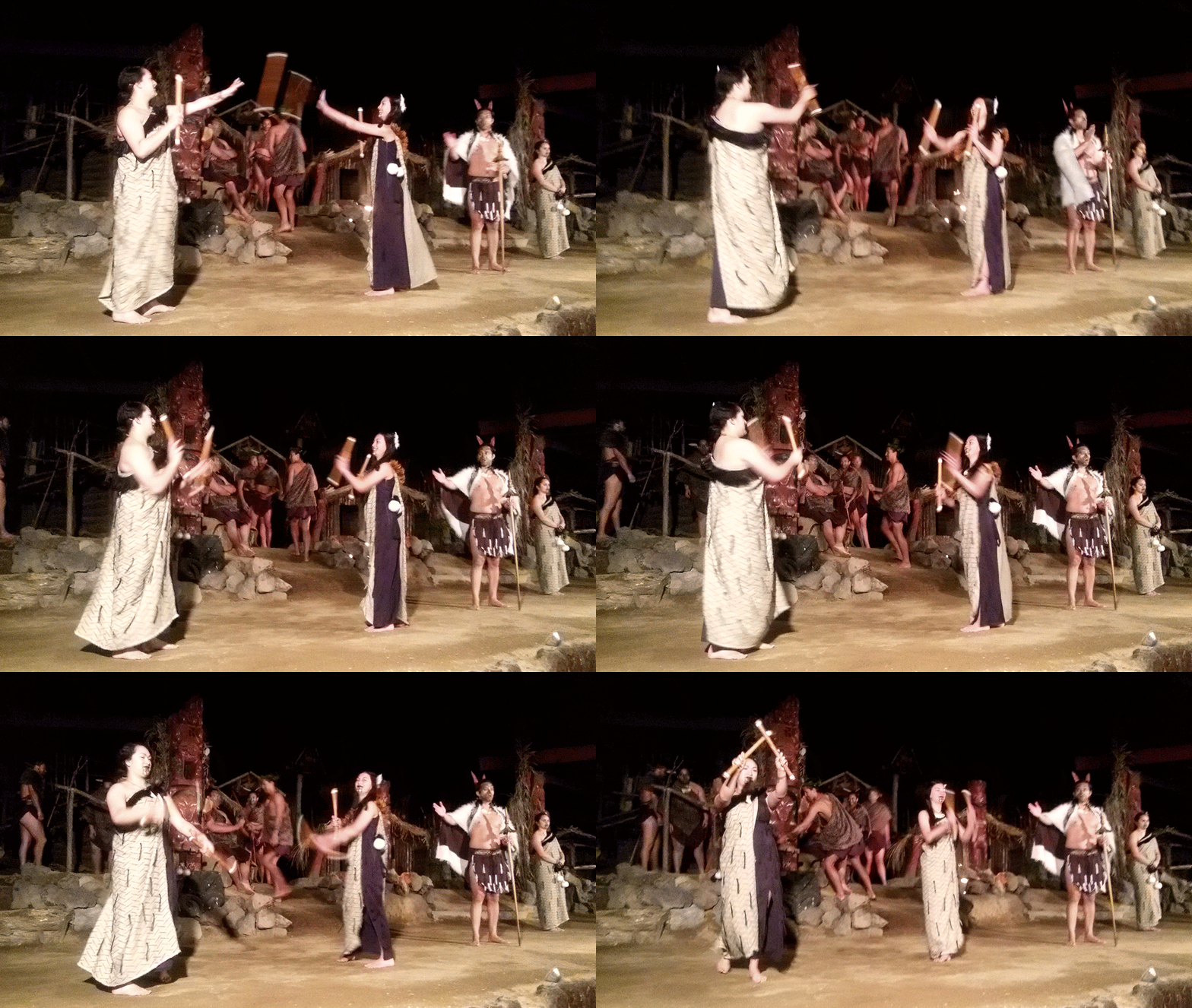
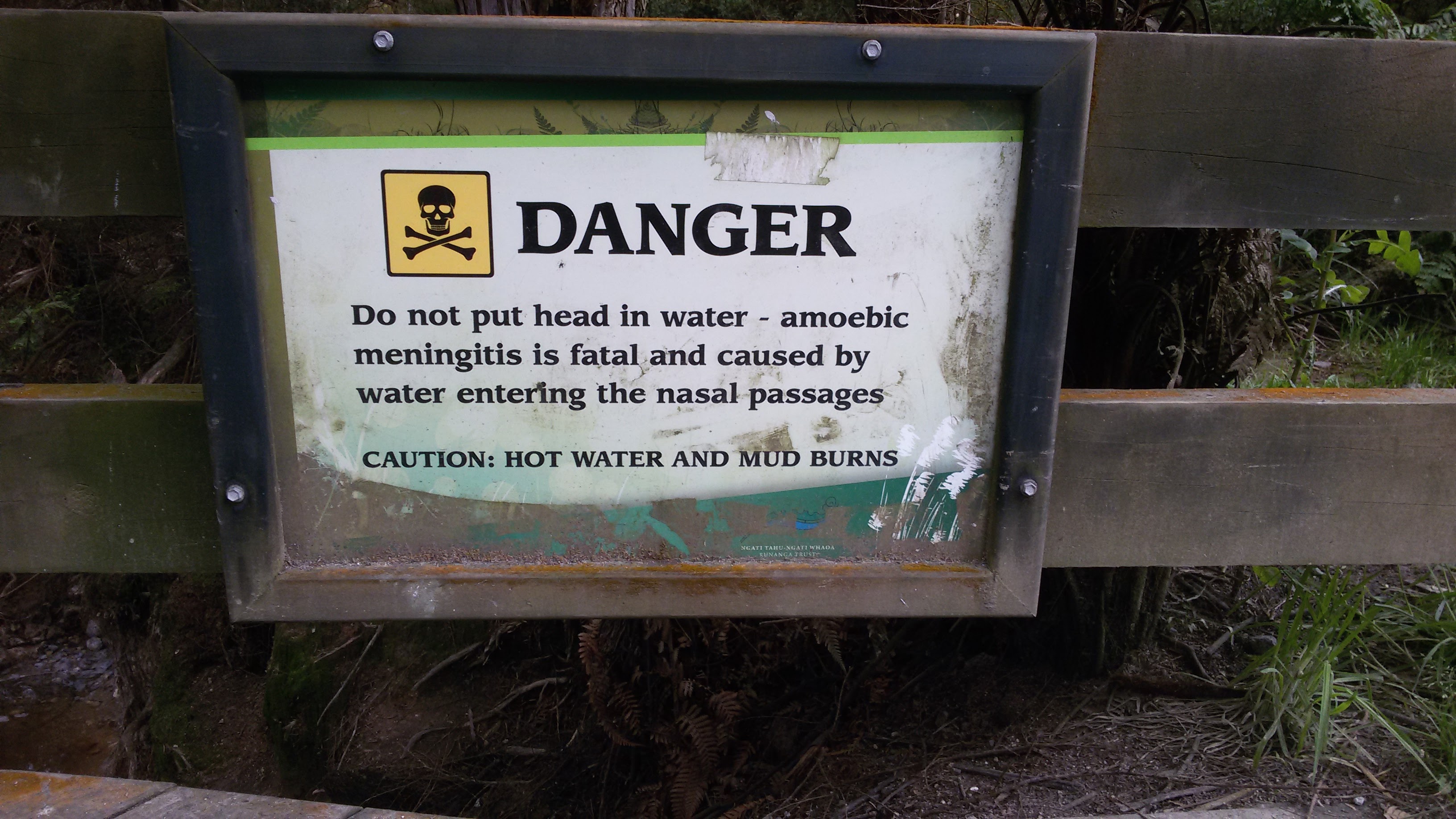 There are signs at every natural hot spring that basically warn you of 2 things:getting burned and getting sick. Because these are natural springs, the temperatures are not regulated, and water that is hot enough to burn you sometimes rises up from the ground in the river and pool beds. You can be sitting in lovely water and suddenly a hotter current will come by. You can take a step to the left and land on a patch of mud that is scalding hot. However, these are not insurmountable problems if you exercise a little caution and common sense. Don’t dig down into the mud/sand at the bottom. It’s hotter below the surface. Feel before you put your weight down, test the bottom gently with a hand or toe before you put your weight down so you can move away quickly if it’s too hot. If you’re really worried about it, you can always wear water shoes. The other thing to bear in mind is that hot water breeds microbes. In the case of the Rotorua springs, there is a small concern of amoebic meningitis. That sounds scary, but it can’t infect you through your skin, only if it gets up your nose, so just keep your head out of the water and you’re in the clear. If all this sounds like too much work, that’s why the spas exist.
 There’s a beautiful and fairly large waterfall there and a pool that’s deep enough to sit in and have the water come up to a comfortable chest level. This spot is
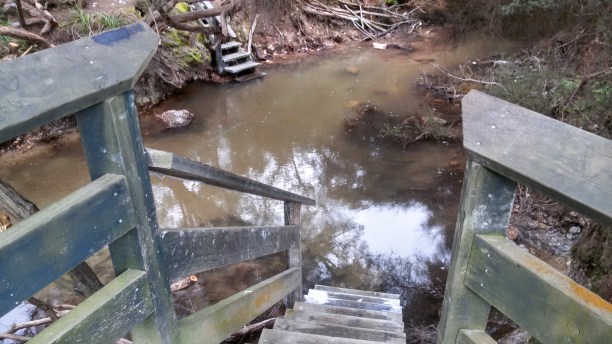
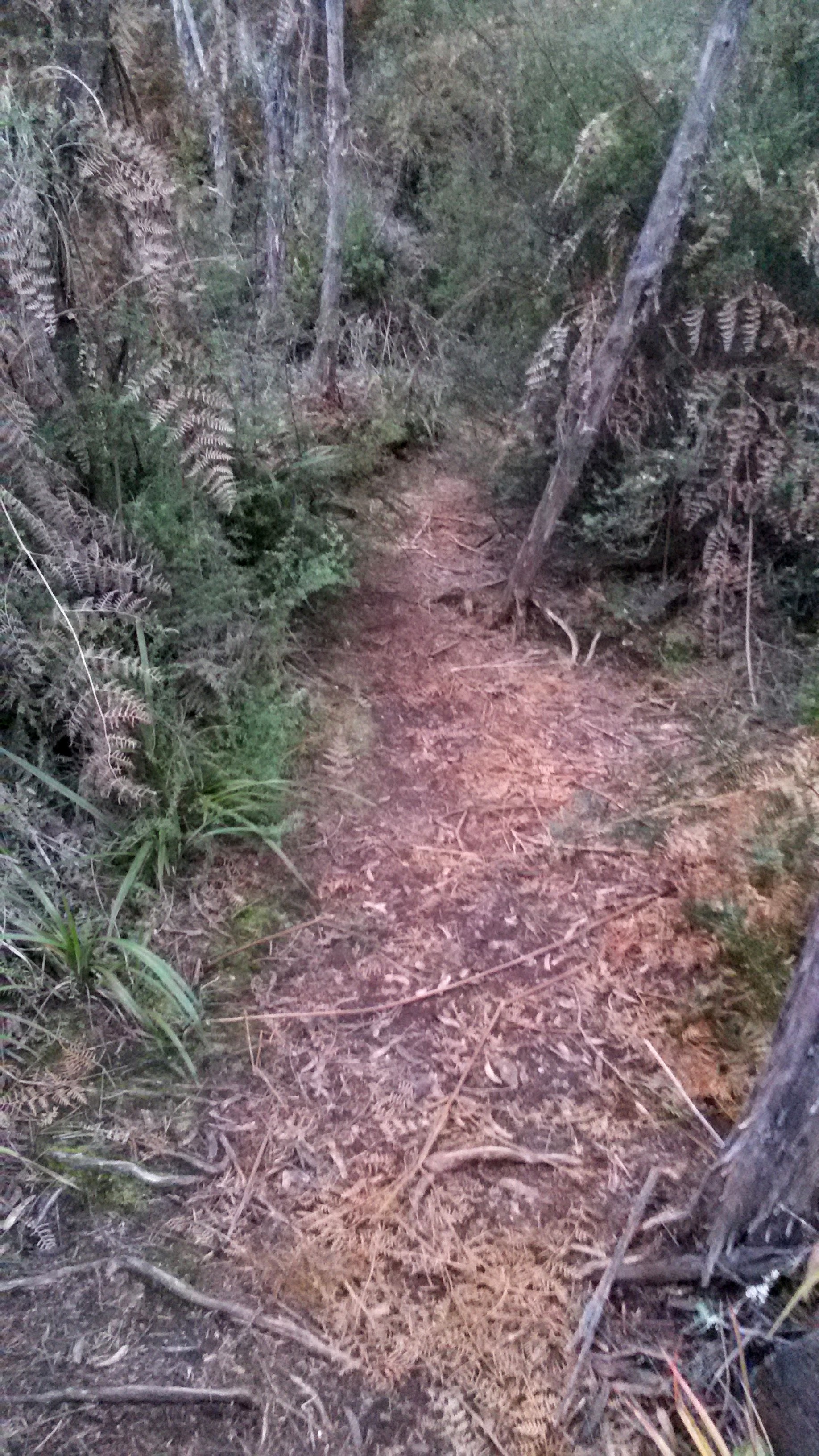 Not wanting to find my car locked up in the visitor’s spot, I
  The first thing you see is the top of the falls. These are quite lovely and worth a gander, but the water up here is too shallow to enjoy a soak, so head on down the trail a little further and you’ll find the pool. Despite it’s lack of popularity, it was indeed marked with another Dept of Conservation sign warning us about mud burns and amoebic meningitis, so the government was clearly aware of the fact that people were coming here and was just as clearly not prohibiting it. Ostensibly, this is a result of the Queen’s Chain policy of reserving 20m of land around bodies of water (and prohibiting the private ownership of said water).



 Back to New Zealand. It’s like time travel, or at very least like one of those novels that writes chapters from all different perspectives or storylines. You can see my trail through the north island here, starting in Auckland and then looping around Northland before swinging wide to the East and Coromandel Peninsula. Also, I’m afraid that the night-time stories don’t have accompanying pictures as I have not yet acquired a camera that actually shoots well in the dark. Think of it as imagination exercise.
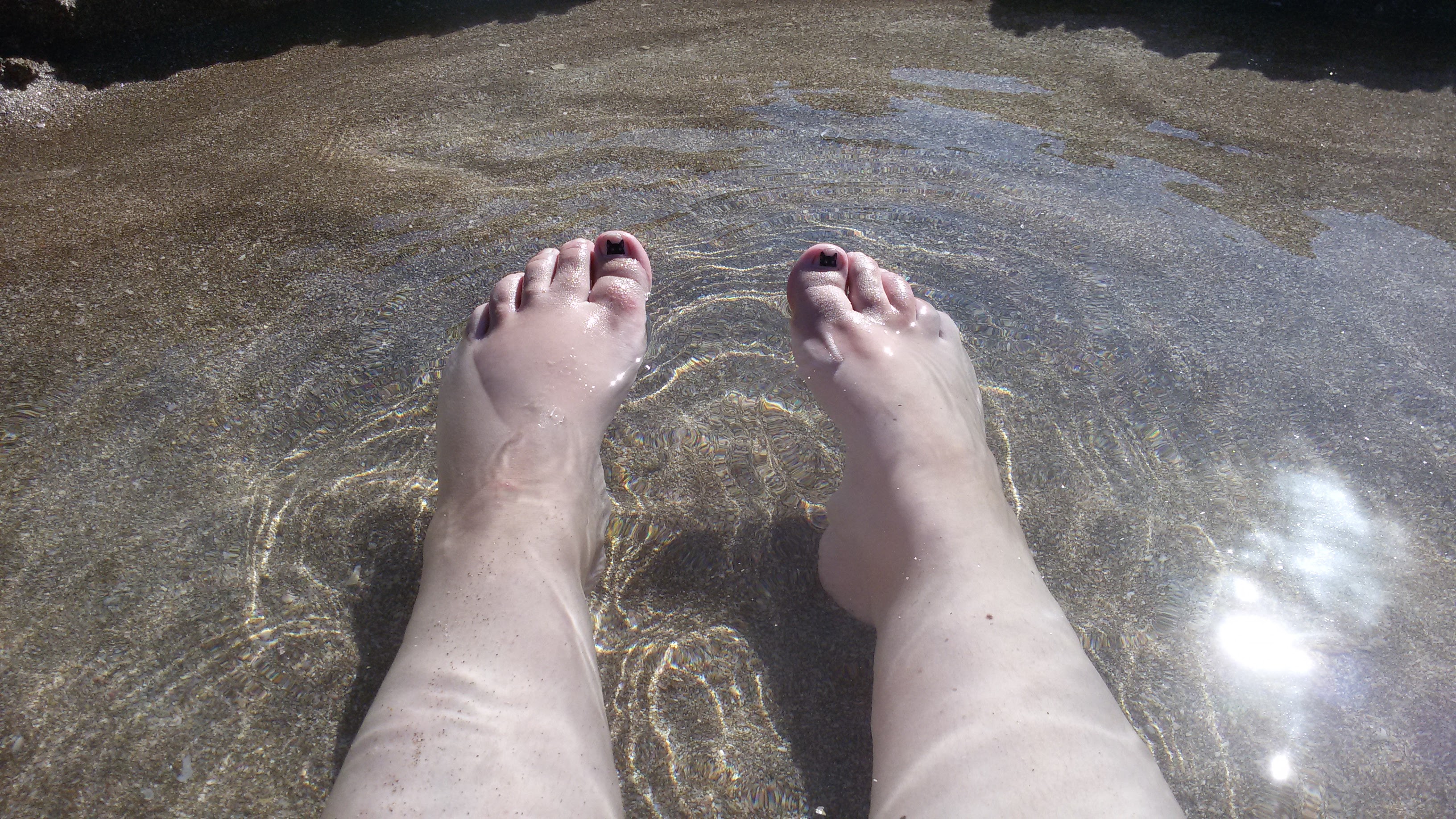
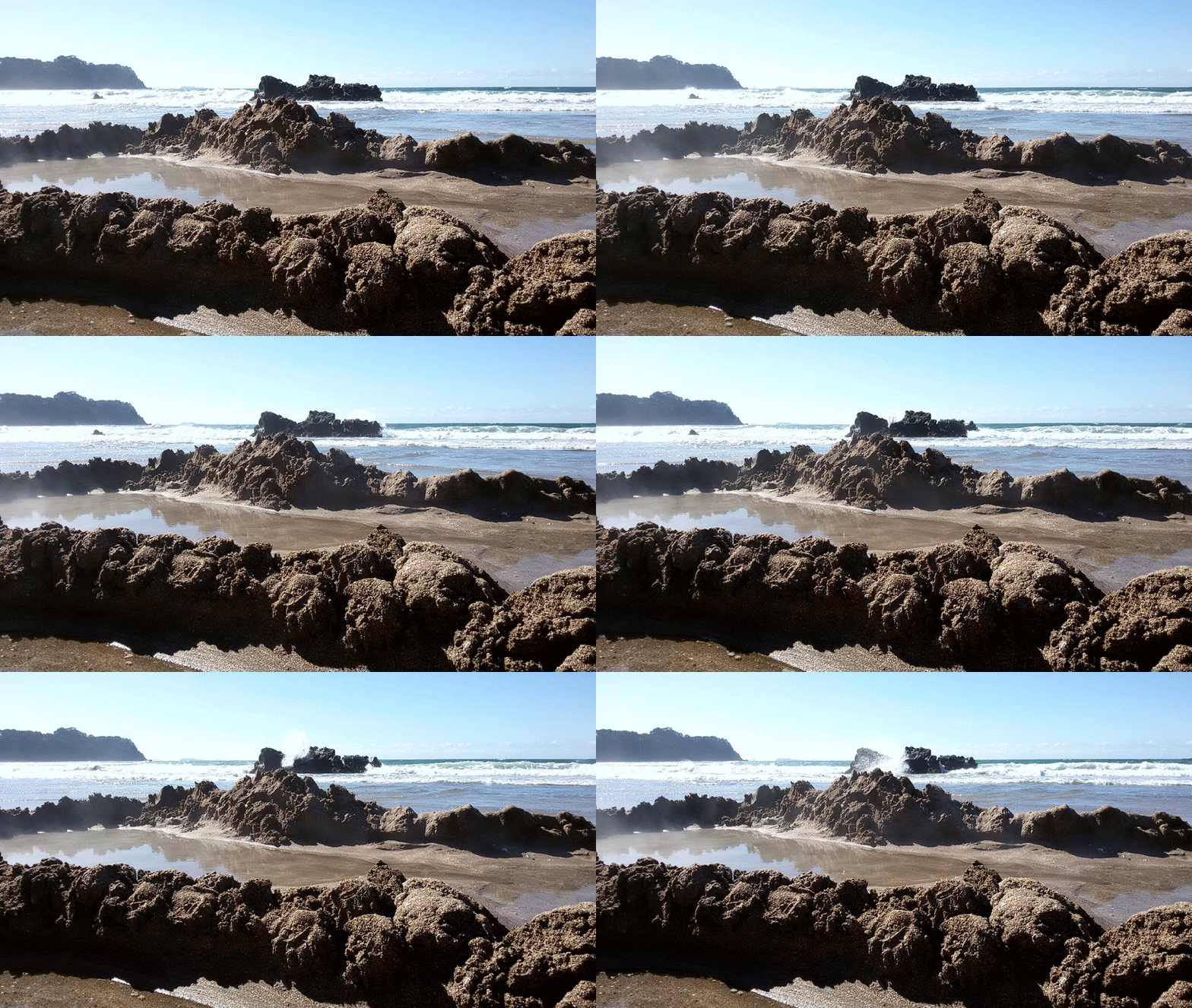
 My breakfast spot was nearby a public restroom and shower as well as a totally different path down to the water. When the hours lengthened enough to head to the beach, I wandered over to the changing rooms and got kitted out with my suit, sunscreen and shade hat. The clear sky of the night before had carried over into the morning and I didn’t want to get sunburnt while soaking up my hot spring. The beach was also quite full of people. I was even more glad in that moment that I’d had the chance to spend a few hours the night before in silence and solitude. I love people and I had a great time chatting with the other bathers that morning, but I am grateful it was not my only experience of the beach.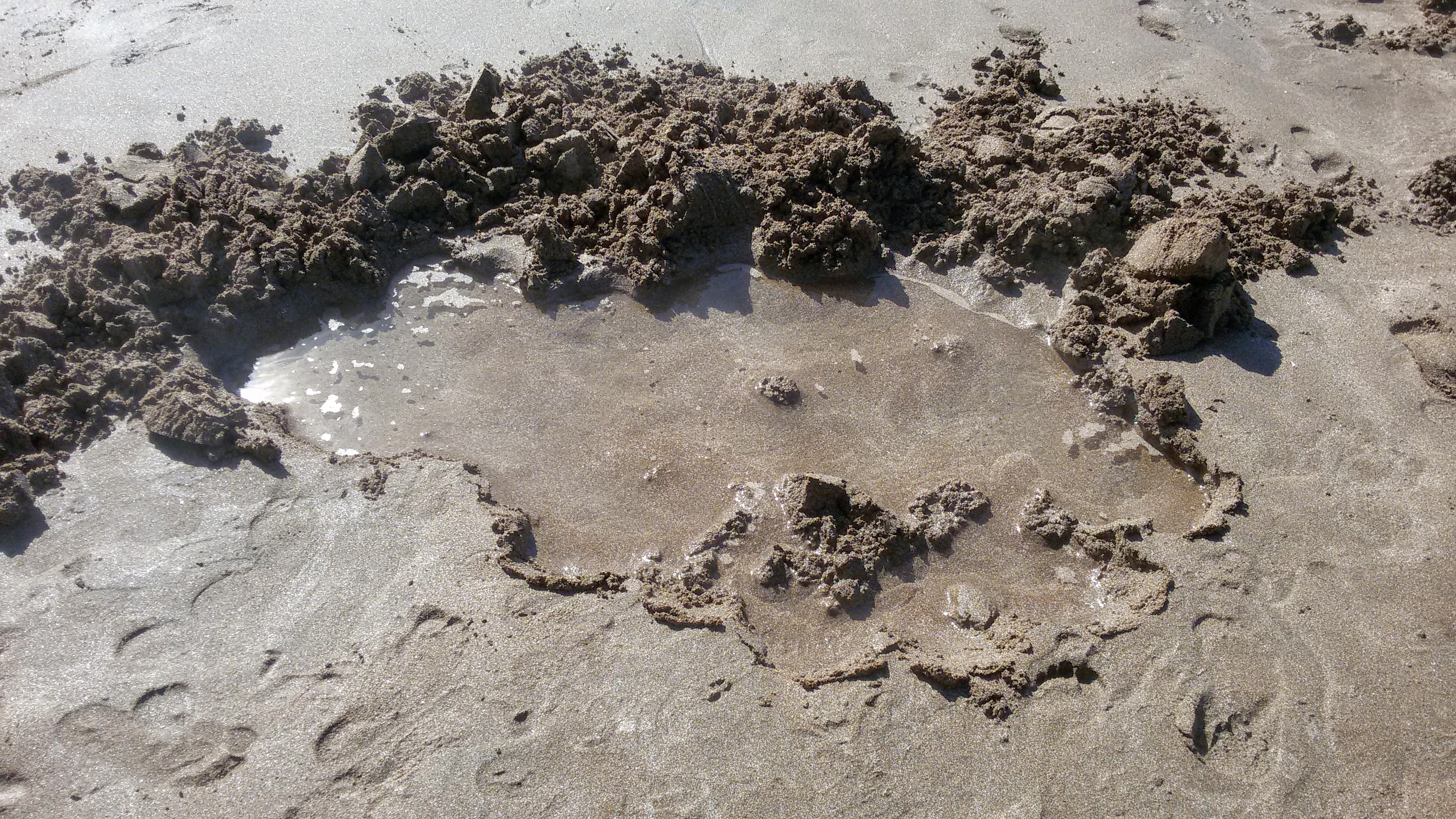
 Although Cathedral Cove car park is a mere 10 minutes up the road from Hot Water Beach, there is a further 45 minute hike (according to the sign) to the cove itself. The cove is not accessible except by taking this walk or by kayaking in from another point. It is famous more for it’s breathtaking beauty than for any particular historical importance, although it was used in the filming of
  The timed signposts for trails in NZ were a bit frustrating to me because there was absolutely no way to know how fast one should walk to achieve this time. I’m perfectly capable of walking quickly, but I like taking my time on a forest walk and I can better judge my time if I know the length of the walk instead of the average hiker’s time. Average flat ground speed might be 5kmph, but of course rough terrain can change that too. Waipoua said about 40 minutes for the walk out to Te Mata Ngahere and back (very smooth trail), but I took about 2 hours because of all my stopping and looking. Waipu said 1.5 hrs for a 2km trail (very steep), and I took a little over 3 hours exploring things and watching the wildlife. So when Cathedral Cove said 45 minutes one way, I was skeptical. However, even with my frequent stops I still did manage to
 make it in about 50 minutes, so well done on those sign makers.
 of the hole is the actual cove named Cathedral, but since I had left Hot Water Beach as the tide was coming in, I was loath to wade through the waves to reach the other cove, not knowing how fiercely the water level would be rising or how wet I would get trying to come back. Remember, it’s winter in August and I already knew just how cold that ocean was.
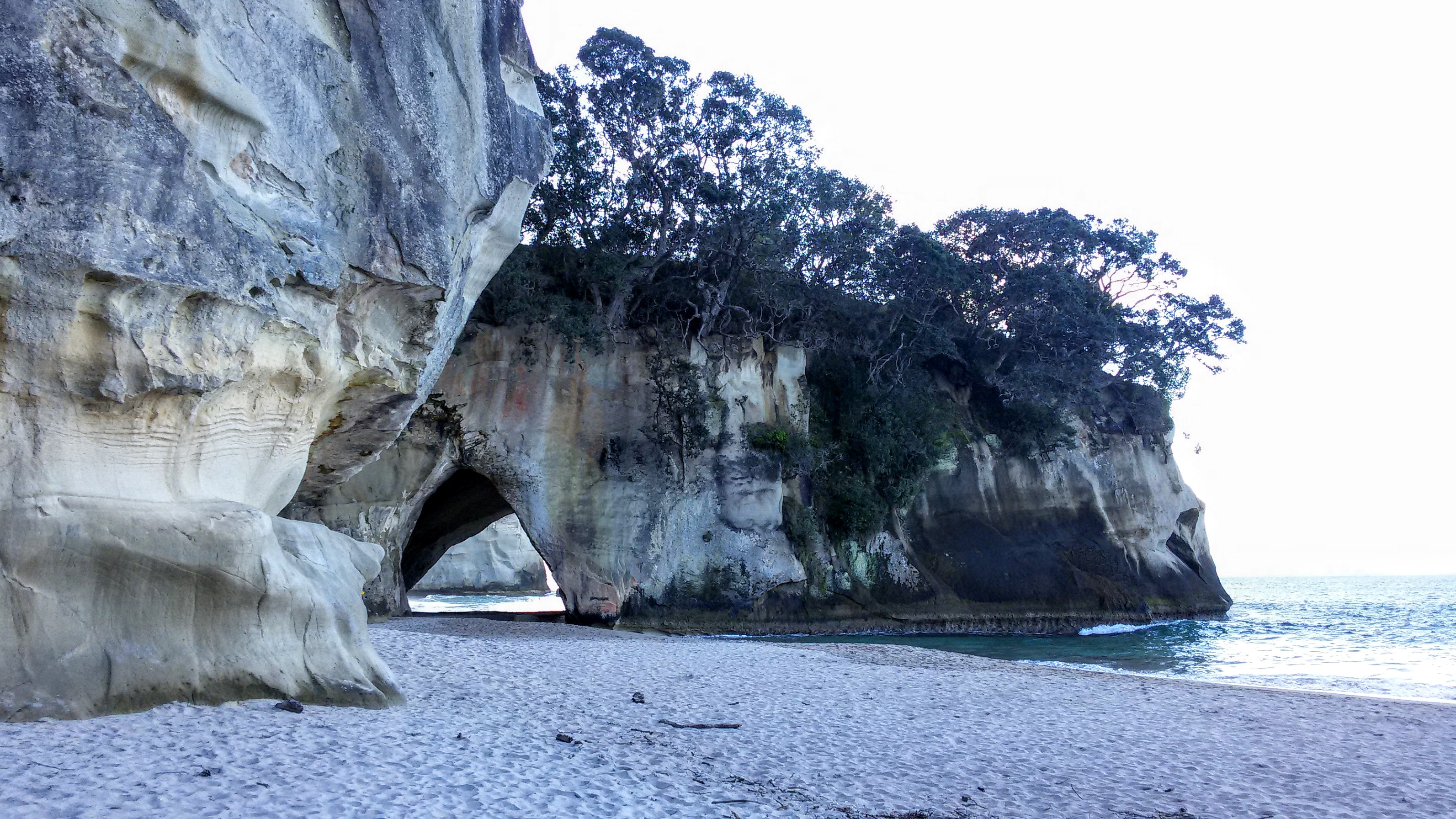 The sun was also low in the afternoon sky when I arrived, casting the coves into shadow. There is no doubt that this beautiful area is well worth a visit, but next time I’ll be sure to come down in the early morning when sunlight fills the beaches. As a result of my slightly off timing, I’m afraid my photographs are mostly in silhouette, but they do capture a bit of the majestic quality of this coastline. In addition to the star of the show, the cove also has some beautiful rock formations and a small waterfall.
 These long shadows and deep silhouettes told me it was time to hit the trail back unless I wanted to be hiking in the dark. In summer, I might have lingered anyway to play in the warmer water and to dry off in the summer night air on the walk back, but the temperatures dropped rapidly after dark on my visit and I’d already had one moonlight walk through the bush the night before.
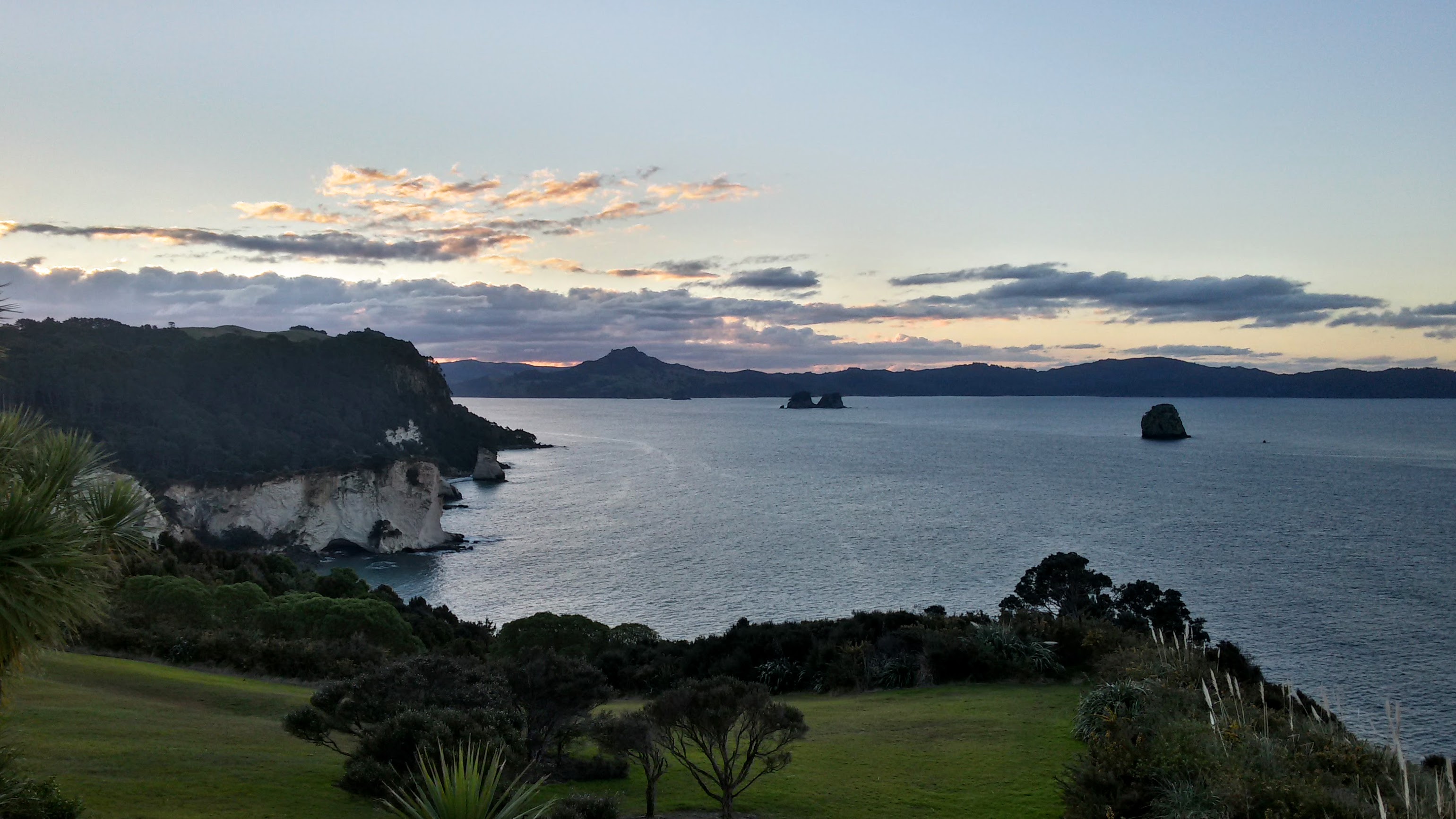 I met up with another traveler on the path back and we pointed out great spots to pause and take pictures of the sunset to each other, arriving back at the car park just in time to see the last rays dip below the mountain ranges to the West. As we were about to part ways and get back into our cars to warm up, she pointed to a tiny white sliver on the ocean in the Eastern sky. “What is that? Is that the moon?”, she asked. I was entirely incredulous. There was no way. It reminded me a bit of a snow-capped mountain far in the distance and the blue and pink ribboned sky was hazy, distorting the details. As we watched, however, the shape grew and it became obvious that she had been right.
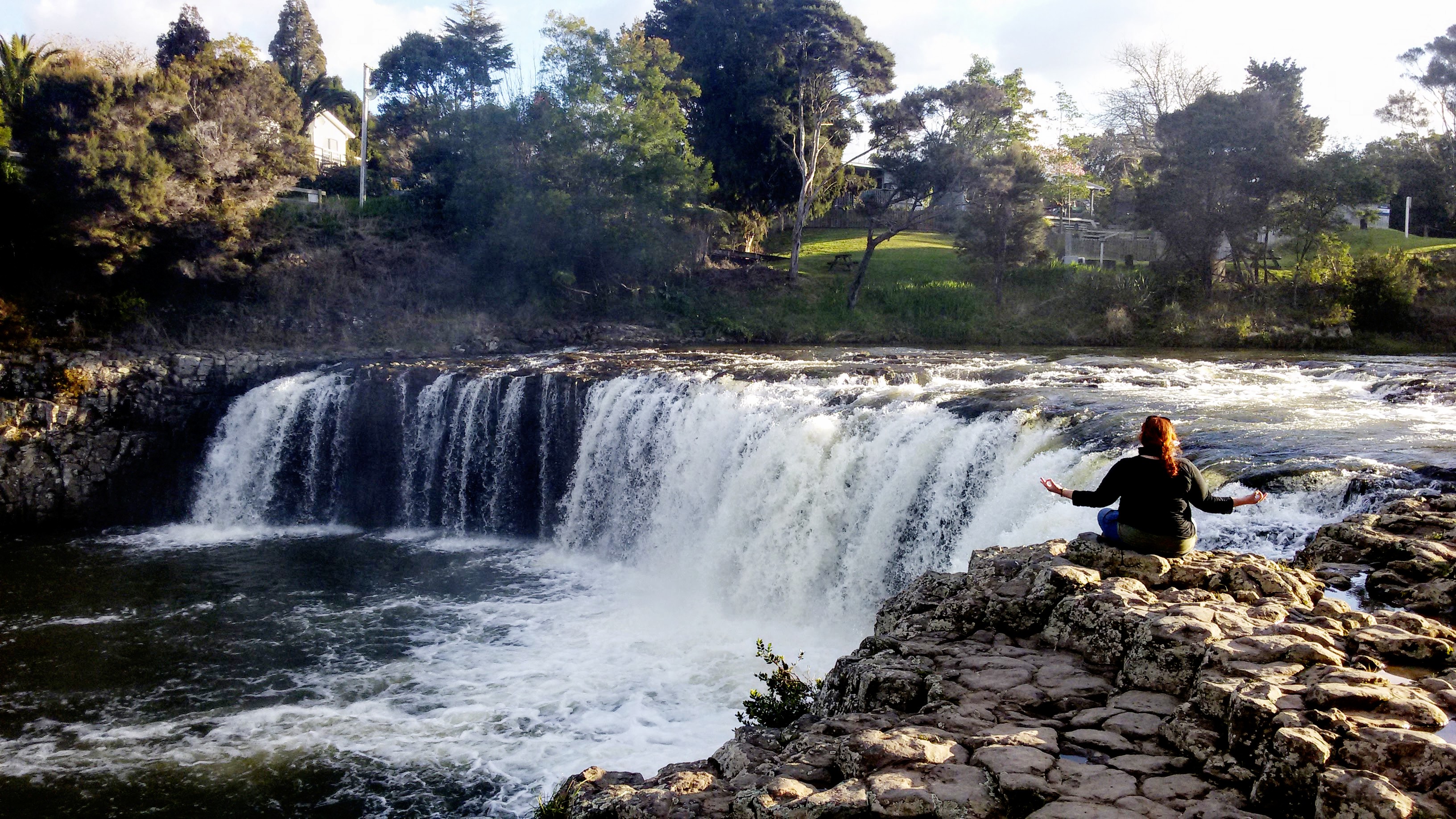 Waterfalls are a rare occurrence in my life but I treasure them. I ended up climbing out on the rocks to get close and then just sitting and breathing it in. There’s some kind of chemistry that happens to air that’s churned in a waterfall and it makes us feel better, happier (negative ions, no really, look it up). There was a trail along the river, but I’d had a full day of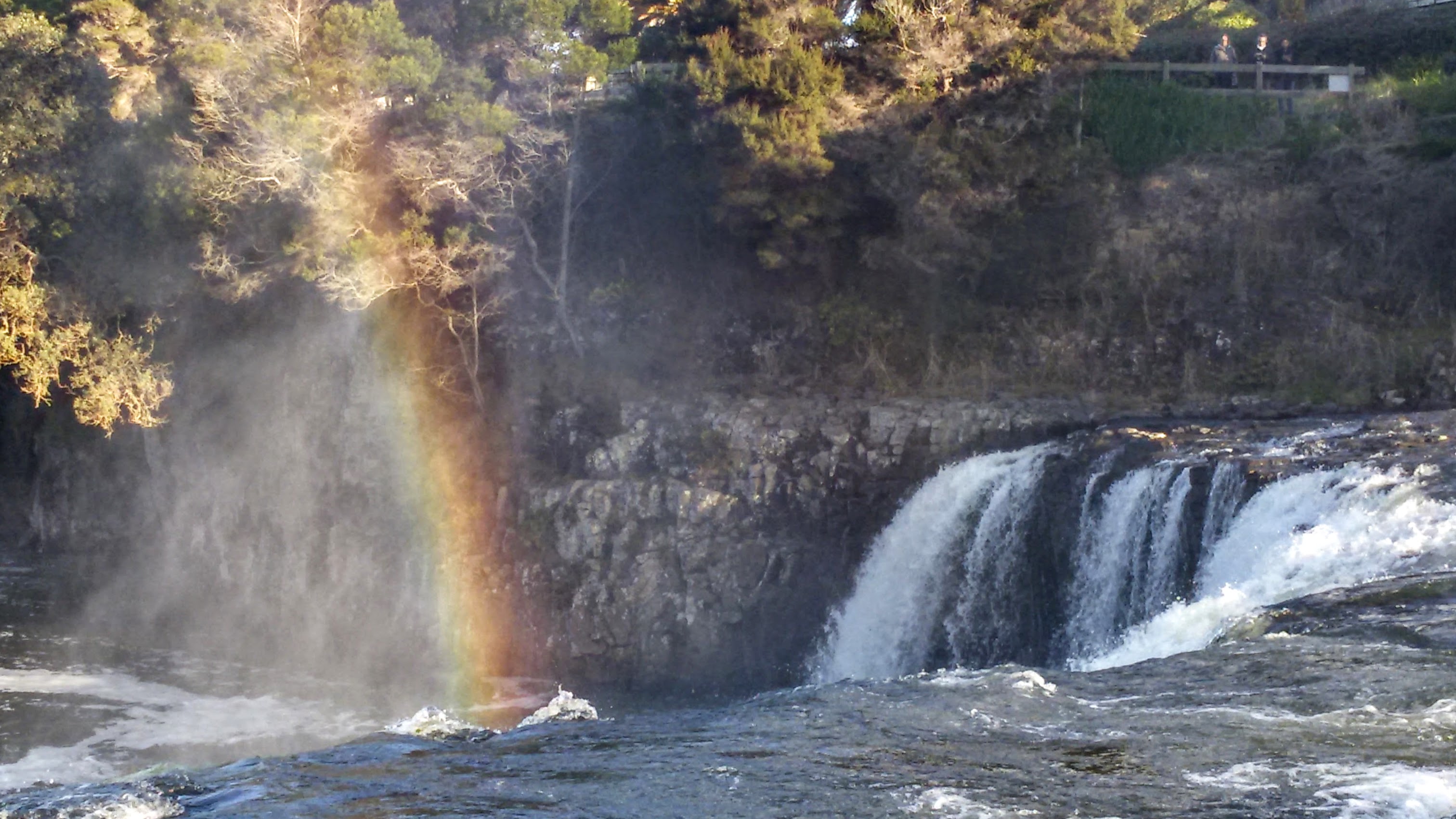


 The park service in New Zealand hasn’t really mastered the loop trail and this was no exception. The trail led up to a single point and returned along the exact same route. It was marked by the occasional tiny orange triangle nailed to a tree and for a while I felt like an intrepid explorer in Middle Earth. The forest was deep and green and dotted around with huge rocks that looked like nothing so much as Bilbo’s trolls turned to stone and broken down. I even found one that looked like a giant stone foot! Other places the rocks became less like the remains of curving carved statues and more like the square blocks of a fallen castle or fort, like the ruins of Cair Paravel. Of course, all the rocks are natural formations from glaciers, but it was fun to imagine. This part of the hike is the easiest and quite possibly the lovliest. If you’re here for a short visit, I’d say it’s worth it to walk as far as the bridge, at least.
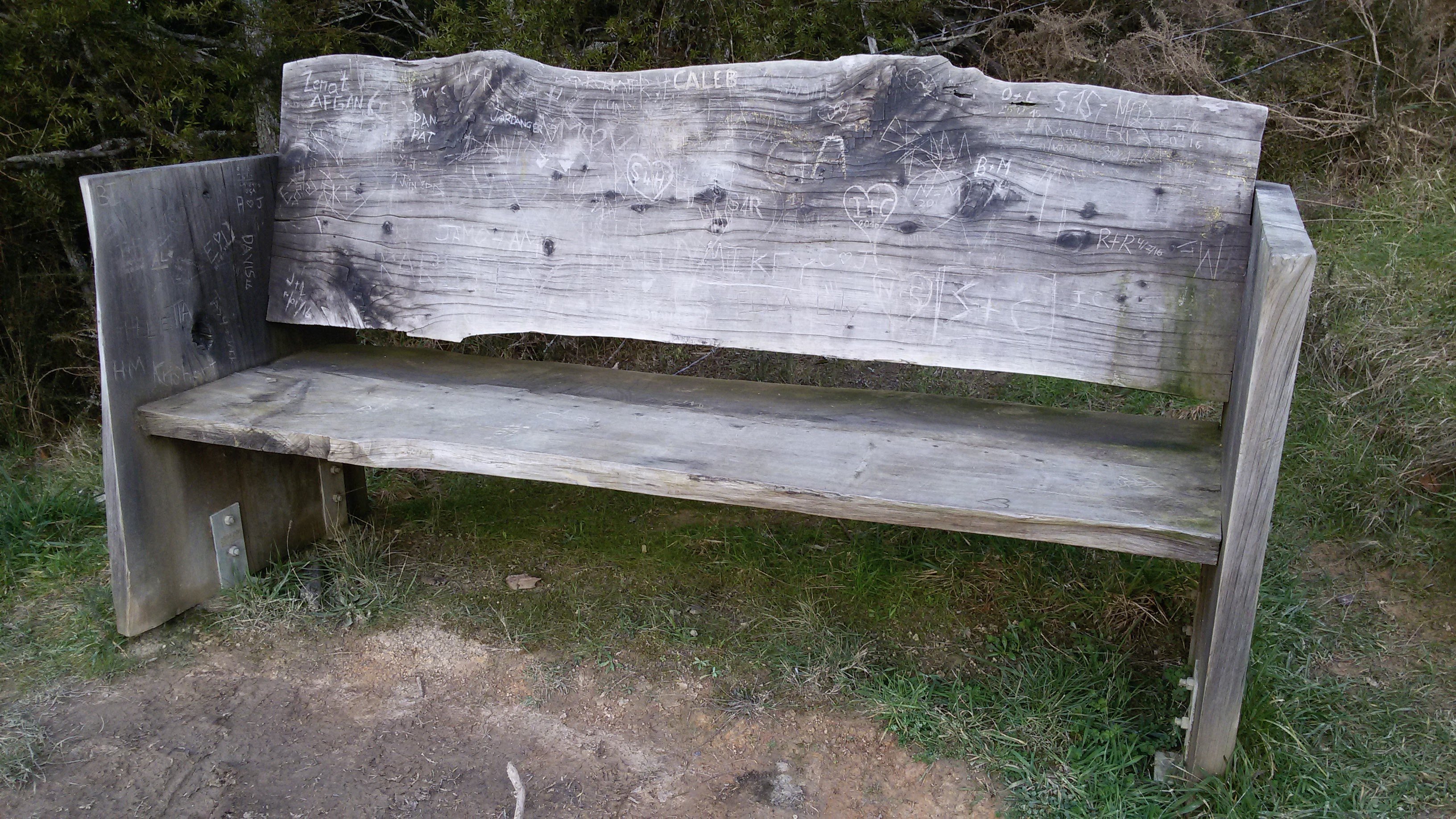
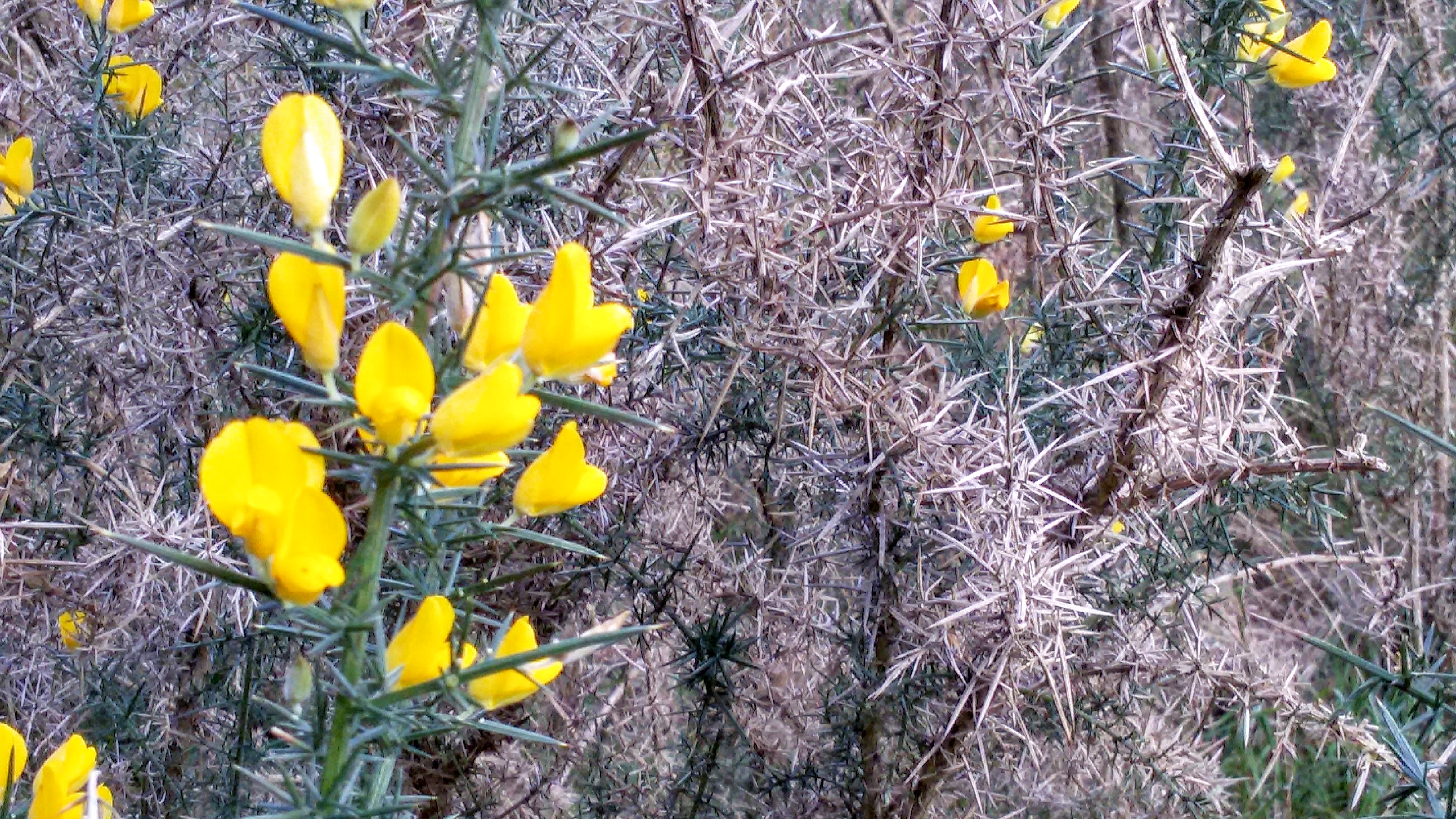 Beyond the bridge the landscape changed. The rocks all but vanished and the type of plants completely altered. Now instead of lush green trees there were scraggly gray thorn bushes taller than me that were growing their first bright yellow spring flowers. This let out into another forest, but much more jungle/rainforest in theme than the boulder-filled fantasy below. There was a stretch of farmland too, which I thought may have heralded the end of the trail as it led onto a nice little grassy terrace with a view all the way to the ocean, and a little wooden bench to sit and rest. This bench would be my second recommendation for turning around if you’re getting tired.
  The view is nearly as good here as it is at the top, so unless you’re an achievement junkie like me and just need to say you got there, it’s a fine place to end the hike.
 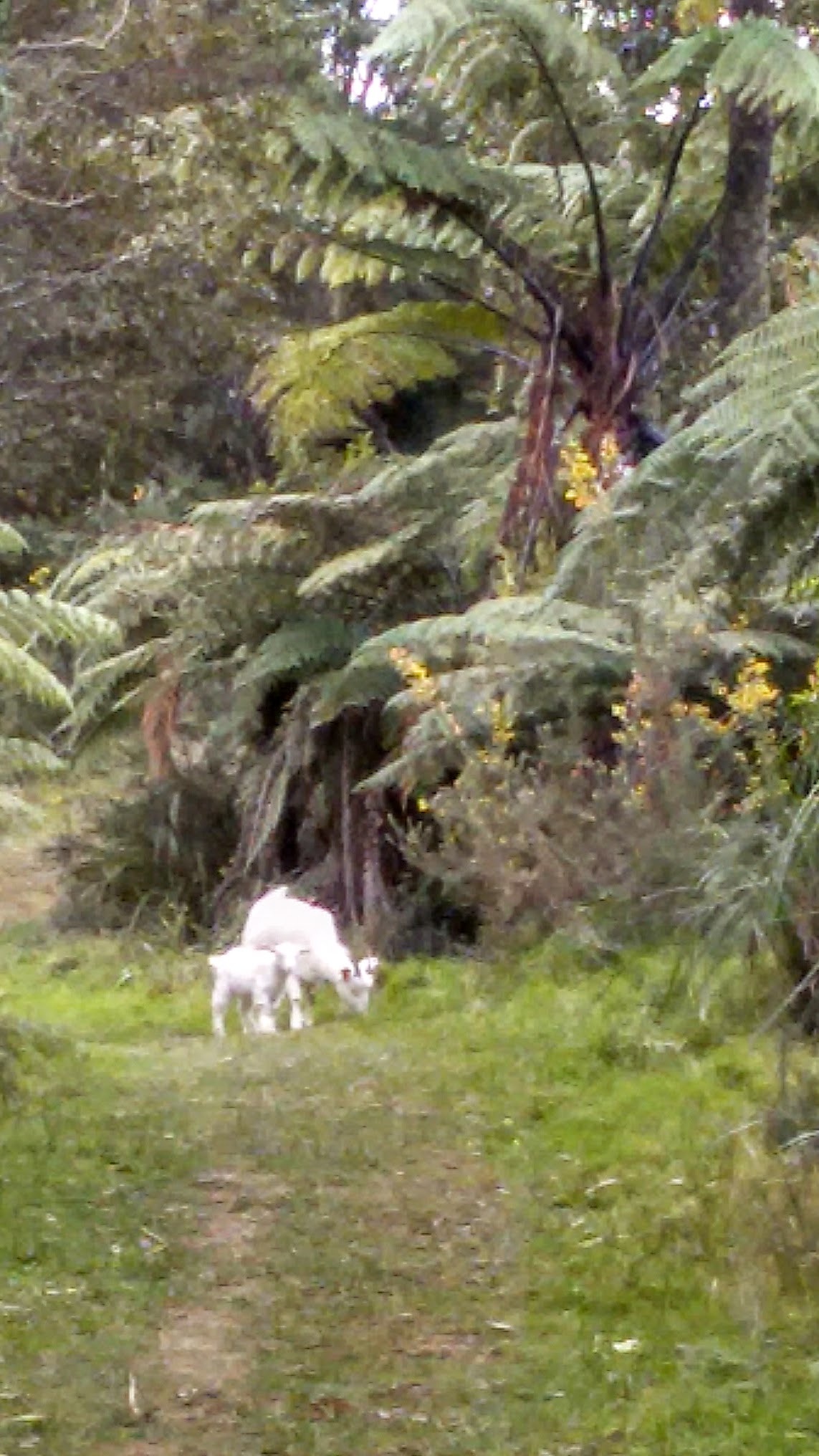 I came across a goat on the path with her baby. They were both snowy white and I stopped to watch them for a while before they crashed off into the undergrowth. I hadn’t seen any goat farms around, just sheep and cows so I wondered if she belonged to someone or if her ancestors had escaped captivity, and now she and her kin roamed the park lands wild. After much muddy trudging, I emerged into daylight again only to be greeted with a fence and a businesslike sign advising me that I had reached the end of the trail and should now turn around. No monument, no viewing platform, just this electric fence and sign. The sign informs visitors that they are welcome to admire the view from the property line, but to be cautious as the fence is live. Ok then. It was a nice view, but there was not much room to move around and nowhere to rest, so I soon headed back down the hilly mountainside to find the bench I’d left behind.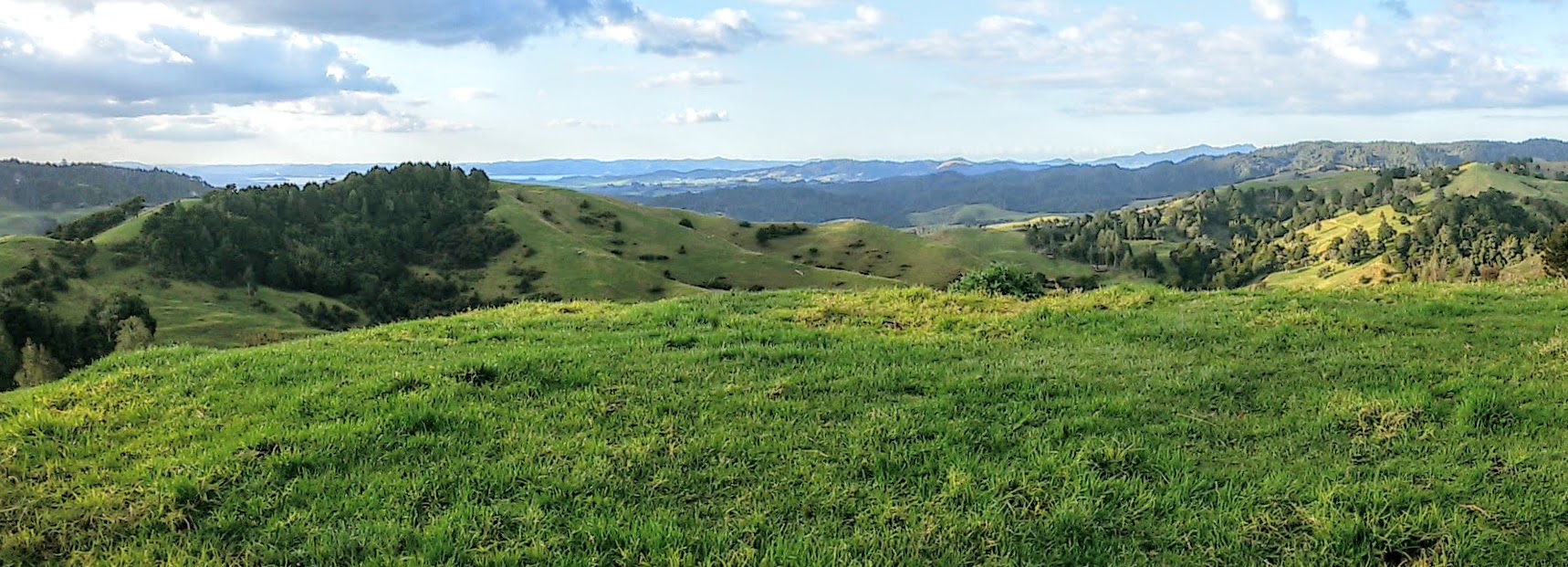
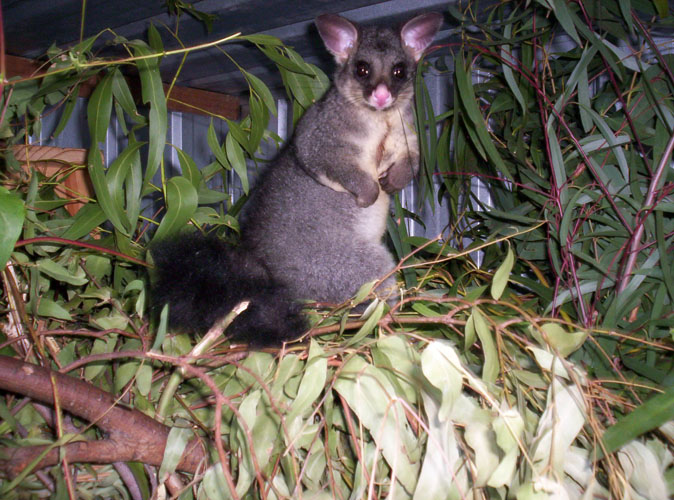
 I’ve wanted to swim with dolphins since the very first time I went into a marine park and saw the trainers interacting with them. If we hadn’t left Florida, I may have pursued a career as a marine biologist and/or dolphin trainer. Alas, my years in Tennessee squished that childhood dream like a bug on an 18-wheeler. Since then, I have learned the damage that dolphins suffer in captivity and no longer support marine parks with captive large mammals, which might be all of them. I do still go to zoos and aquariums. There are good reasons to have those things, not the least is that it engages children early and makes people interested in and concerned about animals in the wild and wilderness conservation. However, I couldn’t bring myself to pay a marine park for the privilege of swimming with captive dolphins whose lives are unfairly shortened by that captivity. Thus, when I found this option, this swimming with wild dolphins in the ocean option, I was hooked.
 This is not as easy as it sounds. I had booked a room in a different location nearly every night for my trip. I wanted to be able to wake up near my day’s activities, enjoy them, then in the evenings when the sunlight went away and the temperatures dropped drive to my next destination. I’d booked a room in Piahia for Monday night, with the hopes of boating on Tuesday. I watched the weather like a hawk and emailed back and forth trying to determine the ideal conditions. On Sunday, the weather showed Monday to be rainy, but Tuesday and Wednesday seemed to be nearly identically perfect. I’d booked rooms in the north peninsula for Sunday, Monday and Tuesday night, each about an hour from the other because the peninsula isn’t that wide. So I had a little latitude if I was willing to do the extra driving, to rearrange my day activities Monday, Tuesday and Wednesday. However, Wednesday night, I had a prepaid cabin at Hot Water Beach that I couldn’t move or cancel and that was a 4.5 hr drive back through Auckland and up the Coromandel Peninsula.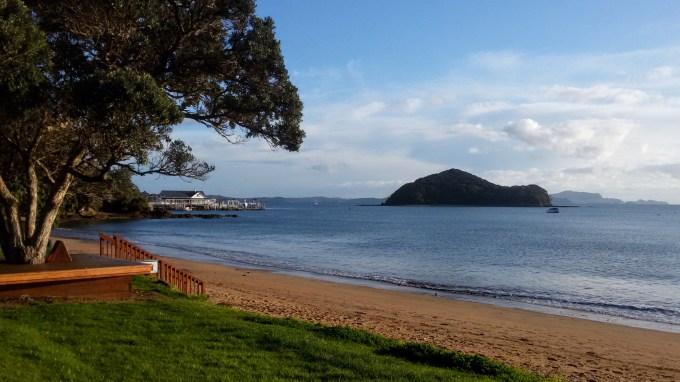
 I sat up on the very top and began (as I do) chatting with another lone traveler until the skipper asked all those interested in swimming to come to the cabin below for a safety talk. If/when they sighted dolphins, we would have very little time to get changed and jump in, so they wanted to give us the talk as early as possible. We filled out our health and indemnity forms and then listened to the safety regulations about not touching the dolphins, about the possibility of cold shock and hyperventilation in the water, and about how to wear a snorkel. Just as she was finishing up, the skipper announced a dolphin sighting. Our safety class all but disintegrated as everyone rushed to the doors and windows to see. Only threat of not being allowed in the water brought them back.
 As we were watching the dolphins swim around, the skipper announced they were feeding and we wouldn’t be able to go in the water after all. So I settled in to take some pictures and watch them play. I was amazed at how close to the boat they came. They swam around us, not just little fins in the distance, but just below the surface of the water alongside the rail. The skipper was identifying those of the pod she could by their dorsal fin shapes, as each dolphin’s fin is as unique as a fingerprint, and I’d only taken a few photos when suddenly the call came to change into our diving gear now, now, now.
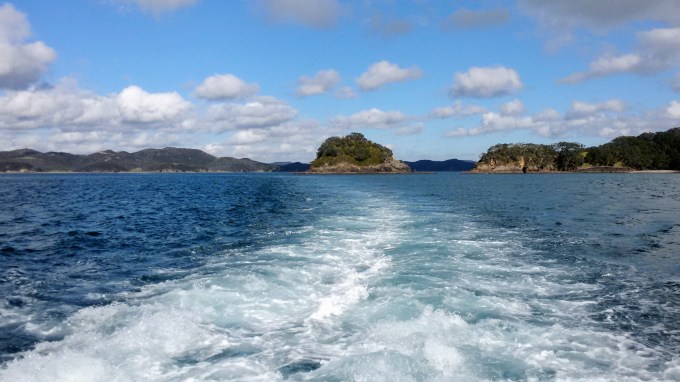
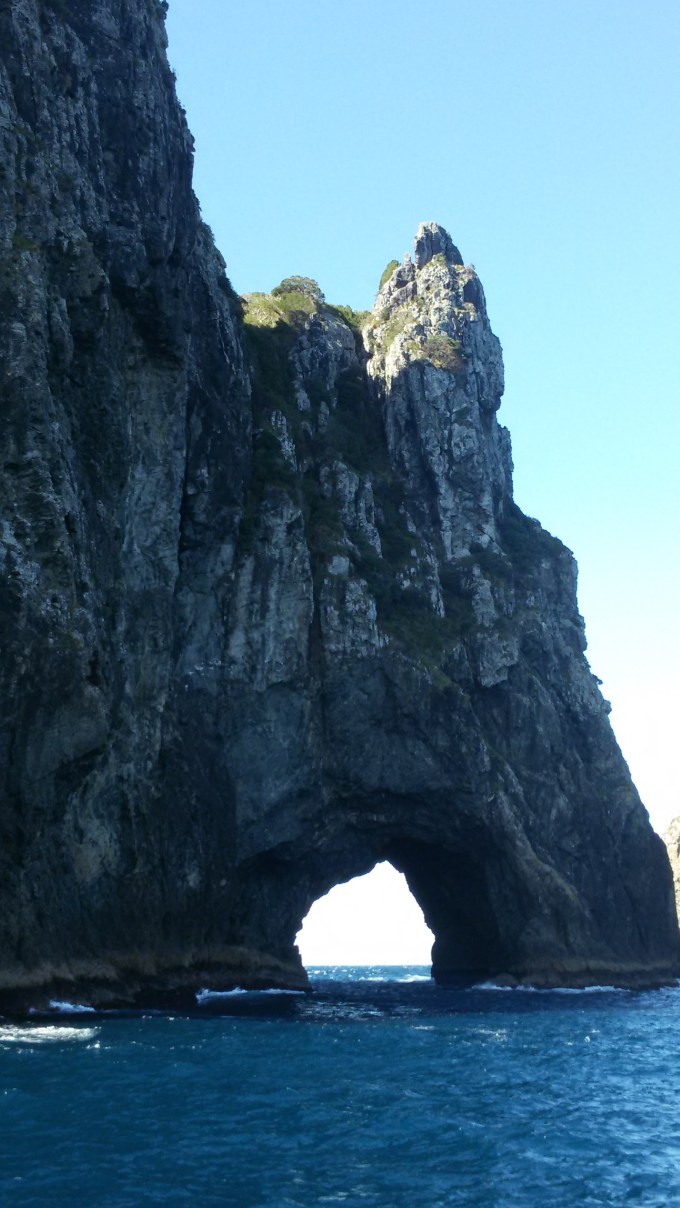 As we rode out to “the Hole in the Rock”, we passed by dozens of tiny islands, some inhabited and some not. We were regaled with histories of piracy and assassination in the early days of European settlement, and of the farmers who later raised dairy cows around the islands which resulted in the need for a “cream run” boat to collect the milk and how that later became the first boat to run tourists around the bay as well and was the ancestor of the company boat we were currently on. The hole in the rock island has significance to the local Maori tribe and is still held in trust for them, although it is preserved as a wildlife refuge because it has no evidence of being exposed to external plant or animal life. We didn’t go on to the island because the boat tours don’t have an agreement with the Maori there, but we did sail out to take a look at the unique natural rock formation. When the weather permits, the boat will go through the hole, but the winds were too high so far out of the shelter of the Bay, and the skipper decided it wasn’t safe. Personally, I didn’t mind. If the weather had to pick only one thing to be cooperative about that day, I was in support of the swimming over sailing through a rock.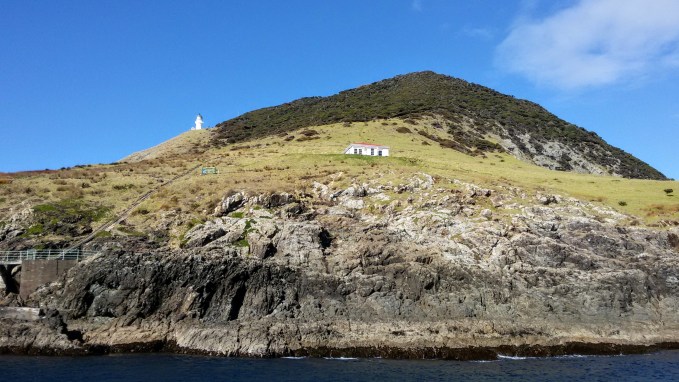


 Staying as long as we dared, we scampered back down the hill just as the boat was sounding the 10 minute warning and we passed the only other passenger ship on our way out. During a lingering view of a close pair of islands, we spotted dolphins again. The same pod we had swum with earlier came back for another peek at the boat. The restrictions on swimming time meant we couldn’t go back in again, but this time I had more of a chance to watch them from the deck and snap a few more photos before they left us for the last time and we began our travel back in earnest. In opposition to some of our leisurely boating around the islands, we had a speedy return to the ports where we had two options for the afternoon: Piahia or Russell.


 Gallivantrix