In an attempt to organize my adventures in Tours, this is the 3rd of 4 posts about the city, and it features three of the châteaux in the Loire Valley. There are so many châteaux that there are top ten best châteaux near Tours listicles. Tragically, most of them are not especially convenient to public transit as they were all originally designed to be exclusive country estates. Happily, my school arranged some field trips.
One thing I’m learning while doing follow up research on my visits is that many of these historical sites now have extremely thorough virtual tours with professionally taken photographs where each plant is in peak season and the weather is ideal. There is no way that my photos can objectively compare, and while I may treasure my own photos more than those on a website because they come to me with the memory of me physically being there, I can’t actually think of a reason for any reader to prefer my photos to those professionally taken at the site. My story may be unique because I will not simply tell you the history of a place, but rather my experience of being there and learning that history, but unlike many places I’ve been where I can find little if any information, or even in contrast to when I first came to France in 2015, the museums and historical monuments in France are extremely well documented.
So, if you’re here and you want to read about my personal experience with these places, then thank you, but also, if you want to know more or see the locations at their absolute best, then I recommend the virtual tours (links below).
Château de Villandry (virtual tour link)
My school host and ersatz guide advised us that the interior of the château is nothing special, and we all agreed we would focus our trip on the gardens. To begin, we actually went up inside the château to climb a creaky staircase to the upper wall and get our first panoramic view of the gardens below. I was quite grateful for this since the website features some very stunning drone photos of the grounds which are planted in elaborate patterns best observed from above.


My guide explained briefly about the history of the design of the gardens below (and since he’s also the of our French language school, he did it in French (albeit very simple French) to help us learn. I double checked my understanding by taking photos of the informative signs and reading the website, but I actually caught most of it. Yay, learning!
Villandry traces it’s origins to the 11th century Colombiers Fortress, but the modern edifice and grounds bears little resemblance to it’s ancestral lineage. The current château is of Renaissance architecture, which means around the mid 1500s. It looks like the first major attempt at decorative gardening was in the 1750s. At that time it was done in the style of a French garden. Then in the 1840s it was changed to the style of an English park. All this time, the property keeps changing hands as well. In December of 1906, a rich American heiress bought the property for her husband, Joachim Carvallo who is responsible for the current structure of the gardens. Later additions were made by their children, and finally the sun garden was added last in 2008.

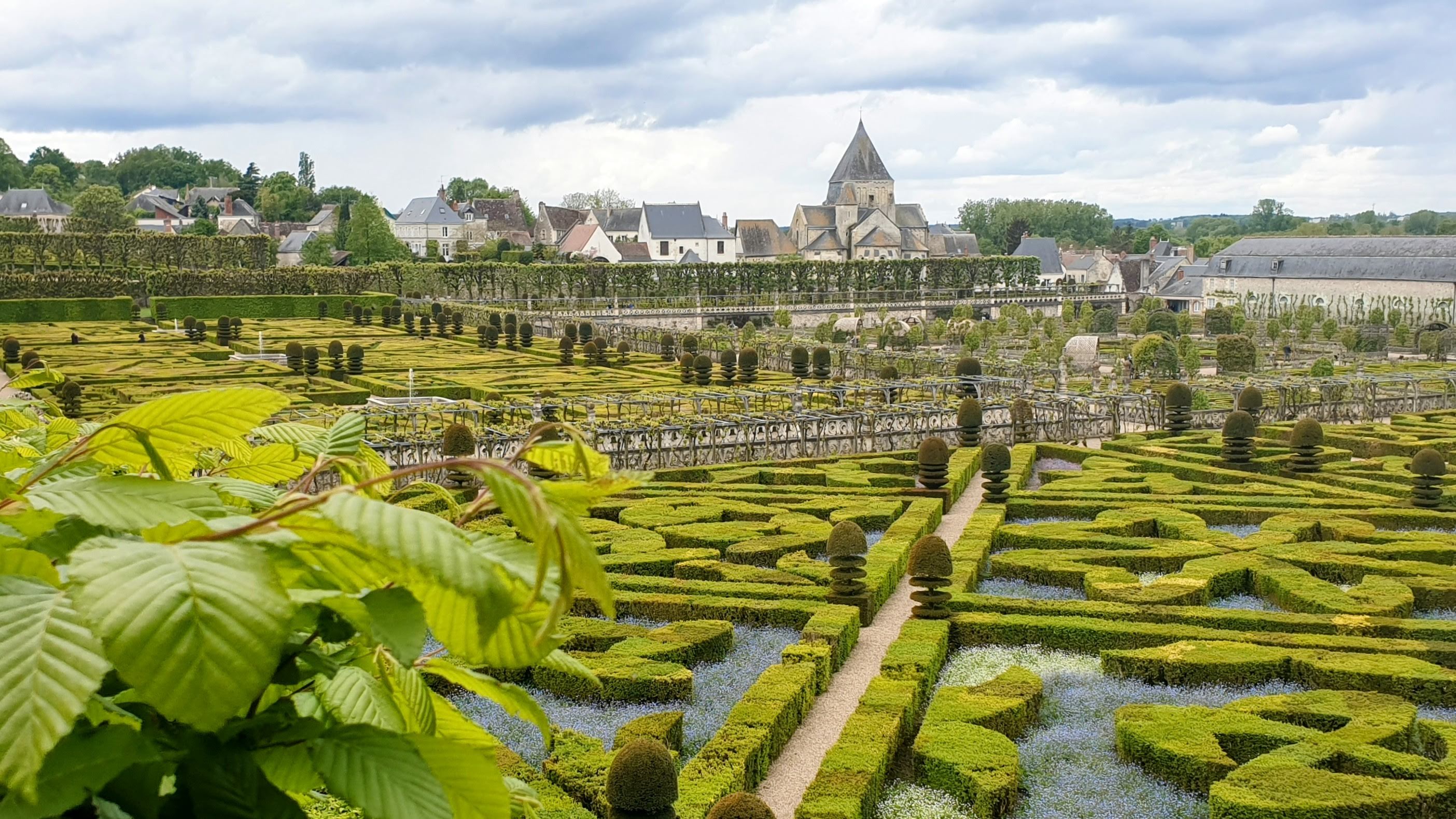
The gardens are immense. The first division splits the area into three sections: the Kitchen Garden, the Water Garden and the Ornamental Garden. The main view from above and the most striking panoramic view is of the Ornamental Garden. The Love Garden represents 4 types of love: Tender Love: hearts separated by flames of love in the corners of the square with masquerade masks in the center. Passionate Love: broken hearts and a tangled maze. Flighty Love: four fans in the corners for fickleness, horns representing betrayed love, love letters. Tragic Love: blades of daggers and swords used in duels between those fighting over a shared love. To the left is the Garden of Crosses with Maltese Cross, the Cross of Languedoc, and the Basque Cross along with highly stylized fleur-de-lis.

I was quite captivated by this entire notion as it was explained to me, and it made me think of the sort of Regency Era period dramas that show high society engaging in all manner of romantic hijinks. I’ve read histories about the way that fans were used to flirt, about the affairs at court, and about the duels. Then I found out the garden was not installed like this until the early 1900s and I realized that rather than a representation of courtly romantic drama by those who lived it, it was a recreation by a historical fan from a later era. I don’t think that makes the gardens less beautiful in any way, but it is interesting to think of the layers of history that go into famous monuments and tourist attractions. Villandry as a property certainly predated, hosted and then survived after the period of courtly intrigue that dominated the century between 1750-1850, yet the current historical restoration and preservations were not replicas of anything that existed at that time, instead created as tributes or memorials.
We moved rather quickly through the so called Water Garden, as it’s main feature is a reflecting pool. The next area we entered on our way was full of flowers hued in shades of purple, blue, and white. When I caught up with my group in the next area, one staged in shades of red, orange, and yellow, my guide explained that these were the moon and sun gardens respectively. I found the sun garden on the website, but no evidence of the moon garden. It was clearly there, but I can’t find it on the webpage. Instead, there’s a whole other space called the Music Room that I have no memory of seeing, nor any photos of it in my cloud.


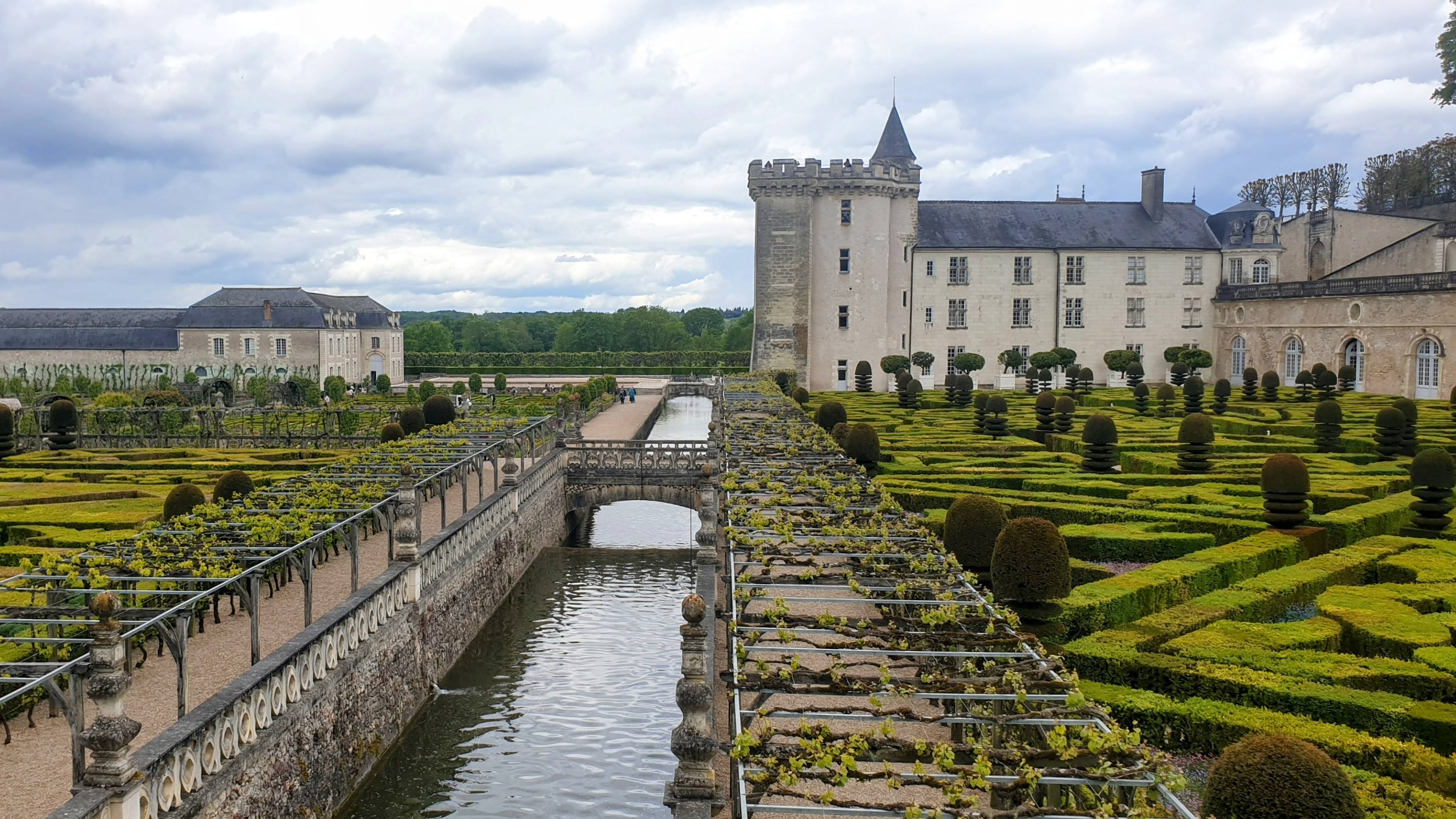
The next main space we walked through was the herbs and medicinal garden, followed by the kitchen gardens. Since it was still early spring, these were a bit sparse, but I was nonetheless enchanted by the geometrical patterns created by the beds for herbs and vegetables. I took a great many photos of the château itself from this angle as well since it looked quite lovely as a backdrop to the gardens. At the time, I felt like we had explored every nook and cranny, but looking a the website afterward I can see there are aspects we did not discover, nor may they have been much worth seeing when not in bloom or harvest.


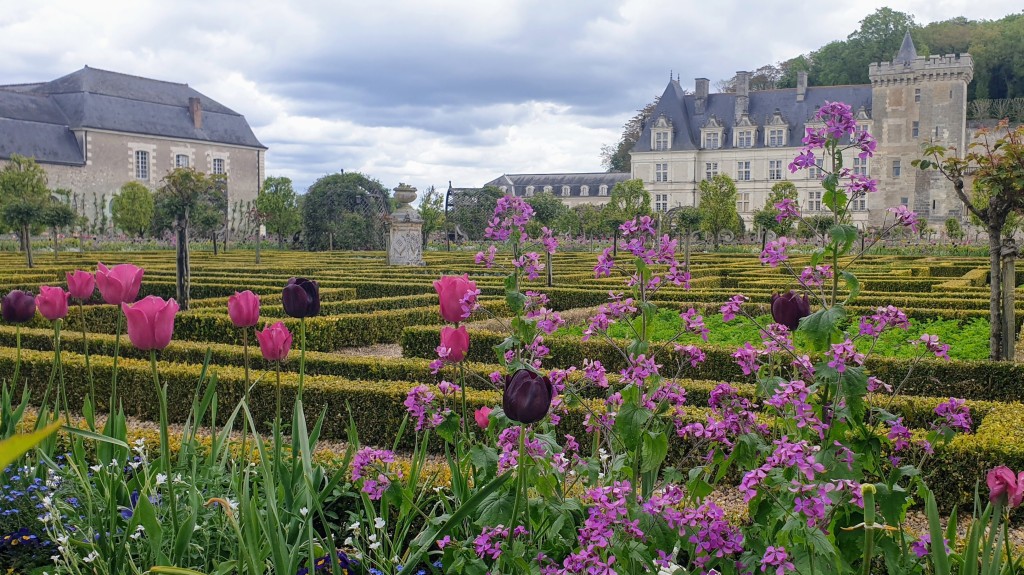

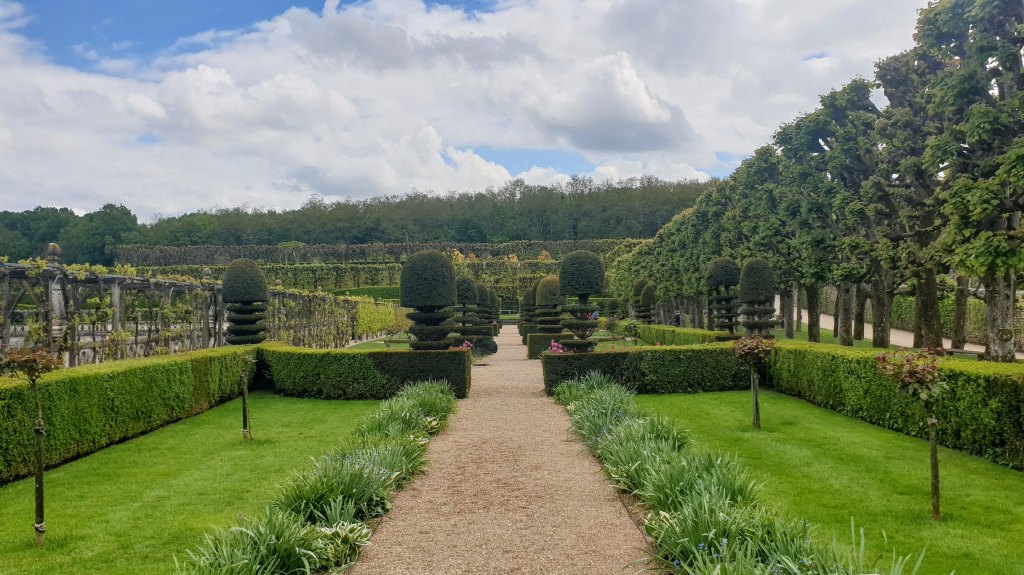
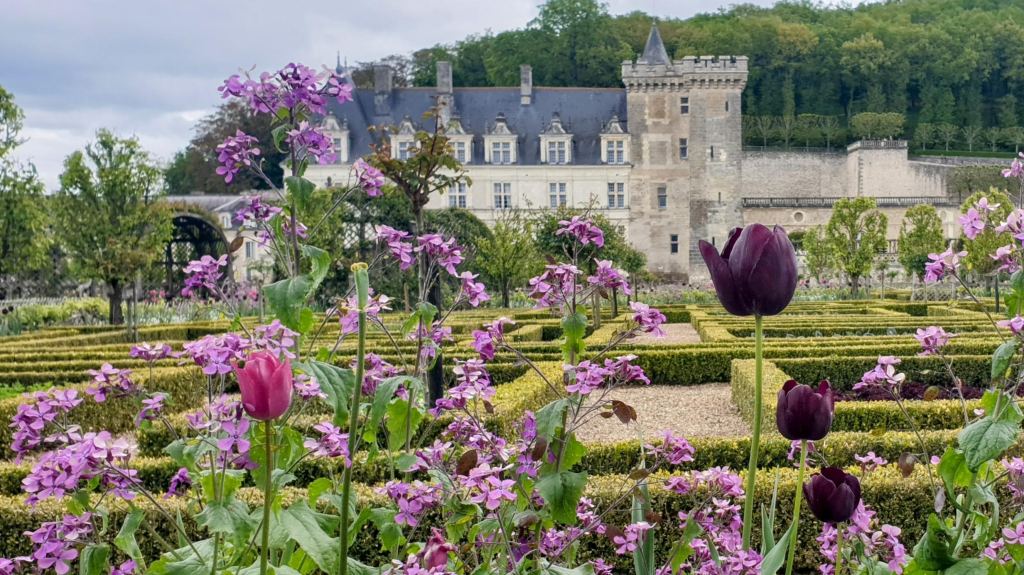


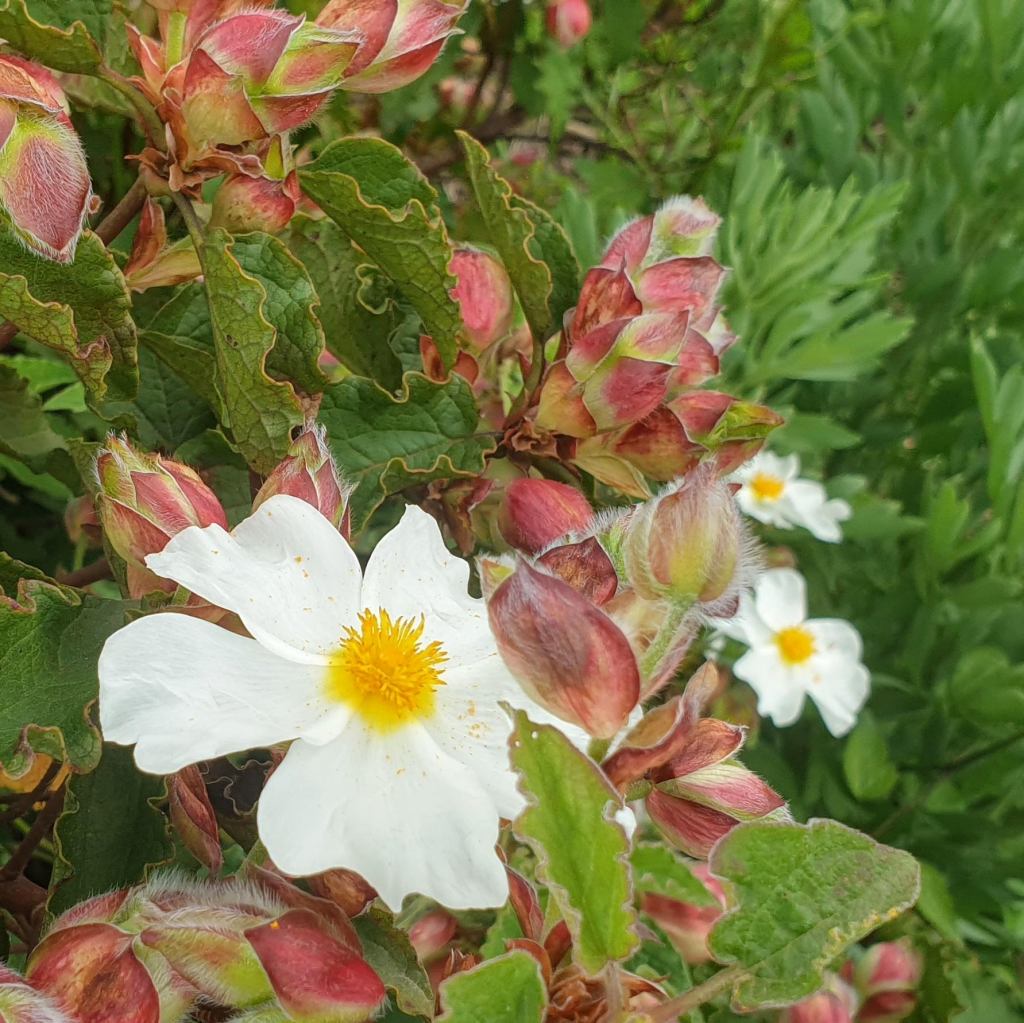
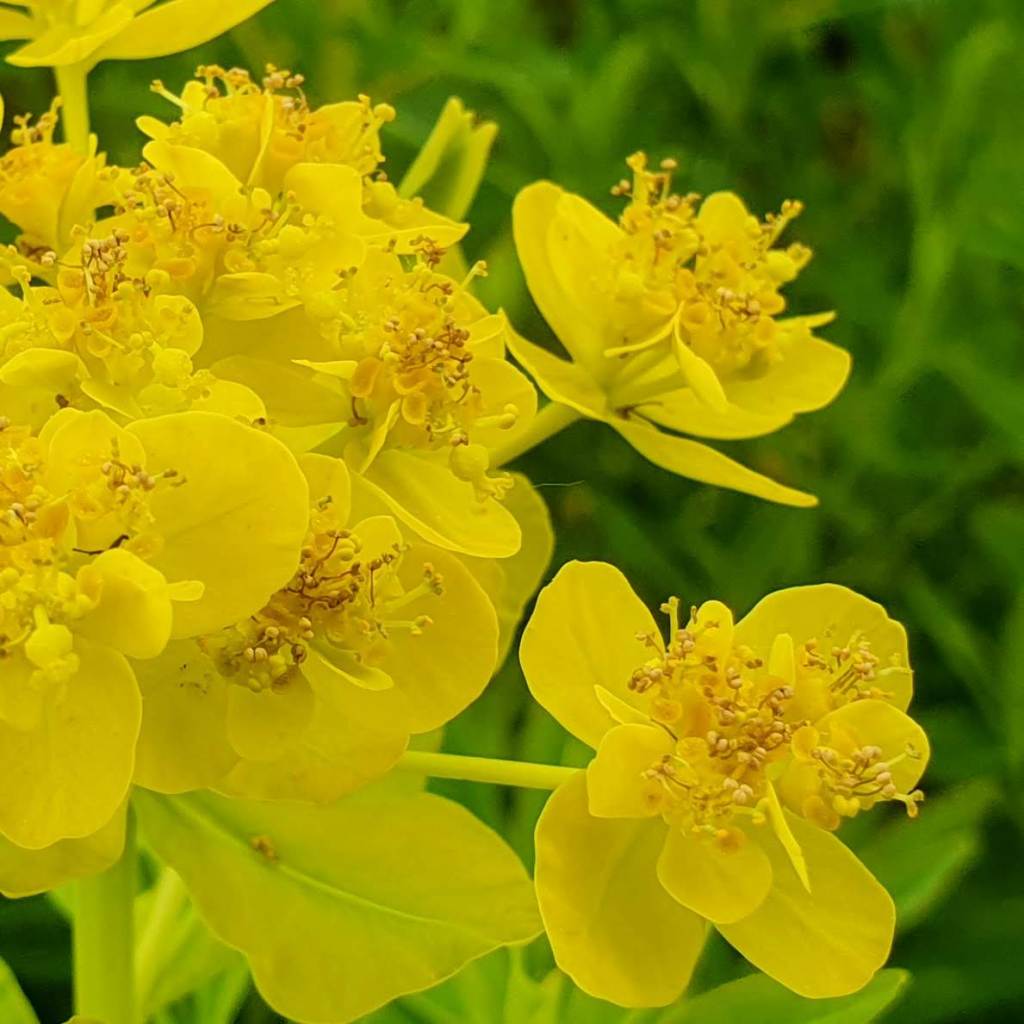
As with many things here in the Loire Valley, an afternoon at the château gardens isn’t about rushing through to see as many sights as you can; it’s about a stroll through a beautiful environment on a lovely day to enjoy the views and the take the air. Though the courtly days are long gone (and truly, I am grateful to live in modern times), there’s something to be said for “taking a turn around the gardens” as though I were a heroine in a Jane Austen novel. I took many photos of the flowers in bloom, so if you love flowers, check out the slide show below!




Château d’Azay-le-Rideau Castle (the virtual tour link)
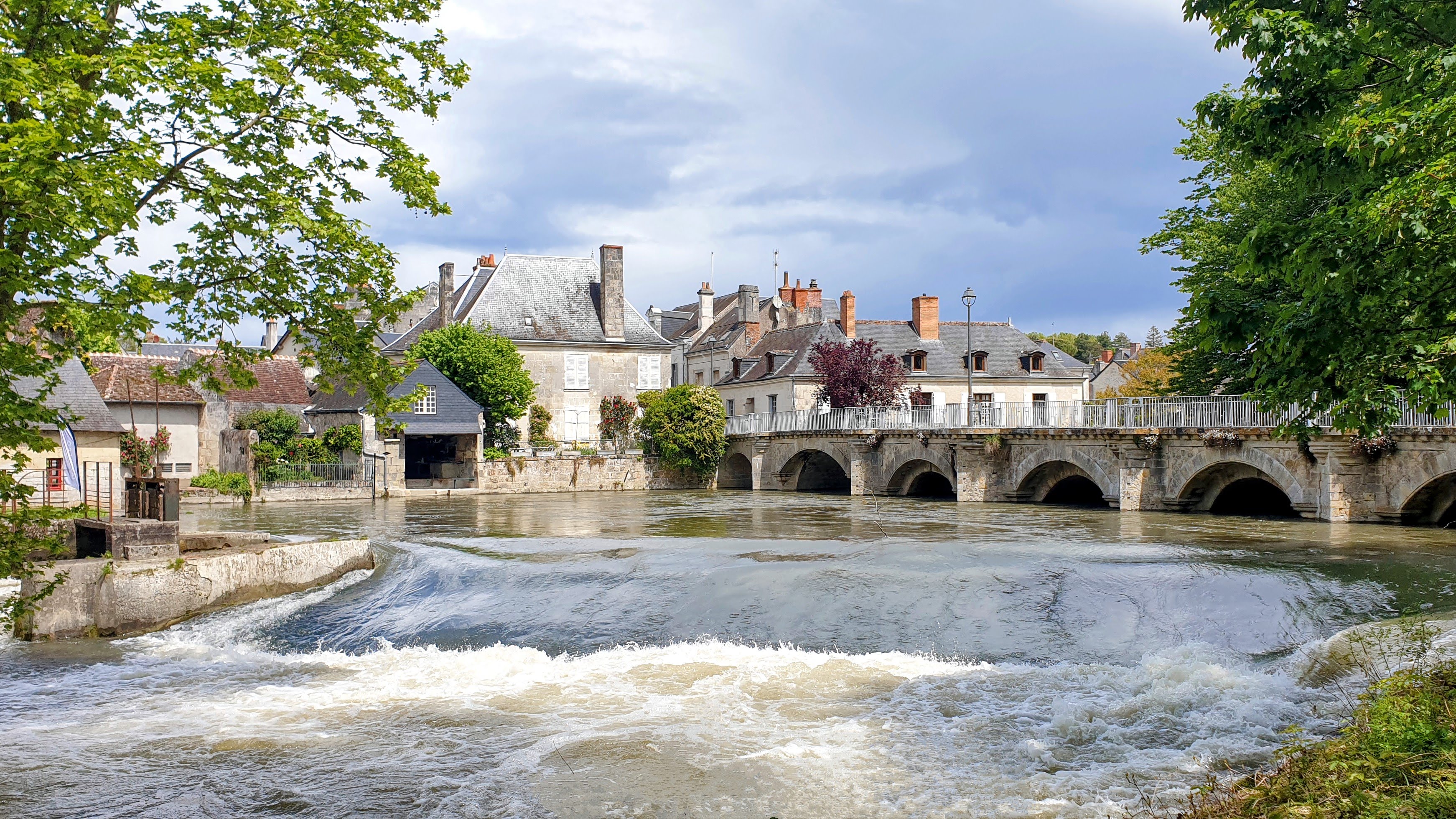
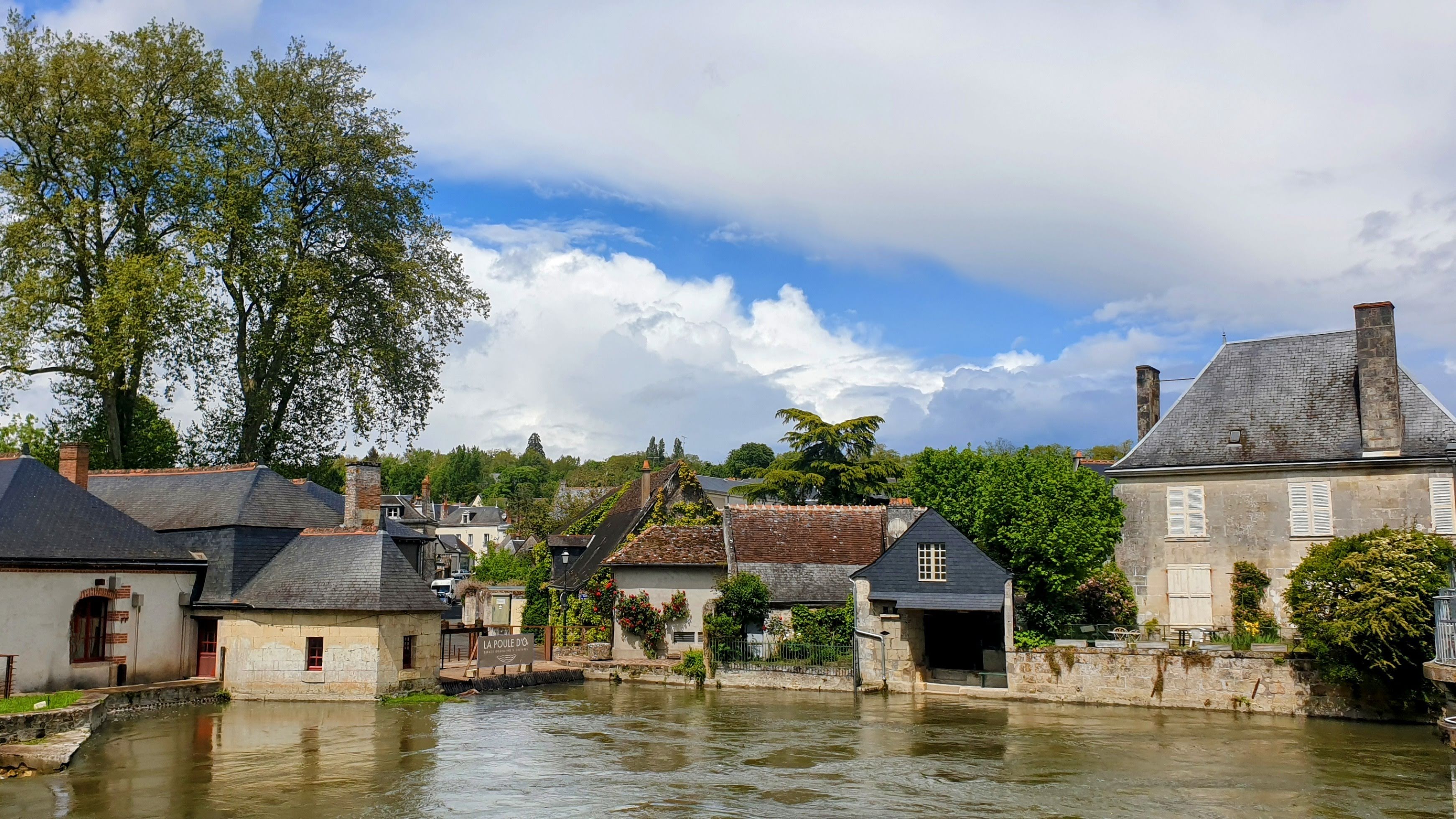
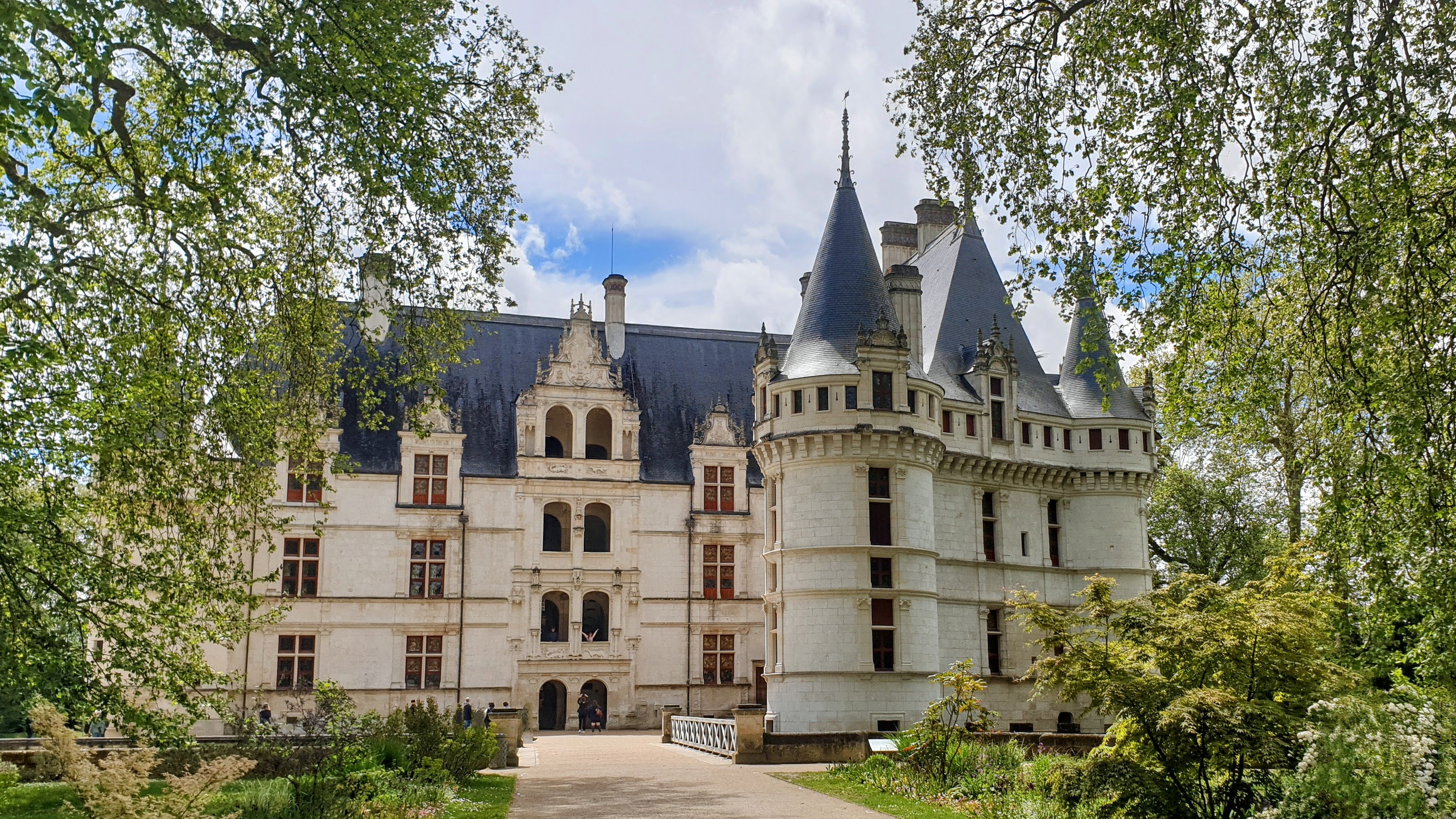
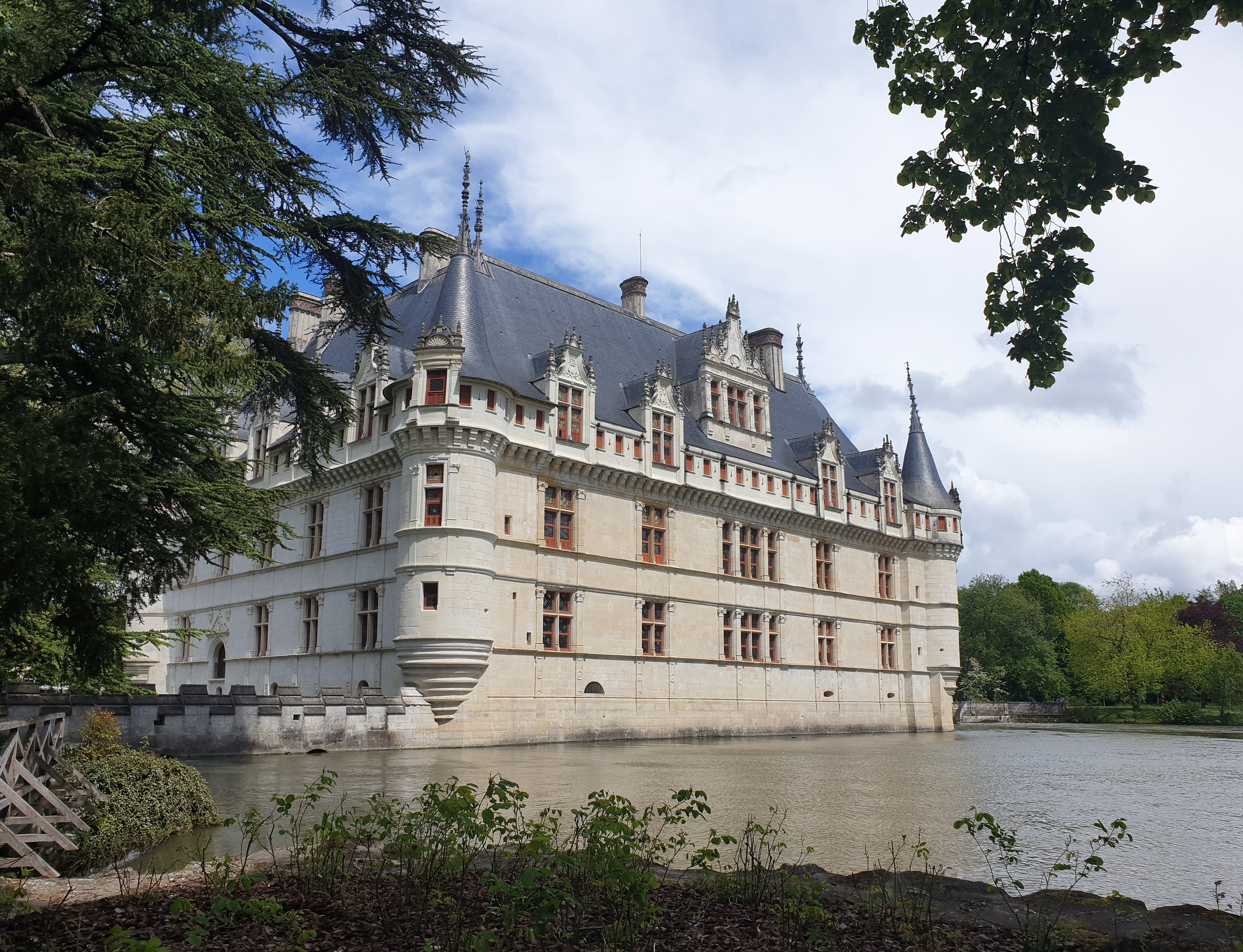
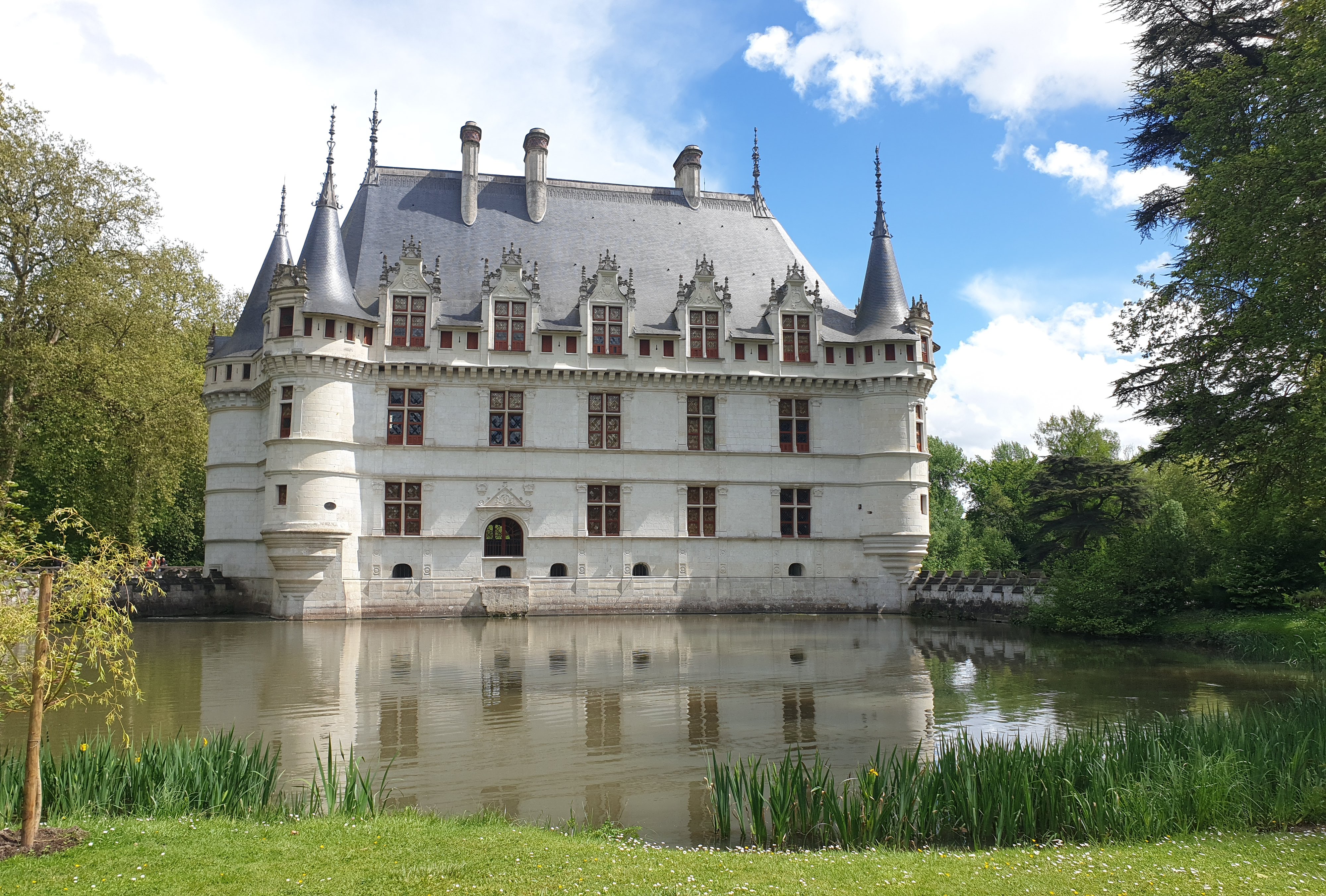
While Villandry was all about the gardens, the Château d’Azay has excellent interiors. The grounds are nothing to sneeze at, but they are considerably simpler than the elaborate gardens of Villandry. D’Azay is not quite as old, but has many architectural themes in common since it was also constructed during the renaissance. The French Renaissance King Francis the First established the Loire Valley as his seat of government, and the château was built to honor his reign. The interior was remodeled in the 19th century and eventually acquired by the state in 1905. The walk from the parking lot to the château was through a charming little village.
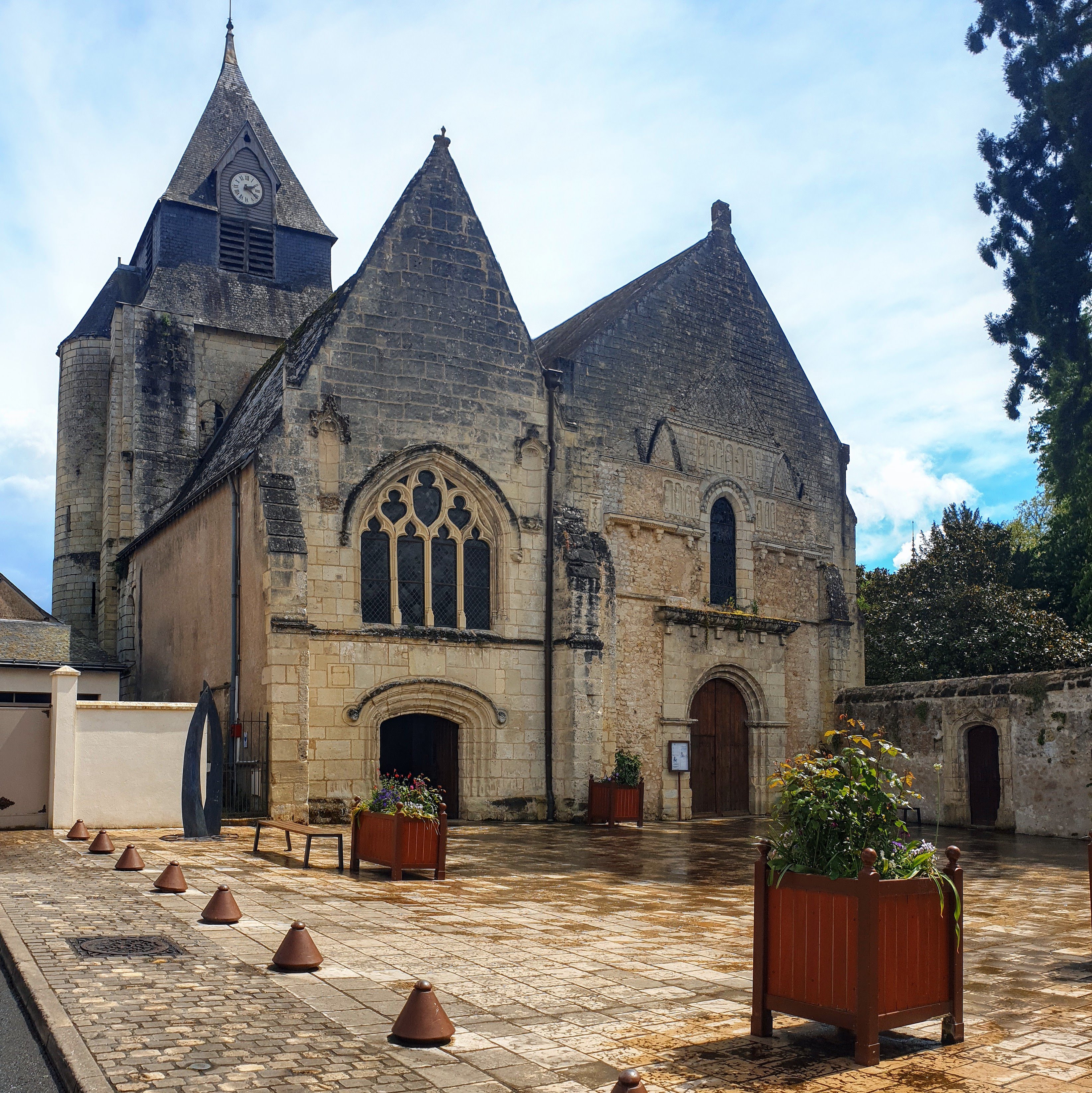
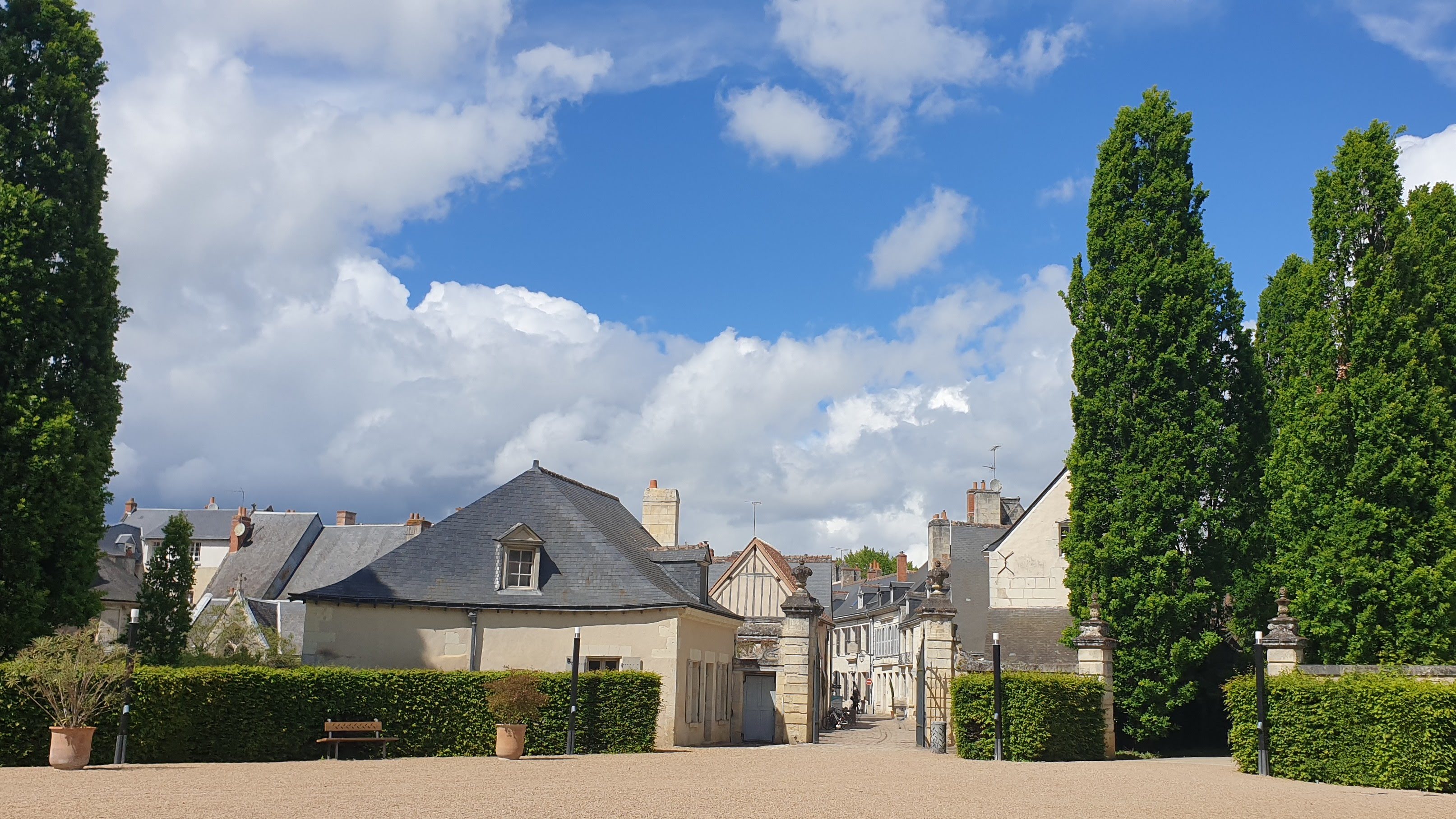
We started our tour by climbing all the way to the top and getting a view of the architectural engineering from the inside. The roof itself contains 75 tons of slate! A lot of structural work goes into holding up that much weight. The current exhibition is a reconstruction, but it’s done in the same style as the original to preserve the craftsmanship.
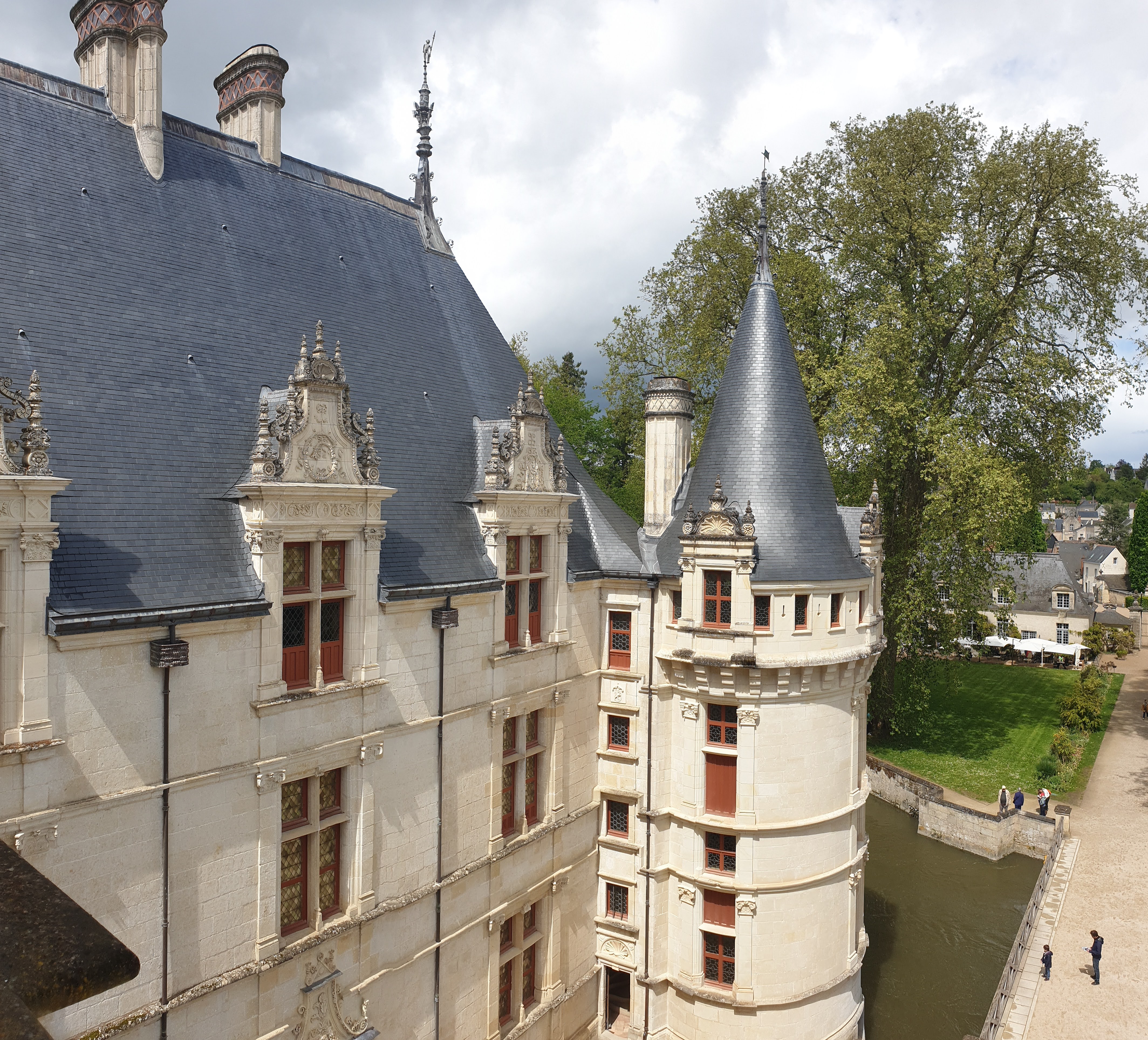

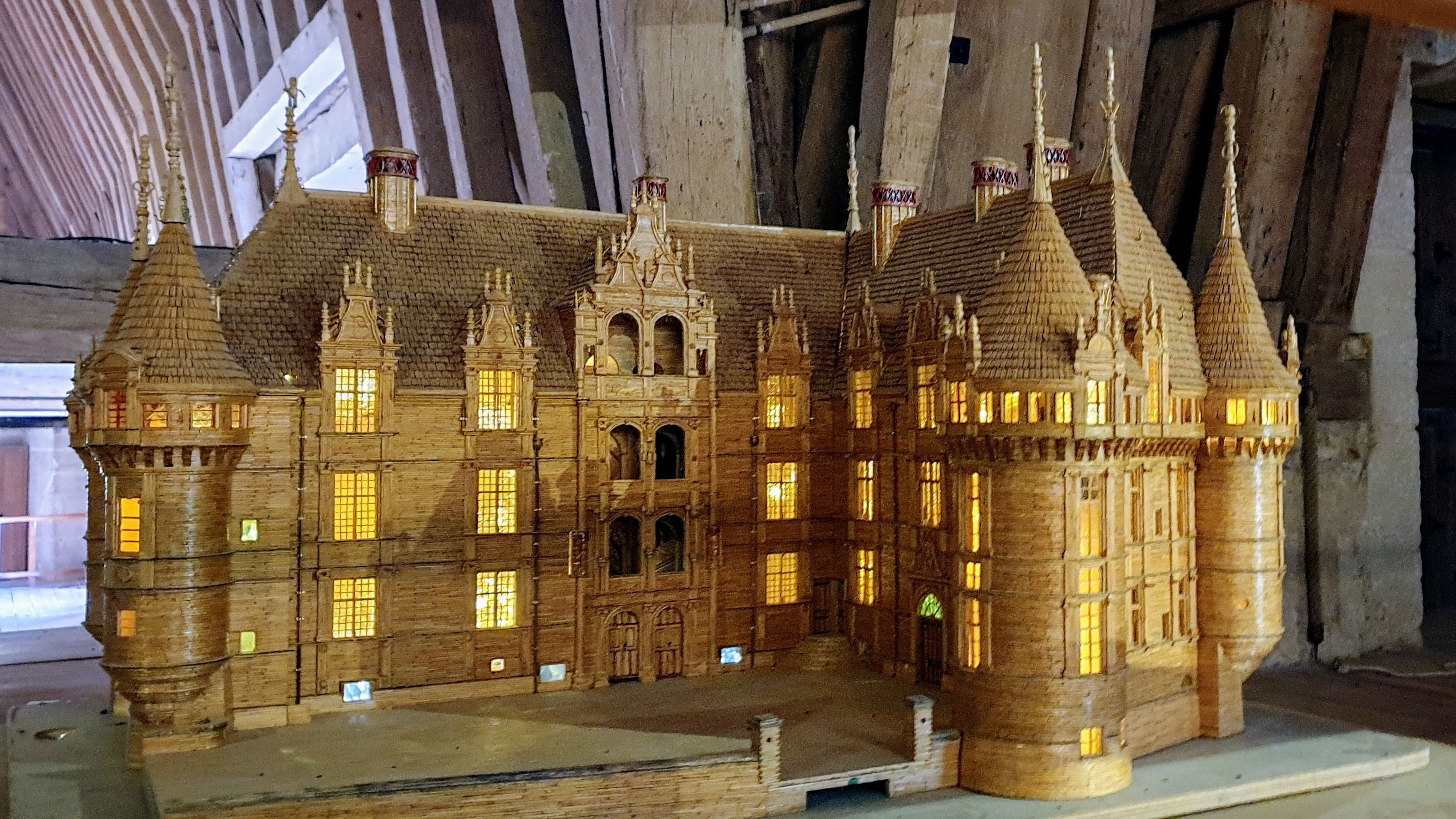

As we descended, we entered room after room decorated in the styles of the different eras that the château has existed throughout. The first being the Renaissance room, a faithful replica of the room of the architect’s wife. Although it is fairly simple compared to later rooms, it’s still interesting to see the way people lived. Additionally, at that time, bedrooms were not just for sleeping, but also for socializing and entertaining. Mats made of reeds lined the walls to keep the chill of the stone from overwhelming the room, and there was a small alcove off to one side in which sits a secretary’s desk.


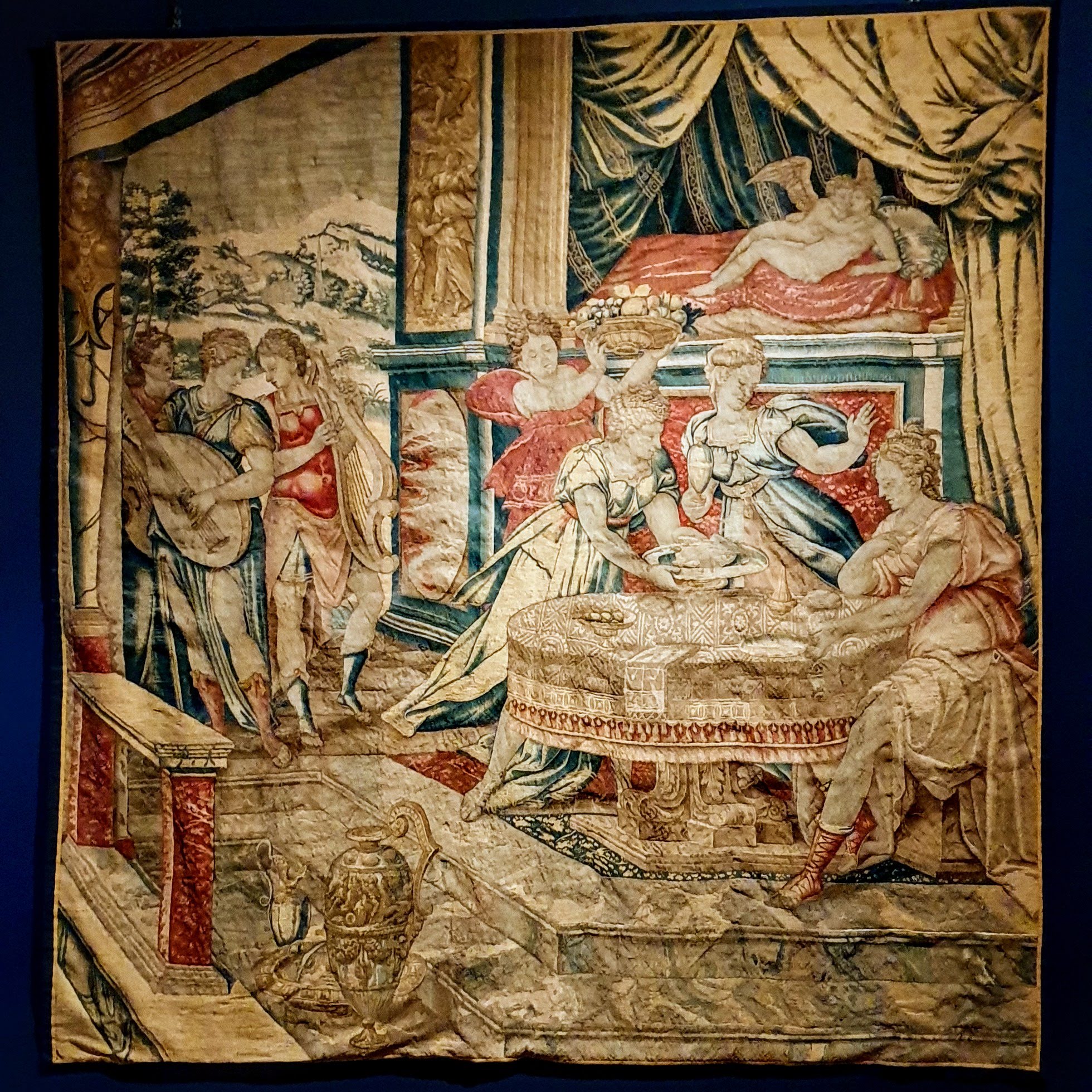
The next room is called Psyche’s Chamber because the ornate tapestries along the walls depict the Greek myth of Psyche which was all the rage at the time. This is followed by the Great Hall. This room was used for hosting feasts and dances, and to be honest, after watching far too many period dramas in film and television, I was surprised at how small it seemed, even when mostly empty.
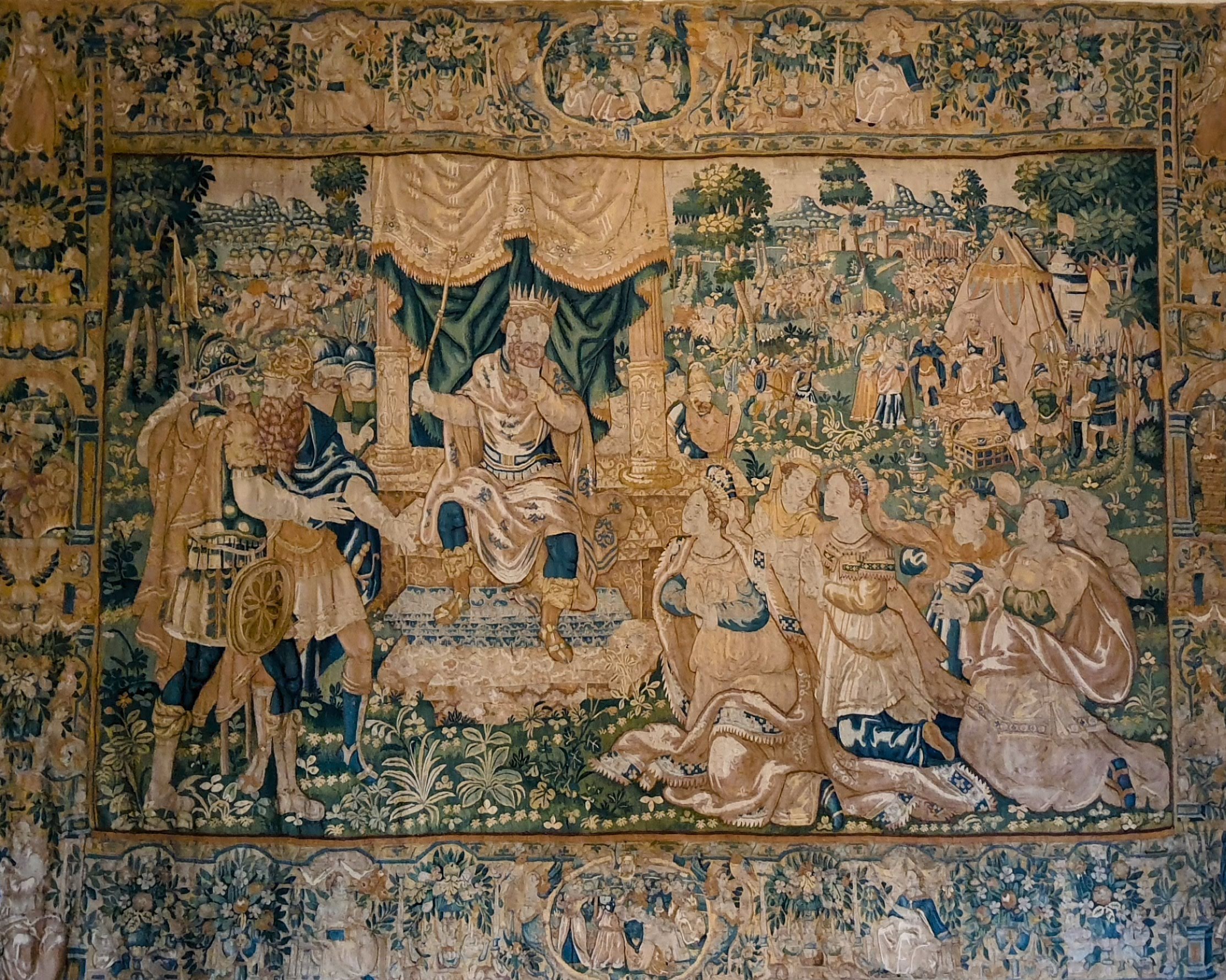
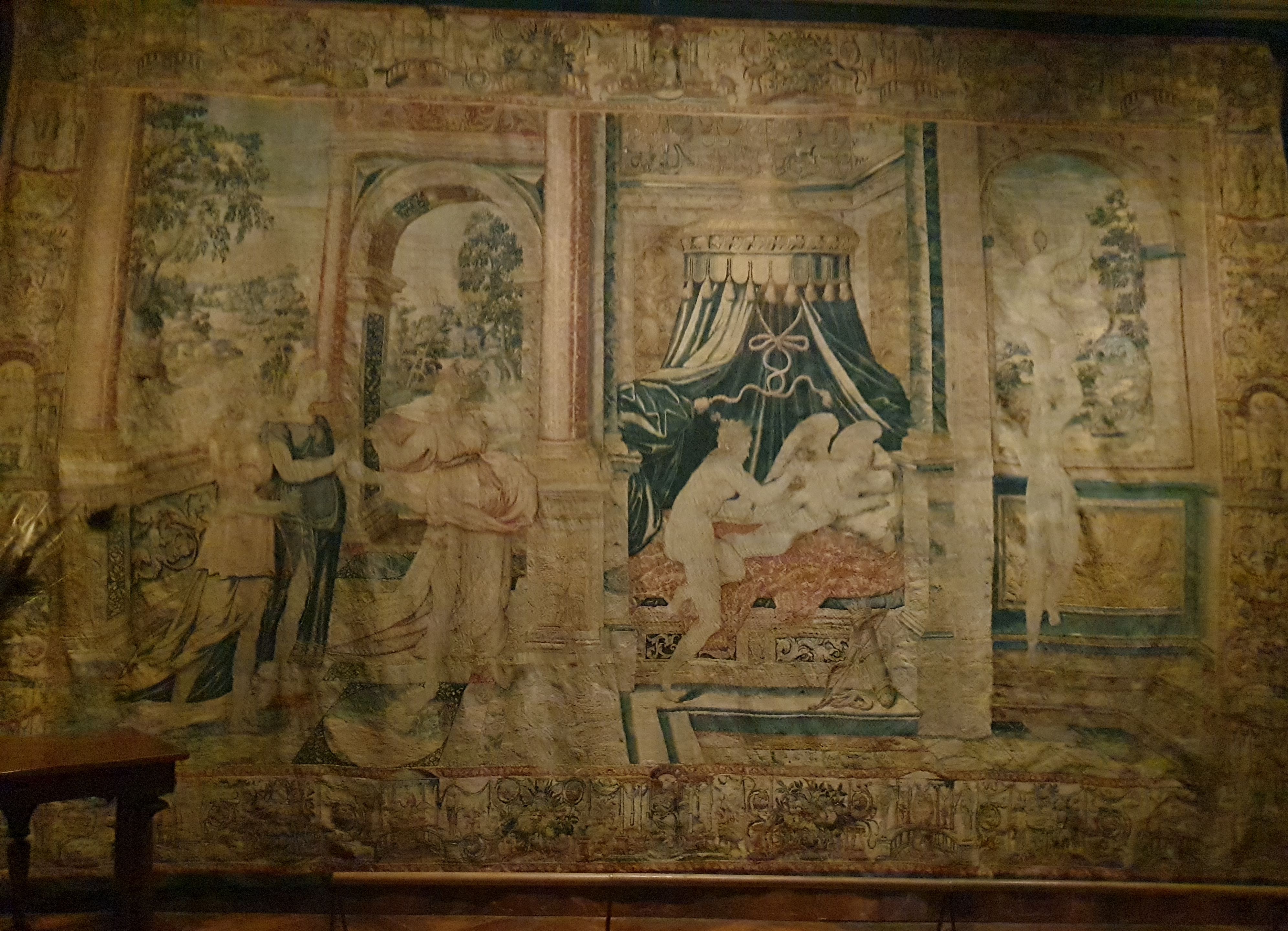
Following that we crossed through the ante-chamber where visitors wishing to see the King could wait, and the King’s Chamber. A royal suite had to be maintained by pretty much all the nobles since the King could drop by with very little notice and expect to be hosted in style. Apparently Louis XIII stayed there for just two nights in 1619, and yet the room was kept ready for a royal visit at any time.
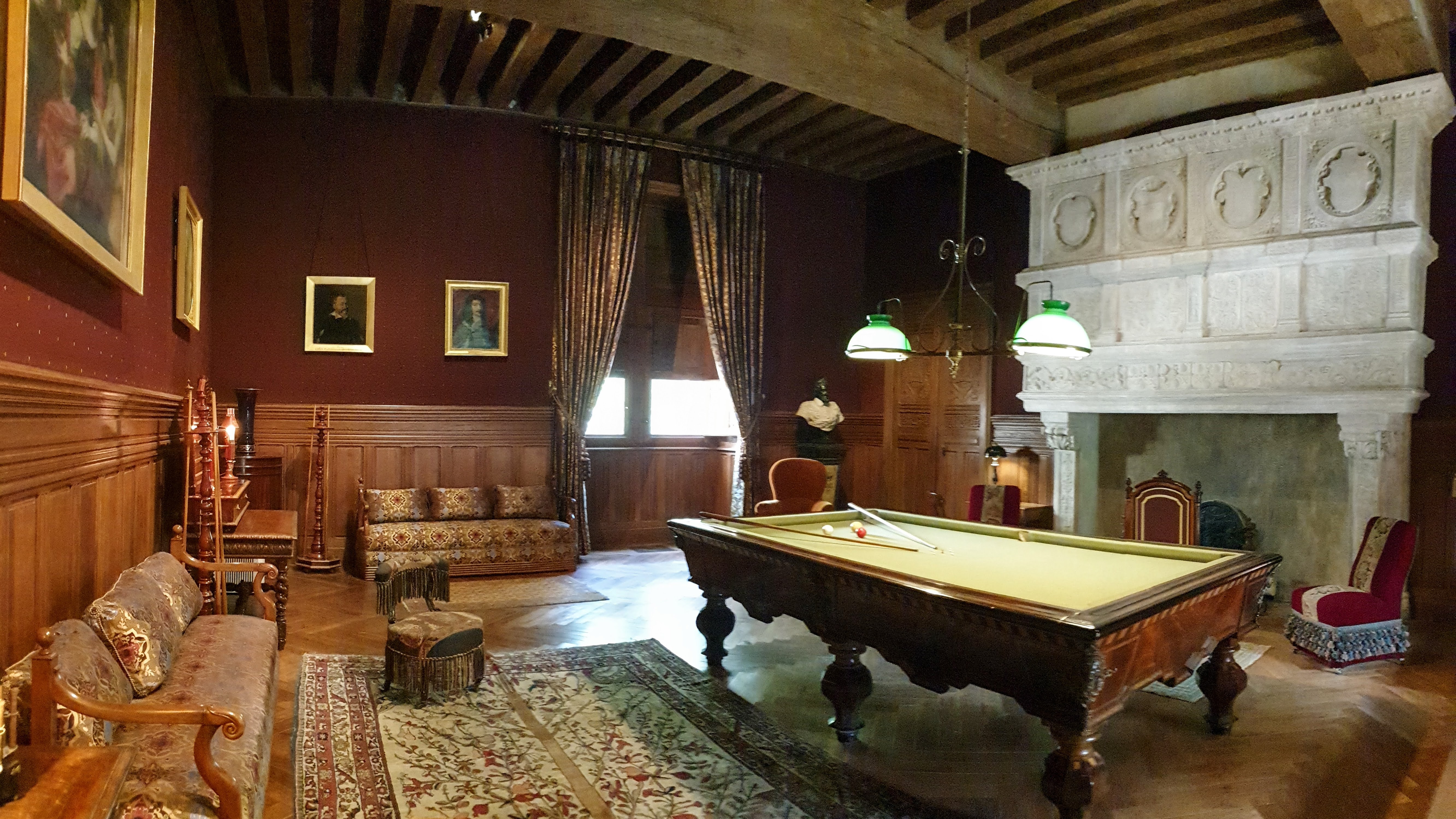
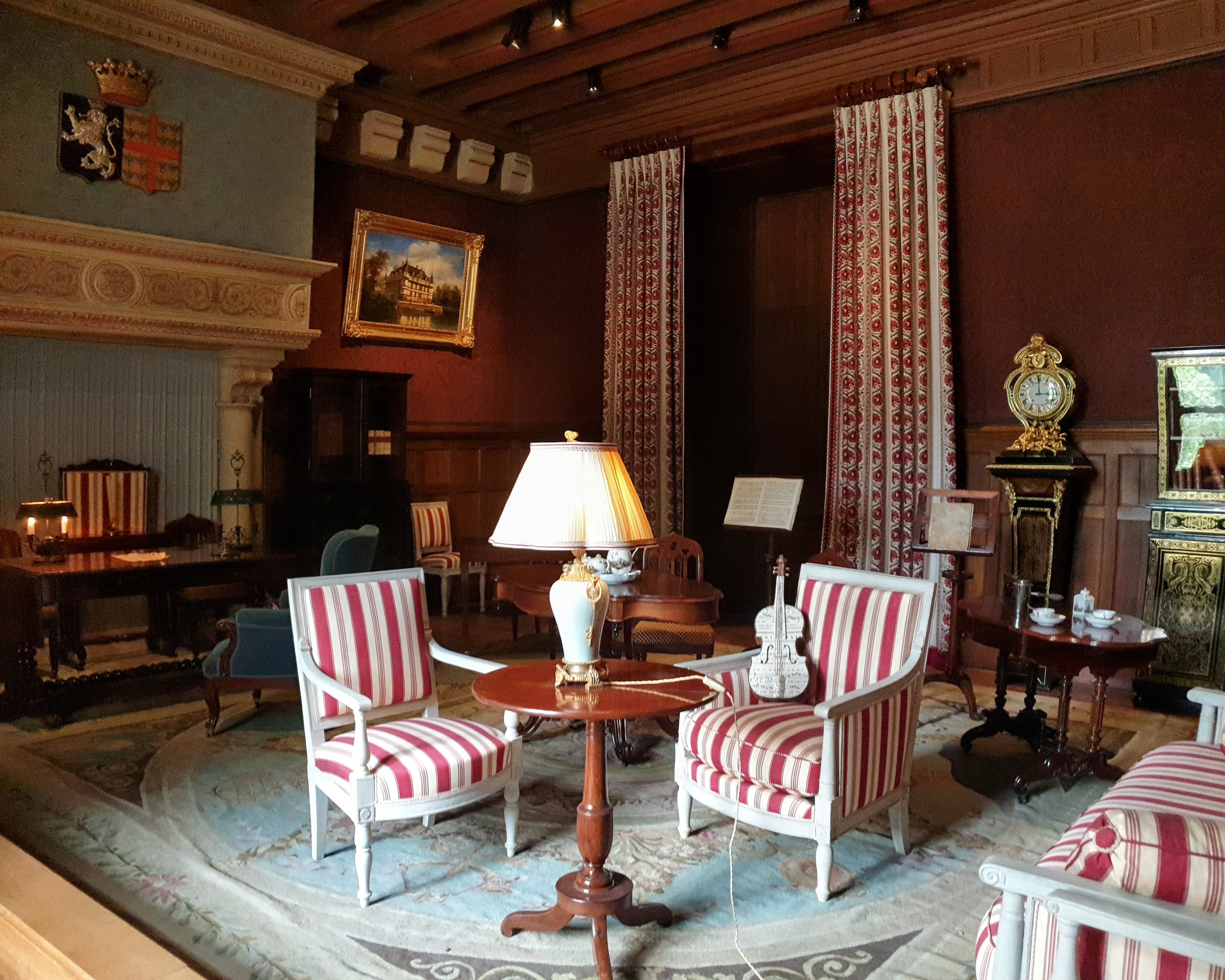
Jumping starkly forward in time, the next suite of rooms reflect the fashions of the 19th century. The Biencourt Salon was a room for people to relax, talk, and maybe take some light refreshments. The Billiard Room was more of an informal space, featuring a billiard table.


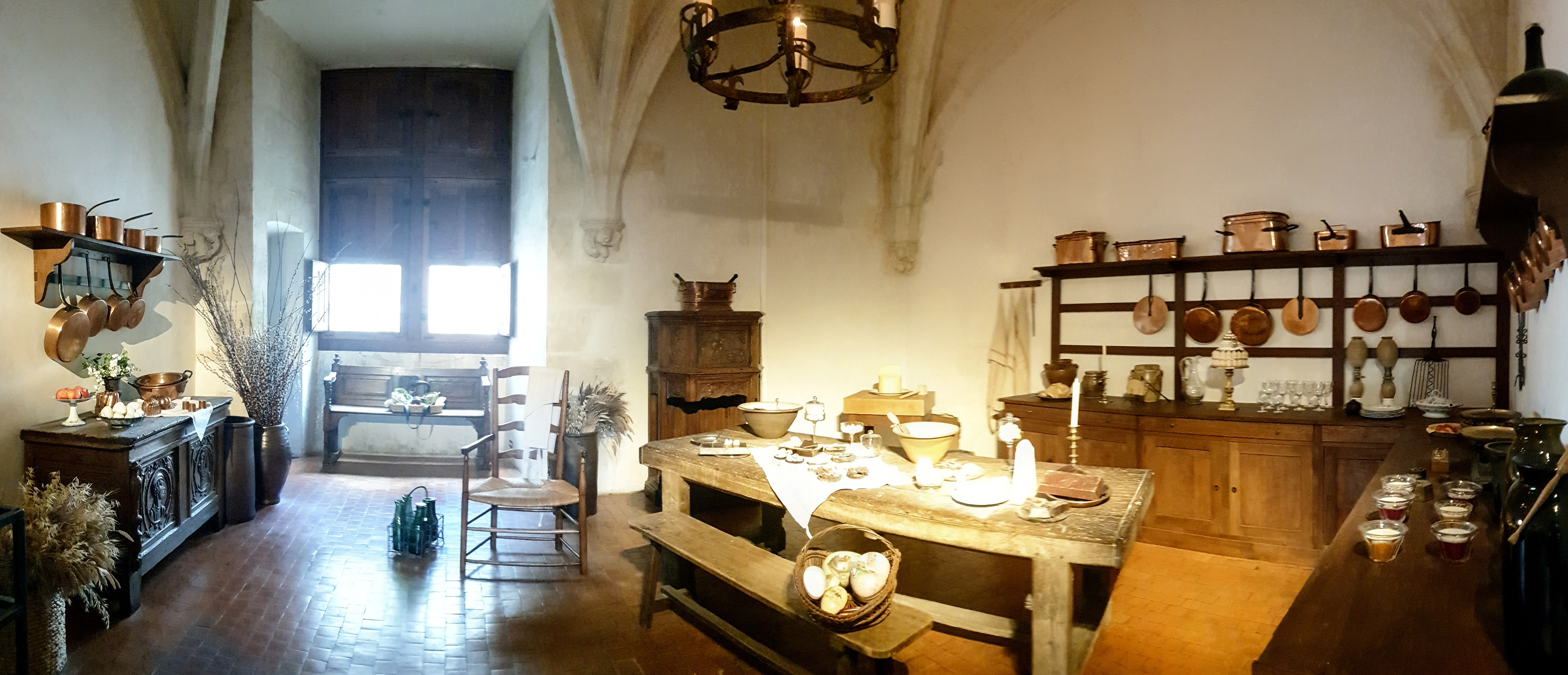
From there we had a peak into the “below stairs” (though not physically below) of the larder and the kitchen. These were quite close to a 19th century style dining room (a contrast to the Great Hall of the Renaissance style). After the dinning room, a final salon-library shows comfortable furniture, musical instruments, and a small collection of books.

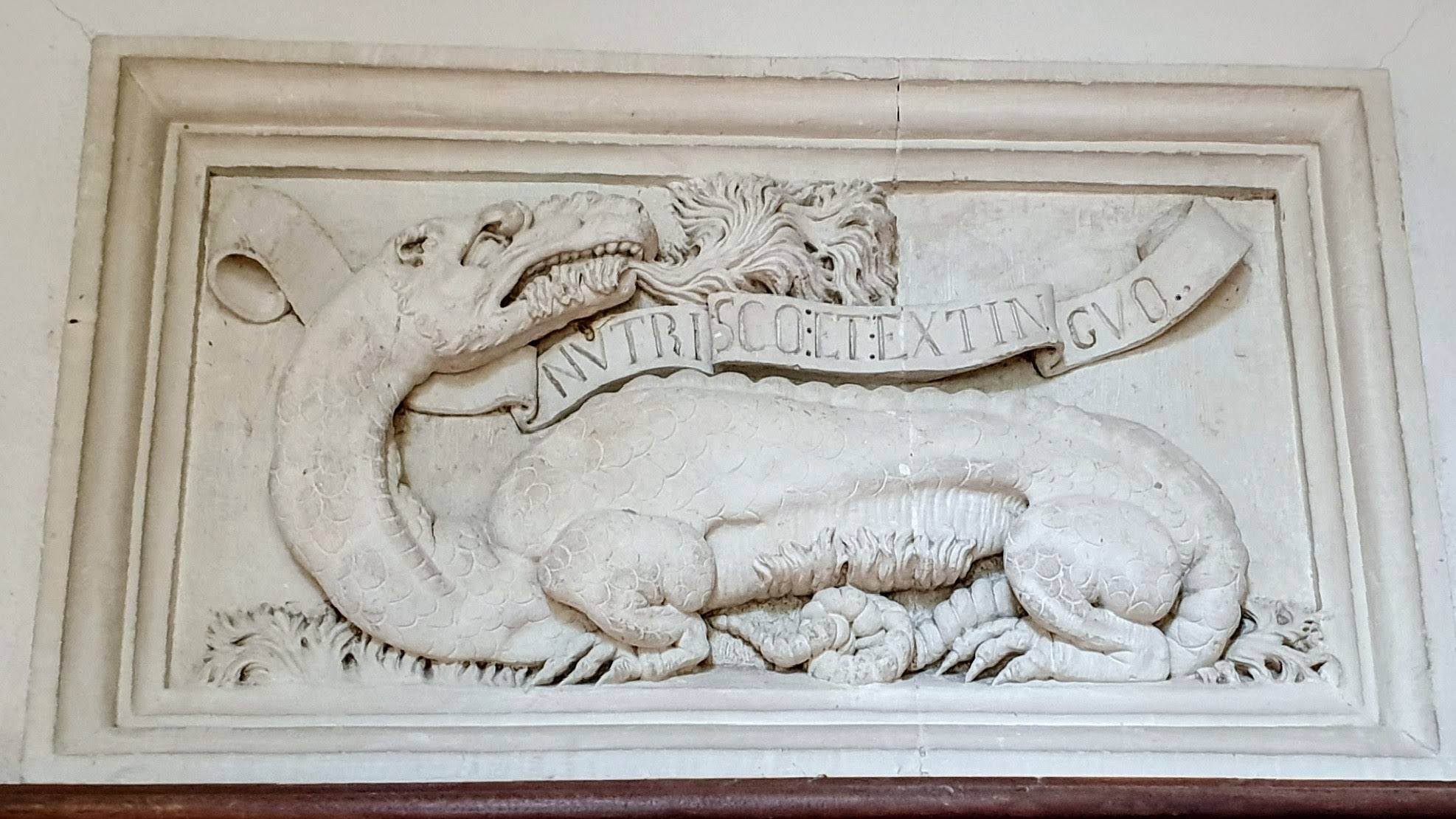
A repeating motif in the stonework of the château is the fire-breathing salamander. This was a motif of King Francis I whose motto was “Nutrisco and Extingo” (translated: I feed on the good fire and I extinguish the bad) – a metaphor for pursuing justice and weeding out injustice.



Château du Clos Luce (link)
This was my final excursion in Tours, and I once again went with the language school. Perhaps because of that, we didn’t get to see everything there was to see at this, the final dwelling of Leonardo Da Vinci. The château itself was built in the 1200s, and after a few changes in ownership, it was offered to Leonardo in 1516. Despite his advanced age, he continued to work on projects for the King and to entertain students. He also had a secret tunnel that led to the King’s palace next door which allowed him to meet with fellow artist Domenico da Cortona all the time… in secret… underground… but I’m sure they were just friends.
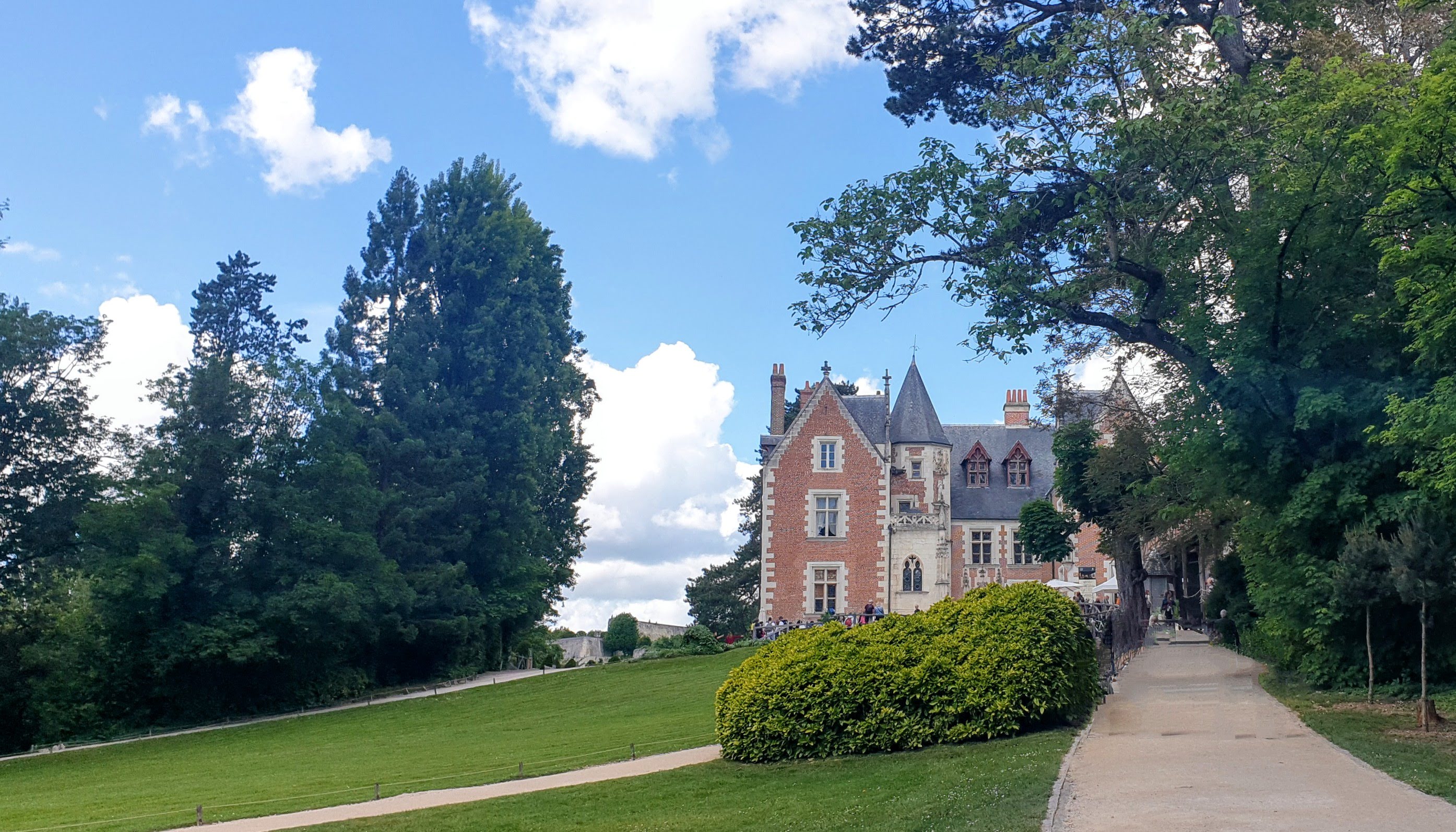


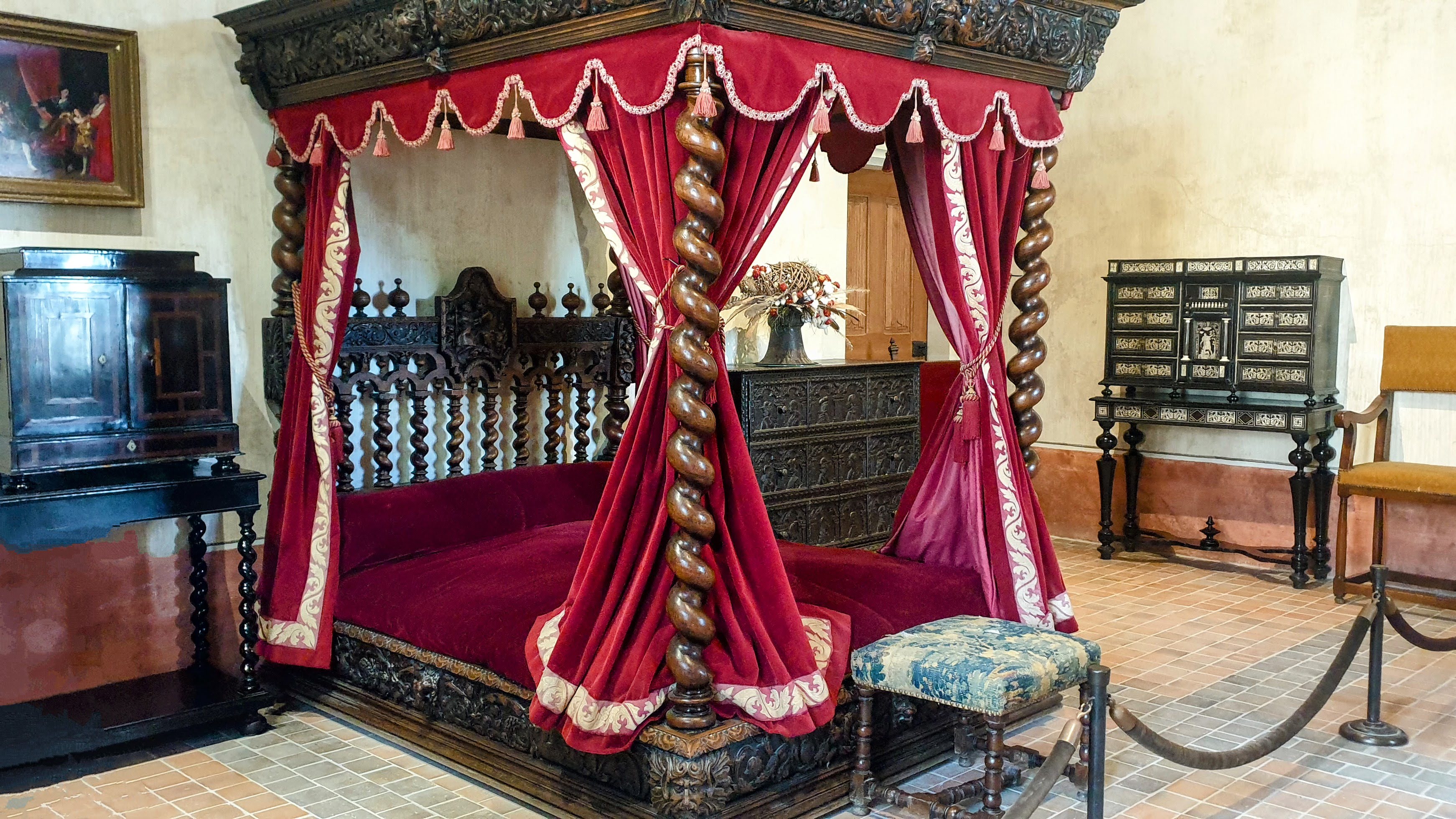
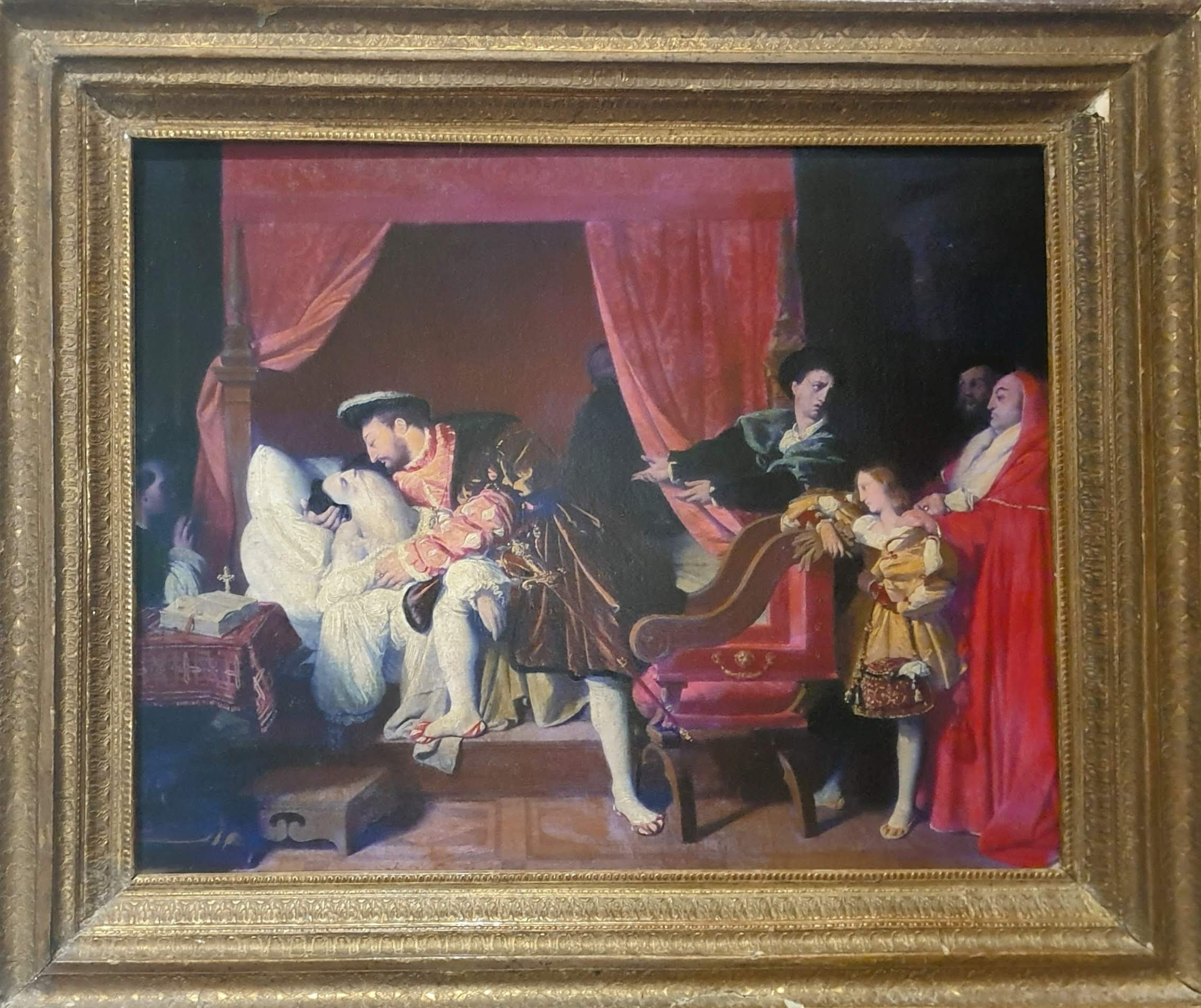
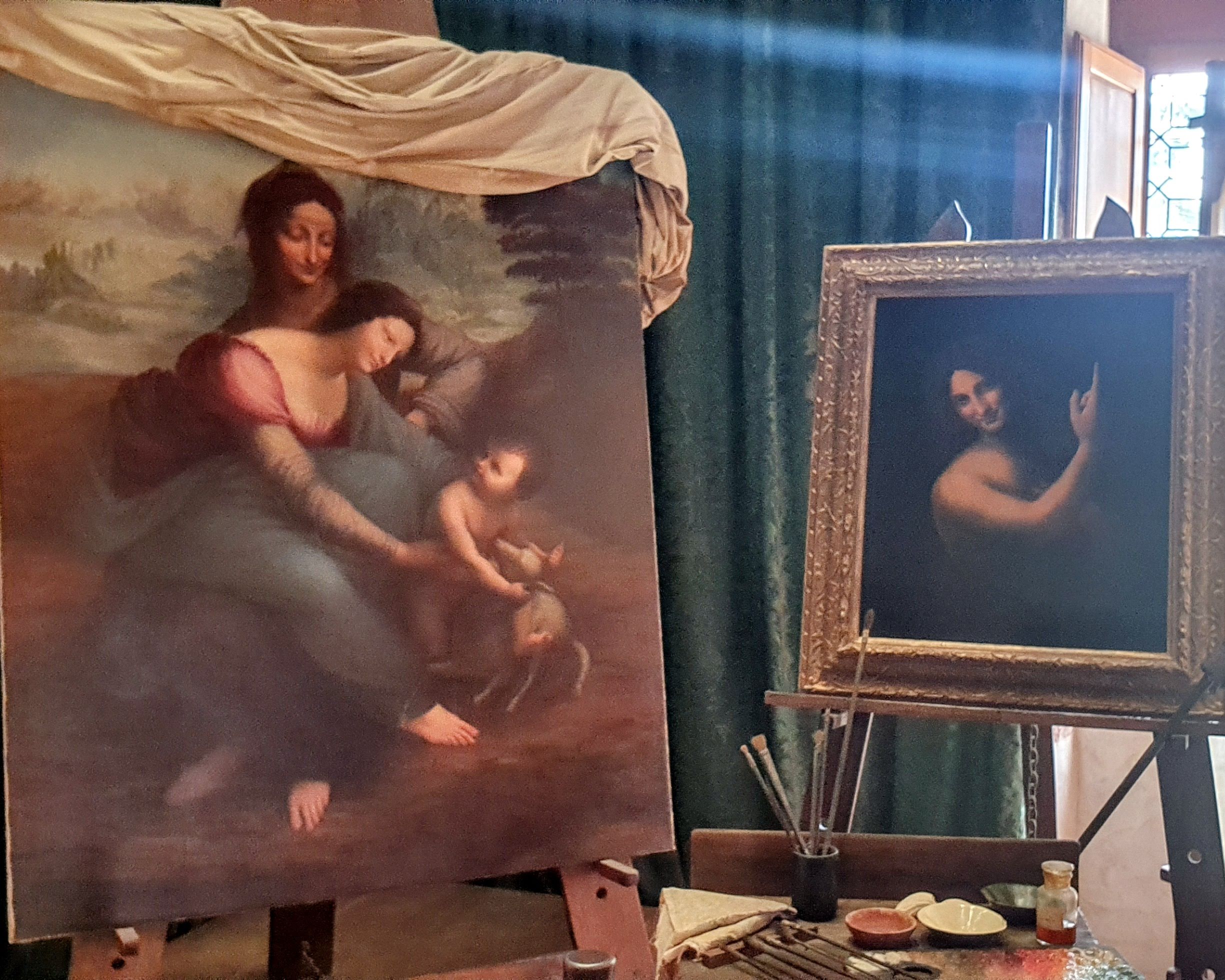
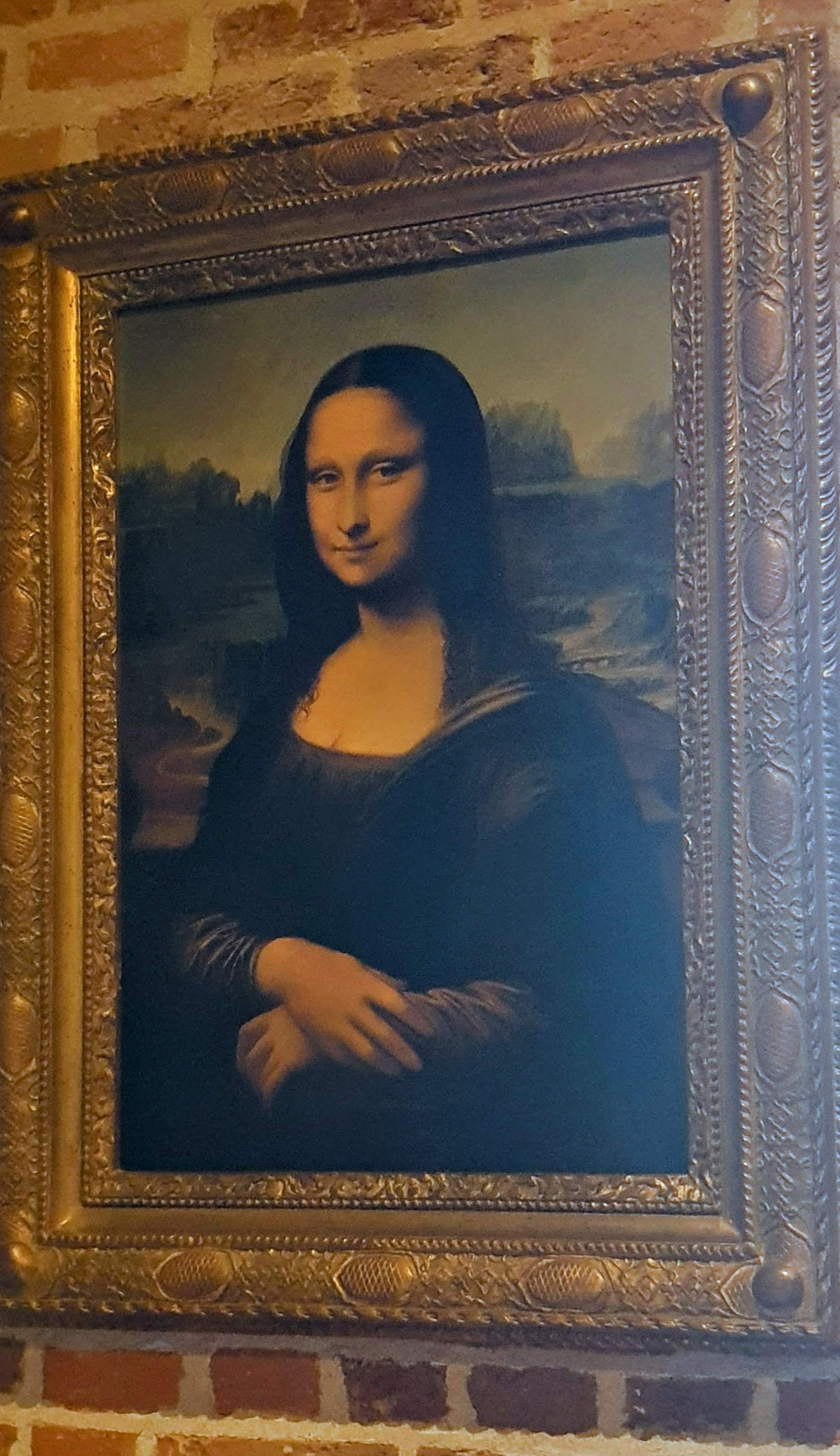
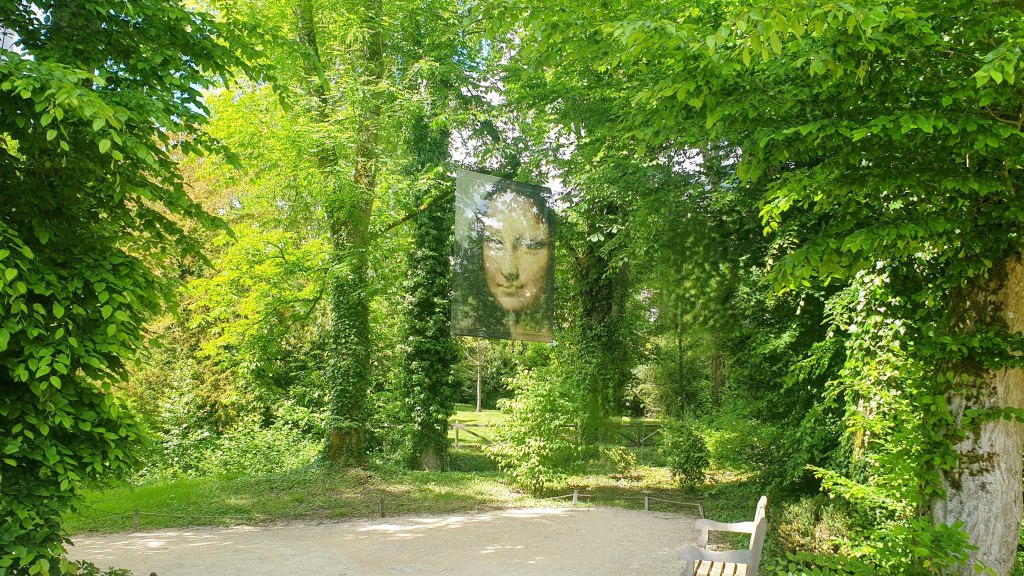
It’s also interesting to note that when Leonardo finally accepted the King’s invitation to move to France, he brought several of his paintings with him, including the Mona Lisa, which is why that painting resides in the Louvre in Paris rather than in any museum in Italy. The interior of the château is decorated to resemble the time Leonardo lived and died there, and includes replica paintings of the Mona Lisa and The Death of Leonardo da Vinci or Francis I Receives the Last Breaths of Leonardo da Vinci which depicts the King of France embracing the genius to breathe in the last breath that Leonardo breathes out. It’s worth noting that nothing other than the house itself is likely from the time of Leonardo, and that this is a reproduction for historical and educational purposes, but it’s still interesting to go and see the way that historians think Leonardo was living in the last few years of his life.


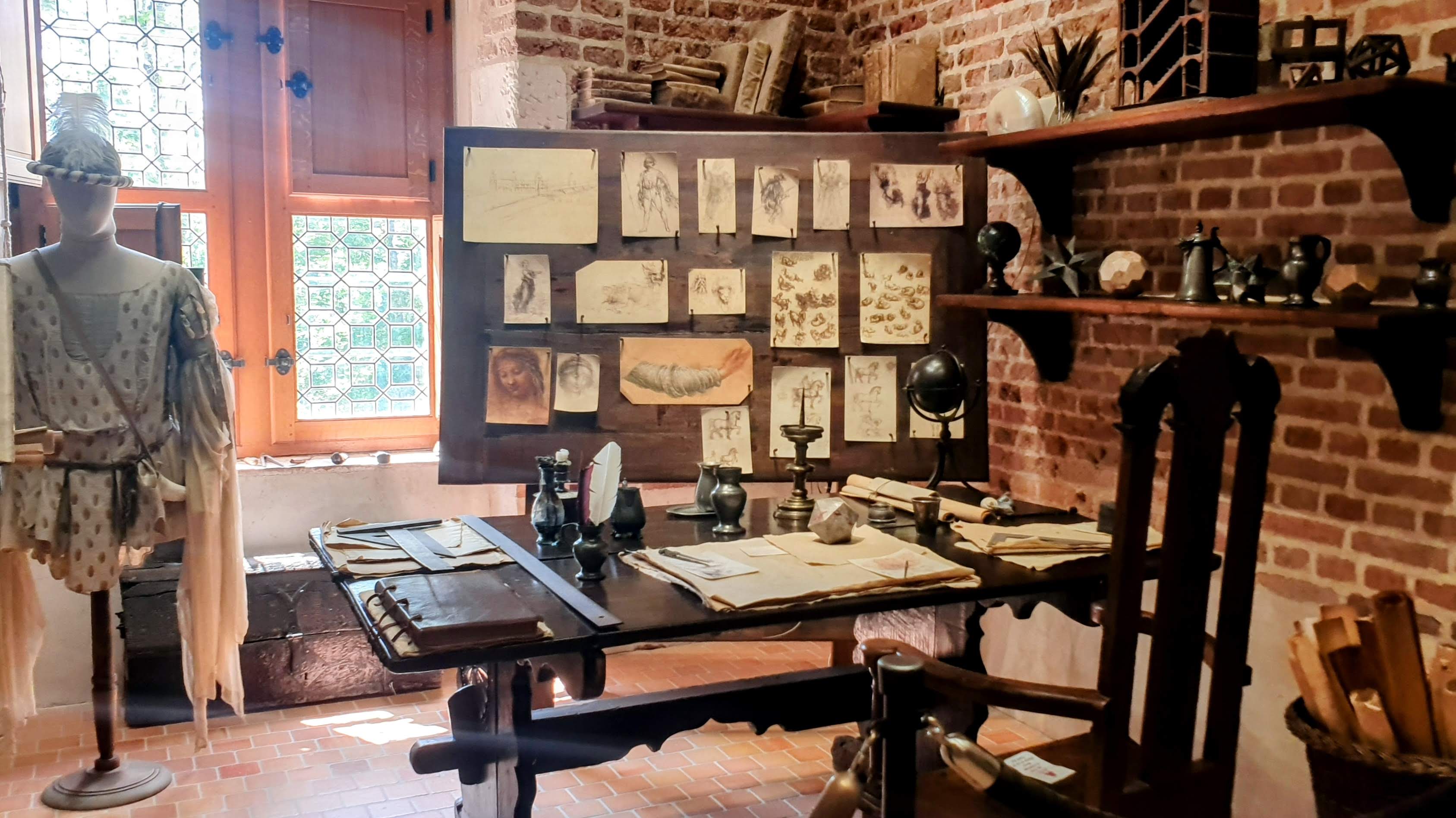
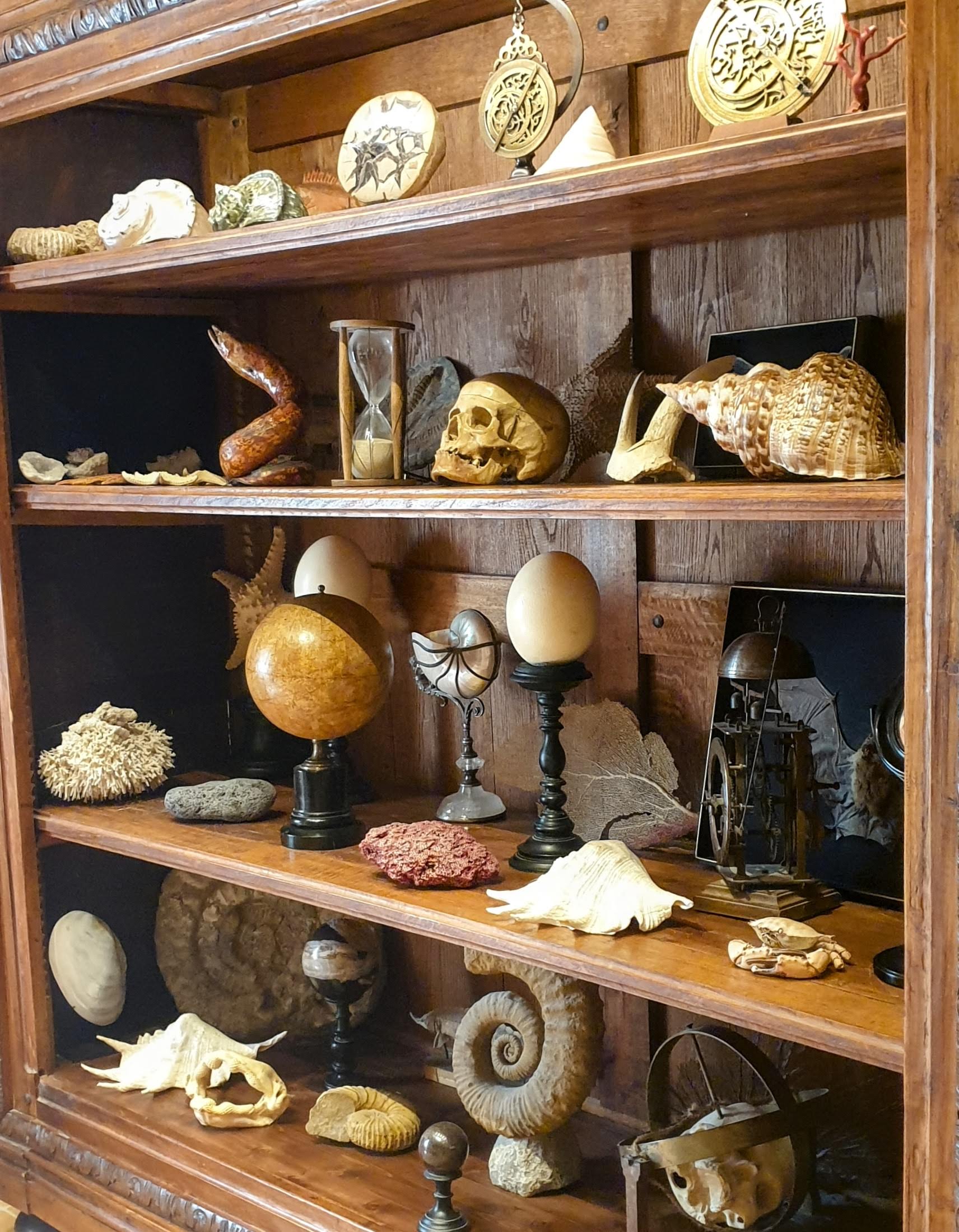



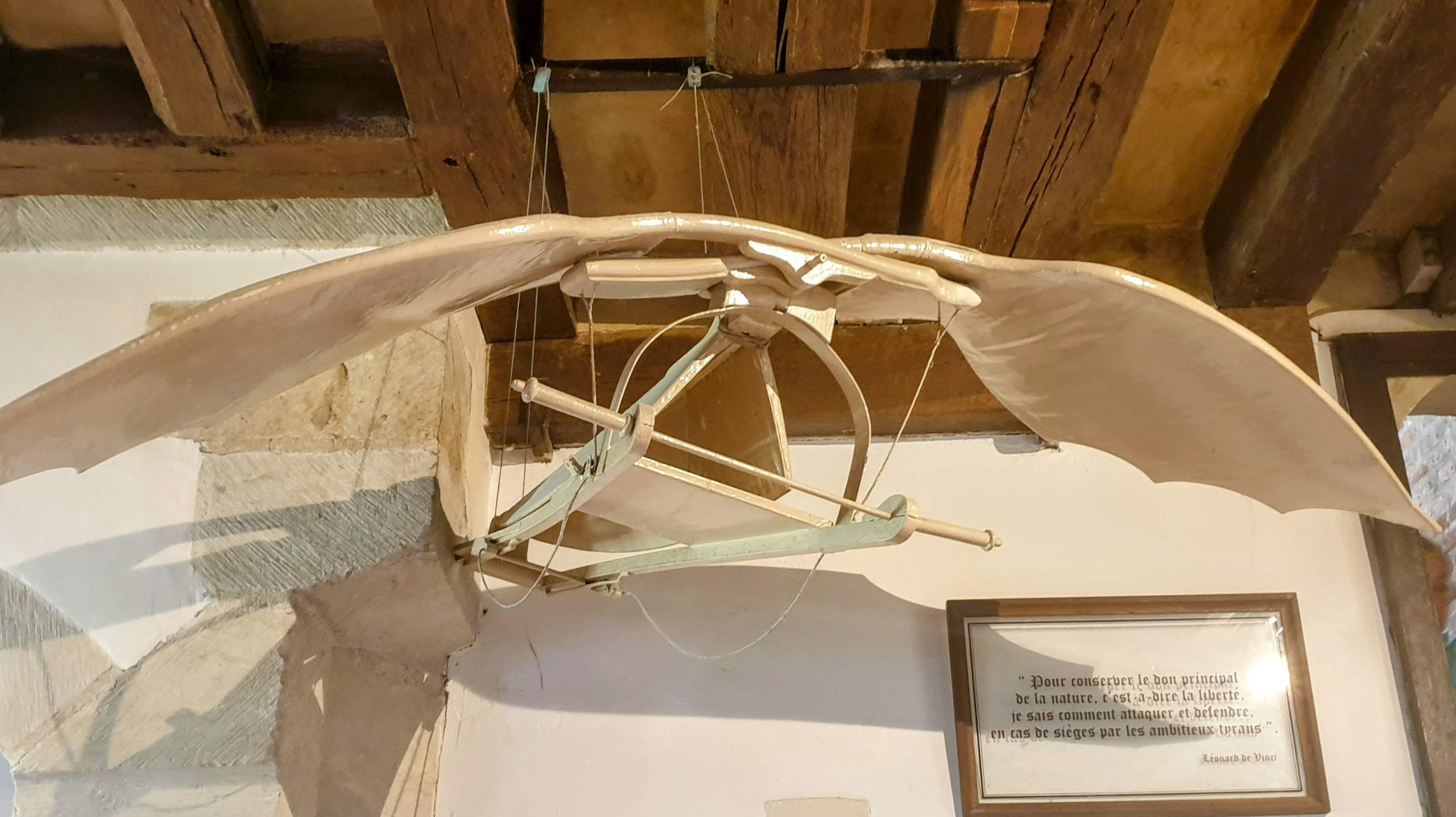
The basement of the château is a museum dedicated to the practical and military inventions of da Vinci with small models and detailed explanations of how each worked in theory if not in actual practice.
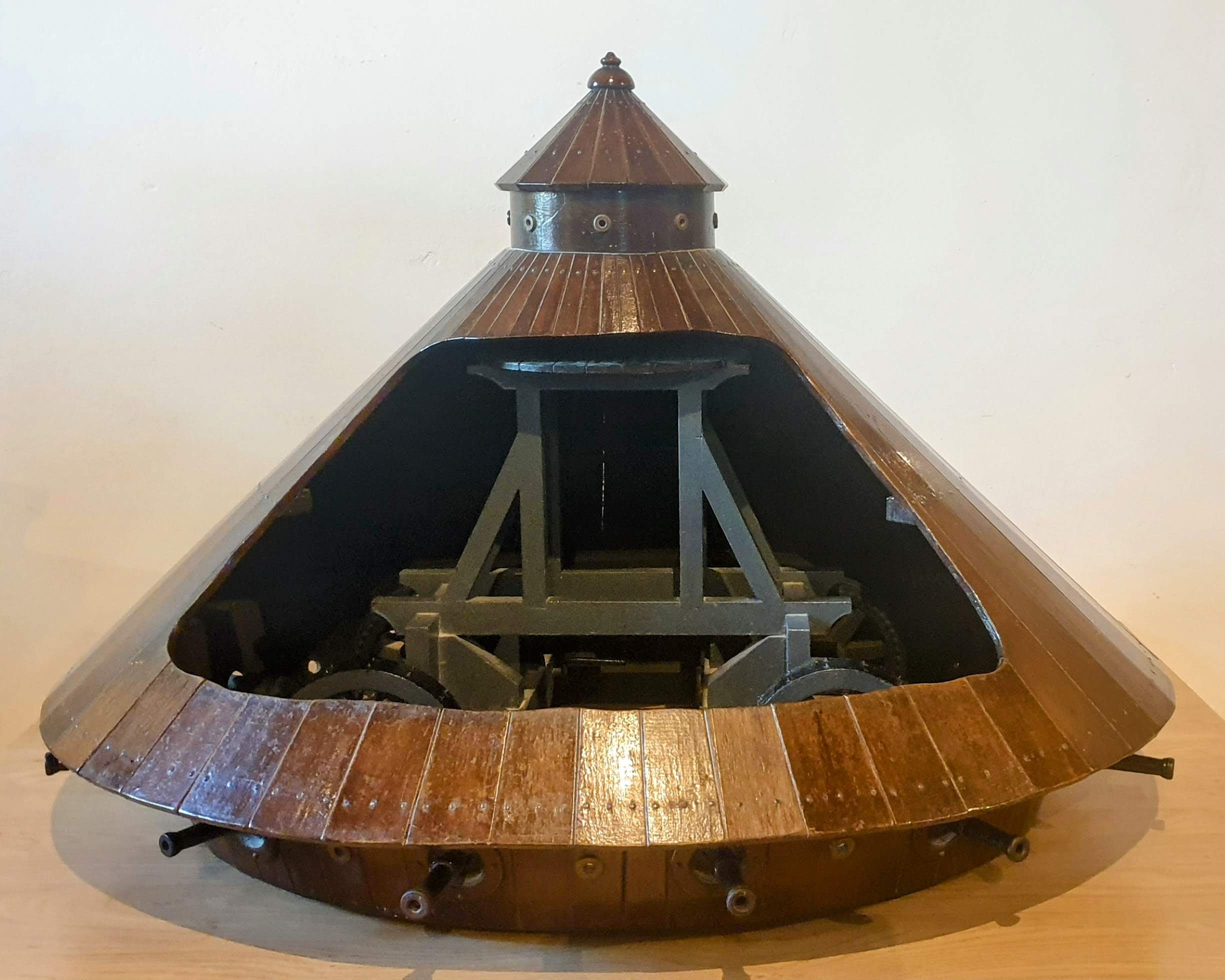


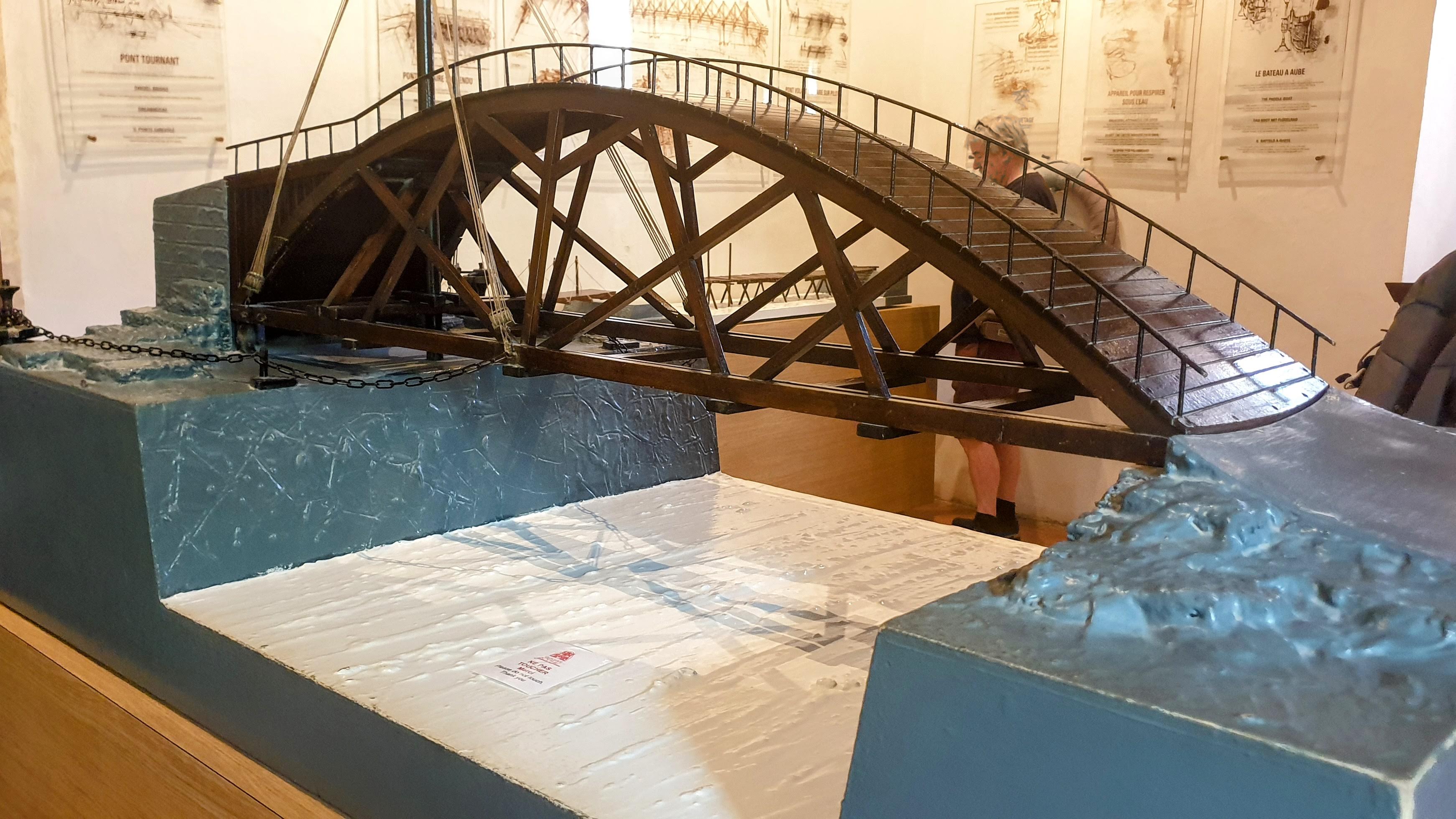
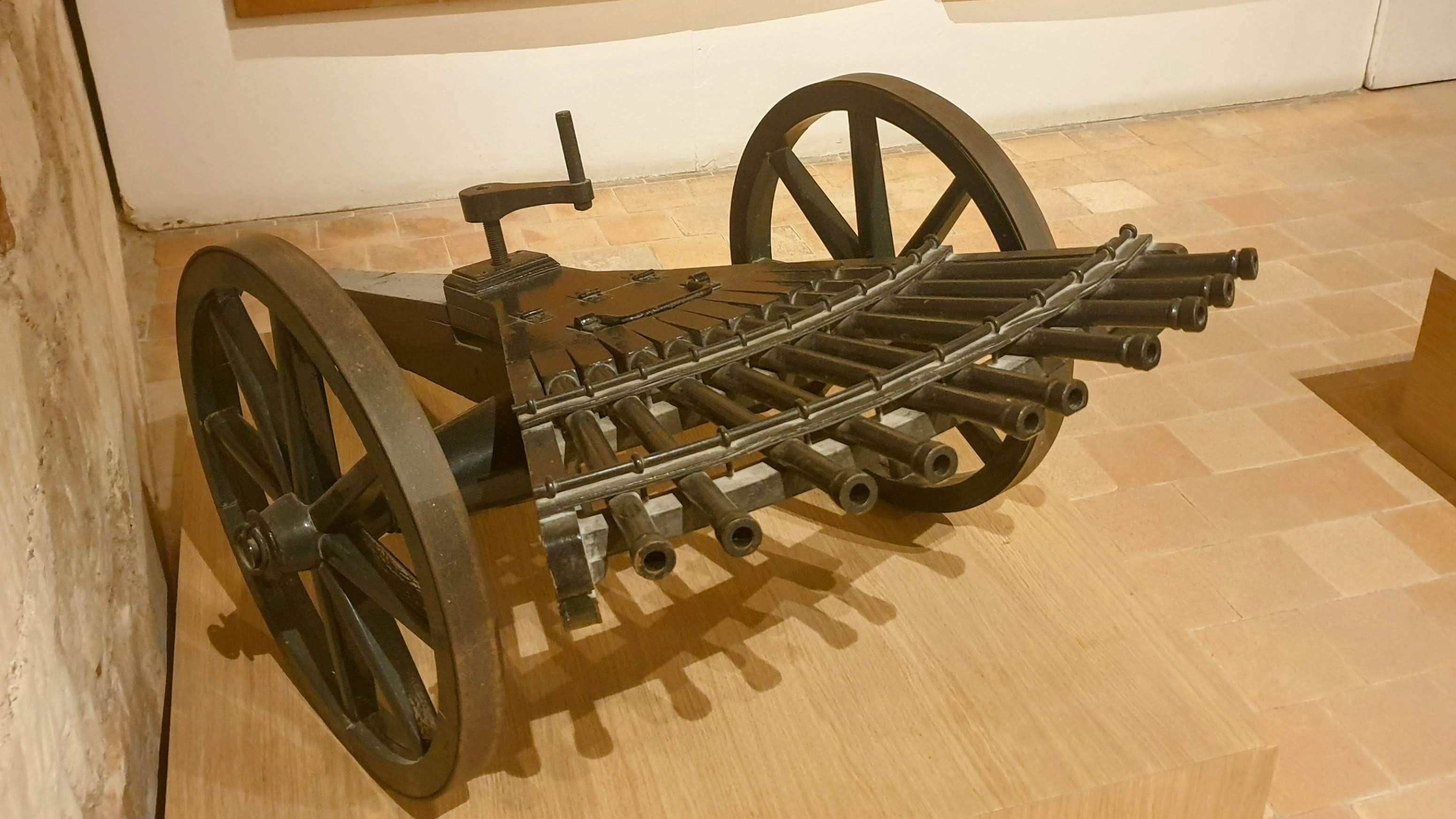
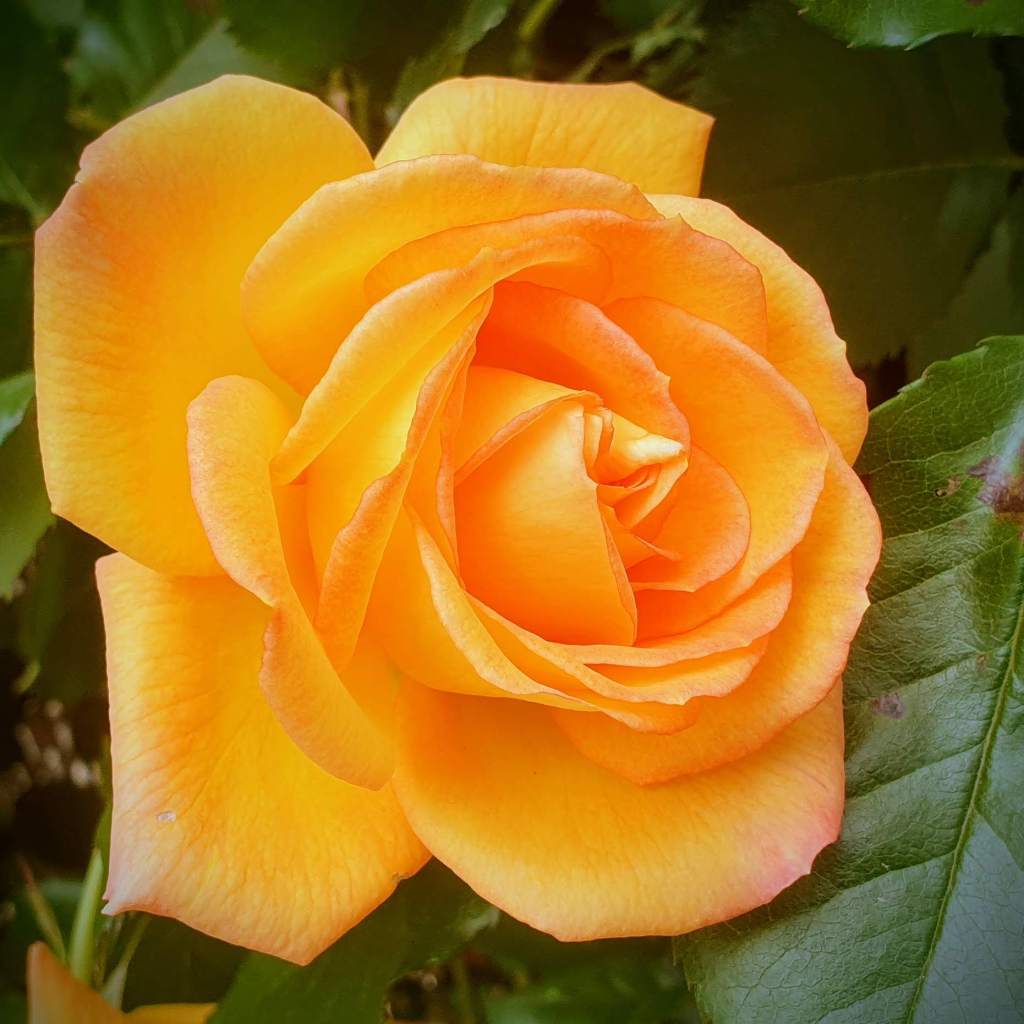
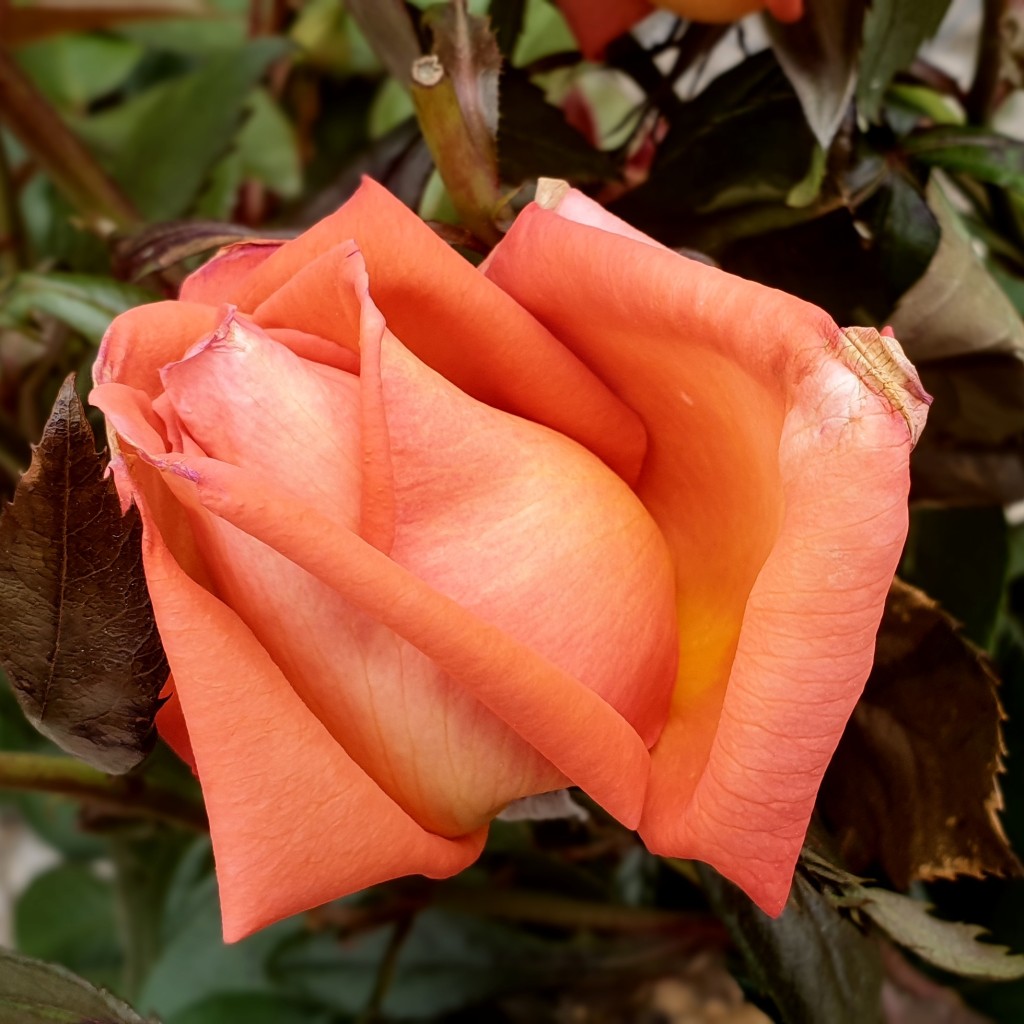
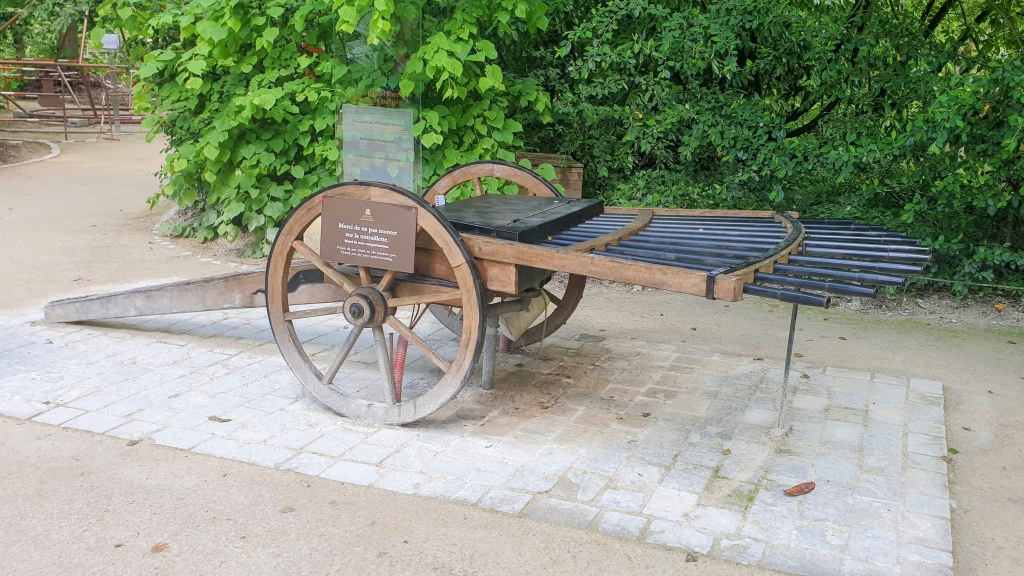
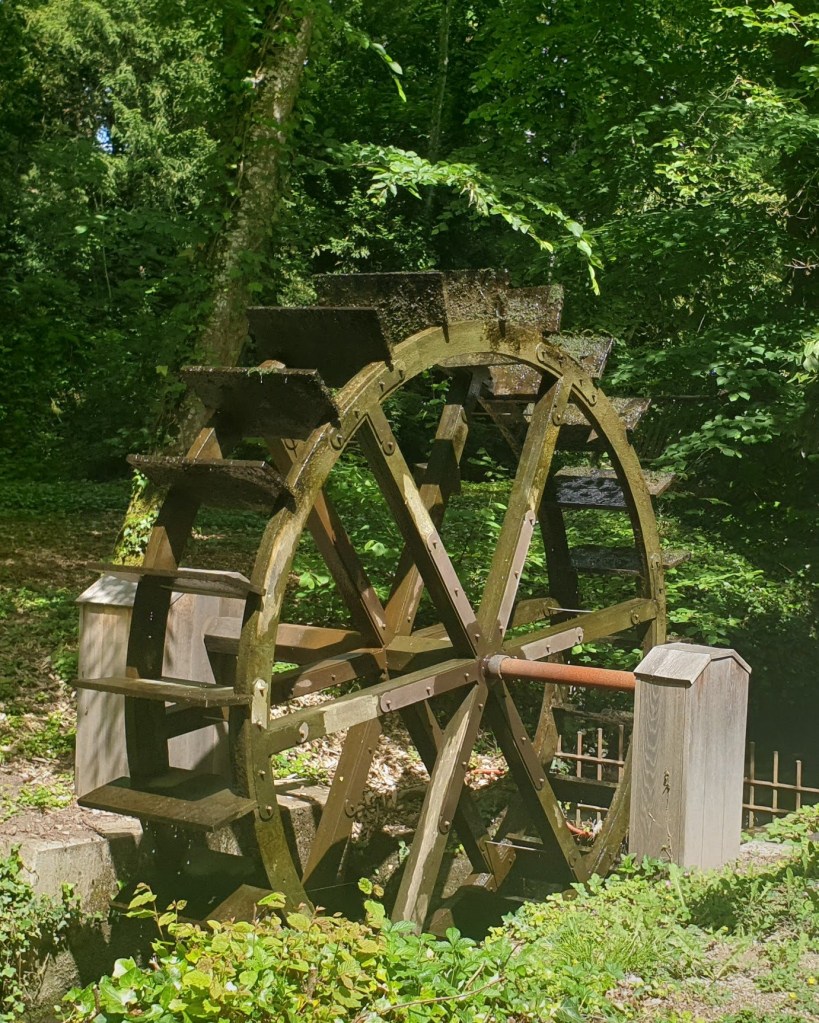
The grounds outside are beautifully designed to preserve a natural aesthetic with paths and waterworks connecting interactive models of several of da Vinci’s inventions, allowing visitors to see the natural world that inspired him, and to have a hands on experience with his engineering genius. Also, the last photo in the slide show is a breed of rose named “Mona Lisa” which I loved.


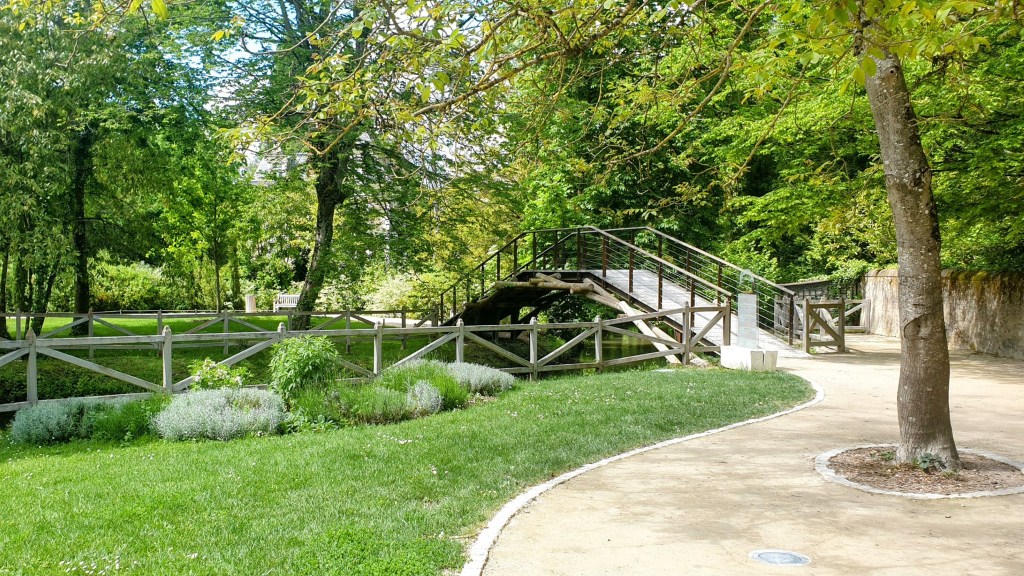



When I heard about the variety of château around the Loire Valley, this is the one I wanted to visit most, because I have personally been fascinated with da Vinci since I found out about him as a child. He was so clearly unique, intellectually and socially different from the culture and times that he was born into. As a person who often felt like I didn’t particularly belong, I enjoy seeing others like that in history. Although, over time, I came to understand that the combination of being born male and the patronage system that supported artists allowed people like Leonardo (if anyone can be said to be like Leonardo) to stay economically afloat and pursue their art and invention without the need to worry about where to live or what to eat.
In many ways, he and others like him are nearly mythological, and being able to stand in a room where they slept, or scribbled sketches or ate soup makes them more real, and it’s an experience I am glad to have had before leaving Tours.




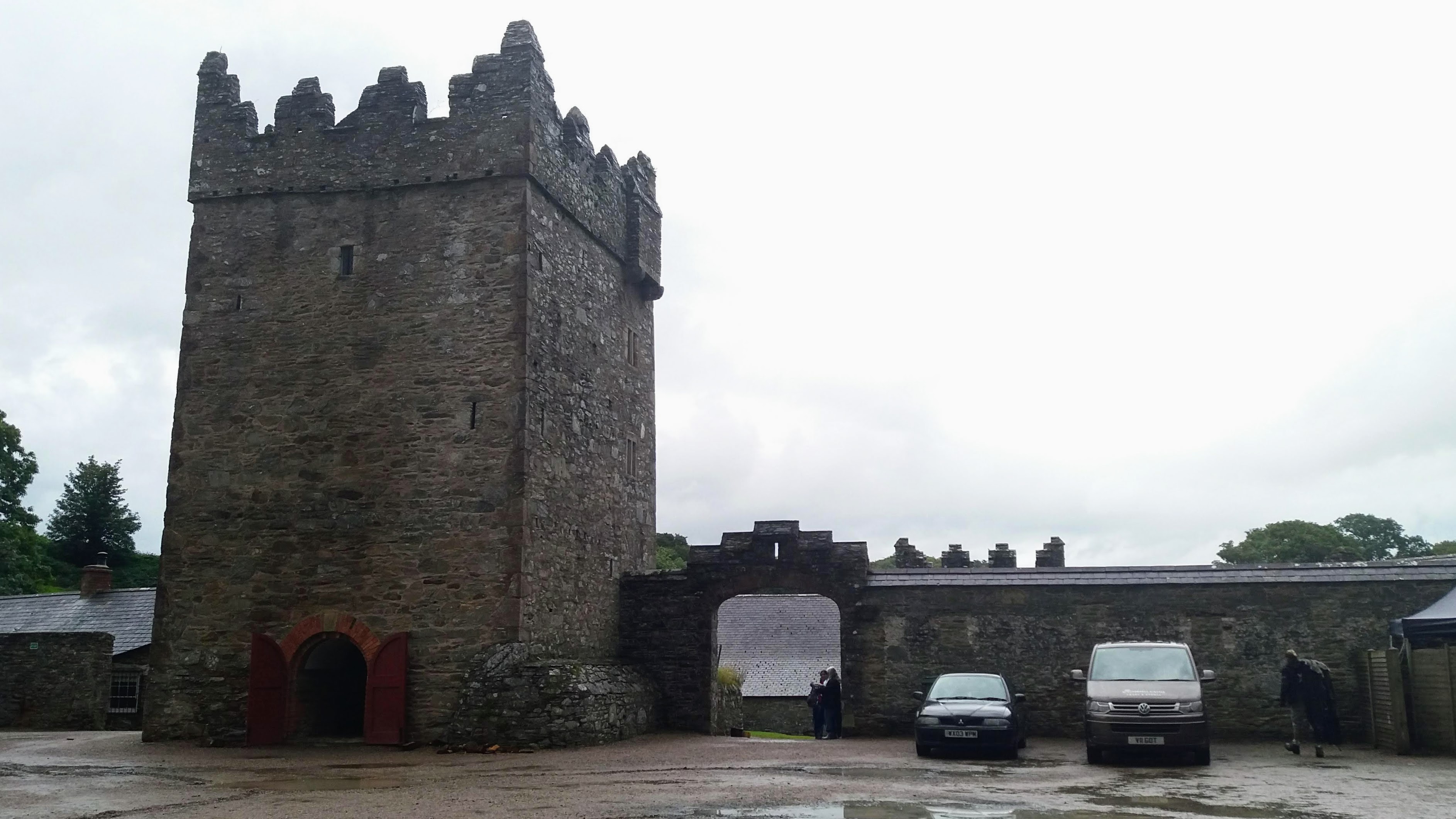




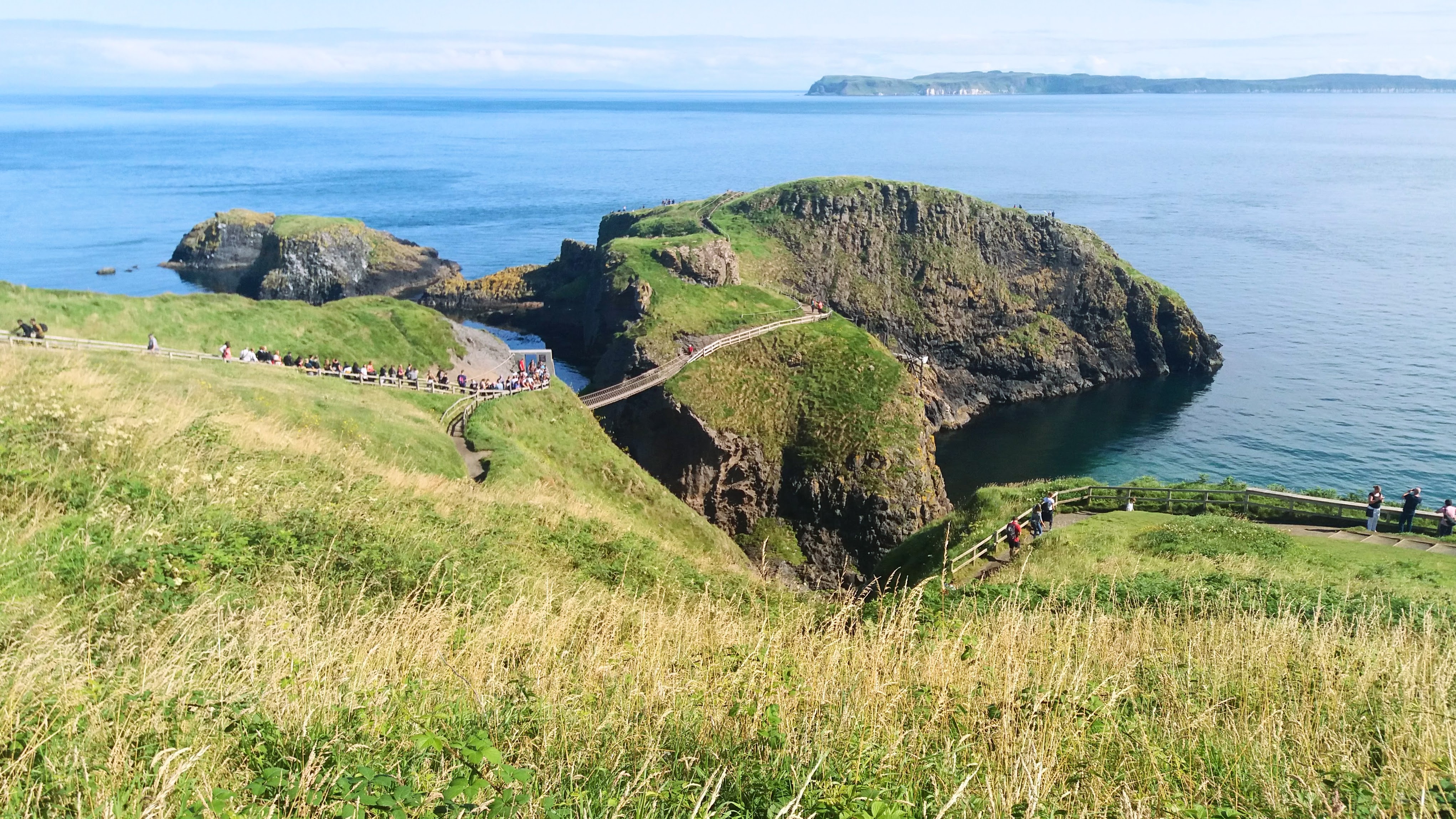


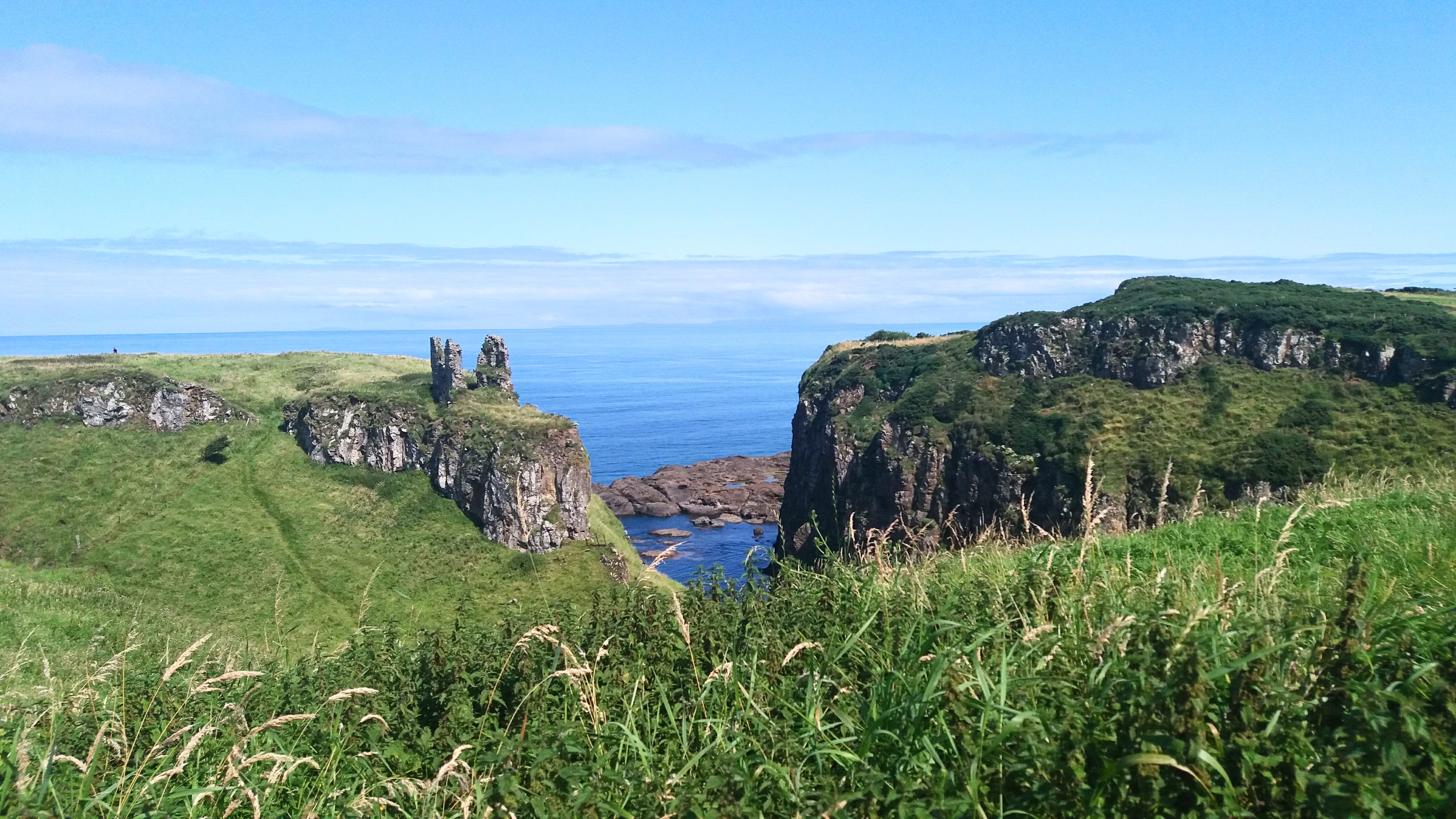


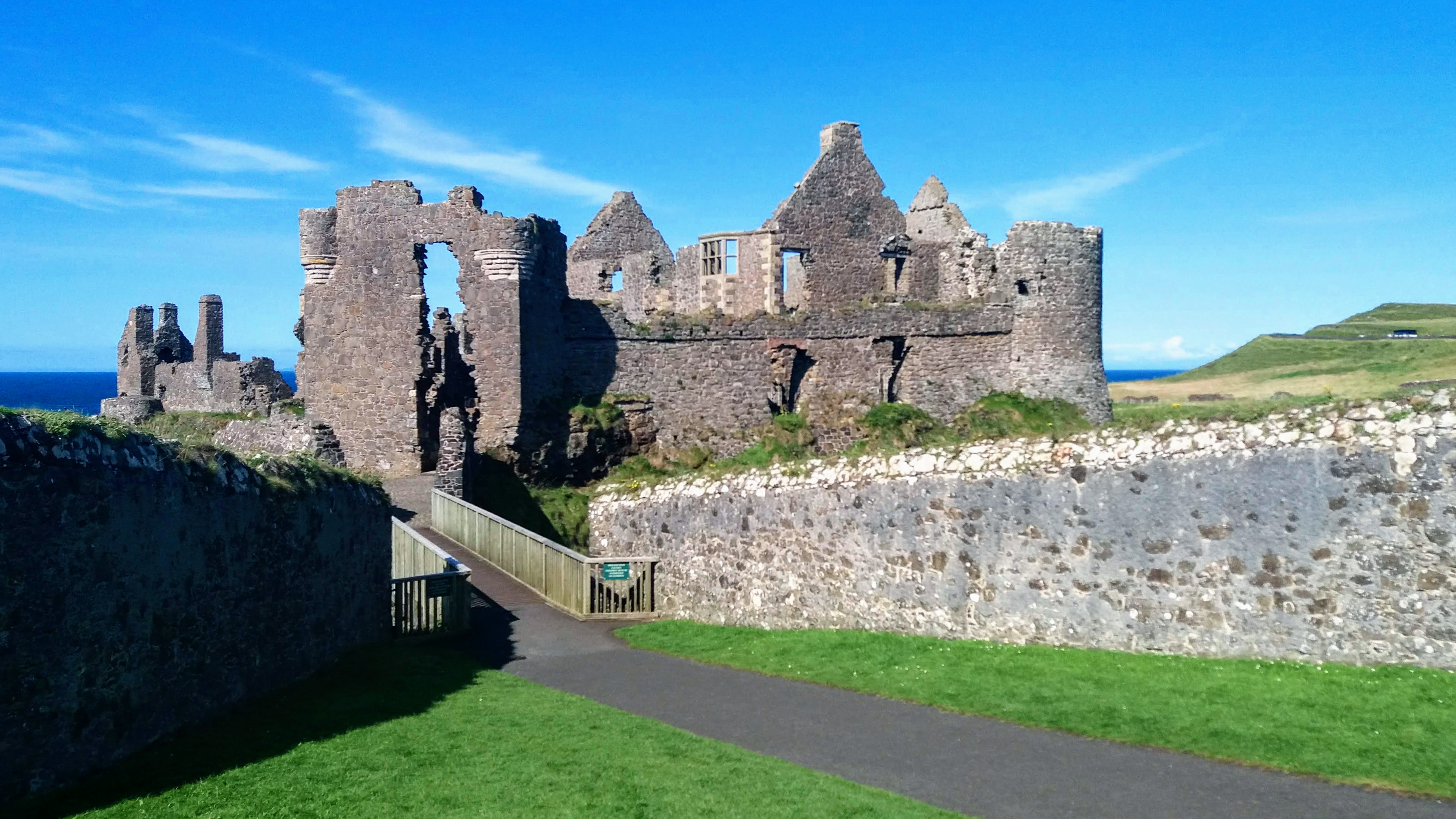
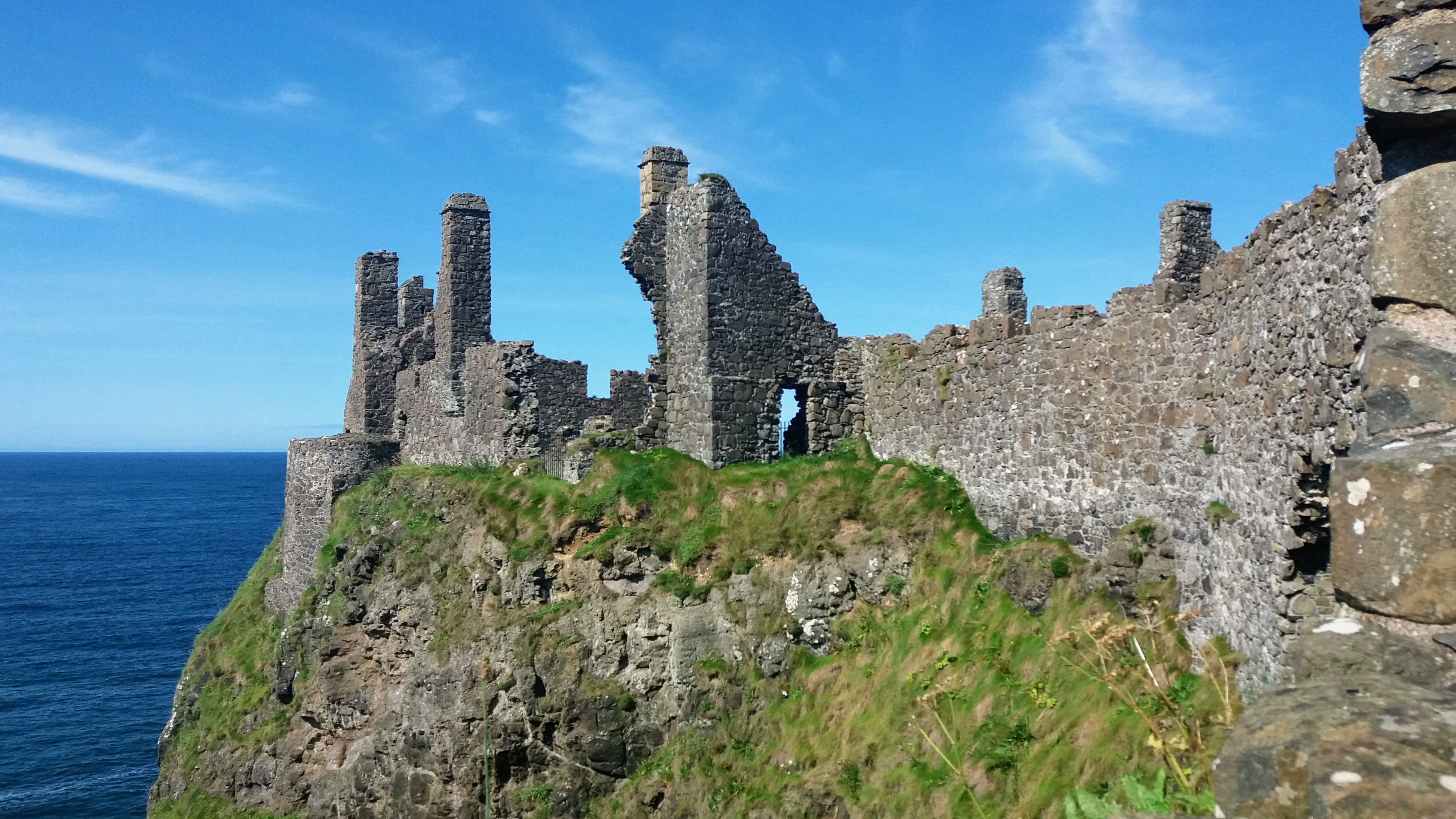


 However, when Finn saw Benadonner crossing, he realized the giant was much bigger than he previously thought. He fled the coast, retreating into his home. His wife Sadhbh (omg Gaelic, amirite?, that’s probably pronounced “Saive”, maybe?) heard what he’d done and quickly dressed her husband up as a baby.
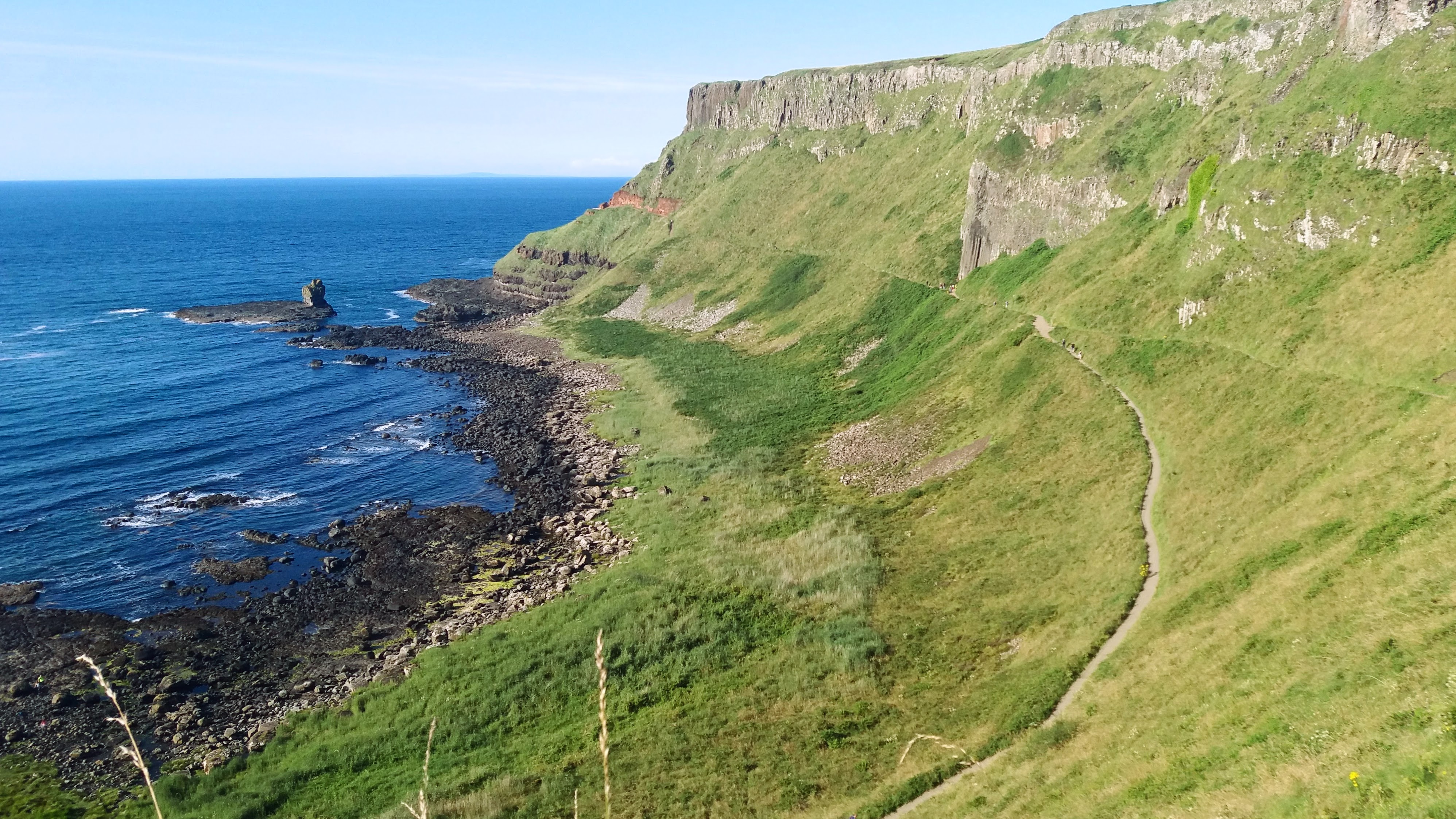


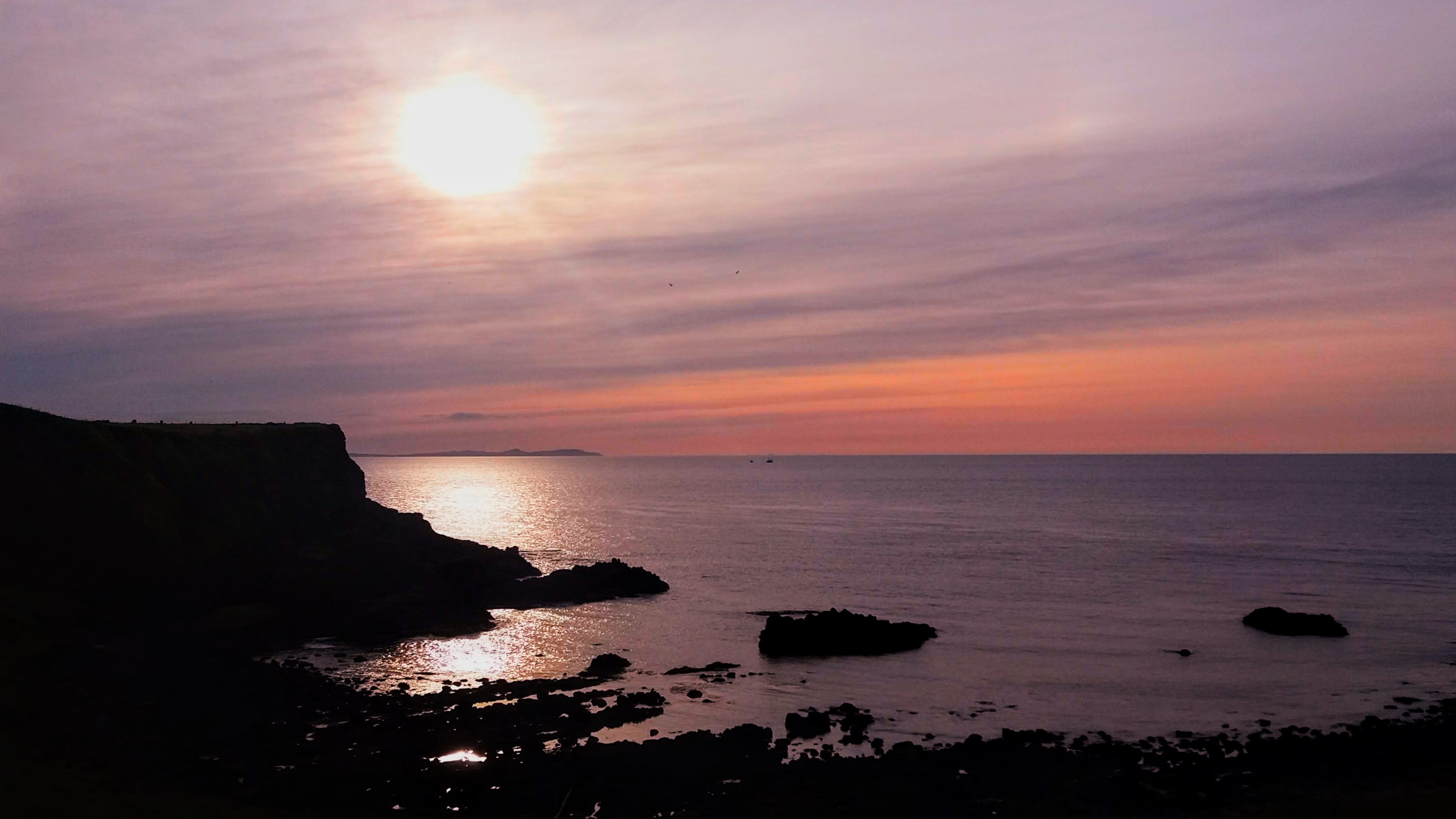


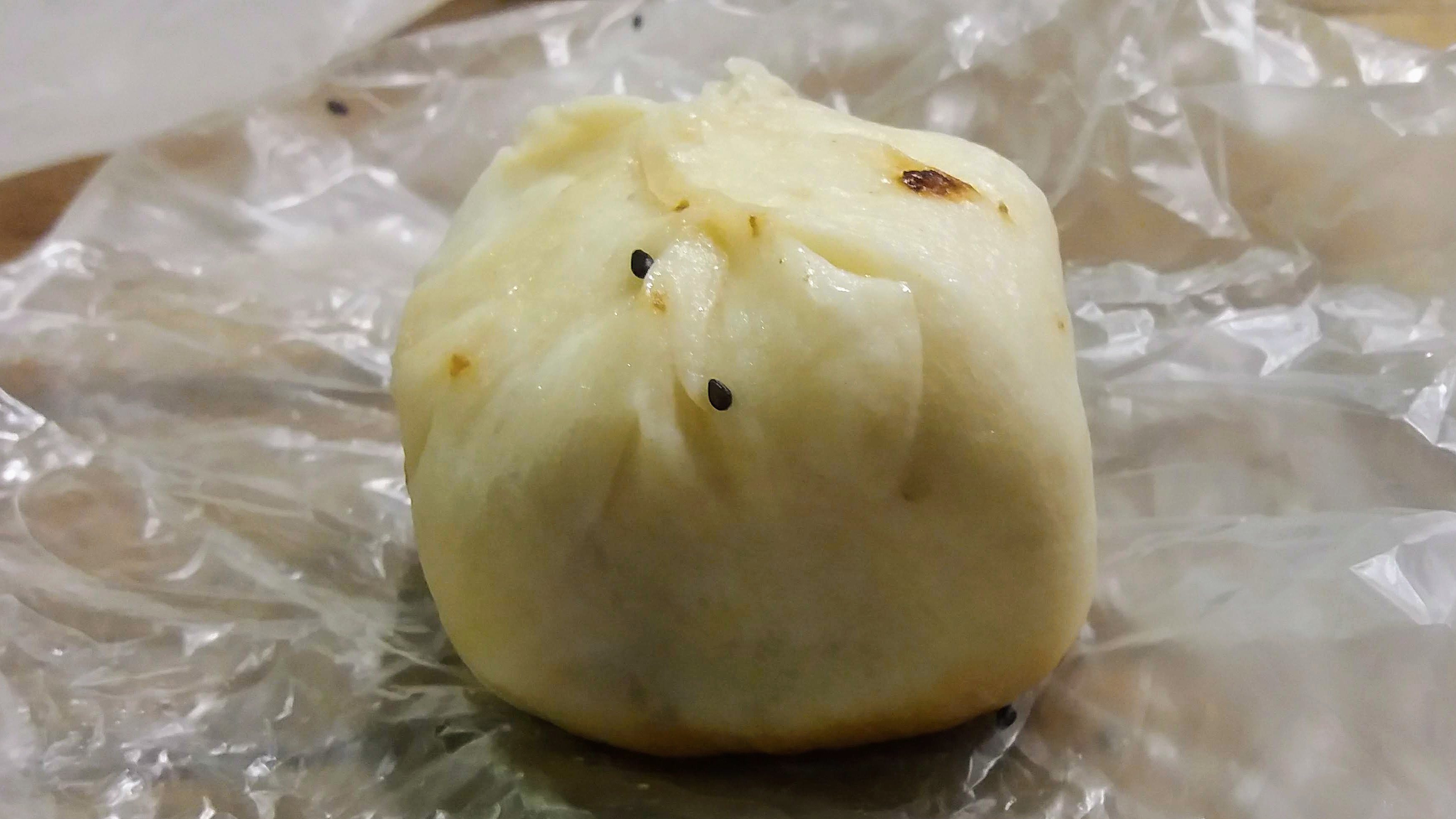























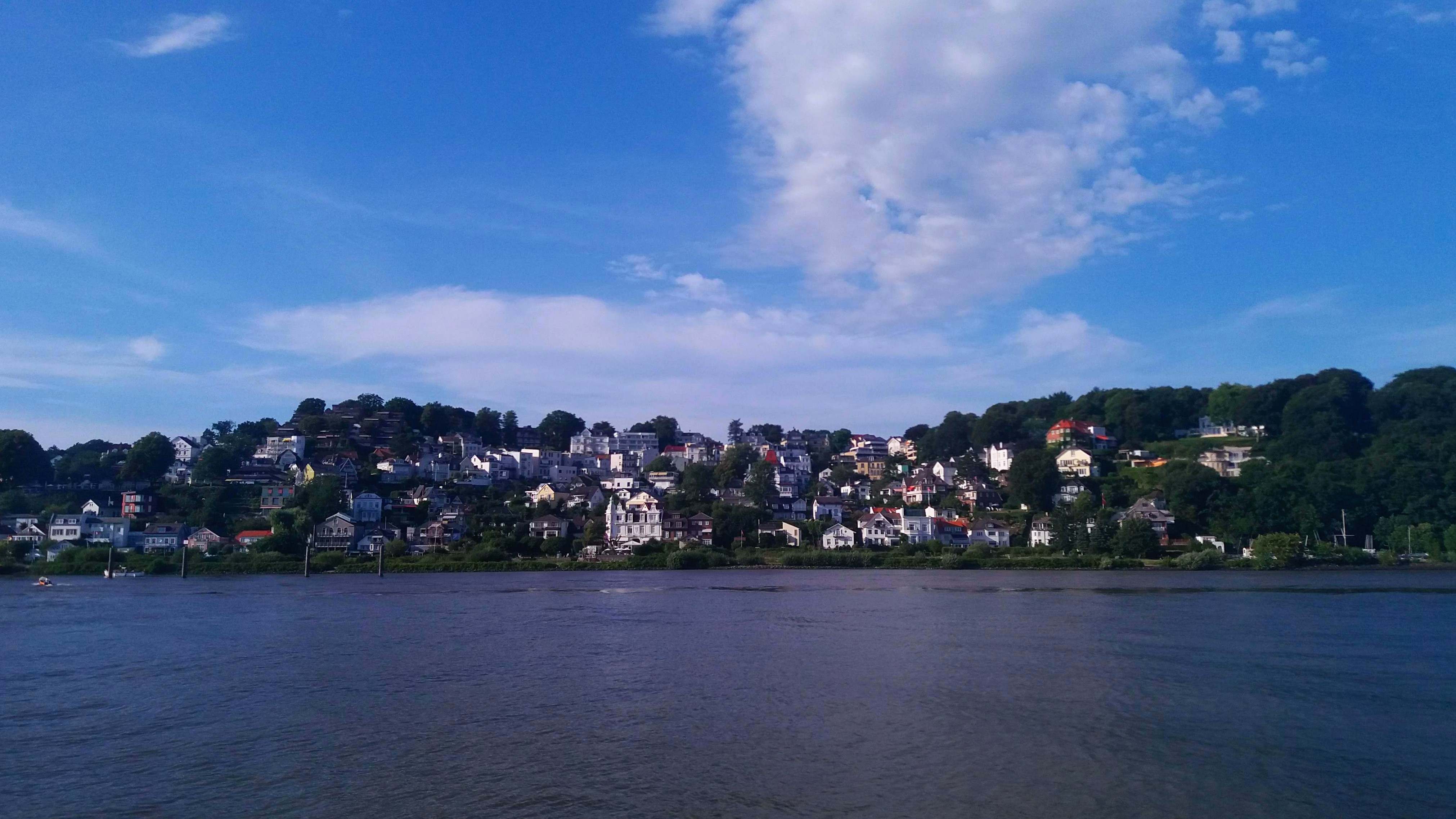


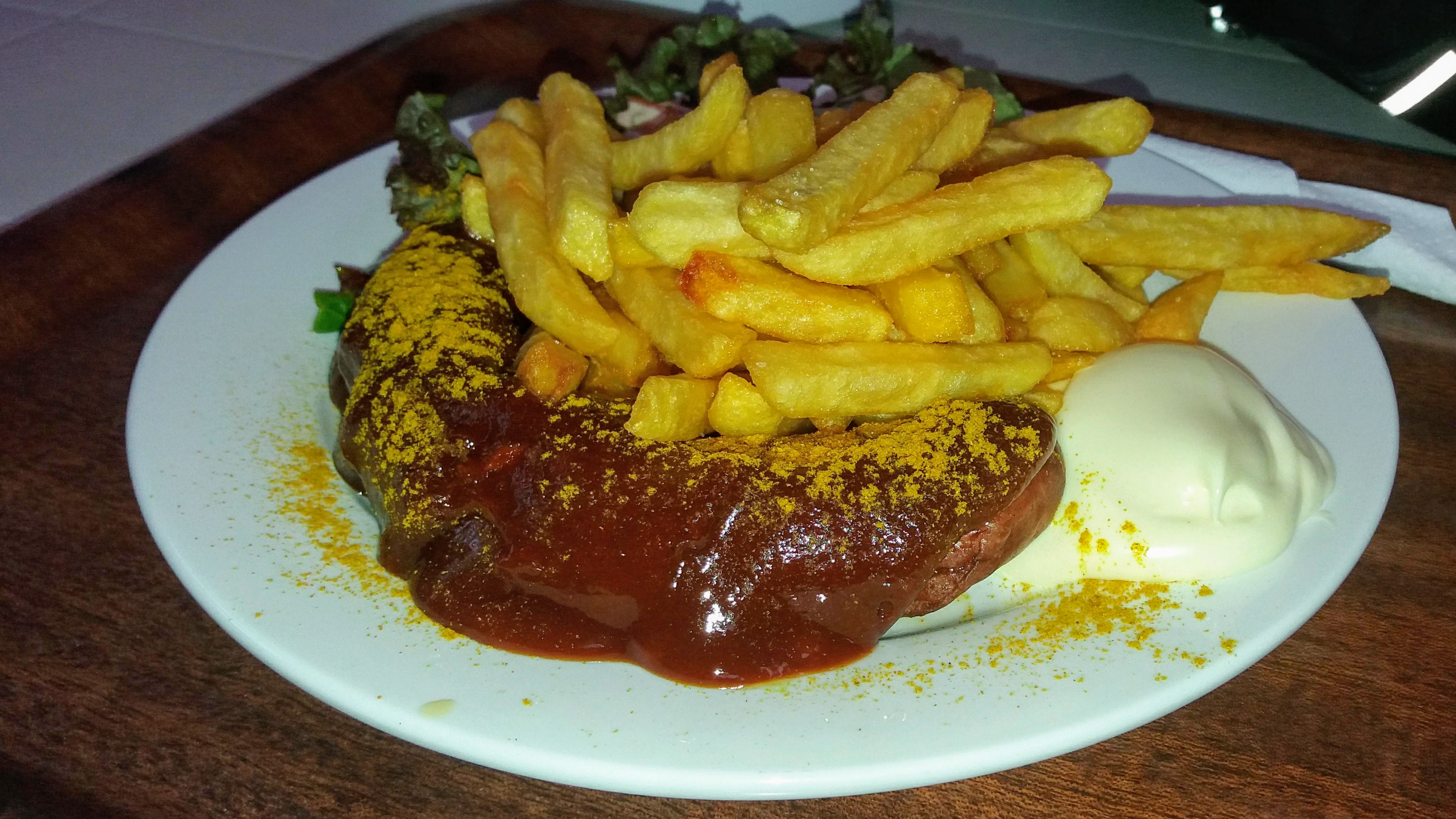


 Tickets to the Tokugawa Gardens can be purchased at the same time you buy your Nagoya Castle ticket (combo ticket ftw) which gets you a slight discount if you are planning to do both, but does not include the art museum at the gardens.
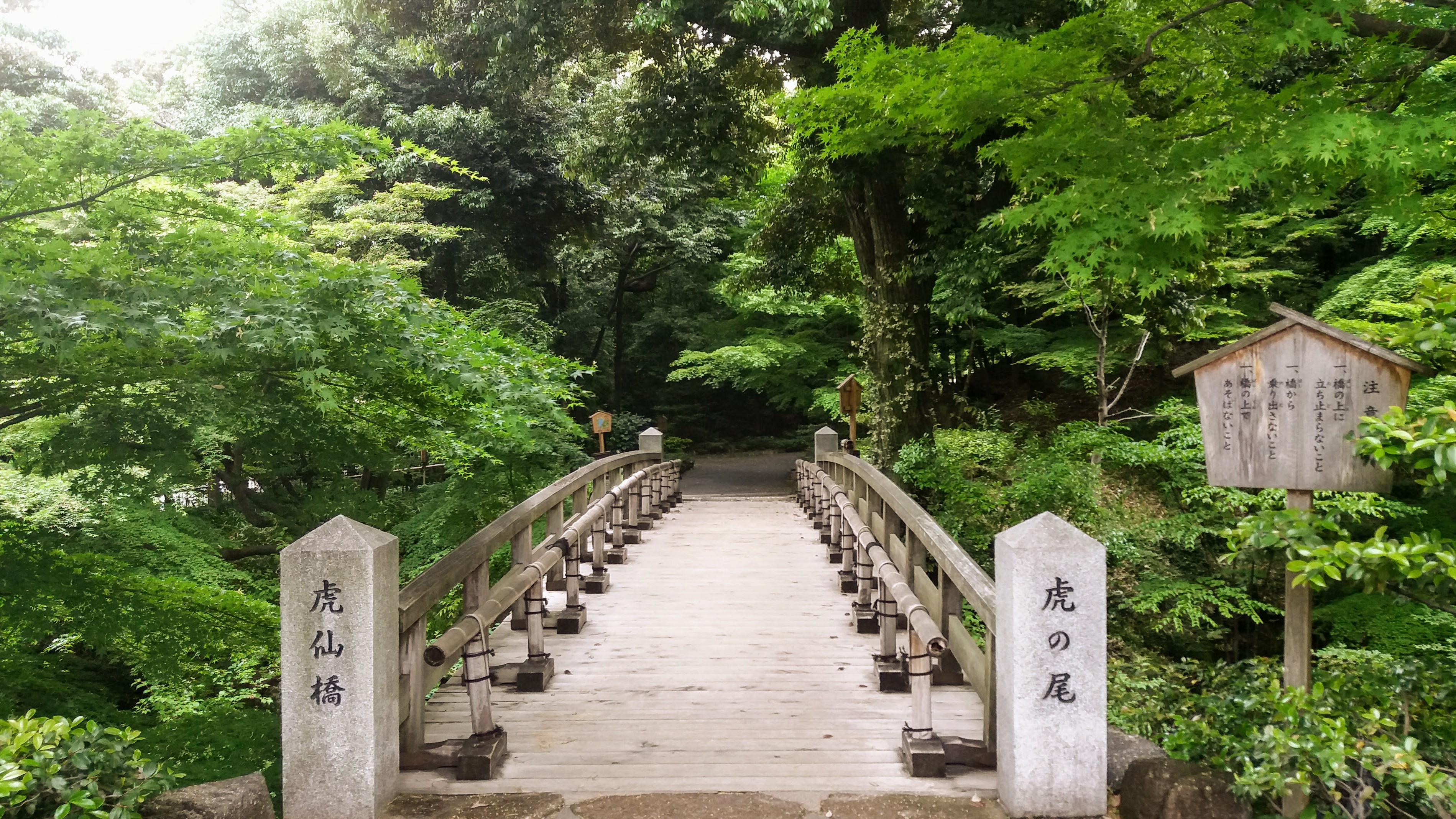 The golden bus drops you off right at the gates to the gardens, and I was able to show my combo ticket to get in with no trouble. The gardens start out with a main square that houses the entrance gate and the museum (which I did not go in that day). There is a large lake to walk around and feed koi fish in. The koi are ginormous. Biggest koi I have ever laid eyes on. I think there are smaller tuna. Some were close to a meter. There were also many colors, mainly the gold color and the calico mix of orange, black and white, but there were also ghostly solid black koi that were invisible even a few cm under the water until they broke the surface. They were like swimming shadows of fish. It was fascinating to watch.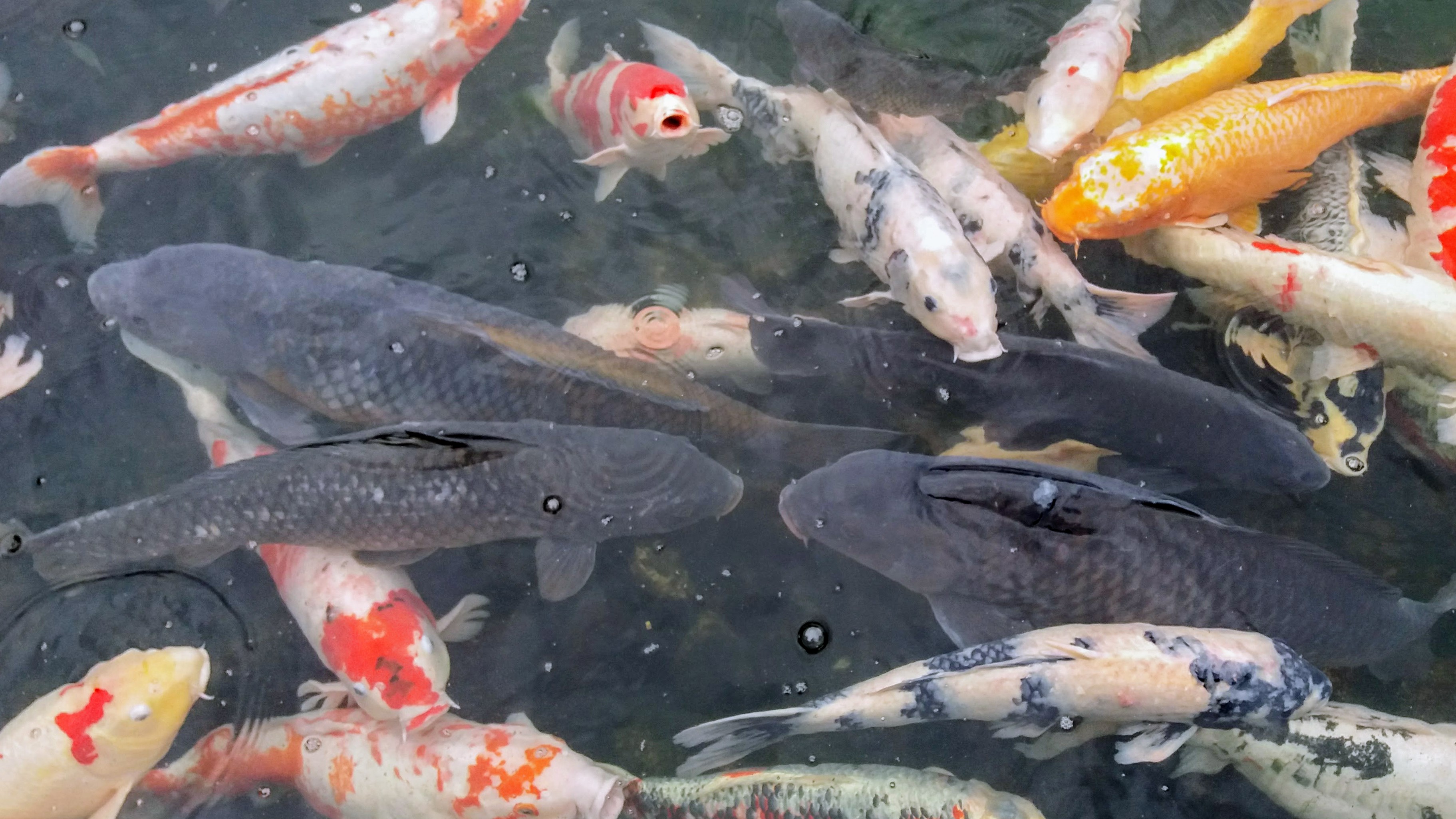


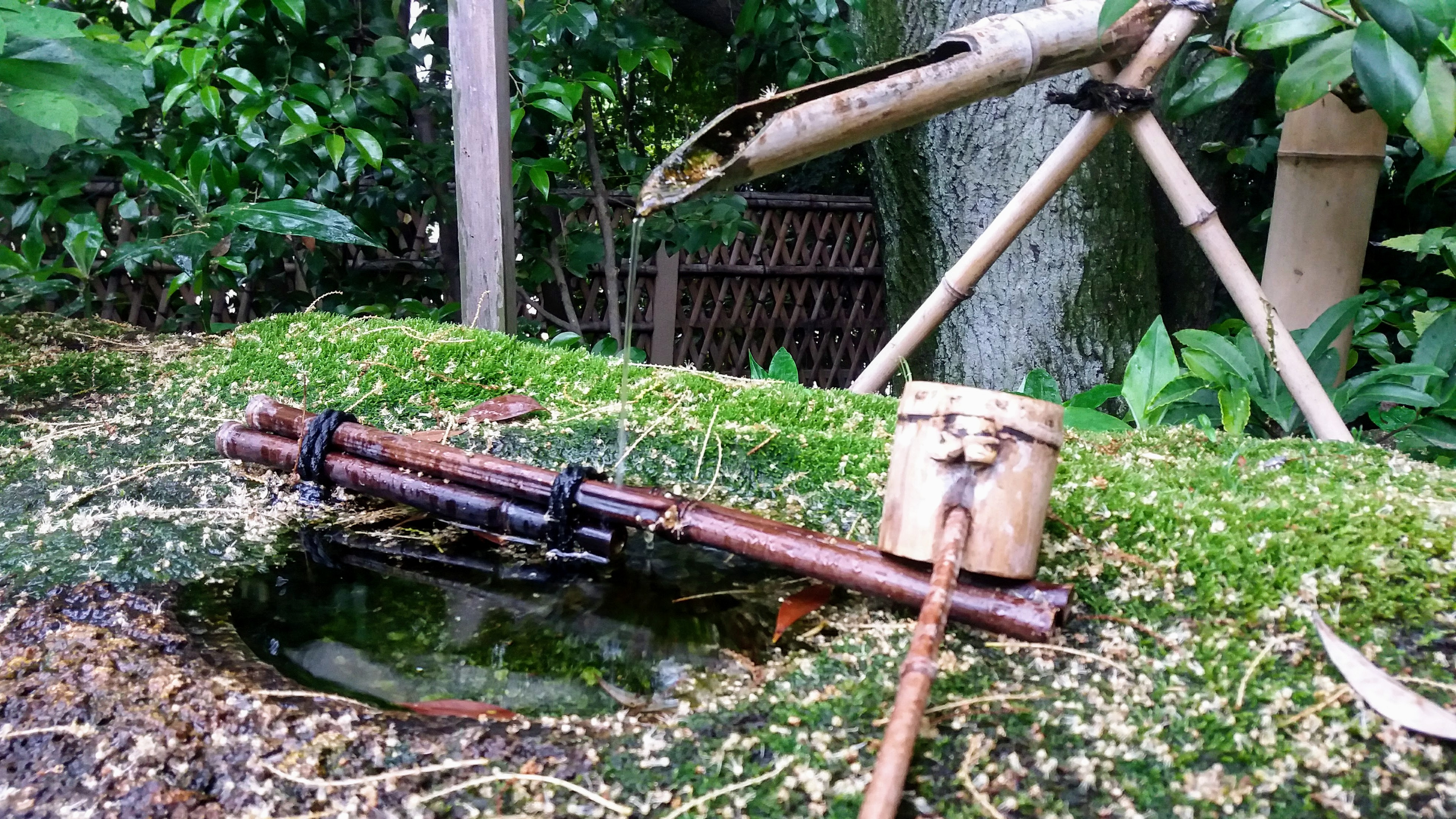


 Finally, because I can’t take a vacation without finding the waterfall, I found the waterfall. I am reasonably sure given the size of the park that the river and falls are man-made, but they don’t look like artificial fountains, they look like natural waterways. It’s a specialty of Japanese gardens to cultivate nature in a pleasing manner while still maintaining the natural beauty.



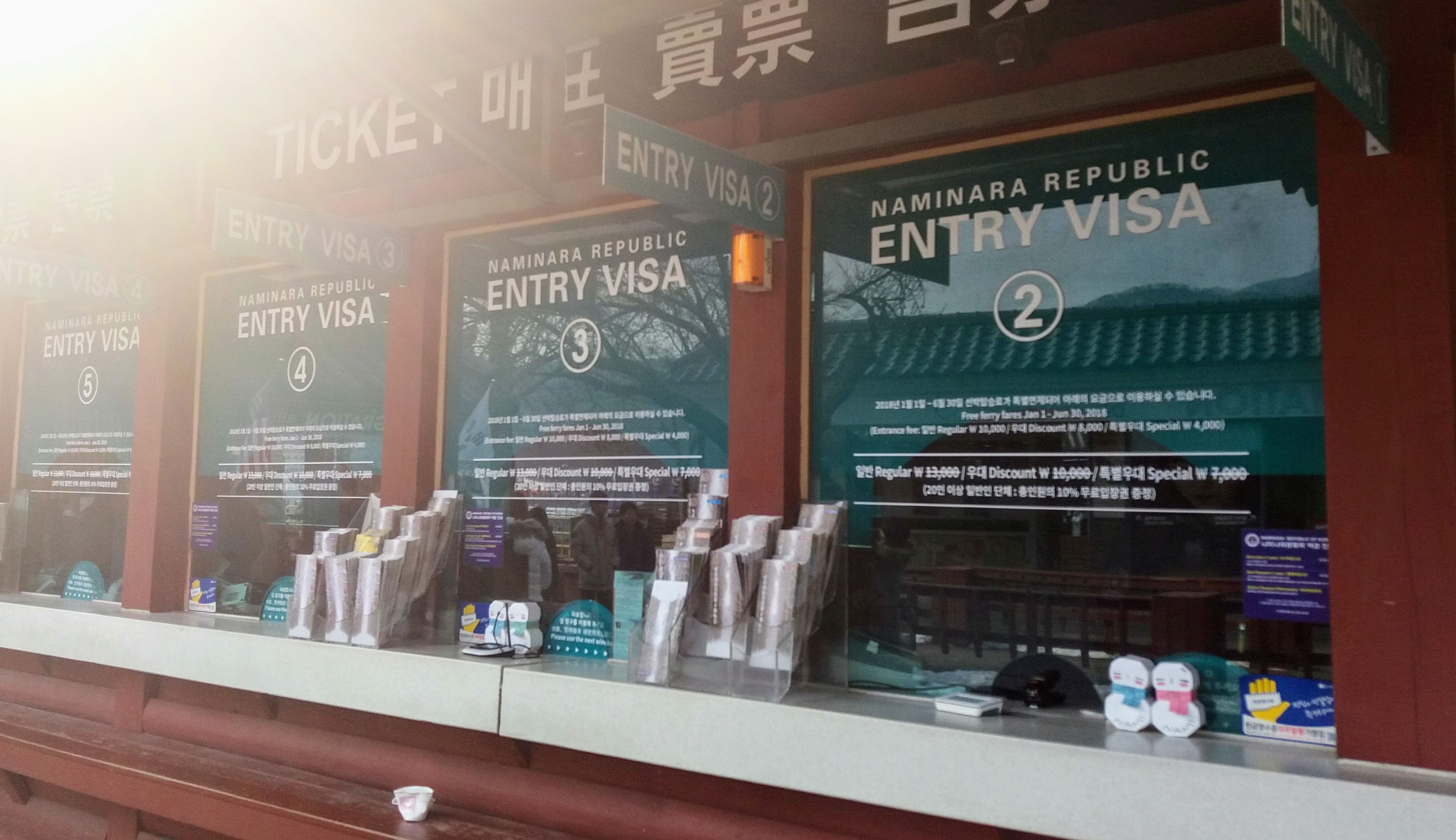
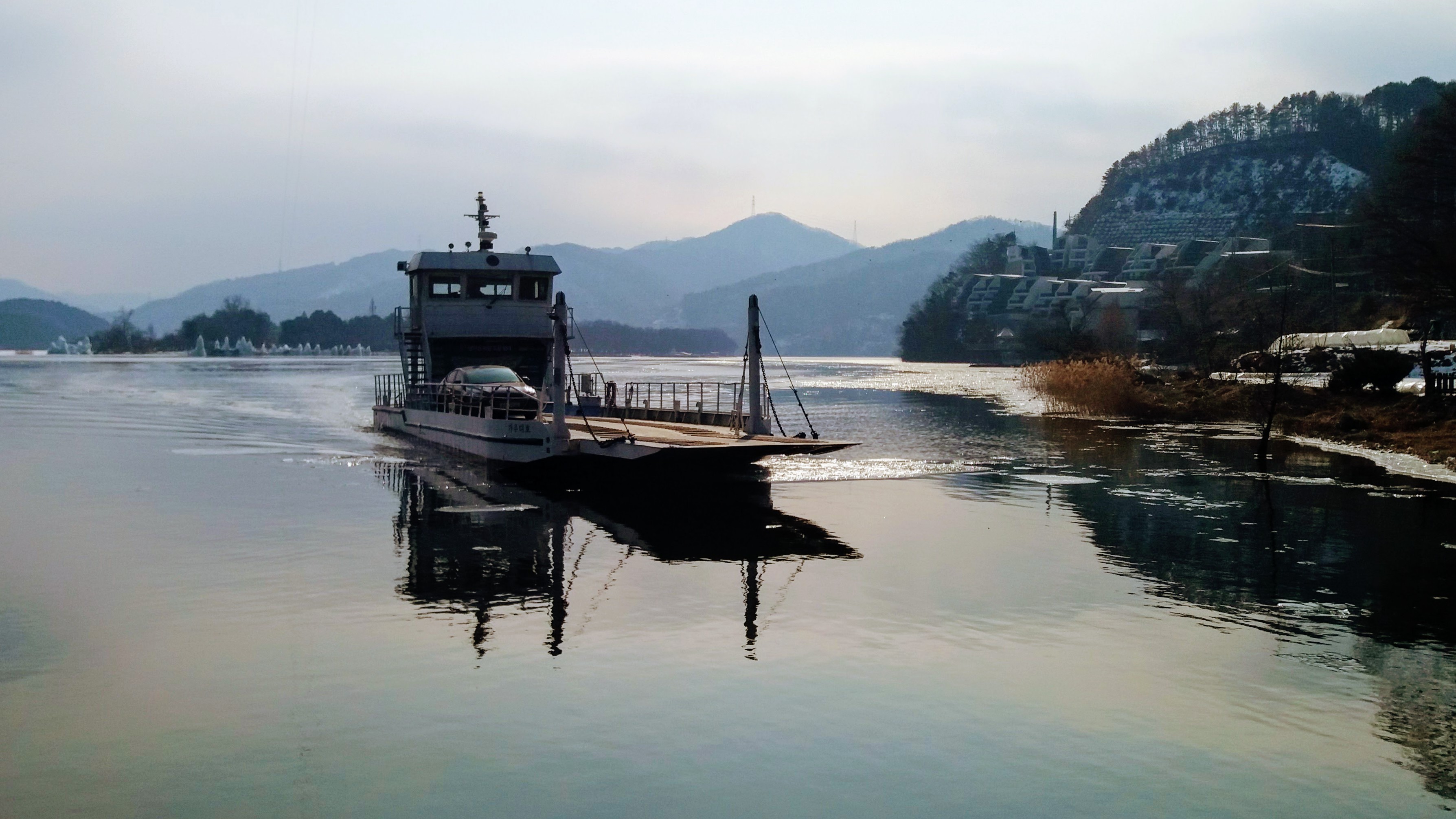
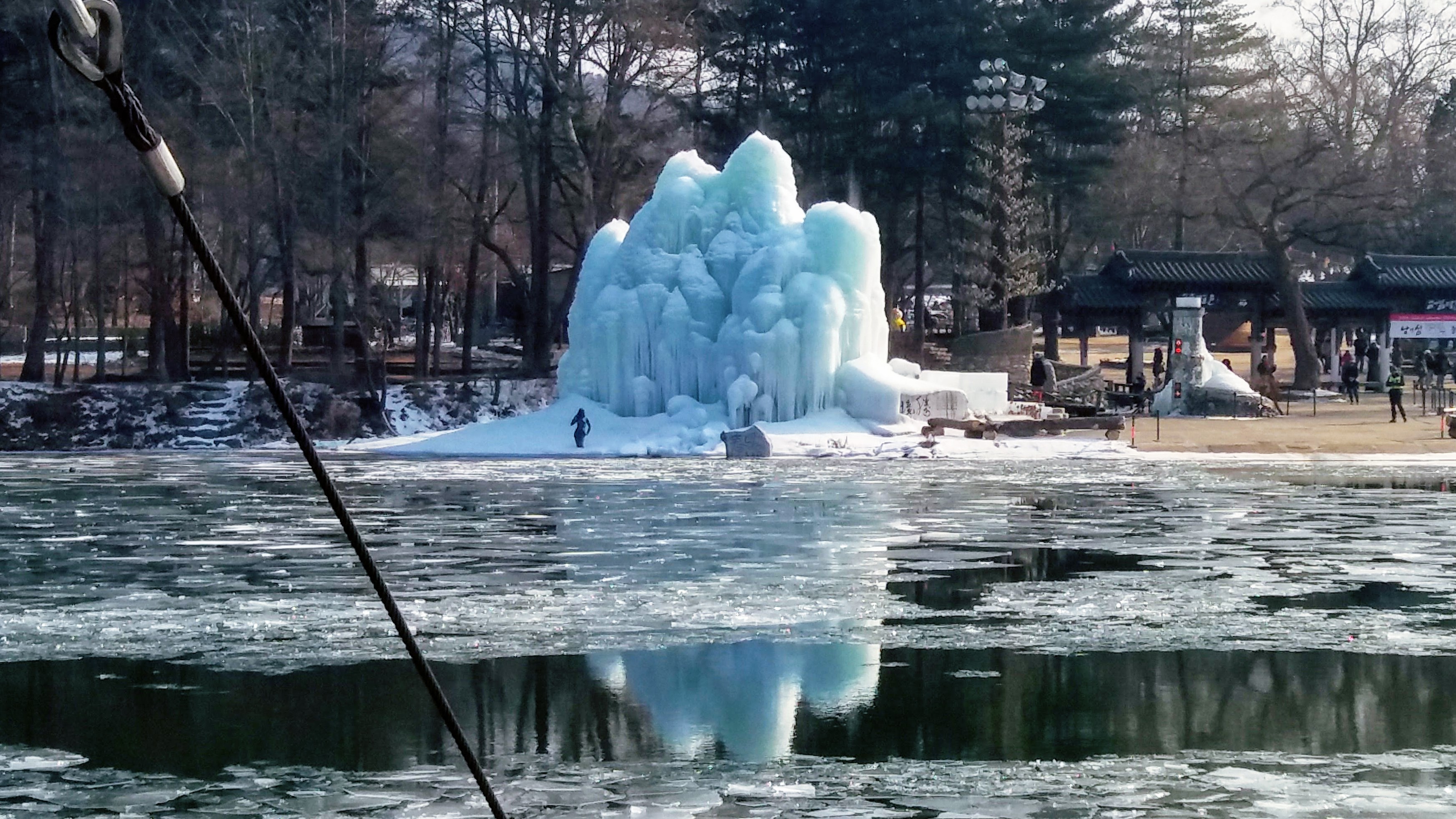






 Next I headed back towards the center of the island to the arts and crafts village where handmade goods can be viewed, created, and purchased. My favorite was a metal tree dripping glass globes that caught the winter afternoon sunlight. There were also plenty of places to grab a hot drink, a snack or a meal.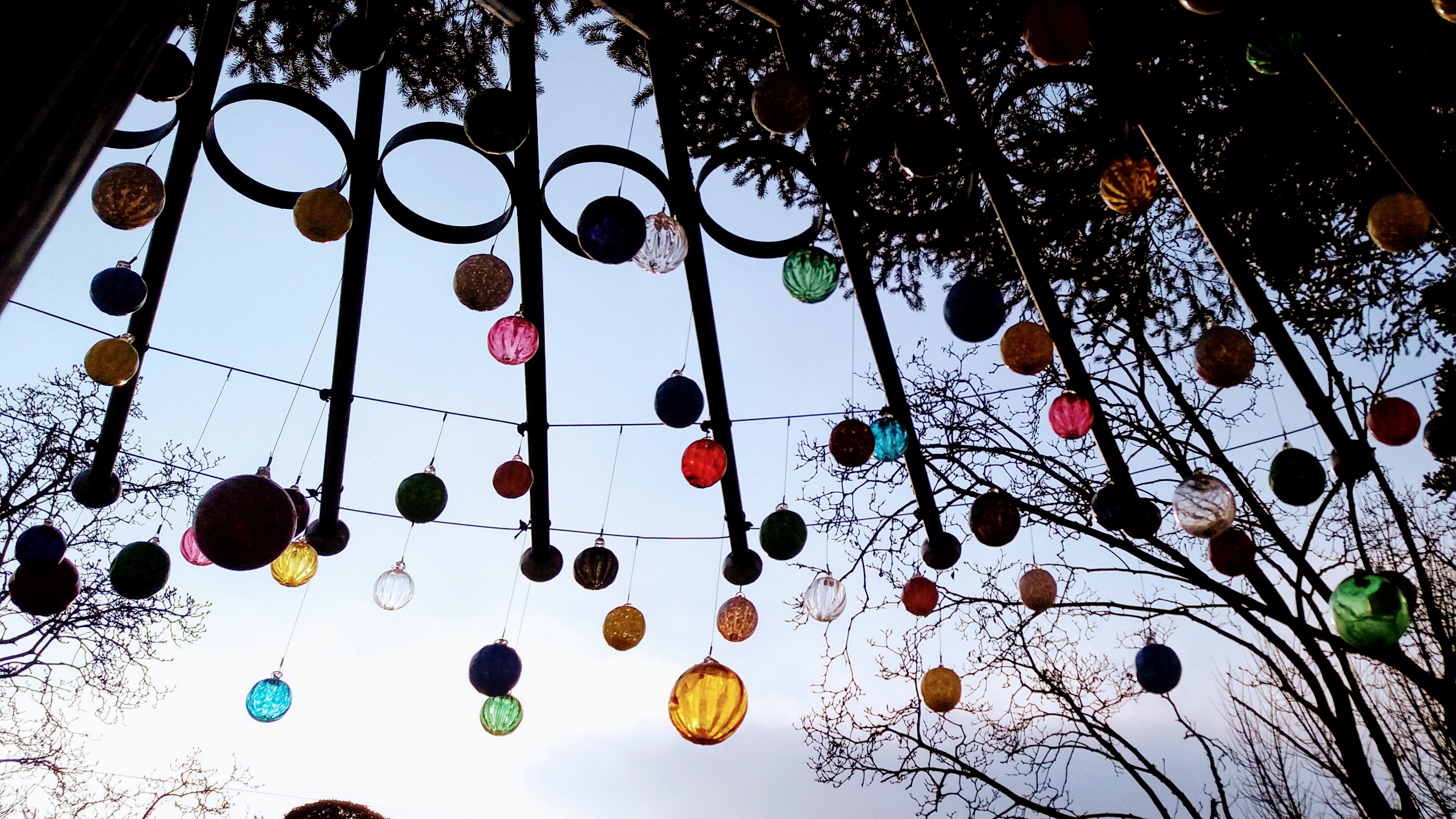






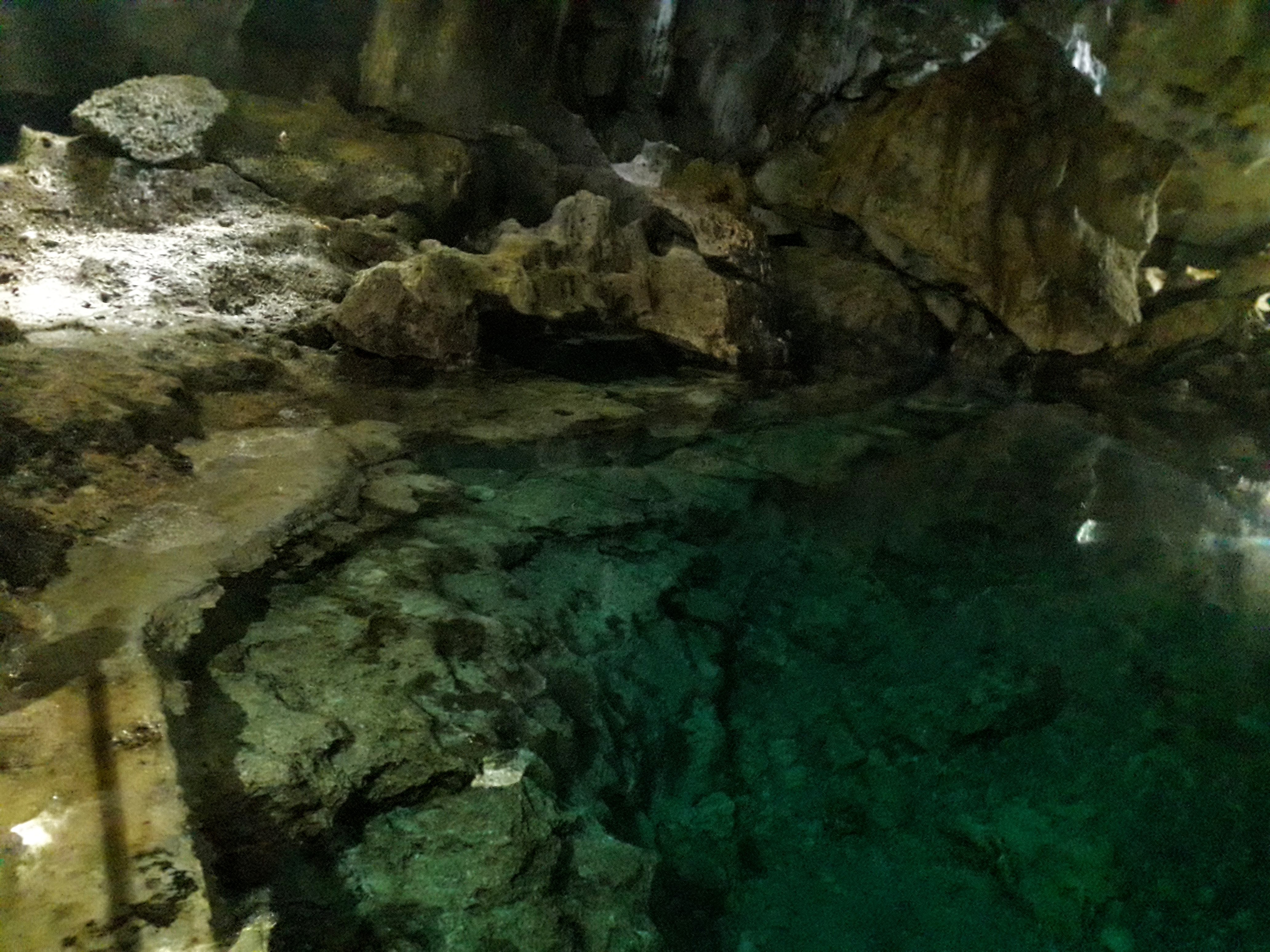
 We signed the guest book and the guides at the top of the entrance offered to keep an eye on our helmets while we went down. The stairwell looks like a black hole into nothingness, and the cave entrance is more like a sinkhole than a cave mouth. The stairs are steep, but sturdy and have a handrail, and it’s a short trip down. Once inside, there’s plenty of room to stand up straight and look around. It’s a small cavern with some lovely, though not stunning formations. The main attractions are the natural skylight that fills the cavern with the warm light of the sun like a spotlight, and the beautiful crystal clear pool. Looking at the water, I couldn’t understand why anyone had complained about it in the reviews. I suppose it’s possible that weather or too many swimmers might have clouded it up during their visit, but for us, just past opening time, the water was still, blue, and so clear that every rock on the bottom was visible even in the dim cavern.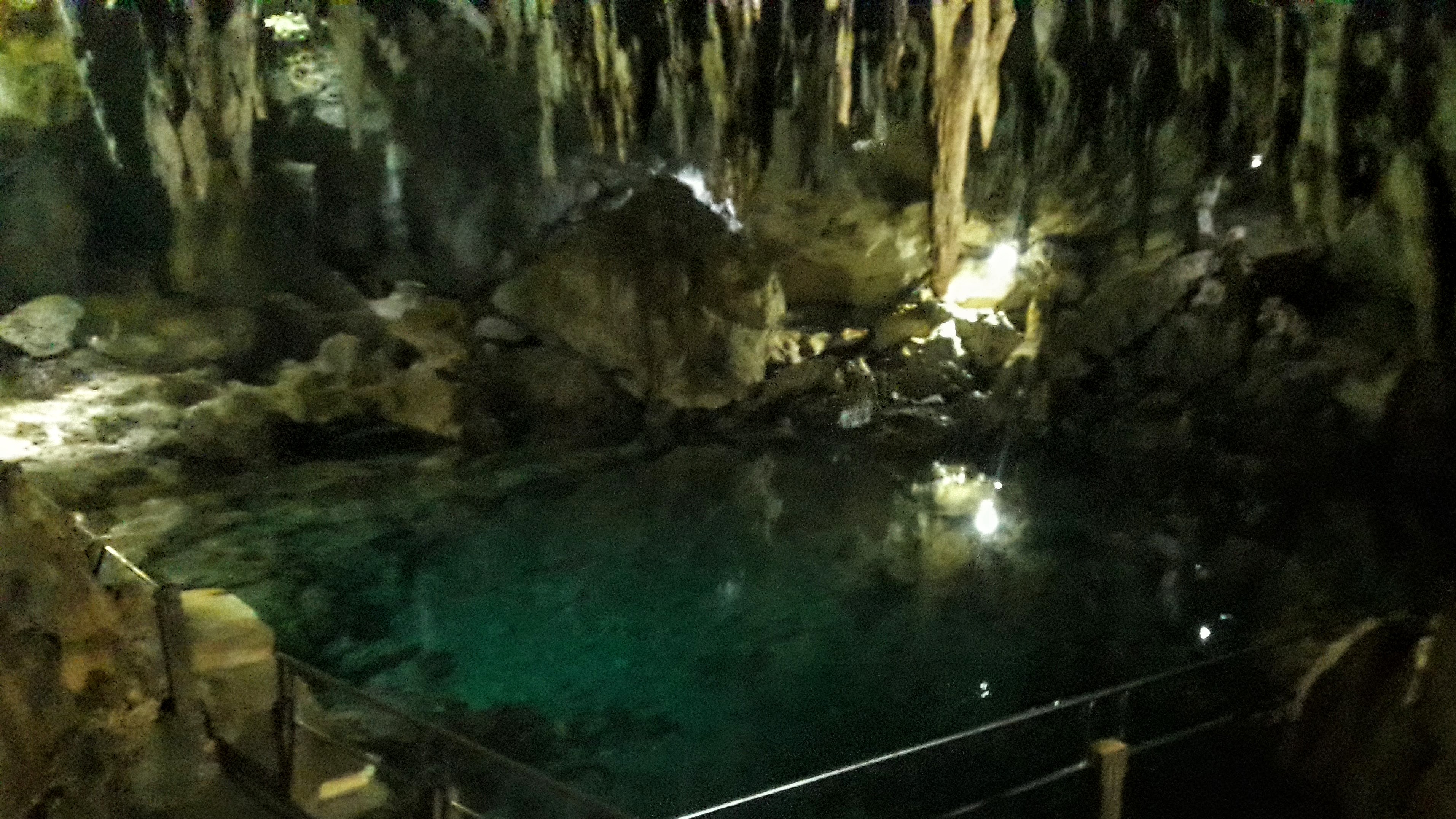

 We drove around in hopes of getting a glimpse of the water or perhaps some boating opportunity, but mostly what we found was a kind of upscale neighborhood where the people seemed rather surprised to see us. It seemed not unlike other lakefront neighborhoods, and we still had no view of the water which I presumed was visible from the back windows of these beautiful houses. At last we came up to the bridge that crosses the narrow point where the river meets the lake and we got our viewing spot.
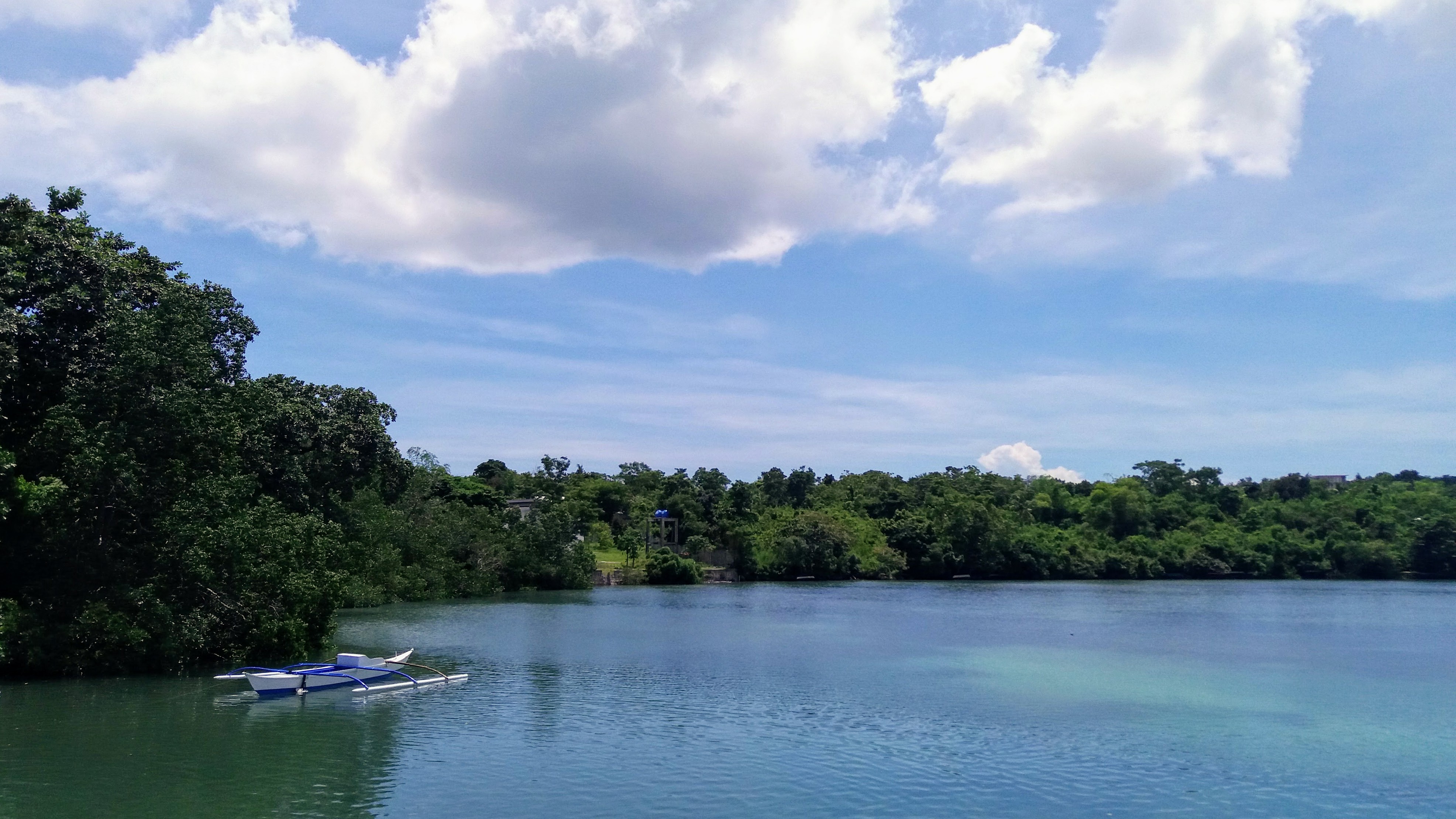 I’m sure everyone thought we were nuts for pulling over and walking out on the bridge to take pictures, but it was very pretty, and we’d driven over there more or less just to find out if there was anything to see at all. At the far end of the bridge I found a staircase that led down to a shaded swimming area in the lake, but it was occupied by a local family and I wasn’t entirely sure of the etiquette so I waved politely and moved on.

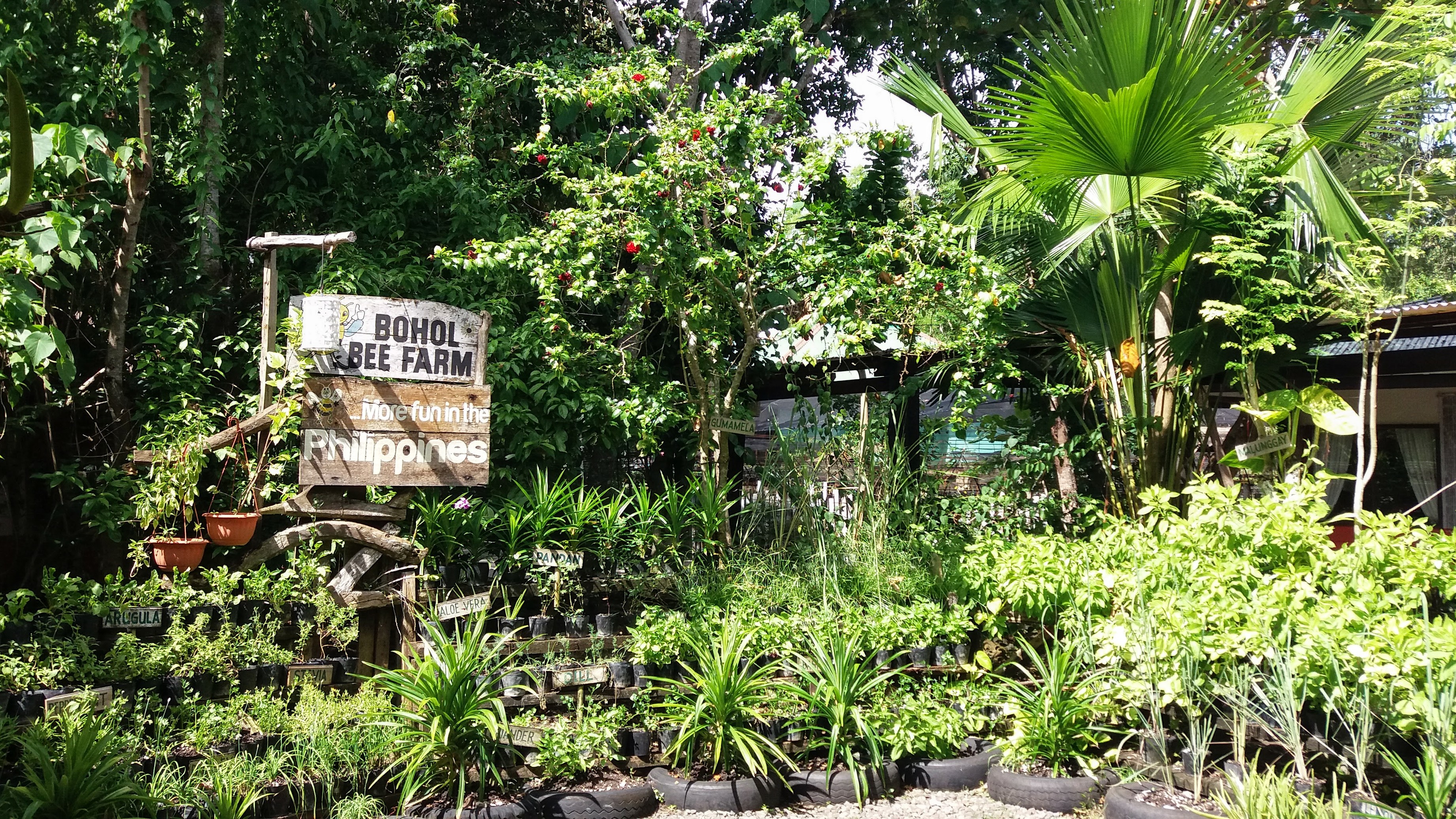 We went back to the Bee Farm for lunch and the “tour”. Arnold, our guide, started us out with a little cooking lesson in the herb garden where we played “name that herb”. I recognized nearly all of them, but the oregano completely stumped me. What? Oregano? How hard is that to spot? Yeah, but this crazy Filipino oregano was completely different with HUGE leaves. The guide asked the names of each plant in English, Tagalog, and Boholano, and when we got to the oregano and everyone saw how surprised we were, we had to explain the differences in the plant’s appearance in Europe and America versus the one growing in the Philippines. Arnold said he’d heard about that but never seen the European varieties. Behind him ranged a huge display of potted herbs with their names displayed, and I recognized most, but had to ask about Pandan.
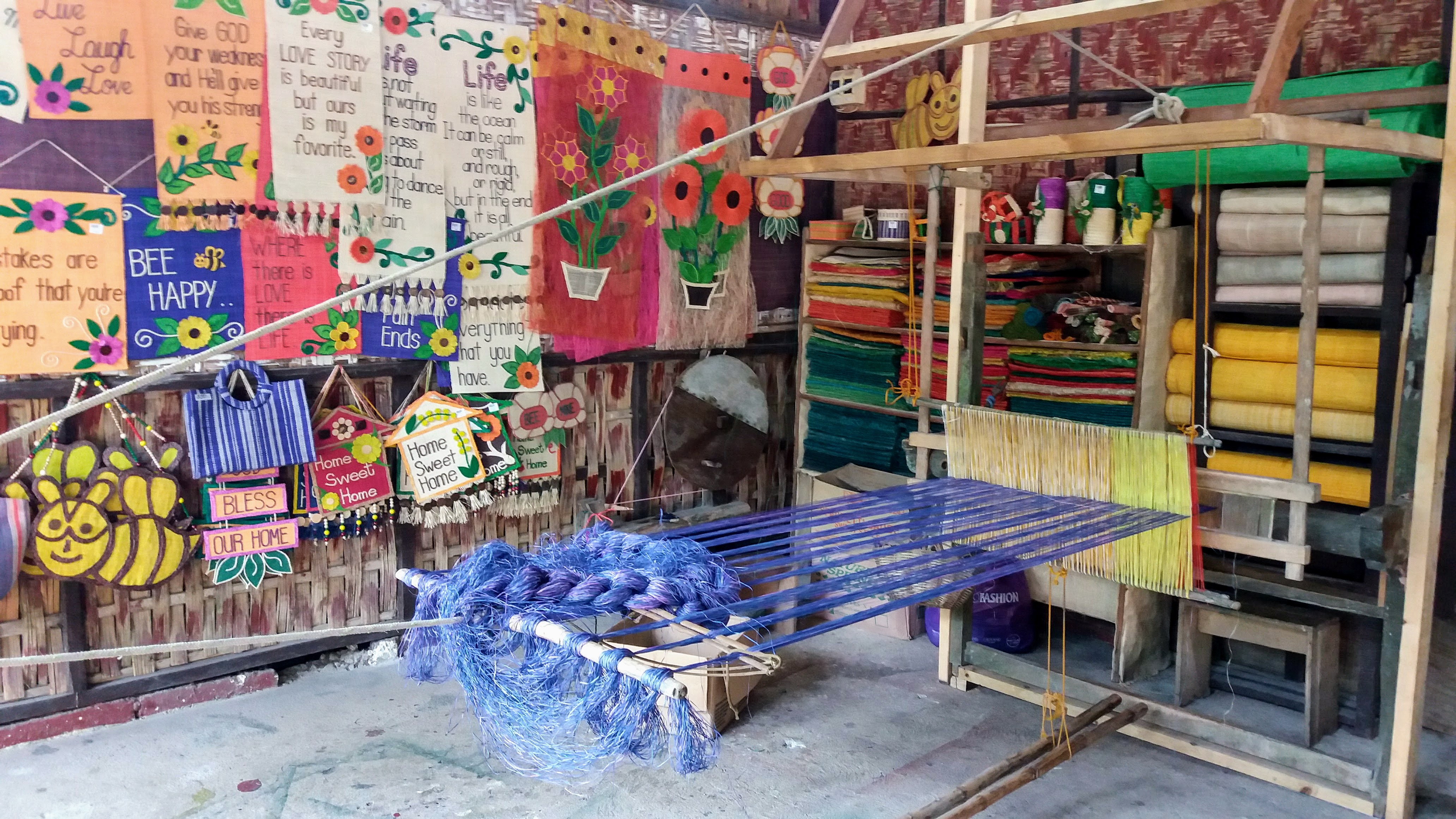 Once we were finished in the herb garden, we moved over to the manufacturing areas. Arnold explained that while they do use as many of their own ingredients as possible, the farm has grown too large for them to do tours of the farmland itself anymore. We saw the bakery where they made the wonderful squash bread. We saw the creamery where they were busy making ice cream, sadly it smelled like Durian was the flavor of the moment. And we saw the prepping areas where they made and packaged the teas, honeys, and other goodies used in the restaurant and sold in the gift shop.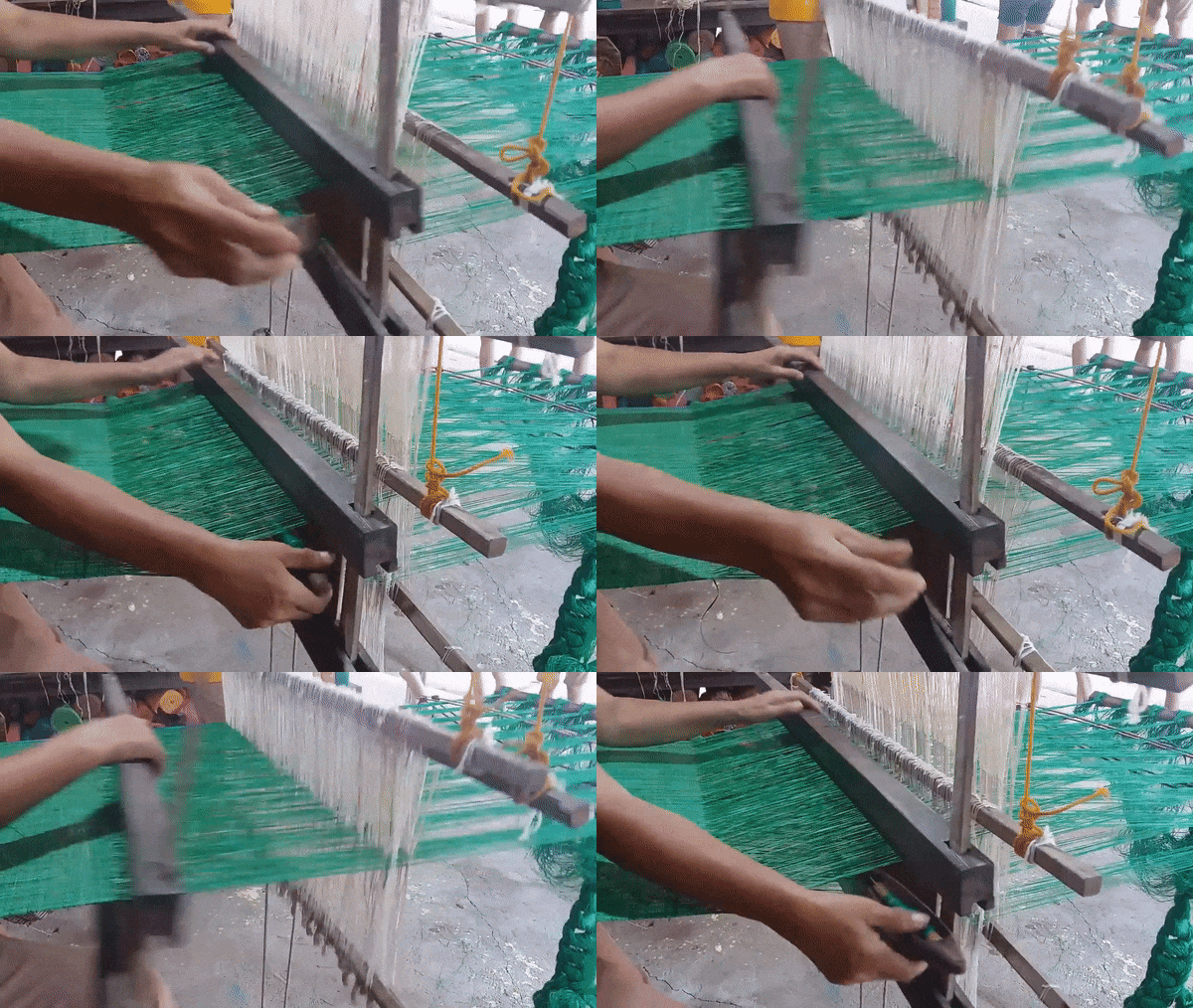


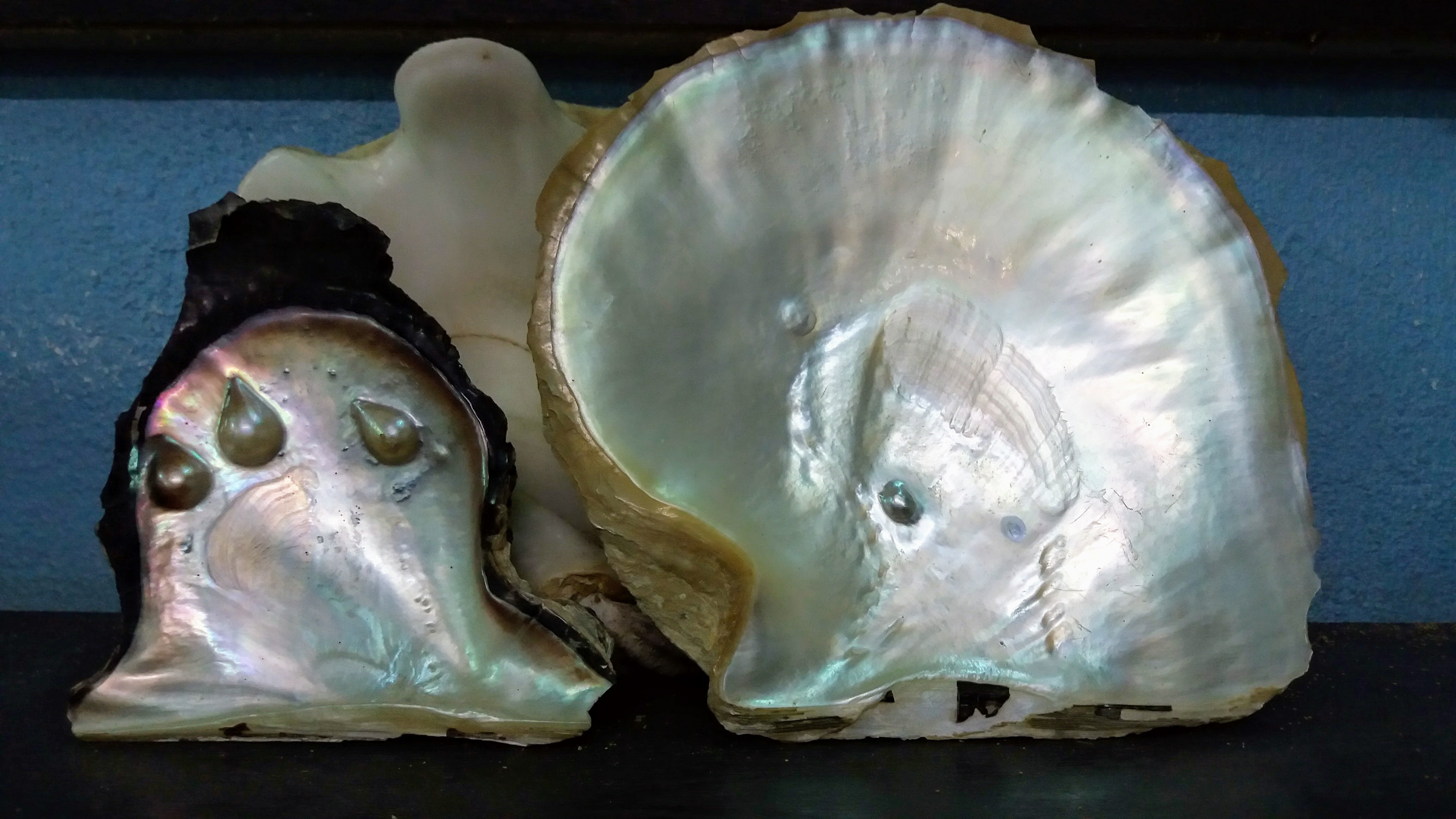 After lunch I went in search of the Nova Shell Museum, because I like seashells and museums. The whole area of Bohol is filled with tiny little roadside tourist attractions that are so cheesy and cost 20-60p to go see. I realize looking back on this experience that there is a high probability I enjoyed these because they reminded me of the random roadside attractions that we would sometimes visit on road trips when I was a kid. The US has (had? I’m not sure how many are still there) a huge number of tiny local sights setup for families to stop and look at while stretching their legs or getting a snack. None are sights that are destinations in and of themselves but they are fun to see if you’re passing by. This is how I felt about the Shell Museum. Would I have driven out of my way for it? Probably not, but it was right there next to one of my go to restaurants (La Familia) and only a few minutes drive from our hotel, so why not?


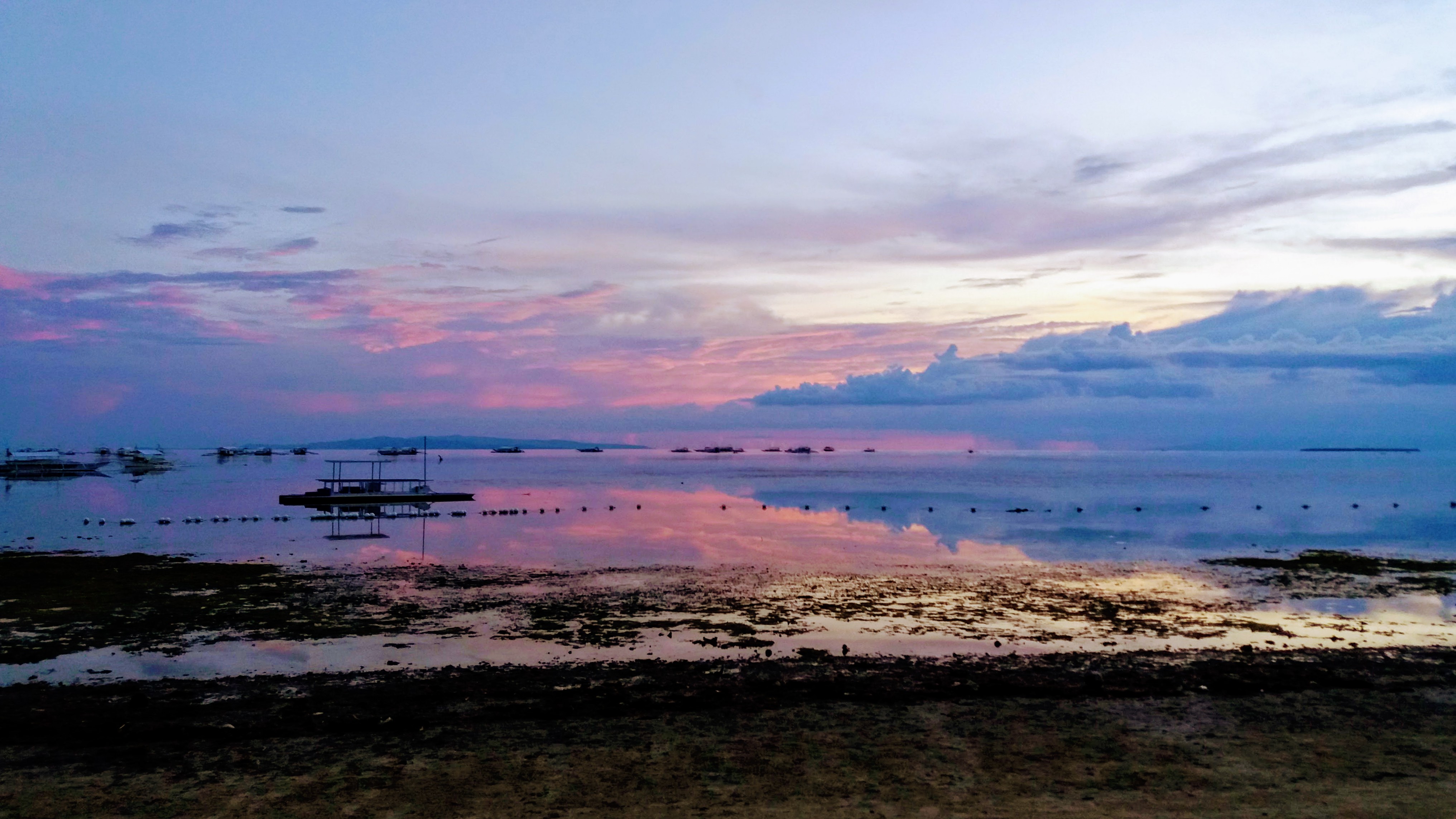
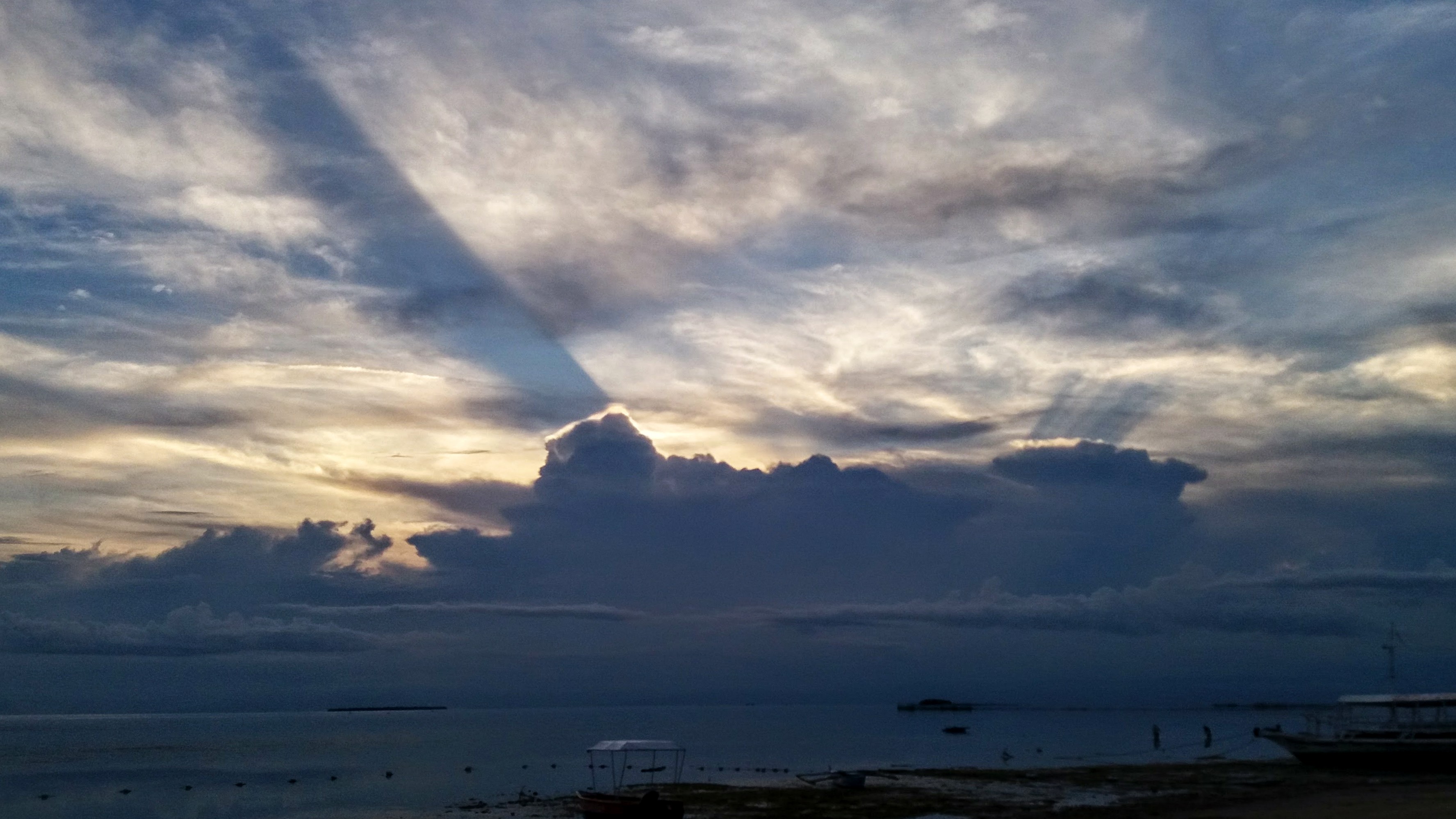 That night we went back to the Pearl at Linaw for a sunset diner on the beach. I spent more or less the entire vacation being in absolute awe of the cloud formations that piled up in fluffy mountains around our island, and this night was no exception. I got up from the table several times to walk the few meters to the water’s edge and get the most unobstructed sunset views possible. However, we got treated to something a little more than your average (stunning) tropical sunset. As the sun worked it’s way downward, I noticed an odd smudge of color at the top of the tower of clouds. I thought that it was that beautiful golden lining effect that so often happens when the sun back-lights dark clouds. I took more photos, admiring the glow and the strong beam-like shadow that was being cast into the sky.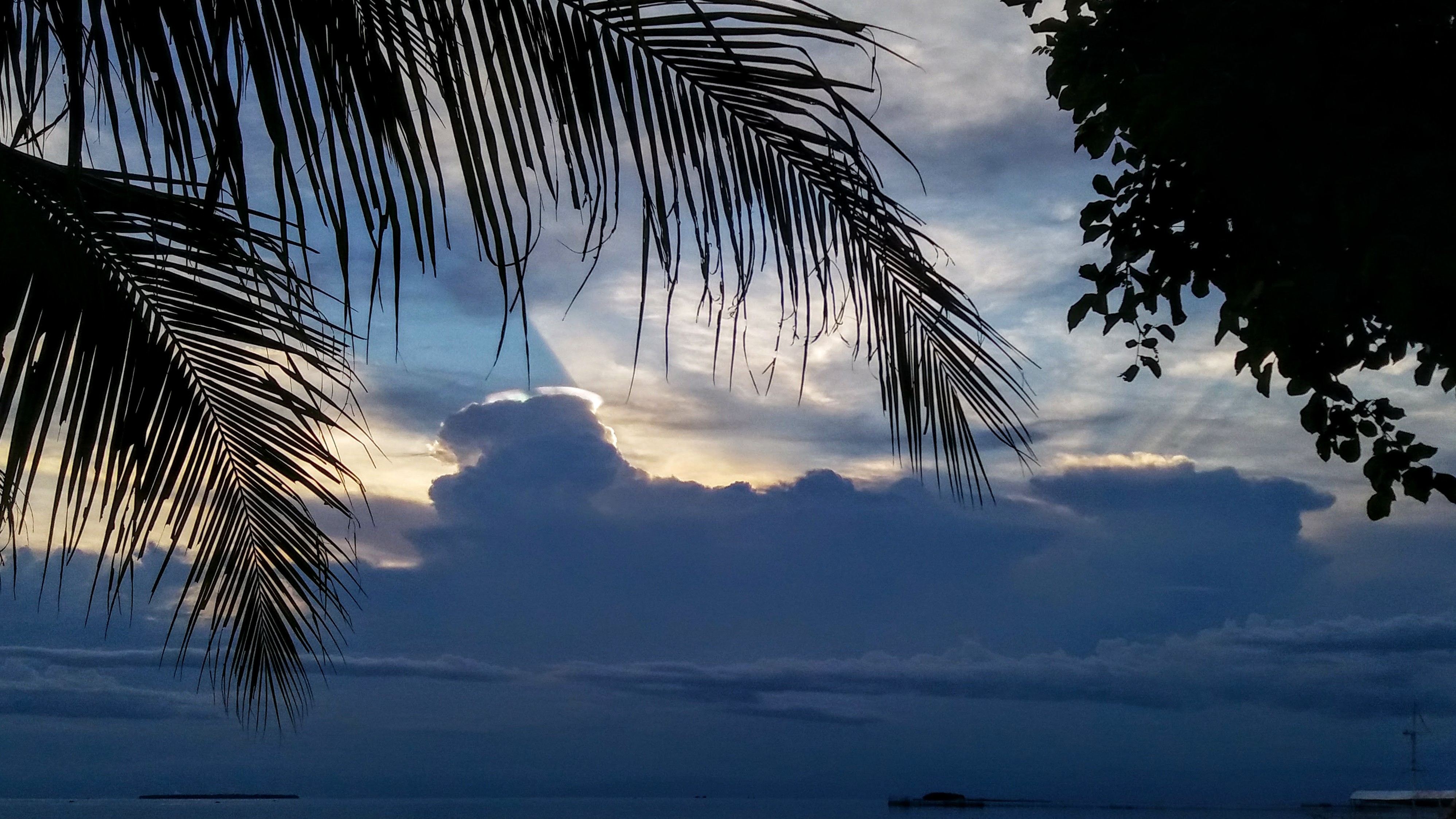

 Gallivantrix