We are at the end of my stories about this recent visit to Nagoya. I saved a special story of human awesomeness for this last post because nowadays I feel like we need all the random acts of kindness available. I’ve also collected the various encounters I enjoyed with the city’s greenery and gardens. I love living an urban life for so many reasons: transportation, culture, food, a wide variety of craft beers… but after spending so much of my life near trees I get antsy if I’m not next to one for a while. Nagoya could give any green city a run for it’s money as far as that goes, and although the Atsuta Jinju Shrine was far and away the most immersive natural experience, there were other treasures around town worth mentioning.
The Nagoya Green Belt, Hisaya Odori

photo credit: ume-y
Hisaya Odori is one of the main streets in Nagoya, and it runs through the Sakae neighborhood for about 2km. It’s filled with flower gardens, green grassy spots, beautiful fountains, the Nagoya TV tower and the Oasis 21 center, plus some truly large trees. It’s like a lovely green ribbon in the heart of downtown. I adore this and want one in every city.
After shopping in Osu, and the surprise dance show in Sakae, we headed over to the Hisaya-odori Garden Flarie, which is a cross between a botanical garden and an outdoor barbecue restaurant. It’s free to enter and explore. That day I was greeted with a magical rose maze filled with hundreds of varieties of roses in full bloom. It smelled amazing! It wasn’t huge, but it was so packed with flowers I felt completely overwhelmed! In a good way. I wasn’t the only one appreciating the blooms, as an entire photography class had come out with their very expensive cameras to have a chance at the wonderful backdrops.
Once I made it through the roses, I found a small lake surrounded by more flower beds. One of the city’s giant crows was having a bath in the stream feeding into the pond, and didn’t seem at all bothered by the humans wandering around. Finally, my flower power boost wound down and we plopped into some comfy chairs to listen to the live music.
Beer Festival Walk Through
Later that evening we ran into the Belgian Beer Festival taking up about two blocks worth of the park, so we decided to stroll around as an after dinner food-settling walk. It did look like a decent beer selection was available, however, it was set up more like a beer garden than a tasting festival. A glass was 8$, and although tickets to get it filled were 2$ each most beers were 3-5 tickets. They were good looking beers from nice craft breweries, so I don’t mean to suggest they weren’t worth 6-10$ a pint. However, neither of us really wanted a keepsake glass, and we found it a little sad there was no option for tasting available.
A few years ago I ran into a wine festival in Prague that had what strikes me as the perfect set up. Five dollars for the glass (a better price point), and then wine could be had in “taste” portions (1-2 oz) for a single ticket, or full glass portions for more tickets. This allowed guests to taste several wines without going broke or getting drunk, and then settle into buying full glasses or even bottles of their favorites. Beer is so filling, I couldn’t imagine drinking even a full pint after my wonderfully huge meal of Hitsumabushi, let alone drinking enough to even taste the 3-4 beers that had caught my eye. Still, it was fun to see what was on display, and it was a nice slow post-meal walk before we turned up the speed to find the subway.
Tokugawa gardens
 Tickets to the Tokugawa Gardens can be purchased at the same time you buy your Nagoya Castle ticket (combo ticket ftw) which gets you a slight discount if you are planning to do both, but does not include the art museum at the gardens.
After I finished at the castle grounds I took the Me-Guru tourist bus to the next stop, Tokugawa Gardens. The Me-Guru stop is on the opposite side of Castle from where I came in, but the ladies at the ticket office were well familiar with the bus I was looking for and gave me directions. If you do take the Me Guru TO Nagoya Castle, just be aware it will pass you through a little “village” with food and shops. I am not sure if the golden ice cream is in that one as well, but you can get your hand stamped at any gate should you want to exit and return later on the same day.
I finally found the Me Guru stop, but the first golden bus to pull up was going to the wrong place! I thought like most hop-on-hop-off buses it would be a single circular route, but I was mistaken. Be sure you ask the driver if he’s going to your stop when you get on (no need for elaborate Japanese, they mostly know the stop names). In my case, the driver advised me to hop back off and let me know about what time the bus I actually wanted would arrive. Very kind and helpful.
I ended up waiting for about 30 minutes. It probably would have taken about the same amount of time to walk over to a subway/ regular bus station and go from there… maybe? But I didn’t have WiFi to check any alternate route and it honestly felt nice to just sit still for a while after walking the palace grounds all morning. If I’d checked the Me Guru routes and schedules better, I could easily have spent that time in the little village of shops I passed between the castle and the bus stop, so that’s on me.
For more info on how to use the Me Guru, see my post about Nagoya Castle.
 The golden bus drops you off right at the gates to the gardens, and I was able to show my combo ticket to get in with no trouble. The gardens start out with a main square that houses the entrance gate and the museum (which I did not go in that day). There is a large lake to walk around and feed koi fish in. The koi are ginormous. Biggest koi I have ever laid eyes on. I think there are smaller tuna. Some were close to a meter. There were also many colors, mainly the gold color and the calico mix of orange, black and white, but there were also ghostly solid black koi that were invisible even a few cm under the water until they broke the surface. They were like swimming shadows of fish. It was fascinating to watch.

Near one edge of the lake, the concrete path leads right up to the edge of the water and the fish are clearly used to associating humans with food because they come in droves as soon as any two-legs gets within sight of the water. I was able to get some very close up photos of the koi who were trying to see if my phone was edible. Good thing they don’t have teeth!

I thought about circling the lake because it was quite pretty, but the rain was beginning to patter around and I had left my umbrella at the restaurant the night before, and had passed exactly zero convenience stores that day so far to buy a replacement. It was still light rain, and it was warm, but it’s hard to take sweeping vista photos of a beautiful body of water in the gray drizzle. I decided to head into the trees for shelter and to see if I could find some more picturesque views.

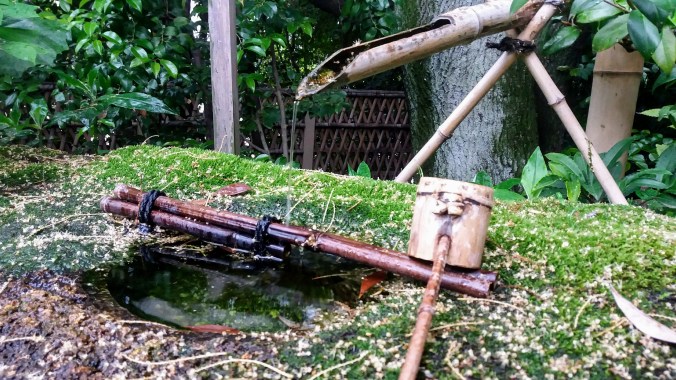
The woods are criss-crossed with paths and stairs that lead all around what is a fairly small area. Despite it’s diminutive size, the paths all lead to new and unique viewpoints. I found a little rest area/ cottage at the top of a low hill. It looked like a great place to hide from the sun or rain. There was also a small suikinkutsu, a traditional garden ornament made in such a way that the water falls onto an upturned pot and makes a kind of chiming sound. I don’t know if this one was clogged or broken, but I could not hear the sound it is famous for making at the time I was there. You can hear a sample on the wikipedia page, though.
Next, I found the river that fed both from and into the lake in a kind of faux natural fountain. There were more of the shadow koi dancing in smaller ponds around the woods. I watched butterflies flitter through the trees looking for the recently departed spring flowers. I found an inch worm that I tried desperately to photograph, but he was just moving so fast that everything is blurry. It was still fun to watch the little bug I know only from kids songs.


Although the spring flowers were gone, and the summer flowers were not yet blooming, I did find one fascinating splash of color among the green leaves. The Japanese maple trees were putting out “helicopter” seeds that were bright pink! Not autumn leaf red, no… like hyper-Barbie pink. They very tips of the green leaves took on the same pink hue. This was beyond fascinating to me, not only because I had no idea leaves could be pink, but because there’s no reason for it. Flowers evolved colored petals to attract insects (and other animals) that will help spread the pollen and fertilize more plants. The maple seeds are wind blown. The helicopter blades fly on the wind. Any kid who ever lived near any such seed bearing tree has played games watching how far the spinning seeds will go. They don’t need insects to be attracted, so why the heck are they pink?
 Finally, because I can’t take a vacation without finding the waterfall, I found the waterfall. I am reasonably sure given the size of the park that the river and falls are man-made, but they don’t look like artificial fountains, they look like natural waterways. It’s a specialty of Japanese gardens to cultivate nature in a pleasing manner while still maintaining the natural beauty.
About that Umbrella?
Sometime while I was in the trees, the rain really picked up and when I came back into the open, it was definitely umbrella weather, and I still didn’t have one. Plus, the map indicated that my walk to the nearest public transit station was just over 1km, a distance I don’t mind walking in better weather.

I decided it was time to leave the gardens. I could have spent much more time there in better weather, but even in the rain I feel like it was worth the entrance fee and the walking around time. It truly is a beautiful and relaxing place. I pulled up my map (satellite map works even without data or WiFi) and oriented myself to find the park exit nearest my destination. I double checked with the ladies at the gate on my way out that I was heading the right way. I love Google Maps, but I still like double checking.
With a 1km+ walk ahead, I was sure that I’d pass any kind of convenience store on my way between the gardens and the station where I could re-umbrella myself, but it was very residential. I know Korea has an insane number of convenience stores, but most places I’ve been in Japan have a reasonable number (at least one every couple blocks) or if they don’t have those, then they have tourist stands selling stuff which always includes umbrellas on rainy days for people who forgot theirs. The neighborhood around Tokugawa is bereft of all these.

artist credit: Rolfyram
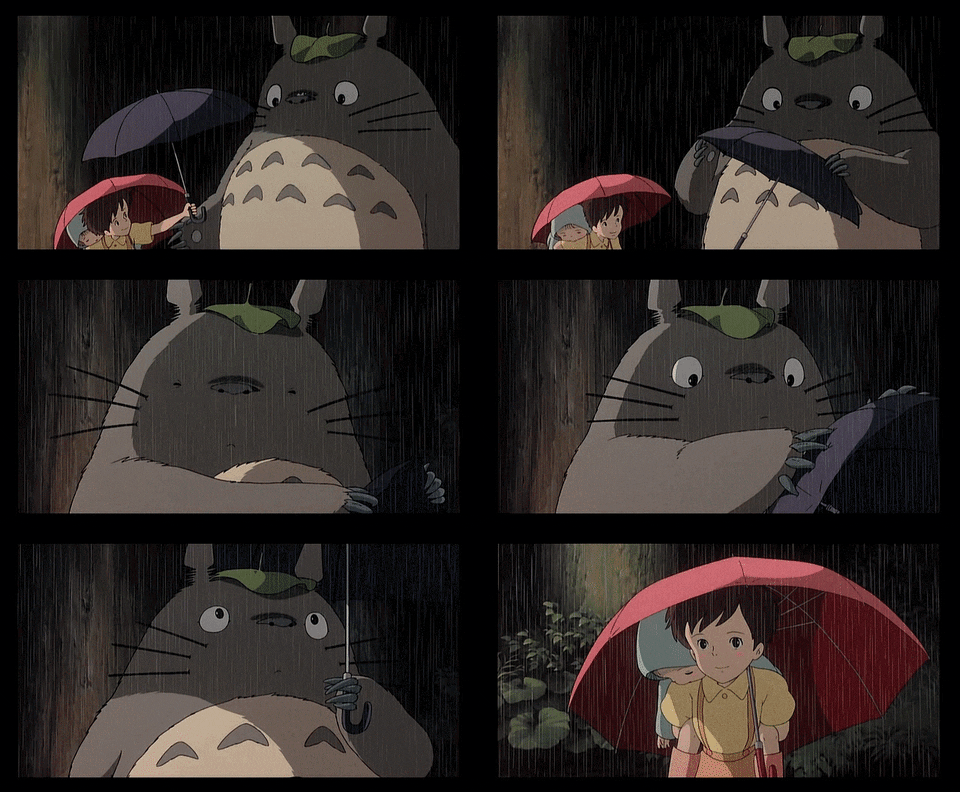
Some way into my walk, I just became committed to being wet. I was on my way back to the apartment after all, so I just had to survive the subway and I could get a hot shower and a change. Then suddenly, a kind faced Japanese lady came up beside me. She spoke rather quickly, but I came to understand that she was offering to share her umbrella space with me as we walked in the same direction. As we walked along the otherwise abandoned streets, she asked me the usual foreigner questions: where are you from, what are you doing here, etc. I was struggling with my Japanese all week because it kept getting mixed up in my brain with Korean and I felt embarrassed by my total inability to string together a sentence, but she was patient and kept at it, smiling the whole time.
When she asked where I was going and I told her, she was completely shocked. But that’s so far! Yes, I know, but I’ll be ok, I’m going back to my friend’s house next. She tutted a bit more about the distance and when we came to the intersection where we would part ways she began to give me her umbrella. This was no cheap conbini umbrella, it was a nice, heavy, decorated affair. I shook my head and gestured for her to keep it while trying again to explain I would be ok. I’m not going to melt however often my students say I’m a witch. But she insisted further.
I remember learning back in my first year of Japanese classes that it is necessary to refuse 3 times to be really sure, and while I would certainly have appreciated an umbrella, I felt awkward accepting such a nice one from a stranger. So I refused again, and again she insisted, telling me her house was just across the street. And a third time, really are you sure, I will be ok, you shouldn’t do that. And a third time she offered the umbrella, so I finally decided I should accept it with grace and gratitude. I thanked her profusely and bowed. She was grinning from ear to ear, so I think somewhere she’s telling the other version of this story where she got to rescue a poor foreign visitor in her neighborhood. It was such a nice umbrella, it kept me dry all the way home, and I made the effort to get it on the plane back to Korea because even though it didn’t fit in my carry on luggage, it’s too precious a souvenir to leave behind.
That night we feasted on conbini food and managed to make some working rubrics for her essay classes. The next morning I made the long trek back to the airport and my home in Korea. Because she and I both live a bit far from our airports, it’s still about 6 hours of total transit time from my house to hers. Too long for a regular weekend, but I hope for another long one where I can go back and see some of the things I missed or at least see the best ones in better weather.
Less than a week till I’m wheels up again. It’s getting down to the wire trying to finish my end of semester work at the University and get my trip planned out enough to be sure I can get tickets to everything I really want, and have back up plans for when I can’t. I hope you enjoyed Nagoya. Thanks for reading!




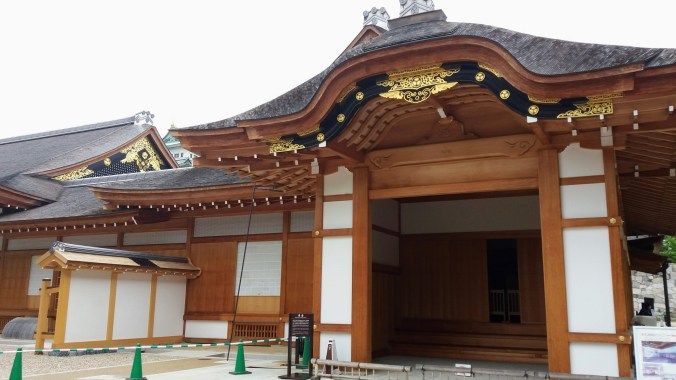
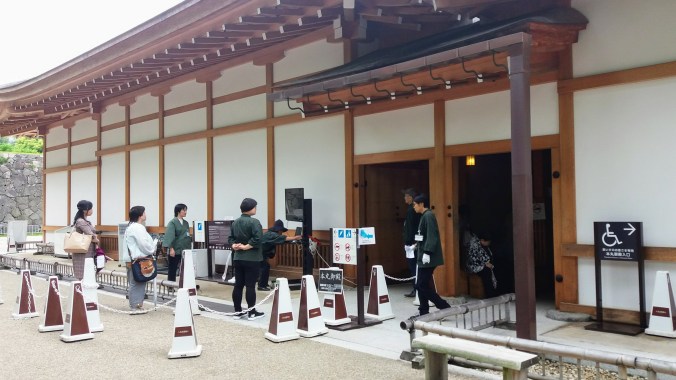


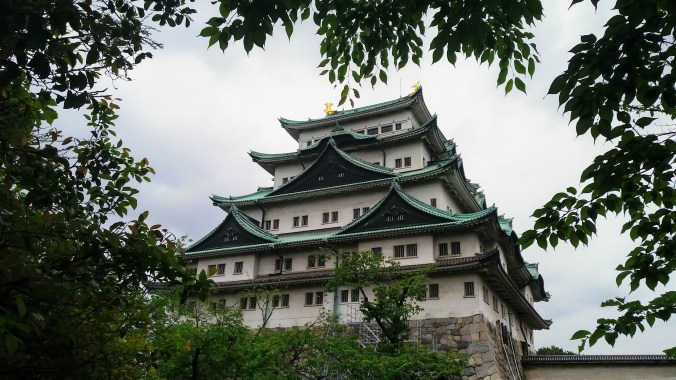
 On my way back toward the main gates, I happened to run into the Samurai. Ninjas AND Samurai. It’s like cosplay meets museum, so very Japanese. Much like the ninja, the Samurai pace the palace grounds daily for photo ops and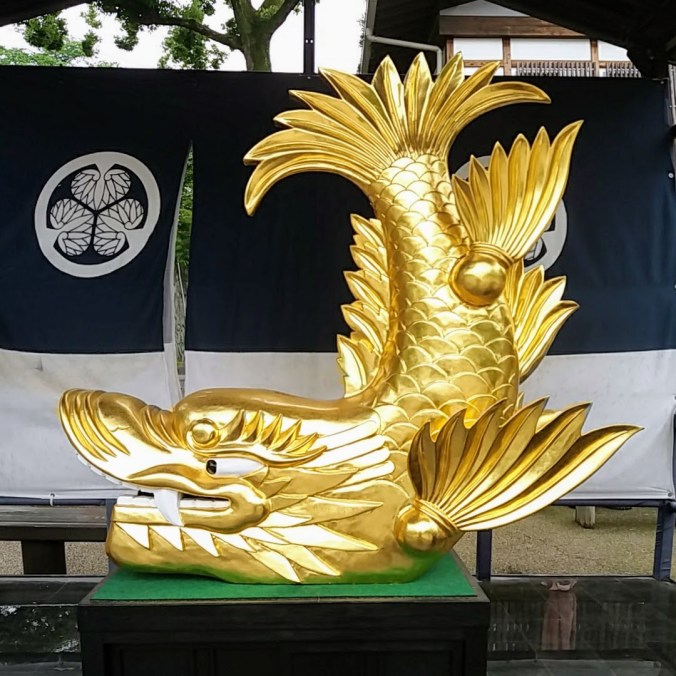
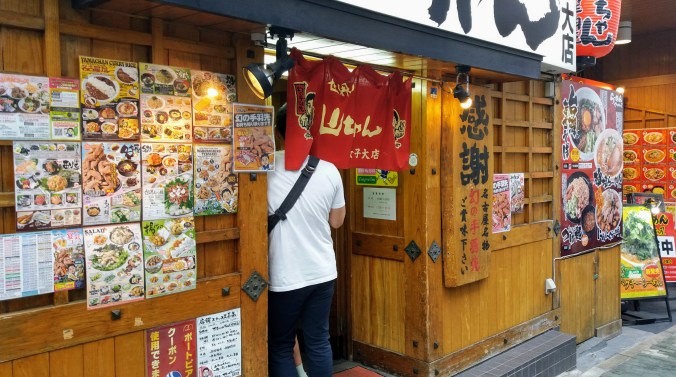 Our first famous food sight was Yamachan, a chicken joint that is usually so popular that wait times can be over an hour. Yamachan is famous for chicken wings. Initially, I was very skeptical since I get plenty of chicken in Korea, but when we arrived we were sufficiently early as to be able to get a table. We had to take the smoking section, but it was still clear air when we were seated.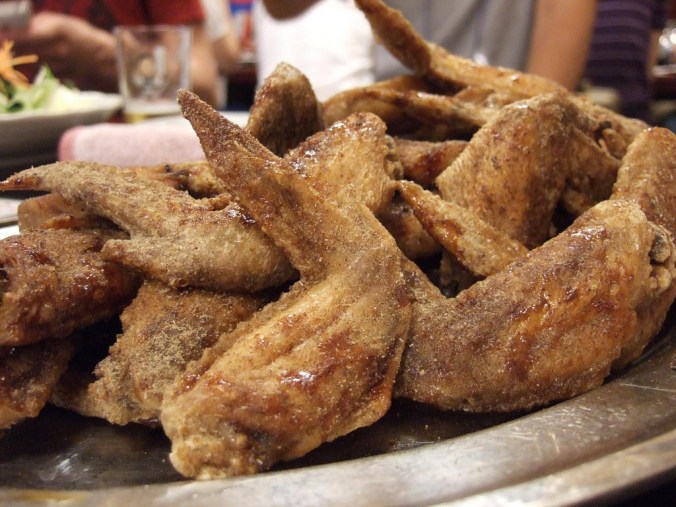
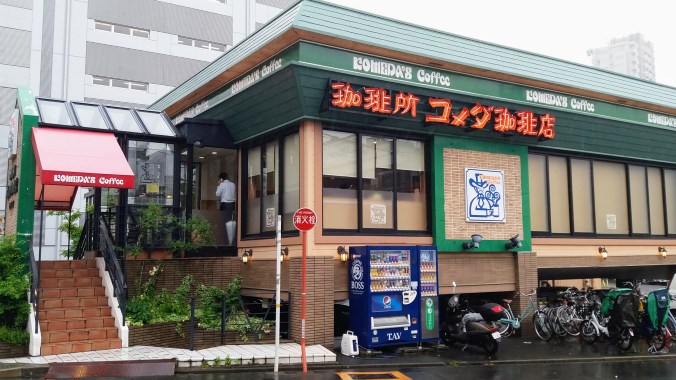 Amid the many things that I found to try while in Nagoya is the “morning service”. Many of the cafes around town have begun to offer a light breakfast (egg and toast or ogura toast) for free (“service” in Japanese) with any order of coffee. Sunday morning my friend and I headed over to Komeda Coffee. This cute little coffee shop is a chain restaurant famous for it’s special morning service of thick, fluffy, buttery toast and red bean paste, also known locally as “ogura toast”. While lots of places in east Asia love sweet red bean paste in pastry (I eat it in Korea all the time), Nagoya got famous for ogura toast by adding… wait for it… margarine! The sweet thick red bean spread with creamy salty margarine creates a unique Nagoya flavor that should definitely be on your “to eat” list. Plus, their coffee is pretty good.


 Even in normal restaurants, eel is one of the more expensive dishes. I tend to avoid buying it here in Korea because it’s often not prepared well. Nonetheless, it is one of my all time favorite Japanese foods. The “plain” hitsumabushi still had plenty of flavor. Of course the smokey, fishy unique flavor of the eel itself, but also a lighter version of the sauce it’s cooked with, as well as the vinegar in the rice. It had so much of what I look for in a good meal, I instantly knew the price was well worth it.
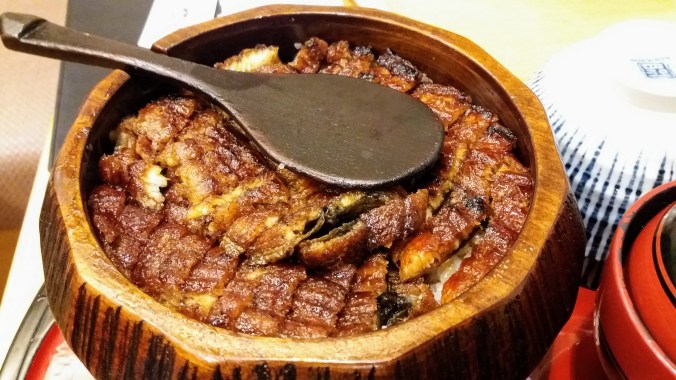 The second ¼ of the dish is meant to be served with the dry fixings provided in the little side box. In our case, we were given small slices of spring onions, thinly shredded nori (seaweed), and what very well may have been fresh wasabi. Most wasabi in the world is fake, sadly, it’s just green horseradish. Now, I love horseradish too, so that doesn’t usually bother me. I’ve learned a little about fresh wasabi from watching cooking shows and documentaries, but I’ve never had any. When I looked at this wasabi, I noticed the texture was very different from what I’m used to. Instead of a smooth paste, it had little shredded bits of plant matter.
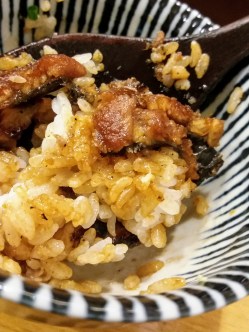 Round 3 we were instructed to replicate round 2 and then add broth. I don’t really know how to describe the flavor of the broth. It was also a little smoky, a little umami. I suspected there were some dried shitake involved in the flavor as well as some konbu dashi. It was nice, but for my taste it didn’t really add to the flavors the way that the spices alone had. Additionally, it drastically changed the texture of the dish, turning crispy eel and rice into a wetter soup. It was still delicious, and I’m glad that I was able to try all the different styles of eating hitsumabushi, but I was grateful for that final ¼ serving where we were instructed to return to whichever of the first three we had liked best and do it again!


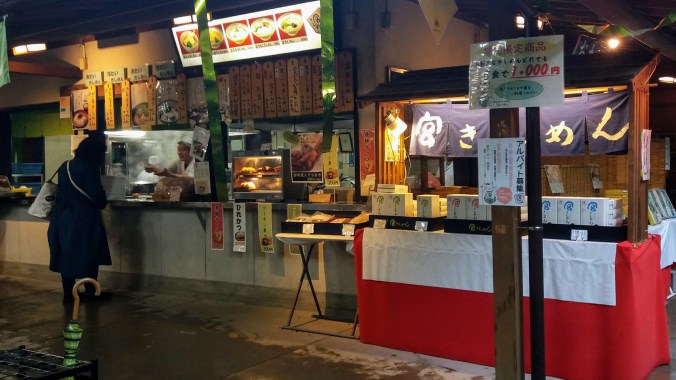


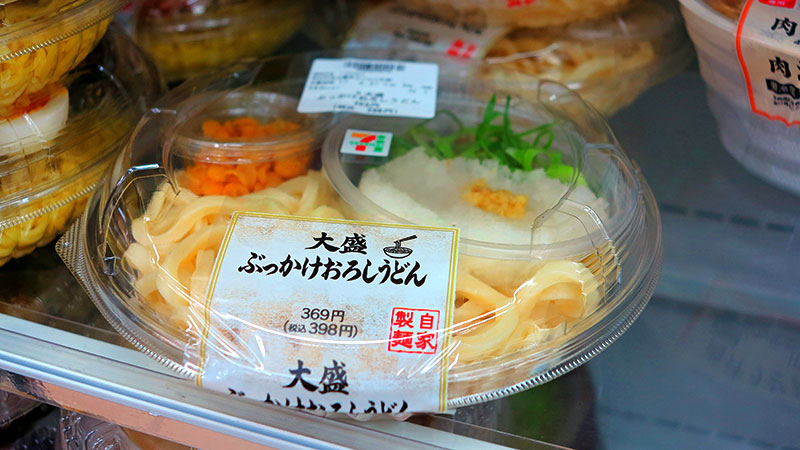


 Sakae was my first non-airport sight in Nagoya where I disembarked the airport shuttle bus and met up with my friend. It’s a large and bustling neighborhood in Nagoya with lots of trendy shops and restaurants. While waiting for our dinner restaurant to open, we decided to do a little shopping.


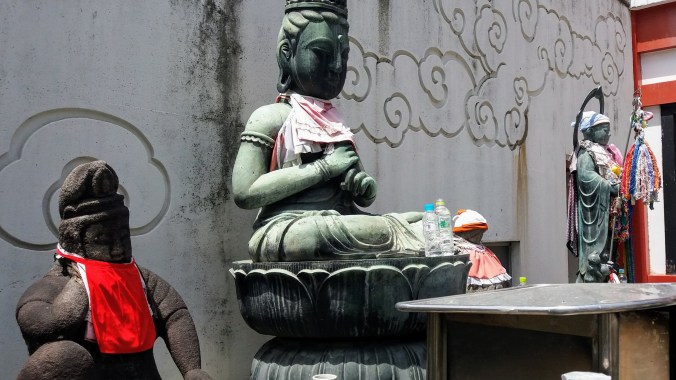


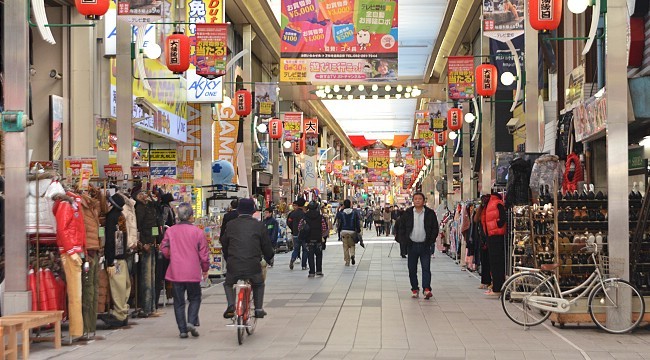
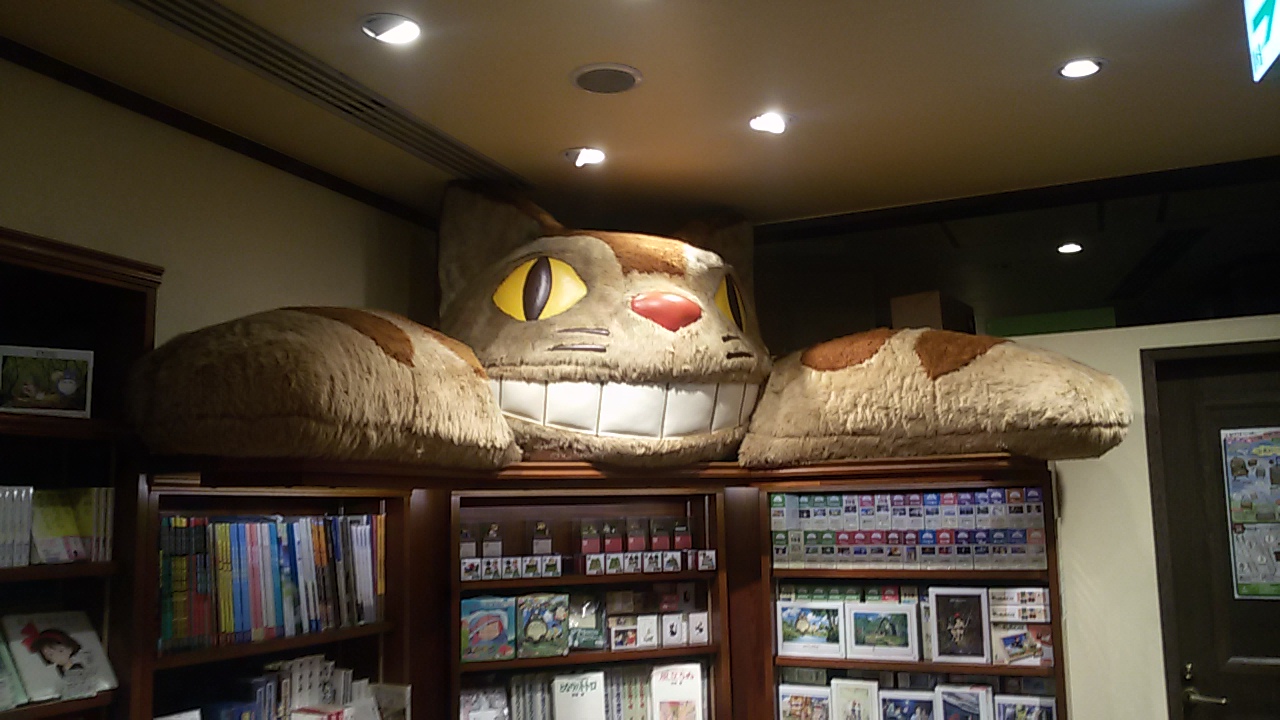
 The shops in Yokohama and Tokyo had a huge array of Ghibli goodies and I wanted to go back and see if I could get something unique for my niblings (gender neutral for the children of siblings, I did not make it up but I love this word). I’ve been sending them one Ghibli movie a year along with a few themed toys. Every other family member is drowning them in Disney, so I claimed Miyazaki. So far they’ve gotten Totoro, Kiki, and Ponyo (they are still quite young). My niece especially loves the lace bracelet I got at the shop, but mine is from Mononoke which they are not old enough for yet. I did manage to find a Totoro online, but it was twice as pricey as mine had been, so I figured I’d hit up the shop in Japan and have extra prezzies. Cool Auntie!


 The other shop is at a place called Oasis 21 which is ostensibly a bus station, but is really a shopping center. It’s much easier to find and less crowded than Takashimaya. It’s part of the lovely greenbelt in Sakae and it has a great view of the Nagoya TV tower which Nagoya loves to brag about like it’s the Tokyo Tower. It’s a little adorable. The Donguri in Oasis 21 isn’t as decked out in plush petable Totoro characters, however, so if riding the Catbus is on your bucket list, you better go to Nagoya Sta instead. I didn’t really have much time to see the other stores in Oasis 21, but it looked cute. It’s a big oval with an open center and covered shops on two stories around the outer rings.
 is Shinto, while a “temple”
  is Buddhist. The map icons help to distinguish, and no, that’s not a Nazi swastika, it’s a traditional Buddhist symbol that is much much older than Hitler. The Shinto tales of kami (kind of like gods and spirits) are every bit as long and sordid as the Greek or Egyptian myths and involve lots of improbable births, sibling marriages, and explanations for how the world got so messed up. I do not know the whole thing as well as I know Greek gods because I wasn’t raised on a steady diet of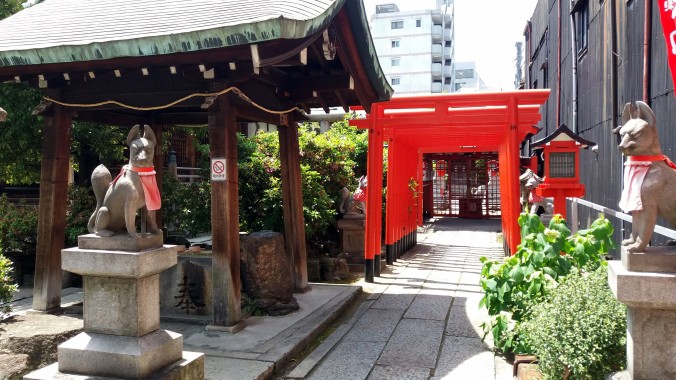






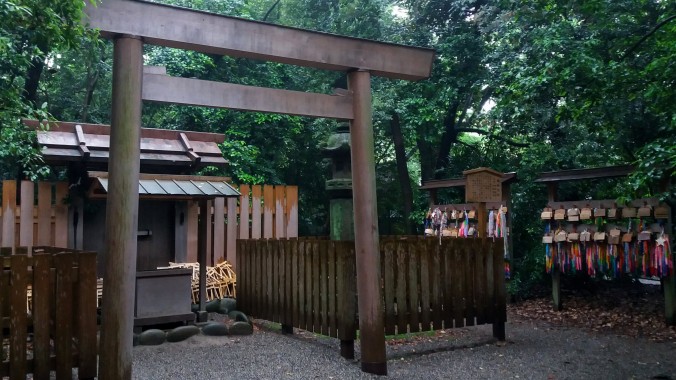 At first I didn’t know what they were. I only saw the bright colors from a distance and was drawn closer with curiosity. As I examined the strings of color, it became clear that these were chains of paper cranes folded and strung together in a way that most Westerners are familiar with from the story of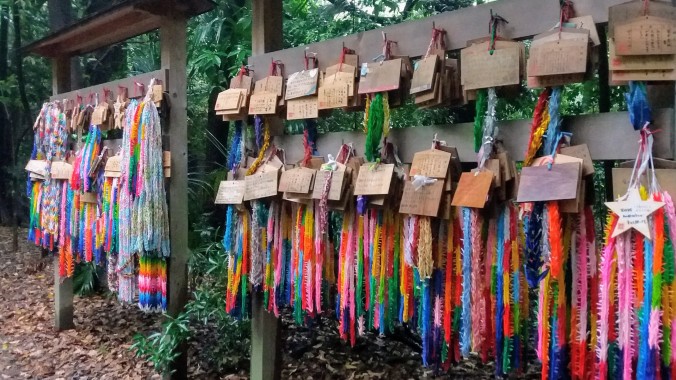


 One thing I was particularly impressed with was that at each larger enclosure, there were plexi-glass panels installed in the fence that allowed smaller children to approach and get a clear view of the animals inside without their parents having to lift them or any temptation to climb the fences to get a clear view.
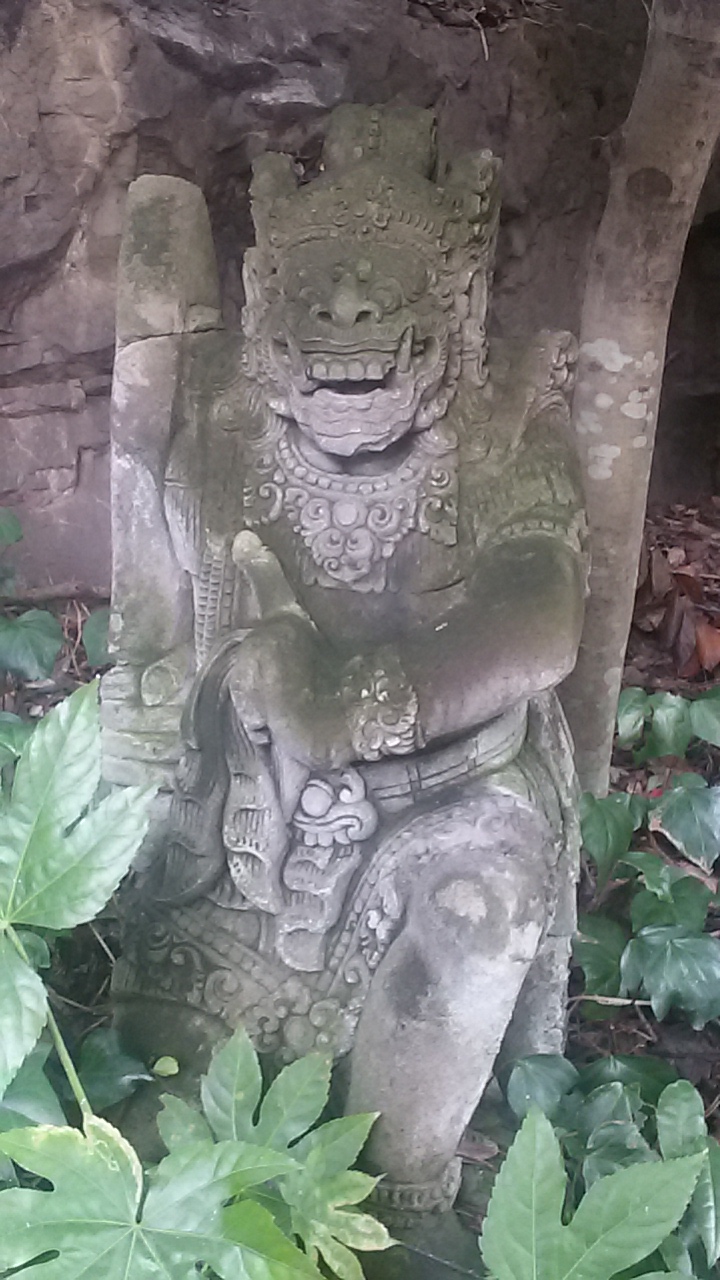

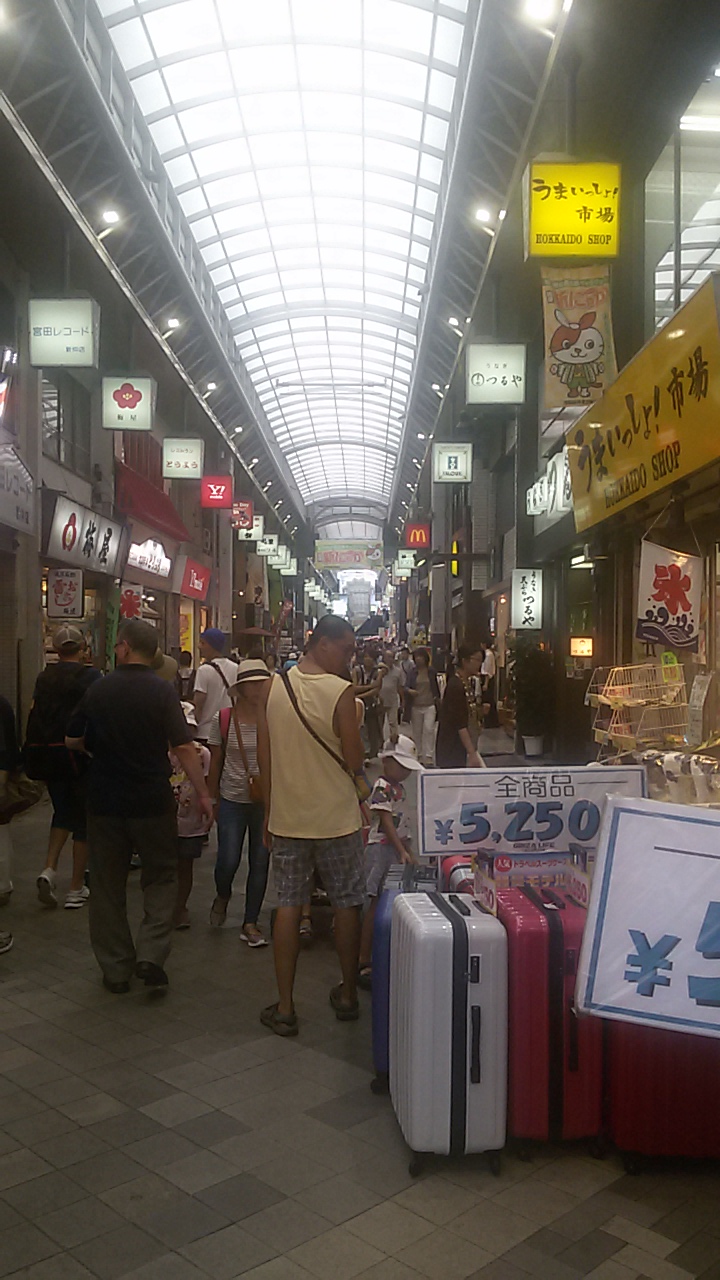
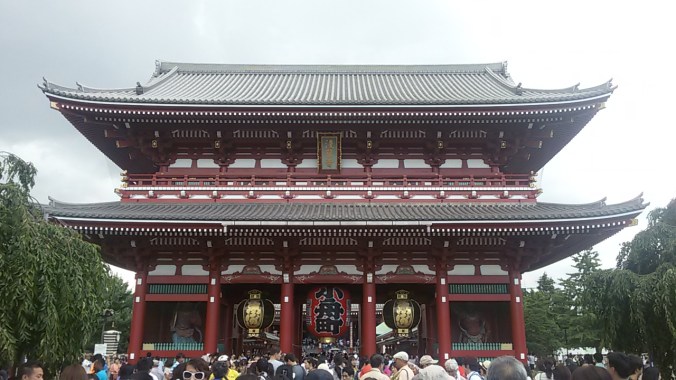
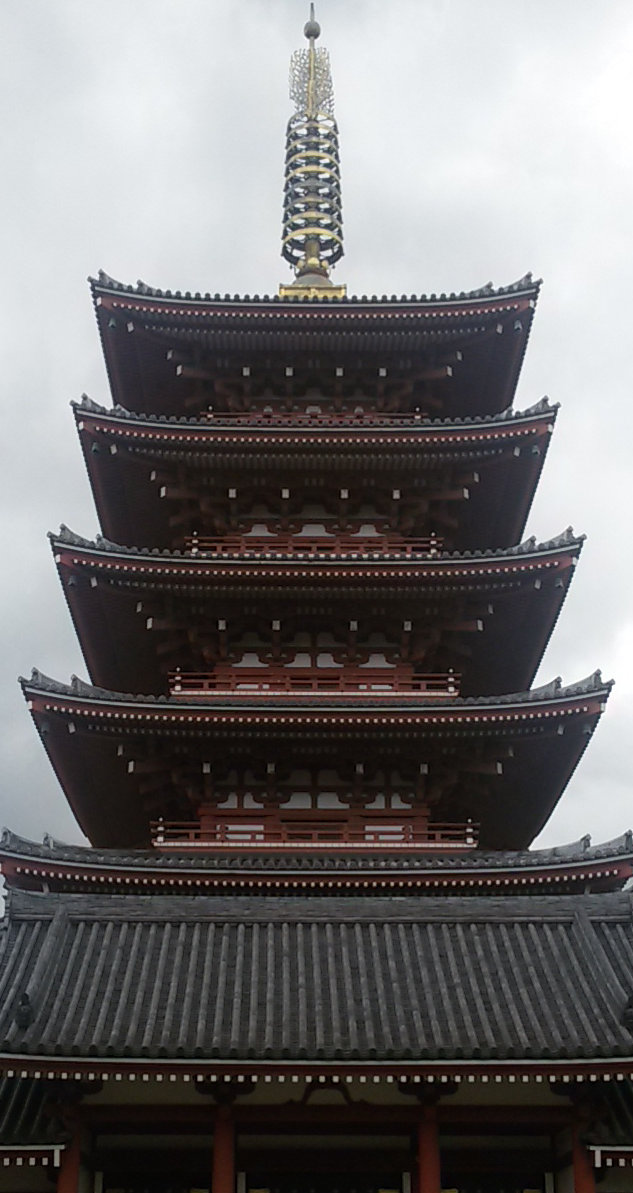

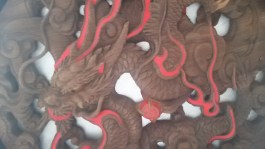 dragon with red painted highlights. Stalls selling tourist kitsch give way to stalls selling prayer scrolls, medallions, and beads for the supplicants of Kannon.
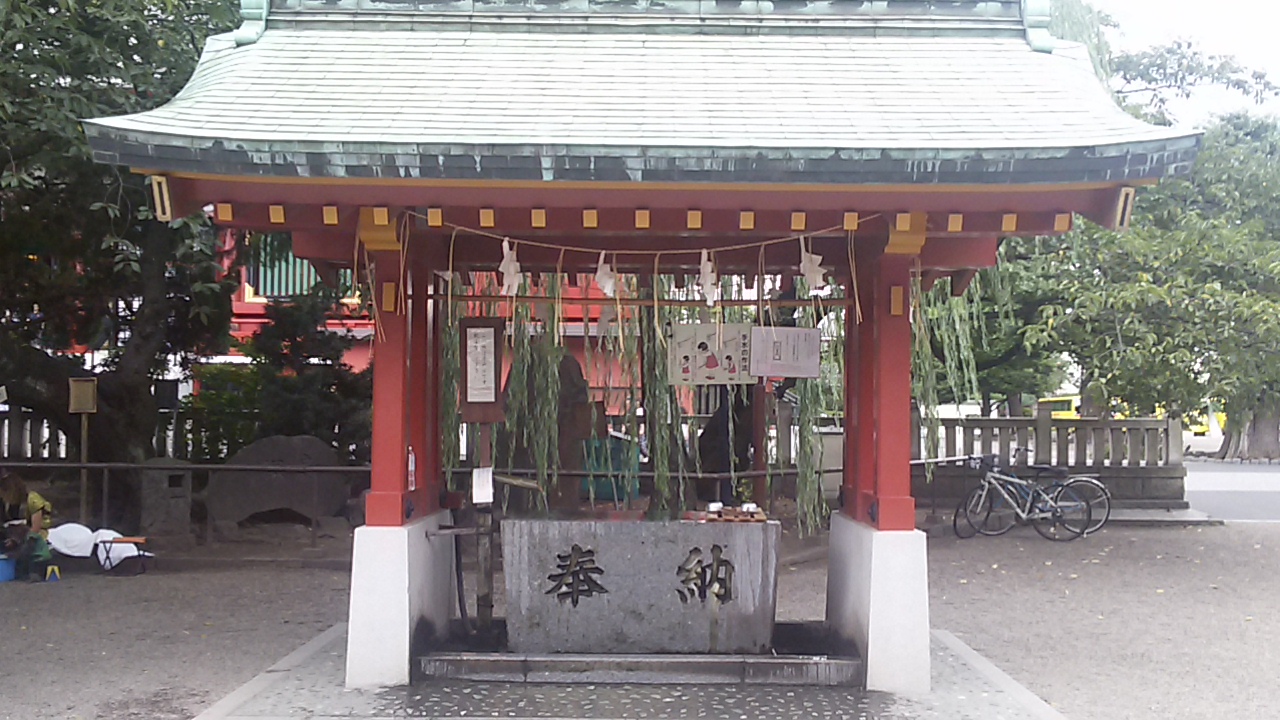
 it’s common to see them at Buddhist temples here. This one was quite different from the others I have seen in Japan, consisting of a statue of (what appeared to be) a historical figure. The dragon headed fountains/ faucets are pretty common, but these were quite detailed and beautiful.
 I could hear the clanking of coins long before I saw the donation box at the entrance. No fee is required to enter, yet most of the people who passed by tossed some coins into the huge box. There were bars across the top that the coins bounced around before dropping causing the constant sound of tinkling metal.
 The main altar was behind protective glass because it was a delicate lacework of gold and precious jewels. There was another less giant donation box as well as places to light votive candles or attach prayer scrolls. There were hundreds of people waiting to enter, so I didn’t linger too long at the front. I managed to find a side area to really scope out the room from one side. Lavish does not begin to express.


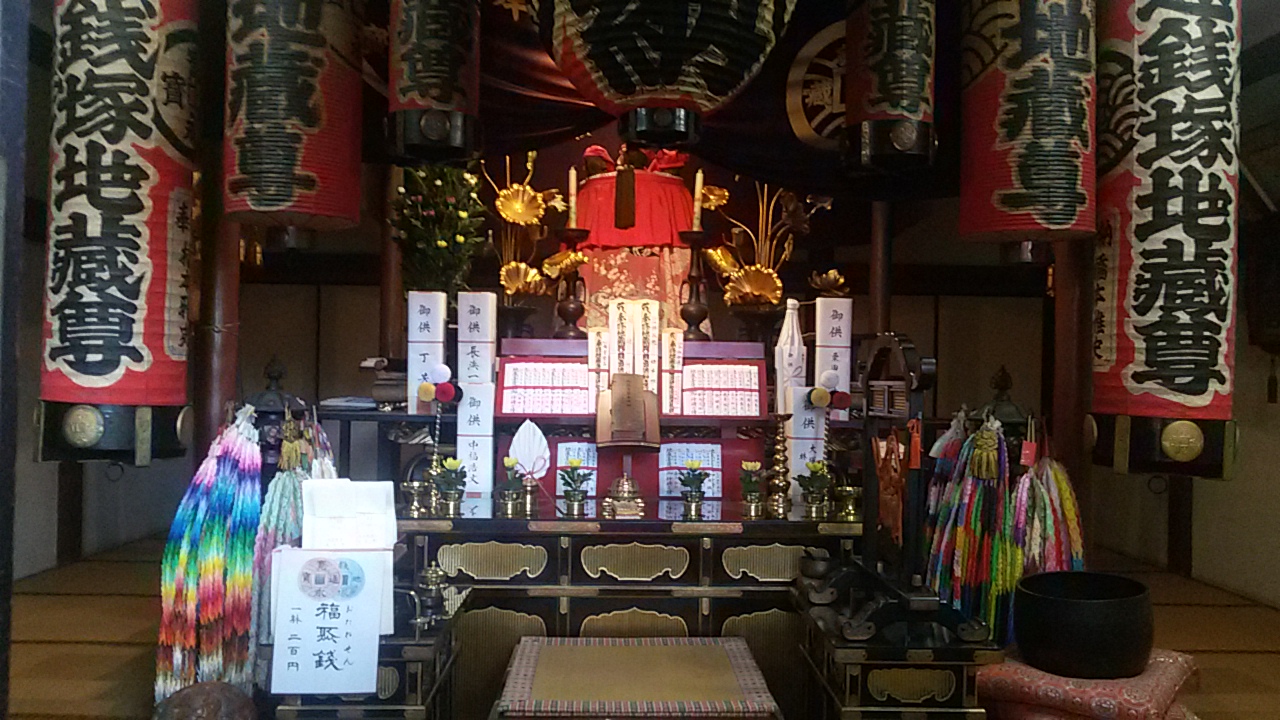
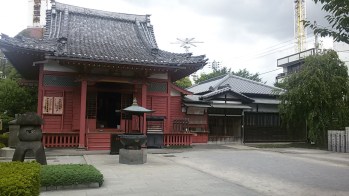 I walked into another empty shrine area, this one dedicated to Sukunahikonao-mikoto (yeah, the Japanese kami all have really loooong names). The sign informed me that he is a protector of women, and honored by women bringing used sewing needles and sticking them into tofu as an offering.
 which historically was one of the main bells that marked the time for the citizens of Edo (old Tokyo). The other bell was at Ueno, and resulted in a famous Haiku by poet Matsuo Basho: “Sounding through clouds of flowers — it is the bell of Ueno or Asakusa?”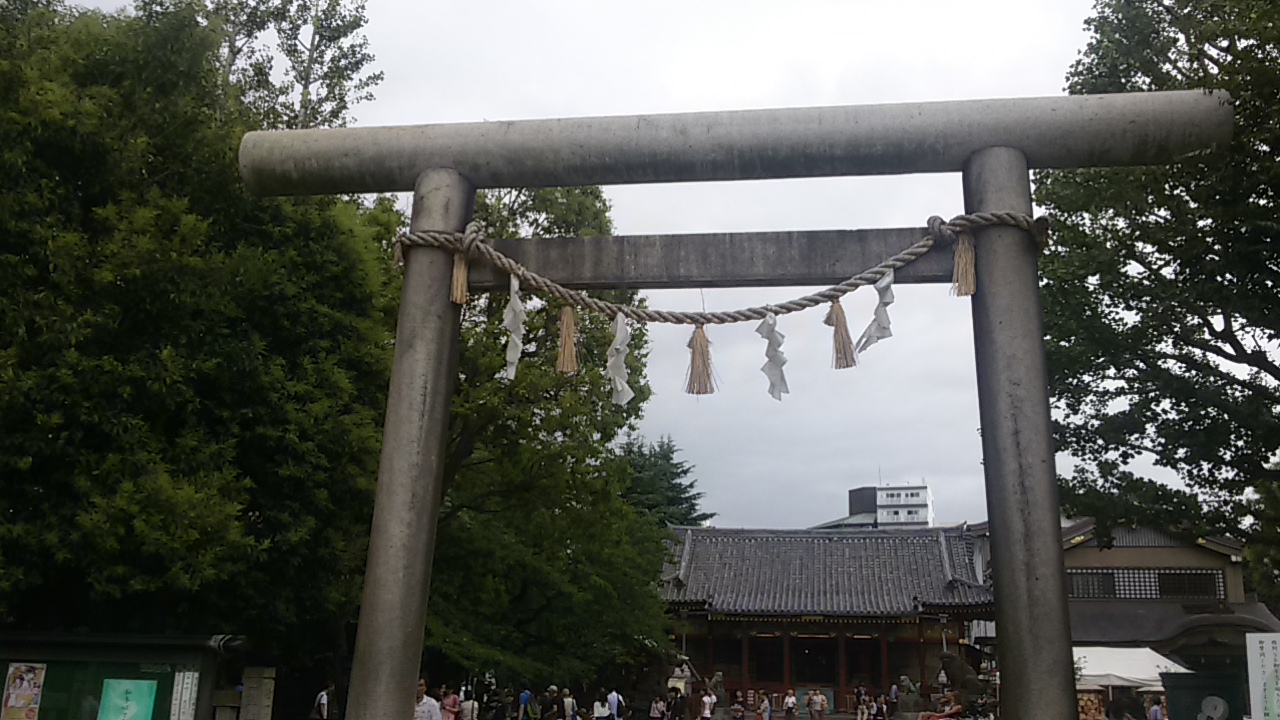


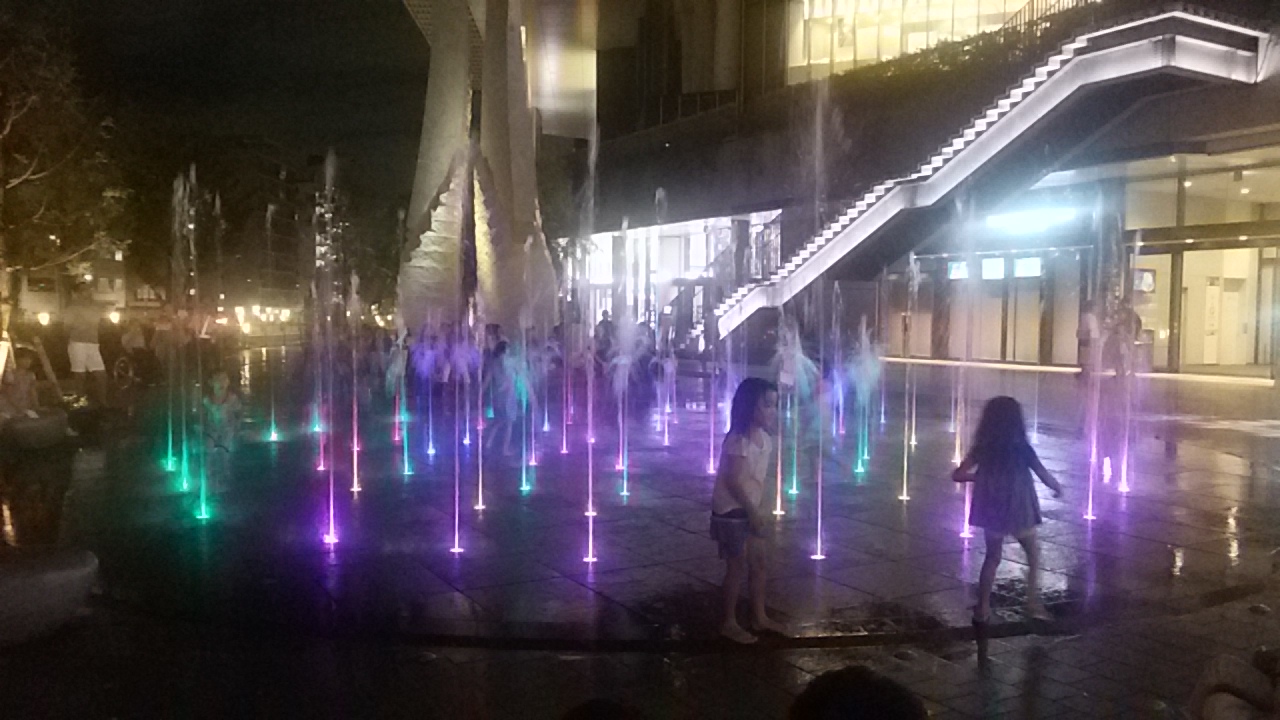
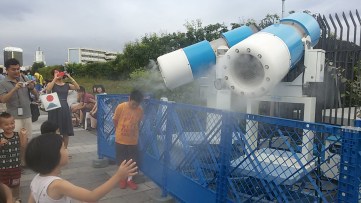 All around the outdoor patio were places that vented a cooling mist onto visitors to help combat the summer heat, and some that attracted scores of little kids who played in the wet fog blasting out of giant fans.


 Feeling full and satisfied, it was far enough past the evening rush that I felt like it was safe to get on the train. Luckily since I got on at the end of one line and rode it all the way to the end of a second, I got a seat the whole way, and was hardly ever too crowded.


 I was really surprised to see that the peak was plain black. I mean, in every picture ever of Mt. Fuji, it is a snow-capped cone with intense contrasts between the dark base and white peak. When I lived in Japan as a kid, we missed the summer altogether, so I never saw it in the hot weather. And in Seattle, our own Mt. Rainier is at it’s most visible in summer, and is always crowned with white. So what the heck was going on with this lump of volcanic black looming over our heads?


 way that the hum produced by the tires of vehicles plays that song… I heard it, it was a pretty cool piece of engineering. On this particular stretch of drive, she handed out origami squares and taught us all how to make a very simple snow-capped paper Fuji.


 We spent some time exploring the shops while waiting for the boat. Pretty typical touristy stuff, but there was one shop that specialized in a local handicraft:
  In addition to the boxes, which were demonstrated by the shopkeeper, they had many other gifts made with the beautiful wood in the puzzle box patterns. I’m totally out of luggage space, but it was nice to see some local handicrafts promoted among the plastic ninja swords and plush Mt. Fuji dolls.












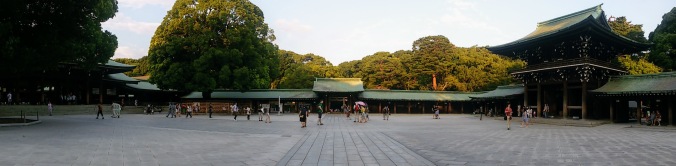
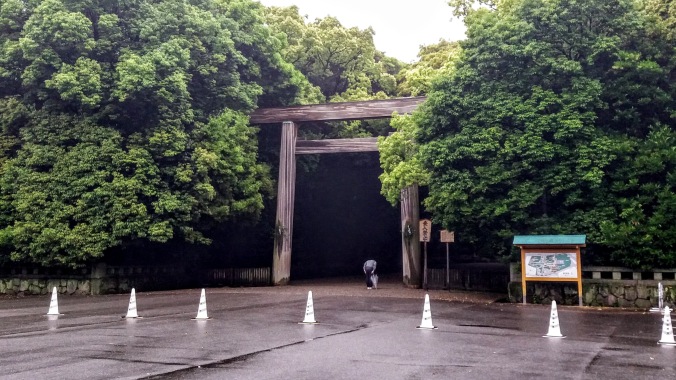
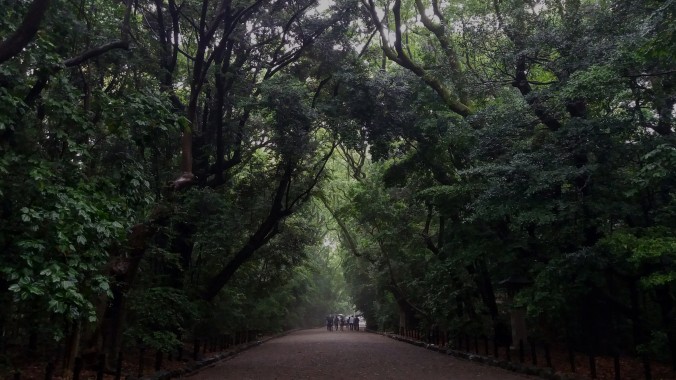
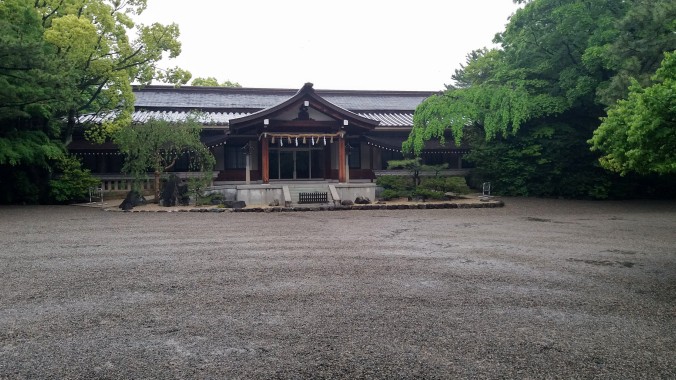
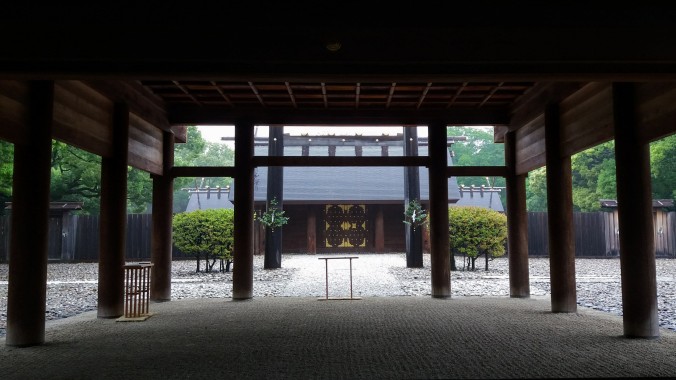
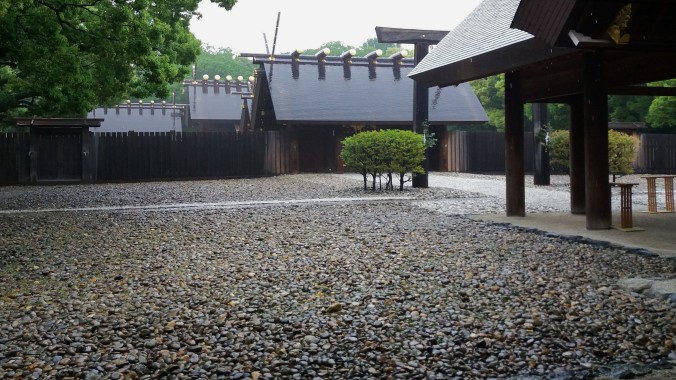
 next sunrise in offering to the gods, and generally ooohed and aaahed at the stunning surroundings. Sadly, the museums and the iris garden were both closed by the time we got there, but it was still a beautiful and peaceful walk in the woods, punctuated by the vast wooden torii and the gently sloping rooftops of the traditional architecture.
 On our way between the train and bus, we paused to take some photos of the crosswalk, and upon our return from the shrine, we took some more time to explore the areas restaurants and shops. We got approached by a couple of Mormon missionaries, which could have been awkward, but I subverted them into a much more pleasant conversation about family and sightseeing, and they directed us toward a conveyor belt sushi restaurant.
 a fairly long day of exploring the shrine, we didn’t have that much energy left for shopping, so after a couple hours, we called it a night and headed back home.
 Gallivantrix
