When I was in high school I thought history was the most boring subject ever. Now I know it was just that history had the most boring teachers… and textbooks. Seriously, I don’t know how hard they have to work to make something so interesting seem so boring. However, since I know the secret these days, I love using my travels as an excuse to learn about the history of each place I visit. Bohol is far richer in history than I can fully explore here, but I enjoyed learning more about it, and I hope you will too.
Mostly Catholic Churches
I visited many of the large cathedrals left over from Spanish occupation that had distinctive stone architecture and European influenced art, but driving around I saw a great many smaller centers of worship. Most of the small churches around the island are a single “room”, wall-less or lattice walled affairs where the neighborhood can gather to worship. I took that picture on the right from the street. It’s not under construction, it just doesn’t have a wall there.


They are very devout Catholics over there. One evening on the way to dinner from the hotel, I drove past a procession of some kind, a mixture of genders and ages, but 4 men were carrying a liter with a statue of (probably) the Virgin Mary and a mountain of colorful flowers. They walked down our small street singing Ave Maria as they trailed after the statue. I didn’t take any pictures in part because I was driving, but also I felt it would have been a bit rude. These people weren’t worshiping in a place that was heavy with tourists and I felt as though I’d been allowed to witness something very personal.
The large historical cathedrals are well marked tourist spots however, so I have plenty of photos of those.
Panglao Watchtower & St. Augustine Parish
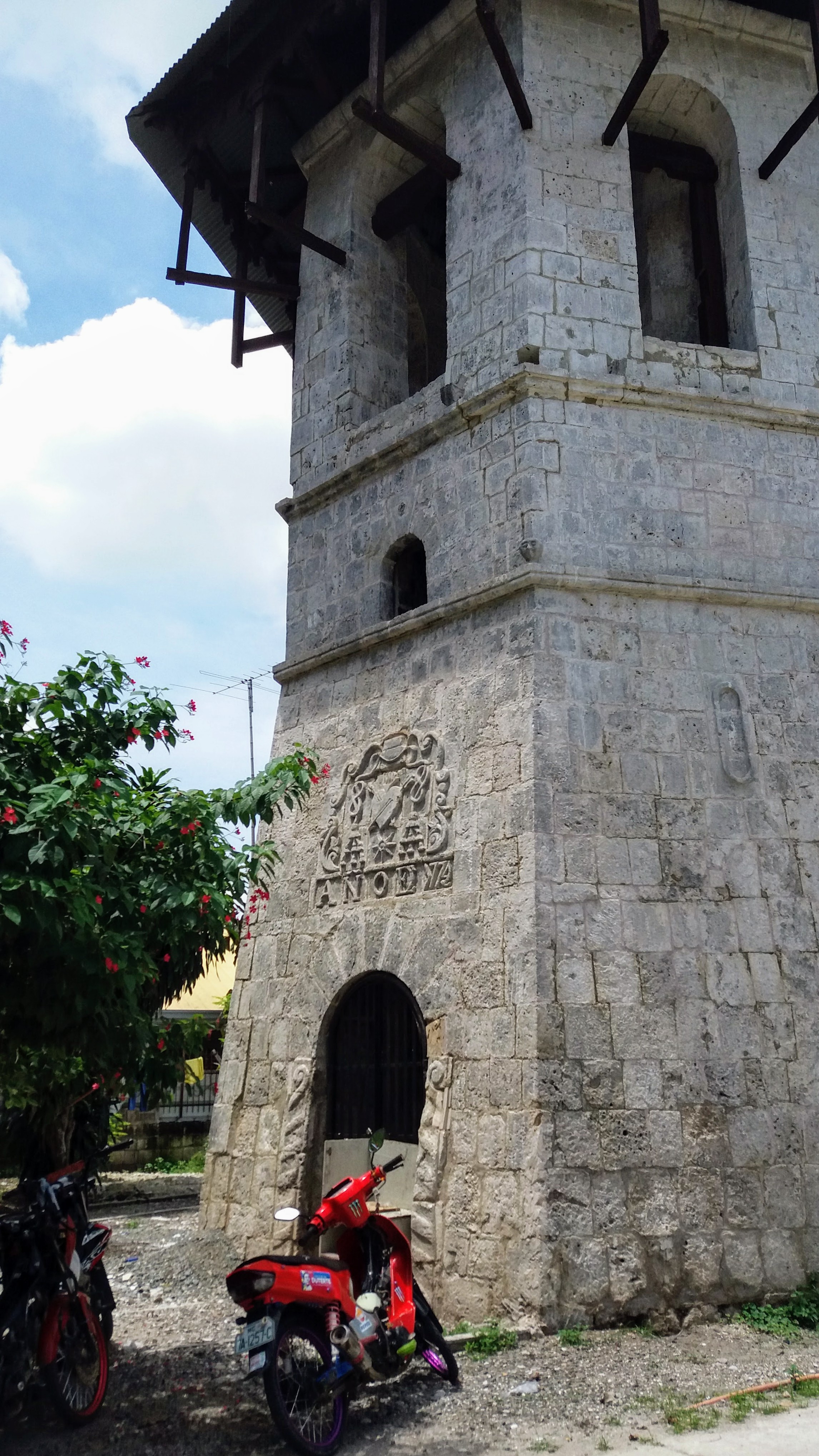
Before visiting, I didn’t know much about the history of the island other than a little bit about the Spanish colonization. However, the watchtowers are listed on a great many “to do” collections, so when I noticed one nearby on Google Maps, I decided to stop and check it out. As I pulled in, several young men asked if I was there for an island hopping tour. This was one major tourist attraction I decided against before arriving simply because the descriptions I read online made it sound like a horrible hassle for little reward. I politely declined and found a shady tree to park under near the church of San Augustine. Some nearby cows who wandered over to see if I had anything interesting, but soon realized there were no treats.
The Panglao Watchtower is located on the south end of the island. It is 5 stories high, making it the tallest structure on the island. It was built in 1851 by the Spanish, and is in serious disrepair. I know almost nothing else about it, because it’s not a popular enough historical site to have much published about it online. I did find that around that time the Spanish and Filipinos were having a bit of a tiff over things like government control and secularization, so I suppose the watchtower built next to the church may have been out of a concern that the church could be attacked by secularists?

I wandered around taking photos of the tower and the mangroves nearby before moving to the church. There were people inside, it was a Sunday after all, but it seemed to be a small meeting and not a full congregation and they were confined to one section of the church, so I quietly stepped in to an empty area to look around and take a few more pictures inside. As I stood looking at the art and architecture, I was struck by the very Spanish style before remembering that colonization of the Philippines was Spanish and not British.

Finally, I walked out along the end of the pier all those island hoppers were using to see the ocean view. I didn’t know it at the time, I only found out days later when a restaurant owner told me, but apparently a local church runs a free ferry to the nearby Virgin Island (a stop on the island hopping tour), and if you want to know more, you’ll have to go to Nikita’s Coffee Shop and ask the old British guy who runs the joint, as I never had the chance to find that particular boat.
Dauis Watchtower, Our Lady of the Assumption Parish, & The Miracle Well
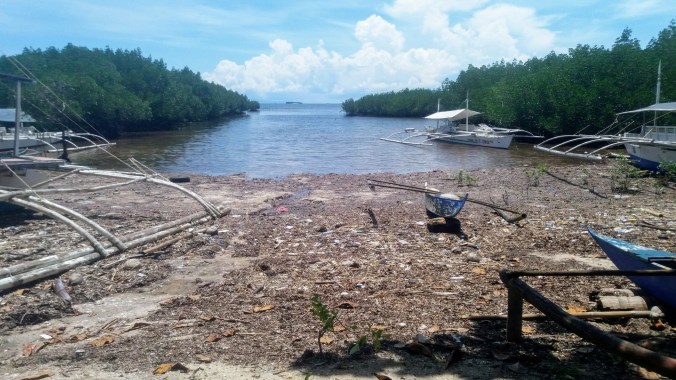
My next goal was to find the Miracle Well, which is located at the Our Lady of the Assumption church on the north end of the island. There is a little matching cathedral and watchtower at both north and south, although the northern watchtower was so much shorter that I almost didn’t see it at all.


The church is just next to the bridge that leads over to Bohol. It’s easy to find parking, and the grounds are lovely. I wandered slowly around taking photos of the exterior of the church, some of the statues and grottoes around, the sea nearby, and a little brood of baby chicks because they were insanely cute. The watchtower is so low that I have no idea what one would be watching from it’s second story window, but it seemed to be a part of the set. Unfortunately, by the time I finished exploring the exterior, they were just closing up for lunch and I didn’t get inside (don’t worry, I came back another day).


Our Lady of Assumption is so close to the bridge to Bohol that I was able to pause there again on my way elsewhere for another shot at getting inside the church and finding the Miracle Well, but it wasn’t until my third stop at the church that I finally succeeded. At long last, the church was both open and unoccupied, so I was able to get inside without interrupting services.
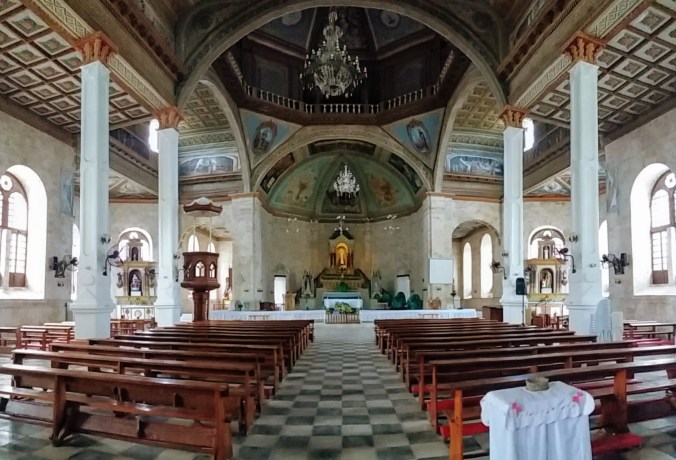
It is an open and intricately decorated church. Either it had been untouched by the earthquake or had been lucky enough to earn a full restoration because the inside was in excellent repair. The large sanctuary had stone walls, but also large windows to let in light and air. It was an interesting combination of the European style and island style. I wandered around taking pictures and looking for the well, which is supposed to be near the altar.
According to myth, the town was under attack by pirates (a thing which did happen regularly), and all the townsfolk locked themselves in the church (big stone building, makes sense). However, the pirates were determined and began a siege, trapping the townsfolk inside with no water! Then, miraculously, a fresh water well sprang forth at the foot of the altar and saved the people inside, allowing them to wait out the pirates who I suppose either got bored or were driven off by the Spanish navy. The well remains a source of fresh water to this day, despite the fact that it is a stone’s throw from the sea. The church offers bottles of this miraculous water for a donation of your choice.

I searched everywhere. I saw no well. I looked online for images that might give me a clue where the well was, but the interior seemed to have undergone a remodel, and the few photos of the well I found were such close ups that I could not tell where in the church they were. Was I even in the right church? There were no signs, no informative plaques to tell visitors about this amazing miracle. Had I really come to the wrong church three times looking for a well that either didn’t exist or had been destroyed in the earthquake?
Finally, on my way out, I saw a small office with some people who looked at least a little bit like they were affiliated with the church and asked. A very kind lady not only assured me that this was the correct church, but led me over to the well, which was hiding unobtrusively amid a low wooden railing that separated the parishioner’s pews from the priest’s area.


I had seen the railing and the signs on it that said “no entry”, and had looked no further, but in one little section, the railing goes from being a single line, to being a square and there is enclosed the well, covered with Plexiglas to keep anything or anyone from falling in.  She took up a nearby lamp and shone it into the depths so that I could see the water below.
Once I’d taken a few photos, she walked me back over to the office and fetched a bottle of the “miracle water” for me to try. Of course I left a donation, don’t be silly. And since tourists are advised against drinking the tap water here, you’ll be happy to hear that I suffered no ill health from the miracle well water. Maybe that’s the miracle?
More photos of the St. Augustine & Lady of Assumption Churches.
St. Peter the Apostle Parish Ruins
After the river cruise, I headed across the street to see the Loboc Church, aka Saint Peter the Apostle Parish Church. The full history of the Spanish colonization here is for a later time. For now, suffice it to note that this church was the second built on Bohol by the Jesuits. The Parish was done in 1602, but the coral-stone building that (mostly) stands today was finished in 1734. Then in 1768 the Jesuits were tossed out and another Catholic group called the Order of the Augustinian Recollects took over. I’m not going to try to explain Catholic orders here, feel free to wiki that if you have a burning desire to know. It’s also been declared a National Treasure by the Philippine government, and is under consideration for UNESCO heritage sites. It was absofrickinloutly beautiful (judging from photos) before the 2013 earthquake and now it is a stunning ruin.

I had spotted the ruins when driving to and from the Chocolate Hills earlier in the week, but at the time I was hurrying to get there or exhausted and ready for bed, so I was pleased to have carved out some time just to go and ogle the ruins. I know it’s tragic that the earthquake destroyed so much, and I’m sure I would have enjoyed seeing the church in it’s glory, because photos really do look lovely, but there is something about ruins being reclaimed by nature that just draws me right in. Even though it’s only been 4 years since the earthquake, the locals have just not been able to raise enough money to complete repairs and other than some scaffolding and a few gates to keep people out, the structure has been left to the onrush of jungle foliage.

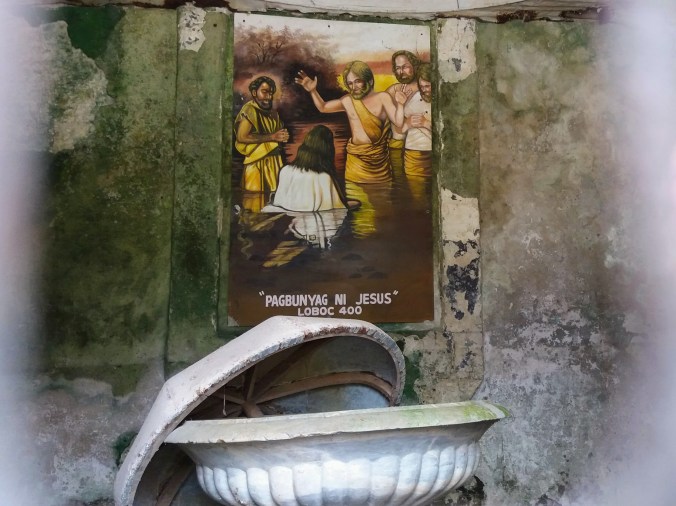
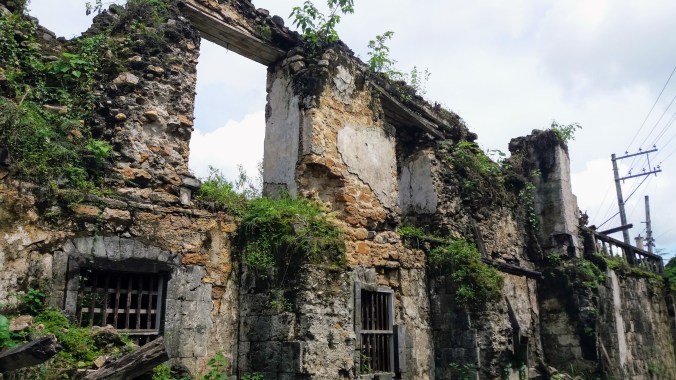
Trees have sprouted in the walls. Ferns and mosses creep across the stone carvings. I peeked in barred windows to see the remains of a baptismal font, and peered through gated doorways to see the interior filled only with more layers of scaffolding. It’s clear that they do not wish to simply leave the church to decay, but very little has been done in the 4 years following the destruction. To me it was the perfect combination of man-made beauty and natural power.
At one point, I moved up close to get a good photo of some carving and I noticed the odd texture of some of the stones in the wall. They seemed to be organic. I know there are some crystalline structures that can appear organic, but these struck me as being especially sea-like and I wondered at the time if the stones may have come from a once-upon-a-time sea floor limestone quarry. I saw more of the same stones in other ruins once I knew what I was looking for, and vowed to find out when I got back. It turns out the answer is fairly simple, and I wasn’t far wrong. It’s not so much an ancient sea bed quarry, as a coral quarry. I had no idea coral could be quarried for building materials, but this happens in several islands in the Caribbean and South Pacific. Sometimes the coral is sliced into roof tiles, sometimes it’s mixed in with other ingredients to make a kind of concrete, and sometimes it’s big enough to hew whole building stones from, leaving some of the churches of Bohol with fascinating fossil structures in their walls.


I spent close to an hour circling around the crumbling church. The detail in the stones, the tiny plants and the hidden carvings and grottoes were entrancing, but eventually the heat and sunshine drove me back to my bike and back on the road where a welcome travel breeze cooled me off once more.
Baclayon Church
I will admit that my itineraries were largely informed by picking a single destination based on interest or reviews, and then examining the map to see what else was labeled on the roads I would be driving. I mean, if you’re in control of your own transportation, there’s no reason not to pull off to at least have a look when passing by landmarks, right? I don’t think I would have gone on a church tour in the Philippines for it’s own sake (although I did go to several in Europe because architecture!), but I’m glad I had the chance to see the buildings.

I had a suspicion by this time that I’d actually seen the Baclayon Church before, but not stopped at it. Looking at the map that day, I was sure it was the church that was visible from the market I’d stopped at for snacks on that first drive up to Bohol while going to the Chocolate Hills. And lo, I was correct. It was a little tricky to find the entrance, but fortunately Bohol is not a heavy traffic place, so if you get lost its easy enough to pull over or turn around.
The Baclayon Church (also The Immaculate Conception of the Virgin Mary Parish Church) is the oldest Christian settlement in Bohol, established by the same Jesuit group that had set up the Loboc Church. It was first colonized in 1596, and the finished coral stone building that stands now was completed in 1727. It was also taken over by the Augustinians. It was also declared a national treasure. And it was also a short-lister for UNESCO world heritage sites before the earthquake hit. However, unlike the Loboc church which is nearly untouched, the Baclayon Church is well under way with repairs. I ran into a construction crew on the far side actively working.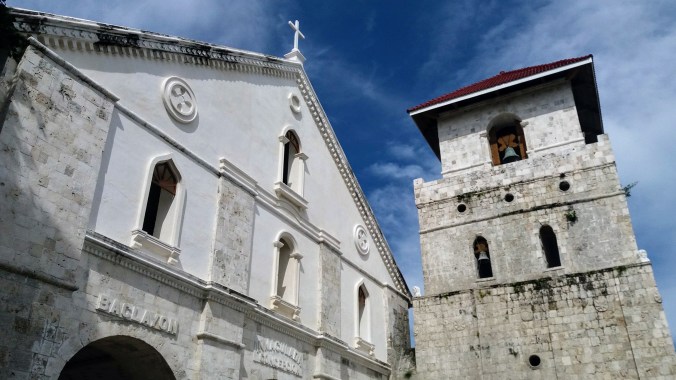 There is very little sign of damage on the exterior. This is not because the damage was minimal, but because the effort has been great. There was a before and after photo out front as well, showing what the damage looked like just after the quake and it’s much closer to what Loboc Church still looks like. I wandered around the exterior taking more photos and found several more blocks with that organic sea-life look that I now know to be coral stone. It seemed that the sanctuary proper was still under construction, but it is scheduled to re-open this year.


The museum, reliquary and gift shop are all open to the public. I have never seen so many rosary based trinkets in one place as that gift shop, I think some may have been several meters in length while others appeared to be made of glow in the dark materials. The reliquary is at this point in time simply a loose collection of the relics and art that adorned the church and (mostly) survived the damage: statues, a few rather terrifying mannequins and a version of the Pieta with some loose wigs. Still, it’s clear that these were all valuable historical displays and they were gathered together with care. I’m afraid I declined to enter the museum proper that day.


More photos of the Loboc and Baclayon Churches.
The Blood Compact Memorial
One of my favorite travel techniques is to look at a map or a tour to-do list, see a thing with an interesting name, visit it, realize I have no idea what it is about, take a ton of pictures, and look it up when I get home. The Blood Compact is a perfect example of this formula.
When I programmed my map app to take me there, the destination was a place I had driven past at least 3 times during the last week, yet unlike the Baclayon Church which I was confident of having seen while driving past, I could not recall anything at all where the map was pointing me. Confused, I pulled up the street view, hoping to get a better idea of what that stretch of road looked like, and Google insisted on pointing me to a patch of grass on the side of the road with nothing around it. This is not the first time that happened on this trip since some things are set back off the road, either down a slope or behind trees where the cameras missed it. Since I had to drive that way to get back to the hotel anyway, I decided to give it a whirl.

I only realized I’d driven past when my app dinged in my earbuds. When I pulled over to look around, I spotted a tiny little monument set back from the road back the way I’d come. I turned around to get a better vantage point and took my “I was here photos”, but there didn’t seem to be anything other than this small wall, explanatory plaque, and a trio of wayward goats.


“About the middle of March, 1565, Captain General Miguel Lopez de Legaspi’s fleet anchored along this shore. Shortly thereafter, Legaspi, manifesting trust and confidence in the islanders, entered into a blood compact with Datu Sikatuna, for the purpose of insuring friendly relations between the Spaniards and the natives. A few drops of blood drawn from a small incision in the arm of each of the two chiefs were placed in separate cups containing wine, and in the presence of the followers of both, each chief drank the potion containing the blood of the other. Thus, during this period of colonization, a bond was sealed in accordance with native practice, the first treaty of friendship and alliance between Spaniards and Filipinos. –1941”
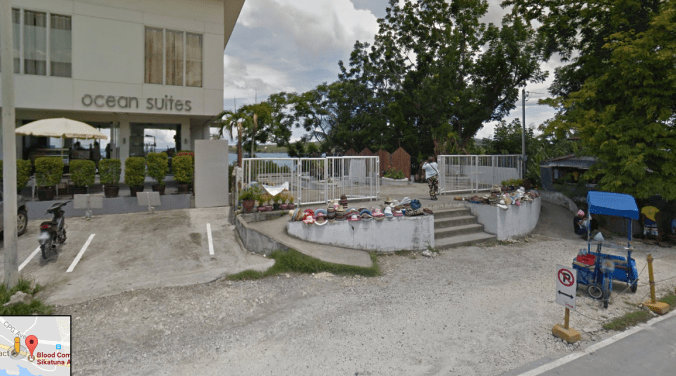
Later, while doing my “now what did I just see” research, I found all these cool pictures of a bronze statue of the ceremony! Where even was that? There are two places on that road labeled “Blood Compact” on Google, and I’m willing to bet that a lot of the people posting photos of the statue were part of a tour group with a guide who knew where to go. Looking at Google Street View in retrospect, I found both the plaque and the bronze statue in different places. The plaque is next to a convenience store and somewhat down a slope from the roadside. The statue is next to “Ocean Suites”, on a raised dais, behind a white metal fence. I may have driven past it and thought it was part of the hotel. *sigh.
How About That History?
I am not going to write a comprehensive history of the Philippines, or even come close. This is a highlights reel to put the current socio-political and economical issues the Philippines is facing into context for those of you who, like me, found your history books mysteriously silent on the fate of small island nations.
Colonialism
A whole bunch of countries were scrambling to get to the East and get the precious SPICES! The Portuguese, Dutch, Spanish, British, Ottoman, and even the Chinese and Japanese were all out to expaaaaaaand. That’s how I got a country, and how lots and lots of indigenous people lost theirs. The Portuguese and the Ottomans were being a bit rude in the Philippine Islands, so when the Spaniards showed up on Bohol and were like, “oh no we are not like those silly Portuguese!” The natives were happy to make this treaty with them, and the Boholano people are still quite proud that their ancestors made the first friendship treaty with their eventual oppressors… Yeah, I don’t like colonialism.

Image – Front National SA
Which makes this next part extra sad.
A few hundred years of all those empires competing over SE Asia and South Pacific islands of military strategic value meant that even though the Spanish held the Philippines officially until 1898, there were plenty of battles, skirmishes and invasions where someone else took control of Manila or other islands. Basically all the rich kids fighting over the land and the native people getting boned. Sometimes the natives did rebel, I think the longest single rebellion lasted almost a hundred years in one part of the country, but none succeeded at driving their European overlords out. The part that came as a complete and total shock to me is that Spanish rule of the Philippines did NOT end with independence in 1898, but rather with the sale of the island nation to …(dun, dun, dun) THE USA! …at the end of the Spanish American war.
The Philippine American War
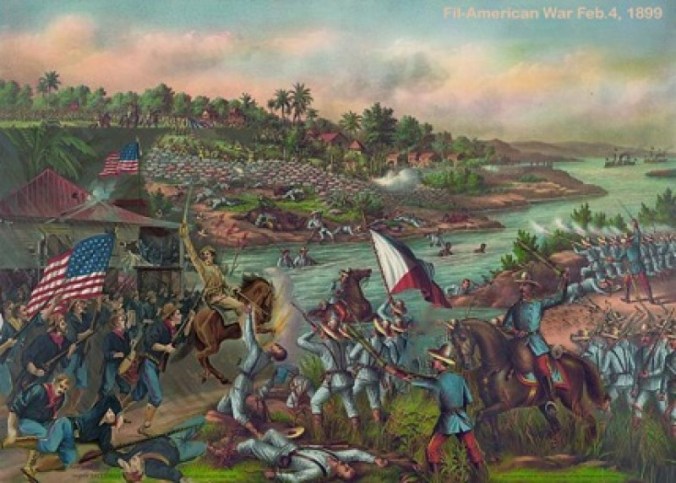
Mere days after the transfer of ownership, the Filipinos tried to declare their independence once more. While we (Americans) were busy fighting the Spanish American War, the native Filipinos were simultaneously fighting Spain for their independence. Was the democracy loving US *helping* little Philippines? No, because we were still pretty darn isolationist in 1898 and hadn’t gotten into the habit of having the giant standing army we like to send around on “peacekeeping missions”. We were actually fighting Spain for control of their islands like Cuba. By the end of the war, they signed over Cuba, Guam, Puerto Rico, and the Philippine Islands, although apparently the US paid 20$ million for the last one to cover infrastructure costs.
By the way, we still own Guam and Puerto Rico, but won’t let them be states (have representation) or apparently get decent federal aid after a devastating hurricane.
Having been engaged with the Spanish for their freedom, the Filipinos were not actually on board with the sale, and declared themselves independent and published a lovely constitution. The US, on the other hand felt it had paid some hard earned money for the territory and so began the Philippine American War, which I had actually never heard of until now. The Filipinos lost, and America continued to OWN the country until after WWII when we were generally making everyone (mostly Britain) give back all their colonies and decided to use the Philippines as our “set a good example” colony.
Military Dictatorship
Shortly after WWII, we get to Ferdinand Marcos who started his career in the House in 1949 (just a few years after officially free Philippines happened) and eventually became the President who implemented strict martial law from 1972-1981. It was a military dictatorship, and a seriously brutal time, and why am I telling you about it here? Because although the was finally ousted by a revolution in 1986, his rule was a major threat to democracy there and rife with cronyism, favoritism, extortion, and flat out ignoring the constitution. And the guy in power now is making a lot of people draw comparisons.

image tenminutes.ph
Like many countries, the Philippines was not proud of that time in it’s history and as a new generation grew up in the light of the revolution and the restoration of democracy, they weren’t always well educated on the dark side of Marcos’ reign. Too soon, people began to think that stricter measures and even martial law could be good tools to help the country.
Democracy and Death Squads
Enter Duterte. Another lifelong politician, he has risen to popularity and power with the aid of DEATH SQUADS. I’m not kidding. In order to “clean up” the country, he has repeatedly and publicly declared that it’s ok to kill criminals without trial. This includes drug dealers, drug users, petty criminals, and “street children”. If you aren’t gagging in horror, you may need to get checked for your humanity.

image Reuters
He’s also said unbelievably horrible things about wanting to rape women, wanting to kill people who cause problems with extreme violence, and pardoning everyone under his command who committed human rights abuses while carrying out his orders… if this sounds like any other world leader you may have seen on tv in the last year, you are not alone in thinking this.
Responsible Tourism
This left me in a tricky position vis a vis being a tourist. I did not feel in danger in Duterte’s bloody cleanup because they are in no way targeting foreign nationals in this death squad round up. But economically, it was a tough choice. I know that my tiny vacation budget is not going to have an impact on the national economy of the Philippines, but it just might have an impact on the lives of the small business owners, guides, and environmental preservation programs that I do want to support and that I desperately hope survive until the next era of democratic sanity is restored. So, yes, I went and I feel ok about that.
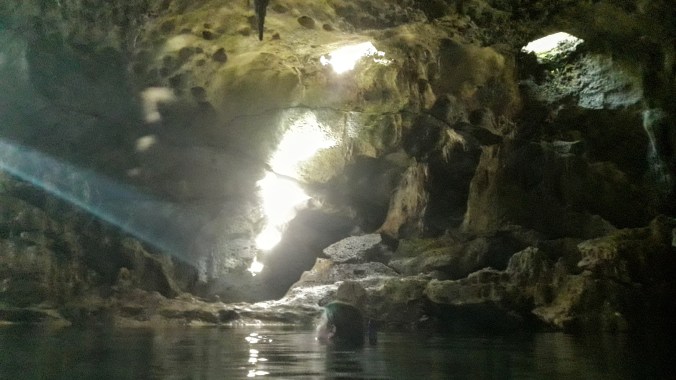
 We signed the guest book and the guides at the top of the entrance offered to keep an eye on our helmets while we went down. The stairwell looks like a black hole into nothingness, and the cave entrance is more like a sinkhole than a cave mouth. The stairs are steep, but sturdy and have a handrail, and it’s a short trip down. Once inside, there’s plenty of room to stand up straight and look around. It’s a small cavern with some lovely, though not stunning formations. The main attractions are the natural skylight that fills the cavern with the warm light of the sun like a spotlight, and the beautiful crystal clear pool. Looking at the water, I couldn’t understand why anyone had complained about it in the reviews. I suppose it’s possible that weather or too many swimmers might have clouded it up during their visit, but for us, just past opening time, the water was still, blue, and so clear that every rock on the bottom was visible even in the dim cavern.

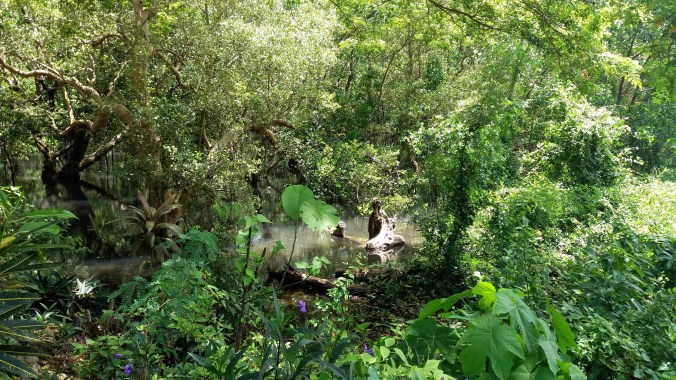 We drove around in hopes of getting a glimpse of the water or perhaps some boating opportunity, but mostly what we found was a kind of upscale neighborhood where the people seemed rather surprised to see us. It seemed not unlike other lakefront neighborhoods, and we still had no view of the water which I presumed was visible from the back windows of these beautiful houses. At last we came up to the bridge that crosses the narrow point where the river meets the lake and we got our viewing spot.
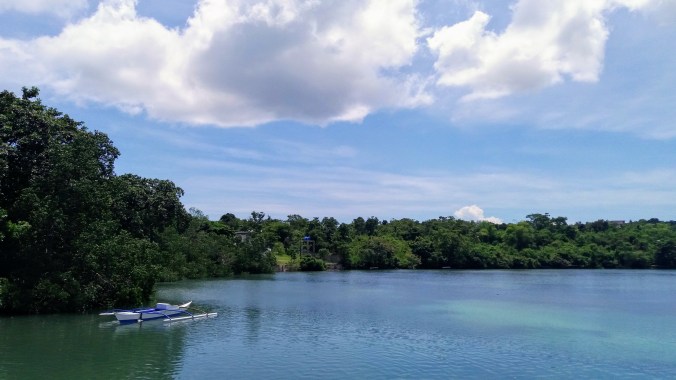 I’m sure everyone thought we were nuts for pulling over and walking out on the bridge to take pictures, but it was very pretty, and we’d driven over there more or less just to find out if there was anything to see at all. At the far end of the bridge I found a staircase that led down to a shaded swimming area in the lake, but it was occupied by a local family and I wasn’t entirely sure of the etiquette so I waved politely and moved on.

 We went back to the Bee Farm for lunch and the “tour”. Arnold, our guide, started us out with a little cooking lesson in the herb garden where we played “name that herb”. I recognized nearly all of them, but the oregano completely stumped me. What? Oregano? How hard is that to spot? Yeah, but this crazy Filipino oregano was completely different with HUGE leaves. The guide asked the names of each plant in English, Tagalog, and Boholano, and when we got to the oregano and everyone saw how surprised we were, we had to explain the differences in the plant’s appearance in Europe and America versus the one growing in the Philippines. Arnold said he’d heard about that but never seen the European varieties. Behind him ranged a huge display of potted herbs with their names displayed, and I recognized most, but had to ask about Pandan.
 Once we were finished in the herb garden, we moved over to the manufacturing areas. Arnold explained that while they do use as many of their own ingredients as possible, the farm has grown too large for them to do tours of the farmland itself anymore. We saw the bakery where they made the wonderful squash bread. We saw the creamery where they were busy making ice cream, sadly it smelled like Durian was the flavor of the moment. And we saw the prepping areas where they made and packaged the teas, honeys, and other goodies used in the restaurant and sold in the gift shop.


 After lunch I went in search of the Nova Shell Museum, because I like seashells and museums. The whole area of Bohol is filled with tiny little roadside tourist attractions that are so cheesy and cost 20-60p to go see. I realize looking back on this experience that there is a high probability I enjoyed these because they reminded me of the random roadside attractions that we would sometimes visit on road trips when I was a kid. The US has (had? I’m not sure how many are still there) a huge number of tiny local sights setup for families to stop and look at while stretching their legs or getting a snack. None are sights that are destinations in and of themselves but they are fun to see if you’re passing by. This is how I felt about the Shell Museum. Would I have driven out of my way for it? Probably not, but it was right there next to one of my go to restaurants (La Familia) and only a few minutes drive from our hotel, so why not?


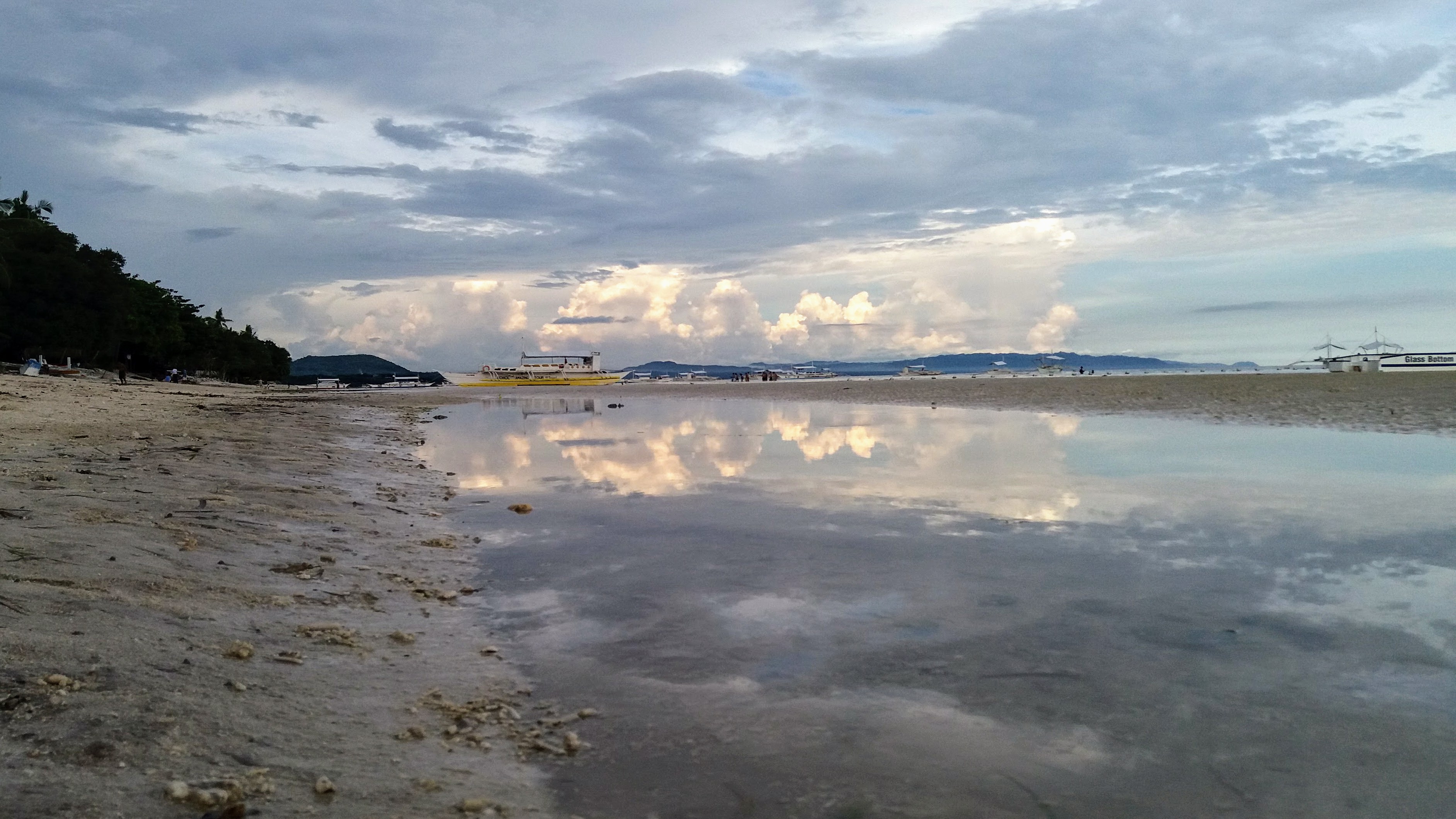
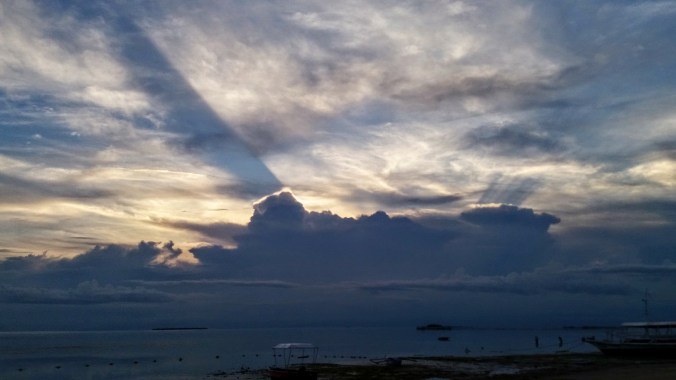 That night we went back to the Pearl at Linaw for a sunset diner on the beach. I spent more or less the entire vacation being in absolute awe of the cloud formations that piled up in fluffy mountains around our island, and this night was no exception. I got up from the table several times to walk the few meters to the water’s edge and get the most unobstructed sunset views possible. However, we got treated to something a little more than your average (stunning) tropical sunset. As the sun worked it’s way downward, I noticed an odd smudge of color at the top of the tower of clouds. I thought that it was that beautiful golden lining effect that so often happens when the sun back-lights dark clouds. I took more photos, admiring the glow and the strong beam-like shadow that was being cast into the sky.


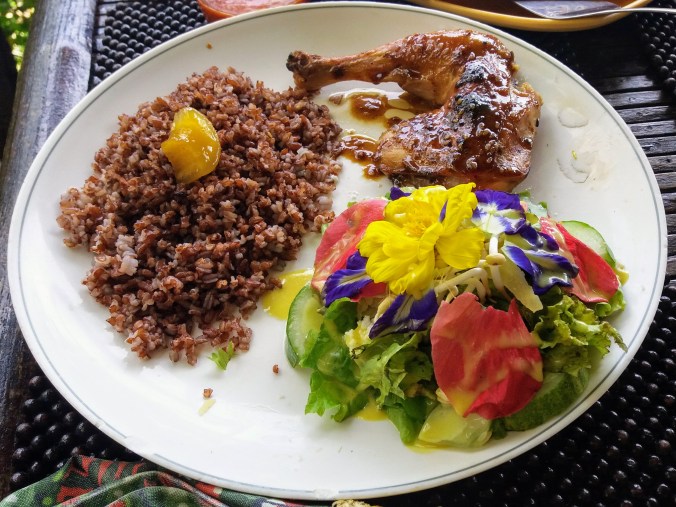

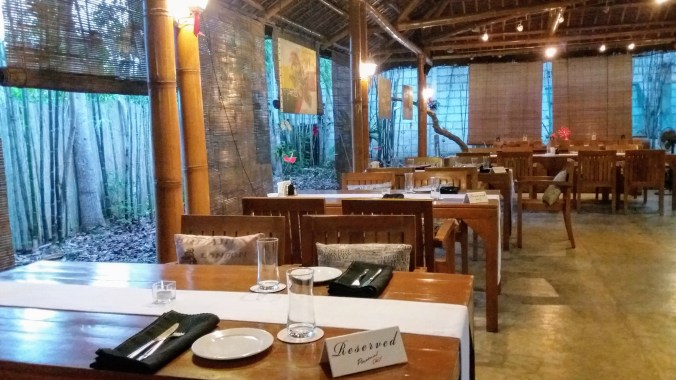


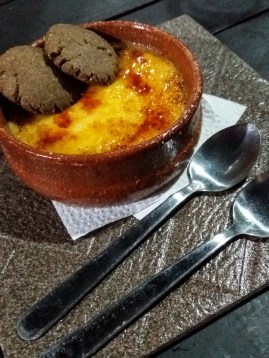


 I went to the Alona Market on the first day.


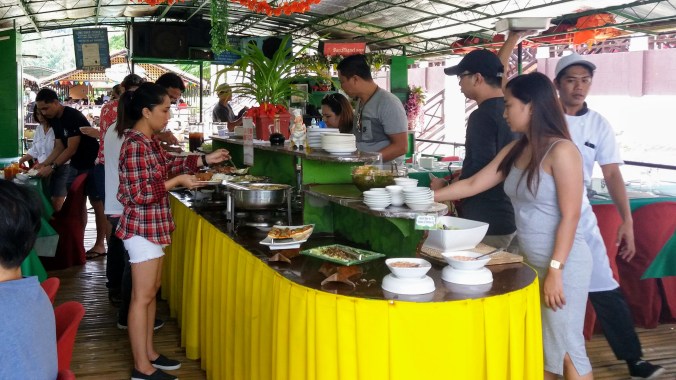 It was not the best meal I had on the trip, but everything was good and it’s a buffet so you can eat as much as you like, as long as you don’t leave food on your plate (they charge 50p for leftovers to discourage food waste).


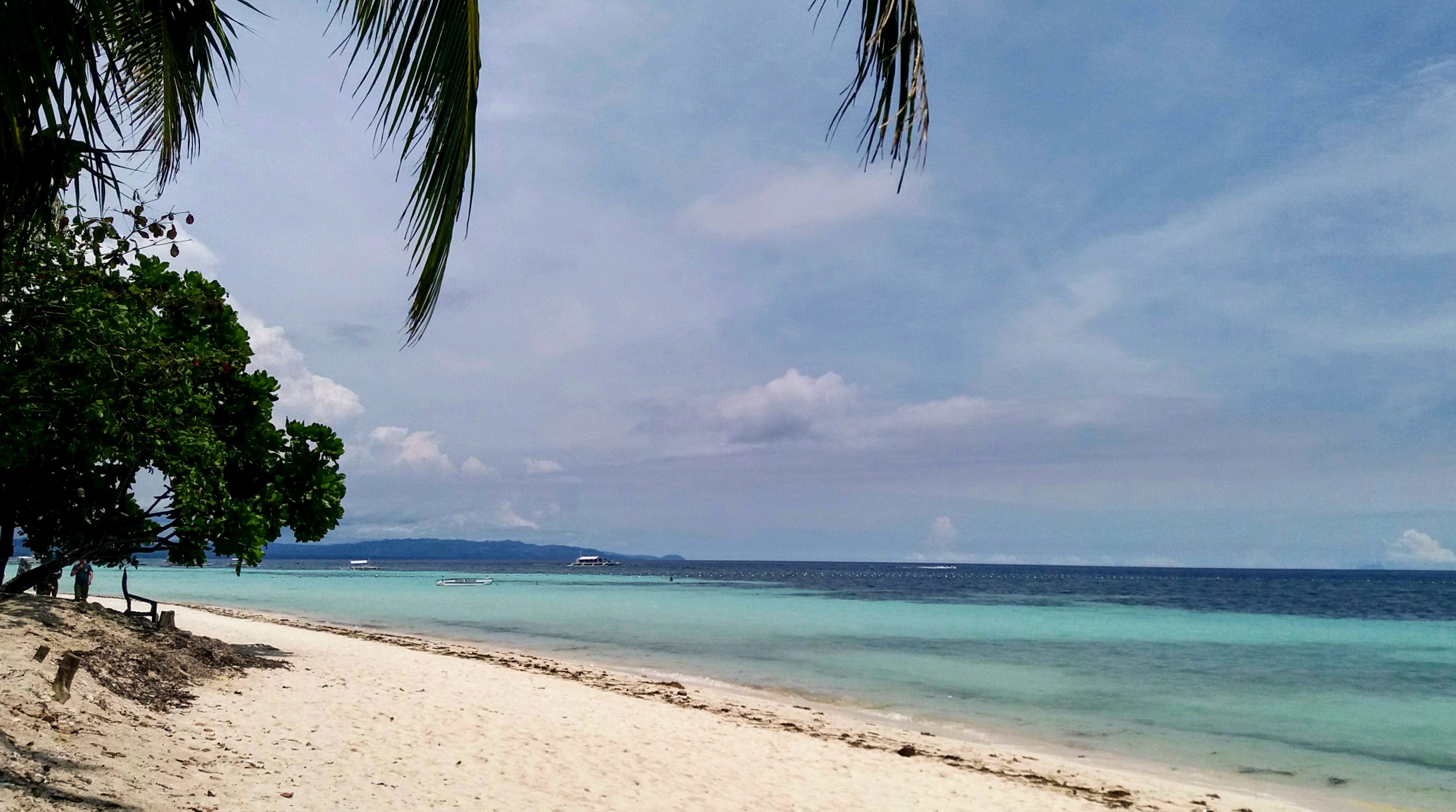


 I’ll have to make do with a winter wonderland weekend in the snow instead.
  Regardless of who you choose to go with, make sure you ask about any extra fees for Balicasag. Some activities do require paying the national park fee and others don’t. It’s never fun to be caught by surprise once your in the ocean. Valm Dive wasn’t planning to go to any of the pay areas, and so we were only on the hook for our ride and equipment (mask and snorkel only, no fins. I think they would have let us use them if they had extra, but they had to supply the divers first and ran out). Total cost: 500p or about 10$ USD.
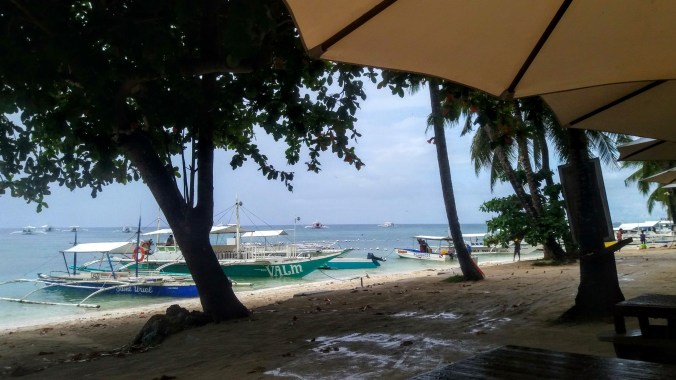 That morning was one of the few rains that happened during our active times. On any other morning, we could have just waited for it to stop, but Rafi had told us to be at the dive shop at 8:30 and we didn’t want to be late and run the risk of losing our spot on the boat. We waited as long as possible, and it didn’t take long for the downpour to become a drizzle. Driving on the wet roads wasn’t nearly as difficult as I feared, but getting a face full of rain made seeing a little challenging. I thought again about what kind of gear to use to prevent that if I ever had to drive a real distance in the rain, but it seemed like all the locals, in addition to shunning helmets, only wore ponchos while driving in the rain, leaving their faces, and eyes, open to the wet.
 The Wall
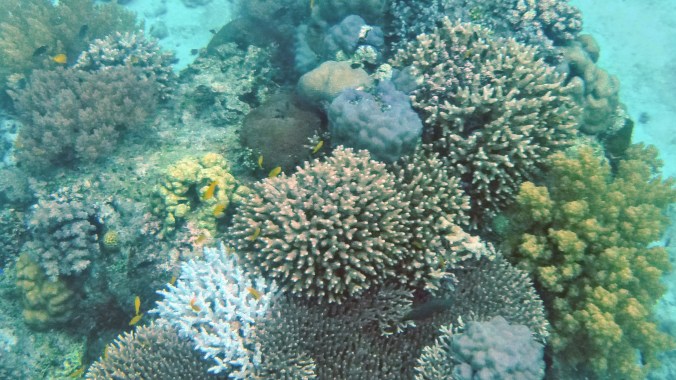 The corals were lovely, and I wasn’t in a hurry to get anywhere in particular. It was my first real chance to play around with my new underwater photo taking capability. Almost as soon as we got in the water, I spotted my first turtle hugging the edge of the drop off. I did my best to keep pace with him, but especially swimming against the current, I had no real hope of catching up to a turtle, no matter how lazily he seemed to be swimming. Finally, I had to give up. I swam using as little energy as possible, but it was hard going because the current was much stronger than I was used to and it was impossible to hold still while taking a picture.
 I wove back and forth above the stunning coral shapes, trying to get my camera to focus when I was spotted by a little rainbow wrasse, maybe 5 inches long. It was clearly watching me, swimming back and forth in front of me in quick zipping lines, and once it was sure it had my attention too, it swam straight at my face. I was honestly worried it was going to hit my mask, not for my safety, it was a small harmless fish, but worried that it might hurt itself bashing into the plastic. Fortunately at the last moment it turned aside.
 It seemed like a strange behavioral anomaly, but the fish came back and did it several more times. As I got used to the pattern I tried to get a picture. I wish I could have done a video, but I hadn’t quite figured out the trick I needed for that with the waterproof cover.
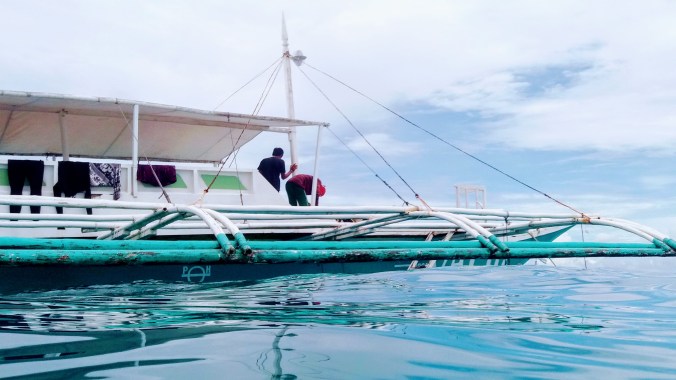

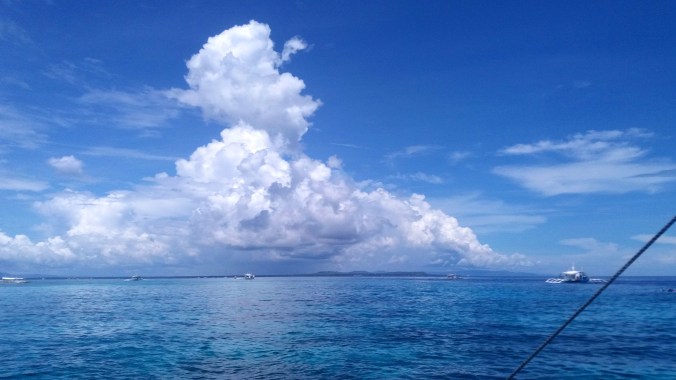
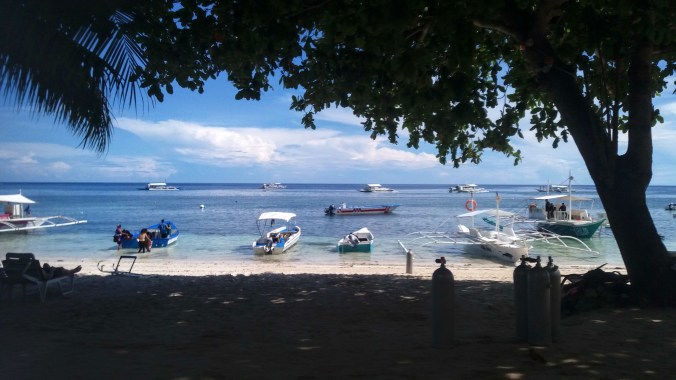


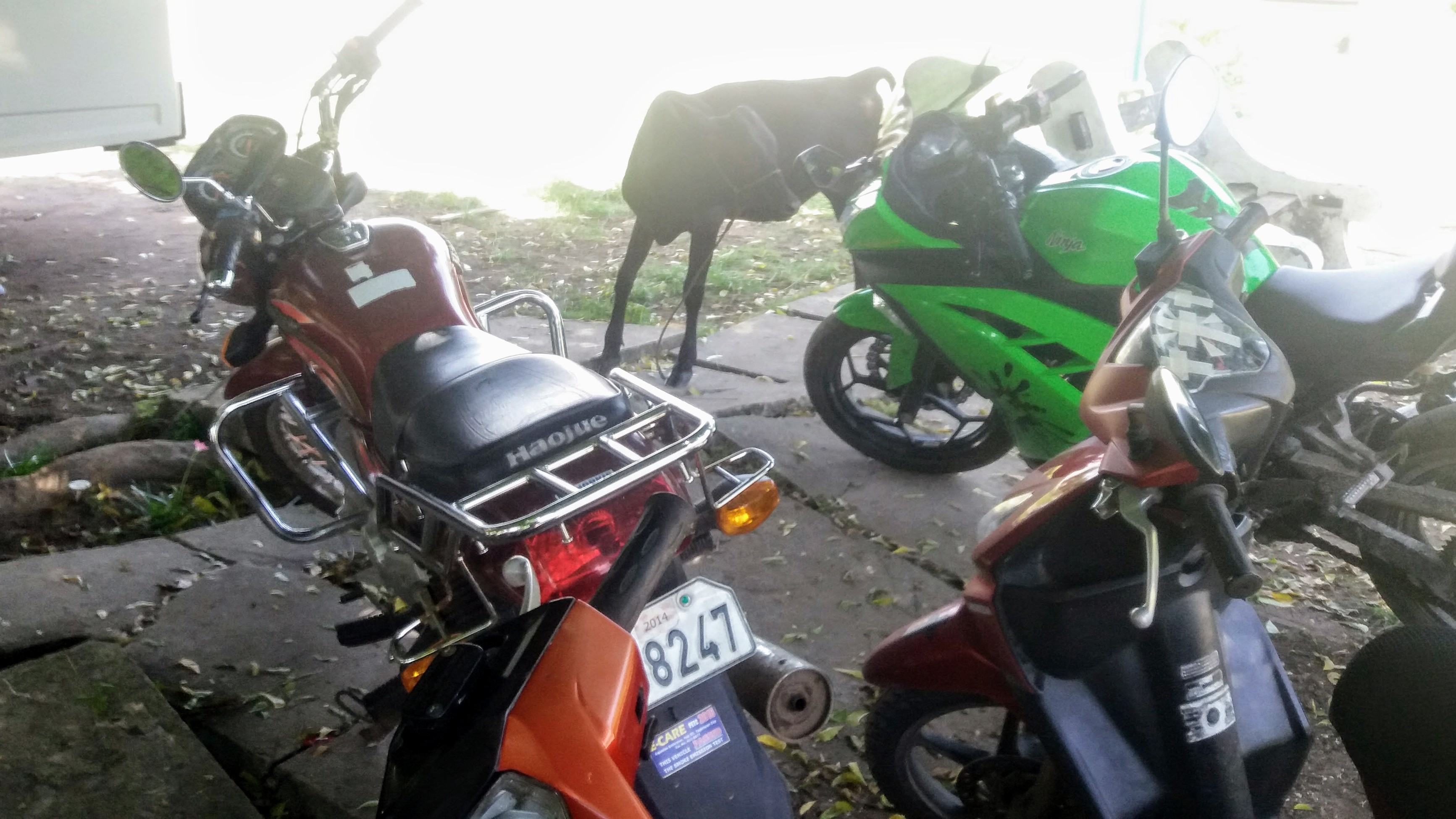

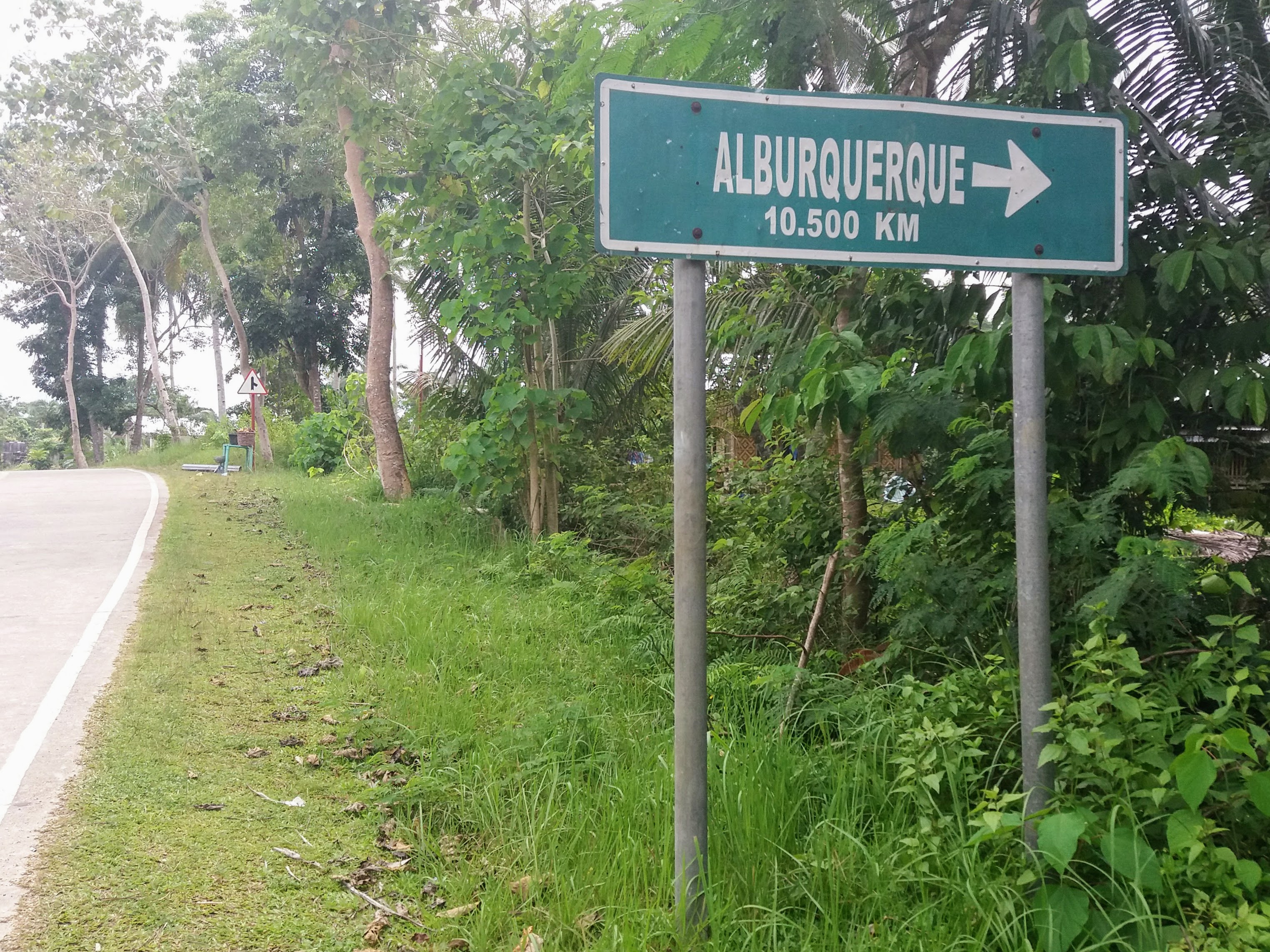


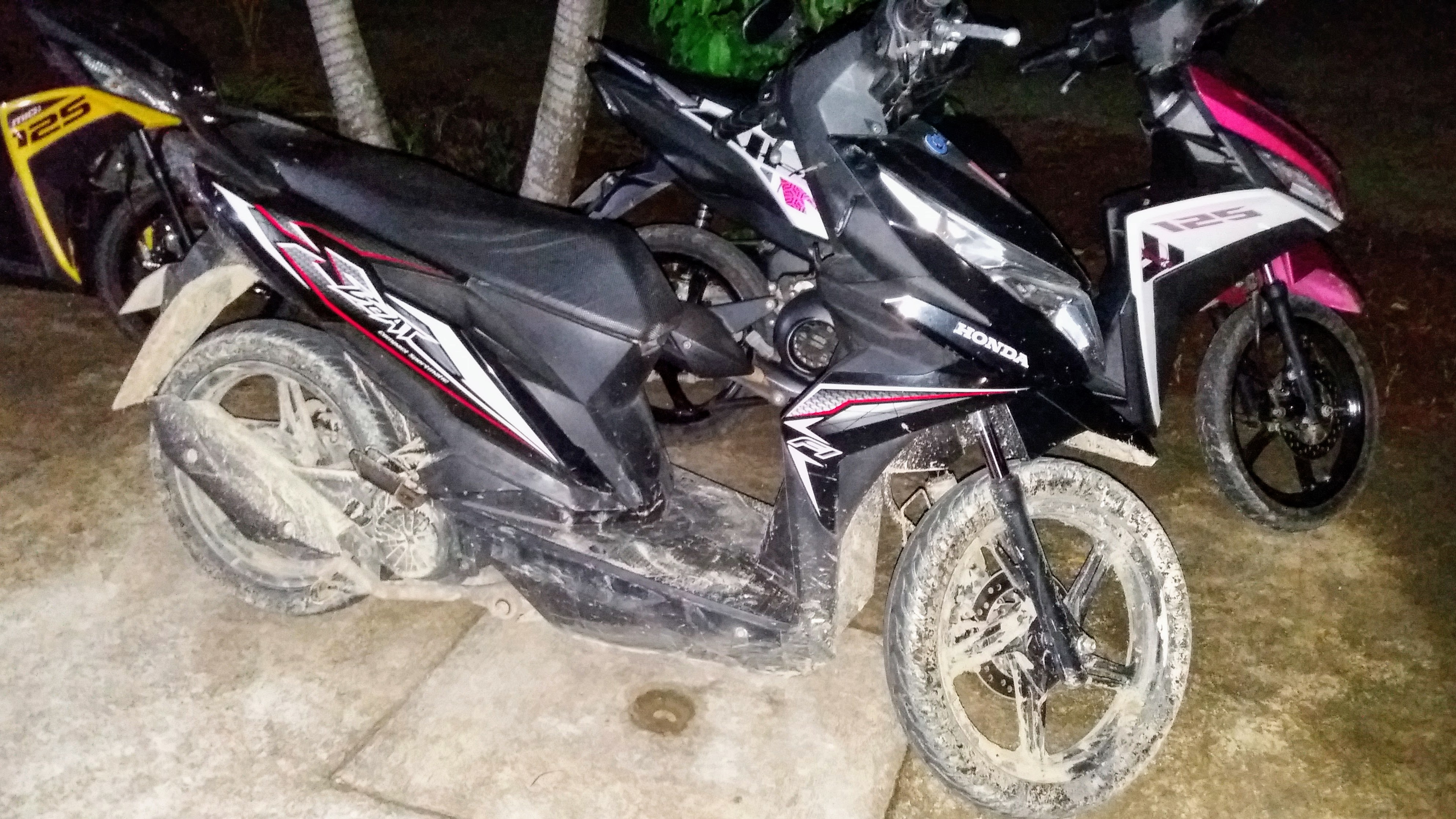


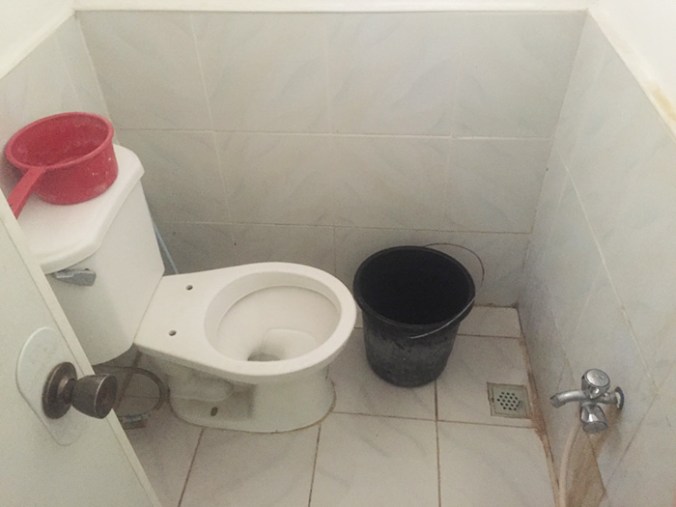
 There were no food delivery options nor any restaurants in walking distance and although it was my plan to rent a motor bike (scooter) for the week, I was waiting until my travel companion arrived on a her flight 4 hours behind me so we could handle both rentals at once. However, my breakfast had been a long time ago, and I needed something to quiet the growling tummy. As we reviewed our options, she mentioned hesitantly that there was a small convenience store just down the street where I could get some ramen. Done! She said she’d show me where it was and I expected it to be hidden or at least farther, but when we got to the gate of the hotel drive, she pointed at a sign barely down the street, less than 2 minutes walk.
 As the sun set, the lizards came out, and when I went back to the room, I was greeted on the porch by a gecko. It was maybe 6 inches long, not huge, but so unexpected I let out a little yelp, and Becca sent someone to save me. I insisted they did not need to shoo the little lizard away with a broom, but Becca said sometimes they bite. She also pointed out the tiny 1-2 inch lizards elsewhere that were totally safe. I asked if the gecko was poisonous, but it’s not, and it wasn’t even slightly aggressive, but I still kept a distance from the others I saw so as not to add gecko bite to my list of minor travel injuries.
 Gallivantrix