July 26th, about halfway through the vacation. I was suffering through an unbelievable heat wave in The Hague (Den Haag), Netherlands. I was not enjoying myself. The heat was oppressive and causing me physical illness, and the transit in the Netherlands was without question the most obnoxious of the transit systems I have experienced in my life. However, Utrecht was a happy place that I truly enjoyed and may even brave the Netherlands again to visit. Not only was the city itself cute and bohemian in a “university town” kind of way, the exhibits I went to that day made me take several steps back and re-examine some of my perceptions of human history and development.
The Underground Tour
As an American, I didn’t grow up around places like this. I am sure that there are places in the US that have 2000 years of human occupation, but sadly the original colonizers did a very good job of erasing any traces of it. Perhaps as a result, I am eagerly curious about places on earth where the stories of humans can be traced back and retold over such vast stretches of time. I also love all things underground. The DomUnder was practically begging me to come and visit.
Dom Square in Utrecht boasts 2000 years of human occupation and I decided to go on a little tour of the archaeological dig site. The first stop on the tour was below the main office (where it was blissfully cool) to get some history lessons and watch a film.
They divided us into “English” and “Dutch” language groups. The English group was less than half native speakers, and was comprised mainly of people from other EU countries with a few Asians as well, all of whom were able to follow along in English, but not in Dutch. One more example of why ELF is so important!
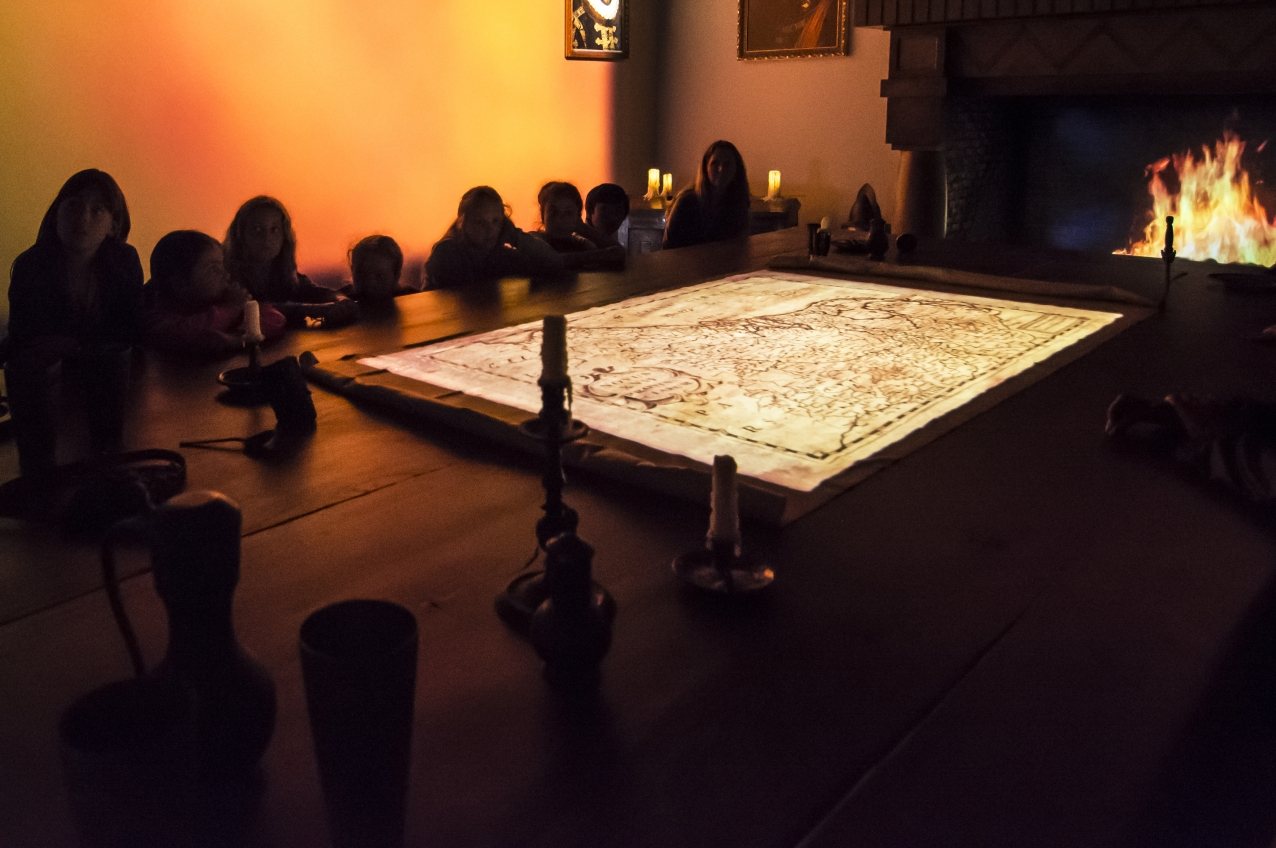
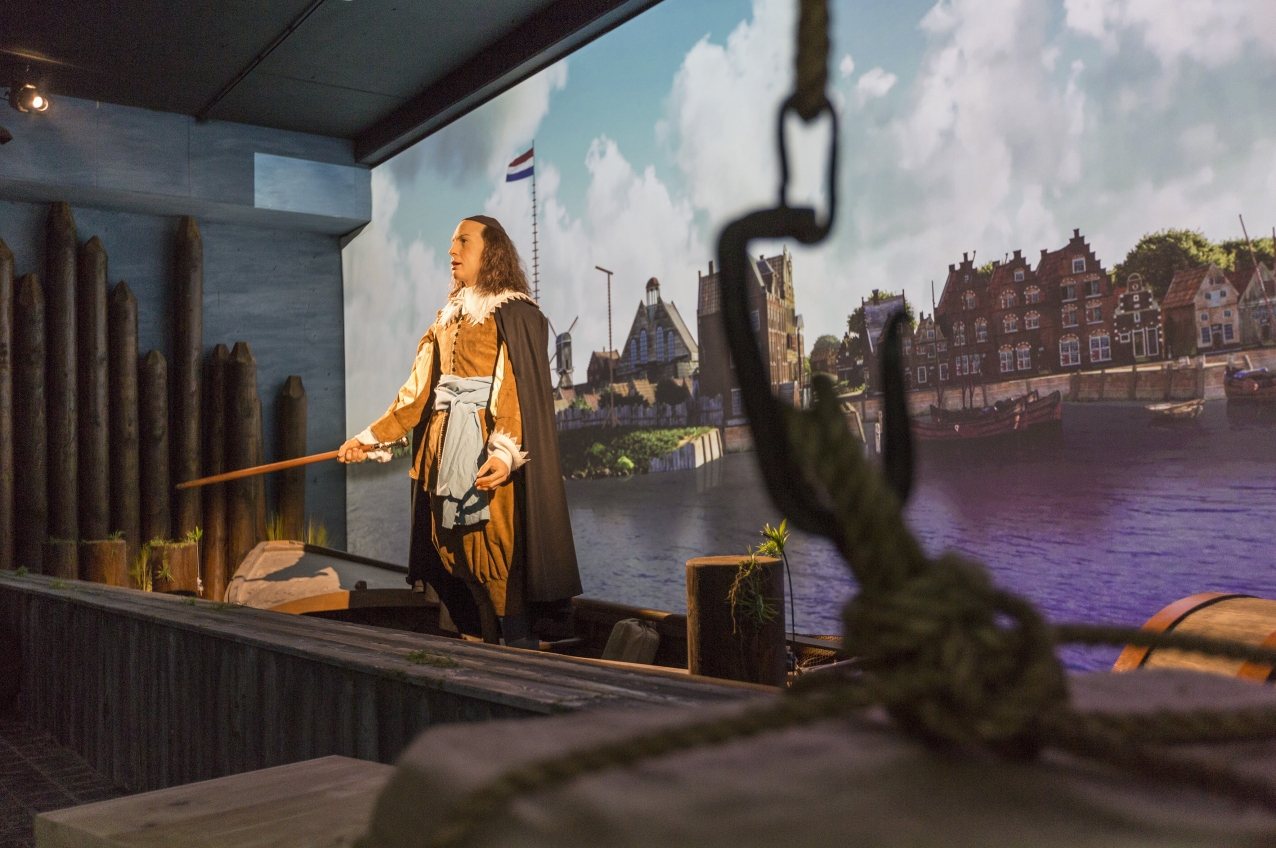
The English guide gave us a good timeline overview of the square, walking us through the various stages of construction from Roman frontier fortress to modern day with a series of maps, drawings and photos to help us see the evolution. Then we all huddled together and watched a very dramatic short film about the square with actors in period dress and CG reconstructions of the architecture and the dramatic and destructive storm that reshaped the town.
2000 Years of History
Starting around 50 CE (that’s AD if you’re old), the site began it’s civilized life as a Roman fortress on the outskirts of the Empire. The Rhine river was, at the time, flowing through the area and just here it became shallow enough to cross. To defend the crossing point, a fortress, or castrum, was built.
.jpg)
Traiectum, the name of this castellum, was built mainly of wood with a stone wall surrounding it. It was burned down during the Revolt of the Batavi in 69-70 CE. The film we watched speculated that there may have been a romance and betrayal involved in the sacking of the fort, and that it was the wife of an officer who buried the gold later found by archaeologists below the lowest layer of burned wood.
 Within 20 years, the Romans reclaimed it, and maintained power until about 270 CE when the Franks invaded. There isn’t any substantial change to the site for another 400 years, although evidence suggests that it was not abandoned, simply that the castellum was never rebuilt and any structures were temporary. You can still see the outline of where the old walls were built in the modern streets of Utrecht by looking down for some distinctive metal plates.
 Around 630, the last of the Merovingians established a small abbey using the stone walls left by the Romans to enclose the grounds.
In 720, a chap named Willibrod who is intensely famous in the Netherlands and unknown everywhere else, established the church of St. Martin which more or less still stands today. He really loved preaching out in the frontier and was not always warmly received, having been driven out violently on at least one well known occasion by pagans who were not at all interested in this new-fangled religion he was peddling. He was canonized after his death.
The Vikings came through Europe between 857-920 in a rash of Church raiding. A lot of wealth was concentrated in churches and they were often poorly defended. St. Martin did not escape. Interestingly, there’s a viking rock on display in the square today, although I’m not sure if it’s from the time of these invasions or from a later time after the Nordic countries had converted to Christianity.

Around the turn of the millennium, the church was once more destroyed, but this time by a fire. The rebuild was inspired by the Roman round arch style. Shortly after the Emperor built a palace within the walls of the old Roman castellum (yes, where the cathedral is) and there was a bit of state vs church argy-bargy over who had ultimate authority. It seems the Emperor and the Bishop wouldn’t share an entrance from their residences into the cathedral and so two separate entrance halls were built.
In 1253 there was, shock and surprise, another huge fire that destroyed nearly everything (that’s at least 3 by now). During the subsequent reconstruction, the church transformed into a proper French Gothic cathedral completed in 1267 and the famous church tower (see below for more on that) was built in the mid 1300’s.
.jpg)
Things go along fairly peacefully until 1647 when an enormous and devastating storm swept through the town. My subsequent research says a tornado, but the reconstructions and explanations I experienced that day in Utrecht made it seem much more like a thunder and lightning with extremely high winds kind of storm. Either way, it was so bad that the townsfolk seriously questioned what they had done to incur the wrath of God, because nothing outside the Bible even compared.

The wind (tornado or otherwise) completely destroyed the nave of the cathedral that connected the tower to the rest of the structure. The nave was not small. You can see from drawings how much of the space it took up, and in heavy stone with Gothic arches, gargoyles and other bits of stone crenelation all over the place. It was flattened. Rubble. The people of Utrecht were devastated and although the city continued to function, no one cleaned up after the storm for 150 years.

Even when cleanup began, it was little more than clearing the rubble and a few halfhearted attempts at restoration. It wasn’t until the early 20th century that there were serious efforts to return the cathedral and tower to their former glory. The nave was never rebuilt and it is that space that is now the main square of Utrecht between the church and tower.
The Dig Site
Armed with this historical perspective, we trooped back upstairs and headed into the main square where a hole opened up to lead us down into the dig site.
 Here we were given “interactive flashlights” that we could use not only to see, but also to trigger the audio tour in our headsets. I like headset audio tours much better than trying to listen to a single guide, so I admire the choice, however, this was maybe a little too interactive. We had to find these tiny little RF chips tucked in amid the displays and aim the light at them to trigger the audio file to play. The chips weren’t labeled and there was no way to know if I got them all or missed any since a single display could have 1-3 chips in it. It was a little like playing hidden picture in real life. Here you can see one nestled among some old Roman artillery.


Despite the hunt and peck games, the displays were absolutely fun. There were two more mini movies underground, including one meant to replicate the storm itself, and the rest were pieces of the actual dig sites that had been left for display. There were walls from the original fortress. There were tools and pottery and jewelry from the Romans. There were pieces of clay tiles with cat prints in them, proving cats have been walking on wet paint, wet cement, and wet clay forever.


There were the support pillars of the cathedral, and remnants of the rubble of the catastrophe of the storm. There were even earlier dig crew’s archaeological tools that got left for a few decades. Plus the immortal remains of at least one Bishop (probably).
I could have stayed much longer mulling over the details, but as always, I was the last person trailing behind the tour group and the guides politely reminded me that the tour was over as I was taking photos of the last few displays. Returning to the surface, I had a whole new perspective of the square in which I stood, seeing now in my minds eye the layers and layers of construction and destruction that shaped it for over 2000 years. Will someone stand in Washington DC or New York city in 2000 years and marvel at the capacity for human growth, change and tenacity? I hope so.
Church, Gardens, Tower
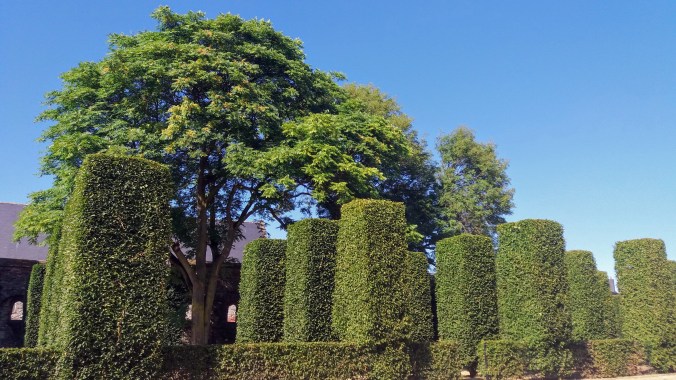
 Although I had accidentally meandered through the gardens at St. Martin’s between the bus stop and my tour start, once I finished the tour I was eager to have a closer look at both the cathedral and the tower. The tower is the tallest church tower in the Netherlands, and I think the tallest building in Utrecht. It stands 112m tall and if you want to see the view from the top it’s 465 stairs (no lift). I admired it greatly… from the ground.
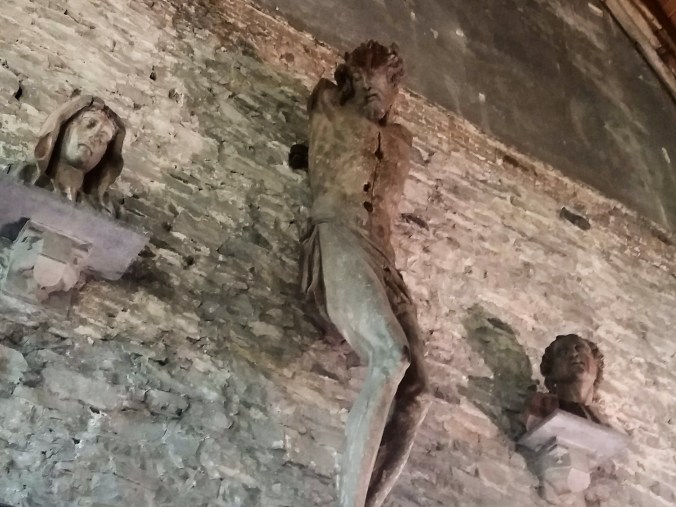
The cathedral is undeniably French Gothic. It could have been picked up and moved over from France. Beautiful stained glass windows, impossibly high arches, and a great deal of overly grotesque carving including gargoyles, skeletons and dead dudes.
It’s not that I’m tired of looking at cathedrals, but I did reach a point in Europe where one French Gothic cathedral began to look rather like all the rest. It’s interesting because in modern architectural design, international companies like McDonald’s and Starbucks want their stores to all look the same on the inside because they want to establish a brand and also that their customers would feel comfortable with the familiar, even in an unfamiliar city. Now, I’m not suggesting that the Catholic Church is the McDonald’s of the middle ages… no, wait, I am… And since the average human didn’t travel more than 20 miles from home their whole lives back then, the only people this was meant to appeal to would be the ruling and priestly classes, so they can go to church anywhere and it’s always the same. 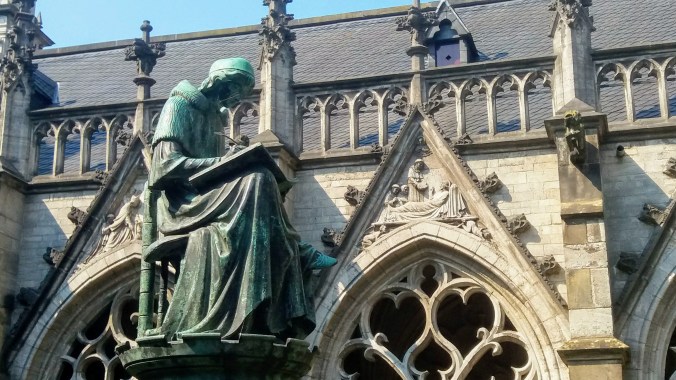
The Speelklok Museum
This is a museum dedicated to self playing instruments and music machines that pre-date the gramophone and other recording devices invention and rise to musical dominance. The museum roughly covers the time from 1750-1950, but focuses mainly on the Victorian and Edwardian periods (1840-1910). It opened my eyes to the history of music and music technology in a whole new way and made me completely re-evaluate my ideas of change and progress in the modern world. I couldn’t fit it all into a single post with the rest of Utrecht. If you haven’t already read the whole story, you can follow this link.

Is That a Theremin or Are You Just Happy to See Me?
My final moments in Utrecht, I stopped into a cafe for a sandwich and a nice iced latte. The Netherlands is not so snooty as France when it comes to putting ice in coffee, and I was grateful for their lack of coffee-purity during the unrelenting heat wave. I was sitting upstairs, trying to imagine a breeze through the open window and taking notes on my phone about the thoughts swirling in my head after my visits to the Underground and the Speelkloks when suddenly I realized that the music I was hearing in the background was a Theremin.
Not everyone would know this strange instrument either by sight or by sound, but due to an odd quirk of my proclivity for learning peculiar information and my ability to involuntarily remember completely useless trivia, I recognized the sound before I even realized I was hearing it. It was as though some part of my brain whispered “theremin”, and my conscious train of thought stopped and said “what?” before registering what my ears were hearing.

I had only ever heard recordings of the theremin, but I was sure that was what I was hearing and as soon as I realized the sound came from the street, I peered out the window. Lo and behold, on the street below was a middle aged man in a bright blue Hawaiian shirt busking for change with a theremin.
A few minutes later, he was joined by another gentleman who sat down on the ground and pulled a sitar from it’s case and began to tune it. Another instrument not readily recognizable, at least not to those who are not from South Asia. I first learned about it from the Beatles of course, since they became entranced by it’s sound after visiting India. It is also a unique and (outside India) fairly obscure instrument.
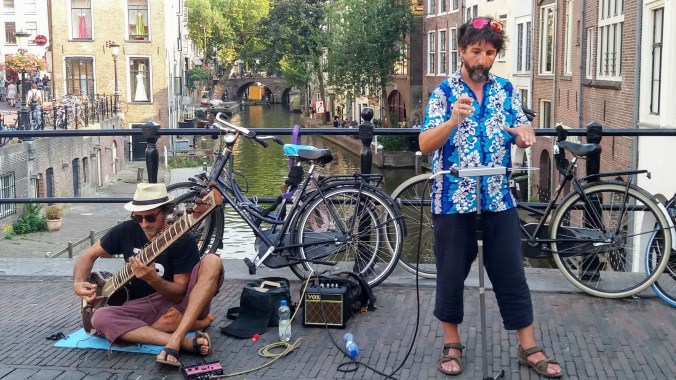
So there I am, staring down at two middle aged hipsters with the most unlikely instrumental duet I have ever heard of, and they’re good. Not like philharmonic good, but the theremin is a HARD instrument and I don’t really think the sitar is a piece of cake, so “good” is a major accomplishment and thousands of hours of practice. And there they are, on the street, playing for coins. Of course I contributed to the growing pile of money in the sitar case (pay your artists!), and if you like what you hear, I even made sure to get the band name so you can support them yourself. They are called Guau! (pronounced “wow”) and they are from Spain. You can get the album here.
For those of you playing the home game, I’m finally finished with final exams and the complex grading math that is the end of semester excel spreadsheet. I’m stuck in Korea until January 9th, when I’ll be embarking on another long trek. I’ve been so busy with work (and art) that the blog has been very slow, so I’m going to do my best to churn out a double handful of posts to leave you with before the next big adventure begins. Hope you enjoyed Utrecht, and as always, thanks for reading. Happy Holidays and Merry New Year!












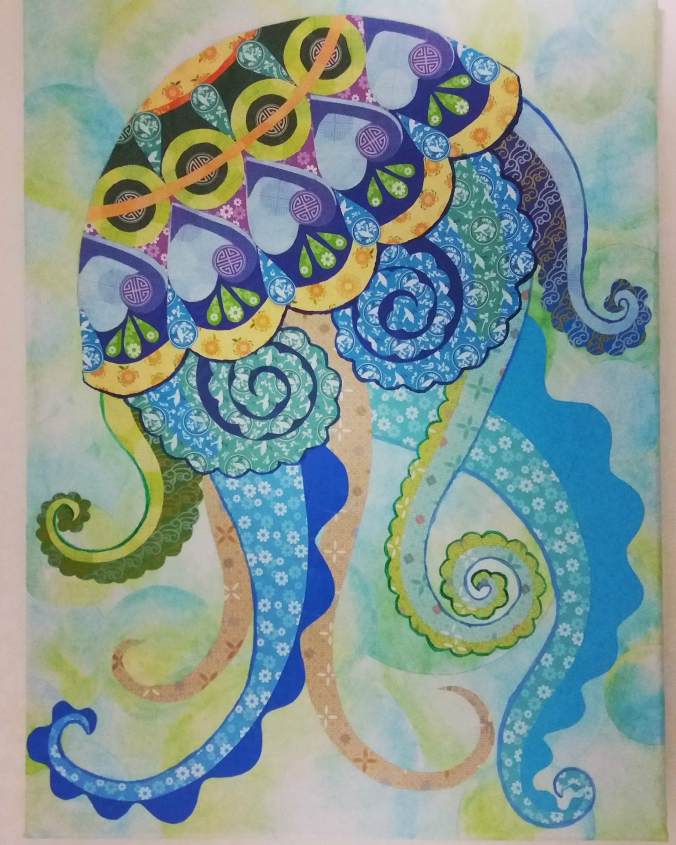
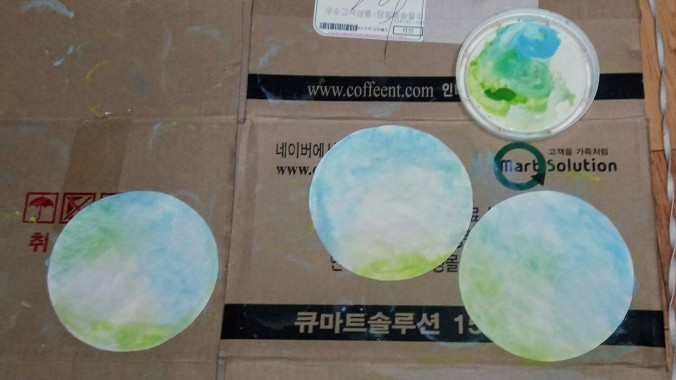 It was worth it. When I finally was ready to create the background, I placed the different sized circles around the canvas. I painted them in layers, mixing a little white paint into my glue/water mix so that the bottom layers would fade a little compared to the top layers and give it some depth. Originally, I thought there would be distinct bubbles against a white background. In the end, the whole canvas was covered and it reminded me of Monet. I tell you, I loved that background so much I almost didn’t want to put anything on it. I will definitely be using that technique again.

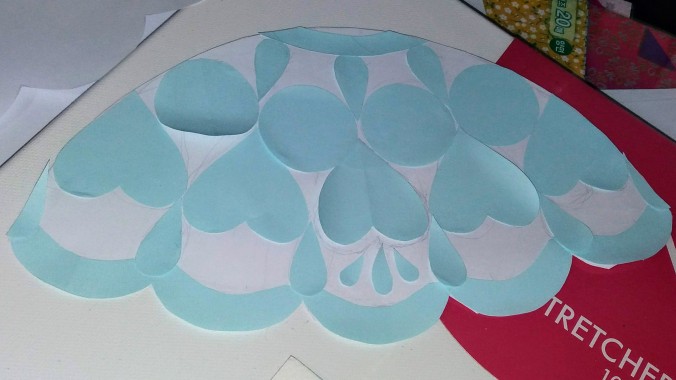
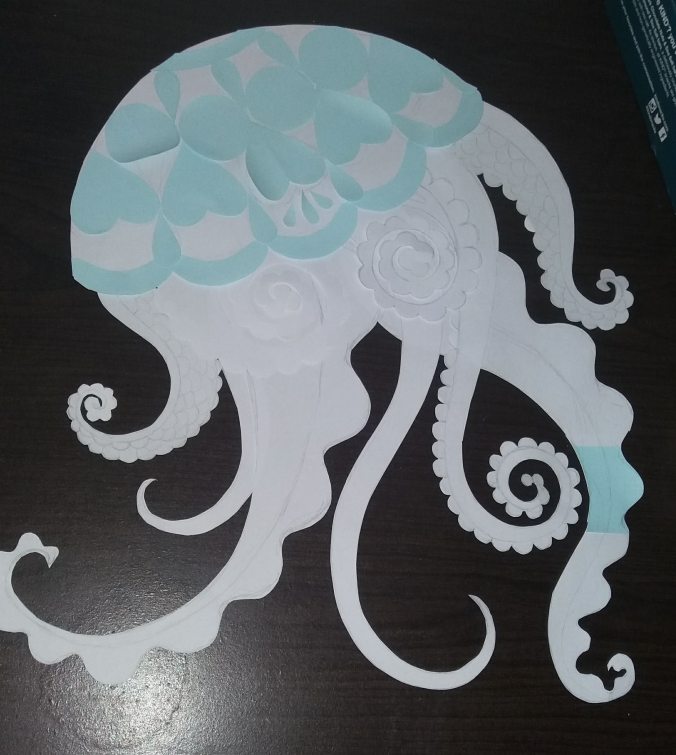
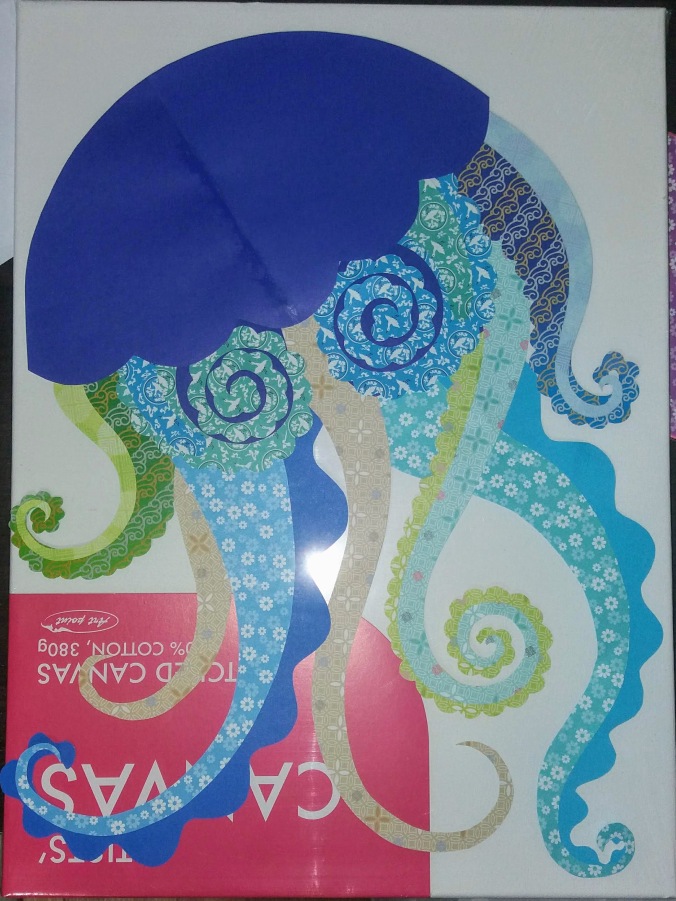 When I made my final color decisions, the last of the cutting was ahead of me. I had to trace the white paper stencils onto the origami paper and faithfully cut each shape and each layer. The tentacles were actually fairly easy, but the accents on the body were the most challenging. Here again the sticky paper came in handy since I could just stick my stencil to the colored paper rather than try to hold it down. I also enjoyed using the designs on the paper like using the pink circles on dark green to make the circle centers, or using those same patterns on the purple to accent the hearts. Not only cutting the shapes I needed, but cutting them around the patterns.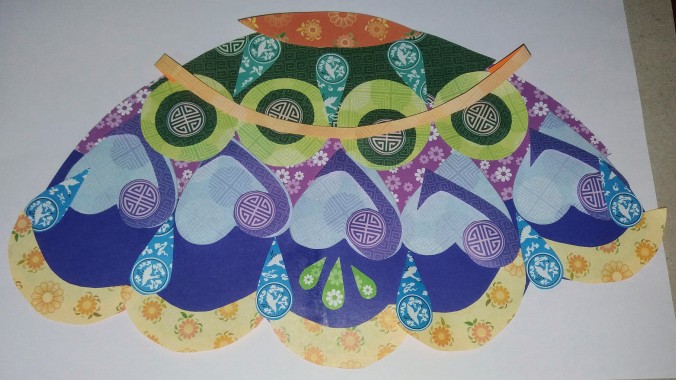



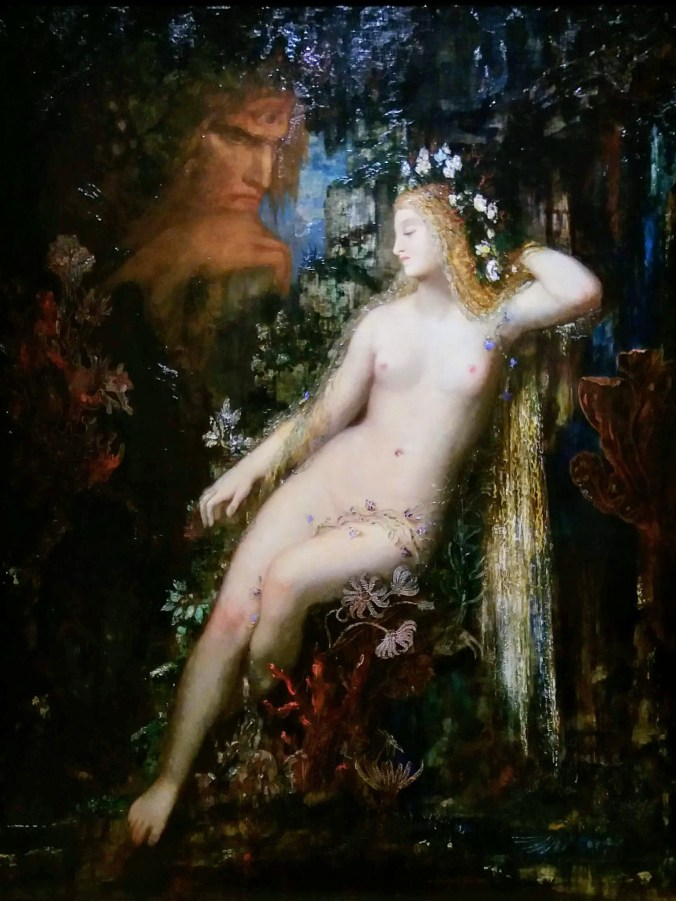


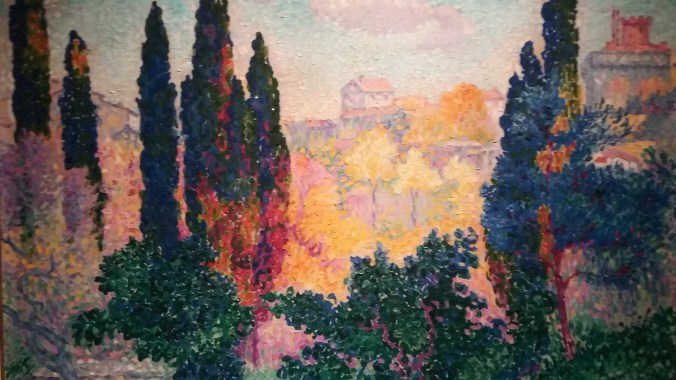
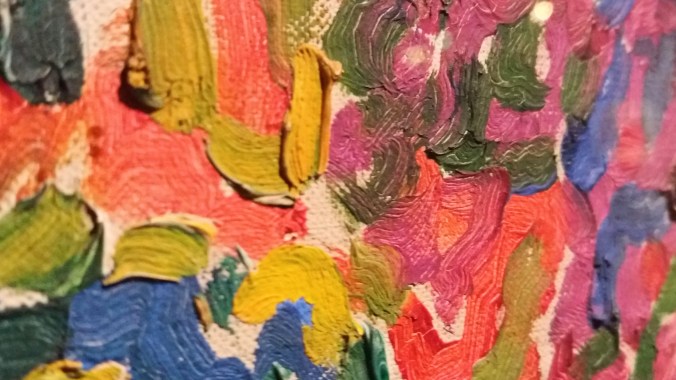
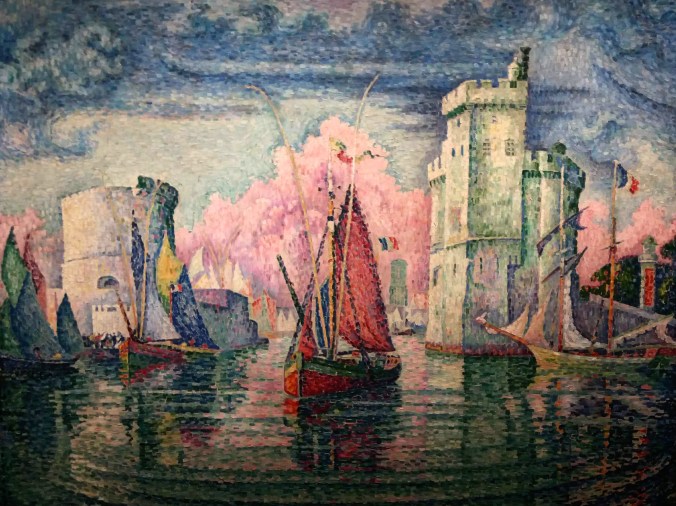

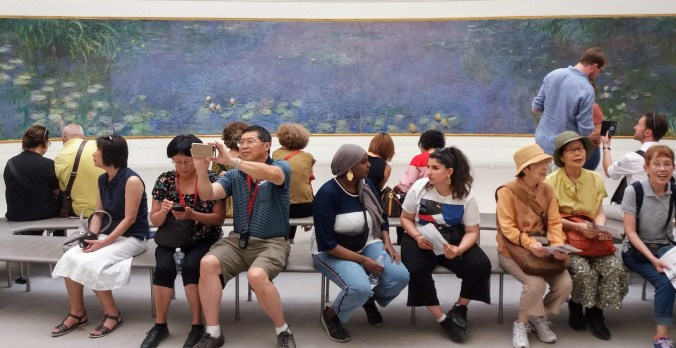
 I finally found my way to the van Gogh. I have loved him since I first saw his distinctive style, and came to love him more when I learned we shared a bit of atypical neurology. I planned on going to his museum in Amsterdam, but I couldn’t pass up the chance to see his works in Paris, too.


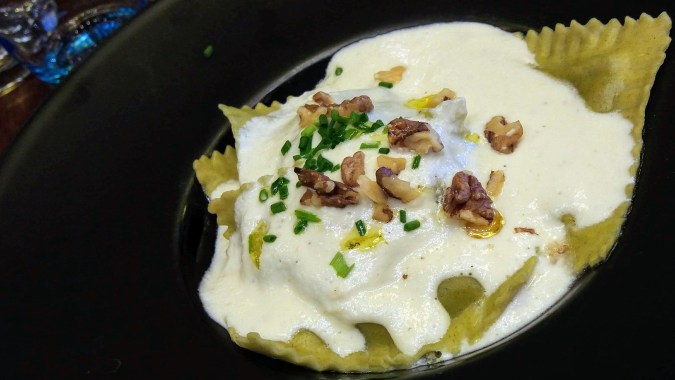


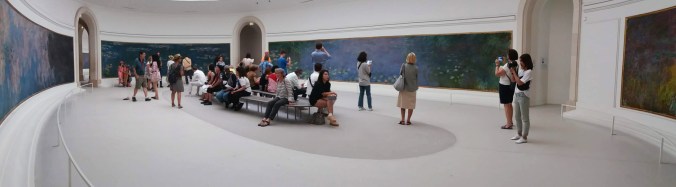
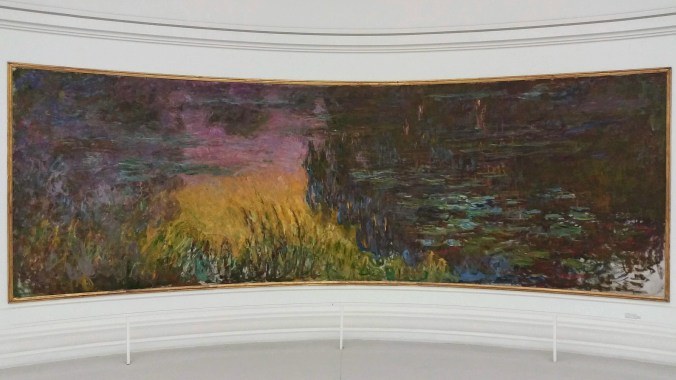





 It took me ages to find the Metro station that was meant to be a 5 minute walk from my hostel in part because Google, and in other part because the Metro stations in Moscow don’t have any helpful signs with pictures or symbols to identify them. Maybe they say the name of the station on the outside, but I was looking for a big “M” or an icon of a subway train which has been a constant in every other metro system I’ve used. This is actually the logo for the Moscow metro and it was not on any of the buildings or any signs nearby.
 Sadly, I still don’t know what Red Square looks like, since there were about a million white tents set up and a large area blocked off and converted into a stadium for an upcoming festival. I walked slowly and perused the kiosks selling a narrow but colorful array of Russian souvenirs. I didn’t stop to buy, however because it looked mostly mass produced.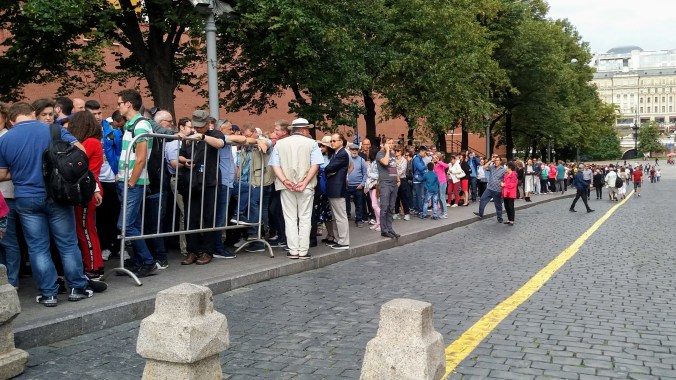
 It’s possible to go inside for a fee, but online reviews all agreed that the cool part is on the outside. Bonus, there was a marching band practicing in the temporary stadium field nearby, so I got to watch a little bit of counter-marching through the fence and experience some serious cognitive dissonance as they played the 1812 Overture (for non-Americans, that’s because it’s a staple of our own Independence Day celebrations).










 I had to check out of my Airbnb by 10am, and my host did not offer any variety of luggage storage. Neither does the museum offer any sort of cloak room or bag-check room. I checked a few websites for storage options, but it turns out that there are only a few places around town where it’s even possible and they are mightily expensive. I was travelling light (backpack only, yes, that is my actual luggage for the whole 7 week trip), but it was still at least 10-12 kilos, which can become tiresome to carry for many hours.





.jpg)
.jpg)
.jpg)


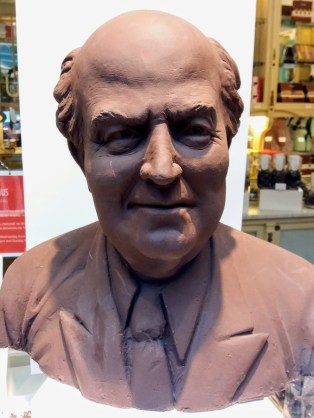
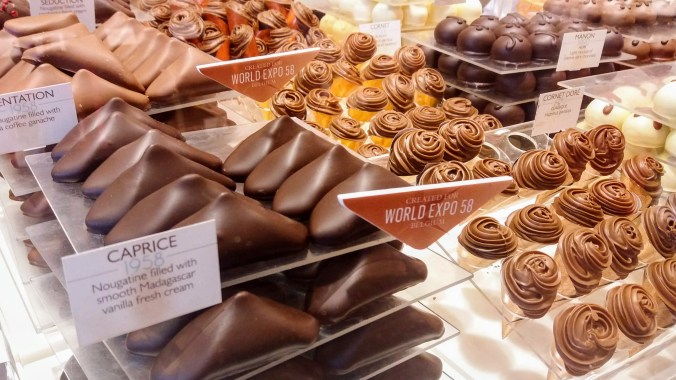


 While I was interrogating the staff about their chocolate it became apparent they were only selling boxes (8 piece minimum). When I asked about the possibility of only buying a few pieces, I was sent upstairs to a little dining area. Although their chocolates focus mainly on single origin, bean to bar flavors, they do have a signature dessert line called the “Desir” which comes in a variety of flavors from white to dark chocolate and passing through a range of fruit and nut compliments.
 Desir Noisette: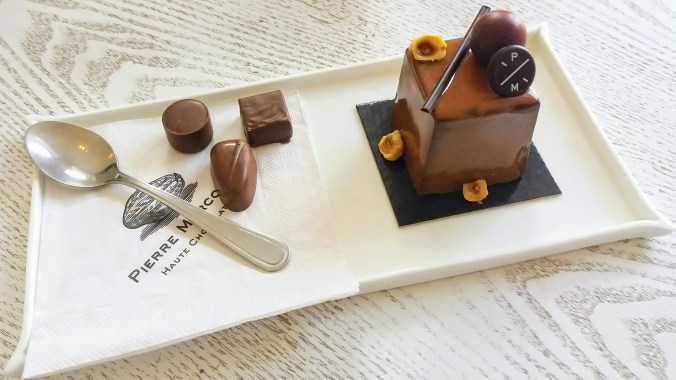
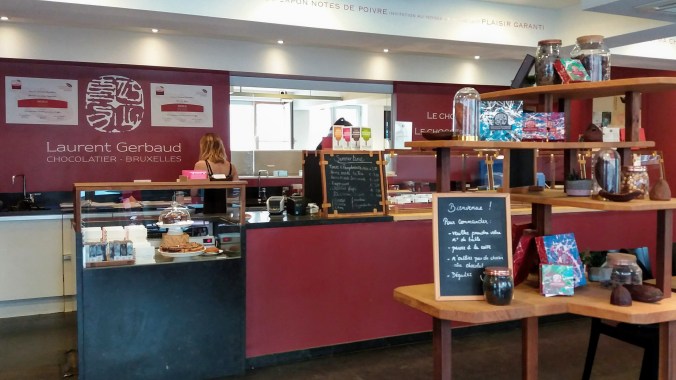 This shop is a little far out of the way but it is 100% worth the detour. It is a beans to bar production which means they actually make the chocolate from scratch. Most places buy chocolate from a bulk supplier and then add their own flavors. A few more places in Belgium are moving away from the couverture and into the beans to bar. My top 3 picks in Belgium are all bean to bar makers. Laurent Gerbaud is one of them.
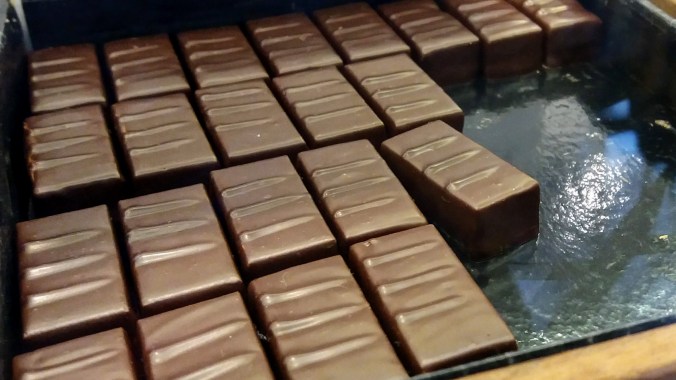 Black Olive Ganache: This award winning flavor was given to me as a sample. I probably wouldn’t have bought it just to find out, but they were excited to show off. It’s not as bad as it sounds. The filling evoked raisin and anise notes as my brain tried to reconcile chocolate and olive. I did have some cognitive dissonance as my palate refused to accept the blend. The second bite was smoother. Since I’m not really a fan of anise or raisin it wasn’t a winner for me, but neither did I feel the need to brush my teeth afterward. It went a long way toward showing me the skill of the makers.
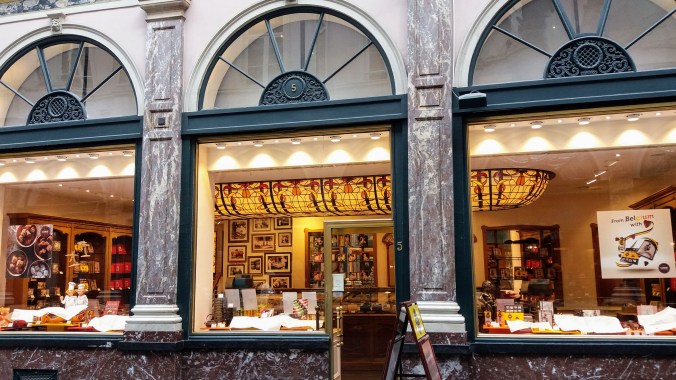 Pistachio Marzipan: So sweet! Even with the dark exterior. The almond flavor was ok, but the pistachio was not noticeable.
  Manon Sucre Vanilla: This shop is famous for inventing this particular confection, although other shops make and sell it now, too. It is so so so sweet. Nougat creme and nuts in white chocolate. It’s like someone took divinity and added white chocolate and whipped cream. Not… bad? Just so much sugar! I think the filling would have been great as a contrast to a dark, bitter exterior but only vanilla and coffee were on offer.
 Another “historical” stop.
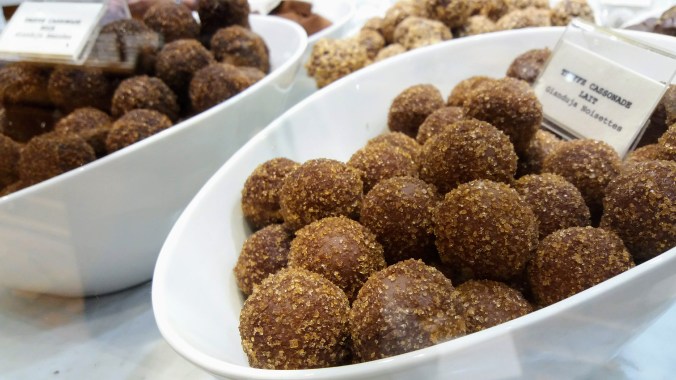
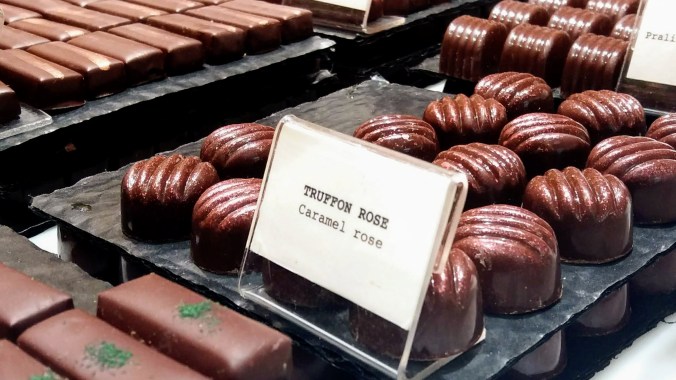


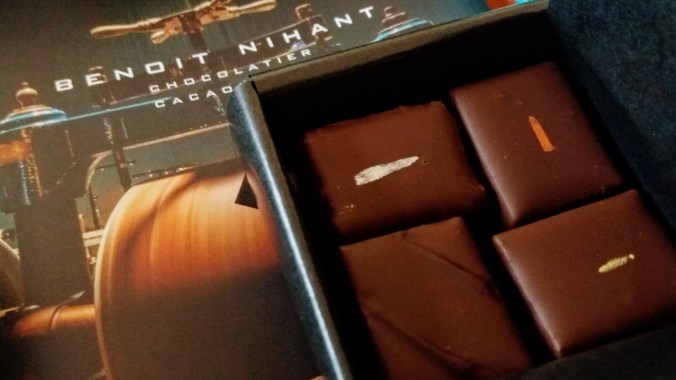


 Chocolate is one of my favorite things on Earth, however it is an industry rife with slavery and abuse. Cocoa only grows in a few places on the planet and those are almost exclusively in 3rd world, developing nations in Central & South America, as well as Africa. Cheap chocolate companies use child labor, forced labor, and under paid labor, putting vulnerable people at risk and taking advantage of the economic disparity between developed and developing nations.
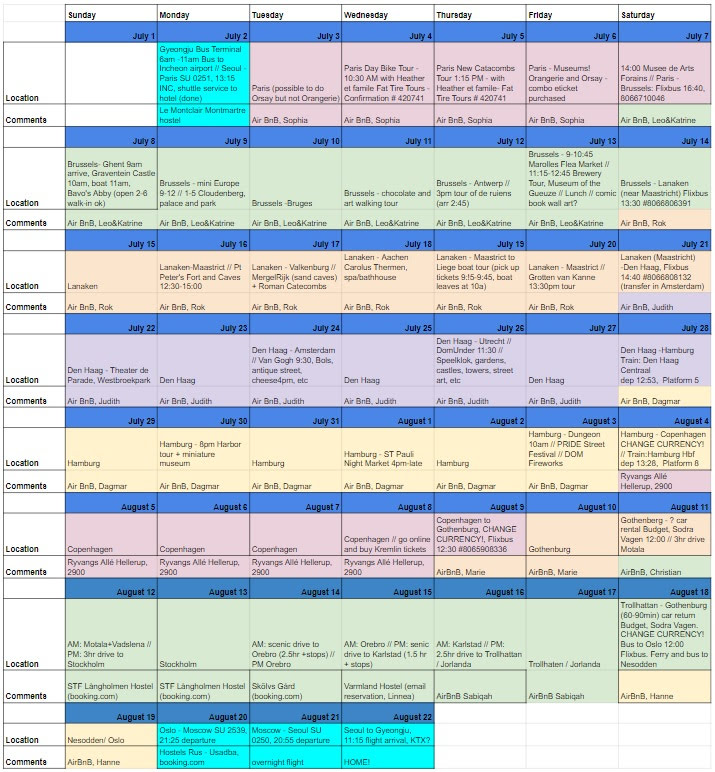
 Plan?
Plan? 


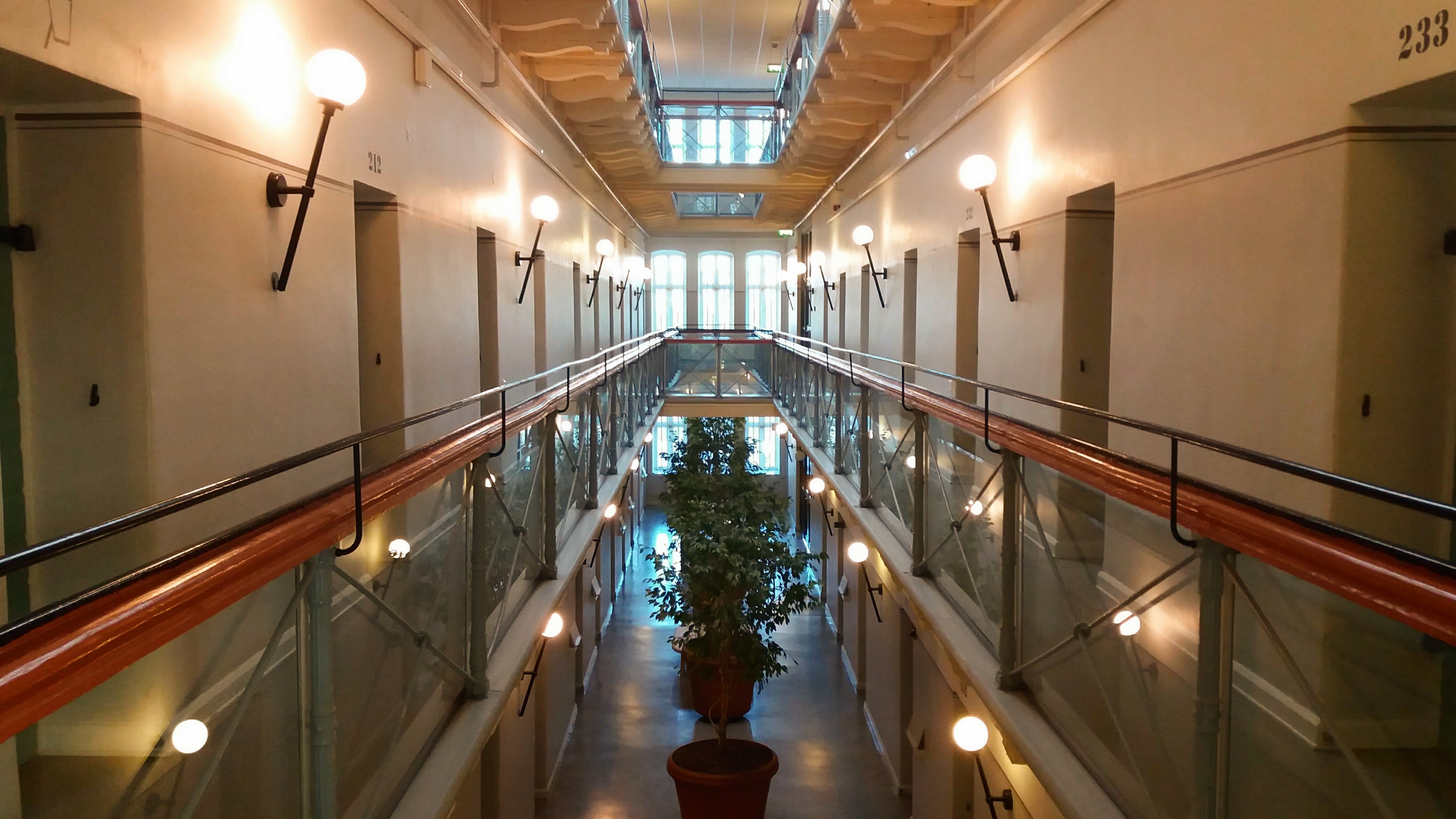







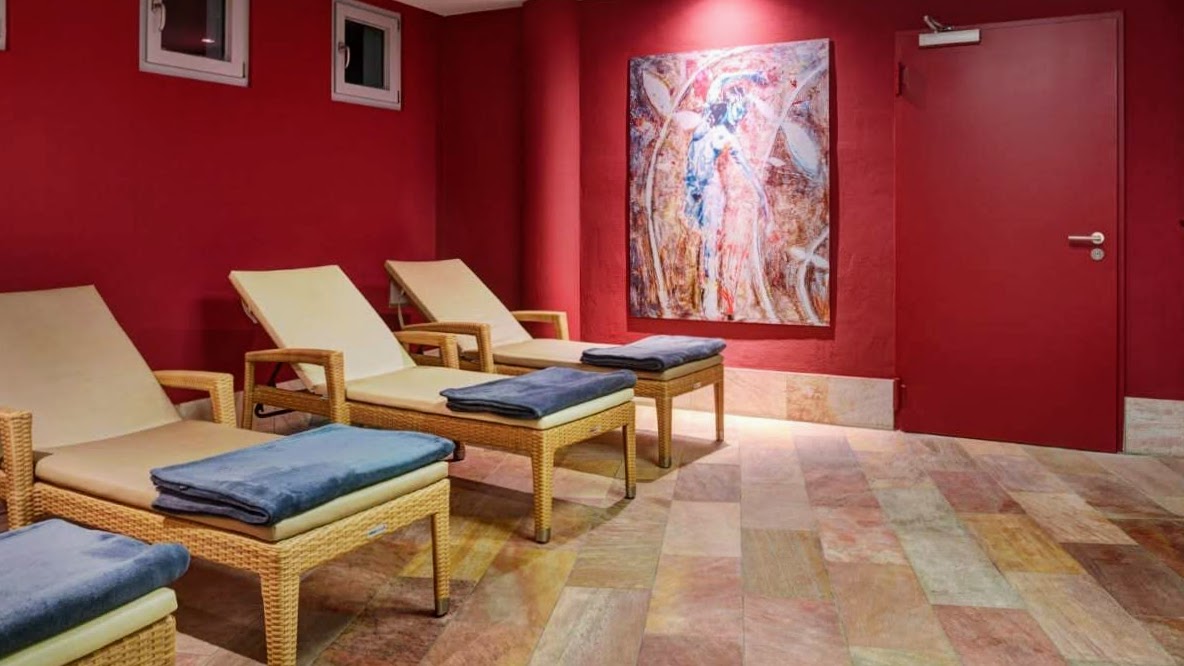


 You know that blast of heat you get when you open the oven to check on something? It was like that. The force of the hot air hitting us dead on as he went around the room. People put their arms up like in a roller coaster.
 It’s a dry sauna meant to be like a red brick oven which is not uncommon in saunas. I’ve seen several in the Jimjilbang in Korea. However at Carolus, there’s actually an oven inside. Although the room is open for use all the time, every couple hours they bake something in the oven while people are there. I read about it before going and it was one of the things I was most looking forward to. I went into the room the same time the dough did and I lay in the semi-dry heat (60°C 40% humidity) dripping sweat and surrounded by the wonderful smell of fresh baking bread. I can’t even properly describe this room other than to say I felt like I was in the oven with the bread…in a really yummy way, not in a gingerbread cottage witch way.
 Gallivantrix